
White Day (March 14) is Japan’s “return-gift” tradition that follows Valentine’s Day. If you received chocolates or a small present on February 14, you’re generally expected to reciprocate—most often with sweets or a thoughtful gift.
For Americans navigating Japanese culture—whether for a partner, friend, or coworker—White Day can raise practical questions. How much should you spend? Is “triple the value” actually required? What’s appropriate at work?
This guide explains the modern rules clearly, so you can choose White Day gifts confidently and avoid awkward cultural missteps.


What Is White Day? (Quick Explanation for Americans)

White Day is celebrated on March 14, exactly one month after Valentine’s Day. The custom began in Japan and later spread to parts of East Asia. Unlike in the United States—where Valentine’s Day gift exchange is typically mutual—Japan separates the act of giving and returning.
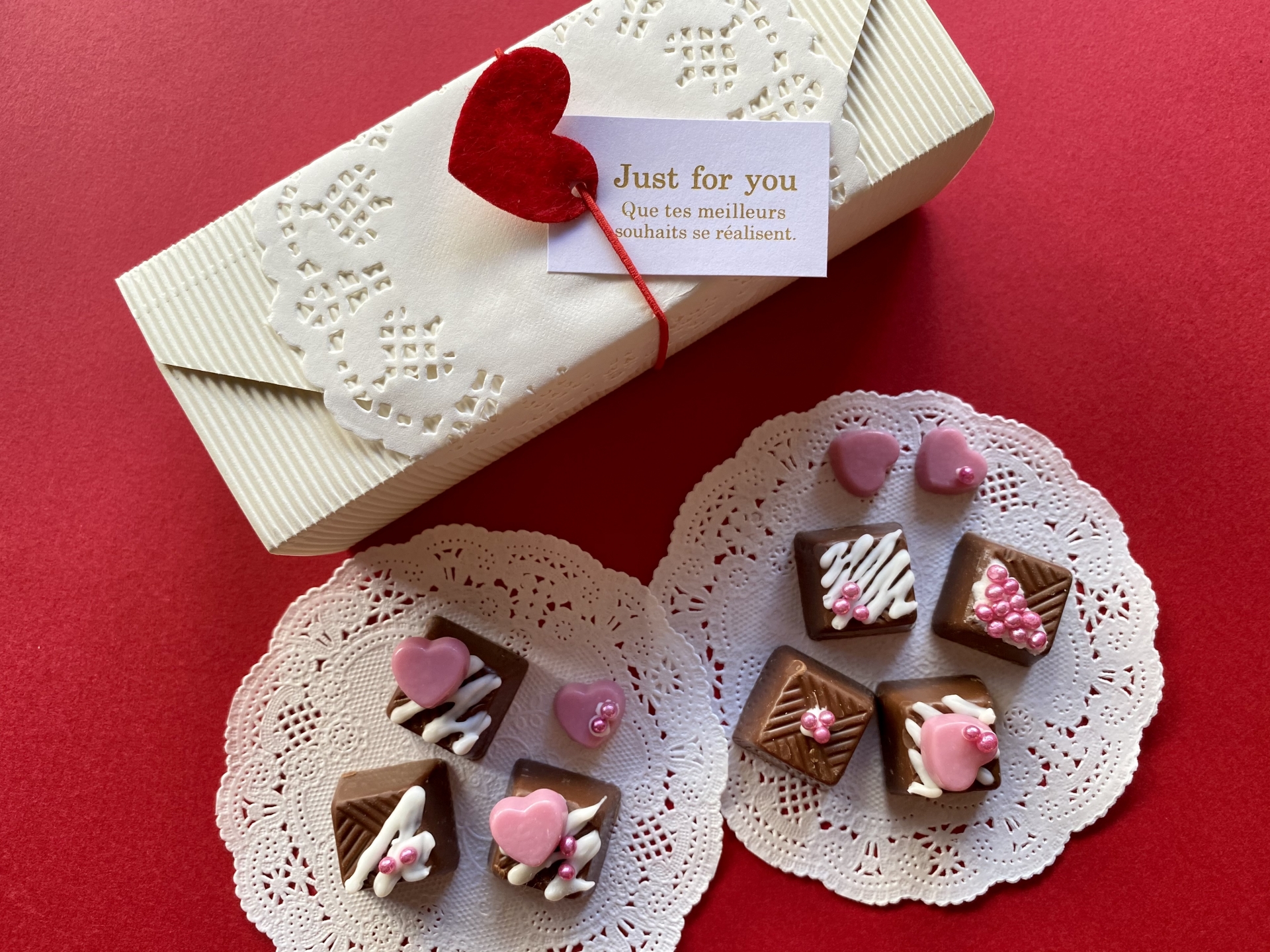
On February 14, women commonly give chocolates to men. These may be romantic gifts for a partner, but they are often also courtesy gifts for male coworkers or friends. White Day is the occasion when the recipients return the gesture.
White Day at a glance:
Date: March 14
Who gives: The person who received a Valentine’s gift
Typical gifts: Sweets or small thoughtful presents
The key point for Americans is that White Day is not a second Valentine’s Day. It is specifically about reciprocation. If someone followed Japanese customs and gave you a gift on February 14, March 14 is your opportunity to respond proportionately and thoughtfully.

Modern White Day Gift Etiquette: Do You Really Need “Sanbai Gaeshi”?
You may have encountered the term sanbai gaeshi, meaning “triple return.” Traditionally, this suggested that a White Day gift should be worth roughly three times the value of the original Valentine’s gift.
In contemporary practice, however, this is not a strict rule. Most people today do not calculate exact multiples. Instead, they focus on balance and tone. Giving something of similar or slightly higher value is generally sufficient. The emphasis has shifted from strict obligation to thoughtful reciprocity.
A helpful way to think about it is this: match the emotional weight of the original gift. If you received a modest box of chocolates, respond with something comparable or slightly upgraded. If you received a heartfelt romantic gesture, your return can reflect deeper intention.
| Relationship | Typical Spend | Safe Gift Types |
| Romantic Partner | Equal to slightly more | Premium sweets, flowers, accessories |
| Friend | Similar value | Boxed sweets, small treats |
| Coworker | Modest & practical | Individually wrapped sweets |
The real rule is consistency and sincerity. Precision math is far less important than social balance.
Classic White Day Gifts (The “Safe & Traditional” List)
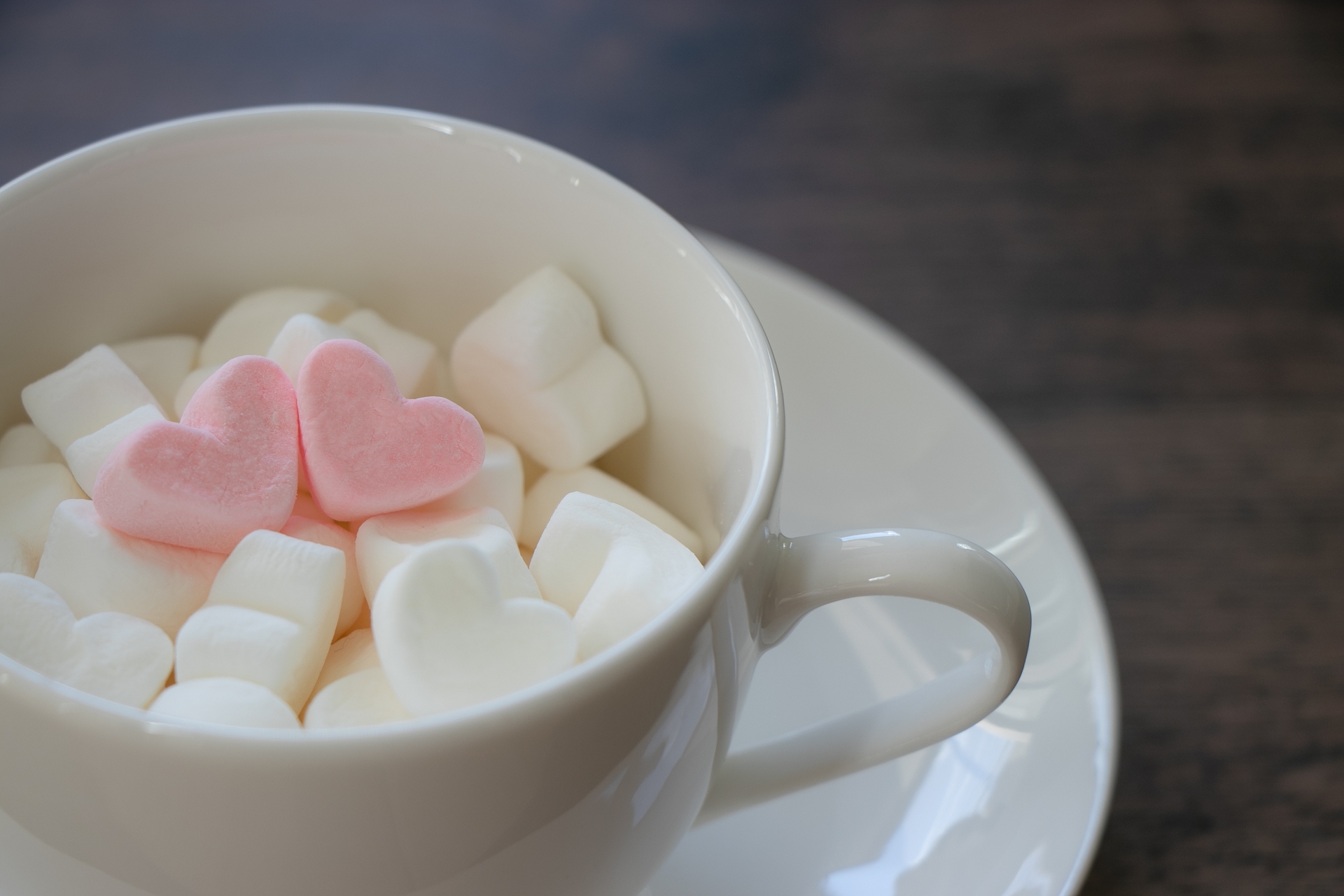
White Day has strong ties to Japan’s confectionery industry, which is why sweets remain the most traditional and culturally aligned choice. The “white” in White Day originally symbolized purity and sincerity, reinforcing the popularity of white chocolate and marshmallows.
Today, the safest and most widely accepted White Day gifts are still edible. White chocolate, cookies, and neatly packaged candies are especially common. Among these, cookies and individually wrapped sweets tend to be the most versatile because they feel neutral and are easy to share in group settings.
When choosing sweets in the United States, dietary awareness is essential. Checking for nut ingredients, dairy content, or other allergens is important, particularly in workplace settings. Clear labeling and professionally packaged items are always preferable. If you are unsure about someone’s preferences or restrictions, individually wrapped cookies or candies remain the most universally appropriate option.
Chocolate vs Cookies vs Candy: Which One Fits Your Relationship?
The type of sweet you choose subtly communicates tone. Chocolate, especially premium boxed varieties, often feels more romantic. It works well for a partner but may feel slightly intense for a coworker.
Cookies are widely regarded as the safest middle ground. They feel friendly rather than intimate and are easy to distribute in an office environment. Candy, particularly individually wrapped assortments, also works well in professional or casual settings because it avoids romantic overtones.
Marshmallows are historically linked to White Day marketing, but in the U.S., they can feel ambiguous and are less commonly associated with gift-giving. If you are unsure, cookies or assorted candies are typically the safest workplace choice.
White Day Gifts by Relationship (Girlfriend, Wife, Friend, Coworker)

Choosing the right White Day gift depends heavily on your relationship with the recipient. The goal is not escalation, but proportionate acknowledgment.
For a Partner (Girlfriend / Wife)
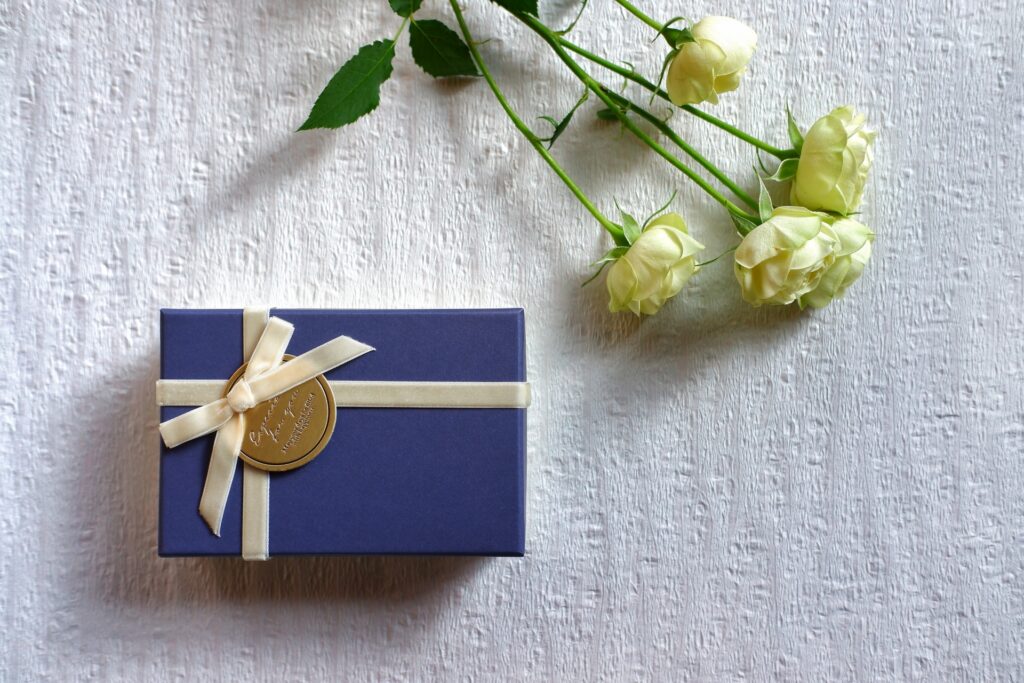
For a romantic partner, White Day is an opportunity to show appreciation without overcompensating. A slightly upgraded gesture—such as premium sweets, flowers paired with a handwritten card, or a planned dessert date—feels intentional without being excessive.
Small jewelry pieces can be appropriate if your relationship is established, but dramatic luxury purchases early on may create imbalance. A good rule of thumb is to reflect the emotional tone of Valentine’s Day. If the original gift was sweet and modest, your response can be equally sweet with a touch more effort.
Message examples:
“Thank you for making Valentine’s Day special. I’m lucky to have you.”
“Just a little something to return the sweetness.”
“I can’t wait for more memories together.”
For Coworkers / Friends
In workplace or friendship contexts, White Day functions as polite reciprocity. The safest approach is neutrality and fairness. Individually wrapped sweets or a shareable box distributed evenly among colleagues prevents awkwardness.
Avoid overly personal items, fragrances, or expensive gifts that single out one person disproportionately. In professional settings, balance matters more than creativity.
Message examples:
“Thank you for the Valentine’s gift.”
“Please enjoy this small token of appreciation.”
“Happy White Day!”
The objective is acknowledgment, not romantic signaling.
Budget Guide (US Prices): What to Buy Under $20 / $50 / $100
For Americans shopping domestically, thinking in price tiers can simplify decision-making.
Under $20 is ideal for coworkers and casual friends. Individually wrapped sweets, a small bouquet, or quality tea or coffee are practical and appropriate.
The $20–$50 range works well for romantic partners in most relationships. Premium boxed chocolates, a sweets-and-flowers combination, or a dessert outing feel generous without being excessive.
The $50–$100 range is suitable for established partners. Subtle jewelry or experience-based gifts—such as restaurant reservations or event tickets—create meaningful memories while staying proportionate.
If you are concerned about sanbai gaeshi, remember that balance matters more than strict multiplication. Slightly exceeding the original value is thoughtful; dramatically exceeding it may create discomfort.
What NOT to Give: Common White Day Mistakes
The most common White Day mistake is overcorrection. Extremely expensive gifts early in a relationship can create pressure rather than appreciation. Likewise, intimate items such as perfume are inappropriate in workplace settings.
Another frequent oversight is ignoring dietary restrictions. In multicultural or professional environments in the United States, being mindful of allergies and religious considerations is essential.
It is also worth noting that participation in White Day has declined somewhat among younger generations in Japan due to “obligation fatigue.” This cultural shift reinforces an important principle: sincerity outweighs extravagance. A well-chosen, proportionate gift is far more meaningful than a dramatic gesture.
FAQ (People Also Ask-Style)
Why is it called White Day?
White Day originated in Japan and was promoted by confectionery companies. The color white symbolized purity and sincerity, and white sweets such as white chocolate became strongly associated with the holiday.
Is White Day celebrated in America?
White Day is not widely celebrated in the United States. However, it may be observed within Japanese communities or by culturally aware couples who want to reciprocate a Valentine’s gift in the Japanese style.
What’s the difference between Valentine’s Day and White Day in Japan?
In Japan, Valentine’s Day often involves women giving chocolates to men. White Day, one month later, is when recipients return the gesture. The two holidays divide giving and reciprocation into separate occasions.
What is sanbai gaeshi?
Sanbai gaeshi means “triple return” and refers to the idea of giving a White Day gift worth roughly three times the original gift’s value. Today, it functions more as a guideline than a strict requirement.
Conclusion: The Real Rule of White Day
White Day is about reciprocity, not pressure.
If you keep three principles in mind, you will navigate it successfully: match the tone of the original gift, keep workplace gestures simple, and prioritize thoughtfulness over price.
When in doubt, choose something sweet, sincere, and proportionate. White Day gifts are not about perfection—they are about returning kindness in a meaningful way.