Introduce Constitution Memorial Day (Kenpō Kinenbi) as a Japanese national holiday observed on May 3. Briefly explain that it commemorates the enforcement of Japan’s postwar constitution in 1947. Clarify that the article will cover its meaning, historical background, modern relevance, and practical implications for travelers during Golden Week.


What Is Constitution Memorial Day in Japan?
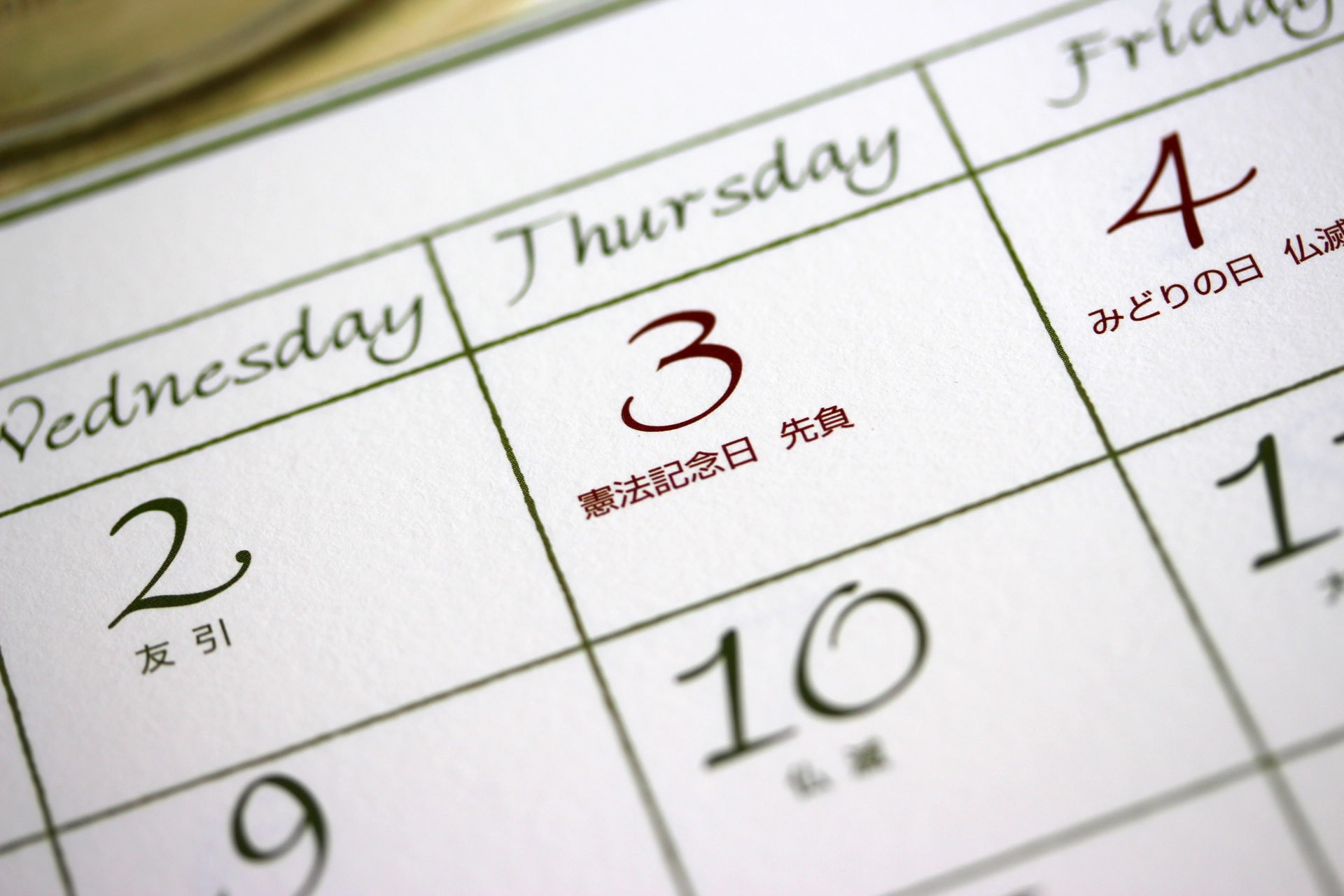
Constitution Memorial Day (Kenpō Kinenbi) is a national holiday in Japan observed annually on May 3. It commemorates the enforcement of Japan’s current constitution, which came into effect in 1947 following World War II. Officially designated as a day to “reflect on the Constitution and wish for the growth of the nation,” it combines both remembrance and forward-looking reflection.
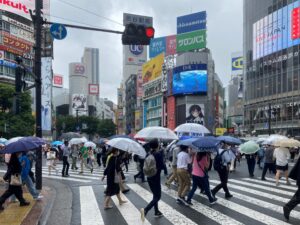
This holiday is also a key part of Japan’s Golden Week, one of the country’s busiest holiday seasons. For both residents and international travelers, it represents not only a historically significant day but also a time when travel, tourism, and public life reach peak activity across Japan.
What Does “Kenpō Kinenbi” Mean?
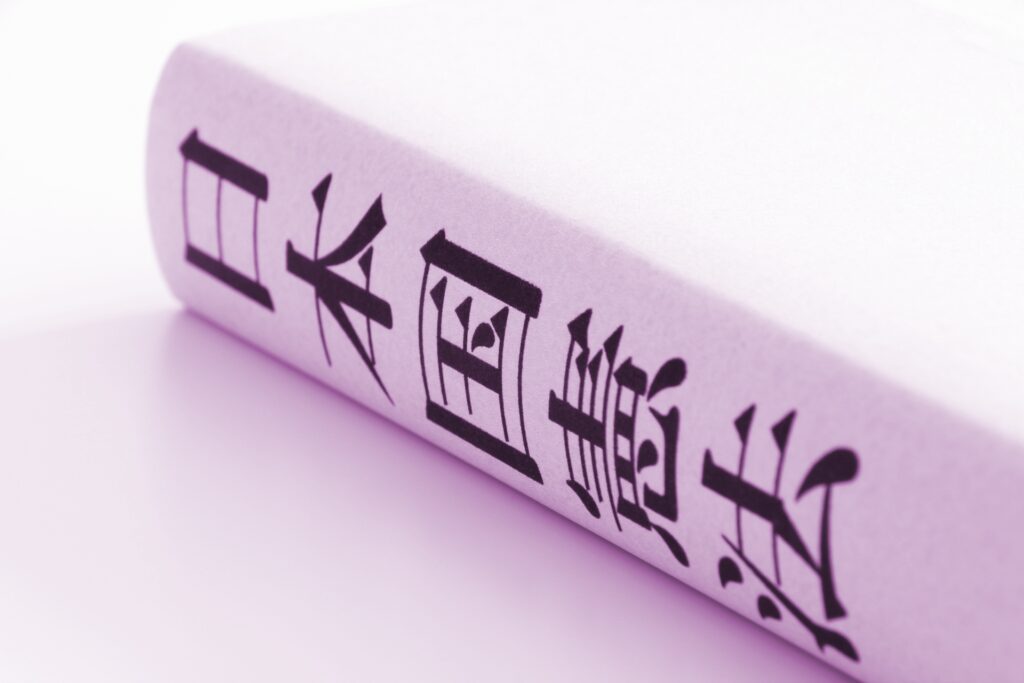
The Japanese term Kenpō Kinenbi (憲法記念日) can be broken down into two parts: kenpō (憲法), meaning “constitution,” and kinenbi (記念日), meaning “commemorative day” or “memorial day.” Together, the phrase literally translates to “Constitution Memorial Day.”
For English-speaking audiences, understanding this breakdown helps clarify that the holiday is not celebratory in a festive sense, but rather commemorative—focused on reflection, education, and civic awareness.
Why Is Constitution Memorial Day Celebrated on May 3?
May 3 marks the date in 1947 when Japan’s postwar constitution officially came into force. While the constitution was promulgated earlier, on November 3, 1946, it did not become legally effective until six months later.
This distinction is crucial: Constitution Memorial Day celebrates the enforcement of the constitution, not its announcement. The enforcement date represents the moment when the new legal framework began shaping Japanese society in practice.
Promulgation vs. Enforcement: Key Differences
A common point of confusion is the difference between promulgation and enforcement. Here’s a clear comparison:
| Event | Date | Meaning |
| Promulgation | November 3, 1946 | Constitution officially announced to the public |
| Enforcement | May 3, 1947 | Constitution came into legal effect |
| Holiday | May 3 | Celebrates enforcement, not promulgation |
Understanding this distinction helps clarify why May 3—not November 3—is observed as a national holiday.
Historical Background: Japan’s Postwar Transformation
Japan’s current constitution replaced the Meiji Constitution of 1889 following the country’s defeat in World War II. The new constitution marked a dramatic transformation in Japan’s political and social structure, shifting from imperial sovereignty to a democratic system centered on the people.
This transition introduced parliamentary democracy, expanded civil liberties, and redefined the role of the emperor as a symbolic figure rather than a political authority. The constitution became the foundation of modern Japan, shaping its governance, legal system, and national identity.
The Three Core Principles of Japan’s Constitution
Japan’s constitution is built on three fundamental principles:
- Popular Sovereignty: Political power resides with the people rather than a monarch.
- Fundamental Human Rights: Guarantees freedoms such as speech, religion, and equality under the law.
- Pacifism: A commitment to peace and the rejection of war as a means of resolving conflict.
These principles are often taught in schools and discussed in public discourse, making Constitution Memorial Day an opportunity to revisit their meaning and relevance.
What Is Article 9 and Why Is It Important?
Article 9 is one of the most well-known and internationally discussed parts of Japan’s constitution. It renounces war and prohibits Japan from maintaining military forces for warfare purposes.
Although Japan maintains Self-Defense Forces, Article 9 continues to shape national debates about security, defense policy, and international cooperation. Its presence highlights Japan’s postwar commitment to peace and remains a central topic in discussions about constitutional interpretation.
How Is Constitution Memorial Day Observed Today?
Unlike more festive holidays, Constitution Memorial Day is generally observed in a quiet and reflective manner. There are no large-scale parades or celebrations. Instead, the day is marked by:
- Public lectures and symposiums about the constitution
- Newspaper editorials and media discussions
- Educational programs in schools and communities
Some government-related institutions, such as the National Diet Building, may offer special public access or events, encouraging citizens to engage with democratic institutions.
Constitution Week in Japan
Constitution Memorial Day falls within a broader observance known as Constitution Week, typically spanning from May 1 to May 7. During this period, various organizations host events aimed at promoting understanding of the constitution, democracy, and legal systems.
Although not widely known outside Japan, Constitution Week adds depth to the holiday by extending its educational and reflective purpose beyond a single day.
Is Constitution Memorial Day Part of Golden Week?
Yes, Constitution Memorial Day is one of the central holidays within Golden Week, a cluster of national holidays in late April and early May. This period is one of the busiest travel seasons in Japan.
Golden Week includes:
- Showa Day (April 29)
- Constitution Memorial Day (May 3)
- Greenery Day (May 4)
- Children’s Day (May 5)
Because these holidays are close together, many people take extended vacations, leading to heavy travel demand nationwide.

Golden Week Calendar Example (Including 2026 Note)
Here’s a simplified example of how Golden Week aligns in 2026:
- April 29 (Wednesday): Showa Day
- May 3 (Sunday): Constitution Memorial Day
- May 4 (Monday): Greenery Day
- May 5 (Tuesday): Children’s Day
2026 Note: May 3 falls on a Sunday, so a substitute holiday is observed on May 6 (Wednesday). This creates an extended holiday period and can further increase travel congestion.
What Should Tourists and Expats Know?

For travelers and foreign residents, Constitution Memorial Day is less about ceremonies and more about logistics. Because it falls during Golden Week, it significantly affects transportation, accommodation, and daily services.
Expect crowded trains, higher hotel prices, and difficulty securing reservations. Planning ahead is essential if you intend to travel during this period.
What Is Closed and What Stays Open?
Here’s a practical overview:
| Type | Status |
| Government offices | Closed |
| Banks | Closed |
| Post offices | Closed (limited services may exist) |
| Shops & restaurants | Open but very busy |
| Tourist attractions | Open but crowded |
Unlike some countries, commercial businesses in Japan often remain open during public holidays, making sightseeing possible—though crowded.
Travel Tips for Golden Week Around May 3
To navigate Golden Week effectively, consider the following:
- Book early: Hotels and transportation sell out weeks or months in advance.
- Avoid peak days: Travel just before or after the main holiday cluster if possible.
- Check hours: Some attractions may have adjusted schedules.
- Use IC cards: Speed up transit access in crowded stations.
- Expect crowds: Popular destinations will be significantly busier than usual.
Careful planning can make the experience enjoyable despite the crowds.
Why Constitution Memorial Day Still Matters Today
Beyond its historical origins, Constitution Memorial Day remains relevant as a moment to reflect on democratic values, human rights, and peace. In modern Japan, discussions around constitutional interpretation—especially Article 9—continue to evolve.
The day serves as a reminder that the constitution is not just a historical document but a living framework that influences contemporary society, governance, and national identity.
Conclusion: Understanding the Meaning Behind May 3
Constitution Memorial Day is more than just a date on the calendar. It marks the enforcement of a document that reshaped Japan’s political system and continues to guide its values today.
For visitors, it offers insight into Japan’s modern identity while also requiring practical travel planning due to Golden Week. Understanding both its cultural significance and logistical impact allows for a richer and smoother experience in Japan during early May.
FAQ: Constitution Memorial Day in Japan
What is Constitution Memorial Day?
It is a Japanese national holiday on May 3 that commemorates the enforcement of the 1947 constitution.
Why is it on May 3?
Because that is the date the constitution came into effect, not when it was announced.
Is it part of Golden Week?
Yes, it is one of the main holidays within Golden Week.
Is everything closed?
Government offices and banks close, but shops, restaurants, and attractions usually remain open.
What is Article 9?
A clause in the constitution that renounces war and emphasizes pacifism.
How is it different from Culture Day?
Culture Day (November 3) celebrates culture and academic freedom, while Constitution Memorial Day focuses on the enforcement of Japan’s constitution.