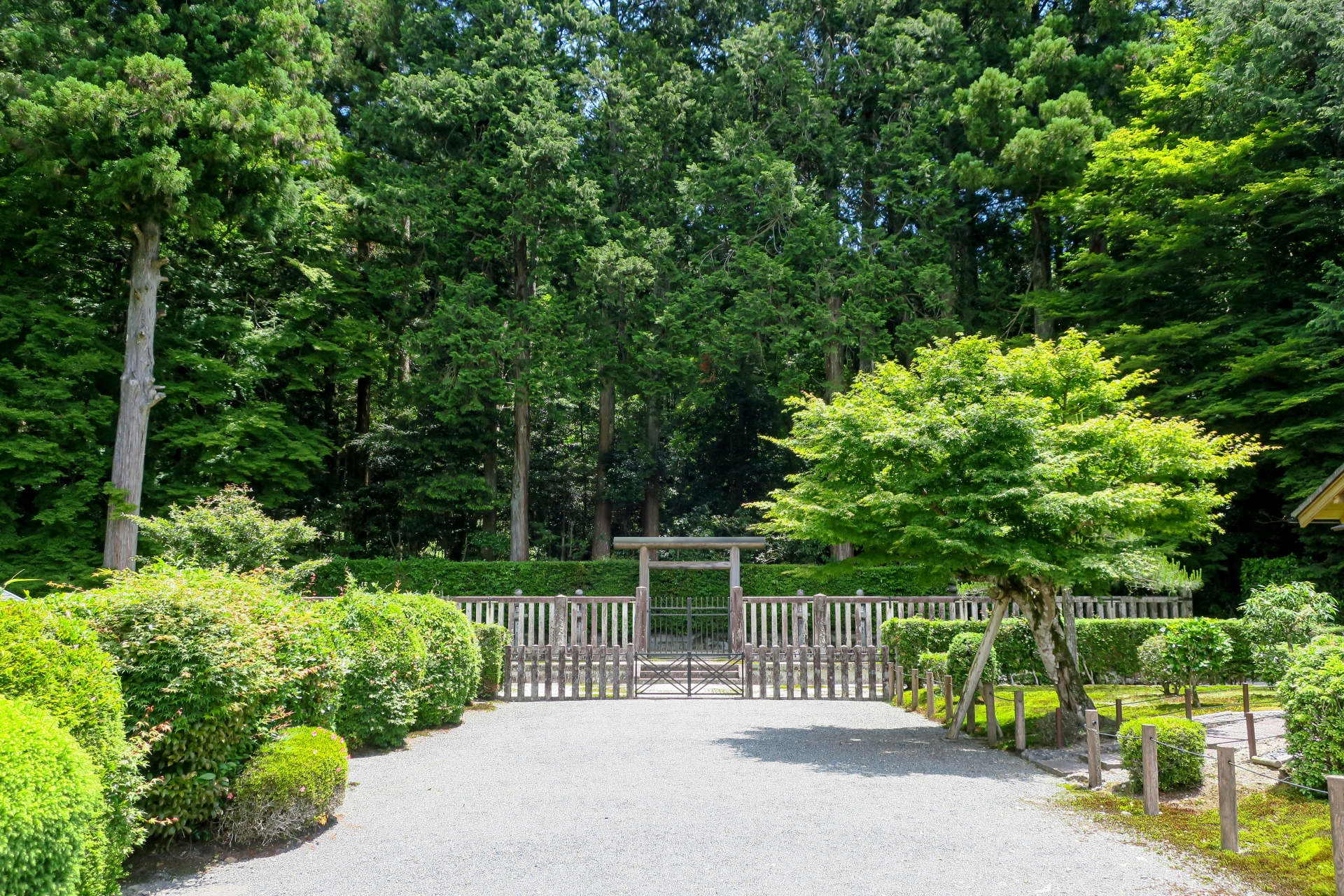
Emperor Go-Toba (1180–1239), also spelled Emperor Gotoba, was one of the most complex figures in early medieval Japan. A ruler who abdicated yet continued to wield power behind the scenes, he attempted to overthrow the rising samurai government in what became the Jokyu War. After his defeat, he was exiled to the Oki Islands, where he spent the rest of his life.
Yet political failure did not erase his influence. As a patron of the imperial poetry anthology Shin Kokin Wakashu and an unusual imperial supporter of swordsmithing, Go-Toba left a cultural legacy that outlasted his rebellion.
This article explores his life, political ambition, exile, artistic achievements, and historical significance.


Who Was Emperor Gotoba?
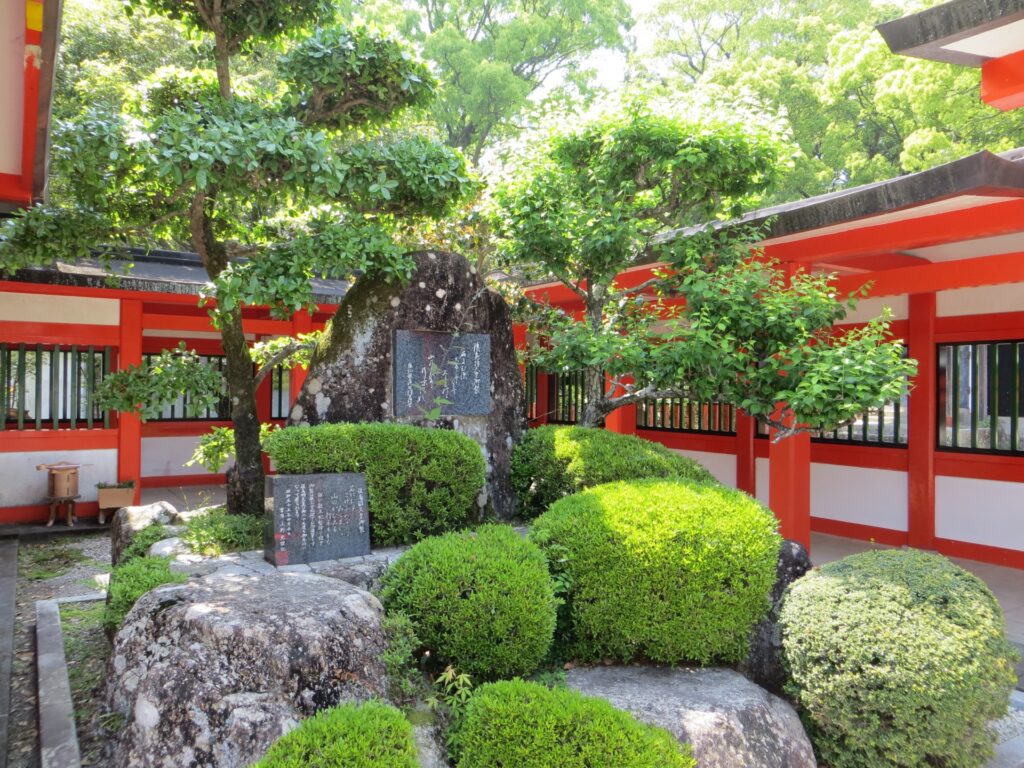
Emperor Go-Toba (1180–1239), often spelled Emperor Gotoba, was the 82nd emperor of Japan. He ascended the throne in 1184 at the age of four, during one of the most dramatic turning points in Japanese history—the transition from aristocratic court rule in Kyoto to military government under the samurai.
His official reign lasted until 1198, when he abdicated. Yet abdication did not mean retirement from power. Through the insei system, or cloistered rule, a retired emperor continued to govern behind the scenes while a successor occupied the throne. This system had functioned effectively in the late Heian period, and Go-Toba sought to revive strong imperial authority through it. However, by his time, real political and military control had shifted to Kamakura.
Timeline of Emperor Go-Toba’s Life
| Year | Event |
| 1180 | Birth |
| 1184 | Enthroned as Emperor (age 4) |
| 1198 | Abdicated; began cloistered rule |
| 1221 | Jokyu War (Rebellion against Kamakura) |
| 1221 | Exiled to the Oki Islands |
| 1239 | Death in exile |
Go-Toba’s life reflects a clash between two Japans: the refined, poetry-centered aristocratic culture of Kyoto and the disciplined, militarized governance of the samurai class.
The Political Ambition: Emperor Gotoba vs. the Kamakura Shogunate
By the late 12th century, political power in Japan had shifted decisively. After the Genpei War, the warrior leader Minamoto no Yoritomo established the Kamakura shogunate in 1192. While the emperor remained the symbolic sovereign in Kyoto, actual authority—military command, land control, and provincial administration—rested with the samurai government.
This created deep structural tension.
The imperial court embodied centuries of ritual authority, cultural prestige, and dynastic legitimacy. The Kamakura shogunate, by contrast, commanded armies and governed the provinces through military officials. Go-Toba believed that imperial sovereignty must be more than ceremonial. Through cloistered rule, he attempted to reassert direct political supremacy.
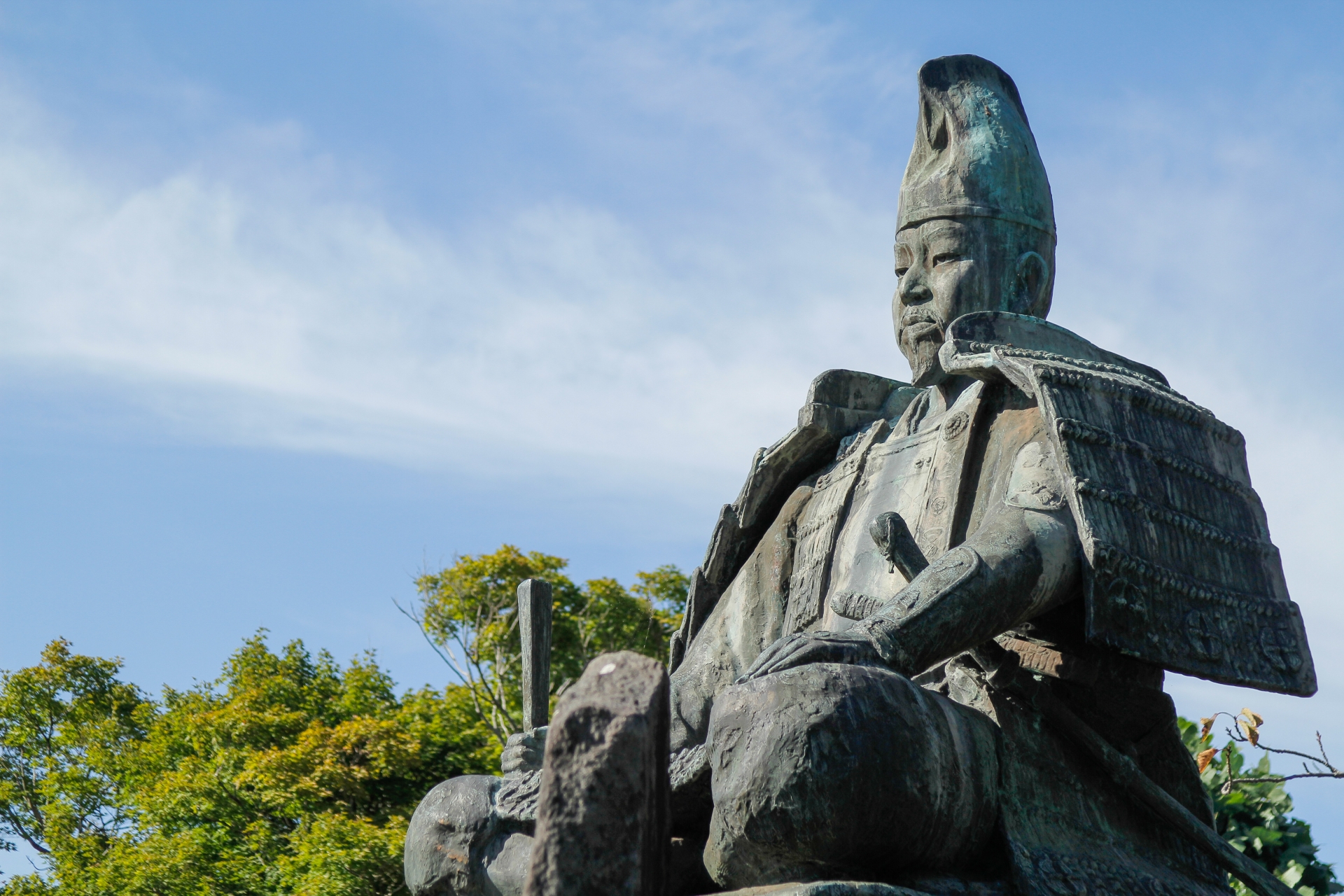
Structural Differences
| Imperial Court (Kyoto) | Kamakura Shogunate |
| Ceremonial authority | Military control |
| Aristocratic elite | Samurai class |
| Cultural prestige | Armed enforcement |
| Traditional legitimacy | Political reality |
Go-Toba’s political vision was rooted in restoring the court’s dominance. Yet by the early 13th century, Japan had already entered a new era—one in which warriors held decisive power.
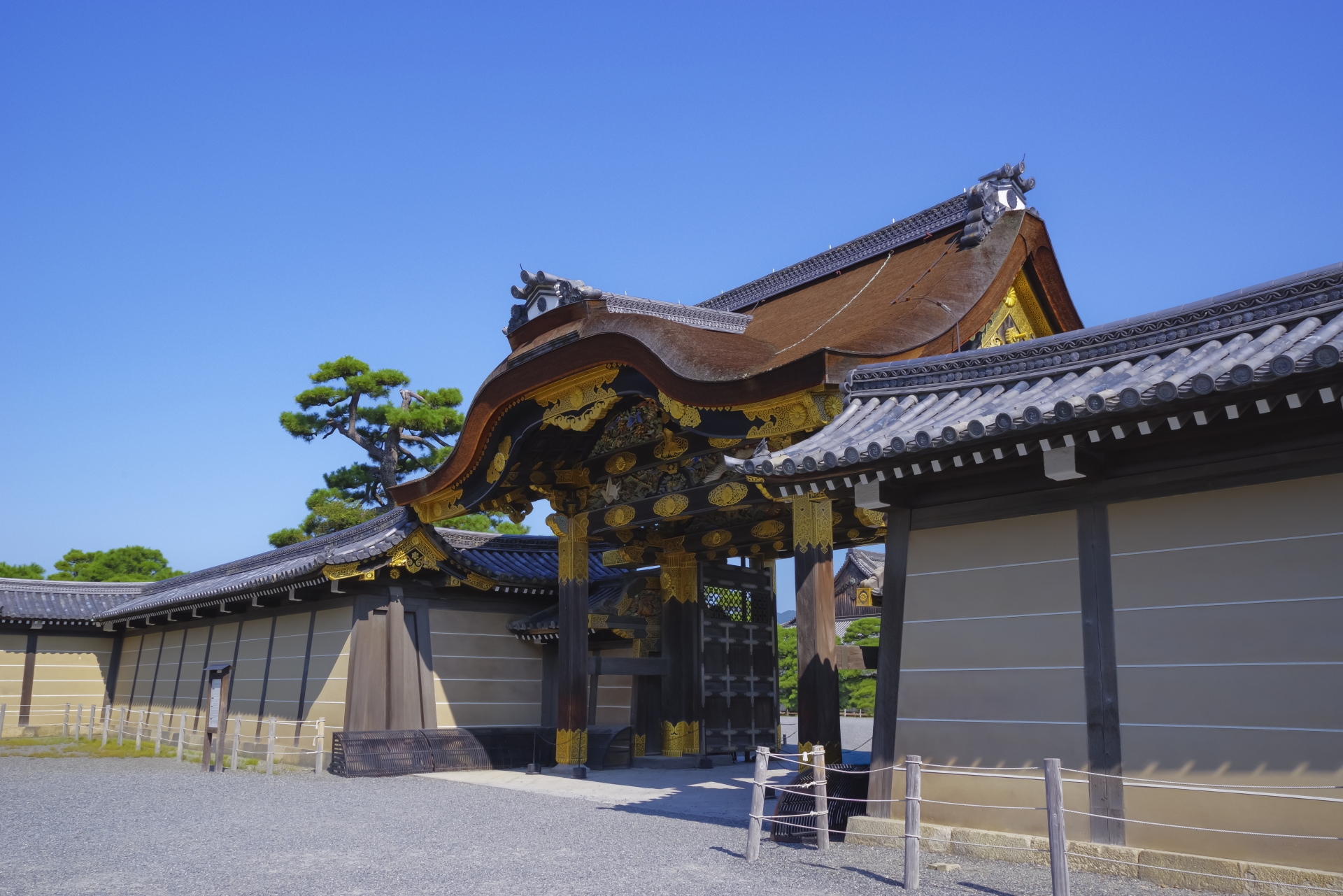
What Was the Jokyu War (1221)?
The Jokyu War of 1221 was Emperor Go-Toba’s bold attempt to overthrow the Kamakura shogunate and restore imperial political control.
Frustrated by growing military oversight, Go-Toba issued an order calling for the elimination of the Kamakura regent. He hoped western warriors would rally to the imperial cause. Instead, the shogunate responded swiftly and decisively. A large, disciplined samurai force marched from eastern Japan toward Kyoto.
The conflict was brief. Imperial forces were overwhelmed within weeks.
The consequences were profound. Go-Toba was exiled, two other retired emperors were punished, and the Kamakura government tightened its control over the court. The Jokyu War permanently weakened imperial political independence and confirmed samurai dominance over Japan.
Why Did Emperor Gotoba Fail?
Several key factors contributed to Go-Toba’s defeat:
- He overestimated support among eastern samurai families.
- He underestimated Kamakura’s military organization and speed.
- The Kyoto court lacked unified strategic coordination.
- Many warriors valued the stability provided by the shogunate.
- The Kamakura government had superior logistics and command structure.
His rebellion failed not because of lack of ambition, but because political reality had already shifted. By 1221, military governance had replaced aristocratic leadership as Japan’s central power structure.
Exile to the Oki Islands: A Fallen Emperor
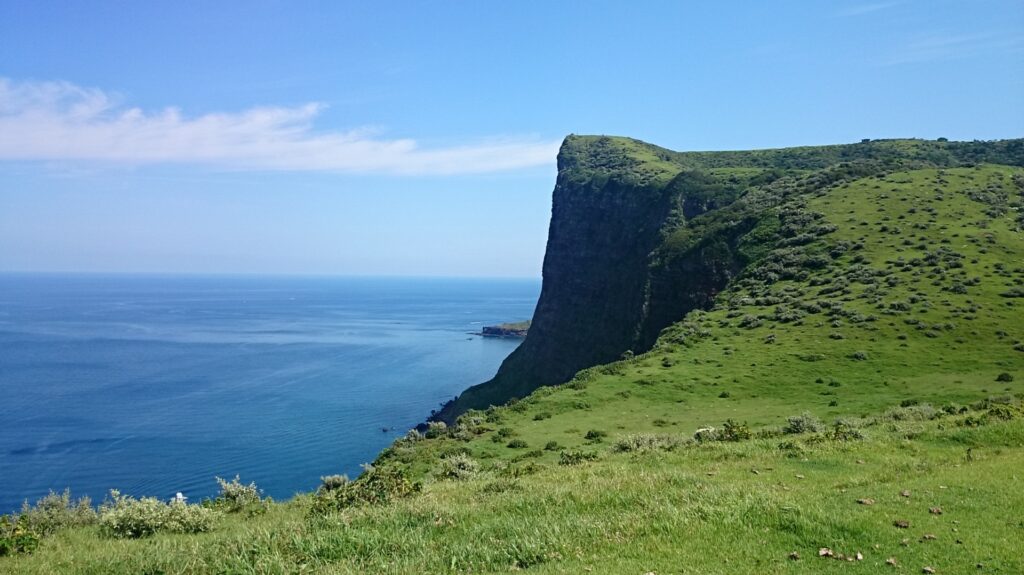
After his defeat, Go-Toba was exiled to the Oki Islands, a remote archipelago in the Sea of Japan. For a sovereign regarded as divinely descended, exile was an extraordinary humiliation.
Yet exile did not silence him.
On Oki, Go-Toba continued writing poetry and reflecting on impermanence, longing, and loss. Today, Oki Shrine commemorates him, transforming a place of political defeat into a site of cultural memory. For travelers interested in Japanese history, the islands offer dramatic landscapes and a powerful connection to medieval events.
His exile symbolizes the moment when imperial authority yielded definitively to warrior rule.
Emperor Gotoba’s Cultural Legacy
Though he failed politically, Go-Toba achieved lasting influence through culture. In many respects, his artistic legacy proved more enduring than his political ambitions.
He became one of the most active imperial patrons of classical poetry and, uniquely, took personal interest in sword craftsmanship. These pursuits reflect a rare combination: refined literary sensitivity alongside deep engagement with martial aesthetics.
The Shin Kokin Wakashu and His Role as Poet
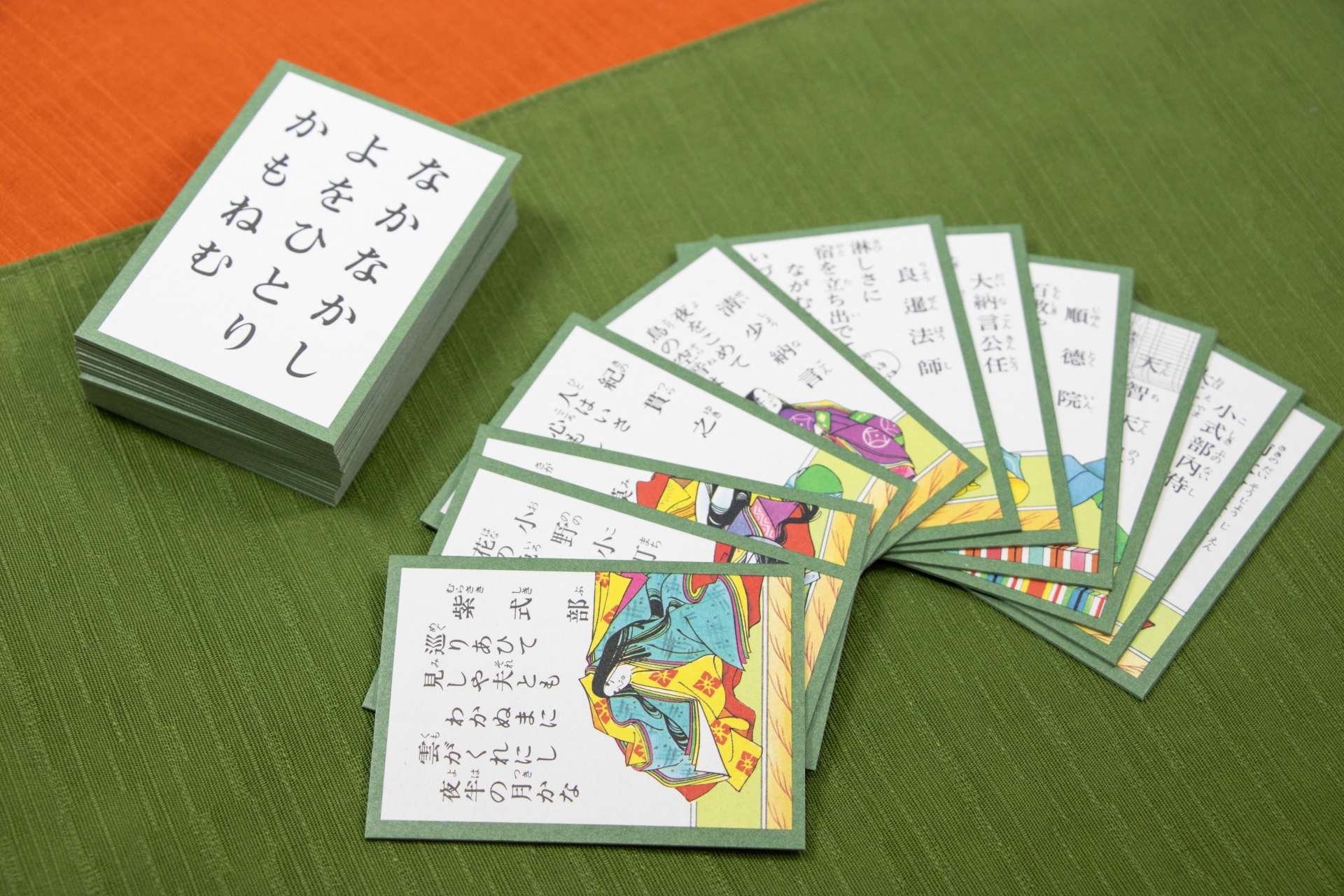
The Shin Kokin Wakashu (“New Collection of Ancient and Modern Poems”) was commissioned under Go-Toba’s authority in the early 13th century. It became one of Japan’s most important imperial waka anthologies and a defining text of medieval literary aesthetics.
Unlike passive patrons, Go-Toba actively participated in poetic debates, editing sessions, and selection processes. His refined taste shaped the anthology’s tone—elegant, allusive, and deeply aware of impermanence.
One of his well-known poems, often associated with his exile, reads:
Nami mayuku
Oki no minato ni yuku fune no
ware zo kogaruru
taenu omoi ni
A poetic translation:
“Like a boat departing
from the harbor of Oki,
carried across the waves—
so does my heart burn on
with longing that never fades.”
The poem plays subtly on the word Oki (both “offshore” and the place of exile), embodying emotional intensity within controlled elegance. Such works helped define medieval concepts like yugen (mysterious depth) and sabi (lonely beauty).
Emperor Gotoba and Japanese Sword Culture
Remarkably, Go-Toba also immersed himself in sword culture. He summoned leading swordsmiths to Kyoto and personally evaluated blades. For an emperor—traditionally associated with ritual and poetry—this hands-on involvement was extraordinary.
His patronage elevated sword-making from practical weapon production to a highly refined art form. Under his influence, blade aesthetics—curvature, temper patterns (hamon), balance—were appreciated not merely for combat utility but for artistic excellence.
| Political Emperor | Artistic Emperor |
| Led rebellion | Sponsored poetry |
| Challenged shogunate | Supported swordsmiths |
| Lost military power | Gained cultural immortality |
For Western readers fascinated by samurai and katana culture, Go-Toba represents a rare bridge between court refinement and warrior artistry.
How Emperor Gotoba Changed Japanese History
The Jokyu War reshaped Japan’s political structure. After 1221, the Kamakura shogunate increased direct oversight of the imperial court and strengthened its provincial administration. The balance of power was no longer ambiguous.
Go-Toba stands as a transitional figure between aristocratic Japan and warrior Japan. Unlike earlier cloistered rulers such as Emperor Go-Shirakawa, who successfully maneuvered among military leaders, Go-Toba confronted a consolidated warrior regime.
His failed rebellion clarified a new dual system: emperors retained spiritual legitimacy and cultural authority, while military governments exercised political control. This arrangement would shape Japanese governance for centuries.
Frequently Asked Questions About Emperor Gotoba
Who was Emperor Gotoba?
Emperor Gotoba was Japan’s 82nd emperor (reigned 1184–1198) who later ruled as a cloistered emperor and led the Jokyu War against the Kamakura shogunate.
Why was Emperor Gotoba exiled?
He was exiled for initiating the Jokyu War in 1221. After his defeat, the Kamakura government sent him to the Oki Islands.
What was the Jokyu War?
The Jokyu War was a 1221 rebellion led by Emperor Go-Toba to restore imperial political authority. It ended in decisive victory for the Kamakura shogunate.
What is the Shin Kokin Wakashu?
It is a 13th-century imperial waka anthology commissioned under Go-Toba’s authority and considered one of Japan’s greatest classical poetry collections.
Where are the Oki Islands?
The Oki Islands are a remote archipelago in present-day Shimane Prefecture in the Sea of Japan.
Conclusion: The Legacy of a Defeated but Unforgettable Emperor
Emperor Go-Toba’s life is defined by paradox. He sought to restore imperial supremacy but instead confirmed samurai political dominance. His rebellion failed, yet it clarified Japan’s evolving power structure.
And yet, defeat did not erase his influence.
Through the Shin Kokin Wakashu and his patronage of sword craftsmanship, Go-Toba shaped Japanese culture in ways that outlived the political system he tried to defend. His legacy reminds us that historical influence is not measured solely by military victory. Sometimes, cultural achievement endures longer than political power.