“Itadakimasu” is often one of the first Japanese phrases visitors learn around food. You hear it in anime, at ramen counters, during school lunch scenes, and across dinner tables throughout Japan. It’s commonly translated as “let’s eat,” but the phrase carries a different feeling underneath.
In practice, itadakimasu is less about announcing the start of a meal and more about acknowledging what made that meal possible.
That might sound philosophical for something people say before opening a convenience store sandwich. But in Japan, even quick everyday meals often come with a small pause before eating — a quiet habit that reflects appreciation as much as etiquette.


What Does “Itadakimasu” Mean?
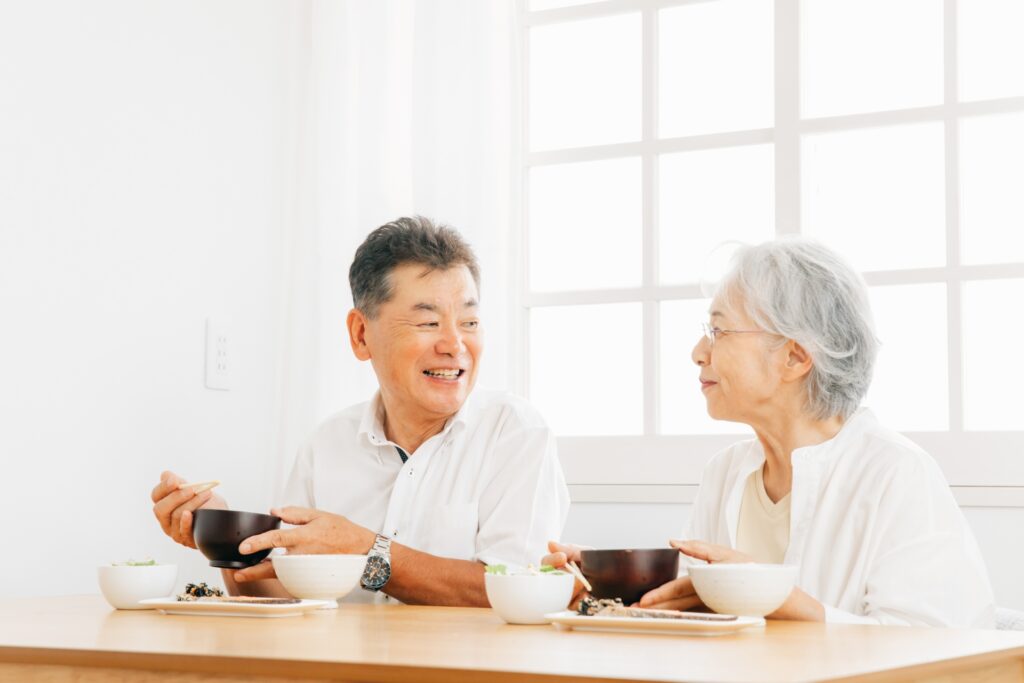
The Japanese phrase itadakimasu (いただきます) is said before eating. Literal translations vary:
- “I humbly receive”
- “Thank you for the meal”
- “Let’s eat”
None of them fully capture the nuance.
The verb itadaku originally means “to humbly receive.” Around food, the phrase expresses gratitude not only toward the person who cooked, but also toward the ingredients themselves and the people involved in bringing the meal together.
That can include:
- Farmers and fishermen
- Restaurant staff
- Family members who cooked
- Nature and seasonal ingredients
- The lives of animals and plants consumed
Because of this, itadakimasu often feels broader than a simple “thanks.” It carries a sense of humility — an acknowledgment that food does not simply appear on the table by itself.
For many Japanese people, saying it is almost automatic. At home, in school cafeterias, at office lunches, or alone with a late-night bento from the convenience store, the phrase still appears naturally.
Sometimes quietly. Sometimes almost under the breath.
Is “Itadakimasu” the Same as “Bon Appétit”?
Not quite.
French bon appétit is closer to “enjoy your meal.” It’s directed toward other people.
Itadakimasu focuses on the speaker receiving the meal with gratitude.
Here’s a simple comparison:
| Phrase | Meaning | Main Focus |
| Itadakimasu | “I humbly receive” | Gratitude for the meal |
| Bon appétit | “Enjoy your meal” | Wishing enjoyment |
| Saying grace | Prayer before eating | Religious thanks |
| “Thanks for the food” | Appreciation to the cook | Gratitude |
| “Let’s eat” | Begin eating | Starting the meal |
This is why direct translation can feel awkward. Depending on the situation, itadakimasu overlaps slightly with all of these expressions while still remaining distinctly Japanese.
Why Do Japanese People Say Itadakimasu?
Food in Japan has long been connected with ideas of respect, seasonality, and appreciation. Saying itadakimasu reflects awareness that many people — and natural resources — contributed to the meal.
Children are taught the phrase early, especially during school lunches and family dinners. In many elementary schools, students say it together before eating. By adulthood, it becomes second nature.
The phrase also creates a small transition point.
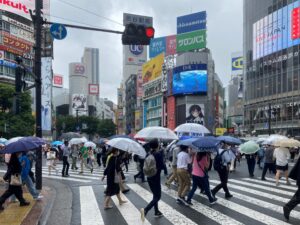
In busy cities like Tokyo or Osaka, where people often eat quickly between work or train rides, that brief pause can feel surprisingly noticeable. Someone unwraps chopsticks, straightens the tray slightly, says itadakimasu, and only then begins eating.
It lasts maybe two seconds.
Still, it changes the rhythm of the meal.
Is Itadakimasu Religious?
Visitors sometimes wonder whether saying itadakimasu is religious.
Historically, the phrase is influenced by Buddhist and Shinto ideas surrounding gratitude, nature, and respect for life. But in modern Japan, most people do not think of it as a religious act.
Unlike saying grace in some cultures, itadakimasu is generally considered everyday manners rather than formal prayer.
That distinction matters for travelers. Saying the phrase is usually viewed as polite participation in Japanese dining culture, not as joining a religious ritual.
How to Pronounce Itadakimasu
For English speakers, itadakimasu is commonly pronounced like this:
ee-tah-dah-kee-mahss
A few small details help it sound more natural:
- The “i” sounds like “ee”
- The final “u” is very soft
- Japanese pronunciation tends to stay even and smooth
- Avoid heavily stressing one syllable
Native speakers often pronounce the ending closer to “mahss” than a sharply separated “ma-su.”
You also do not need to say it loudly. In real life, the phrase is usually spoken gently before eating, especially in restaurants.
Watching ordinary meal scenes in Japanese dramas or listening to native speakers is often more helpful than overly dramatic anime pronunciations.
When and How to Say Itadakimasu
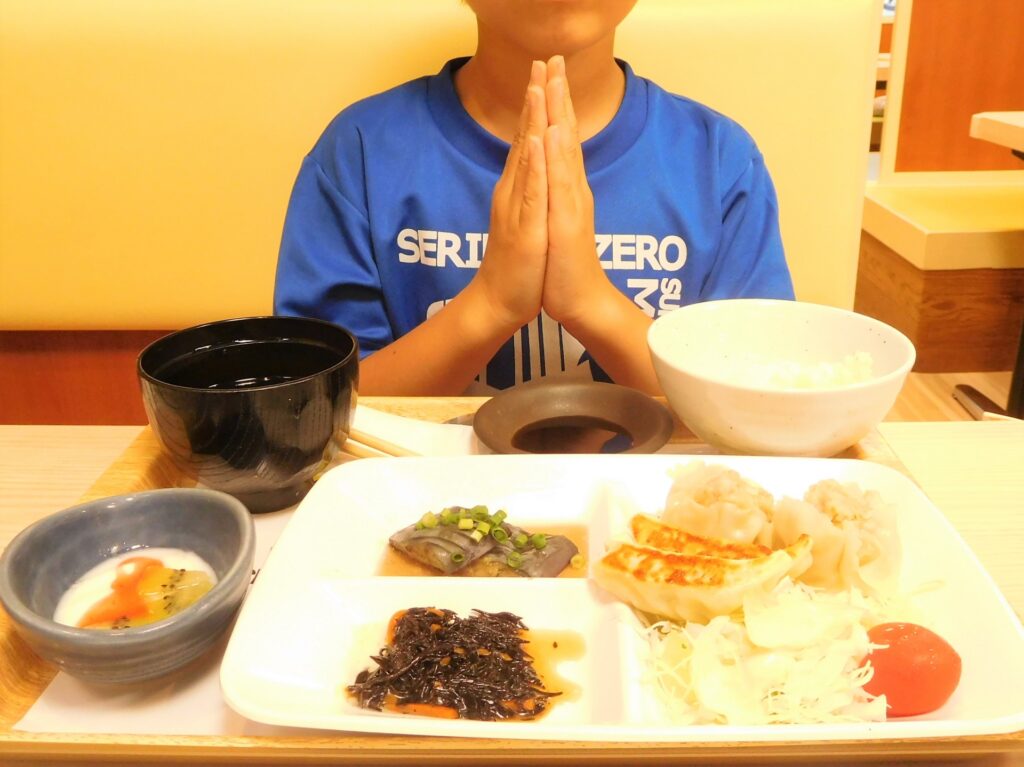
The phrase is usually said immediately before eating.
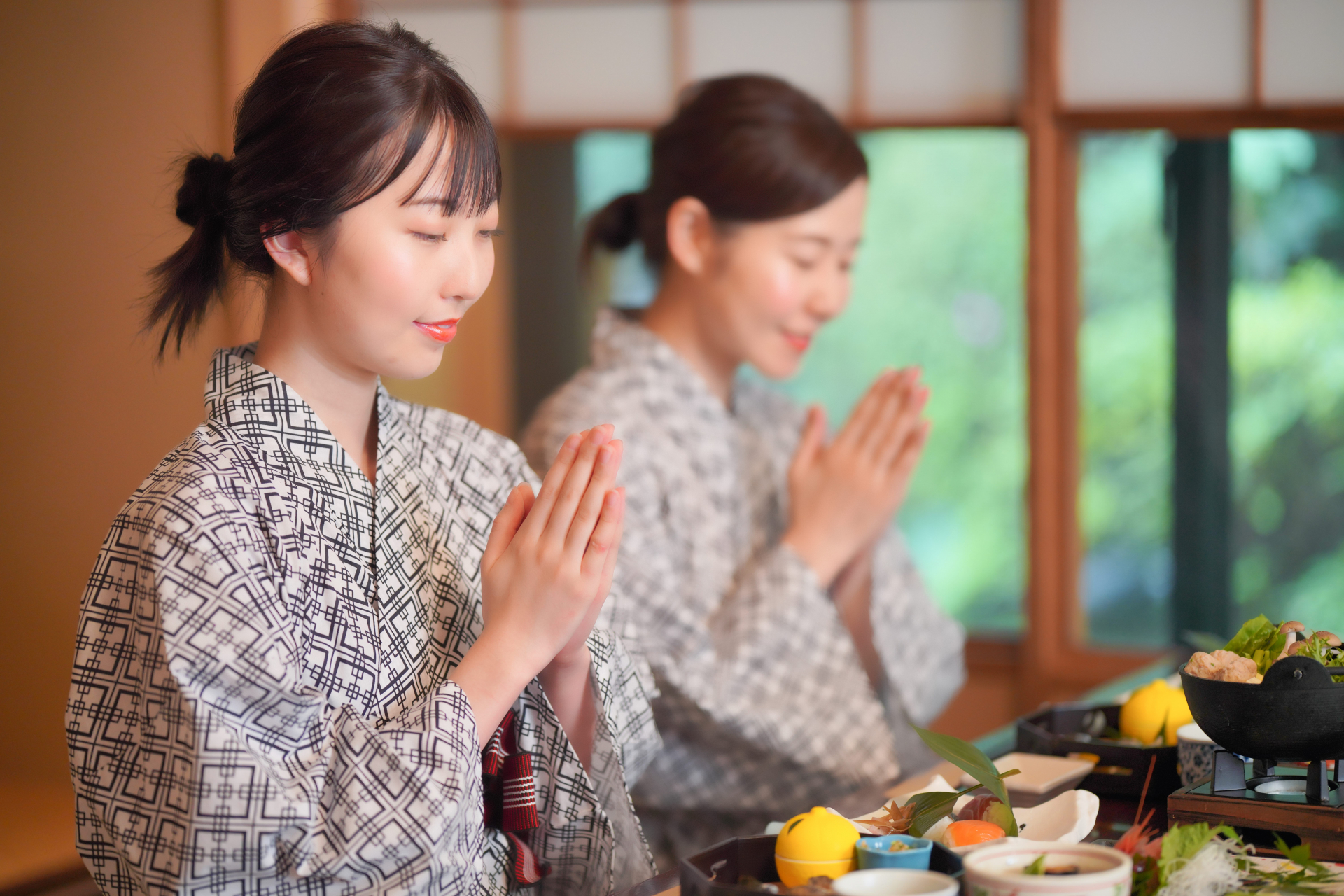
In group meals, people often wait until everyone has received their food before saying it together or individually. At restaurants, you may notice diners lightly bringing their hands together or giving a small nod before picking up chopsticks.
The gesture is subtle.
You do not need exaggerated motions or formal posture. A calm, natural tone feels most appropriate.
Common situations include:
- Meals at home
- Restaurants
- School lunches
- Ryokan dinners
- Business meals
- Cooking classes
- Food tours
At a traditional ryokan breakfast, for example, the phrase often comes just as everyone settles in front of grilled fish, miso soup, rice, and small seasonal dishes arranged across the tray. It becomes part of the rhythm of the meal rather than a separate ceremony.
Can Foreigners Say Itadakimasu?
Yes — absolutely.
Most Japanese people appreciate it when visitors make an effort to understand local customs. You do not need perfect pronunciation or fluent Japanese.
A simple, quiet itadakimasu before eating is enough.
The main thing to avoid is overperforming it. Some travelers imitate exaggerated anime delivery or clap dramatically before meals, which can feel theatrical in ordinary settings.
In real restaurants across Japan, people usually say it casually and move on.
Good situations for visitors to use the phrase include:
- Eating with Japanese friends
- Visiting someone’s home
- Dining at traditional restaurants
- Staying at a ryokan
- Joining food-related cultural experiences
Even if you forget to say it, most people will not judge you harshly. But using it naturally often leaves a warm impression.
Do Japanese People Say Itadakimasu When Eating Alone?
Sometimes yes, sometimes no.
Some people quietly say it even during solo meals at home or while eating convenience store food at their desk. Others simply think it silently or skip it when distracted or in a hurry.
There is no strict rule.
The important part is the underlying sense of appreciation rather than perfect etiquette.
Itadakimasu vs. Gochisousama: What’s the Difference?
If itadakimasu comes before the meal, gochisousama deshita (ごちそうさまでした) comes afterward.
Together, they form one of the most familiar dining patterns in Japan.
| Phrase | When Used | Meaning |
| Itadakimasu | Before eating | “I humbly receive” |
| Gochisousama deshita | After eating | “Thank you for the meal” |
You can think of them as a pair:
- Itadakimasu — before eating
- Gochisousama deshita — after eating
In restaurants, many Japanese customers quietly say gochisousama deshita while leaving, especially at smaller establishments where staff and customers interact more directly.
At neighborhood ramen shops or family-run restaurants, hearing that phrase exchanged near the entrance is still very common.
Common Mistakes When Using Itadakimasu
Thinking It Only Thanks the Chef
The phrase includes gratitude toward the cook, but also toward ingredients, nature, and everyone involved in preparing the meal.
Using It Like “Cheers”
Itadakimasu is not a drinking toast like kanpai. It specifically marks the beginning of eating.
Saying It After Eating
After the meal, the correct phrase is gochisousama deshita.
Assuming It Is Strictly Religious
While connected historically to traditional beliefs, modern usage is generally cultural rather than religious.
Overdoing It
Anime sometimes exaggerates delivery for comedic effect. In daily life, most Japanese people say the phrase quietly and casually.
Quick Guide: Using Itadakimasu Naturally in Japan

| Situation | Should You Say It? | Notes |
| Restaurant in Japan | Yes | Quietly before eating |
| Friend’s home | Definitely | Considered polite |
| Ryokan dinner | Yes | Very natural |
| Convenience store meal | Optional | Some people still do |
| Eating alone | Optional | Both are normal |
| Cooking class | Yes | Common and appreciated |
| Anime-style shouting | No | Feels unnatural in real life |
The safest approach is simple: say it softly and sincerely before eating.
Final Thoughts: A Small Phrase That Says a Lot
At first, itadakimasu can seem like a simple pre-meal expression. But after spending time in Japan, you start noticing how naturally it fits into everyday life.
It appears before quick lunches, late-night convenience store snacks, carefully prepared kaiseki dinners, and ordinary family meals at home.
The phrase is small, but the mindset behind it is wider: appreciation for what you receive and awareness that a meal involves more than the food itself.
For travelers, learning itadakimasu is one of the easiest ways to participate respectfully in Japanese culture. You do not need perfect Japanese or deep cultural expertise.
Just a brief pause before eating.
Then the meal begins.