Learning Japanese becomes much less confusing once you stop looking for a single app, textbook, or study trick to cover everything. Most beginners make steadier progress with a simple combination: one structured course, regular review, understandable audio, and chances to use what they learn.
You do not need to master hiragana, katakana, and kanji before learning your first sentence. Nor should listening and speaking be postponed until you have memorized thousands of words. These skills develop more naturally when they are introduced in stages and practised together.
The right balance depends on your goal. Preparing for a trip calls for a different approach from studying for the JLPT, reading manga, holding everyday conversations, or getting ready to live in Japan.
This guide explains what beginners should study first, when to start kanji, how to build a realistic daily routine, and how to practise speaking before you feel completely ready.


How to Start Learning Japanese: The Best Order for Beginners

There is a useful order to learning Japanese, but it is not a set of locked stages. You do not complete pronunciation, move on to kana, finish grammar, and only then begin listening. In practice, several of these skills start feeding into one another quite early.
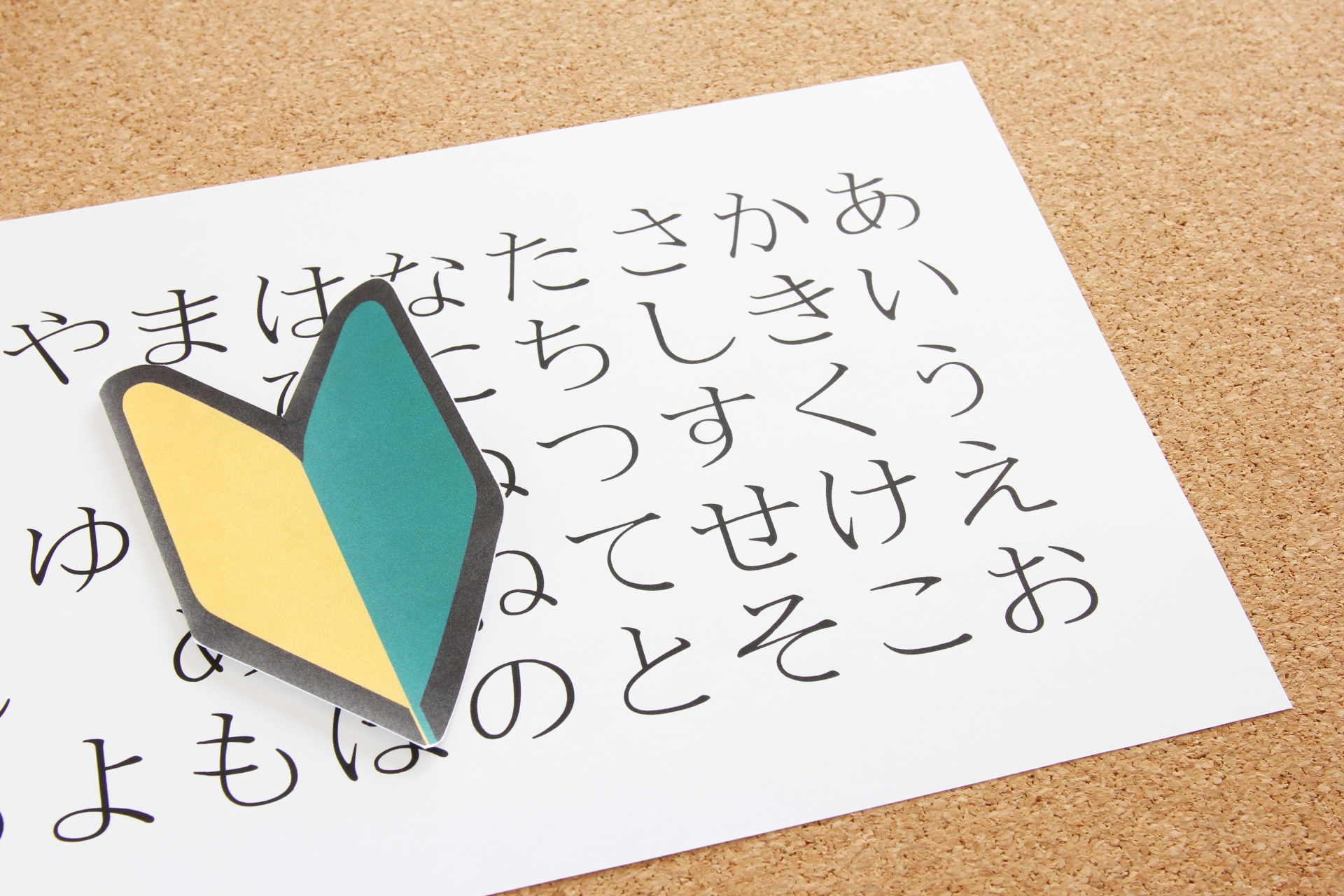
Begin by deciding what you want to do with the language. Then learn the basic sounds and start recognizing hiragana. Katakana and Japanese keyboard input can follow soon after. Once most hiragana no longer looks unfamiliar, begin studying basic grammar and useful vocabulary together.
Common kanji can come in through words you are already learning. Meanwhile, listen to short recordings, repeat sentences aloud, and gradually replace carefully controlled textbook Japanese with easy material from the world outside your course.
A workable beginner sequence looks like this:
- Choose a specific learning goal.
- Learn Japanese sounds and rhythm.
- Learn to recognize hiragana.
- Add katakana and Japanese typing.
- Study basic grammar and high-frequency vocabulary together.
- Learn beginner kanji through useful words.
- Listen to short, understandable Japanese every day.
- Practice speaking and writing with familiar sentence patterns.
- Move gradually into easy conversations, graded reading, and native media.
There is no need to perfect one step before touching the next. You can learn simple sentences while hiragana still takes you a moment to read. In fact, seeing the same characters inside real words often makes them easier to remember.
One app or textbook is unlikely to cover everything well. A more dependable setup usually has one main course for structure, a review tool for vocabulary and kanji, audio for listening and pronunciation, and somewhere to get feedback. Travelers may spend more time on polite phrases and listening. JLPT learners will need a more deliberate mix of vocabulary, grammar, reading, listening, and exam practice.
Step 1: Decide Why You Want to Learn Japanese
“Become fluent in Japanese” sounds ambitious, but it gives you very little guidance on a Tuesday evening when you have 25 minutes to study.
A useful goal describes what you want to do, where you want to do it, and roughly when. A traveler might want to order a meal, find the correct train platform, understand a price, and check into a hotel during a trip three months away. Someone focused on conversation may aim to give a two-minute self-introduction and talk about work, hobbies, or weekend plans. An anime fan may want to catch familiar expressions without relying entirely on English subtitles. A future resident may need Japanese for apartment paperwork, medical appointments, shopping, and the workplace.
Those goals lead to different priorities. Travel Japanese leans heavily on listening, polite requests, numbers, directions, and situations that repeat. Conversation requires frequent speaking, question patterns, reactions, and listening practice. Reading manga or novels demands a much larger vocabulary and more kanji. JLPT study calls for systematic work on grammar, vocabulary, reading, and listening, though anyone who also wants to communicate should add speaking practice separately.
Make the goal measurable. “Finish the first six lessons of my beginner course in three months” is more useful than “study harder.” So is “order a meal and explain one food allergy in Japanese before my trip.”
A concrete target also makes it easier to ignore attractive resources that do not serve you yet. There will always be another app to download.
Step 2: Learn Japanese Sounds and Pronunciation
Japanese has five basic vowels, usually written as a, i, u, e, and o. Their pronunciation is more consistent than English spelling, but Japanese pronunciation is not automatically easy for English speakers. The individual sounds are only part of it. Timing matters.
Japanese speech tends to move in relatively even rhythmic units. A long vowel takes more time than a short one, and that difference can change the word. The small っ creates a brief pause or doubled consonant. Combinations such as きゃ, きゅ, and きょ are contracted sounds rather than two full syllables. The Japanese r is also unlike the typical American English “r”; it is often made with a quick tap of the tongue.
Listen to おばさん and おばあさん. That extra vowel is not decorative. The timing distinguishes the words. The same is true of きて and きって, where the small っ changes the rhythm.
Noticing those contrasts early is more useful than chasing a vague idea of sounding “Japanese.”
Work with recordings by native speakers. Take one short sentence, understand it, and repeat it several times. Record yourself occasionally and compare the timing, not just the consonants. Shadowing—speaking with or just behind an audio model—can help when the clip is brief and the language is already understandable.
Pitch accent varies by word and region. Beginners do not need a diagram for every item they learn. They should, however, listen carefully enough to avoid dropping heavy English stress onto each Japanese word.
Step 3: Learn Hiragana Before Relying on Romaji
Hiragana deserves an early place in your study because it appears everywhere: verb endings, particles, beginner textbooks, dictionaries, pronunciation guides, and ordinary written Japanese.
Romaji can be useful during the first few days. It gives you a familiar way into the sound system. The problem comes when it stays too long. Reading arigatou instead of ありがとう may feel easier, but it delays the automatic recognition you will need later and can encourage English-style pronunciation.
Connect each hiragana character directly to its sound rather than to an English word. Recognition quizzes, audio, short vocabulary, handwriting, and keyboard input all help. Writing by hand can strengthen memory, though there is no need to produce elegant calligraphy before continuing.
The first practical goal is simple: see a character and know its sound without passing through romaji.
Spend extra time on pairs that blur together, such as さ and き, ぬ and め, or れ and ね. Then get off the chart. Read short words and familiar expressions. Once most of the characters are recognizable, start working through beginner sentences even if you read slowly.
Speed comes from seeing kana in use. It rarely comes from staring at the chart for another week.
Step 4: Add Katakana and Learn to Type in Japanese
Katakana is often described as the script for foreign loanwords, which is true but incomplete. It also appears in product names, restaurant menus, advertisements, scientific terms, company names, sound effects, and words written for visual emphasis. Spend even a few days in Japan and it starts appearing everywhere.
Loanwords can be deceptive. ホテル means “hotel,” コンビニ refers to a convenience store, and マンション usually describes a modern apartment or condominium—not a sprawling luxury house. Learn these as Japanese words, with Japanese pronunciation and Japanese usage.
Set up Japanese input on your phone and computer early. Typing helps reinforce kana recognition and lets you search dictionaries, send messages, and produce kanji without waiting for advanced handwriting skills.
Learn how to enter contracted sounds such as きょ, the small っ, and long vowels. With romaji input, doubling a consonant will usually create the small っ: kitte becomes きって.
Use words you already know. Type こんにちは, your name, a few foods, and short sentences from your lesson rather than copying meaningless strings of characters. As you type in hiragana and choose a kanji conversion, you will also begin to notice how familiar words look in ordinary Japanese text.
Learn Basic Japanese Grammar and Vocabulary Together
Once most hiragana is familiar, grammar and vocabulary should begin working as a pair.
Grammar rules without words leave you with nothing to say. A large stack of nouns without sentence patterns leaves you unable to connect them. Beginner study works better when each new structure arrives with language you might actually use.
Early grammar should help you introduce things, describe what is around you, ask basic questions, and talk about everyday actions. Useful starting points include です and ます, the pattern AはBです, demonstratives such as これ, それ, and あれ, common particles, basic verb forms, adjective patterns, questions, existence expressions, requests, permission, and simple expressions of preference or desire.
Learn each form through several short examples. Do not stop at “を marks the object.” Begin with コーヒーを飲みます, then change the useful part:
- 水を飲みます。
- 朝ごはんを食べます。
- 日本語を勉強します。
This kind of substitution is modest, but it is where grammar starts becoming usable.
Japanese cannot be built by swapping every English word for a Japanese equivalent. The languages organize information differently. Subjects often disappear when they are understood, particles mark relationships, and the main predicate usually comes at the end.
The aim is to assemble meaning through Japanese patterns, not to rebuild English one word at a time.
Understand Basic Japanese Sentence Structure
Japanese predicates generally come at the end. In 私は日本語を勉強します, the action 勉強します follows the topic and object.
Still, calling Japanese simply a subject-object-verb language can give beginners the wrong picture. Subjects and objects are often omitted when everyone already knows what is being discussed. A natural Japanese sentence may contain far less explicit information than its English translation.
Particles show how phrases relate to the rest of the sentence. は introduces or contrasts a topic. が often identifies or brings focus to a subject. を marks a direct object. に can indicate a destination, time, or target. で often marks the place or means of an action.
These are starting points, not one-word translations.
For example:
私は東京に行きます。
I am going to Tokyo.
東京で寿司を食べます。
I will eat sushi in Tokyo.
The first sentence uses に because Tokyo is the destination. The second uses で because Tokyo is where the action happens.
Omission is just as important. If someone asks コーヒーを飲みますか, a natural reply may be はい、飲みます. Repeating “I” serves no purpose because the context already supplies it.
Questions usually keep the same basic order and use rising intonation or the particle か. Japanese does not rearrange the sentence in the way English often does.
Particles make more sense when learned through contrasting examples. Avoid fixing は in your mind as “is,” or memorizing が as an isolated label. Their roles become clearer after meeting them in many different sentences.
Build Vocabulary with Sentences, Not Isolated Lists
Beginner vocabulary should match the situations and grammar you are studying now. Numbers, time, days, people, food, transportation, places, directions, physical states, emotions, common verbs, and frequently used adjectives all earn their place early.
For each new word, learn the sound, meaning, written form, and at least one natural example. 行く is easier to retain when it appears in phrases such as 学校に行きます, 日本に行きたいです, or 明日、京都に行きます.
One good sentence can teach the word, its particles, a verb form, and the situation in which it belongs.
Pay attention to combinations that Japanese speakers normally use. 写真 may mean “photograph,” but 写真を撮る is the unit you need when talking about taking one. The same applies to 電車に乗る, 薬を飲む, and 予約をする.
Spaced-repetition systems and flashcards can make review more reliable, particularly when cards include sentences and audio. They are still support tools. Spending an hour redesigning card templates while avoiding reading and listening is a familiar kind of procrastination.
Start with a small number of new items. Add more only when the reviews remain manageable and still leave room for actual Japanese.
When and How to Start Learning Kanji
Begin kanji once you can read most hiragana. There is no reason to wait until you have completed all beginner grammar, and little value in spending months memorizing isolated characters before reading real Japanese.
A balanced approach introduces common kanji through words and sentences that are already part of your course.
Kanji often have several readings, and the correct one depends on the word. Trying to memorize every reading listed in a dictionary entry can create more confusion than progress. It is usually better to learn 学生(がくせい), 学校(がっこう), and 学ぶ(まなぶ) as complete vocabulary items than to study a detached list of readings for 学.
Recognition, meaning, pronunciation, vocabulary, and context should develop together.
Handwriting may matter to you. It can improve memory, and it is useful for anyone who needs to complete forms by hand. But writing every character from memory and reading ordinary Japanese are different skills. Give each the time your goal requires.
Even travelers benefit from a modest amount of kanji. Station names, exits, entrances, toilets, menu items, prices, and directions become easier to scan. Learners aiming at university, work, extended reading, or the JLPT will need a more systematic long-term plan.
Learn Kanji Through Useful Words and Context
Take 日. A reference book may list several readings, but the list alone does not tell you which one appears where.
Learn the character gradually through words:
- 日本(にほん)
- 日曜日(にちようび)
- 毎日(まいにち)
- 三日(みっか)
A useful kanji card might include:
- The character
- A basic meaning
- One or two frequent words
- The reading of each complete word
- A short sentence
- Audio
- A component or mnemonic when it genuinely helps
For 駅, the card could include 駅(えき), the sentence 駅はどこですか, and a recording. That is immediately useful to a traveler, and it ties the character to sound, grammar, and a recognizable situation.
Components and radicals can make characters easier to distinguish. Mnemonics can help too. But both are bridges. The destination is quick recognition while reading.
Review kanji inside sentences and short passages, not only as single symbols on the front of a card. The moment a character begins appearing in menus, subtitles, station signs, messages, or graded readers, it becomes language rather than a shape to memorize.
Practice Listening and Speaking from the Beginning
Do not wait for complete grammar knowledge before listening or speaking. In the first week, a beginner can already work with greetings, introductions, requests, questions, and short predictable exchanges.
That early exposure matters. It trains your ear and keeps Japanese from becoming a subject that exists only on a page.
Unstructured conversation, however, is not a complete method. Beginners can easily repeat the same error for weeks or spend a language exchange falling back on English. Speaking practice works better when it has a clear task and connects to material you have studied.
A productive sequence is:
- Listen to a short dialogue without reading.
- Check the script and meaning.
- Listen again while following the Japanese.
- Repeat one sentence at a time.
- Speak along with the recording.
- Replace one detail with your own information.
- Record yourself or use the sentence with another person.
After learning 私はアメリカから来ました, replace the country with your own. After learning コーヒーをお願いします, change the item. The sentence stops being a textbook line and becomes something you may be able to retrieve at a counter.
A tutor, teacher, or exchange partner can point out pronunciation problems and phrases that are grammatically possible but unnatural. Keep early tasks narrow: a self-introduction, a restaurant exchange, or five questions about hobbies.
That is more useful than trying to sustain an unlimited conversation with 80 words.
Use Anime, Manga, and Japanese Media Effectively
Anime, manga, games, music, and dramas can keep Japanese attached to something you already enjoy. They also provide memorable context. Visual cues make meaning easier to infer, and manga with furigana can be approachable before your kanji is strong.
Not every line belongs in everyday conversation.
Fantasy heroes, historical figures, villains, elderly characters, and exaggerated personalities may use rough, old-fashioned, highly gendered, or deliberately strange speech. Even realistic characters change how they talk according to age, setting, and relationship. A dramatic command lifted from an anime scene can sound rude—or unintentionally funny—when used in a restaurant.
Work with small pieces. Choose a scene lasting 20 to 60 seconds rather than repeatedly watching an entire episode and hoping it will sink in. Listen once, check the Japanese subtitles or transcript, look up the most important words, then repeat the scene. One reusable expression is often enough.
English subtitles help you follow the story, but they pull your attention away from the Japanese. Try watching with English subtitles for context, replaying with Japanese subtitles, and then listening once without either.
For manga, read a short section, confirm the meaning, and read it aloud again.
In shops, hotels, stations, and restaurants, standard polite phrases are generally safer than character dialogue. Media can widen your exposure and keep you interested. It should not have to carry the entire beginner course.
Choose the Right Japanese Learning Resources
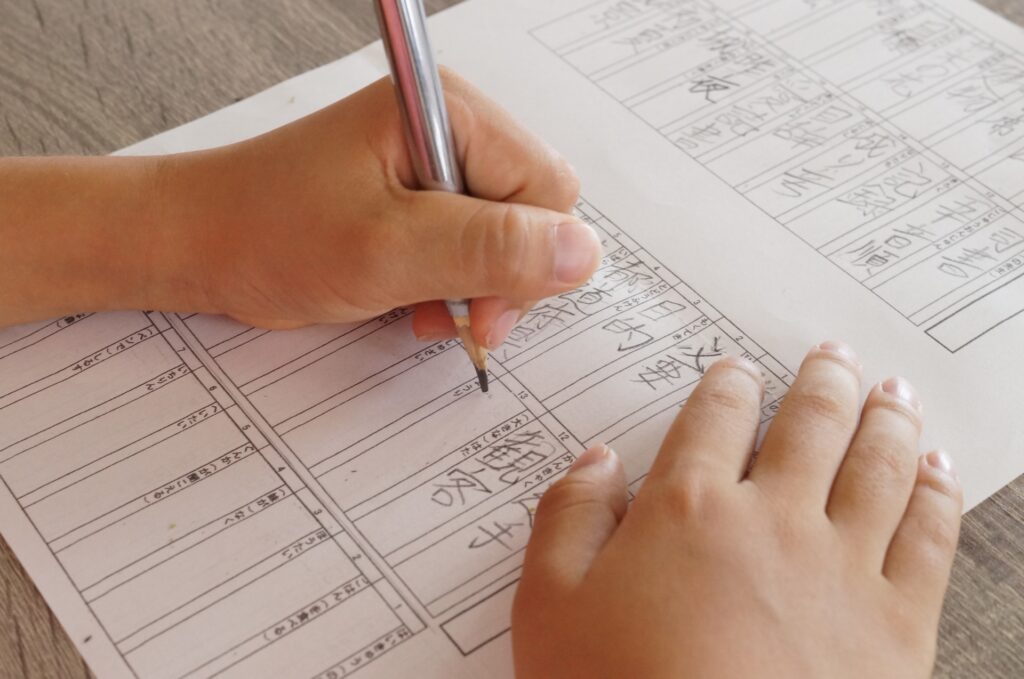
There is no single best resource for every Japanese learner. The more useful question is what job each resource will perform.
Your main course should give you a sequence. That might be a textbook, an online course, or a teacher-led program. A support resource can handle vocabulary review, kanji, grammar explanations, pronunciation, or dictionary work. Separate practice gives you somewhere to listen, read, write, or speak.
Before committing, consider:
- Is it designed for complete beginners?
- Does it teach in a structured order?
- Does it include audio?
- Which skills does it emphasize?
- Does it explain material in English?
- Is it intended for self-study or classroom use?
- Is it free, subscription-based, or a one-time purchase?
- Does it support your particular goal?
Using four apps that all teach the same introductory vocabulary is not variety. It is repetition without direction.
One main course and a few carefully chosen tools will usually take you further than repeatedly restarting lesson one in a different interface.
Prices, device support, available courses, and included features change. Check the provider’s official website before subscribing or buying.
Structured Courses and Textbooks
A structured course removes the daily burden of deciding what to study. Grammar and vocabulary arrive in a planned order, earlier material returns, and progress is easier to see.
Irodori: Japanese for Life in Japan focuses on communication for daily life and work in Japan. The Japan Foundation provides downloadable lesson materials and audio, making it a practical option for self-study.
Marugoto: Japanese Language and Culture combines language learning with cultural context and follows the Japan Foundation’s educational framework. It suits learners who prefer communication-focused study with a broader view of Japanese life. Supplementary audio and vocabulary materials are available across its levels.
Genki is widely used at the elementary level and covers listening, speaking, reading, and writing. Its English explanations make it accessible to many independent learners, though some exercises were designed for pairs or classroom groups. Official third-edition resources include audio, vocabulary support, kanji practice, and dialogue videos.
Minna no Nihongo follows a systematic sequence and is common in language schools. Much of the main textbook is written in Japanese, with separate translation and grammar notes. Some self-learners appreciate the immersion; others find the setup harder to enter without a teacher.
Tae Kim’s Guide to Japanese Grammar works well as an explanatory reference, especially for learners who want to understand Japanese structures without forcing them into English grammar. It is most useful alongside organized lessons, audio, and exercises rather than as the only resource.
Pick one main sequence and stay with it long enough to move beyond the opening chapters. Constant switching creates a curious result: everything looks familiar, but nothing has progressed very far.
Apps, Flashcards, and Review Tools
Apps work best when they have a defined job.
A course app can introduce short lessons. Anki can schedule vocabulary review. A kanji platform may teach components and recognition. A dictionary can confirm readings and usage. Conversation services provide access to teachers or exchange partners.
Duolingo and LingoDeer can make daily study easy to start, but finishing a few exercises does not automatically produce comfortable listening or speaking. WaniKani concentrates on kanji and vocabulary rather than serving as a complete Japanese course. Anki is highly flexible, though its value depends on the quality of the cards and the way you review them.
Use an app to solve a specific problem:
- Review vocabulary on a commute.
- Check a kanji reading.
- Listen to a recorded sentence.
- Practice kana recognition.
- Save a sentence from your main lesson.
- Arrange a short conversation.
Convenience can strip away context. Selecting the correct English translation is different from understanding Japanese as it is spoken. Pair app work with audio, reading, and active recall.
Before paying, check the current official description, device support, free limitations, and subscription conditions.
Free Official Resources from the Japan Foundation
The Japan Foundation provides enough material to form a substantial part of a low-cost study plan.
Irodori teaches practical communication for everyday life and work in Japan. It includes Starter through Pre-Intermediate levels, with downloadable PDFs, audio, word lists, grammar worksheets, and reference material.
Minato is an online learning platform with courses and learner communities. Course formats, teaching languages, and enrollment conditions vary, so read each listing carefully.
Marugoto combines Japanese language study with cultural material. Supplementary resources include audio, vocabulary lists, and materials for several levels. Some downloads may require registration or use alongside the published books.
Erin’s Challenge uses video scenes built around situations such as greetings, requests, asking locations, checking prices, ordering food, using train stations, and visiting hot springs. It also includes downloadable support material, grammar explanations, photos, quizzes, and manga content.
NIHONGO eな is a portal for Japanese-learning websites, apps, dictionaries, and tools organized by category or skill. It is useful when you know the kind of help you need but do not want to sort through pages of unfiltered recommendations.
Free resources can save money. They can also become another source of clutter. Choose one as your main route, then add another only when it fills a clear gap.
A Realistic Daily Japanese Study Routine
A sustainable routine needs four ingredients: review, new material, understandable input, and some form of output. The exact number of minutes matters less than whether you can repeat the routine next week.
With 15 minutes, spend around five minutes reviewing yesterday’s vocabulary or kanji, five minutes listening to one short recording, and five minutes reading or repeating example sentences. On a crowded weekday, that is enough to keep the thread from breaking.
With 30 minutes, try ten minutes of review, ten minutes with your main course, five minutes of listening, and five minutes of speaking or writing. You might finish one textbook exercise, replay its dialogue, and write two sentences about your own day.
With 60 minutes, use roughly 15 minutes for review, 20 for new grammar and vocabulary, 15 for listening or reading, and ten for conversation, writing, pronunciation, or shadowing.
These are not rigid ratios. Some days the review pile is larger. On others, a lesson with a tutor or an easy reader may deserve most of the time. The main thing is not to let one activity consume every session.
Once a week, slow down the intake of new material. Return to a difficult lesson, reread something familiar, collect questions for a teacher, or watch Japanese content at a level you can follow. A lighter day prevents small gaps from quietly becoming permanent ones.
A 30-Day Japanese Learning Plan for Complete Beginners
Thirty days will not make a complete beginner fluent. It can, however, establish the habits and basic skills that make the following months much easier.
After a consistent first month, a learner might recognize kana, understand several core sentence patterns, give a short self-introduction, use common travel phrases, and follow carefully chosen beginner audio.
Treat the plan as a framework rather than a race. Missing Wednesday does not send you back to day one.
Week 1: Learn Hiragana and Japanese Sounds
In the first week, focus on the five vowels, Japanese rhythm, and basic hiragana recognition. Divide the chart into small groups and continue reviewing earlier characters as you add new ones. Listen and say each sound aloud. Kana is not merely a visual code.
Learn a few greetings and courtesy expressions, including こんにちは, ありがとうございます, すみません, and お願いします. Notice when they are used rather than attaching a single English translation to each one.
Install Japanese input on your phone and computer. Type the characters you are studying, your name, and a few simple words. Read one or two very short sentences aloud each day, even when the pace feels awkward.
By the end of the week, aim to recognize most basic hiragana without romaji. Beautiful handwriting can wait. Keep revisiting the stubborn characters while you begin simple lessons.
Week 2: Add Katakana and Basic Sentence Patterns
During week two, add katakana while keeping hiragana review brief and regular. Study katakana through words you might actually encounter, such as ホテル, レストラン, バス, and コーヒー.
Introduce AはBです, demonstratives such as これ, それ, and あれ, numbers, basic time expressions, and a few essential particles. Build a short self-introduction with your name, city or country, occupation, and interests.
Travel-focused learners should pay particular attention to prices, times, number of people, nationality, and location. Useful questions include:
- これは何ですか。
- いくらですか。
- トイレはどこですか。
Keep listening every day. Even with very simple sentences, play the audio before reading the answer. You are trying to connect sound to meaning, not sound to text to meaning.
Week 3: Learn Core Verbs, Particles, and Listening Skills
In week three, study high-frequency verbs tied to ordinary life: 行く, 来る, 食べる, 飲む, 見る, 買う, する, and 帰る. Learn them inside polite present, past, and negative sentences rather than as a row of dictionary forms.
Practice を, に, and で through contrast:
駅に行きます。
レストランで昼ごはんを食べます。
水を飲みます。
Begin introducing kanji from vocabulary you already know. Numbers, days, people, directions, and familiar places are sensible starting points.
Write a few sentences each day. A beginner diary can be very small: the day, the weather, one thing you did, and one opinion. Listen to the matching course audio and repeat whole phrases rather than isolated words.
Week 4: Use Japanese in Real-Life Situations
In the fourth week, gather what you have learned around situations you can picture: ordering at a restaurant, asking where a platform or restroom is, checking a price, buying several items, or introducing yourself.
Create short role-plays. Check into an imaginary hotel. Say how many people are in your group. Practice explaining that you do not understand and asking the other person to repeat themselves.
A brief tutor lesson or focused language exchange can be useful here. Give the other person a task: listen to your introduction or act as a restaurant employee. Ask for correction on a small number of errors that keep returning.
At the end of the month, see what remains when the notes are closed. Record your introduction. Reread a dialogue from week one. Check which kana you recognize immediately.
Then choose the next target. Someone traveling soon should continue with polite language, numbers, listening, and repair phrases rather than rushing into advanced grammar.
Learn Japanese Based on Your Goal
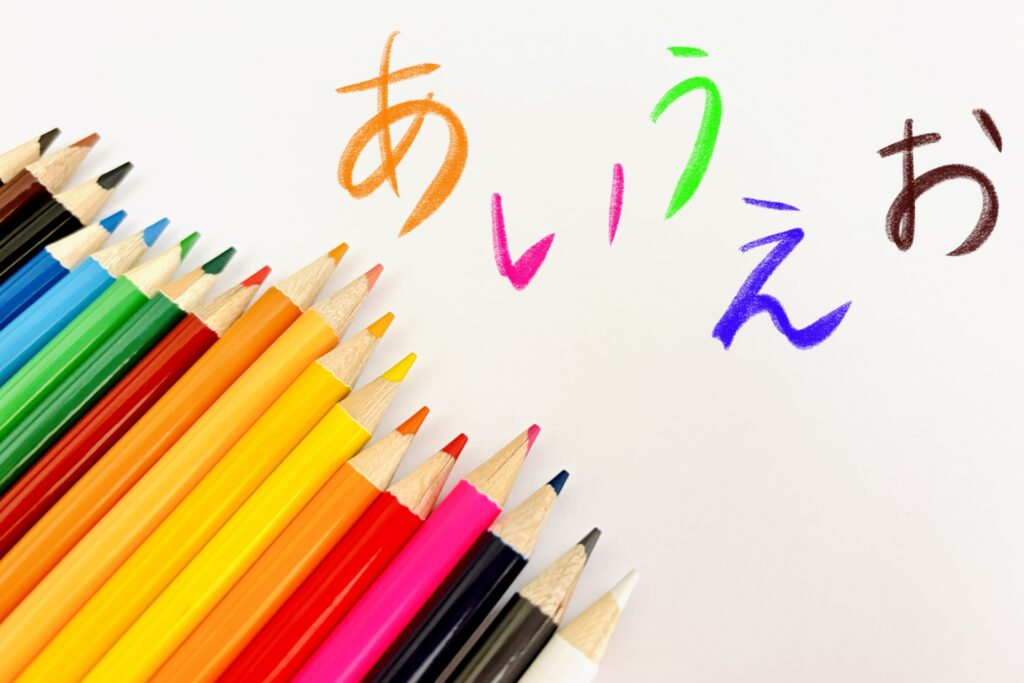
The foundations overlap, but not every learner needs the same distribution of study time. Preparing for a two-week holiday is not the same project as reading novels or passing the JLPT N2.
Choose one primary goal for the next few months. Secondary interests can stay in the picture, but they should not pull you onto a new path every few days.
For Travel in Japan
Travel learners should concentrate on situations that repeat: greetings, trains, hotels, restaurants, shopping, allergies, emergencies, prices, numbers, and polite requests.
Advanced grammar is not required to handle many of these interactions.
Useful patterns include:
〜はどこですか。
Where is …?
〜をお願いします。
… please.
もう一度お願いします。
One more time, please.
これは食べられません。
I cannot eat this.
英語のメニューはありますか。
Do you have an English menu?
Learn characters that appear in front of you: 駅 for station, 入口 for entrance, 出口 for exit, 円 for yen, 男 and 女 for men and women, and 禁煙 for no smoking. Practice spotting them on signs, not only on flashcards.
English support is common in many major tourist districts, but it varies from place to place and business to business. Japanese becomes more useful in rural areas, small family-run establishments, and the moments that were not in the itinerary.
Keep a translation app available. Still, learn enough Japanese to open the interaction politely and confirm important details.
For Conversation
Conversation requires more than a large vocabulary. Give priority to patterns for introducing yourself, asking follow-up questions, describing experiences, expressing preferences, and reacting while the other person speaks.
Responses such as そうですか, 本当ですか, なるほど, and いいですね help keep an exchange moving while you work out what to say next.
Practice swapping information inside known patterns:
週末は何をしましたか。
What did you do this weekend?
京都に行きました。
I went to Kyoto.
どうでしたか。
How was it?
Japanese frequently drops subjects when they are obvious. Beginning every sentence with 私は soon sounds repetitive. Start with polite です・ます forms, then gradually notice how speech changes among friends, colleagues, customers, and strangers.
Record short monologues. Meet a teacher or partner regularly. Returning to the same topic and handling it more accurately is often more valuable than jumping to a new topic and repeating the same errors.
For Anime, Manga, and Games
Learners motivated by media still need kana, grammar, basic vocabulary, listening, and kanji. The difference is that selected media becomes a major source of context and momentum.
For manga, begin with furigana and clear visual storytelling. Read a few panels, identify the grammar, check the essential words, then read the dialogue aloud.
Games often repeat interface vocabulary—save, item, equipment, attack, confirm, cancel—which makes a manageable first set. In anime, ordinary school, home, or workplace scenes usually transfer more easily to real conversation than fantasy battles or historical drama.
Be careful with pronouns, commands, sentence endings, and character-specific speech. A rough warrior, arrogant rival, fictional criminal, or elderly character may speak in ways that sound distinctly out of place elsewhere.
It helps to keep two lists: expressions you want to understand and expressions you can safely use. They will not always be the same.
For the JLPT
The Japanese-Language Proficiency Test has five levels, from introductory N5 to advanced N1. It assesses language knowledge, reading, and listening, with the section structure varying by level. There is no live speaking interview or extended writing task.
JLPT preparation should use level-appropriate material and timed practice. Study vocabulary and kanji in context, review grammar through sentence questions and reading passages, and practise listening under conditions close to the exam. Do not leave full sections until the final stage of preparation.
A JLPT result can support employment, education, or a personal benchmark. It does not automatically indicate ease in conversation. Add speaking and writing if you need Japanese for work or daily life.
Test dates, registration periods, locations, and availability differ by country and year. For 2026, the official site lists July 5 and December 6 as the main dates, while some overseas cities offer the test only once. Confirm the arrangements for your location before making plans.
Common Mistakes That Slow Down Japanese Learners
Most beginners do not stop because they lack ability. More often, the study system becomes awkward, repetitive, or so complicated that progress is hard to notice.
A few mistakes appear again and again.
Depending on Romaji for Too Long
Romaji feels easy because the alphabet is familiar. Keep it too long, though, and kana recognition never becomes automatic. It can also reinforce English pronunciation habits.
When a resource shows kana and romaji together, cover the romaji first. Change familiar words in your notes from tabemasu to たべます.
Reading may slow down for a while. That slowdown is not failure; it is the transition into reading Japanese directly.
Trying to Master Kanji Before Using Japanese
Some learners spend months collecting characters while avoiding grammar, audio, and sentences. They may recognize a surprising number of symbols and still struggle with a basic exchange.
Study kanji through useful words while continuing with everything else. Learn 食べる, 飲む, and 見る with audio and example sentences.
Kanji should help you read Japanese. It does not need to become a separate collecting hobby.
Using Too Many Apps at Once
Downloading a new app feels productive. Streaks and points make it feel measurable. Yet repeating the same greetings across five beginner courses is not the same as moving through one coherent course.
Choose one main program, one review tool, and one place to practise. Before adding anything else, name the problem it will solve.
Your study system should not become more complicated than the language.
Studying Only Passive Input
Watching videos, listening to songs, and scrolling through Japanese posts can increase familiarity. Passive exposure alone does not guarantee that you can recall the language.
After listening, repeat a sentence. After reading, summarize one point. After learning a pattern, write two examples about yourself. After watching a scene, reproduce one useful line without looking.
Small acts of output reveal the difference between recognition and knowledge.
Translating Every English Sentence Word for Word
Word-for-word translation usually produces awkward Japanese because the two languages package information differently. English uses explicit subjects more often, relies heavily on word order, and has articles. Japanese uses particles, omission, context, and sentence-final predicates.
Instead of composing the English sentence first, collect Japanese patterns for the function you need. Learn 〜てもいいですか for asking permission and 〜たいです for expressing a desire.
Adapt reliable Japanese examples. Do not force every sentence through English before it can exist.
Waiting Until You Feel Ready to Speak
There will probably be no morning when you suddenly feel fully prepared for conversation.
Begin with short tasks: a greeting, a self-introduction, one restaurant exchange, or answers to five predictable questions.
Speaking early does not mean giving up on accuracy. Keep studying grammar, listen carefully, and ask for correction. The purpose is to use the language you have while slowly increasing what you can handle—not to force a wide-ranging conversation before the tools are there.
How Long Does It Take to Learn Japanese?
There is no single honest answer because “learn Japanese” can mean ordering lunch, passing N5, reading novels, handling workplace meetings, or living professionally in Japan.
Progress depends on your goal, first language, previous experience with language study, weekly hours, access to Japanese, consistency, and the mix of skills you practise. Ten focused hours a week with regular feedback is a very different routine from a few app exercises on Sunday afternoon.
Measure progress through actions rather than the vague label “fluent.”
Useful milestones include:
- Recognizing hiragana and katakana
- Giving a self-introduction
- Understanding a beginner dialogue
- Ordering food politely
- Reading a simple menu or sign
- Writing a short message
- Following a familiar conversation topic
- Reading an easy story with dictionary support
- Completing a beginner course
- Passing a level-appropriate practice test
Skills will not develop evenly. You may recognize a grammar pattern on the page long before you hear it in speech. You may understand a question before you can answer smoothly.
Claims of fluency in a few months usually depend on an undefined version of “fluent” or unusually intensive conditions. Pick the next concrete milestone, track your weekly effort, and check what you can actually do every four to six weeks.
Frequently Asked Questions About Learning Japanese
Can I Learn Japanese by Myself?
Yes. Many learners build a solid foundation through a structured course, audio, regular review, reading, and writing.
Self-study works best when it follows a sequence. Collecting unrelated grammar explanations often creates the impression of studying without giving the language much shape.
Studying independently also does not mean avoiding other people forever. A teacher can correct pronunciation and spot misunderstandings. A language exchange adds real interaction and often helps motivation. Even an occasional feedback session can sharpen an otherwise self-directed plan.
Should I Learn Hiragana or Katakana First?
Start with hiragana because it appears throughout beginner materials, grammar, and word endings. Once most hiragana is recognizable, add katakana without leaving a long gap.
You do not need perfect handwriting in either script before beginning grammar. Keep reviewing kana while learning sentences. Fast recognition, reading, and typing matter more at this stage than completing a separate calligraphy project.
Should I Learn Kanji Before Grammar?
Do not try to finish one before beginning the other. After hiragana, learn basic grammar, vocabulary, and beginner kanji in parallel.
When studying time and daily routines, for example, introduce kanji for numbers, days, and common verbs. The characters gain context, and reading develops alongside communication.
Can I Learn Japanese Without Kanji?
You can learn spoken phrases and manage limited travel interactions with very little kanji. Someone focused on audio can also develop listening and conversation before becoming a strong reader.
Still, kanji is part of normal written Japanese. It appears on signs, menus, train information, forms, websites, messages, and articles. Anyone aiming for long-term independence will eventually need it, even when handwriting is not a priority.
Is Japanese Hard for English Speakers?
Japanese contains several features unfamiliar to English speakers: multiple scripts, kanji, particles, omitted subjects, sentence-final predicates, and different levels of politeness. These take time to absorb.
Other parts are more regular than many beginners expect. Kana spelling is consistent, the basic sound inventory is relatively limited, and many verb forms follow learnable patterns.
Japanese is demanding. It becomes much more manageable when the work is divided into clear, repeatable stages.
Can Anime Teach Me Japanese?
Anime can improve vocabulary, listening, and awareness of cultural references when used actively. Memorable scenes are especially good for repeated listening.
It should not replace basic grammar, pronunciation, or a structured vocabulary foundation. Dialogue may be rude, stylized, old-fashioned, or closely tied to a fictional setting. Check how an expression is used before trying it on people in everyday life.
What Is the Best Free Way to Learn Japanese?
A strong free setup might use Irodori or a suitable Minato course as the main path, official audio for listening, a dictionary, a spaced-repetition tool, and free exchange or speaking opportunities.
Irodori provides downloadable practical lessons and audio. Minato offers online courses and community features. Marugoto materials, Erin’s Challenge, and NIHONGO eな can add cultural context, video, and targeted support.
The best free system is not the one with the largest bookmark folder. It is the one you continue using.
Do I Need to Take the JLPT?
No. The JLPT is useful when you need a qualification for work, education, immigration-related procedures, or a personal benchmark. Its level structure can also give direction to learners who like exam goals.
It is not required for travel or ordinary conversation. Since the test focuses on vocabulary, grammar, reading, and listening rather than a live speaking interview, conversational practice needs to happen elsewhere.
Your Next Step: Build a Japanese Study System You Can Maintain
Do not spend another month comparing perfect methods. Choose one concrete goal, one structured beginner course, and a daily study period that fits your actual schedule.
Begin with five actions:
- Write down one result you want to achieve.
- Select one main beginner course.
- Start learning hiragana and Japanese sounds.
- Schedule a repeatable study time.
- Review your progress after one week.
At the end of the week, look at what you can do rather than how busy the app made you feel. Which characters can you read? Which sentences come out without notes? Which words can you catch in audio?
Those answers tell you more than a points total.
A durable study system is a small cycle: learn something, meet it again in audio or text, try to use it, get feedback, and return to it later. Once that cycle becomes ordinary, Japanese no longer feels like one enormous subject waiting to be mastered. It becomes a language already taking shape in your day.