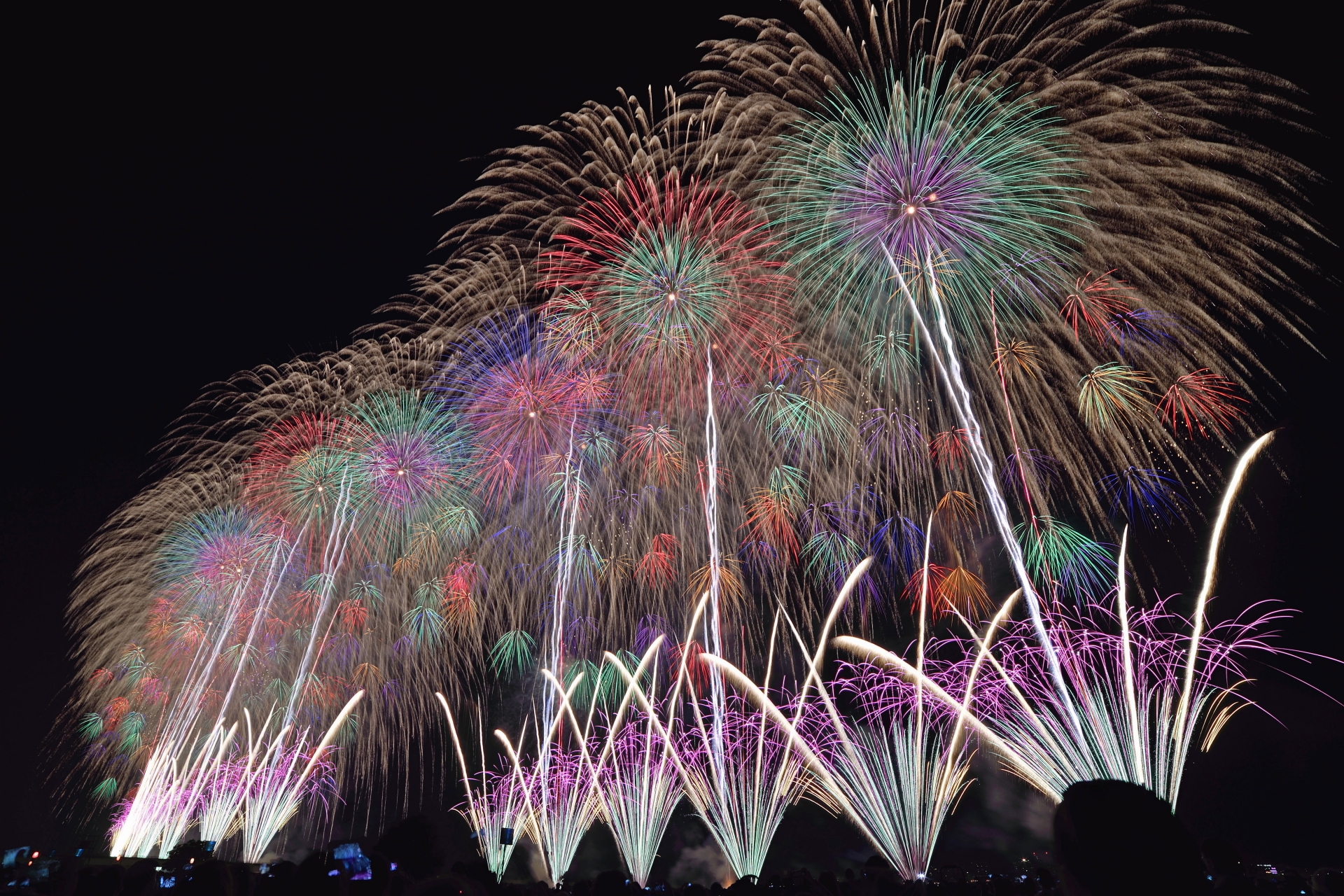
Japanese summer has its own soundtrack. Cicadas in the afternoon, the distant whistle before a firework launches, the low thud that rolls across the river a second later. In many parts of Japan, hanabi are woven into that atmosphere so naturally that summer without them feels strangely incomplete.
Some festivals draw enormous crowds along city riversides. Others happen in small towns where locals bring folding chairs and convenience store drinks to an empty field before sunset. The scale changes, but the feeling is often similar: people slowing down for one humid evening to look up at the sky together.
Fireworks in Japan are more than seasonal entertainment. They carry traces of craftsmanship, memorial traditions, neighborhood culture, and the Japanese appreciation for things that disappear quickly. That last part matters more than it might seem.
Whether you are planning a summer trip or simply wondering what the word hanabi actually means, this guide walks through the history, festival culture, etiquette, and small details that shape the experience.


What Does Hanabi Mean?
The Japanese word hanabi (花火) literally translates to “fire flowers.”
- 花 (hana) = flower
- 火 (hi / bi) = fire
It is one of those Japanese words that sounds poetic without trying too hard. The image makes immediate sense once you see fireworks opening over the night sky in slow circular bursts.
In daily Japanese, hanabi simply means fireworks in general. Travelers, though, will often hear another phrase: hanabi taikai (花火大会), which refers specifically to a fireworks festival or large public event.
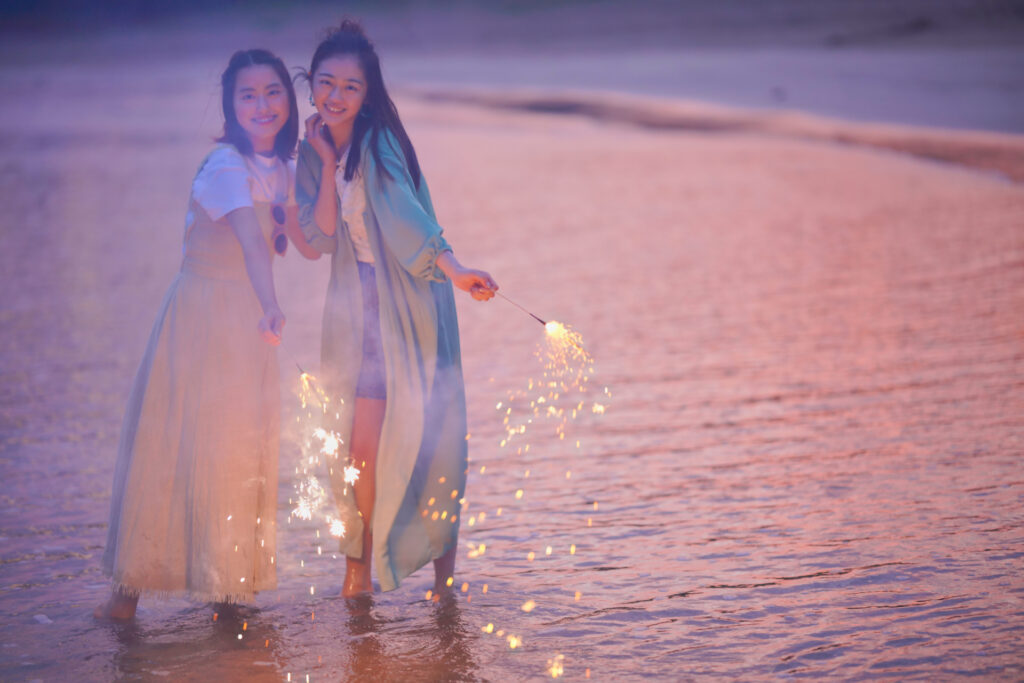
A hanabi taikai can attract hundreds of thousands of people, especially in cities like Tokyo or Osaka. But the word hanabi also applies to quieter summer moments — families setting off sparklers near a beach, children playing with handheld fireworks outside a house, groups sitting around watching the last ember of a senko hanabi fall.
Those small sparklers have their own place in Japanese nostalgia. The sparks are delicate and short-lived, and people often associate them with late summer evenings rather than loud celebration.
In many countries, fireworks are tied to national holidays. In Japan, they are tied much more closely to the season itself. Just hearing the word hanabi tends to bring up images of yukata, crowded train stations, festival food, and humid night air.
Why Hanabi Is So Important in Japanese Summer Culture
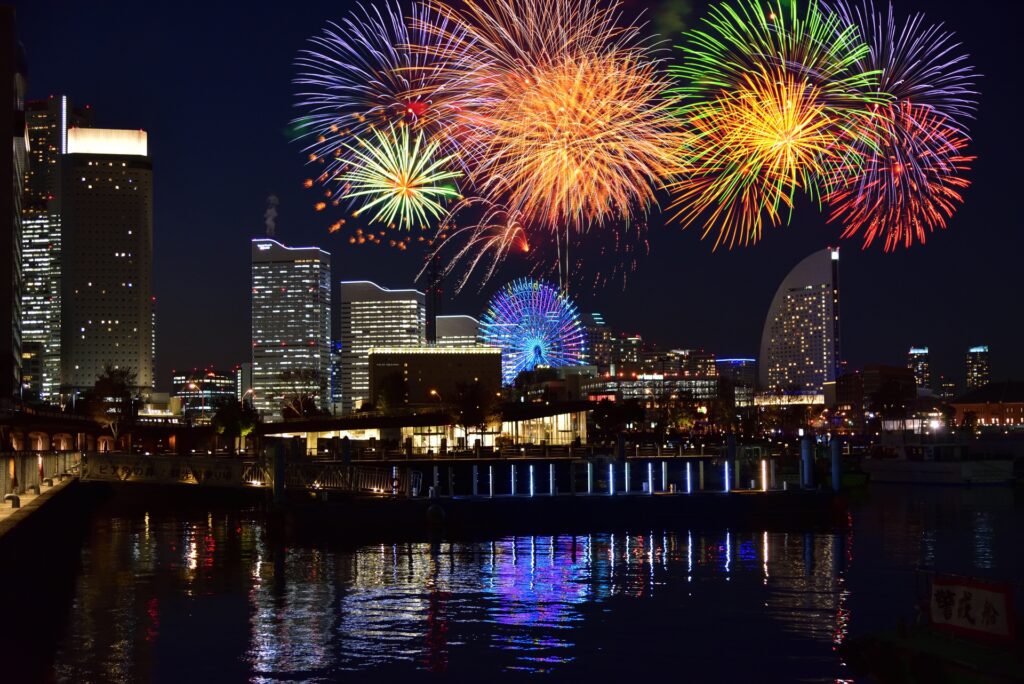
Hanabi sit at the center of Japanese summer in a way that is hard to explain until you attend a festival yourself.
Part of it is repetition. People grow up going to fireworks festivals every year, often with the same friends or family members. The routines become familiar: buying yakisoba from a food stall, carrying a folded picnic sheet, waiting for darkness while announcements echo from temporary loudspeakers.
By early evening, riversides start filling with people in yukata and sandals. Teenagers stop at convenience stores for ice cream and drinks before heading toward the crowd. Older couples bring camping chairs. Children usually start getting restless about an hour before the fireworks begin.
The atmosphere can feel festive, but not always noisy. At many large fireworks displays in Japan, there are long stretches where people simply watch in silence.
One reason hanabi resonate so strongly in Japan is the idea of mono no aware — an appreciation for temporary beauty and the awareness that moments pass quickly. Fireworks bloom brilliantly for a few seconds, then vanish into smoke. That fleeting quality is part of the appeal, not a flaw in it.
Hanabi culture is also closely tied to:
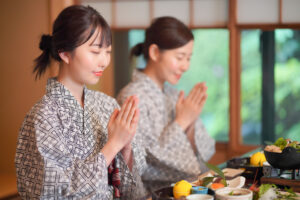
- Yukata culture — lightweight summer kimono worn to festivals
- Yatai food stalls — takoyaki, kakigori, grilled squid, yakisoba
- Neighborhood gatherings — local communities meeting in shared public spaces
- Summer dating culture — fireworks festivals are famously popular date nights
Compared with some Western fireworks events, Japanese audiences often pay close attention to the fireworks themselves rather than treating them as background spectacle. People notice timing, layering, color changes, and symmetry. A particularly beautiful shell might draw a collective murmur from the crowd before fading out over the river.
For travelers, a hanabi festival is less about checking off a tourist attraction and more about stepping briefly into the rhythm of Japanese summer.
The History of Hanabi in Japan
Japanese fireworks culture developed gradually, shaped by imported technology, urban entertainment, and generations of pyrotechnic craftsmanship.
Gunpowder originated in China and eventually spread through Asia. During Japan’s Sengoku period, firearms and explosive technology entered the country through trade and military exchange. At first, these materials were associated almost entirely with warfare.
That changed over time, especially during the Edo period, when cities became more stable and large public entertainment culture began to grow.
Hanabi Timeline
| Year / Period | Development |
| Around the 9th century | Gunpowder invented in China |
| 14th century | Early modern fireworks developed in Italy |
| 1500s | Fireworks technology introduced to Japan |
| 1600s | Fireworks culture spreads throughout Edo |
| 1733 | Origins of the Sumida River Fireworks Festival |
| 1900s | Large-scale fireworks festivals grow nationwide |
| Modern day | Artistic competitions and advanced pyrotechnics evolve |
As fireworks became more popular in Edo — present-day Tokyo — specialized craftsmen developed increasingly refined techniques. Over the centuries, Japanese fireworks makers built a reputation for precision and visual balance rather than sheer volume alone.
From Fireworks Imported from China to Edo Entertainment
When fireworks first arrived in Japan, they were more curiosity than culture.
By the Edo period, though, they had become part of urban life. The Tokugawa government’s relative stability allowed entertainment districts, seasonal festivals, and public events to flourish. Fireworks displays grew larger, and ordinary townspeople began treating them as a summer tradition rather than an elite spectacle.
One important moment came during the reign of Tokugawa Yoshimune. Fireworks were held along the Sumida River to honor victims of famine and disease while also praying for protection from future epidemics. Those memorial displays eventually evolved into today’s Sumida River Fireworks Festival.
Rival fireworks guilds like Tamaya and Kagiya became famous enough that spectators shouted their names during impressive launches. Even now, if you attend a traditional fireworks festival in Japan, you may occasionally hear someone call out “Tamaya!” across the crowd after a particularly striking burst.
By the late Edo period, fireworks were no longer limited to the upper classes. They had become part of everyday summer culture in the city.
Why Japanese Fireworks Became an Art Form
Japanese fireworks are often discussed almost like performance art, and once you watch a major competition, it becomes easier to understand why.
In many countries, fireworks displays focus on scale and intensity. Japanese hanabi certainly have dramatic moments too, but there is also a strong emphasis on control — perfectly round explosions, smooth color transitions, precise timing, and the way sparks fade at the edges.
Traditional aesthetics tend to value:
- Perfect circular symmetry
- Soft fading trails
- Controlled color layering
- Rhythm and pacing
- A sense of atmosphere rather than constant intensity
Craftsmen spend years learning how to arrange shells with extreme accuracy. Tiny internal differences can affect how evenly a firework opens in the sky.
The result is that Japanese fireworks often feel measured rather than overwhelming. Some displays deliberately leave pauses between launches so the crowd sits with the afterimage for a second before the next shell rises.
How Japanese Fireworks Work
Behind the atmosphere and nostalgia, fireworks are still carefully engineered objects.
A standard Japanese firework shell usually contains:
- Outer shell
- Lift charge
- Fuse
- Burst charge
- Small pellets called “stars”
The shell is launched into the air by the lift charge. Once airborne, a timed fuse ignites the burst charge, which pushes the stars outward into a pattern.
The arrangement of those stars determines the final shape people see from below.
Japanese fireworks are particularly admired for symmetry because the stars inside the shell are positioned with remarkable precision before launch.
What Is Inside a Japanese Firework Shell?
Inside a traditional shell, several components work together.
| Component | Function |
| Outer shell | Holds the structure together |
| Fuse | Controls explosion timing |
| Burst charge | Creates the explosion |
| Stars | Produce colors and shapes |
The stars contain chemical compounds that generate specific colors when heated. Their arrangement determines whether the firework becomes a chrysanthemum, peony, willow, or another design entirely.
Experienced fireworks makers are respected almost like artisans. Even small adjustments inside a shell can noticeably change how cleanly a pattern opens overhead.
How Do Fireworks Create Different Colors?
Different metals and compounds produce different colors during combustion.
| Color | Element |
| Red | Strontium |
| Green | Barium |
| Blue | Copper |
| Gold | Iron or charcoal effects |
Blue is notoriously difficult to produce consistently, which is one reason vivid blue fireworks tend to stand out so much during Japanese competitions.
Modern pyrotechnics continue evolving every year, but traditional craftsmanship still plays a huge role in how displays are judged and appreciated.
Types of Japanese Fireworks
Japanese fireworks range from traditional spherical bursts to large synchronized productions designed almost like live performances.
Different styles create completely different moods. Some feel elegant and slow. Others are loud, rapid, and overwhelming in the best way.
Warimono (Traditional Round Fireworks)
Warimono are the classic round fireworks most people picture when imagining Japanese hanabi.
Two famous variations include:
- Kiku (Chrysanthemum) — long trailing sparks that resemble flower petals
- Botan (Peony) — fuller bursts with denser, shorter trails
At competitions, judges look closely at shape consistency, timing, brightness, and how evenly the firework expands.
A nearly perfect circle still carries enormous prestige among pyrotechnicians in Japan.
Starmine and Niagara Fireworks
Starmine refers to rapid-fire synchronized fireworks launched continuously in coordinated sequences, often with music. These are usually the loudest and most energetic parts of major festivals.
Niagara fireworks work differently. Long streams of sparks cascade downward from bridges or suspended wires, creating a glowing curtain effect.
They are especially striking over rivers at night, when the reflections double the effect in the water below.
Famous Shapes and Styles of Japanese Hanabi
Modern fireworks technology has made more playful designs possible.
Some commonly seen styles include:
- Heart-shaped fireworks
- Spiral patterns
- Character fireworks
- Smile faces
- Willow fireworks with long hanging trails
These designs tend to be especially popular with children and families, though even serious fireworks enthusiasts usually appreciate the technical skill involved in making them readable from far below.
Hanabi vs. Western Fireworks: What Makes Japanese Fireworks Different?
Fireworks are universal. The atmosphere around them is not.
| Japanese Hanabi | Western Fireworks |
| Focus on artistry and symmetry | Focus on spectacle and scale |
| Strong seasonal identity | Often tied to national holidays |
| Quiet audience appreciation | Louder crowd reactions |
| Emotional atmosphere | Celebration-focused atmosphere |
| Traditional craftsmanship | Technology-driven displays |
Japanese audiences often watch with surprising concentration. During quieter moments, you can sometimes hear camera shutters, river water, or distant train sounds between launches.
Another major difference is seasonal identity. In Japan, fireworks are closely connected to summer itself rather than patriotic celebrations or national anniversaries. They feel tied to humidity, evening festivals, and school holidays in a very specific way.
When and Where to See Hanabi in Japan
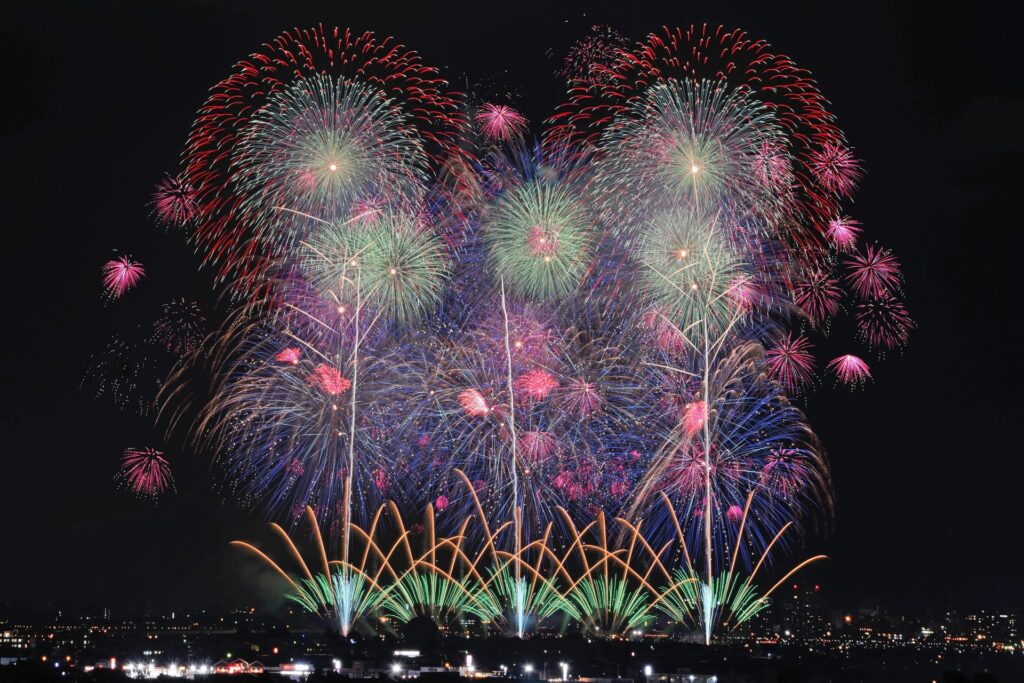
Most major fireworks festivals happen in July and August, though some cities now hold events in spring, autumn, or even winter.
Popular destinations include:
- Tokyo
- Nagaoka
- Omagari
- Tsuchiura
- Atami
- Rural local festivals across Japan
Large city festivals tend to feel crowded and energetic from the moment people start arriving in the afternoon. Rural festivals can be slower and more relaxed, with fewer tourists and more local families.
Sometimes the smaller events leave the stronger memory.
Best Hanabi Festivals for First-Time Visitors
| Festival | Why It’s Famous | Best For |
| Sumida River Fireworks Festival | Historic Tokyo festival | First-time visitors |
| Nagaoka Fireworks Festival | Massive emotional displays | Serious fireworks fans |
| Omagari Fireworks Competition | Elite pyrotechnic competition | Photography enthusiasts |
| Atami Marine Fireworks | Oceanfront setting | Couples |
| Local countryside festivals | Relaxed atmosphere | Families and slow travel |
The Sumida River Fireworks Festival is often the easiest starting point for travelers because transportation is relatively convenient and the skyline backdrop feels unmistakably Tokyo.
Meanwhile, the Nagaoka Fireworks Festival is known for emotionally charged performances connected to postwar memorial traditions. The scale there can feel enormous — not just visually, but emotionally too.
How to Enjoy a Hanabi Festival Like a Local
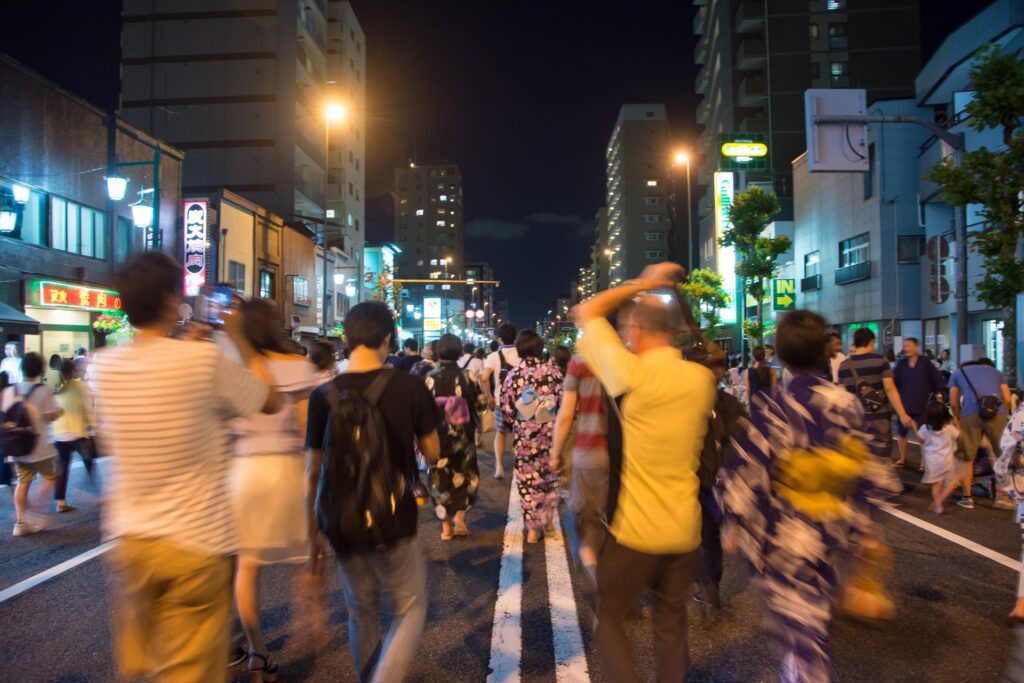
Preparation matters more than many first-time visitors expect.
Popular festivals become crowded hours before the first launch. Locals often arrive early in the afternoon to claim space with picnic sheets, especially near riversides.
Convenience stores close to major venues can sell out surprisingly fast once evening approaches. Drinks disappear first.
A few practical tips:
- Arrive earlier than you think necessary
- Wear comfortable shoes
- Bring cash for food stalls
- Check restroom locations before dark
- Expect packed trains afterward
- Keep some patience for the trip home
One thing many travelers underestimate is how long post-festival congestion lasts. Some train stations become so crowded that people wait over an hour just to enter the platform area.
Experienced attendees sometimes stay nearby after the fireworks end — sitting at a family restaurant, café, or izakaya until the crowds thin out.
What to Bring to a Hanabi Festival
| Item | Why You Need It |
| Picnic sheet | Sitting on the ground |
| Water/drinks | Summer heat |
| Cash | Food stalls often cash-only |
| Portable fan | Staying cool |
| Towel | Sweat and humidity |
| Bug spray | Outdoor comfort |
| Portable charger | Photos and navigation |
| Trash bag | Cleaning up responsibly |
| Rain gear | Sudden summer rain |
Even small things make a difference during Japanese summer humidity. A simple hand towel and portable fan can suddenly feel essential after sunset crowds start building.
Hanabi Festival Etiquette
Japanese fireworks festivals are large public events, but they usually remain fairly orderly because people pay close attention to shared etiquette.
A few basic rules go a long way:
- Do not block other people’s view
- Respect reserved seating areas
- Take trash home if bins are overflowing
- Avoid stopping suddenly in crowded walkways
- Follow event staff instructions carefully
The atmosphere works because thousands of people cooperate without making too much noise about it. That quiet coordination becomes part of the experience itself.
Japanese Words Related to Hanabi
Learning a few festival-related words makes things noticeably easier once you arrive at a crowded event.
Common Hanabi Vocabulary
| Japanese | Romaji | Meaning |
| 花火 | Hanabi | Fireworks |
| 花火大会 | Hanabi Taikai | Fireworks festival |
| 屋台 | Yatai | Food stall |
| 浴衣 | Yukata | Summer kimono |
| 打ち上げ花火 | Uchiage Hanabi | Launched fireworks |
| 手持ち花火 | Temochi Hanabi | Handheld fireworks |
| 線香花火 | Senko Hanabi | Traditional Japanese sparkler fireworks |
| 有料席 | Yuryo Seki | Paid seating |
| 場所取り | Basho Tori | Reserving a spot |
Useful Japanese Phrases for Hanabi Festivals
| Japanese | Romaji | English |
| 花火は何時からですか? | Hanabi wa nanji kara desu ka? | What time do the fireworks start? |
| どこで見れますか? | Doko de miremasu ka? | Where can I watch them? |
| きれいですね | Kirei desu ne | Beautiful, isn’t it? |
| トイレはどこですか? | Toire wa doko desu ka? | Where is the restroom? |
Japanese pronunciation is generally straightforward once you hear it spoken aloud. Vowels tend to stay crisp and even, which makes festival phrases easier to pick up than many travelers expect.
Frequently Asked Questions About Hanabi
What does hanabi mean?
Hanabi literally means “fire flowers” and is the standard Japanese word for fireworks.
When is hanabi season in Japan?
Most major festivals happen during July and August, though some regions hold events outside summer as well.
Are fireworks festivals free?
Many are free to attend, though large festivals often sell paid reserved seating.
What happens if it rains?
Light rain may not cancel an event, but severe weather can lead to postponement or cancellation.
Can tourists wear yukata?
Yes. Many visitors rent yukata specifically for summer festivals.
Are hanabi festivals family-friendly?
Very much so. Many events are filled with local families and children.
What is the best fireworks festival in Tokyo?
The Sumida River Fireworks Festival is generally considered the city’s most famous and historic fireworks event.
Final Tips for Experiencing Hanabi in Japan
Watching fireworks in Japan is rarely just about the fireworks themselves.
It is the walk to the venue in heavy evening heat. The convenience store packed with people buying drinks at the last minute. The sound of festival announcements echoing across the river before the sky turns dark enough for the first launch.
The best approach is usually a slower one. Arrive early. Bring what you need. Leave room for the parts of the evening that happen between the fireworks rather than treating the display itself as the only destination.
Whether you end up at a huge event in Tokyo or a smaller local festival somewhere in the countryside, hanabi have a way of turning an ordinary summer night into something people remember for years afterward.
And once you have sat among thousands of people quietly looking up at the same sky, it becomes easier to understand why fireworks occupy such a particular place in Japanese summer culture.