Futako-Tamagawa is one of Tokyo’s most balanced neighborhoods — blending riverside nature, modern architecture, upscale shopping, and relaxed suburban comfort. Located in western Tokyo within Setagaya, it offers a refreshing alternative to high-energy districts like Shibuya.
For American travelers exploring Tokyo beyond the usual tourist core, Futako-Tamagawa provides space, greenery, and a slower rhythm without sacrificing convenience. For expats and relocating families, it’s frequently mentioned as one of the most livable areas in the city.
Whether you’re visiting Tokyo for a week or researching neighborhoods for a long-term move, this guide explains what makes Futako-Tamagawa special — and whether it deserves a place on your itinerary.


Where Is Futako-Tamagawa in Tokyo?
Futako-Tamagawa is located in western Tokyo, inside Setagaya Ward — one of the city’s most desirable residential districts. The area centers around Futako-Tamagawa Station, which serves as its transportation and commercial hub.
The neighborhood sits directly along the banks of the Tamagawa River, one of the largest rivers in the Tokyo metropolitan area. This riverside location gives Futako-Tamagawa its signature open views and outdoor lifestyle.
It’s also extremely convenient for travelers:
| From | Time | Route |
| Shibuya | ~15 min | Tokyu Den-en-toshi Line |
| Shinjuku | ~25–30 min | Via Shibuya |
| Tokyo Station | ~35–40 min | Central transfer required |
From Shibuya, it’s only about 15 minutes via the Tokyu Den-en-toshi Line, making it an easy half-day trip or a practical residential base with central access.
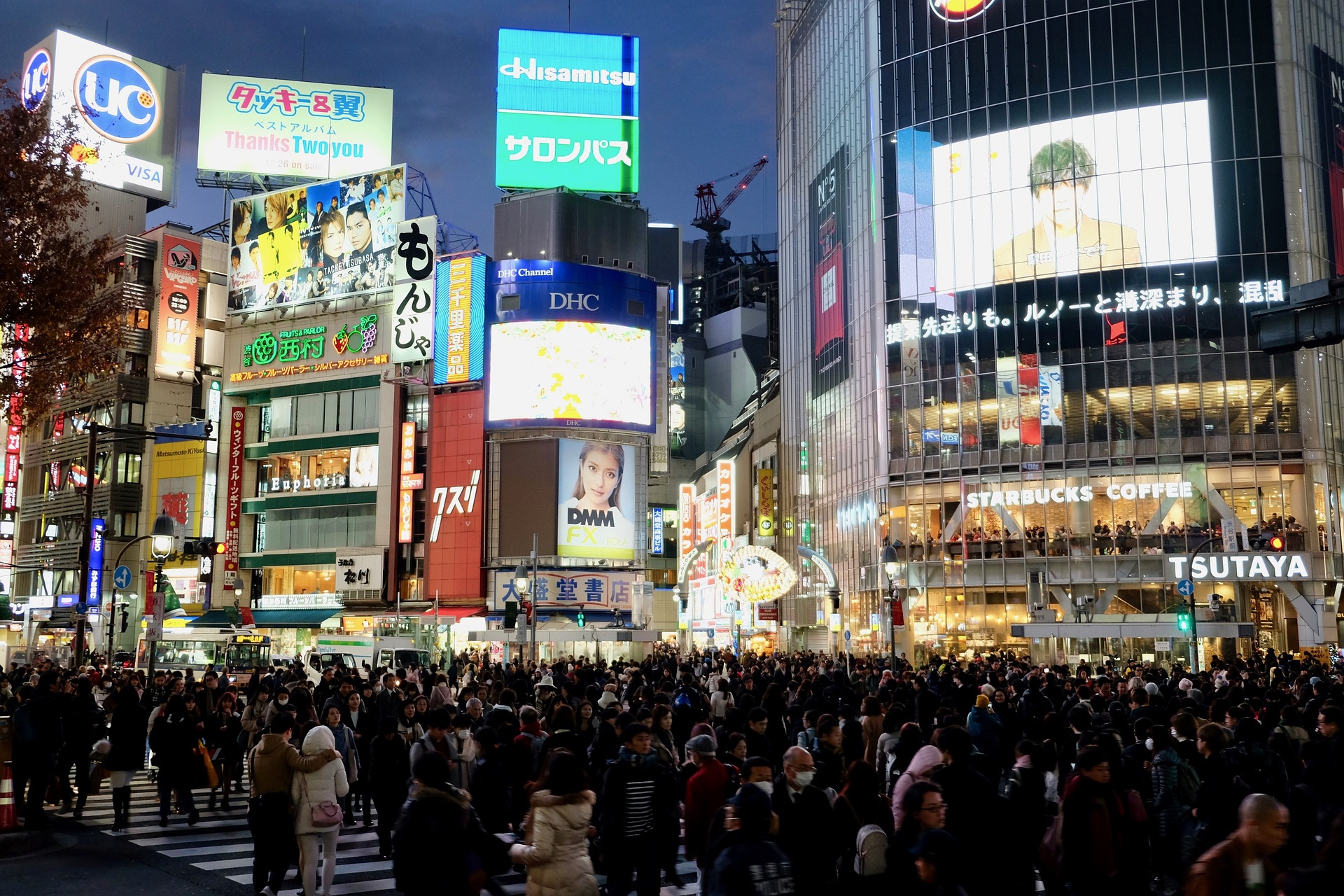
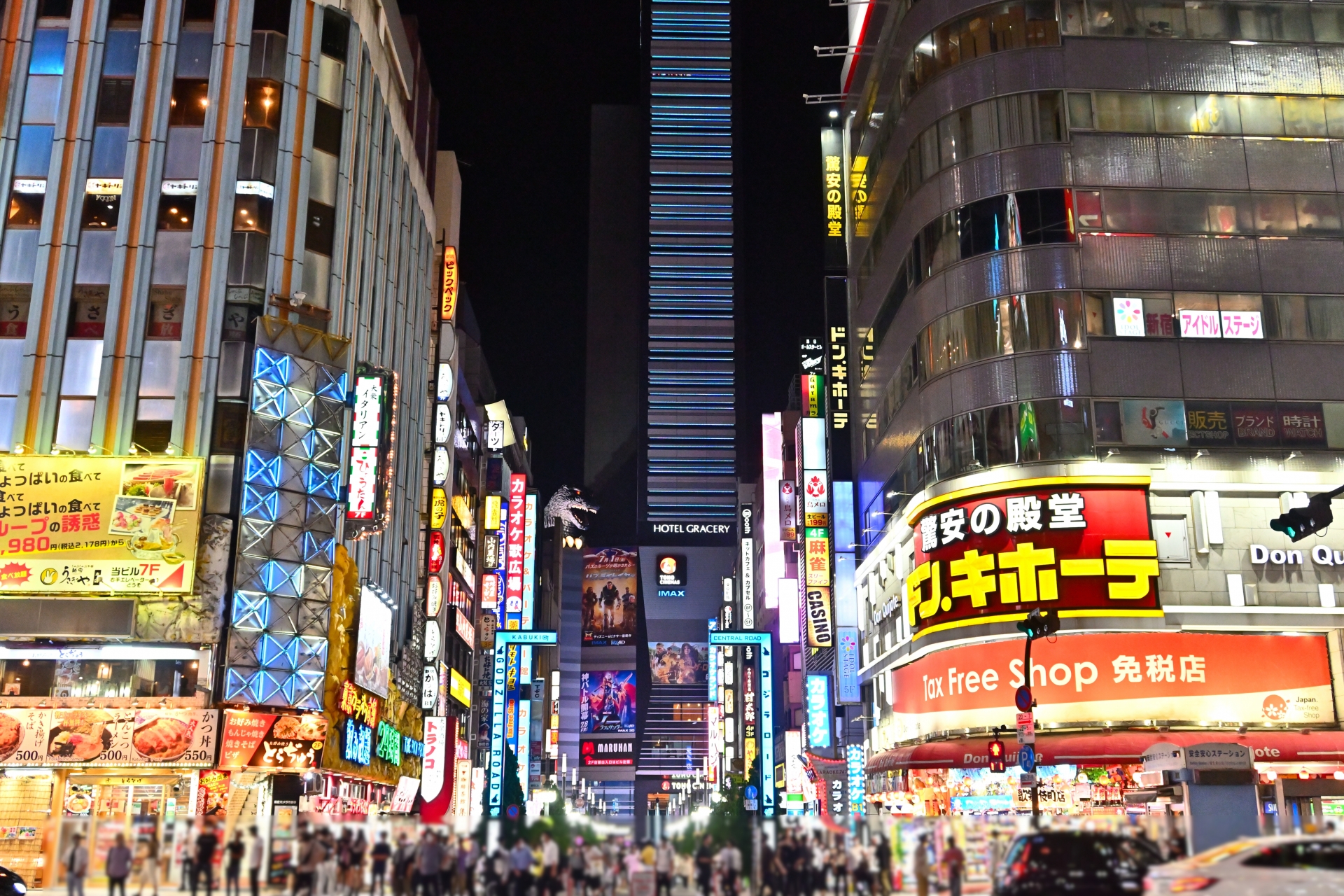

What Is Futako-Tamagawa Known For?
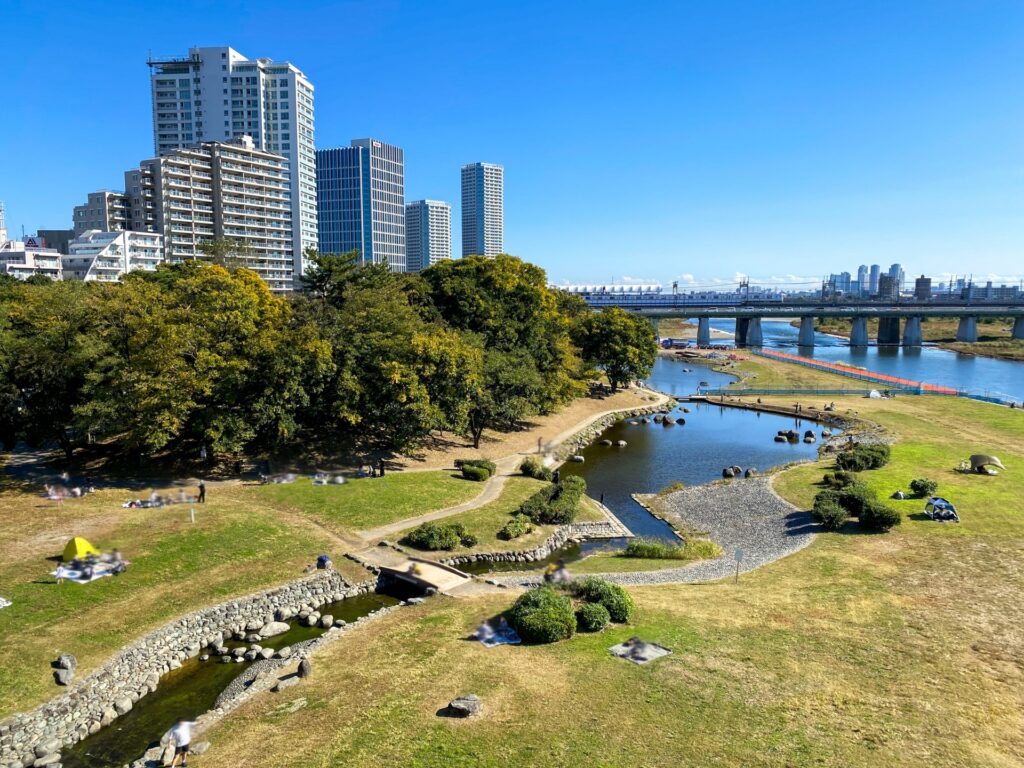
Futako-Tamagawa is best known for its riverside lifestyle — something surprisingly rare in Tokyo’s dense urban landscape. Wide skies, grassy riverbanks, and long cycling paths create an atmosphere that feels far more spacious than most Tokyo neighborhoods.
Over the past decade, large-scale redevelopment has transformed the area into a modern, upscale district anchored by mixed-use complexes, residential towers, and thoughtfully designed public spaces. Unlike older residential neighborhoods, Futako-Tamagawa feels planned and cohesive.
Compared to nearby areas:
- Daikanyama – Stylish, boutique-heavy, intimate streets
- Jiyugaoka – Charming, café-centric, residential
- Futako-Tamagawa – Modern, open, river-integrated, family-oriented
While Daikanyama leans trendy and Jiyugaoka feels quaint, Futako-Tamagawa stands out for its scale and integration with nature. It feels upscale without being flashy — refined but relaxed.
Top Things to Do in Futako-Tamagawa
Explore Futako-Tamagawa Rise
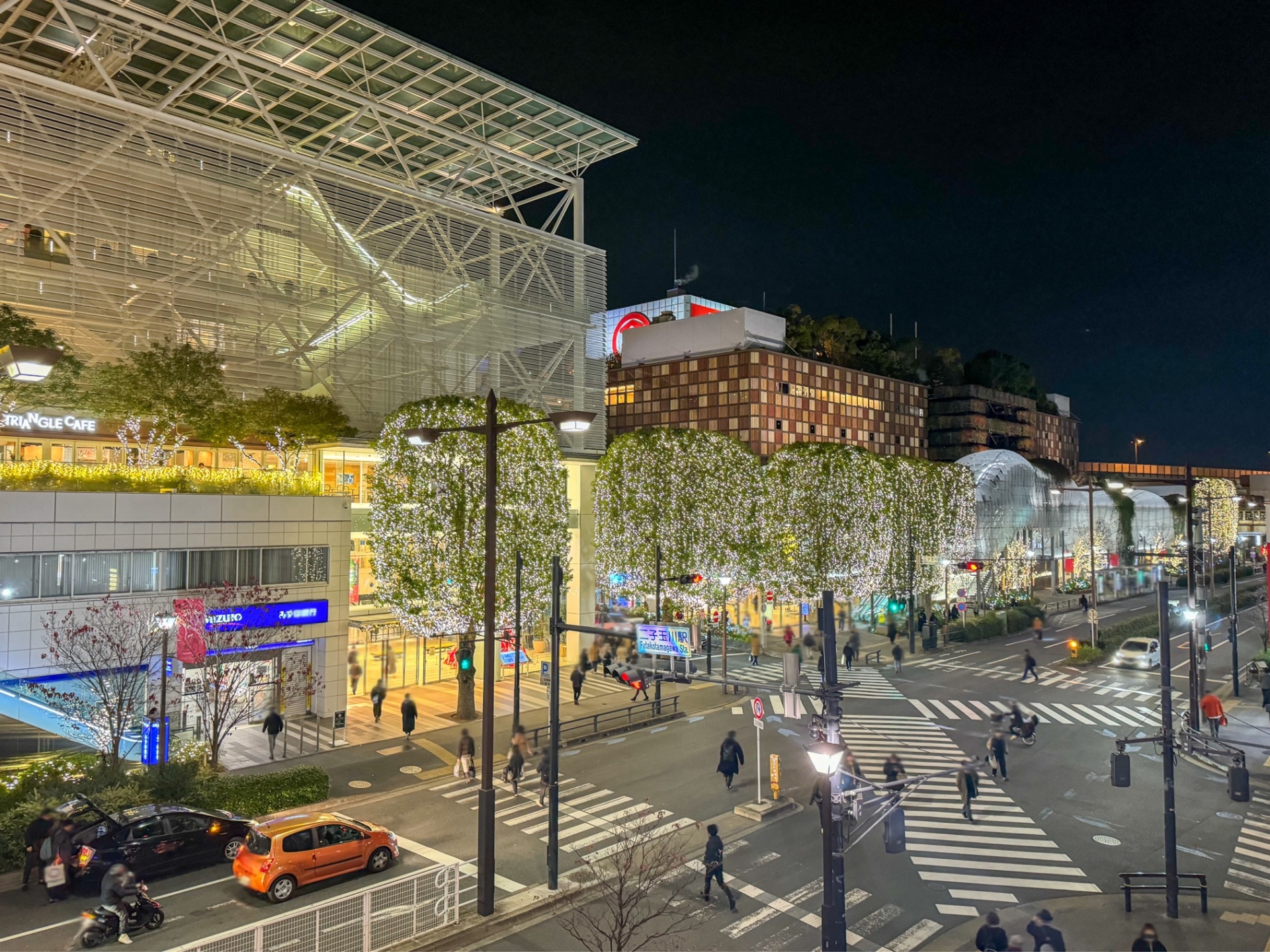
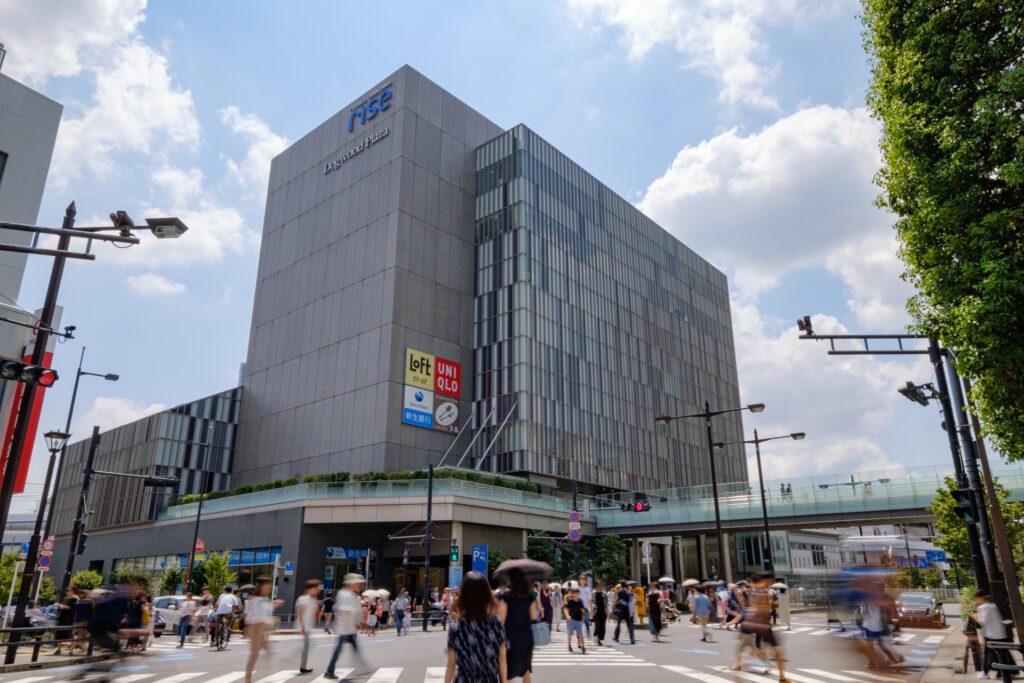
The heart of the neighborhood is Futako-Tamagawa Rise — a large-scale commercial and residential development directly connected to the station.
Inside, you’ll find fashion brands, lifestyle stores, bookstores, and specialty shops. The layout feels spacious and airy compared to crowded central Tokyo malls. Restaurants range from casual family-friendly spots to stylish date-night venues.
Rooftop gardens and open terraces provide elevated views and places to relax. The adjacent high-rise residential towers symbolize the area’s transformation into a modern urban hub.
Walk Along the Tamagawa River
The Tamagawa River is the soul of Futako-Tamagawa. Wide gravel banks and grassy fields stretch along the water, creating one of the most expansive open spaces within Tokyo.
In spring, cherry blossoms line parts of the river, drawing families and photographers. Throughout the year, locals jog, cycle, picnic, and play sports. On weekends, it feels more like a relaxed riverside town than a megacity district.
For visitors from the U.S., the open scale may feel surprisingly familiar — closer to a park along the Hudson or Charles River than typical Tokyo density.
Parks and Green Spaces in Futako-Tamagawa
Todoroki Valley
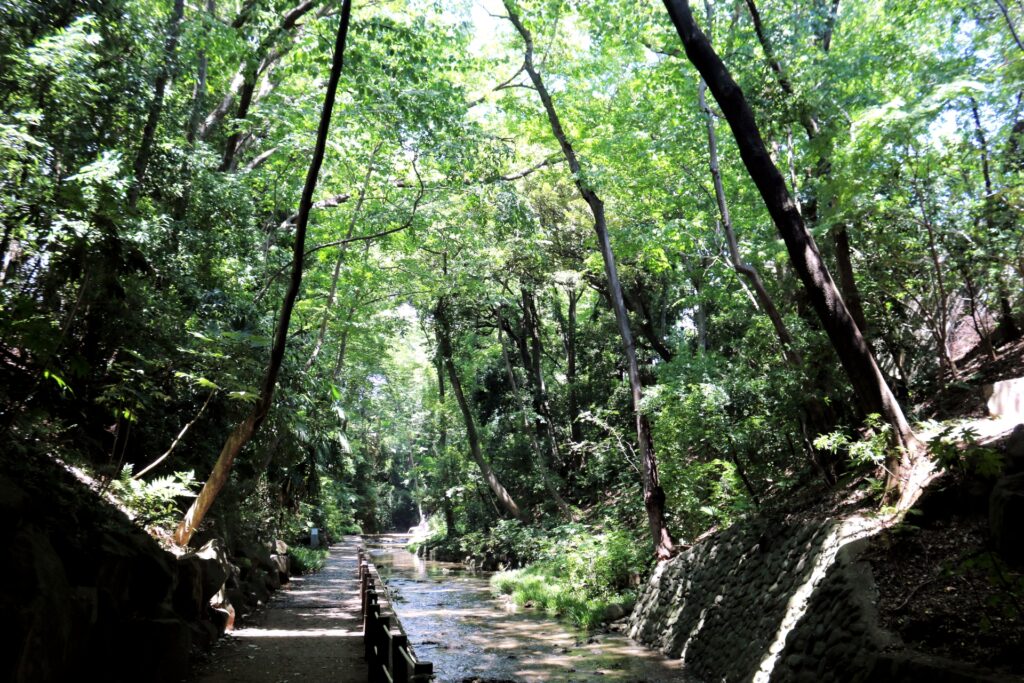
Todoroki Valley is Tokyo’s only natural valley within the 23 wards. Just a short distance from Futako-Tamagawa, it offers shaded walking paths, small streams, and lush greenery.
Descending into the valley feels like stepping out of the city entirely. In summer, it’s noticeably cooler due to tree cover and flowing water. It’s a hidden nature escape ideal for travelers seeking tranquility.
Hyogojima Park
Hyogojima Park sits along the river with open lawns perfect for picnics. In cherry blossom season, it becomes a local gathering spot. Weekends bring families, dogs, and relaxed social energy.
Kinuta Park
Kinuta Park features expansive lawns and is one of Tokyo’s notable cherry blossom locations. Dog-friendly and spacious, it’s popular with families year-round.
Futako-Tamagawa Park
Futako-Tamagawa Park offers elevated views of the Tamagawa River, a small Japanese-style garden, and playground areas. It’s within easy walking distance from the station and perfect for families.
Museums and Cultural Spots
Gotoh Museum
Gotoh Museum houses traditional Japanese art, including classical scrolls and ceramics. The surrounding garden enhances the peaceful atmosphere, offering cultural depth beyond shopping.
Seikado Bunko Art Museum
Seikado Bunko Art Museum showcases East Asian classical art in an elegant setting. It’s a quiet alternative to central Tokyo’s crowded museum scene.
Shopping in Futako-Tamagawa
Takashimaya Futako-Tamagawa
Takashimaya Futako-Tamagawa is a long-established landmark. Its basement food hall (depachika) offers high-quality prepared foods and sweets — ideal for picnics by the river.
Lifestyle & Specialty Stores
Beyond department stores, Futako-Tamagawa features large bookstores, outdoor brands, and interior design shops. The shopping experience feels curated and spacious, appealing to those who prefer relaxed browsing over crowded retail districts.
Restaurants and Cafés
Riverside Dining
Many restaurants offer terrace seating overlooking the river. Sunset views create a date-friendly atmosphere, blending nature with refined dining.
Casual Family Restaurants
Spacious interiors and kid-friendly menus make dining easy for families. The area’s strong local community presence means restaurants are accustomed to children.
Trendy Cafés & Bakeries
Coffee culture is strong here. Brunch-focused spots and artisan bakeries create a more relaxed atmosphere than Daikanyama, attracting both locals and visitors.
Iconic Buildings & Architecture
Futako-Tamagawa Rise Towers
The high-rise residential towers define the skyline and symbolize the district’s redevelopment. Their modern design reflects Futako-Tamagawa’s evolution into a luxury residential hub.
Futako-Tamagawa Station Area
The station surroundings are pedestrian-friendly, clean, and thoughtfully designed. Open plazas connect commercial spaces to riverside parks, blending architecture and nature.
Is Futako-Tamagawa a Good Place to Live?
For expats and families, Futako-Tamagawa consistently ranks as one of Tokyo’s most desirable residential areas.
Pros:
- Immediate access to nature
- Spacious atmosphere
- Strong family-friendly reputation
- Excellent shopping and daily amenities
Cons:
- Higher rent compared to outer Tokyo
- Limited nightlife
| Area | Atmosphere | Price | Family-Friendly | Nightlife |
| Futako-Tamagawa | Modern & Riverside | High | Very High | Low |
| Daikanyama | Trendy | Very High | Medium | Medium |
| Jiyugaoka | Cozy | High | High | Low |
| Shibuya | Urban & Busy | High | Low | Very High |
Compared to Shibuya, Futako-Tamagawa feels calmer and more residential. Compared to Daikanyama, it offers more green space and larger living environments.
One-Day Itinerary in Futako-Tamagawa
Morning
Start with coffee near the station, then stroll through Futako-Tamagawa Park for river views.
Afternoon
Have lunch at Futako-Tamagawa Rise, explore shops, and browse bookstores or specialty stores.
Evening
Walk along the Tamagawa River at sunset, followed by a riverside dinner.
This itinerary suits first-time Tokyo visitors seeking a slower, scenic experience.
Final Thoughts: Is Futako-Tamagawa Worth Visiting?
Yes — especially if you value space, greenery, and a refined but relaxed atmosphere.
Futako-Tamagawa is ideal for:
- Families
- Couples
- Long-term travelers
- Relocation researchers
It may not offer the neon energy of Shibuya, but it provides something equally valuable: Tokyo’s livable luxury riverside lifestyle.