Japan baseball isn’t something you only notice inside stadiums. It shows up in schoolyards, in company teams, on TV in the middle of summer—woven into everyday life in a way that feels a bit different from the U.S. version of the sport. The games themselves are high-level, but what tends to stay with you is everything around them: the songs, the rituals, the sense that the crowd is part of the game.
If you’re planning to catch a game while traveling in Japan, it helps to understand how all these layers fit together. This guide walks through the basics—leagues, history, and what to expect once you’re actually in the stands.


What Is Japan Baseball?
“Japan baseball” isn’t just shorthand for the pro league. It covers a much wider system: youth teams, school tournaments, corporate leagues, and the national squad.
At the top is Nippon Professional Baseball (NPB), but a lot of the culture is built earlier. High school baseball, in particular, plays a huge role. The tournament held at Koshien Stadium draws national attention—games broadcast live, players suddenly becoming household names for a few weeks.
Then there’s Samurai Japan, the national team, which competes internationally in events like the World Baseball Classic.
What stands out is how connected everything feels. Schools, companies, and local communities all feed into the sport. It’s less centralized than Major League Baseball in the U.S., and that gives it a broader, more layered presence.
A Brief History of Baseball in Japan
Baseball first arrived in Japan in 1872, introduced by an American teacher, Horace Wilson. It started in schools, which partly explains why student baseball still carries so much weight today.
By the early 1900s, the sport had already taken hold. A turning point came in 1934, when a group of MLB stars—including Babe Ruth—toured Japan. That visit helped push the game into the national spotlight and eventually led to the creation of a professional league in 1936.
After World War II, baseball took on a different kind of meaning. It became tied to recovery and rebuilding, something shared across communities. In 1950, the league split into the Central and Pacific Leagues, forming the structure that still exists today.
Since then, Japan has developed its own style—partly influenced by American baseball, but shaped just as much by its own emphasis on discipline and precision.
Nippon Professional Baseball: Japan’s Top League
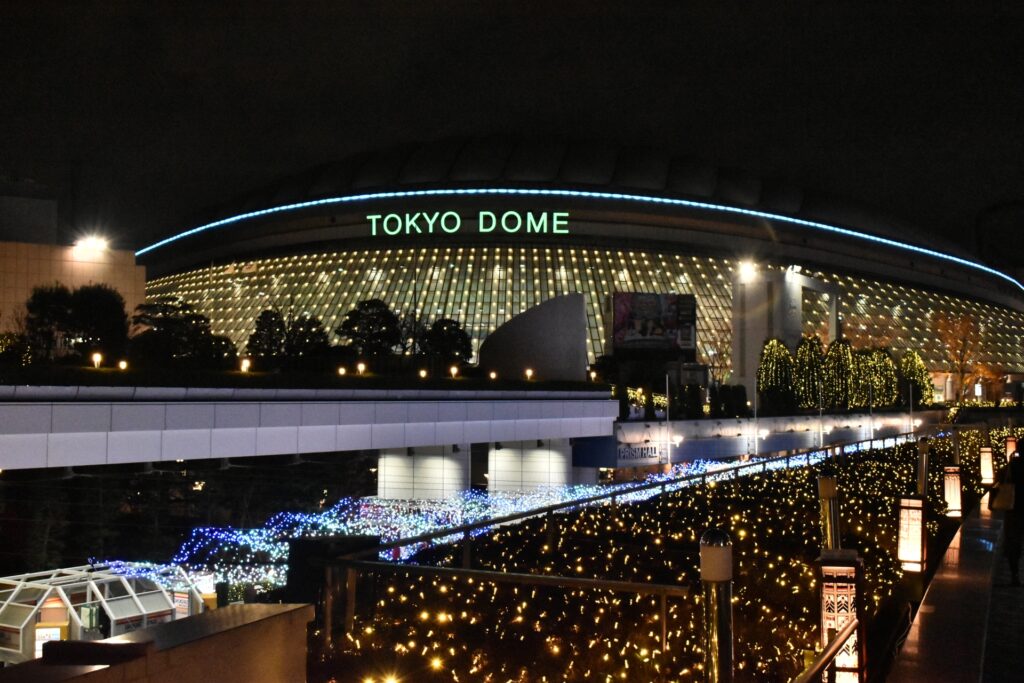
NPB consists of 12 teams split between the Central and Pacific Leagues. Each team plays 143 games in the regular season, followed by the Climax Series playoffs and, eventually, the Japan Series.
The level of play is often described as just below MLB, but that doesn’t really capture it. The approach can feel different—more tactical, more focused on execution—so the experience isn’t just a “smaller version” of American baseball.
Japanese Baseball Teams by Region
Here’s a simplified regional breakdown for travelers:
| Team | City | Stadium | Travel Highlights |
| Yomiuri Giants | Tokyo | Tokyo Dome | Easy access, major attractions |
| Hanshin Tigers | Osaka/Kobe | Koshien Stadium | Passionate fans, historic venue |
| Fukuoka SoftBank Hawks | Fukuoka | PayPay Dome | Food culture, modern stadium |
| Hokkaido Nippon-Ham Fighters | Sapporo | ES CON Field | Nature + new ballpark |
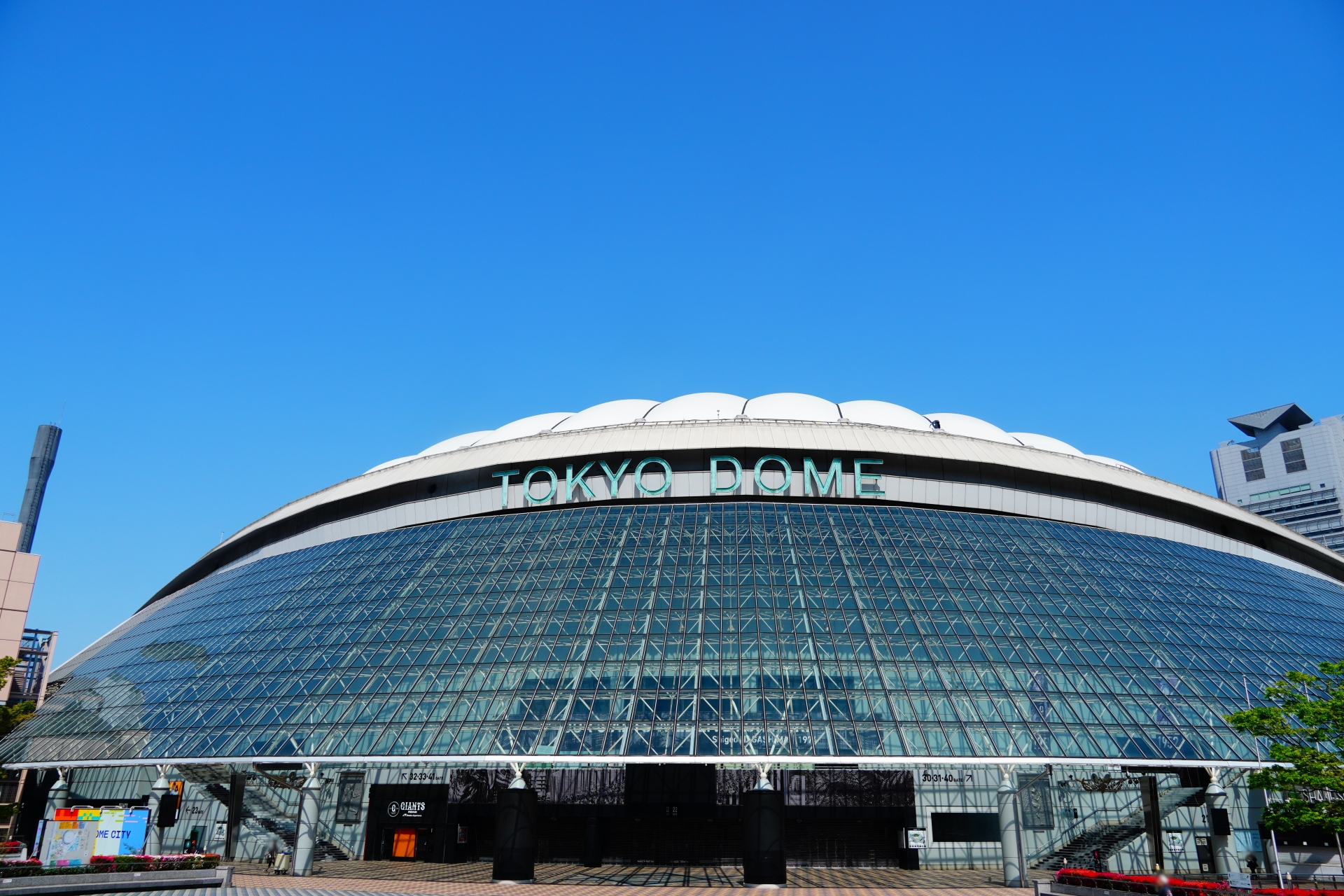
The feel of a game changes quite a bit depending on where you go. Tokyo is straightforward and accessible. Koshien, on the other hand, can get loud in a way that feels closer to a football crowd.
NPB Season, Playoffs, and Japan Series
The season usually runs from late March through October. In 2026, Opening Day was March 27.
Teams play through the regular season standings before moving into the Climax Series. The winners of each league then meet in the Japan Series.
One small but noticeable difference: tie games are allowed in the regular season due to inning limits. It changes how late innings are managed—sometimes more conservative, sometimes more urgent, depending on the situation.
Japan Baseball vs MLB: Key Differences
| Feature | NPB | MLB |
| Game Endings | Tie games allowed | No ties |
| Fan Culture | Organized cheering sections | More casual |
| Atmosphere | Constant chants & songs | Sporadic cheering |
| Strategy | Small ball, precision | Power hitting focus |
| Player Movement | Less frequent movement | Frequent trades |
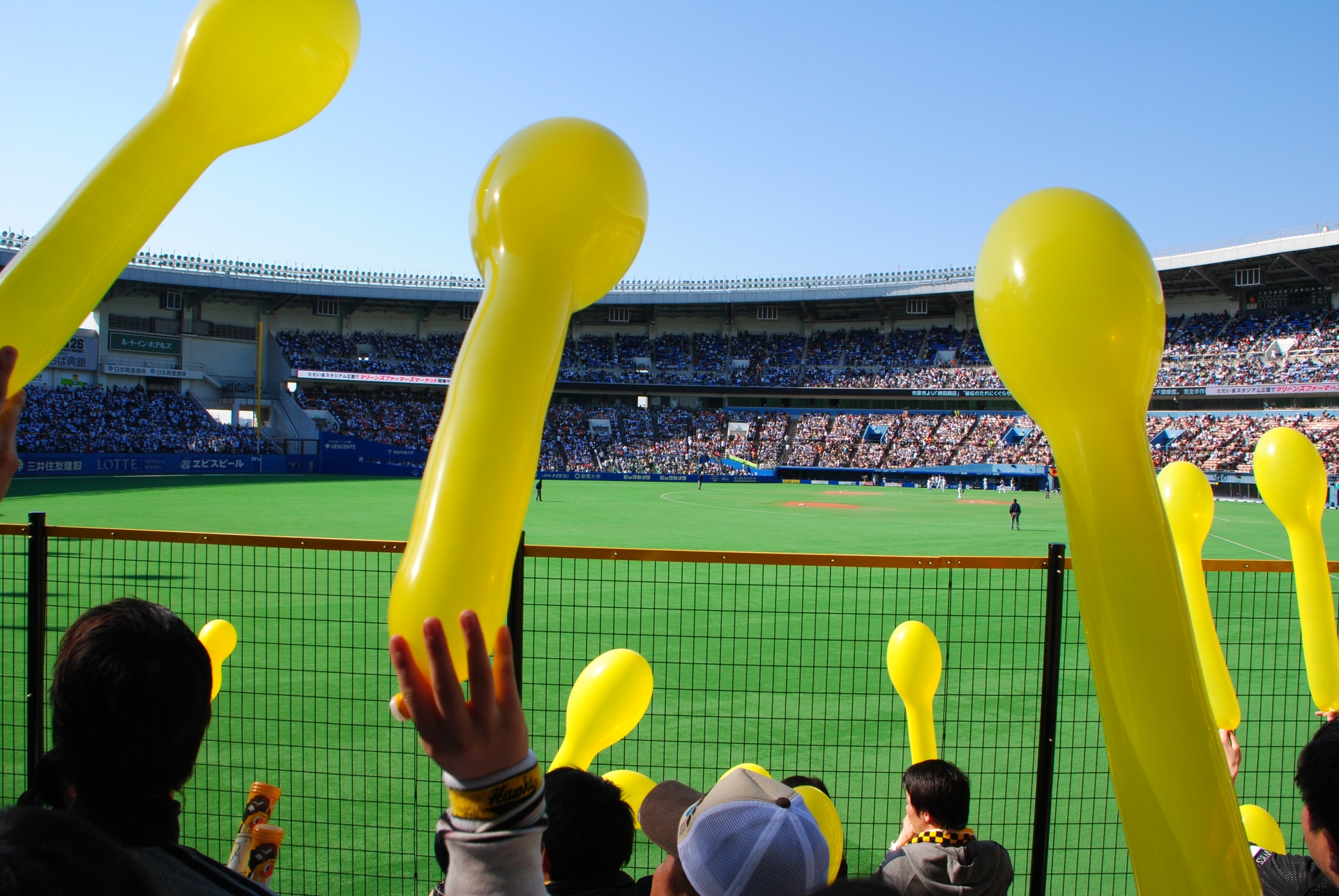
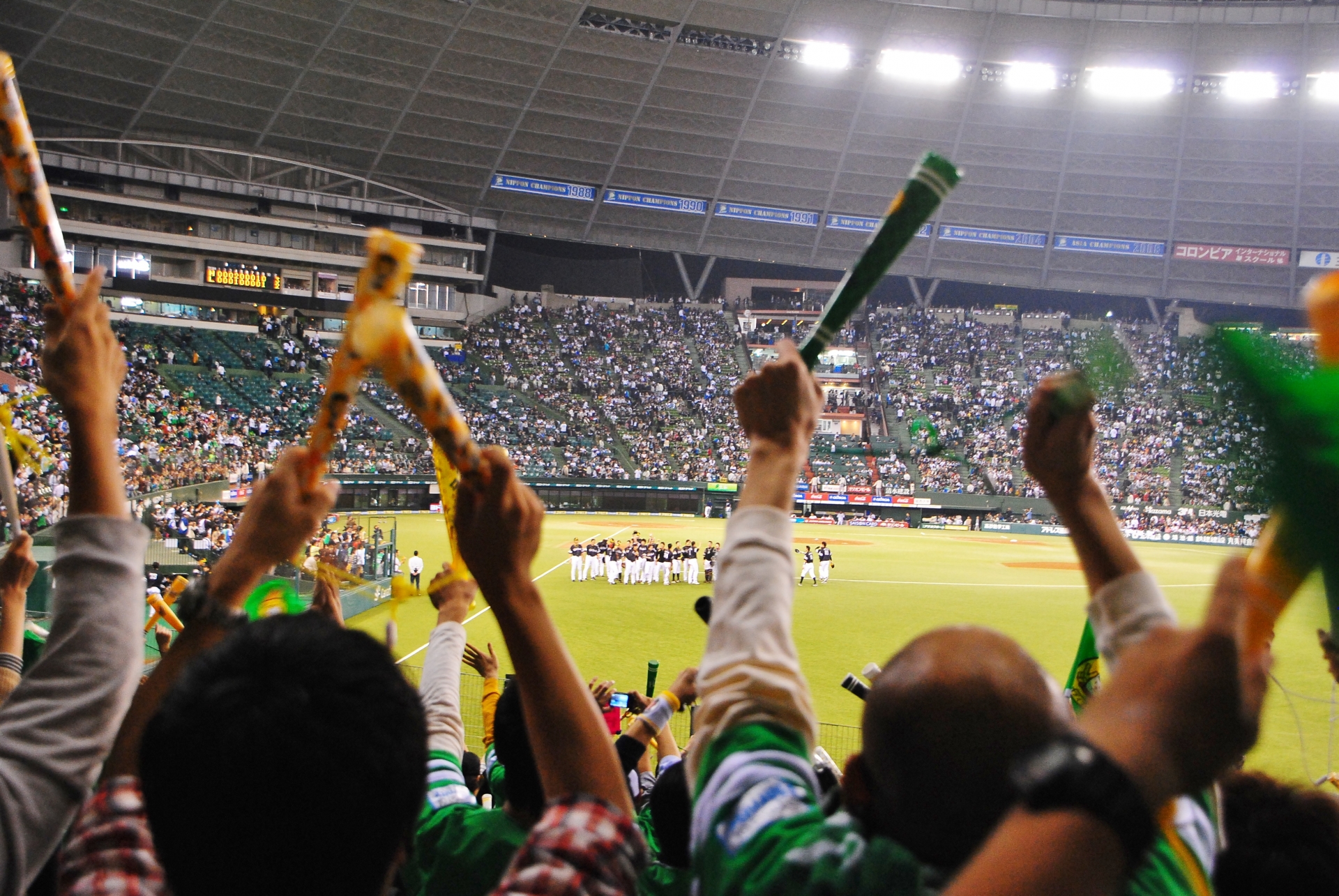
If you’ve only watched MLB, the biggest shift is probably the crowd. In Japan, cheering sections are coordinated—chants, drums, even trumpets—and each player has their own song.
It’s less about reacting to the game moment by moment, and more about sustaining energy throughout.
Why Is Baseball So Popular in Japan?
A lot of it goes back to schools. Baseball is one of the most respected extracurricular activities, and for many students, it’s a serious commitment rather than a casual club.
Koshien tournaments are a big part of that. They’re broadcast nationwide, and the emotional stakes are high—sometimes to the point where even people who don’t follow pro baseball will tune in.
There’s also the role of corporate teams, especially historically, which helped connect baseball to working life.
And then there are players like Ichiro Suzuki and Shohei Ohtani, who’ve bridged Japan and international baseball, making the sport feel both local and global at the same time.
How to Watch a Baseball Game in Japan
Watching a game as a visitor is fairly straightforward, but a few small details make the experience smoother.
Tickets:
Available online, at convenience stores like 7-Eleven, or at the stadium. Some teams offer English pages, though not all.
When to arrive:
About 30–60 minutes early is enough time to look around, grab food, and catch batting practice.
Food & experience:
Stadium food is part of the appeal—bento boxes, yakitori, and beer sold by vendors walking the aisles with kegs on their backs.
Seating tips:
Outfield seats are louder and cheaper, usually where organized cheering happens. Infield seats are calmer, better if you just want to watch the game.
Rain rules:
Outdoor games can be delayed or rescheduled, so it’s worth checking forecasts if your schedule is tight.
Best Cities to Watch Baseball in Japan
| City | Stadium | Team | Experience Type |
| Tokyo | Tokyo Dome | Giants | Beginner-friendly |
| Tokyo | Meiji Jingu Stadium | Swallows | Outdoor classic |
| Osaka | Koshien Stadium | Tigers | Intense fan culture |
| Fukuoka | PayPay Dome | Hawks | Modern comfort |
Each of these feels a little different. Meiji Jingu, for example, has that open-air, slightly old-school atmosphere—especially during evening games when the lights come on and the crowd settles in.
Koshien: Japan’s Legendary High School Baseball Tournament
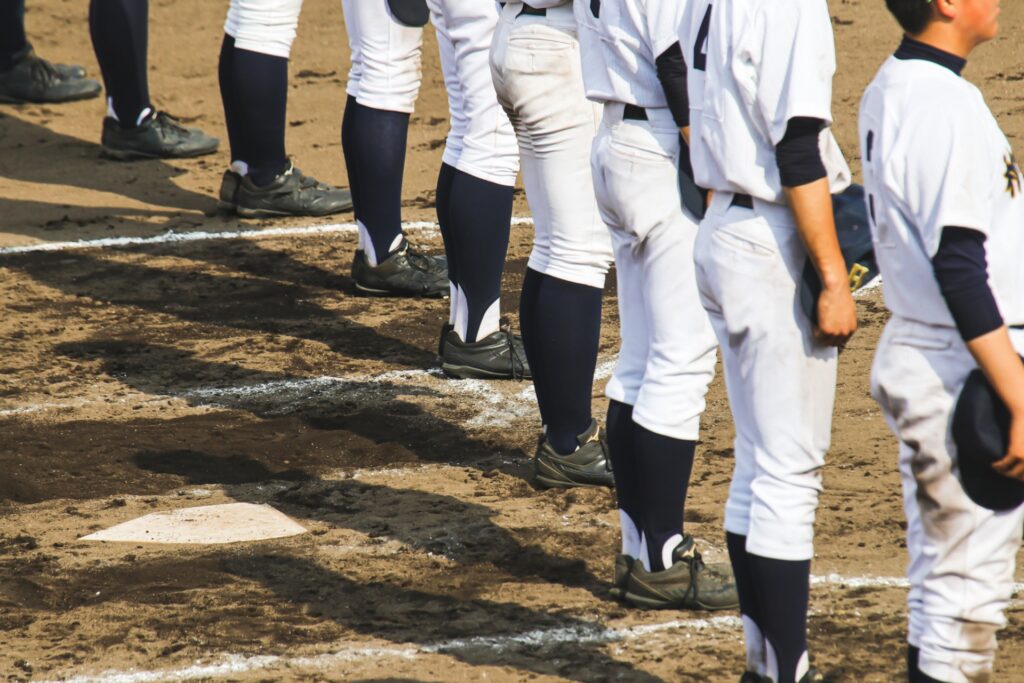
Koshien isn’t just another tournament. It carries a kind of emotional weight that’s hard to explain until you see it.
Held in spring and summer, it brings together high school teams from across the country. Players often spend years working toward this one stage, and for many, it’s their only shot.
The stands fill with school bands, cheering sections, and families. The energy can feel closer to a festival than a typical game, but there’s also a tension underneath it—every play matters.
For some fans, Koshien means more than professional baseball.
Samurai Japan and International Baseball
Samurai Japan represents the country in international competitions like the World Baseball Classic and the Olympics.
They’ve been consistently strong, known for disciplined play and depth in pitching. The 2026 World Baseball Classic once again drew global attention, with Japan right at the center of it.
Famous Japanese Baseball Players You Should Know
- Ichiro Suzuki – MLB icon and Hall of Famer
- Hideki Matsui – World Series MVP
- Shohei Ohtani – Two-way phenomenon
- Yoshinobu Yamamoto – Elite ace
- Roki Sasaki – Future MLB star
These players have helped shape how Japanese baseball is seen abroad, while also influencing younger players back home.
FAQs About Japan Baseball
Is baseball popular in Japan?
Yes—it’s one of the country’s most widely followed sports, especially through schools and national tournaments.
What is NPB?
Japan’s top professional league, similar in structure to MLB.
When is baseball season in Japan?
Late March through October.
Can tourists buy tickets?
Yes, tickets are generally easy to purchase.
What is the most famous Japanese baseball team?
The Yomiuri Giants are often considered the most recognizable.
What is Koshien?
A major high school baseball tournament held at a historic stadium.
Conclusion: Why Japan Baseball Is a Must-Experience Culture
Even if you’re not a huge baseball fan, going to a game in Japan can feel unexpectedly engaging.
It’s partly the structure—the songs, the cheering sections, the way the crowd moves together. But it’s also the smaller details: the food, the pace of the game, the way people settle in for a full evening rather than just dropping by.
For travelers, it’s one of those experiences that fits easily into a trip but leaves a strong impression afterward.
You might go out of curiosity.
And end up remembering the atmosphere more than the score.