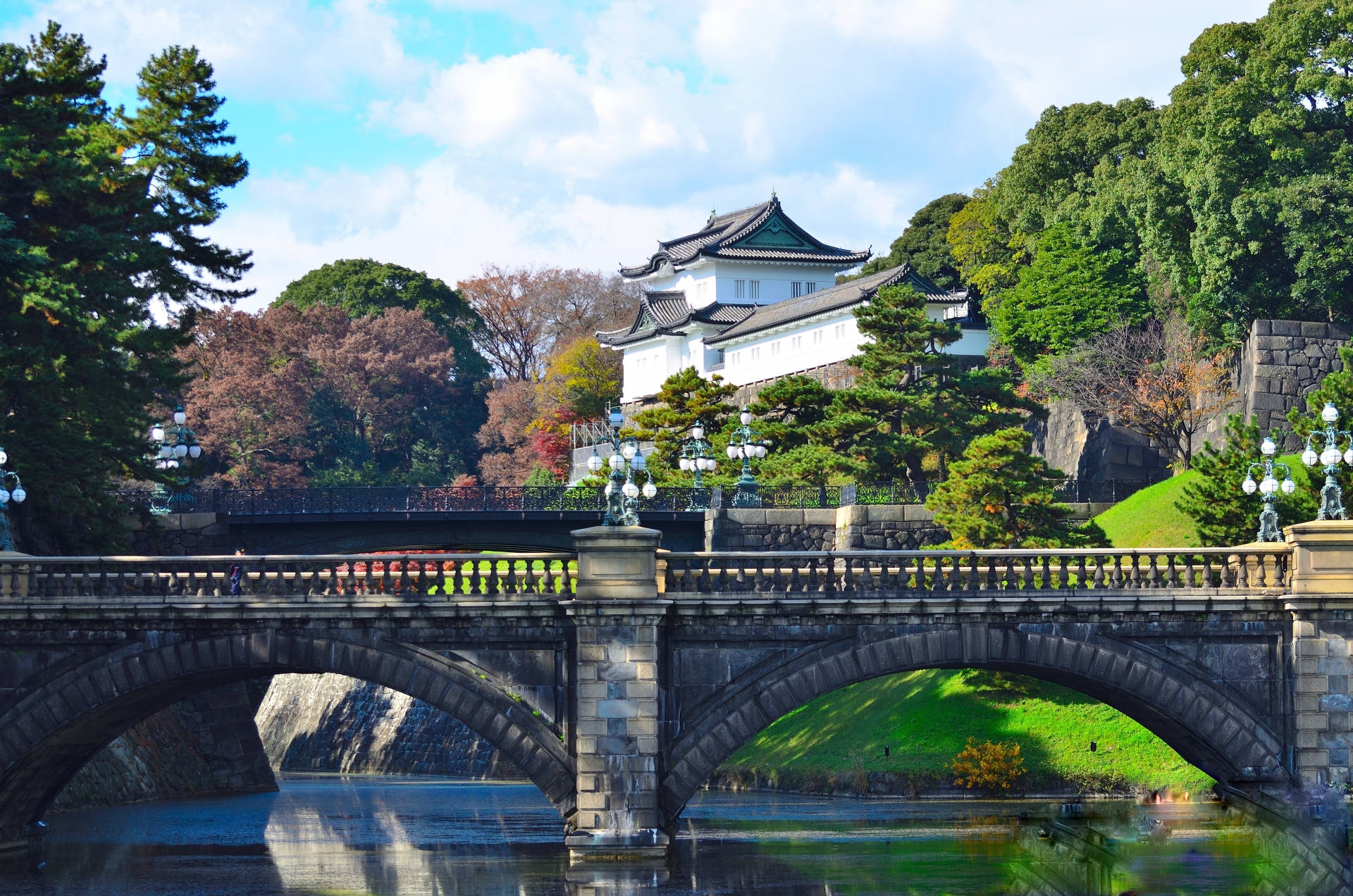
The Japanese emperor represents one of the oldest continuous monarchies in the world. For more than a millennium, the imperial institution has played a central role in Japan’s cultural, political, and spiritual life. Traditionally believed to descend from the sun goddess Amaterasu, the imperial lineage symbolizes continuity that stretches back deep into Japanese history.441
Yet from an international perspective, the role of the Japanese emperor is often misunderstood. Many outside Japan wonder why a modern democratic country still maintains an emperor, what authority the position holds today, and how the institution has evolved since World War II.
In reality, the emperor’s role has undergone dramatic transformation over time. Once viewed as both a divine and political ruler, the emperor today functions primarily as a symbolic figure defined by Japan’s postwar constitution. Despite the absence of political authority, the imperial institution continues to influence national identity, diplomacy, and Japan’s international image.
This article explores the Japanese emperor from a global viewpoint. It examines the historical development of the institution, its transformation after World War II, its modern constitutional role, and how it compares with other monarchies around the world. By understanding these elements, readers can better appreciate how an ancient institution continues to coexist with modern democratic governance


The Japanese Emperor: A Brief Historical Overview
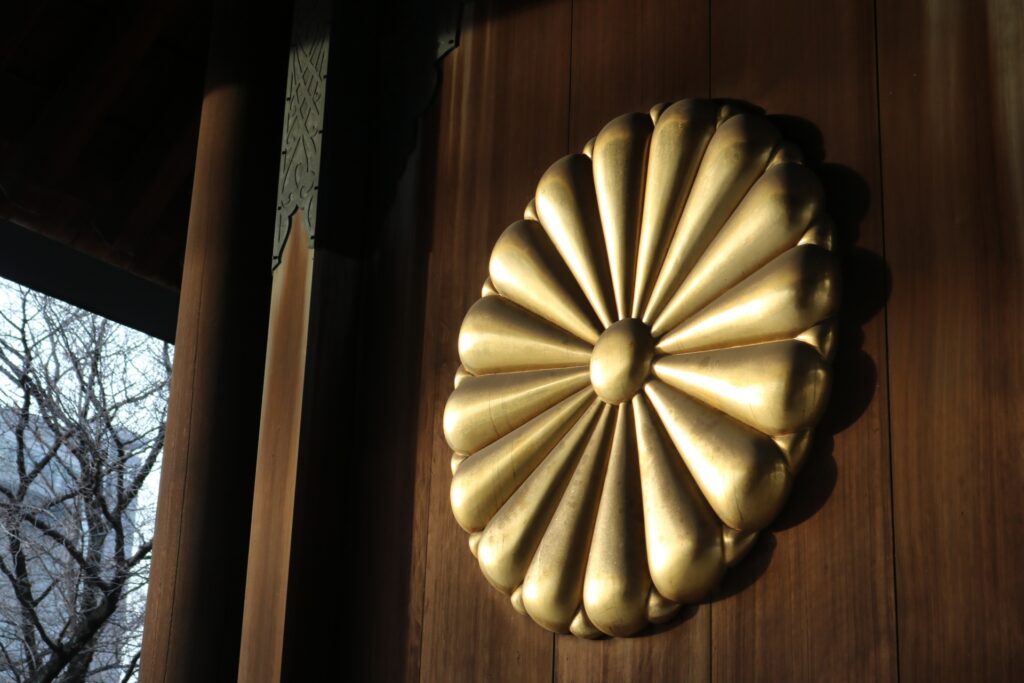
The origins of the Japanese imperial institution are traditionally dated to 660 BCE, when Emperor Jimmu is said to have founded the imperial line. According to Japanese mythology, the emperors are descendants of Amaterasu, the Shinto sun goddess. This mythological connection helped establish the emperor’s authority not only as a political leader but also as a sacred figure within Japan’s religious tradition.
During early Japanese history, emperors exercised both political and spiritual authority. The imperial court in ancient capitals such as Nara and Kyoto served as the center of governance, culture, and religion. However, the emperor’s political power began to decline during the medieval period.
Beginning in the late 12th century, military governments known as shogunates came to dominate Japanese politics. Although the emperor remained the formal sovereign, real political authority was held by military leaders known as shoguns. For centuries, the emperor functioned largely as a symbolic ruler while political power rested elsewhere.
This situation changed dramatically during the Meiji Restoration of 1868, when imperial rule was formally restored. The emperor once again became the political sovereign under the Meiji Constitution, which positioned the emperor at the center of the modern Japanese state.
However, the emperor’s political role would change again after World War II.
Timeline of the Emperor’s Role in Japanese History
| Period | Role of the Emperor |
| Ancient Japan | Religious and political ruler |
| Shogunate Era (1192–1868) | Symbolic ruler under military governments |
| Meiji Era (1868–1945) | Restored as political sovereign |
| Post-World War II | Symbolic monarch under the constitution |
Throughout these transformations, the imperial institution remained a powerful symbol of Japanese continuity. Even when political authority shifted to other leaders, the emperor continued to represent the cultural and historical identity of Japan.
The Transformation After World War II
One of the most dramatic turning points in the history of the Japanese emperor occurred after World War II. Japan’s defeat in 1945 led to major political and constitutional reforms under the Allied occupation.
Before the war, the emperor held significant constitutional authority under the Meiji Constitution of 1889. The emperor was considered the sovereign ruler of Japan, and the government theoretically exercised power in his name. During this period, Emperor Hirohito was also regarded as a sacred figure, reinforcing the imperial institution’s connection to Shinto tradition.
In 1946, Emperor Hirohito issued the famous “Humanity Declaration.” In this statement, he renounced the traditional idea that the emperor was divine. This declaration marked a symbolic break with the prewar ideology that had portrayed the emperor as a living deity.
The transformation became legally formalized in the 1947 Constitution of Japan. Under this constitution, the emperor was redefined as “the symbol of the State and of the unity of the people.” Sovereignty was transferred to the Japanese people, and democratic institutions became the foundation of governance.
In practice, this means that political authority in Japan flows from the people through the constitution to the elected government. The emperor performs formal acts of state but does not exercise political power or participate in policymaking. All official actions by the emperor must be carried out with the advice and approval of the cabinet.
Internationally, this transformation reshaped the perception of Japan’s monarchy. What had once been viewed as a powerful imperial institution became one of the most symbolic monarchies in the world. This shift allowed Japan to maintain its historical imperial tradition while transitioning into a modern democratic state.
The Modern Role of the Japanese Emperor
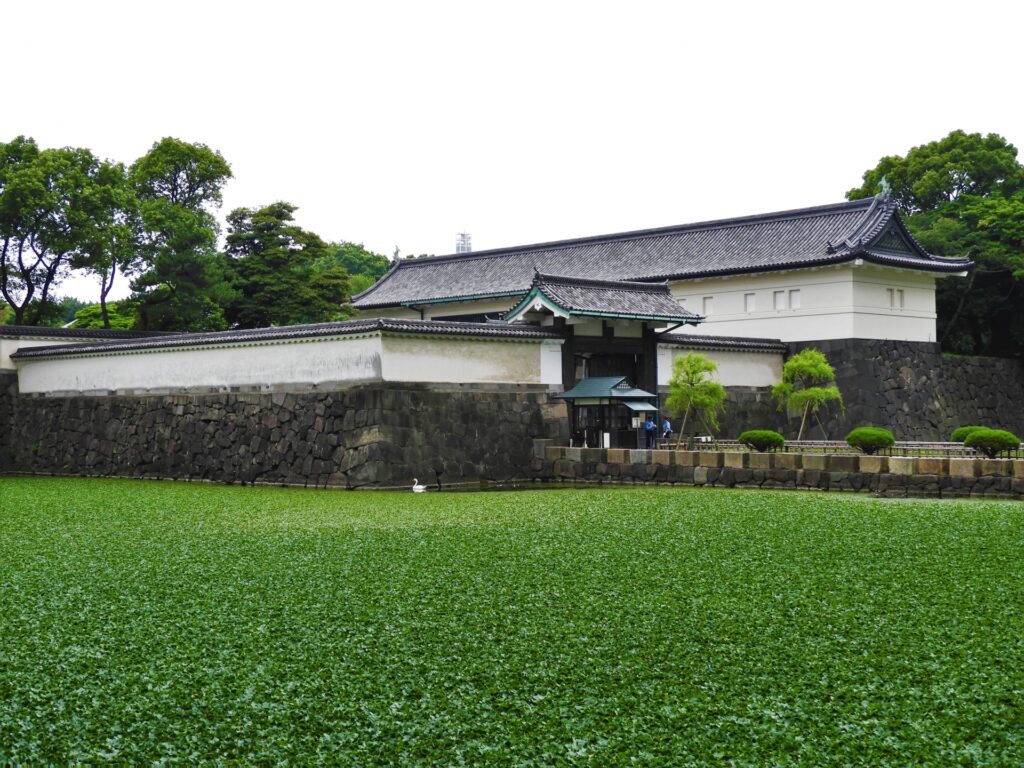
Today, the Japanese emperor serves primarily as a symbolic head of state with ceremonial responsibilities defined by the constitution. The emperor does not govern, make policy decisions, or influence political debates.
Instead, the emperor performs a variety of formal duties that represent the Japanese state.
Major Constitutional Duties
| Category | Examples |
| Constitutional Duties | Promulgating laws and treaties, appointing the prime minister and chief justice |
| Diplomatic Ceremonies | Receiving foreign ambassadors, hosting visiting heads of state |
| Cultural Roles | Memorial ceremonies, traditional rituals, national events |
Although these acts are formally carried out by the emperor, they are conducted only with the approval of the government.
For example, the emperor opens sessions of the National Diet, Japan’s parliament, in a ceremonial role. During this event, the emperor delivers a speech prepared by the government. Similarly, when appointing the prime minister, the emperor formally confirms the candidate selected by the Diet.
Beyond constitutional duties, the emperor also plays an important cultural and social role. The imperial family participates in national memorial services, disaster remembrance ceremonies, and cultural events. These appearances often emphasize themes such as peace, remembrance, and unity.
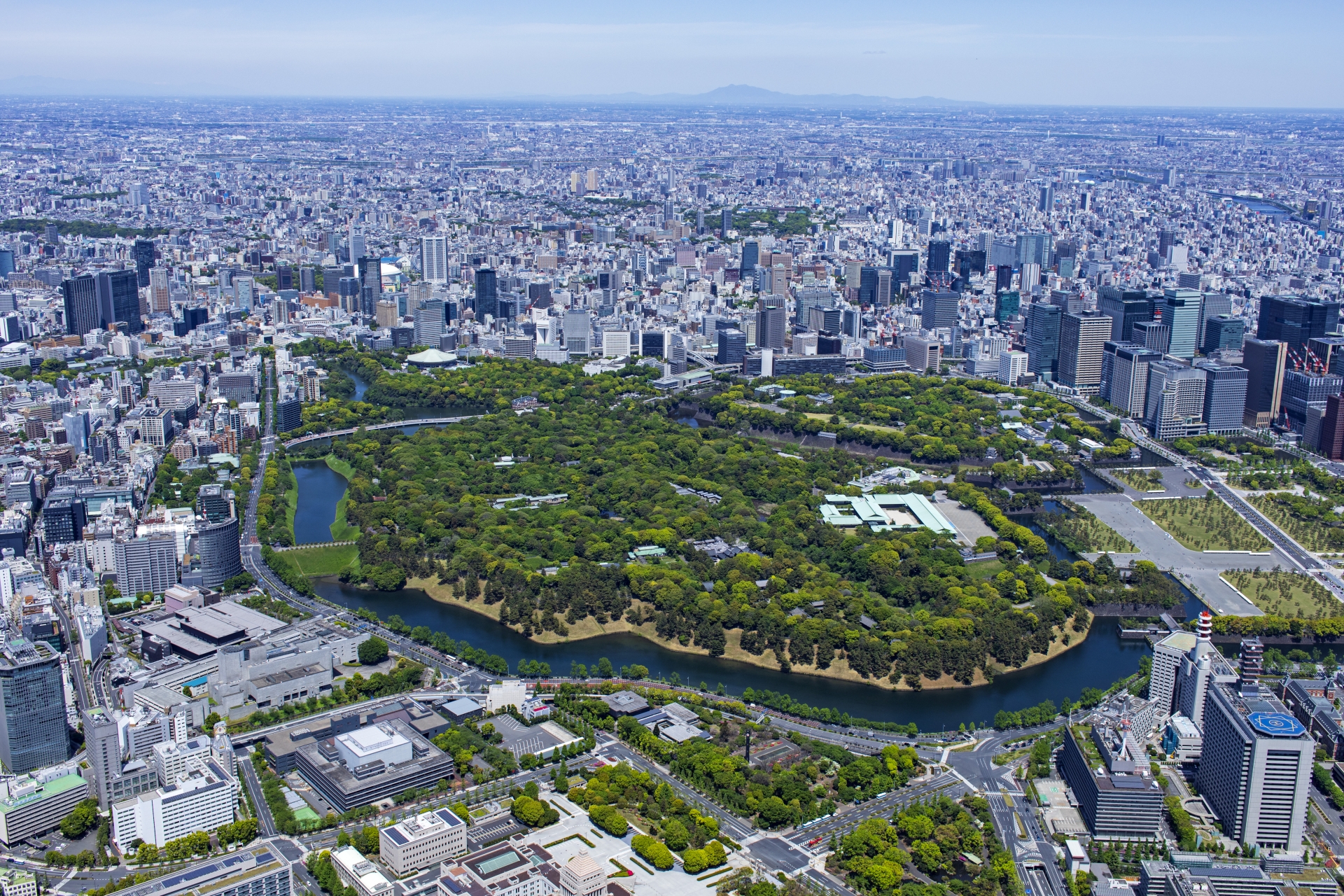
Traditional Shinto rites conducted at the Imperial Palace also remain an important aspect of the emperor’s role. These rituals connect the modern imperial institution with ancient Japanese religious traditions.
While the emperor does not wield political authority, these ceremonial and cultural roles allow the institution to maintain a strong presence in Japanese society.
Imperial Diplomacy: The Emperor’s Role in International Relations
Although the emperor has no political power, the imperial institution still plays a meaningful role in Japan’s international relations through what is often called “imperial diplomacy.”
Imperial diplomacy refers to the symbolic diplomatic activities carried out by the emperor and members of the imperial family. These activities help strengthen Japan’s international relationships and contribute to the country’s global image.
One major aspect of imperial diplomacy is overseas visits. Emperor Akihito and Empress Michiko traveled extensively during Akihito’s reign, visiting countries across Asia, Europe, and the Americas. Many of these visits had strong symbolic significance, particularly in countries affected by World War II.
For example, Emperor Akihito visited former wartime battle sites and expressed deep remorse for the suffering caused by the war. These gestures were widely interpreted as acts of reconciliation and helped improve Japan’s international relations.
Imperial diplomacy also includes hosting foreign leaders in Japan. Visiting presidents, prime ministers, and monarchs often participate in ceremonial meetings with the emperor at the Imperial Palace. These meetings reinforce diplomatic ties in a non-political setting.
In addition, the emperor’s international presence contributes to Japan’s soft power. The imperial family represents cultural continuity, tradition, and stability—qualities that shape global perceptions of Japan.
By acting as a neutral and non-political figure, the emperor can communicate messages of peace, friendship, and cultural exchange without the complications of government policy.
How the Japanese Emperor Compares with Other Monarchies
To understand the Japanese emperor from an international perspective, it is helpful to compare the institution with monarchies in other countries.
Although many nations retain monarchs, their political authority and social influence vary significantly.
Comparison of Modern Monarchies
| Country | Monarch | Political Power |
| Japan | Emperor | Symbolic only |
| United Kingdom | King | Constitutional but largely ceremonial |
| Thailand | King | Historically influential |
| Sweden / Norway / Denmark | Monarch | Ceremonial constitutional monarchy |
The Japanese emperor is often considered one of the most ceremonial monarchs in the world. The constitution strictly limits the emperor’s role to symbolic acts, and the emperor cannot influence political decisions.
The British monarchy shares some similarities with Japan’s system. The British king or queen performs ceremonial duties such as opening parliament and appointing the prime minister. However, the British monarchy historically held greater constitutional authority and remains deeply integrated into political traditions.
The Thai monarchy, by contrast, has historically wielded greater social and political influence. Even when constitutional limits exist, the Thai king has played a more visible role in national politics and public life.
The monarchies of Scandinavian countries—such as Sweden, Norway, and Denmark—are closer to Japan’s model. Their monarchs serve primarily as ceremonial heads of state while democratic governments hold real political authority.
Despite these similarities, Japan’s imperial institution is unique because of its extraordinary historical continuity. The Japanese imperial family is widely regarded as the world’s oldest hereditary monarchy.
Global Perceptions of the Japanese Emperor
International perceptions of the Japanese emperor have evolved significantly over the past century.
Before World War II, the emperor was often viewed abroad as the powerful ruler of an expanding empire. Emperor Hirohito’s role during the war remains a subject of historical debate and controversy in some countries.
However, the imperial institution’s global image changed substantially in the postwar era.
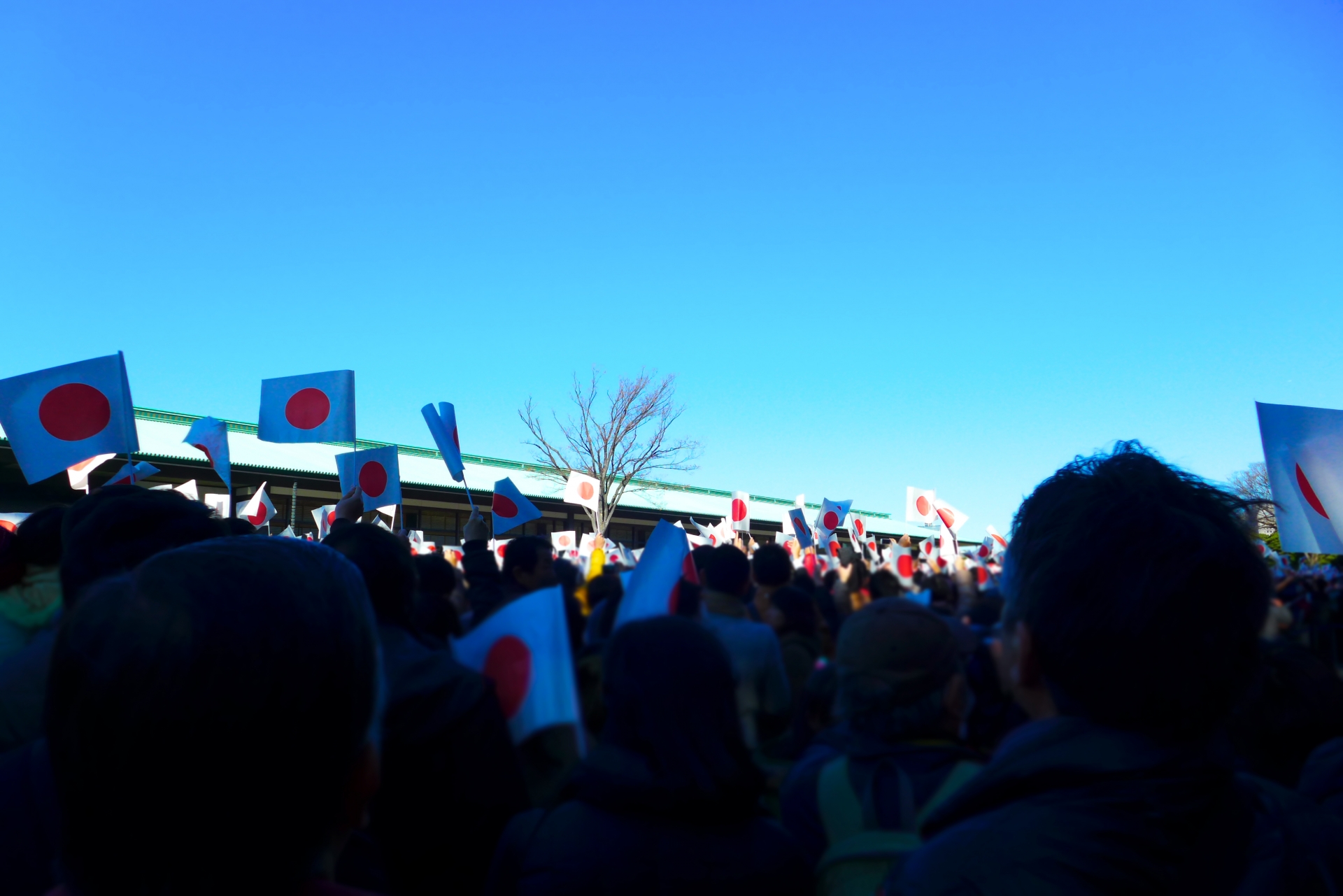
During his reign, Emperor Akihito (1989–2019) became known internationally for promoting reconciliation and remembrance. He made numerous visits to countries affected by Japan’s wartime actions and consistently emphasized the importance of peace.
His decision to abdicate in 2019—the first imperial abdication in modern Japanese history—also attracted worldwide attention. The peaceful transition of the throne to Emperor Naruhito highlighted the adaptability of Japan’s ancient monarchy in the modern era.
Today, Emperor Naruhito is often associated with a global and humanitarian outlook. Before ascending the throne, he studied abroad and has shown strong interest in global issues such as water management and environmental sustainability.
International media frequently portray the Japanese imperial family as a symbol of cultural continuity and stability. The imperial institution’s ability to maintain tradition while adapting to modern democratic values has fascinated observers around the world.
For many international audiences, the Japanese emperor represents a unique blend of ancient heritage and modern symbolism.
The Future of the Japanese Imperial Institution
Despite its long history, the Japanese imperial institution faces several challenges that are attracting increasing international attention.
One major issue is the shrinking size of the imperial family. Under current law, female members of the imperial family lose their royal status if they marry commoners. As a result, the number of working members of the imperial household has steadily decreased.
Another debate concerns the male-only succession rule. According to the Imperial House Law, only male descendants in the paternal line can inherit the throne. This restriction has raised concerns about the long-term sustainability of the imperial line.
Some scholars and policymakers have suggested allowing female emperors or female-line succession as a potential solution. Historically, Japan has had several female emperors, although none passed the throne to their children.
Public opinion within Japan remains divided on these questions, and the issue is closely tied to broader discussions about tradition, law, and gender roles.
For international observers, the debate highlights the tension between preserving ancient traditions and adapting to modern societal values.
Despite these challenges, the imperial institution continues to enjoy significant respect among the Japanese public. Its future will likely depend on how Japan balances historical continuity with practical reforms.
Conclusion: Understanding the Japanese Emperor in a Global Context
The Japanese emperor represents a remarkable example of how an ancient institution can evolve within a modern democratic society.
Over centuries, the emperor’s role has changed dramatically—from sacred ruler to political sovereign and ultimately to symbolic monarch. Today, the emperor holds no governing authority but serves as a powerful symbol of national unity and cultural continuity.
In the international arena, the emperor contributes to Japan’s diplomacy and soft power through ceremonial diplomacy and messages of peace. The imperial family’s global engagements help strengthen Japan’s cultural presence and international relationships.
Compared with other monarchies around the world, the Japanese emperor stands out for both the extreme ceremonial nature of the role and the extraordinary historical continuity of the imperial line.
Understanding the Japanese emperor from a global perspective reveals how tradition and democracy can coexist. In modern Japan, the imperial institution continues to serve as a bridge between the country’s ancient past and its contemporary identity in the international community.