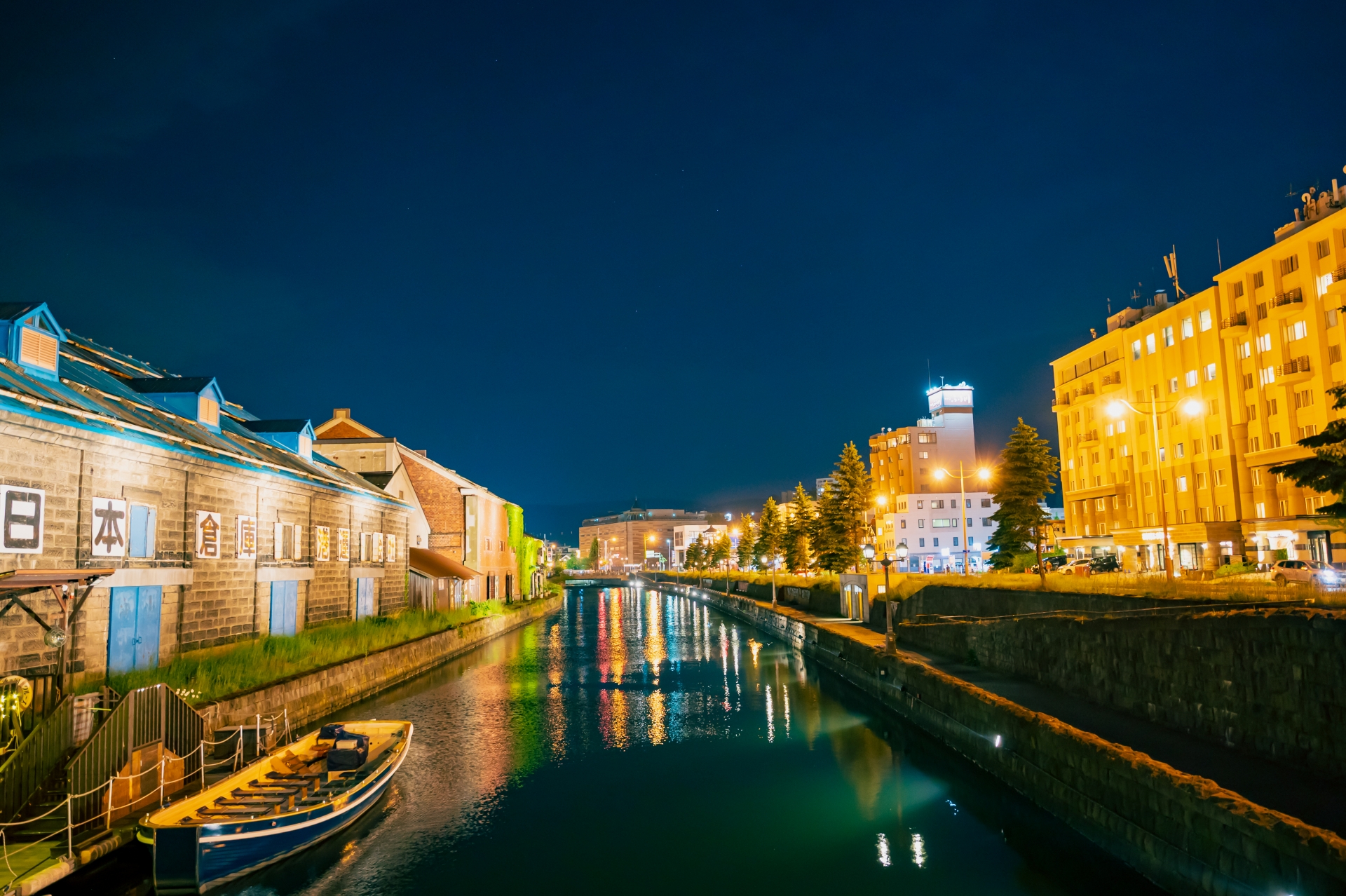
Otaru Canal is one of the most picturesque destinations in Hokkaido, Japan, attracting travelers from around the world who want to experience a charming historic port town. Located in Otaru City, about 30–40 minutes from Sapporo, the canal is famous for its beautifully preserved stone warehouses, atmospheric gas lamps, and scenic waterfront promenade. For many visitors exploring northern Japan, it is considered a must-see sightseeing spot.
The canal was originally completed in 1923 during Otaru’s golden era as a major shipping port. At that time, the waterway was used to transfer cargo from large ships to smaller vessels, helping the city become one of Hokkaido’s most important commercial centers. Over time, however, modern port facilities reduced the canal’s role in shipping, and much of the area fell into decline.
Rather than demolishing the historic district, the city chose to preserve and redevelop the canal area. Today, Otaru Canal has transformed into a beautiful tourist destination lined with cafes, museums, restaurants, and walking paths. Visitors come to enjoy relaxing canal cruises, romantic evening scenery, and seasonal events such as the famous Otaru Snow Light Path Festival.
In this complete travel guide, you will learn everything you need to know before visiting Otaru Canal. From its fascinating history and top attractions to the best photo spots and travel tips, this guide will help you plan the perfect visit—whether you’re stopping by for a day trip from Sapporo or exploring more of Hokkaido.


What Is Otaru Canal?
Otaru Canal is a historic waterfront landmark located in Otaru City, Hokkaido, just northwest of Sapporo. Stretching approximately 1.1 kilometers (0.7 miles), the canal runs through the center of the city and is lined with beautifully preserved stone warehouses from the early 20th century. These buildings once served as storage facilities for goods arriving at Otaru’s busy port, but today they have been repurposed into charming restaurants, cafes, museums, and shops.
One of the most distinctive features of Otaru Canal is the romantic atmosphere created by its gas lamps and stone walkways. Along the canal promenade, more than 60 traditional gas lamps illuminate the waterfront, creating warm reflections on the water after sunset. The combination of historic architecture, calm water, and atmospheric lighting makes the area one of the most photogenic places in Hokkaido.
The canal itself has a unique curved shape because it was originally designed to allow large ships to unload cargo onto smaller boats. This design was an innovative solution during Otaru’s peak trading era in the early 1900s. Although shipping activity declined over the decades, the canal remains an important symbol of the city’s maritime heritage.
Today, Otaru Canal is one of the region’s most popular sightseeing destinations. Visitors come to stroll along the promenade, take boat cruises through the canal, enjoy seasonal scenery, and explore the surrounding historic district.
Otaru Canal Quick Facts
| Fact | Detail |
| Location | Otaru, Hokkaido |
| Built | 1923 |
| Length | About 1.1 km |
| Famous for | Gas lamps and historic warehouses |
History of Otaru Canal
The history of Otaru Canal is closely connected to the development of Otaru as a major trading port in northern Japan. During the late 19th and early 20th centuries, Otaru became an important gateway for goods moving between Hokkaido and the rest of Japan. As shipping activity increased, the city needed a more efficient way to unload cargo from large ships arriving at the harbor.
To solve this problem, construction of Otaru Canal was completed in 1923. Instead of building a straight waterway, engineers designed the canal with a curved shape so ships could dock more easily along its edges. Barges would transport cargo from large vessels anchored offshore to warehouses located directly beside the canal. This system allowed goods such as coal, herring, and agricultural products to be handled more efficiently.
During the early 20th century, the canal was a vital part of Otaru’s economic success. The surrounding area was filled with stone warehouses, offices, and commercial buildings that supported the bustling port industry. However, after World War II, advances in modern shipping and port technology gradually made the canal obsolete.
By the 1960s and 1970s, much of the canal had fallen into disrepair, and there were plans to fill it in to make room for roads and urban redevelopment. Local citizens and preservation groups strongly opposed this idea, arguing that the canal represented an important piece of the city’s history.
Thanks to these preservation efforts, a compromise was reached in the 1980s. Part of the canal was reclaimed for roads, but the remaining section was carefully restored and turned into a scenic public space. The historic warehouses were renovated, and the waterfront was transformed into a pedestrian-friendly promenade.
Today, Otaru Canal stands as a successful example of urban preservation, blending historical heritage with tourism and cultural attractions.
Best Things to Do at Otaru Canal
Otaru Canal offers visitors a relaxing and scenic experience that combines history, architecture, and local culture. While the canal itself is relatively short, the surrounding district is filled with interesting activities that make it easy to spend several hours exploring the area. From peaceful waterfront walks to boat cruises and historic buildings, there are many ways to enjoy this iconic landmark.
Walk Along the Canal Promenade
One of the simplest and most enjoyable activities at Otaru Canal is taking a leisurely walk along the canal promenade. The walkway runs parallel to the water and is paved with stone, giving visitors a sense of the area’s historic character. Rows of restored warehouses on one side and calm canal waters on the other create a peaceful atmosphere that makes the promenade ideal for sightseeing.
As you walk along the canal, you will notice historic stone buildings that once stored cargo during the port’s busiest years. Many of these warehouses have been carefully renovated and now house restaurants, cafes, boutique shops, and small museums. This combination of historic architecture and modern attractions gives the area a unique charm.
Walking the main section of the canal usually takes about 30 to 60 minutes, depending on how often you stop for photos or explore nearby buildings. Benches and scenic viewpoints along the path allow visitors to relax and enjoy the surroundings.
Take an Otaru Canal Cruise
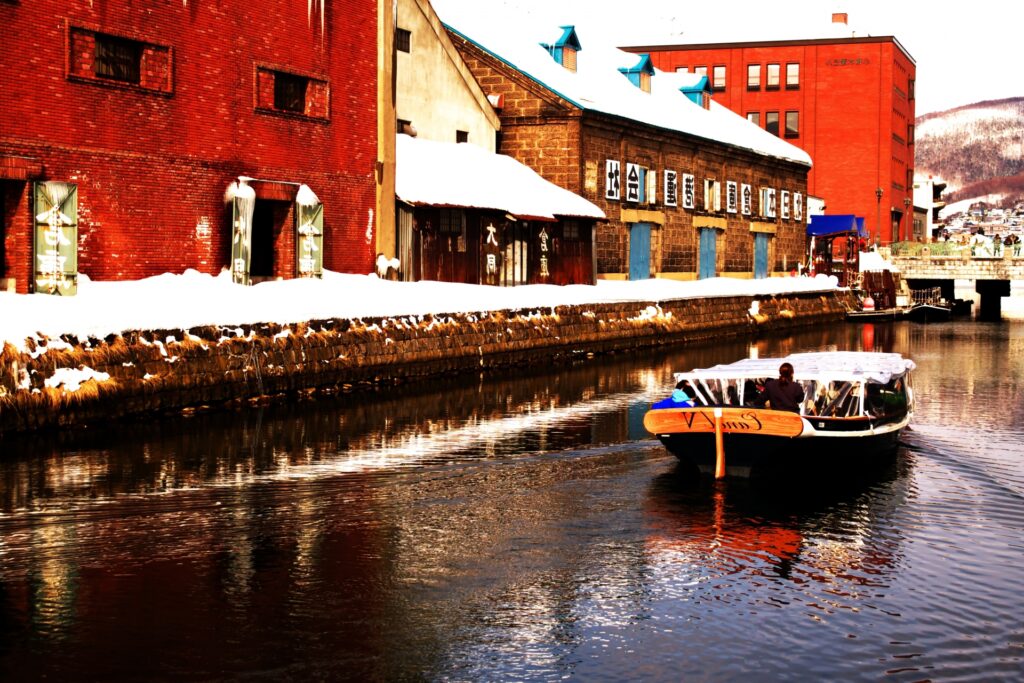
For a different perspective, many visitors choose to experience the canal from the water by taking an Otaru Canal Cruise. These guided boat tours travel along the canal and provide commentary about the history of Otaru and the role the canal played in the city’s development.
Cruises typically last around 40 minutes, making them a convenient activity even for travelers on a short visit. The boats pass under small bridges and glide alongside the historic warehouses, giving passengers a unique view of the waterfront architecture.
There are two main types of cruises available:
| Cruise Type | Experience |
| Day Cruise | Learn about the canal’s history and architecture |
| Night Cruise | Enjoy the romantic illuminated scenery |
Night cruises are especially popular because the gas lamps and city lights create a magical reflection on the water.
Explore the Historic Warehouses
The stone warehouses along Otaru Canal are among the most distinctive features of the area. Built during the early 20th century, these sturdy structures were designed to store goods transported through the port.
Today, many of these warehouses have been transformed into attractive cultural spaces. Visitors can explore restaurants serving Hokkaido cuisine, cafes overlooking the canal, small art galleries, and souvenir shops. The interiors of some buildings retain original wooden beams and brick walls, giving them a nostalgic atmosphere.
Because the warehouses are located directly beside the canal promenade, they are easy to explore while walking through the district. Visiting these buildings allows travelers to experience both the historic and modern sides of Otaru.
Best Photo Spots at Otaru Canal
Otaru Canal is widely considered one of the most photogenic locations in Hokkaido. The combination of historic architecture, calm water reflections, and warm gas lamp lighting creates ideal conditions for photography throughout the year. Whether you are taking travel photos for social media or simply capturing memories of your trip, several locations around the canal provide especially beautiful viewpoints.
One of the most popular photo spots is the Central Bridge viewpoint. From this bridge, visitors can capture the canal stretching into the distance with rows of stone warehouses lining the water. This location provides a classic perspective that appears in many travel photos of Otaru.
Another excellent spot is the canal promenade itself. Walking along the path allows photographers to frame images that include the historic buildings, the water, and the gas lamps in the foreground. Reflections of the warehouses in the canal often create symmetrical and visually striking compositions.
The warehouse reflection point near the center of the canal is particularly beautiful during calm weather when the water surface becomes mirror-like. These reflections make the historic buildings appear doubled in the water, creating dramatic images.
Photography tips for Otaru Canal include:
- Best time of day: Sunset and blue hour
- Night photography: Gas lamps provide warm lighting
- Winter photography: Snow-covered warehouses create a magical atmosphere
Winter scenes are especially famous because snow covering the canal walkways and rooftops adds contrast and depth to photos.
Otaru Canal at Night: Why the View Is Famous
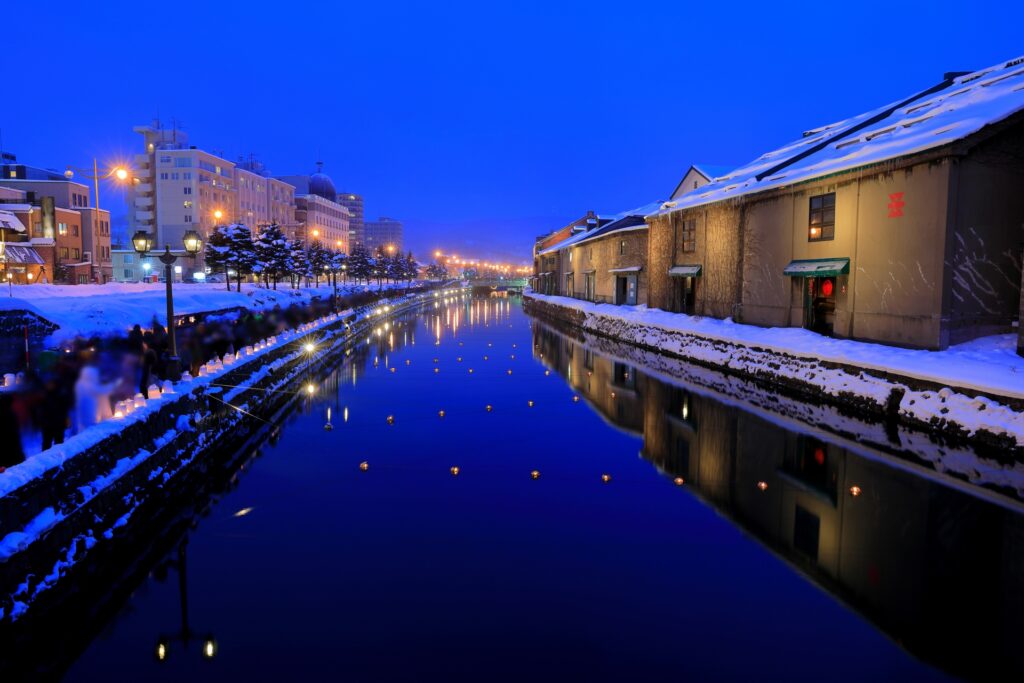
While the canal is beautiful during the day, it becomes even more magical after sunset. At night, more than 60 traditional gas lamps along the canal promenade are lit, casting warm golden light onto the water. The reflections of these lights create a romantic and peaceful atmosphere that has made Otaru Canal famous throughout Japan.
The historic stone warehouses also contribute to the nighttime charm. Their softly illuminated walls create a nostalgic feeling reminiscent of early 20th-century port towns. The quiet ambiance of the canal area after dark makes evening walks especially enjoyable.
Many visitors recommend arriving around sunset, when the sky gradually shifts from orange to deep blue. During this “blue hour,” the combination of twilight colors and glowing gas lamps creates particularly stunning scenery.
There are two main ways to enjoy the canal at night. Some travelers prefer a slow evening stroll along the promenade, while others choose a night canal cruise to see the reflections and lights from the water.
Because the lighting is gentle rather than overly bright, the nighttime scenery feels calm and romantic rather than busy or commercial. This unique atmosphere is one of the reasons Otaru Canal is considered one of Hokkaido’s most memorable evening sightseeing spots.
Best Seasons to Visit Otaru Canal
Otaru Canal offers beautiful scenery throughout the year, and each season brings a different atmosphere to the historic waterfront. Travelers visiting Hokkaido at different times of the year can experience unique landscapes, seasonal events, and changing weather conditions that affect the canal’s appearance.
| Season | Highlights |
| Winter | Snow Light Path Festival |
| Spring | Nearby cherry blossoms |
| Summer | Canal cruises and festivals |
| Autumn | Colorful foliage |
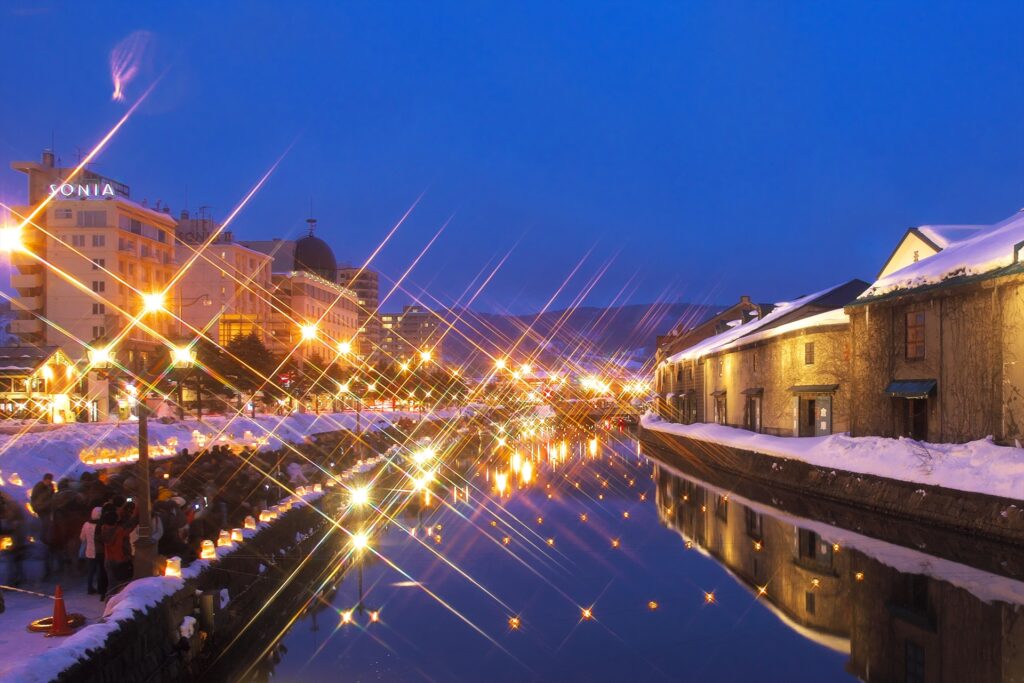
Winter is perhaps the most famous season for visiting Otaru Canal. Snow often covers the warehouses, walkways, and rooftops, creating a picturesque winter scene. The contrast between white snow and the warm glow of the gas lamps makes the canal look like something from a storybook.
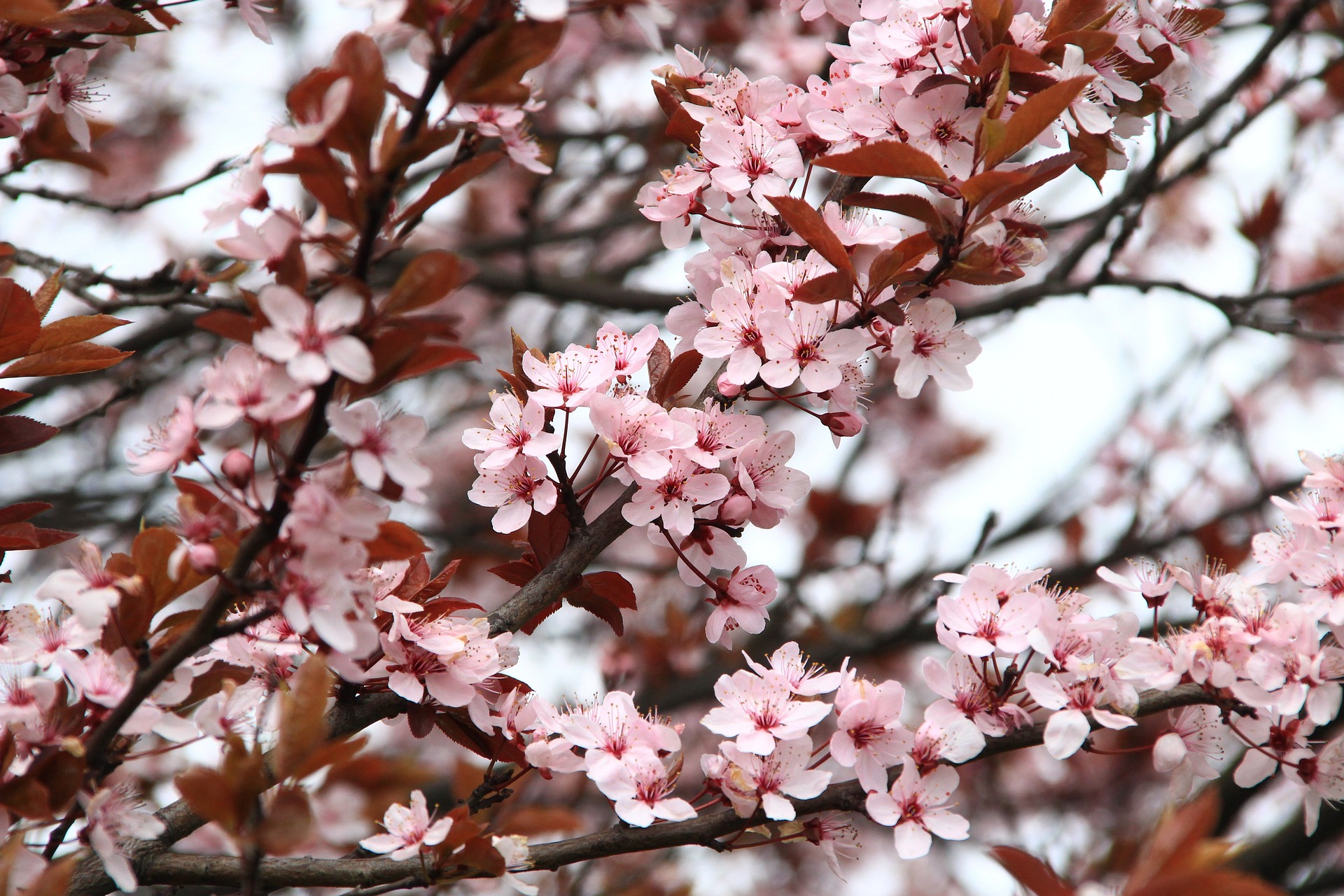
In spring, the weather becomes milder and cherry blossoms begin to appear in nearby parks and streets. While the canal itself does not have large cherry blossom trees, the surrounding city becomes lively with seasonal colors.
During summer, the canal area is vibrant with visitors enjoying boat cruises, outdoor cafes, and local festivals. Longer daylight hours also make it easier to explore the city before enjoying the canal at sunset.
Autumn brings cooler temperatures and colorful foliage to the region. The fall leaves combined with the historic buildings create a beautiful seasonal landscape that many photographers appreciate.

Otaru Snow Light Path Festival (Winter Highlight)
One of the most magical winter events in Hokkaido is the Otaru Snow Light Path Festival, usually held in February. During this festival, the canal and surrounding streets are illuminated with hundreds of candles and snow lanterns created by local residents and volunteers.
Small candle-lit lanterns line the canal, while glowing snow sculptures decorate nearby areas. The soft light reflecting on the snow and water creates an incredibly romantic atmosphere that attracts visitors from around the world.
This festival transforms Otaru Canal into a dreamlike winter landscape and is considered one of the highlights of Hokkaido’s winter tourism.
How to Get to Otaru Canal from Sapporo
Visiting Otaru Canal from Sapporo is very convenient, making it a popular day trip destination for travelers staying in Hokkaido’s largest city. The easiest way to reach Otaru is by train.
The JR Hakodate Line connects Sapporo Station with Otaru Station. Trains run frequently throughout the day, and the journey typically takes about 30–40 minutes. The train ride itself is quite scenic, especially near the coast where the tracks run alongside the Sea of Japan.
After arriving at Otaru Station, the canal is about a 10–15 minute walk away. The route from the station to the canal passes through the city center and is easy to follow with clear signs in English.
| Route | Time |
| Sapporo → Otaru | ~35 minutes |
| Otaru Station → Canal | ~15 minute walk |
Because the transportation is simple and quick, many travelers combine Otaru with other attractions in Sapporo or nearby areas during the same trip.

Nearby Attractions Around Otaru Canal
While Otaru Canal is the city’s most famous landmark, the surrounding area also offers several interesting attractions within walking distance. Exploring these locations allows visitors to experience more of Otaru’s culture, craftsmanship, and shopping streets.
One of the most popular areas nearby is Sakaimachi Street, a historic shopping street lined with charming buildings. Visitors can browse souvenir shops, taste local sweets, and explore specialty stores selling glassware and music boxes. The street has a nostalgic atmosphere that matches the historic character of the canal.
Another well-known attraction is the Otaru Music Box Museum, which houses thousands of beautifully crafted music boxes from Japan and around the world. The building itself is historic, and many visitors enjoy browsing the unique items inside.
The Kitaichi Glass workshops are also popular among travelers. Otaru has a long tradition of glassmaking, and these shops display colorful handmade glassware, lamps, and decorative items.
For visitors traveling with families or looking for additional sightseeing, Otaru Aquarium is another nearby attraction located along the coast. The aquarium features marine animals from northern seas and offers beautiful ocean views.
Sample Otaru Canal Half-Day Itinerary
Because Otaru Canal is located close to Sapporo and many attractions are within walking distance, it is easy to explore the area in half a day. The following itinerary provides a simple travel plan that allows visitors to enjoy the canal and nearby attractions without rushing.
| Time | Activity |
| 10:00 | Arrive in Otaru |
| 10:30 | Walk along the canal |
| 11:30 | Explore Sakaimachi Street |
| 13:00 | Lunch |
| 14:30 | Return to Sapporo |
After arriving in Otaru, begin your visit with a relaxing walk along the canal promenade. This is the best time to enjoy the historic scenery and take photos before the area becomes busier later in the day.
Next, head toward Sakaimachi Street, where you can explore souvenir shops, glass stores, and the famous music box museum. The street offers many opportunities to sample local sweets such as cheesecake, chocolate, and Hokkaido dairy desserts.
For lunch, visitors can try local seafood restaurants or cozy cafes located in renovated warehouses. Fresh sushi and seafood bowls are particularly popular in Otaru because of the city’s strong fishing industry.
After lunch, you can either take a canal cruise or continue exploring nearby attractions before returning to Sapporo in the afternoon.
Travel Tips for Visiting Otaru Canal
To make the most of your visit to Otaru Canal, it is helpful to plan your trip with a few practical travel tips in mind. Because the canal is one of the most popular tourist destinations in Hokkaido, timing and preparation can make a big difference in your overall experience.
One of the best times to visit the canal is early morning or late afternoon, when the crowds are smaller and the lighting is ideal for photography. Sunset is particularly beautiful because the sky colors gradually change before the gas lamps illuminate the canal.
Visitors interested in photography should bring a camera capable of low-light shooting if planning to stay until evening. The reflections of the lamps and warehouses are especially stunning during the blue hour just after sunset.
If you are visiting during winter, be prepared for snowy and icy conditions. Wearing waterproof boots with good traction can make walking along the canal much more comfortable.
Most travelers spend 1–2 hours exploring the canal itself, but including nearby attractions can easily extend the visit to half a day.
Finally, consider staying until night if possible. The illuminated canal is one of the most memorable sights in Hokkaido and provides a completely different atmosphere compared to daytime visits.
Conclusion
Otaru Canal is one of the most charming and photogenic destinations in Hokkaido. With its historic warehouses, romantic gas lamps, and scenic waterfront promenade, the canal offers visitors a glimpse into the region’s port-town history while providing a relaxing atmosphere for sightseeing.
Whether you take a canal cruise, stroll along the stone pathways, enjoy the magical winter illumination, or explore nearby shopping streets, Otaru Canal is a highlight of any Hokkaido trip.
Because it is located just a short train ride from Sapporo, the canal is also an ideal destination for a day trip. By combining beautiful scenery, local culture, and historical charm, Otaru Canal remains one of the most memorable places to visit in northern Japan.