Samurai helmets were never just armor. A kabuto protected the head, but it also signaled rank, personal identity, military leadership, spiritual belief, and artistic taste. This article explains what each major part of a samurai helmet meant, why some designs were so dramatic, how meanings changed over time, and why kabuto still matter in Japanese culture today.


What Is a Samurai Helmet? Understanding the Kabuto
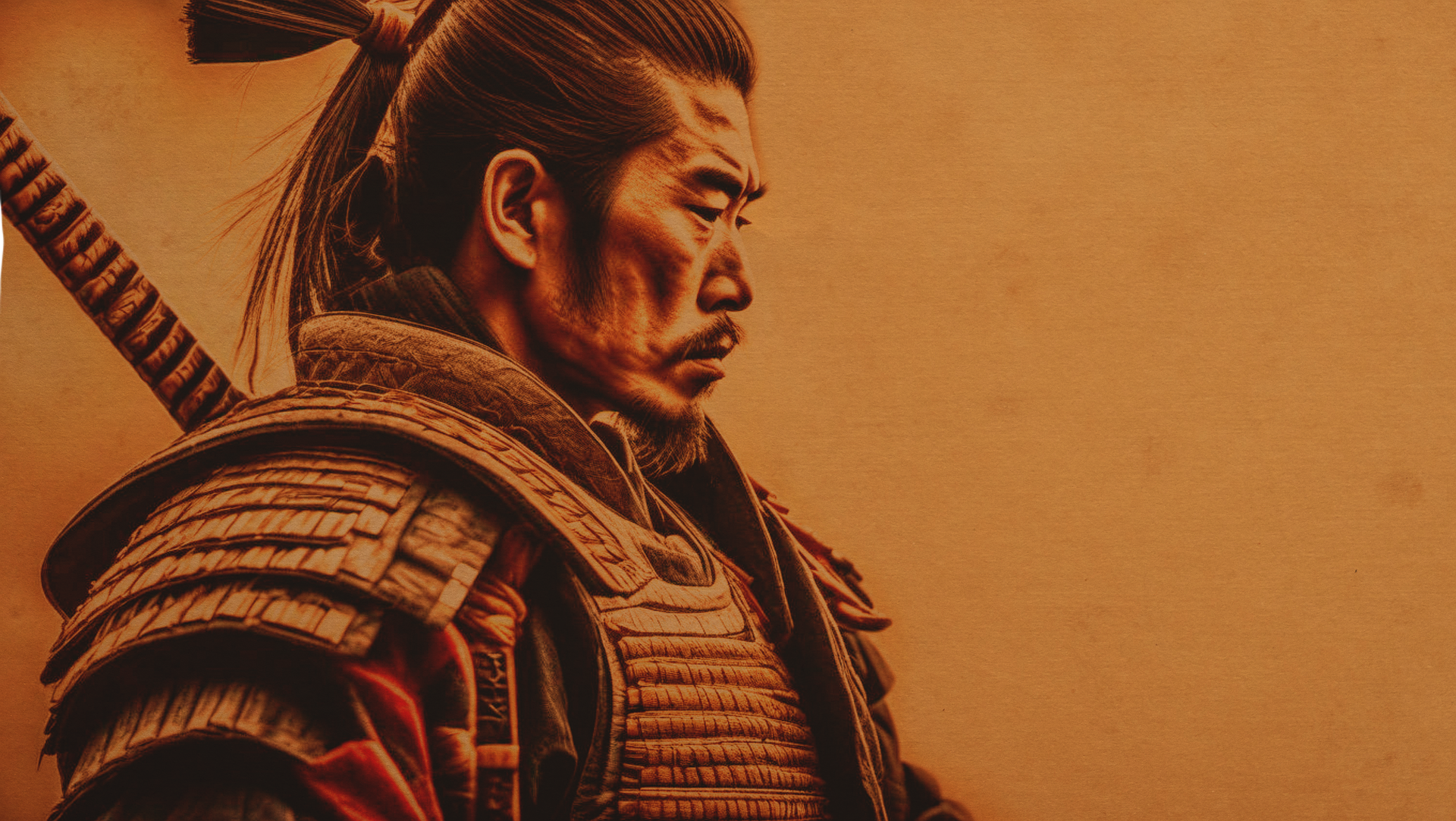
A kabuto is a traditional Japanese samurai helmet that functioned both as protective gear and as a powerful visual statement. While its primary role was to shield a warrior’s head in battle, it also communicated identity, rank, and belief systems in a way few other pieces of armor could.
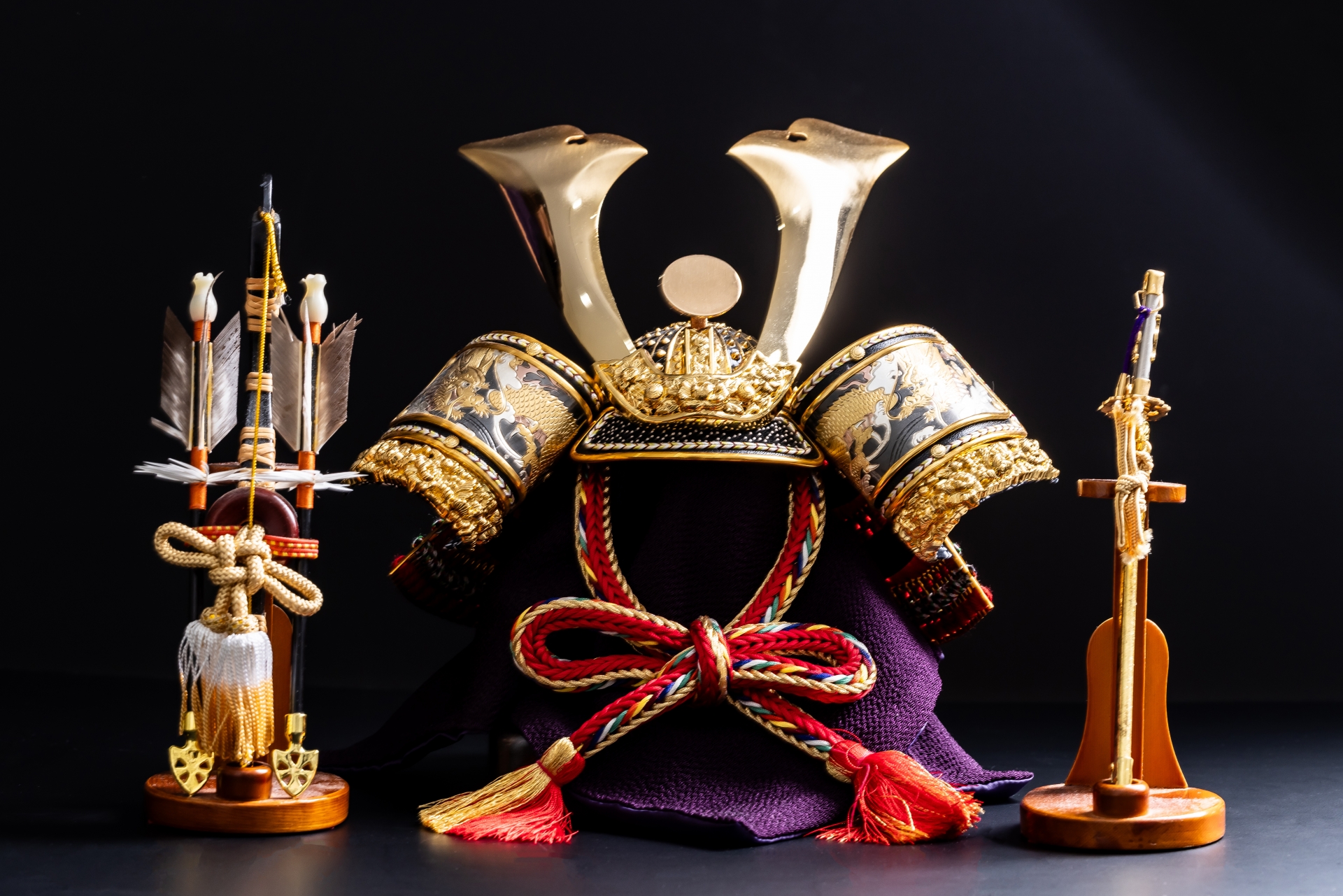
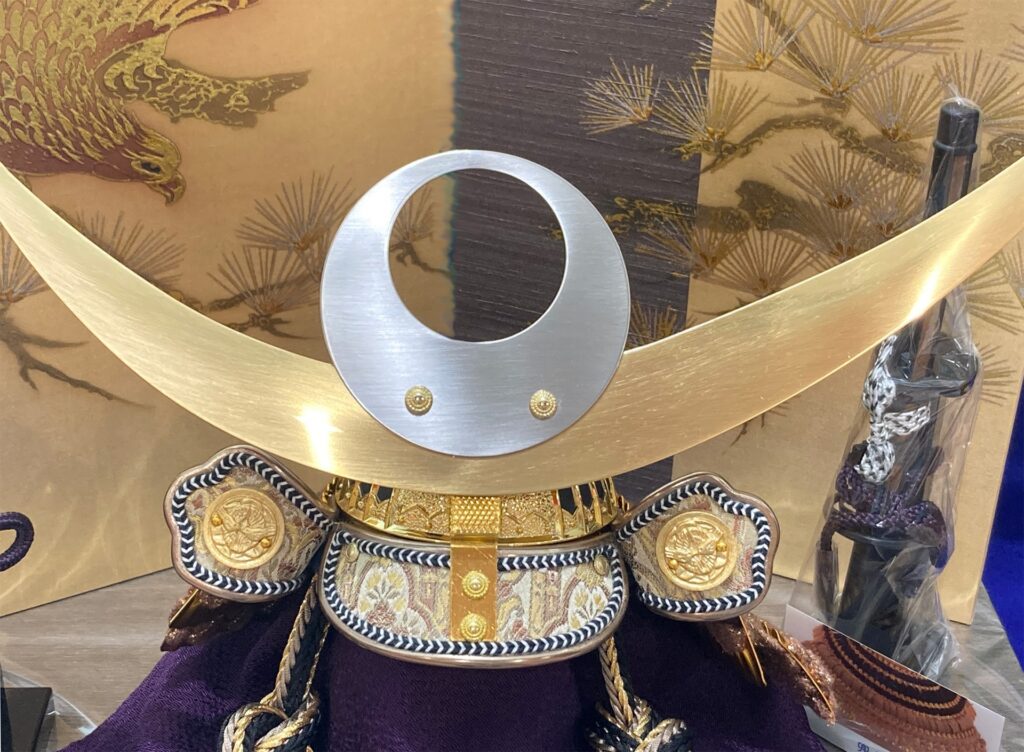
Structurally, a kabuto is made up of several key parts. The hachi (helmet bowl) forms the main protective shell, typically constructed from riveted iron plates. Extending downward is the shikoro, a layered neck guard designed to protect the neck and shoulders from arrows and sword strikes. At the front sits the maedate, an ornamental crest that often carried symbolic meaning or clan identity. At the top is the tehen (or hachimanza), a small opening that has both practical and spiritual interpretations.
What makes the kabuto unique is how these elements combine function and symbolism. Even in its earliest forms, it was more than armor—it was a statement. Over time, especially during periods of peace, the symbolic and aesthetic aspects became even more pronounced, transforming the kabuto into a cultural and artistic object as much as a military one.
What Did Samurai Helmets Symbolize?
At their core, samurai helmets symbolized five key ideas: protection, rank, identity, intimidation, and spirituality. These meanings often overlapped, making each kabuto a complex expression of the wearer.
In simple terms, a kabuto was not just worn—it spoke. It told allies who you were, warned enemies of your presence, and reflected your beliefs and status.
| Symbolic Aspect | Meaning |
| Protection | Physical defense in battle |
| Rank | Social and military status |
| Identity | Clan affiliation or personal philosophy |
| Intimidation | Psychological impact on enemies |
| Spirituality | Connection to divine protection or beliefs |
These meanings evolved over time but remained central to how kabuto were designed and perceived.
Protection and Battlefield Function
Originally, the kabuto was first and foremost a tool for survival. Its curved, multi-plate hachi was engineered to deflect blows and arrows, while the shikoro provided flexible protection for the neck and shoulders. This design was especially important for mounted samurai, who were vulnerable from multiple angles during combat.
Early examples, such as those used with ō-yoroi armor in the Heian and Kamakura periods, prioritized durability and coverage. The layered construction allowed for both strength and mobility, ensuring that the wearer could move freely while remaining protected.
It’s important to note that symbolism did not replace function—at least not initially. The dramatic appearance of later helmets evolved from a foundation of practical design. Even the most elaborate kabuto retained core protective features, reminding us that survival was always the first priority.
Rank, Leadership, and Visual Identification
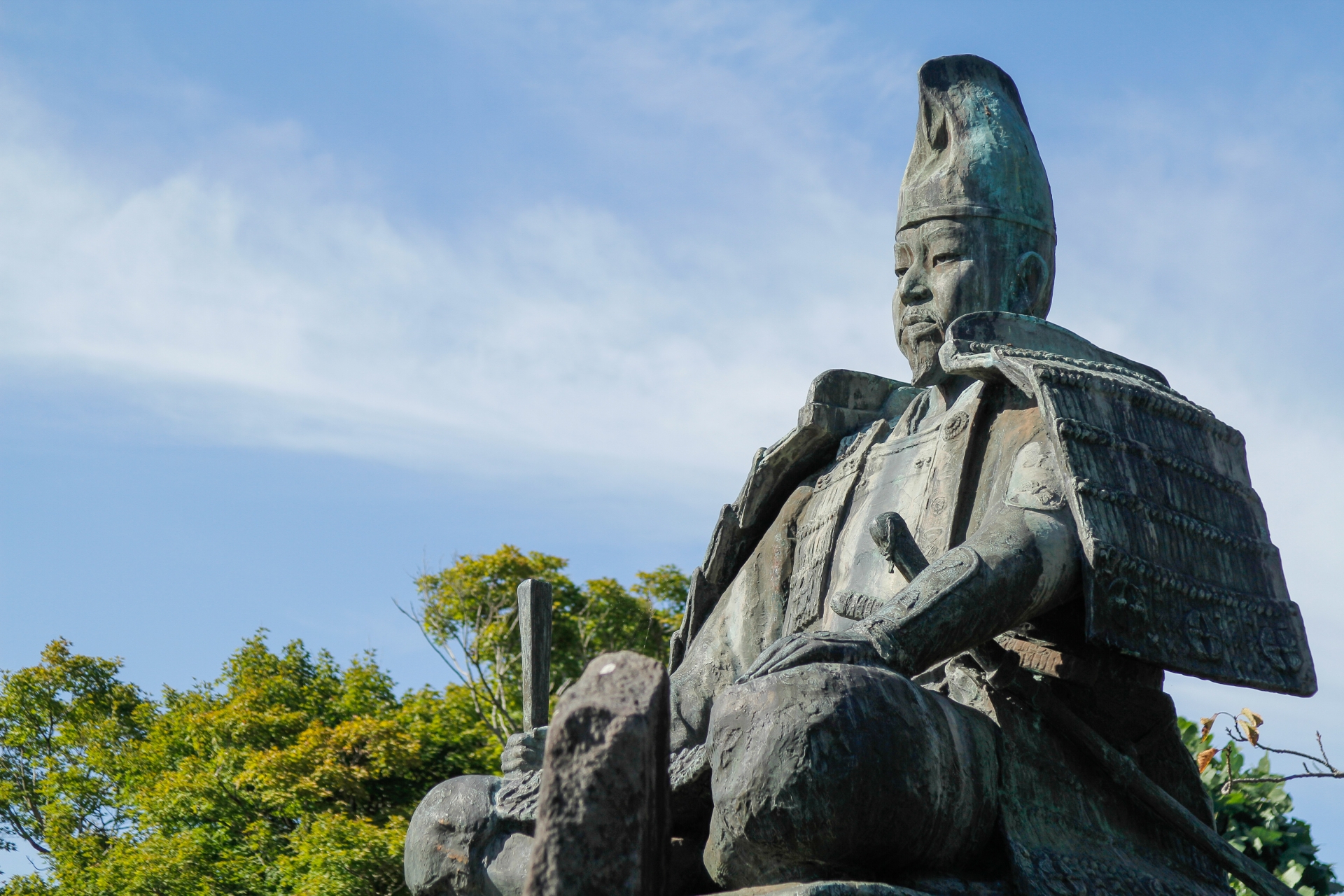
On the chaotic battlefield, visibility could mean the difference between victory and defeat. Kabuto played a crucial role in identifying leaders and distinguishing warriors.
High-ranking samurai and commanders often wore larger, more elaborate helmets with striking maedate crests. These designs made them easily recognizable to allies, allowing troops to rally around them. At the same time, such visibility projected authority and confidence.
Decoration became a form of communication. A bold crest or unique silhouette signaled not only who you were, but how important you were. In this sense, kabuto functioned similarly to modern military insignia—only far more dramatic.
The Meaning of Each Major Kabuto Part
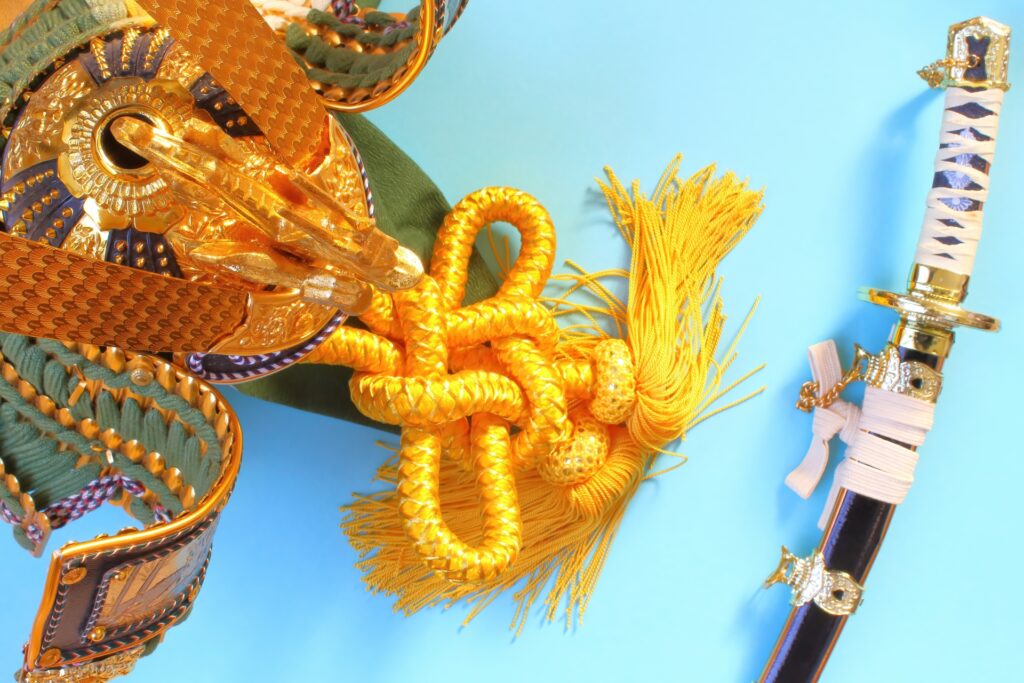
Understanding kabuto meaning becomes much clearer when broken down by individual parts:
| Part | Japanese Term | Practical Role | Symbolic Meaning |
| Helmet bowl | Hachi | Protects the skull | Strength, resilience |
| Neck guard | Shikoro | Protects neck/shoulders | Defensive readiness |
| Crest | Maedate | Identification | Identity, belief, power |
| Side flaps | Fukikaeshi | Protect sides of face | Clan display, prestige |
| Horns | Kuwagata | Visual marker | Courage, dignity |
| Top opening | Tehen | Ventilation/construction | Spiritual connection |
This layered meaning—where each component has both function and symbolism—is what makes kabuto so fascinating.
Maedate: The Crest as Identity and Message
The maedate is perhaps the most expressive part of a kabuto. Positioned prominently at the front, it served as a visual declaration of identity.
These crests could represent clan symbols, religious icons, or personal beliefs. Dragons symbolized strength and wisdom, while sun and moon motifs suggested cosmic power or divine favor. Some samurai used highly personalized designs to communicate their philosophy or aspirations.
In many ways, the maedate functioned like a banner worn on the head. It allowed warriors to stand out, be recognized, and convey meaning instantly—even from a distance.
Kuwagata: Why the ‘Horns’ Mattered
The iconic “horns” seen on many samurai helmets are called kuwagata. While often assumed to exist purely for intimidation, their meaning is more nuanced.
These horn-like structures are believed to be inspired by deer antlers, long associated in Japan with strength and divine protection. Over time, they came to symbolize courage, dignity, and noble presence.
Myth vs Fact:
Myth: Horns were only meant to scare enemies
Fact: They also signaled rank, identity, and cultural symbolism
While intimidation was certainly a factor, kuwagata were equally about recognition and meaning.
Shikoro and Fukikaeshi: Protection with Symbolic Presence
The shikoro (neck guard) and fukikaeshi (side flaps) demonstrate how protection and symbolism worked together.
Functionally, these parts shielded vulnerable areas from attack. Their layered construction allowed flexibility while maintaining coverage. Visually, however, they contributed to the imposing silhouette of the samurai.
The outward curves of the fukikaeshi often displayed clan insignia, reinforcing identity while enhancing the wearer’s presence. This combination of utility and display is a hallmark of kabuto design.
Tehen or Hachimanza: The Hole at the Top and Its Spiritual Meaning
The tehen, a small opening at the top of the helmet, is one of the most debated features of the kabuto.
From a practical perspective, it may have helped with ventilation or accommodated the samurai’s topknot hairstyle. However, many interpretations go beyond function.
Some traditions link the tehen to spiritual beliefs, suggesting it represents a connection between heaven and earth or an opening for divine protection. It is sometimes associated with Hachiman, the Shinto god of war.
Rather than a single explanation, it is best understood as a feature with multiple layers of meaning—both practical and symbolic.
How Samurai Helmet Meanings Changed Over Time
Kabuto meaning evolved alongside Japanese history.
In early periods, helmets were primarily functional, designed for mounted archery and battlefield survival. As warfare intensified during the Sengoku period, visibility and intimidation became more important, leading to more elaborate designs.
By the Edo period, when peace prevailed, kabuto shifted further toward symbolism and artistry. Helmets became status symbols, ceremonial objects, and works of art.
This transition reflects a broader cultural shift—from survival to expression.

From Armor to Art: The Rise of Kawari Kabuto
One of the most striking developments was the emergence of kawari kabuto, or “unusual helmets.”
These designs featured exaggerated shapes, such as seashells, animals, or abstract forms. They were less about practicality and more about individuality and prestige.
Kawari kabuto demonstrate how far the helmet had evolved—from a tool of war to a canvas for creativity and identity.
Famous Samurai Helmets and What They Represented
Certain kabuto have become iconic due to their unique symbolism:
- Date Masamune’s crescent moon helmet: ambition and elegance
- Honda Tadakatsu’s antler helmet: strength and divine protection
- Ii Naomasa’s red armor and helmet: fearlessness and unity
These examples show how helmets could embody not just personal identity, but legacy.
The ‘Love’ Helmet and Other Personal Symbols
One of the most famous examples is the helmet associated with Naoe Kanetsugu, featuring the character for “love” (ai). While interpretations vary, it is often linked to spiritual devotion rather than romantic love.
This highlights an important point: kabuto symbolism is not always fixed. Meaning can blend history, legend, and cultural memory.
Why Kabuto Are Still Displayed in Japan Today
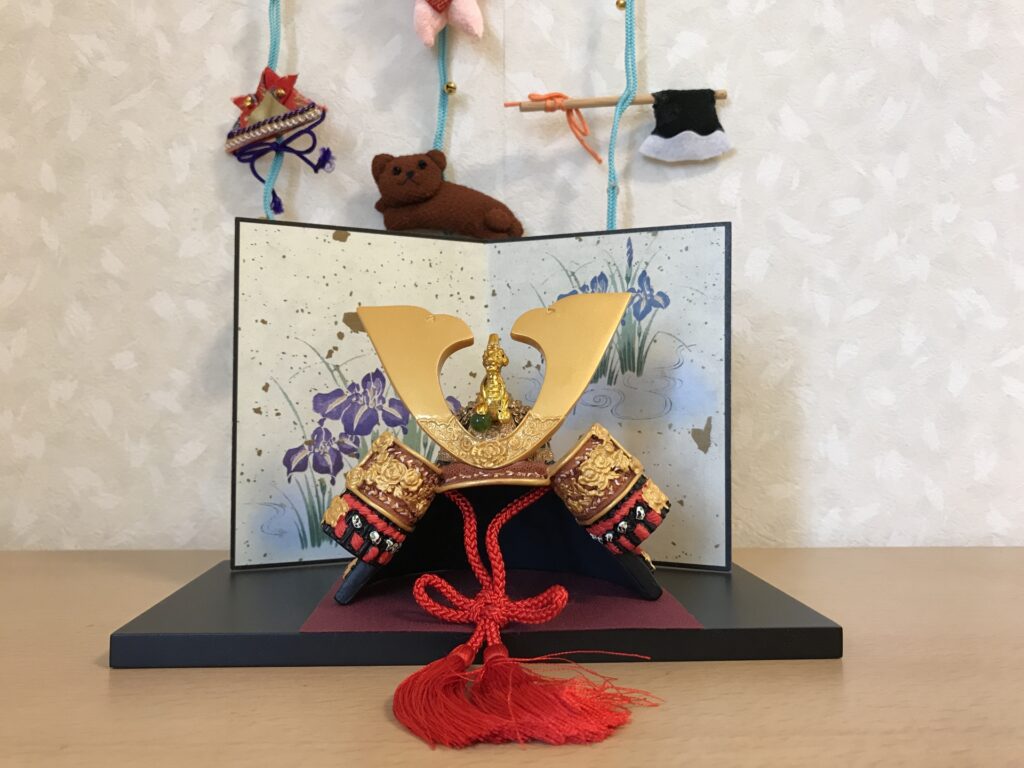
Today, kabuto are no longer used in battle, but their symbolic power remains strong.
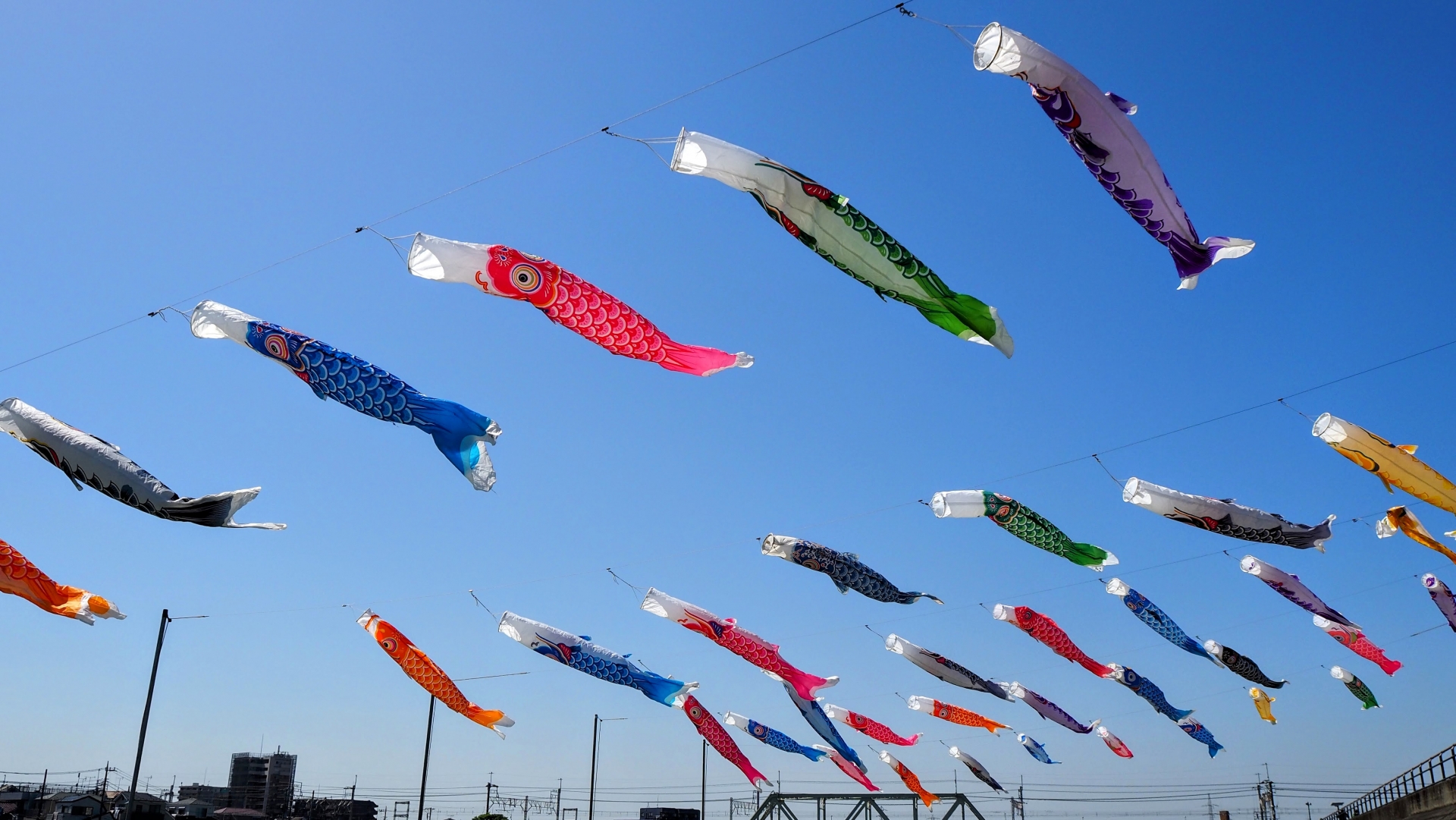
Miniature kabuto are commonly displayed during Children’s Day (May 5) in Japan. These displays are meant to inspire strength, courage, and success in children.
The helmet’s meaning has shifted from warfare to protection and aspiration—yet its core symbolism endures.
Children’s Day Kabuto: Protection, Growth, and Family Wishes
Modern display kabuto represent parental hopes for their children’s future.
| Feature | Battlefield Kabuto | Display Kabuto |
| Purpose | Protection in war | Symbol of growth |
| Use | Worn by samurai | Decorative |
| Meaning | Survival, rank | Health, success |
This transformation shows how cultural symbols can evolve while retaining their essence.
Common Misunderstandings About Samurai Helmet Meaning
Were the horns only decorative?
No. While visually striking, they also conveyed identity and cultural meaning.
Did every symbol have a fixed meaning?
Not always. Interpretations could vary by region, era, and individual.
Was the top hole purely religious?
No. It likely had both practical and symbolic purposes.
Were all kabuto worn by elite samurai?
Primarily, yes—but variations existed among different ranks.
Conclusion: Why Samurai Helmets Still Fascinate Us
Kabuto continue to captivate us because they unite survival, identity, spirituality, and artistry in a single object. They are more than relics of war—they are symbols of human expression under extreme conditions.
From battlefield necessity to cultural icon, the samurai helmet remains a powerful reminder of how meaning can be forged in both steel and spirit.