Hikone Castle is one of Japan’s rare original castles and one of the country’s National Treasure keeps. For English-speaking travelers, the real appeal is not just its history, but how easily it fits into a trip from Kyoto, Osaka, or Nagoya. This guide explains what makes Hikone Castle special, what to see beyond the keep, how much time to plan, and how to build a smooth visit around the garden, museum, and castle town.


Why Hikone Castle Is Worth Visiting
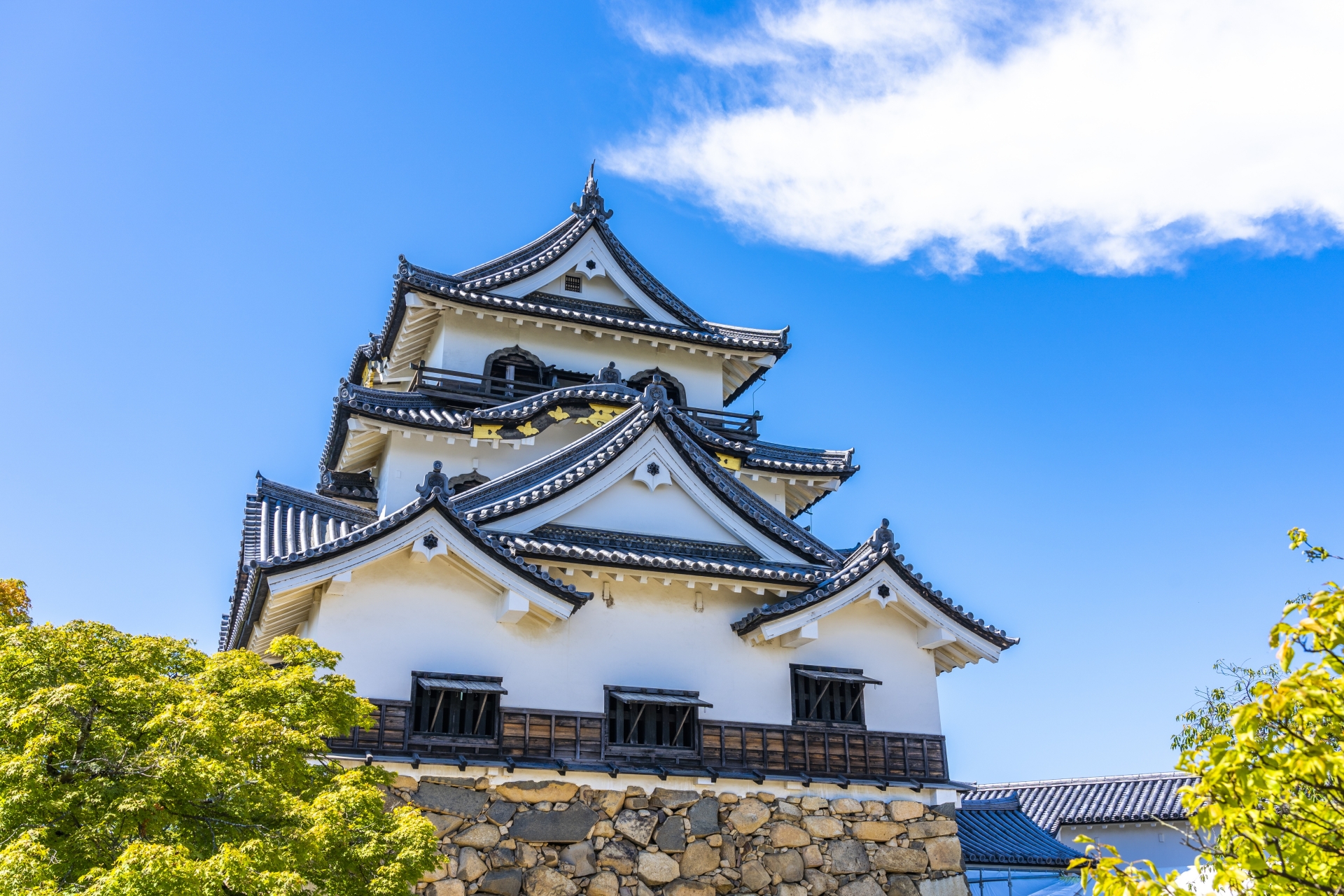
Hikone Castle stands out as one of the most rewarding cultural day trips in Japan, especially for travelers based in Kyoto, Osaka, or Nagoya. It is officially designated as a National Treasure, and more importantly, it is an original castle—meaning the main keep you see today dates back to the early 17th century, not a modern reconstruction.
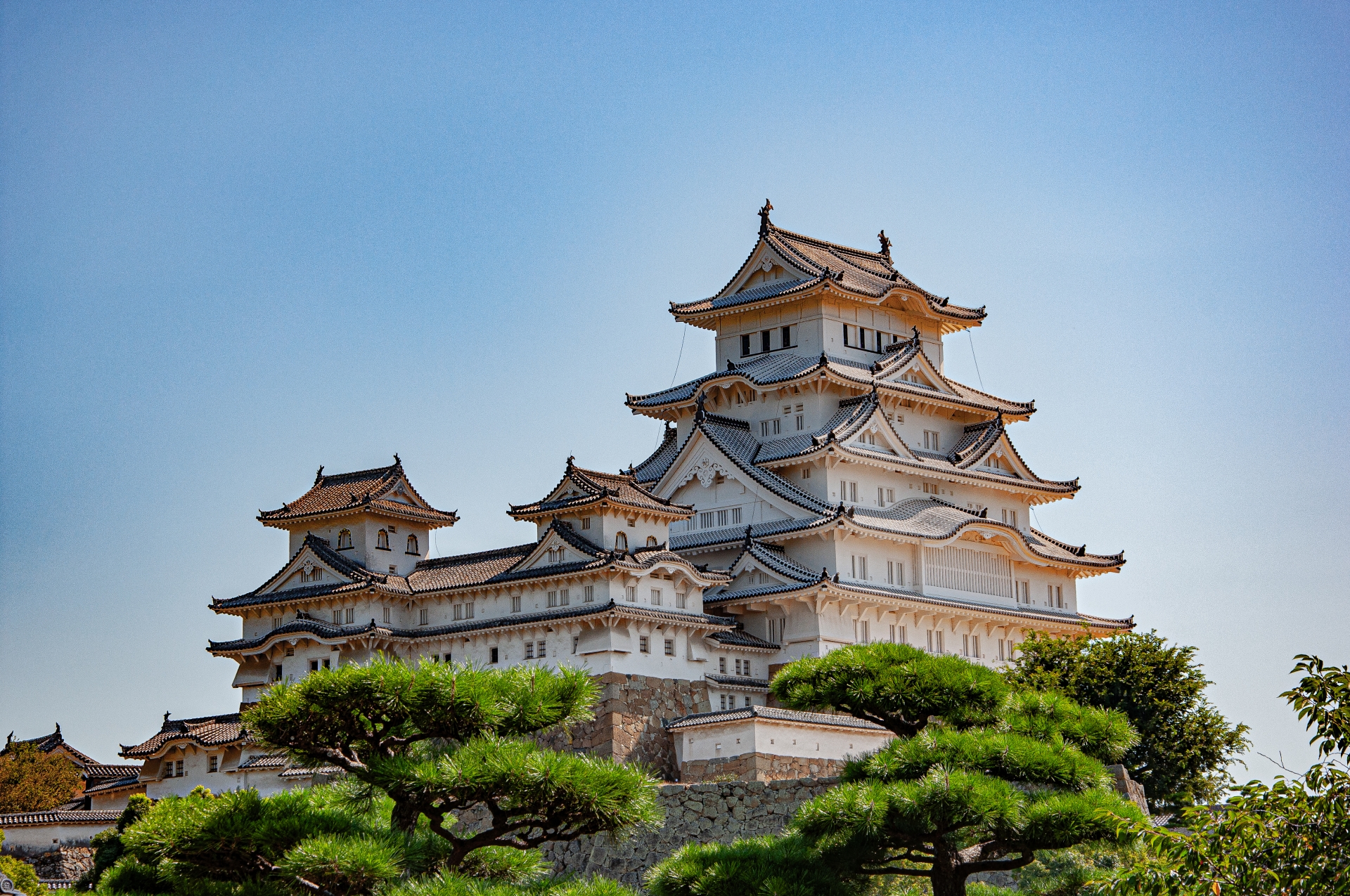
What makes it particularly appealing is the balance it offers. Unlike more famous castles such as Himeji, Hikone feels less crowded and more relaxed, allowing visitors to explore at their own pace. Yet it still delivers exceptional historical and visual value. From the top of the keep, you’ll enjoy sweeping views of Lake Biwa, Japan’s largest lake, adding a scenic dimension that many castles lack.
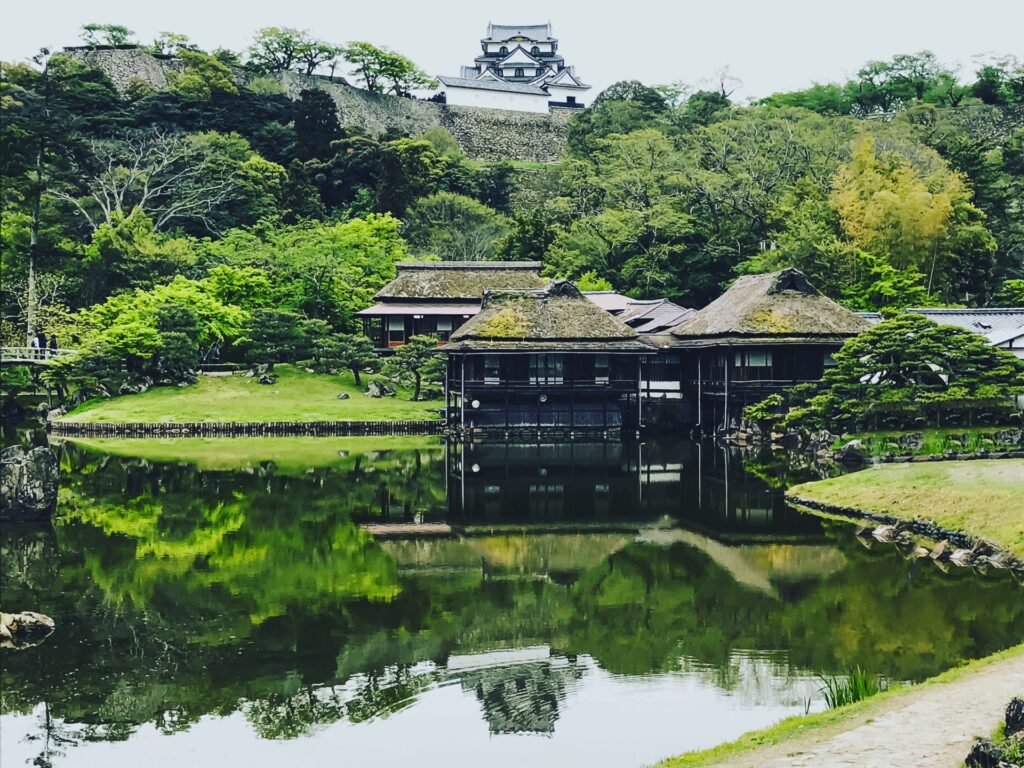
Another highlight is Genkyuen Garden, a beautifully designed daimyo garden built in 1677 at the base of the castle. Together, the castle and garden create a complete cultural experience—architecture, history, and nature in one place.
For travelers looking for a calm, meaningful, and easily accessible cultural excursion, Hikone Castle is one of the best choices in the Kansai region.
What Makes Hikone Castle Special?
Hikone Castle’s uniqueness comes from a combination of historical authenticity, architectural preservation, and cultural significance. First, it is one of only a handful of castles in Japan with an original keep that has survived intact since the Edo period. Second, it holds National Treasure status, placing it among the most important historic structures in the country.
Beyond that, the castle is exceptionally well preserved. Its layout—including gates, walls, and defensive structures—remains largely unchanged, offering visitors a rare chance to experience a feudal stronghold almost exactly as it was centuries ago. This level of preservation helps illustrate how regional governance functioned under the Tokugawa shogunate.
Hikone Castle is also included on Japan’s tentative list for UNESCO World Heritage status, reflecting its broader historical importance as a political and administrative center. Rather than competing with larger castles, Hikone distinguishes itself through authenticity, scale, and completeness.
One of Japan’s Rare Original Castles
When a castle in Japan is described as “original,” it means the structure has survived since before the modern era without being rebuilt in concrete. Many famous castles today are reconstructions from the 20th century, often using modern materials.
Hikone Castle is different. The keep you see today is not a modern reconstruction—it is the actual wooden structure completed in 1622. This gives visitors a much more authentic experience, from the creaking floors to the steep wooden staircases.
Because of this, visiting Hikone Castle feels less like entering a museum replica and more like stepping into a preserved historical space.
A National Treasure with Remarkable Preservation
Being designated a National Treasure is not just symbolic—it reflects the castle’s outstanding historical and cultural value. Hikone Castle’s structures, including its keep and several turrets, are recognized for their architectural integrity and historical importance.
What truly sets it apart is how much of the original castle complex remains intact. Visitors can still follow the original defensive paths, pass through gates designed to slow attackers, and observe how the castle’s layout controlled movement.
This combination of beauty and historical authenticity makes Hikone Castle both visually impressive and deeply informative.
The History of Hikone Castle in Simple Terms
Hikone Castle was built in the early 17th century following the decisive Tokugawa victory at the Battle of Sekigahara in 1600. This battle marked the beginning of a long period of peace under the Tokugawa shogunate.
Construction of the castle began in 1604 and was completed in 1622. It took nearly 20 years to finish, partly because materials were reused from other castles—a practical and symbolic move in consolidating power.
The castle served as the seat of the Ii clan, one of the most important families supporting the Tokugawa regime. Its location was strategically chosen to control key transportation routes and protect access to Kyoto.
Simple timeline:
- 1600: Battle of Sekigahara
- 1604: Construction begins
- 1622: Completion of the castle
- Edo period: Political and administrative center
- Today: Preserved as a National Treasure
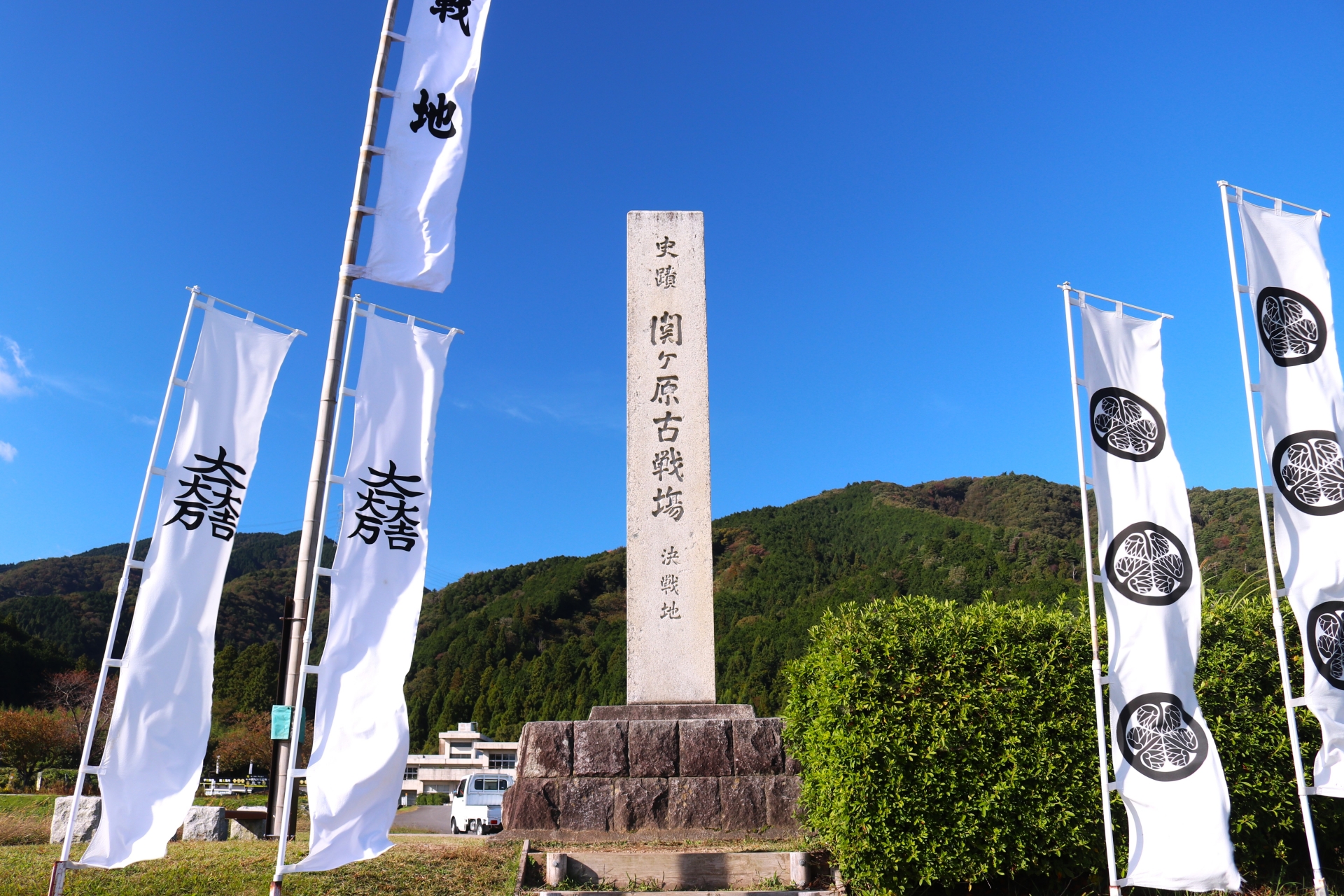
Built by the Ii Clan After the Tokugawa Victory
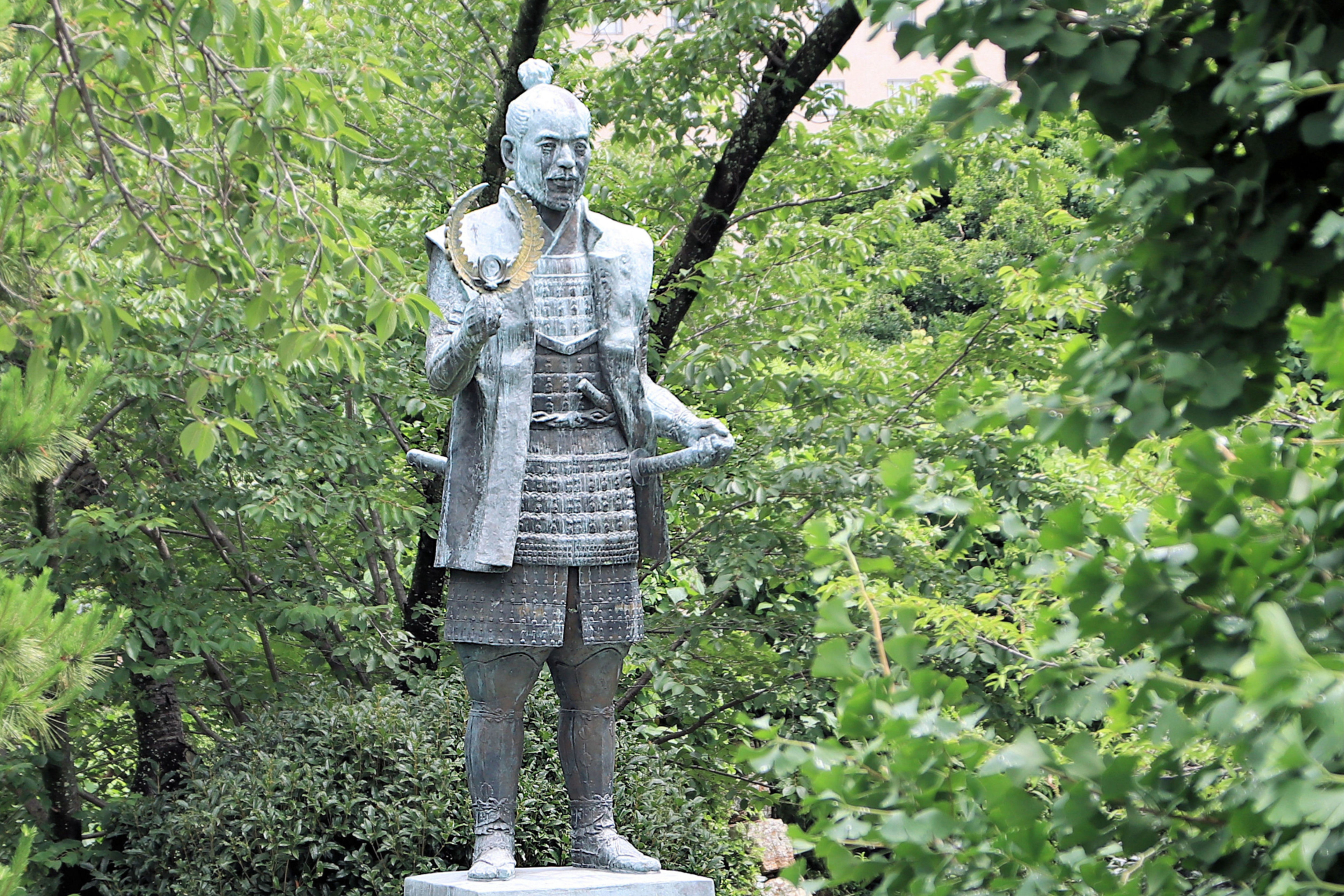
The Ii clan played a crucial role in supporting Tokugawa Ieyasu. After the victory at Sekigahara, Ii Naomasa and his successors were granted this strategically important region.
Rather than focusing on individual biographies, what matters most is why the castle was built here: it served as a key administrative base and a symbol of loyalty to the Tokugawa shogunate. The castle’s scale and design reflect both military readiness and political authority.
Why the Location Near Lake Biwa Mattered
Hikone Castle’s location near Lake Biwa was not accidental. The lake served as a major transportation hub, connecting different regions of Japan. In addition, the nearby Nakasendo route was one of the main highways linking Edo (Tokyo) and Kyoto.
By controlling this area, the Ii clan could monitor movement, protect important routes, and maintain stability near Kyoto—the imperial capital. In simple terms, Hikone was a strategic checkpoint in both political and economic networks.
Top Things to See at Hikone Castle
Hikone Castle is more than just its main keep. The entire complex offers multiple layers of experience, from architecture to gardens to historical artifacts.
The Main Keep: Beautiful, Compact, and Defensive
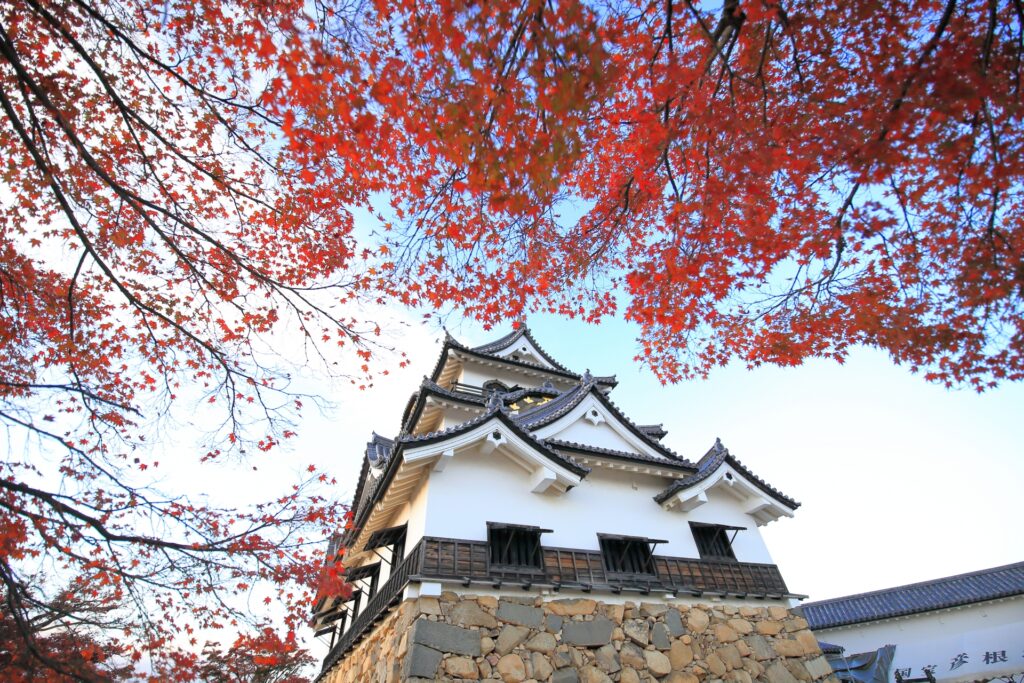
The main keep of Hikone Castle is relatively small compared to some other castles, but it is highly sophisticated in design. It features multiple roof styles, including elegant gables, and distinctive black-lacquered window frames.
Inside, you’ll find narrow corridors, steep wooden staircases, and openings designed for archers and gunners. The structure emphasizes defense while maintaining aesthetic beauty.
Climbing to the top rewards visitors with panoramic views of Lake Biwa and the surrounding town. The experience is both physically engaging and visually memorable.
The Important Cultural Property Turrets
One of Hikone Castle’s underrated highlights is its collection of turrets, especially the Tenbin Yagura. These structures are not just decorative—they were essential parts of the castle’s defensive system.
Unlike many castles where only the keep remains significant, Hikone offers a more complete picture of a functioning fortress. Exploring these areas helps visitors understand how the castle operated as a whole.
Genkyuen Garden and the Best Castle Views
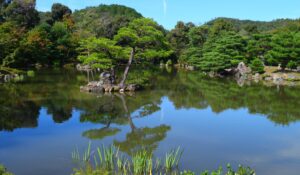
Genkyuen Garden is a traditional Japanese landscape garden located at the base of the castle. It features a central pond, walking paths, and carefully designed viewpoints.
What makes it special is the perspective it offers—you can see the castle rising above the garden, creating one of the most iconic photo spots in the area. In spring, cherry blossoms frame the scene, while autumn brings rich red and orange foliage.
Hikone Castle Museum: Why It’s Worth Adding
If you’re wondering whether to include the museum, the answer is yes—especially if you want a deeper understanding of the castle.
The museum houses artifacts from the Ii clan, including armor, documents, and items related to daily life in the domain. It provides context that you won’t get from the castle structures alone.
How Long to Spend at Hikone Castle
Your ideal visit length depends on your travel style and schedule.
| Duration | What You Can See | Experience Level |
| 1 hour | Keep + quick walk | Fast overview |
| 2–3 hours | Keep + garden + museum | Best balance |
| Half-day | Full exploration + town | Most immersive |
Quick Visit: If You Only Have One Hour
Start at the main entrance, head directly to the keep, and climb to the top. After descending, take a brief walk to a viewpoint and, if time allows, a quick glance at Genkyuen Garden.
This route gives you a solid overview in a limited timeframe.
Best Experience: 2 to 3 Hours
This is the recommended option. Begin with the keep, then explore the surrounding structures. After that, visit Genkyuen Garden and finish at the museum.
This combination provides both visual enjoyment and historical understanding.
Best Time to Visit Hikone Castle
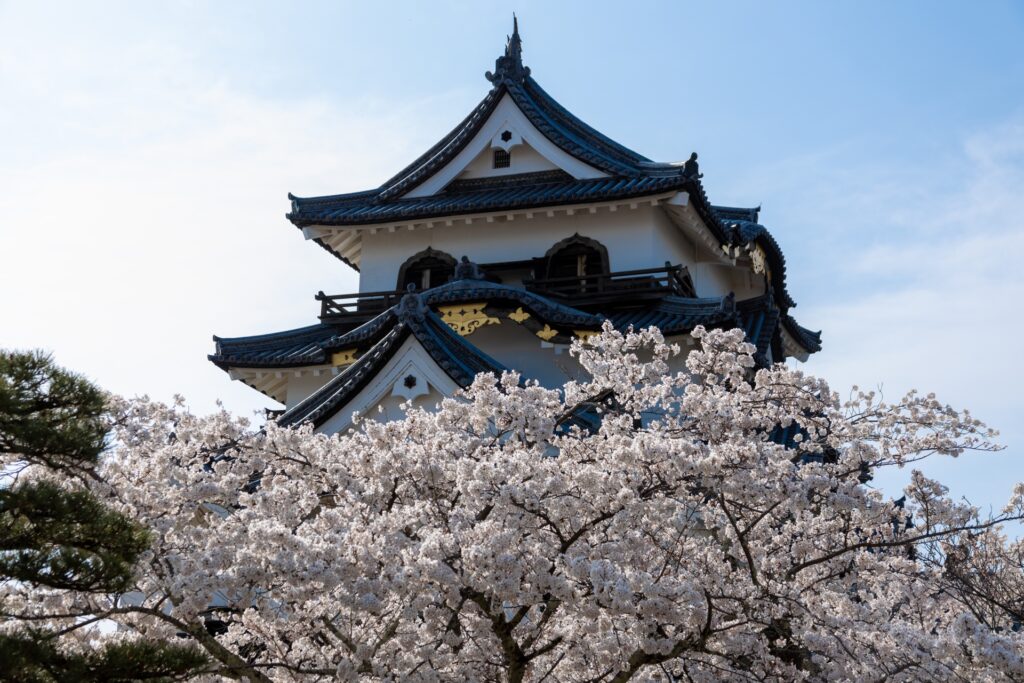
Hikone Castle is worth visiting year-round, but each season offers a different experience.
| Season | Highlights | Best For |
| Spring | Cherry blossoms | First-time visitors |
| Summer | Lush greenery | Fewer crowds |
| Autumn | Fall colors | Photography |
| Winter | Quiet atmosphere | Peaceful visits |
Cherry Blossom Season
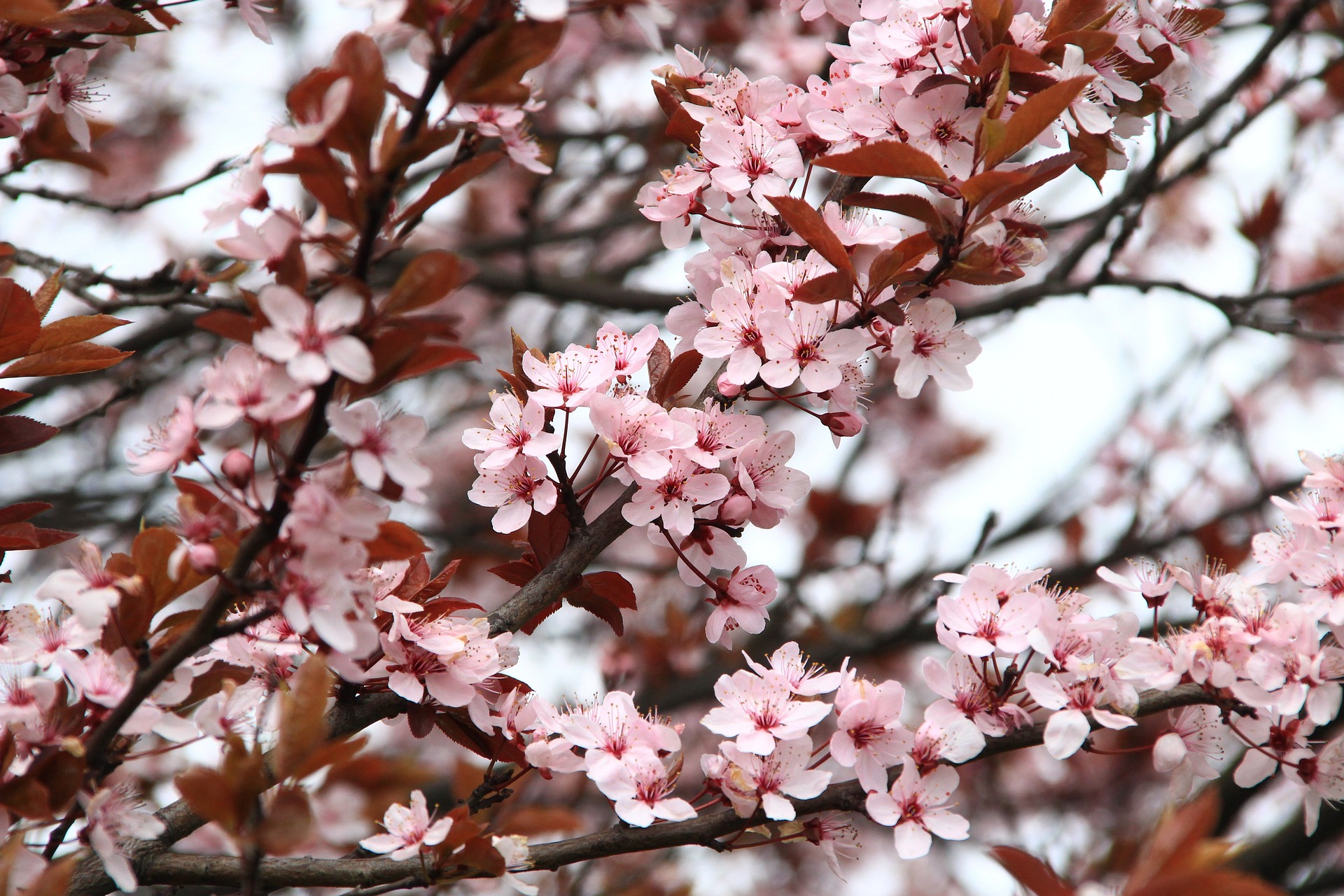
Spring is the most popular time to visit, with hundreds of cherry trees around the castle grounds. The blossoms typically bloom slightly later than in Kyoto, making Hikone a great alternative if Kyoto is too crowded.
Evening light-ups add a magical atmosphere.
Autumn Colors and Quiet Views
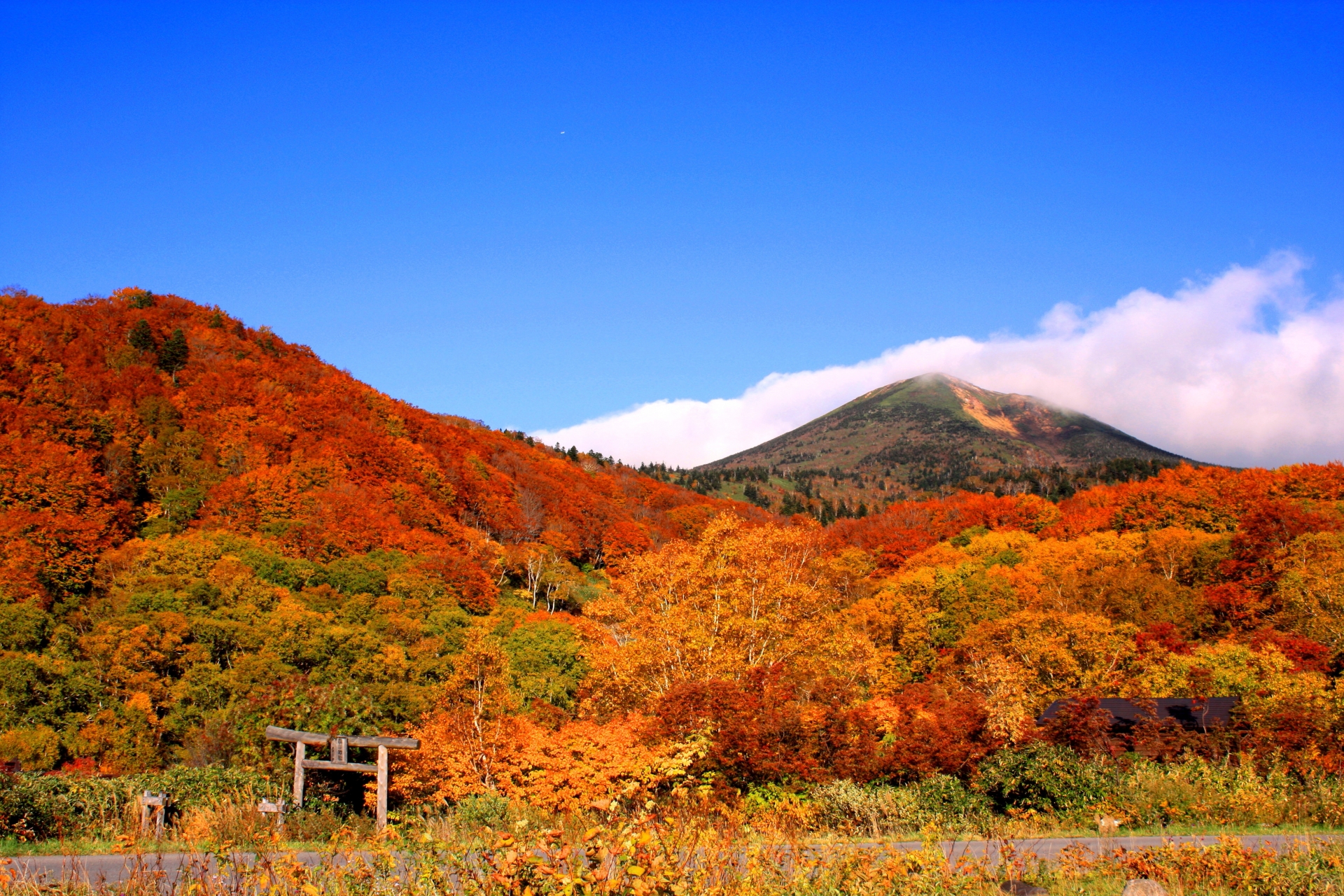
Autumn offers vibrant foliage and a calmer environment. The garden becomes especially beautiful, and seasonal illuminations enhance the experience.
Compared to spring, it’s less crowded and more relaxed.
Practical Visitor Information: Access, Tickets, and Difficulty Level
Hikone Castle is about a 15–20 minute walk from Hikone Station. The site is open year-round, though hours may vary slightly by season. Tickets can be purchased for the castle alone or combined with the garden.
The climb to the keep involves steep stairs and uneven stone paths. There are around 140 steps inside, and surfaces can be slippery in wet weather.
How to Get There from Kyoto, Osaka, and Nagoya
From Kyoto, it takes about 1 hour 30 minutes by train. From Osaka, around 2 hours. From Nagoya, about 50 minutes via Maibara, where you transfer to a local line.
This makes Hikone an easy and convenient day trip.

What to Know Before You Climb the Keep
Expect steep wooden stairs, low ceilings, and narrow passages. Wear comfortable shoes with good grip. Large bags may need to be carried carefully, and umbrellas are often not allowed inside.
Visitors with mobility concerns should consider whether the climb is manageable.
Accessibility and Who May Need Extra Planning
There are no elevators or ramps inside the keep. However, wheelchair users can still enjoy the outer grounds, moat area, garden, and museum.
Planning ahead helps ensure a comfortable visit.
What to See Near Hikone Castle
Hikone offers more than just the castle itself.
Hikonyan and Local Castle-Town Culture
Hikonyan, the city’s mascot, adds a fun and memorable element to your visit. Appearances are scheduled and popular, especially with families.
The surrounding castle town also features shops, cafes, and traditional streets worth exploring.
A Half-Day Hikone Itinerary
Arrive in the morning, visit the castle early to avoid crowds, then explore Genkyuen Garden. Afterward, head to the museum and enjoy lunch in the castle town.
This schedule fits perfectly into a day trip from Kyoto or Osaka.
FAQ About Hikone Castle
Is Hikone Castle original?
Yes, it is one of Japan’s few original castles, with its keep dating back to 1622.
Can you go inside?
Yes, visitors can enter and climb to the top of the keep.
How long does it take?
About 1–3 hours, depending on how much you explore.
Is it worth a day trip from Kyoto?
Absolutely. It’s easy to reach and offers a less crowded alternative to major sites.
What’s the best season?
Spring and autumn are the most popular, but it’s enjoyable year-round.
Is it difficult for seniors?
The climb can be challenging due to steep stairs, so caution is advised.
Final Verdict: Who Should Visit Hikone Castle?
Hikone Castle is ideal for travelers who want a deeper, more authentic cultural experience without overwhelming crowds. It’s especially well suited for history lovers, photographers, and those looking for a quieter alternative to more famous castles.
It also fits perfectly into a day trip itinerary from Kyoto, Osaka, or Nagoya, making it one of the most accessible historic sites in Japan.
If you’re planning a Kansai trip, Hikone Castle deserves a place on your itinerary.