For many travelers, “Japanese drinks” begin and end with sake. But Japan’s beverage culture is far richer than that. From ceremonial matcha and comforting amazake to region-specific spirits like shochu and awamori—and even everyday favorites like Calpis and Pocari Sweat—Japanese drinks reflect the country’s history, climate, and lifestyle. This guide introduces both traditional and modern beverages, helping you understand what to try, how they differ, and which drinks best match your taste and travel experience.


What Counts as a Traditional Japanese Drink?
“Traditional Japanese drinks” are beverages that have deep cultural, historical, or regional roots in Japan. These include both alcoholic and non-alcoholic drinks that have been consumed for generations and are often tied to rituals, seasonal customs, or local identity.
Broadly, traditional drinks fall into three categories:
Ceremonial drinks: Such as matcha, used in tea ceremonies (chanoyu), where preparation and presentation are as important as taste.
Everyday traditional drinks: Like mugicha (barley tea) or genmaicha, commonly consumed at home or in restaurants.
Regional specialties: Such as awamori from Okinawa or imo shochu from Kyushu, reflecting local ingredients and climate.
Below is a simplified comparison:
| Drink | Alcoholic | Main Ingredient | Typical Occasion | Cultural/Regional Context |
| Sake | Yes | Rice | Meals, celebrations | Nationwide, symbolic drink |
| Shochu | Yes | Sweet potato/barley | Casual dining, izakaya | Kyushu region |
| Awamori | Yes | Rice (Thai) | Special occasions | Okinawa |
| Umeshu | Yes | Plum | Aperitif/dessert | Homemade tradition |
| Matcha | No | Green tea powder | Tea ceremony | Kyoto (Uji) |
| Amazake | Low/No | Fermented rice | Festivals, winter | Seasonal drink |
| Mugicha | No | Barley | Summer refreshment | Everyday household drink |
Understanding this context helps travelers not just choose a drink, but appreciate the cultural experience behind it.
Traditional Japanese Alcoholic Drinks
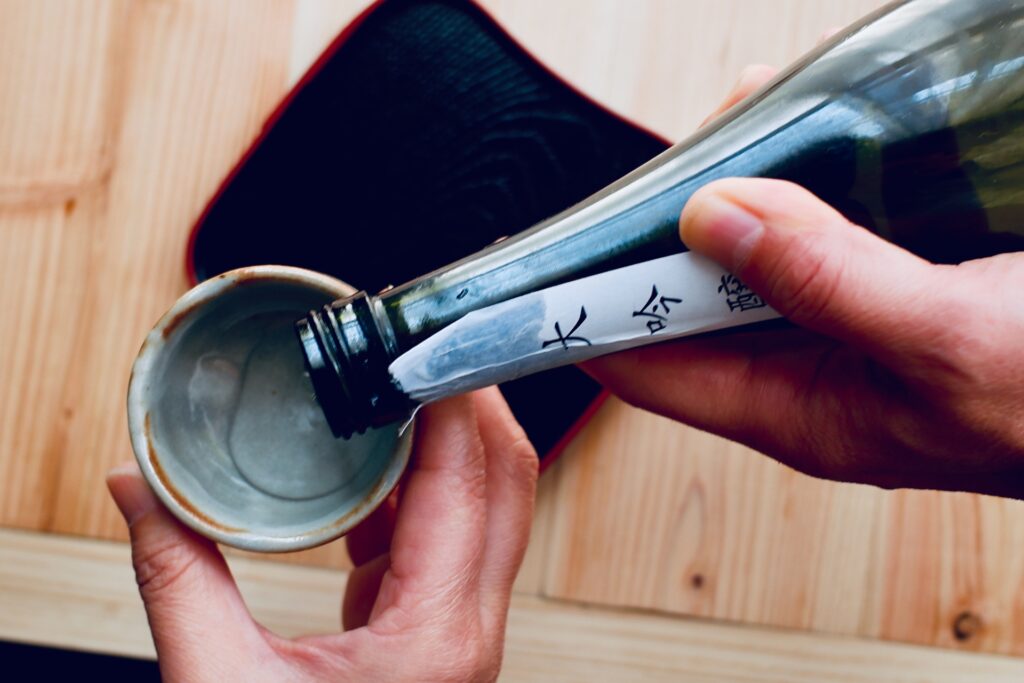
When people think of traditional Japanese drinks, alcoholic beverages are often the first to come to mind. However, the key is not just knowing their names, but understanding how they differ in production, flavor, and usage.
It’s also important to note: in Japan, the word “sake” can refer to alcohol in general, while “nihonshu” specifically refers to Japanese rice sake.
Sake (Nihonshu): Japan’s Best-Known Traditional Drink
Sake is Japan’s most iconic beverage, made by fermenting polished rice, water, yeast, and koji mold. Unlike wine, which ferments sugars naturally present in grapes, sake involves converting starch into sugar before fermentation.
Common misconception: Sake is often called “rice wine,” but its brewing process is closer to beer than wine.
Key characteristics:
Flavor range: From dry and crisp to fruity and aromatic
Temperature: Can be served cold, room temperature, or warm (atsukan)
Grades:
Junmai (pure rice)
Ginjo (refined, fruity)
Daiginjo (premium, highly polished)
Food pairing examples:
| Sake Type | Flavor Profile | Best Pairings |
| Junmai | Rich, umami | Grilled fish, simmered dishes, soy-based dishes |
| Ginjo | Light, fruity | Sushi, salads |
| Daiginjo | Elegant, aromatic | Sashimi, fine cuisine |
For beginners, a slightly chilled ginjo sake is often the easiest entry point.
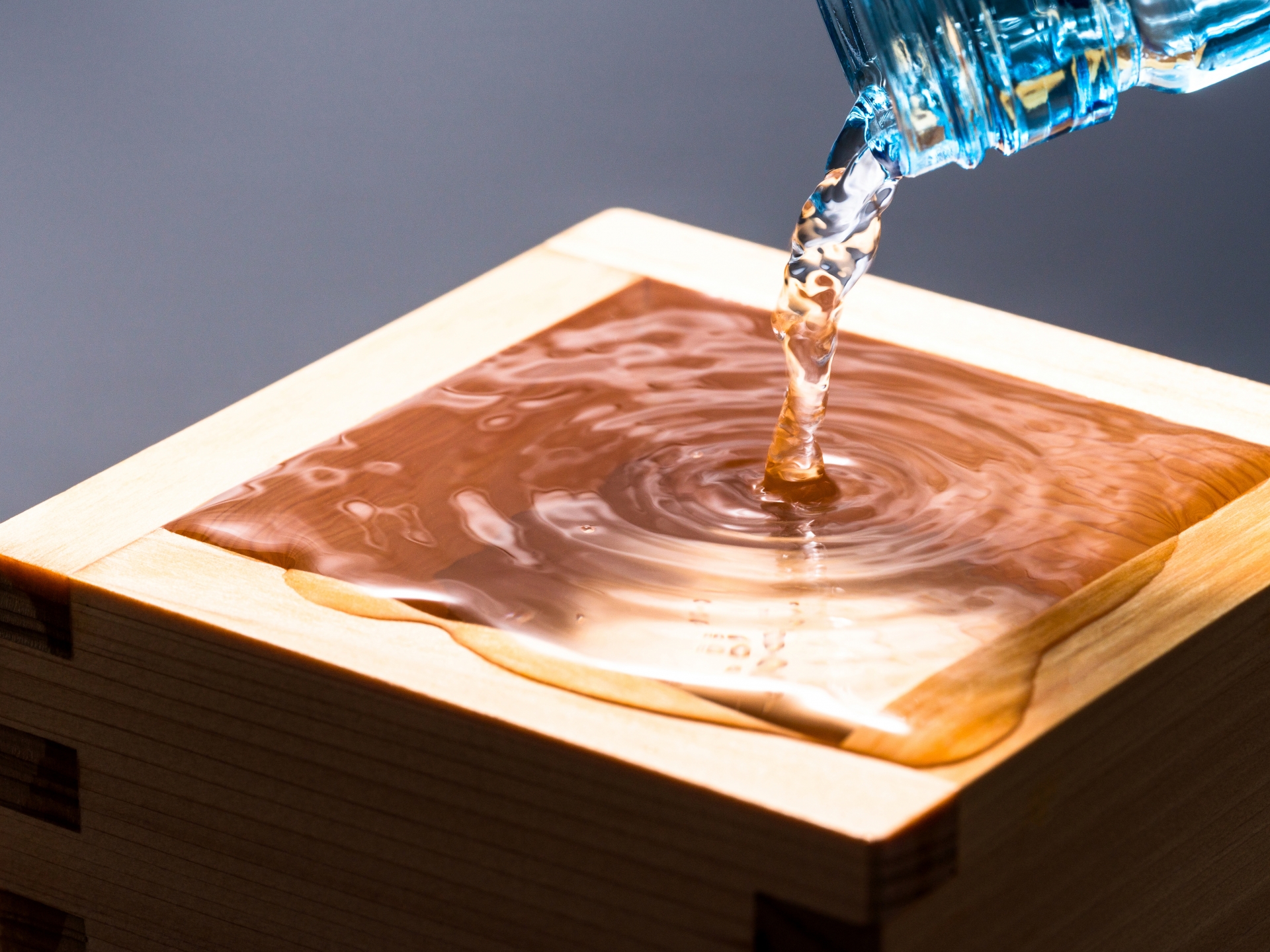
Shochu: The Distilled Spirit with Regional Variety
Shochu differs from sake in one major way: it is distilled, not brewed. This gives it a higher alcohol content (typically 20–25%) and a more versatile flavor profile.
Shochu can be made from:
Sweet potato (imo) – earthy and rich
Barley (mugi) – light and nutty
Rice (kome) – smooth and clean
It is produced across Japan, including regions such as Niigata and Akita, with a wide range of local styles. However, it is especially popular in Kyushu, where distinctive regional varieties are particularly well known.
Serving styles:
Neat
On the rocks
Mixed with water (mizuwari)
Mixed with hot water (oyuwari)
With soda (chu-hai style)
Shochu is often enjoyed casually in izakaya settings, making it a great choice for travelers wanting an authentic dining experience.
Awamori: Okinawa’s Traditional Spirit
Awamori is a unique distilled spirit from Okinawa, often considered a cousin of shochu but with distinct differences.
Key features:
Made from long-grain Thai rice
Uses black koji mold
Typically aged longer than shochu
Awamori has a stronger aroma and deeper flavor, often enjoyed slowly.
Regional identity:
Awamori is deeply tied to Okinawan culture and history, reflecting trade routes and local traditions distinct from mainland Japan.
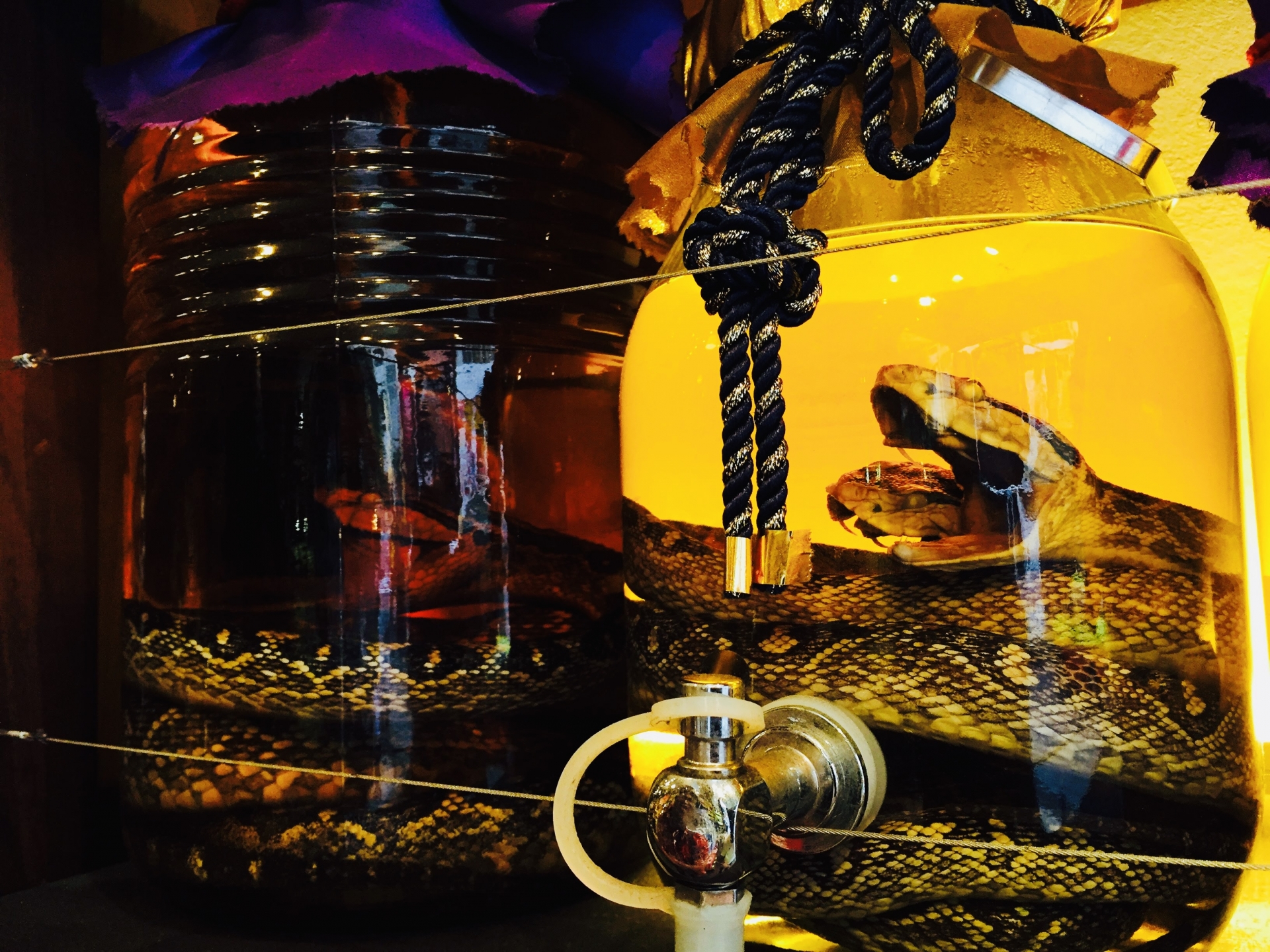
Travelers interested in Okinawan drinking culture may also come across habushu, a specialty liquor associated with awamori. It is known for its striking presentation and cultural curiosity value, but is not typically an everyday drink for locals.
Umeshu: A Sweet and Beginner-Friendly Liqueur
Umeshu is a plum liqueur made by steeping ume fruits in alcohol and sugar. It’s one of the most approachable Japanese alcoholic drinks.
Why beginners love it:
Sweet and fruity
Low bitterness
Easy to drink
Serving styles:
Straight
On the rocks
With soda
Mixed with hot water
Umeshu is often served as an aperitif or dessert drink, making it ideal for those who don’t typically enjoy strong alcohol.
Traditional Japanese Non-Alcoholic Drinks
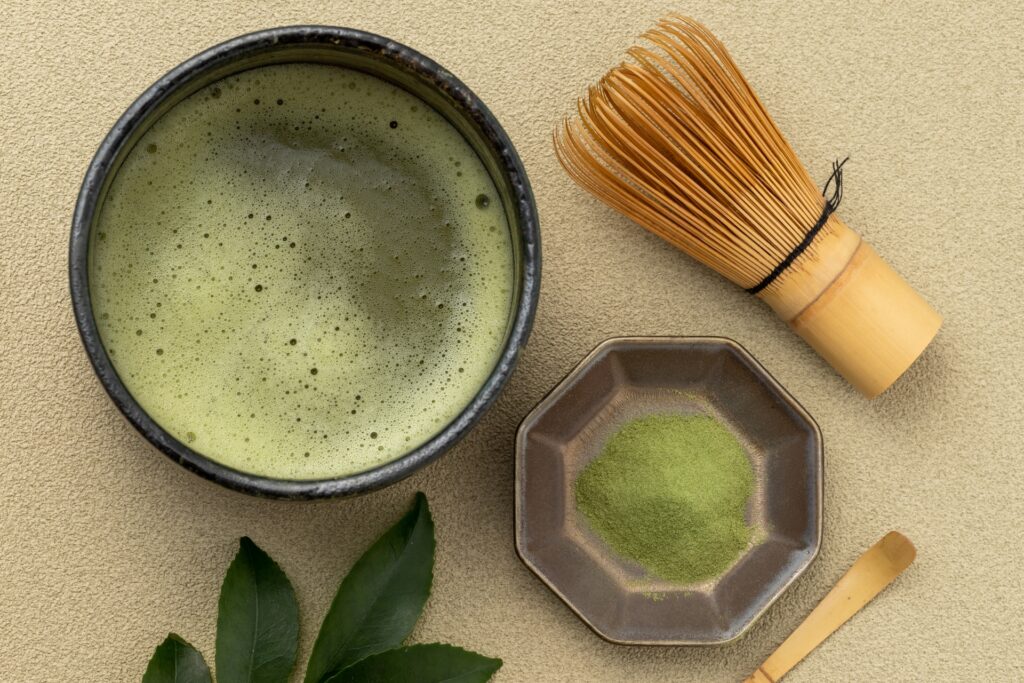
Traditional Japanese drinks are not limited to alcohol. In fact, many culturally significant beverages are non-alcoholic and deeply rooted in daily life and rituals.
These drinks are especially appealing for travelers who want a cultural experience without alcohol.
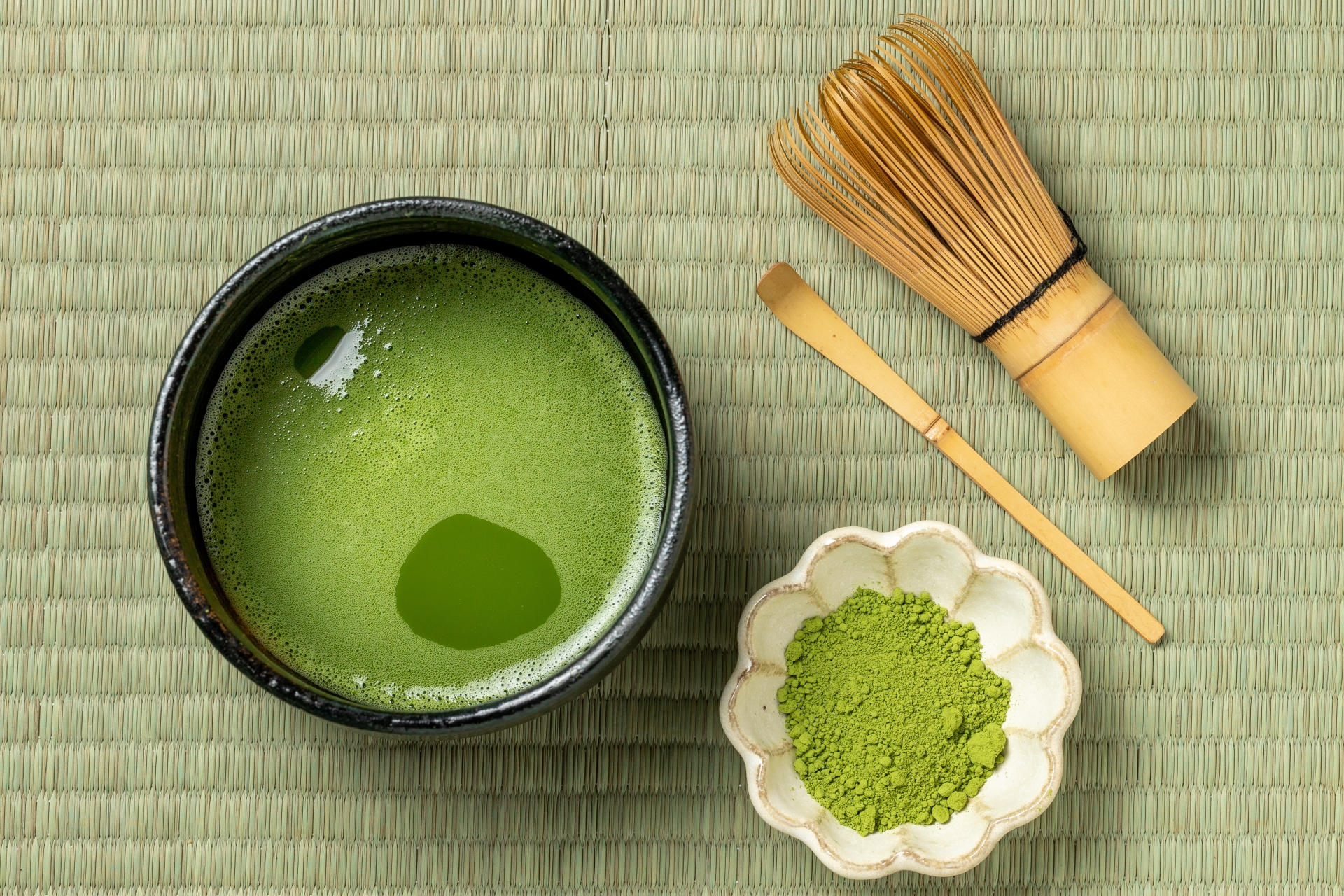
Matcha: The Ceremonial Green Tea
Matcha is finely powdered green tea used in Japanese tea ceremonies. Unlike regular tea, you consume the entire leaf, resulting in a rich, slightly bitter flavor.
Cultural significance:
Central to tea ceremony (chanoyu)
Emphasizes mindfulness and aesthetics
Types:
Ceremonial grade (used traditionally)
Culinary grade (used in desserts and lattes)
Regional note:
Uji (near Kyoto) is famous for high-quality matcha.
Genmaicha and Mugicha: Everyday Japanese Tea
These teas are staples in Japanese households.
Genmaicha: Green tea mixed with roasted rice, offering a nutty, toasty flavor
Mugicha: Roasted barley tea, caffeine-free and especially popular in summer
Mugicha is often served cold and is a common free drink in restaurants.
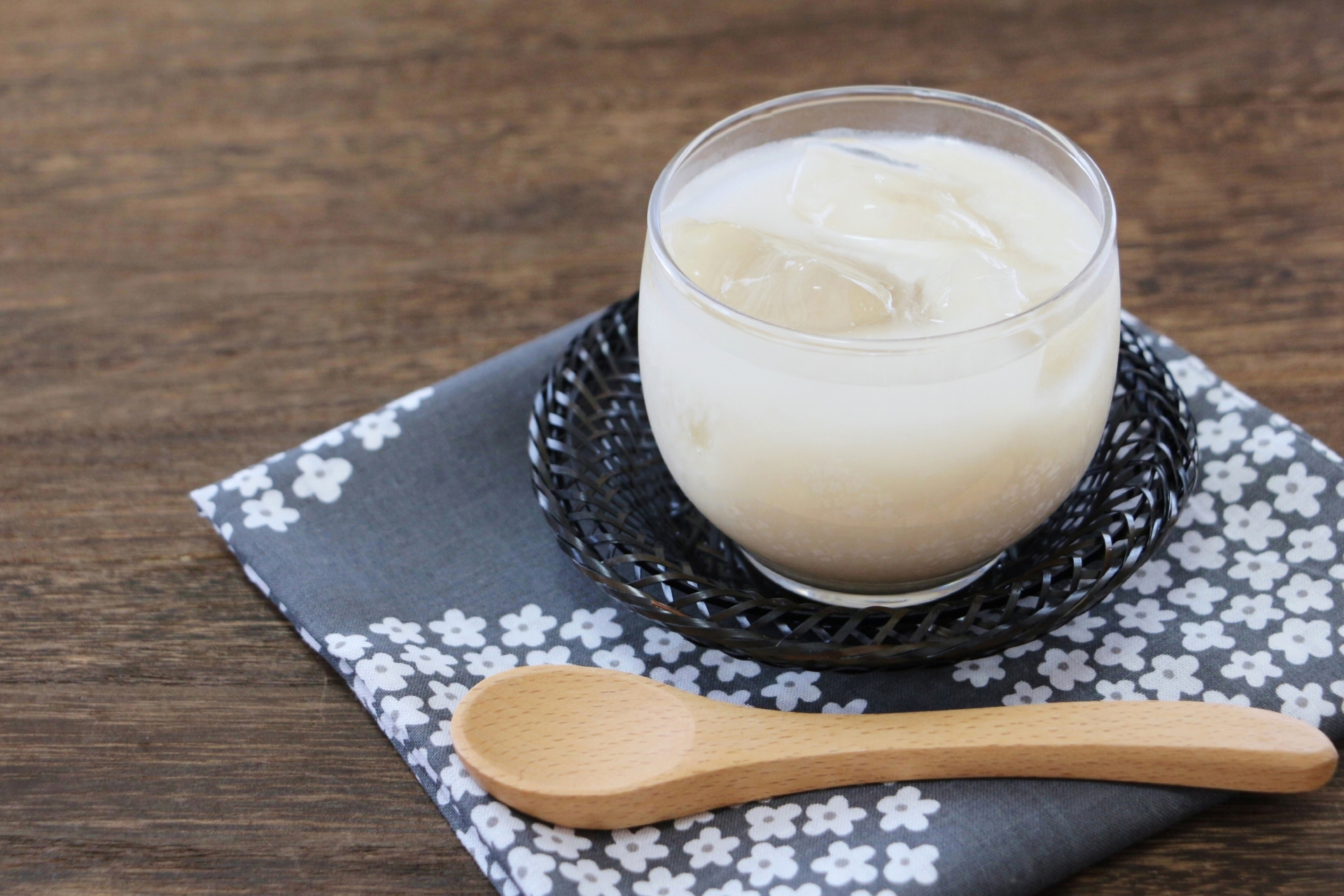
Amazake: The Sweet Fermented Rice Drink
Amazake is a traditional sweet drink made from fermented rice.
Important distinction:
Some types contain very low alcohol
Many modern versions are completely non-alcoholic
Characteristics:
Naturally sweet
Thick, comforting texture
When to drink:
Winter festivals
Shrines and temples
As a health drink (“superfood” trend)
Popular Modern Japanese Drinks You’ll See Everywhere
While traditional drinks are culturally rich, travelers will also encounter modern beverages daily—especially in vending machines and convenience stores.
Sports Drinks in Japan: Aquarius and Pocari Sweat
Japanese sports drinks are lighter and less sugary than Western equivalents.
Popular uses:
Summer travel
After hot baths (onsen)
When sick
Explain the surprising name “Pocari Sweat.”
Calpis: Japan’s Unique Cultured Soft Drink
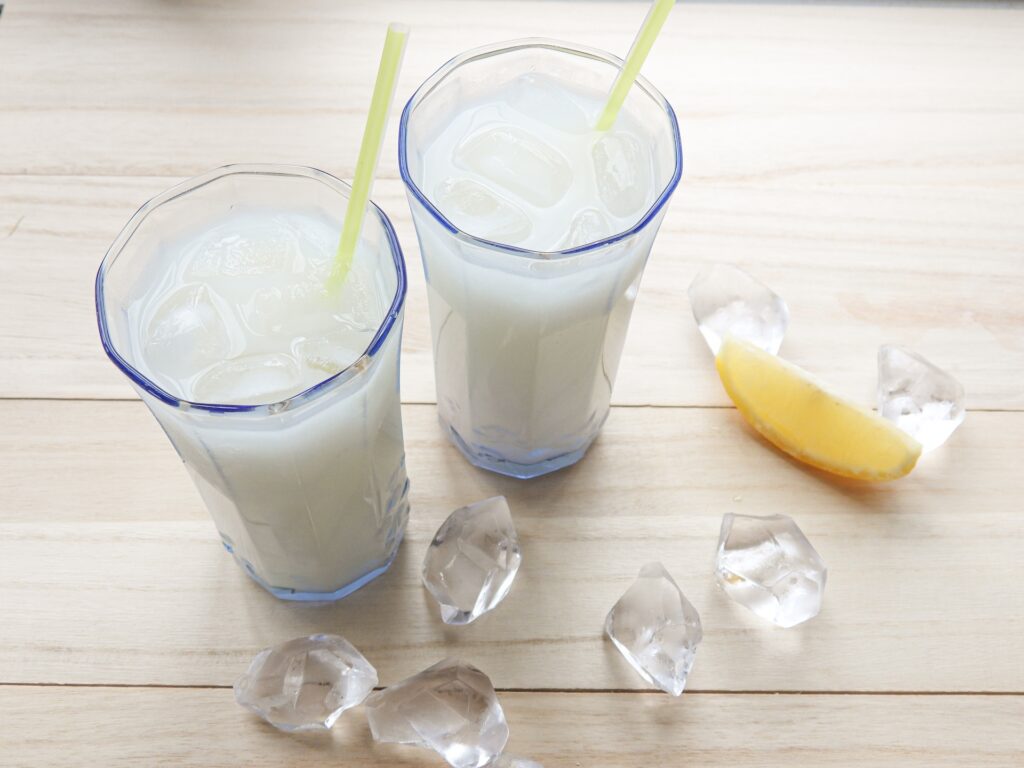
Calpis is a lactic acid drink with a sweet and tangy flavor.
How to enjoy:
With water
With soda
Mitsuya Cider: Japan’s Classic Soda
Despite the name, Mitsuya Cider is non-alcoholic.
Key features:
Clear soda
Light citrus flavor
Other Popular Everyday Drinks in Japan
Common drinks you’ll find everywhere:
Bottled green tea
Canned coffee
Japan’s convenience store culture makes high-quality drinks easily accessible.
Traditional Japanese Drinks by Taste and Occasion
Choosing the right drink depends on your taste preferences and the situation.
| Category | Recommended Drinks |
| Beginners | Umeshu, Amazake |
| Sweet | Umeshu, Calpis |
| Dry | Junmai sake, Shochu |
| Hot | Atsukan sake, Amazake |
| Cold | Mugicha, cold sake |
| Summer | Mugicha, sports drinks |
| Winter | Amazake, warm sake |
| Tea lovers | Matcha, Genmaicha |
Best Drinks for First-Time Visitors
- Matcha – rich, slightly bitter, cultural experience
- Amazake – sweet and comforting
- Junmai sake – balanced and traditional
- Umeshu – fruity and easy
- Mugicha – refreshing and caffeine-free
Warm vs Cold: Seasonal Drinking Culture
Japan has a strong seasonal drinking culture:
| Season | Drinks |
| Winter | Hot sake, amazake |
| Summer | Cold sake, mugicha |
| Year-round | Matcha |
How to Order Drinks in Japan
Ordering drinks in Japan is relatively easy, especially with a few key phrases.
Useful Japanese Terms to Know
| Term | Meaning |
| Nihonshu | Japanese sake |
| Atsukan | Warm sake |
| Mizuwari | Mixed with water |
| Oyuwari | Mixed with hot water |
| Ocha | Tea |
| Matcha | Powdered green tea |
| Amazake | Sweet fermented rice drink |
Traditional Japanese Drinks FAQ
What is the most traditional drink in Japan?
Sake is the most iconic alcoholic drink, while matcha represents traditional non-alcoholic culture.
What is the difference between sake and shochu?
Sake is brewed, while shochu is distilled. Shochu has higher alcohol content and more ingredient variety.
Is amazake alcoholic?
Most modern amazake is non-alcoholic, but some traditional versions contain small amounts of alcohol.
Final Thoughts: Which Japanese Drink Should You Try First?
If you’re unsure where to start, choose based on your interests:
Culture → Matcha
Tradition → Sake
Sweet → Umeshu
Everyday → Mugicha
Unique → Amazake
Japanese drinks are more than just beverages—they are an entry point into the country’s culture, history, and daily life. Trying a variety will deepen your travel experience and give you a richer understanding of Japan.