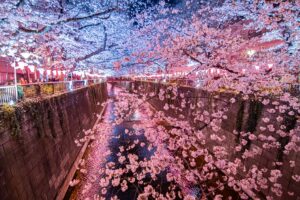
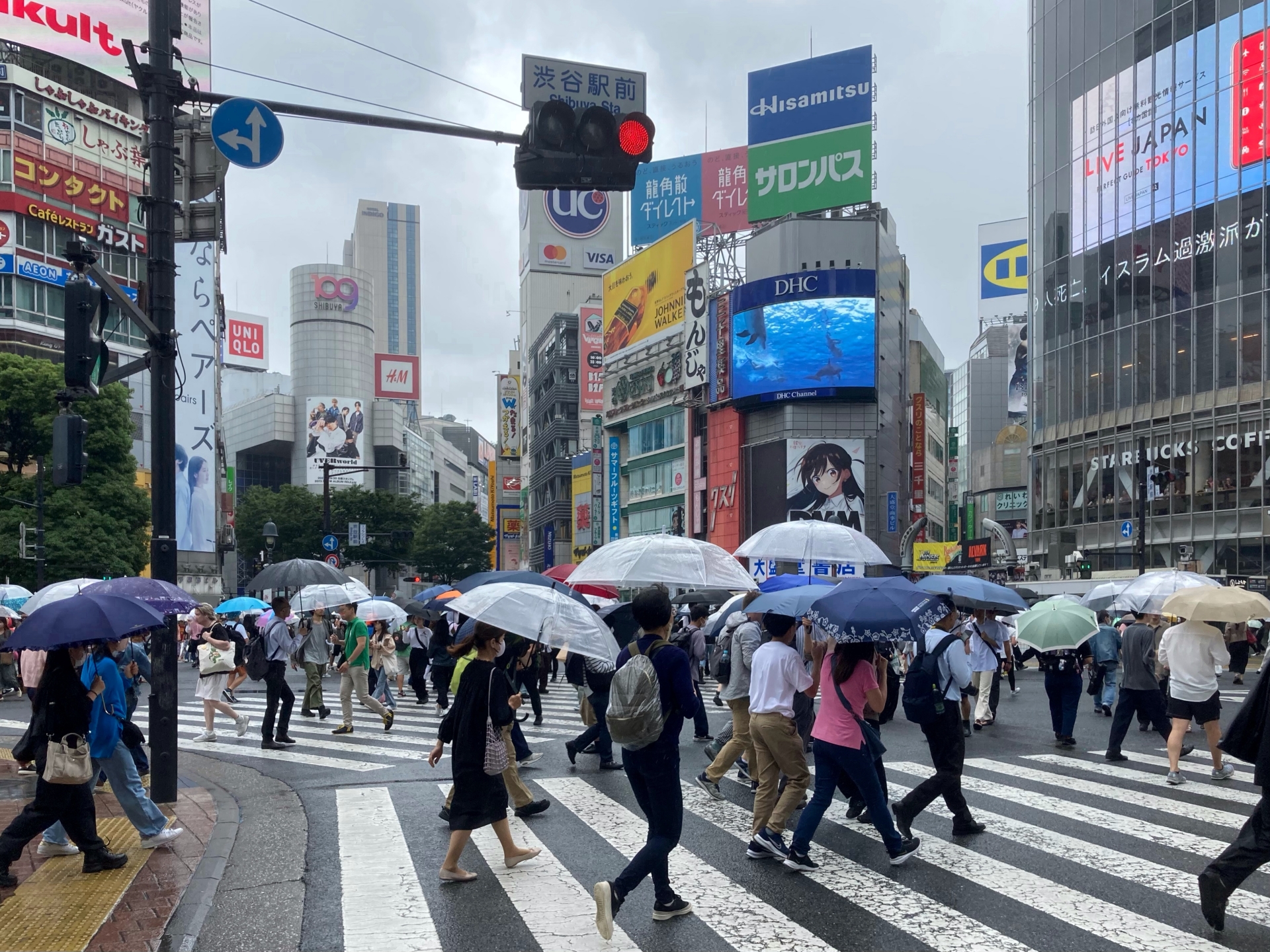
Japan’s rainy season, known as tsuyu, can seem intimidating for travelers—but it’s far from a dealbreaker. With fewer crowds, lush landscapes, and unique seasonal beauty like hydrangeas in bloom, this time of year offers a completely different side of Japan. This guide covers everything you need to know, from weather patterns to travel tips and the best places to visit during the rainy season.


What Is the Rainy Season in Japan?
The rainy season in Japan, called tsuyu (梅雨), is a distinct early-summer weather pattern characterized by frequent rainfall, high humidity, and overcast skies. It typically occurs between May and July, depending on the region. This seasonal phenomenon is caused by the collision of cold air masses from the north and warm, moist air from the Pacific Ocean, forming a stationary front that brings persistent rain across much of the country.
Unlike tropical monsoons, Japan’s rainy season is not constant downpour all day. Instead, it features a mix of drizzle, cloudy weather, and intermittent heavier showers. The intensity and duration vary significantly depending on location. For example, southern regions like Okinawa experience the rainy season earlier, while northern areas like Hokkaido are largely unaffected.
Understanding tsuyu is essential for travelers planning a visit during this time. While it may sound inconvenient, it also transforms Japan into a lush, green landscape with vibrant seasonal flowers and a quieter, more relaxed atmosphere compared to peak travel seasons.
When Does the Rainy Season Start and End?
The timing of Japan’s rainy season varies by region, generally moving from south to north. While dates shift slightly each year due to weather patterns, the following table provides a reliable guideline:
| Region | Start (Approx.) | End (Approx.) |
| Okinawa | Early May | Late June |
| Tokyo | Early June | Mid July |
| Kyoto | Early June | Mid July |
| Osaka | Early June | Mid July |
| Hokkaido | No distinct rainy season |
It’s important to note that these dates are averages. Some years may see earlier or later starts, and the duration can fluctuate. Travelers should always check forecasts closer to their departure date for the most accurate expectations.
Because the rainy front gradually moves northward, you may be able to plan your itinerary strategically—for example, visiting Okinawa before the rains begin or heading to Hokkaido to avoid them entirely.
Does It Rain All Day in Japan During Tsuyu?
A common misconception is that it rains constantly during Japan’s rainy season. In reality, this is not the case. While there are frequent rainy days, it rarely pours nonstop from morning to night. Instead, the weather tends to alternate between light drizzle, cloudy skies, and occasional heavier bursts of rain.
On average, you can expect rain on about 40–60% of days during peak tsuyu. However, even on rainy days, there are often dry windows where sightseeing is still possible. Many travelers find they can comfortably explore in the morning before showers arrive later in the day.
This variability means that flexibility is key. With a well-planned itinerary and backup indoor activities, you can still enjoy a full travel experience. In fact, the softer lighting and reflective surfaces after rain can enhance photography, especially in traditional areas and gardens.
Is It Worth Visiting Japan During the Rainy Season?
Deciding whether to visit Japan during the rainy season depends largely on your travel priorities. If you value clear skies and outdoor adventures like hiking Mount Fuji, this may not be the ideal time. However, if you’re open to a more relaxed pace and unique seasonal charm, tsuyu can be surprisingly rewarding.
The rainy season offers a different perspective on Japan—one that is quieter, greener, and often more atmospheric. Temples surrounded by mist, rain-soaked streets reflecting lantern light, and blooming hydrangeas create a poetic ambiance that many travelers find unforgettable.
Ultimately, it’s not about whether the rainy season is “good” or “bad,” but whether it aligns with your expectations. With proper preparation, it can be an excellent time to visit—especially for those looking to avoid crowds and experience a more authentic side of Japan.
Pros of Visiting During Rainy Season
One of the biggest advantages of traveling during the rainy season is the reduced number of tourists. Popular destinations like Kyoto and Tokyo are noticeably less crowded, allowing for a more relaxed and intimate experience. This also means shorter lines, easier reservations, and better opportunities for photography without large crowds.
Another major benefit is cost. Flights and accommodations are often cheaper compared to peak seasons like spring (cherry blossoms) and autumn (fall foliage). This makes tsuyu an attractive option for budget-conscious travelers.
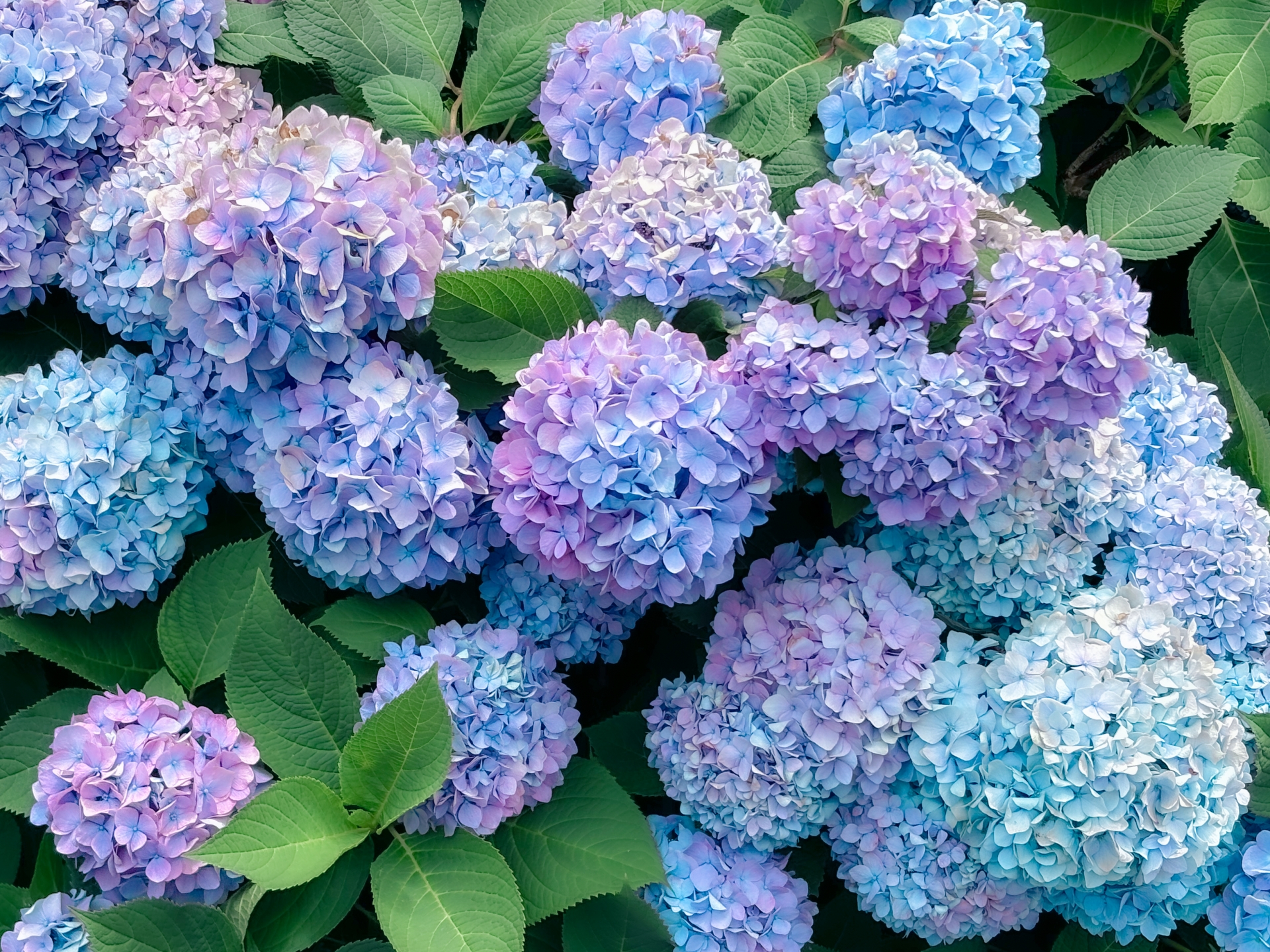
Nature is also at its most vibrant during this time. The rain nourishes lush greenery, and flowers like hydrangeas (ajisai) bloom in stunning clusters across temples and gardens. These seasonal highlights create unique photo opportunities that are unavailable at other times of the year.
Cons of Visiting During Rainy Season
Despite its advantages, the rainy season does come with challenges. High humidity can be uncomfortable, especially for those not accustomed to it. Temperatures are warm, but the moisture in the air can make it feel hotter and stickier than expected.
Unpredictable rain showers can also disrupt outdoor plans. While it doesn’t rain all day, sudden downpours may require you to adjust your itinerary on short notice. This can be frustrating if your schedule is tightly packed.
Visibility is another concern, particularly for scenic spots like Mount Fuji. Cloud cover often obscures views, making it difficult to enjoy iconic landscapes. Travelers who prioritize clear, panoramic views may find this disappointing.
Best Places to Visit in Japan During Rainy Season
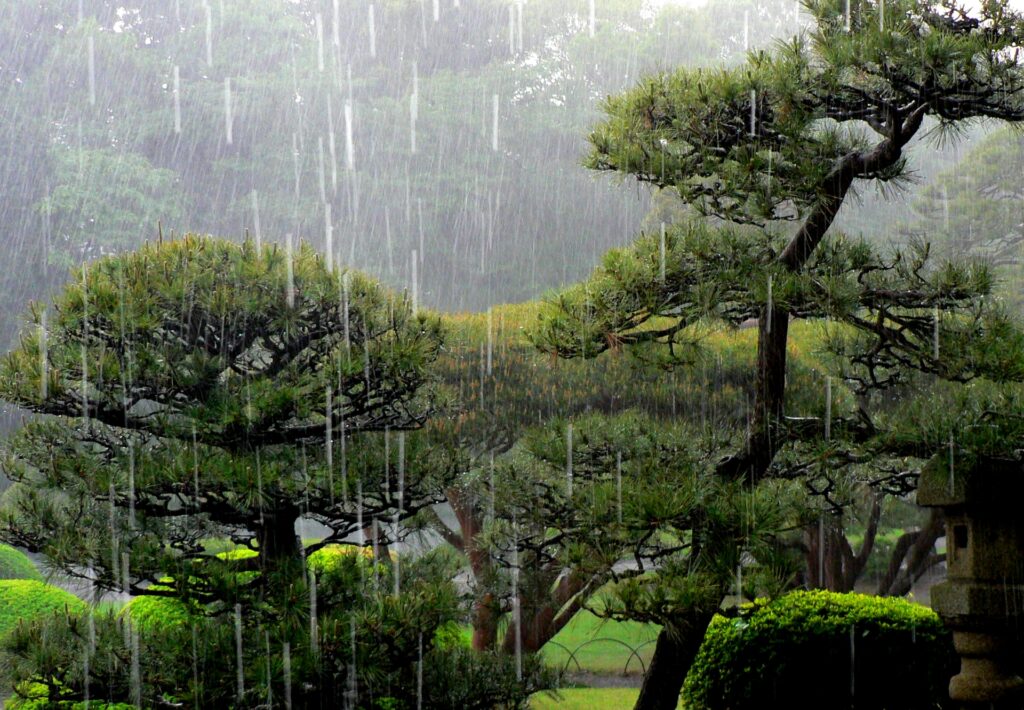
While some destinations are less appealing in the rain, others truly come alive. The key is to focus on locations where rain enhances the atmosphere rather than detracts from it. From serene temples to vibrant cityscapes, Japan offers plenty of options for rainy season travel.
Best Cities for Rainy Season Travel
Tokyo is an excellent choice thanks to its abundance of indoor attractions. From world-class museums and shopping complexes to themed cafes and observation decks, there’s no shortage of things to do regardless of the weather. Its extensive underground networks also make it easy to get around without getting wet.
Kyoto, on the other hand, becomes especially magical in the rain. The combination of historic temples, moss gardens, and misty mountain backdrops creates a tranquil and photogenic environment. Rain often enhances the beauty of traditional architecture and garden landscapes.
Osaka is ideal for food lovers. Its covered shopping arcades and vibrant indoor dining scene allow you to enjoy the city comfortably. Street food areas and markets remain lively even in wet conditions, making it a great destination during tsuyu.
Best Nature & Scenic Spots
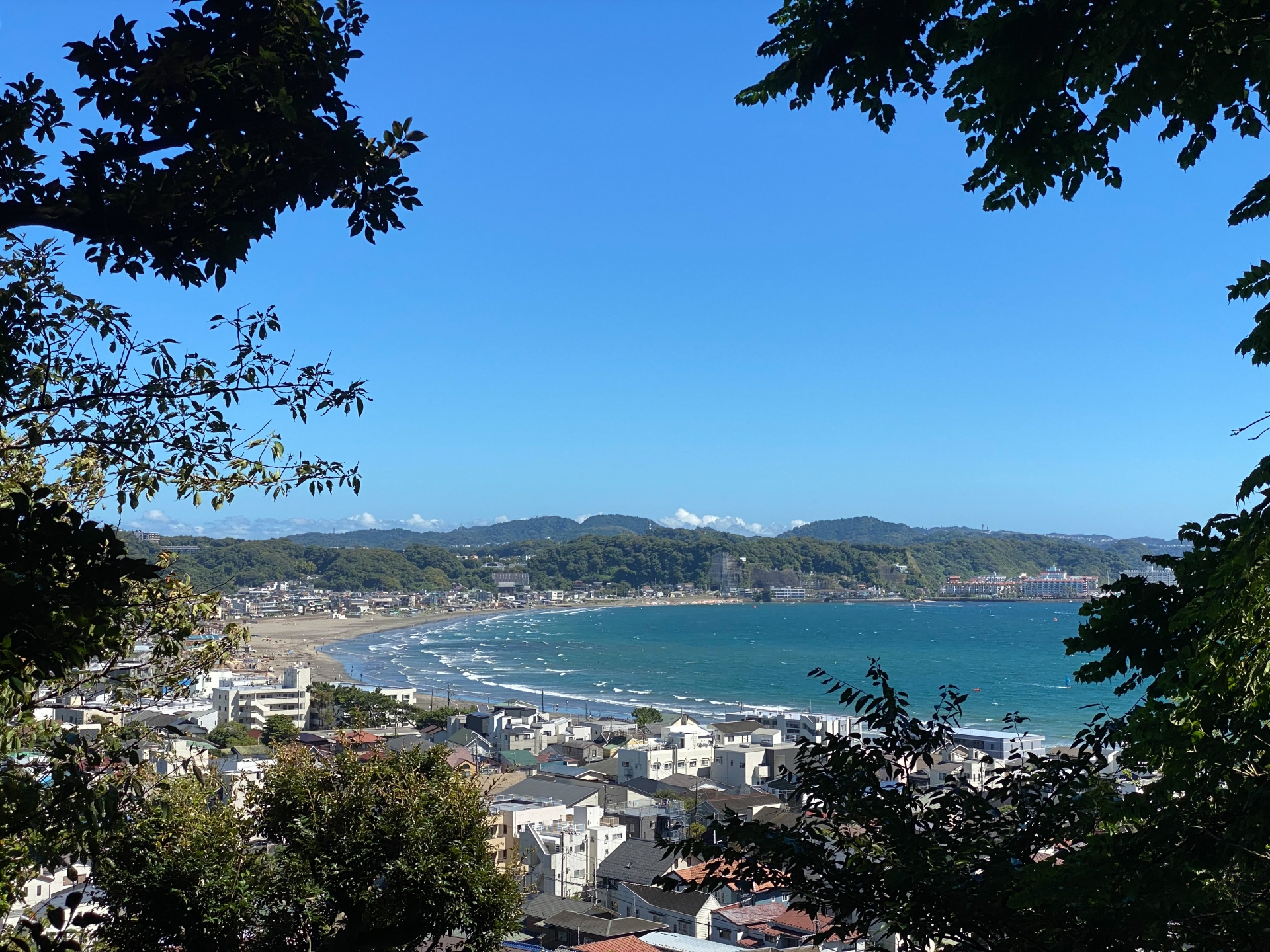
Rainy season is the perfect time to visit hydrangea spots, which bloom beautifully during this period. Areas like Kamakura and Hakone are famous for their colorful displays, often set against temples and forested hills.
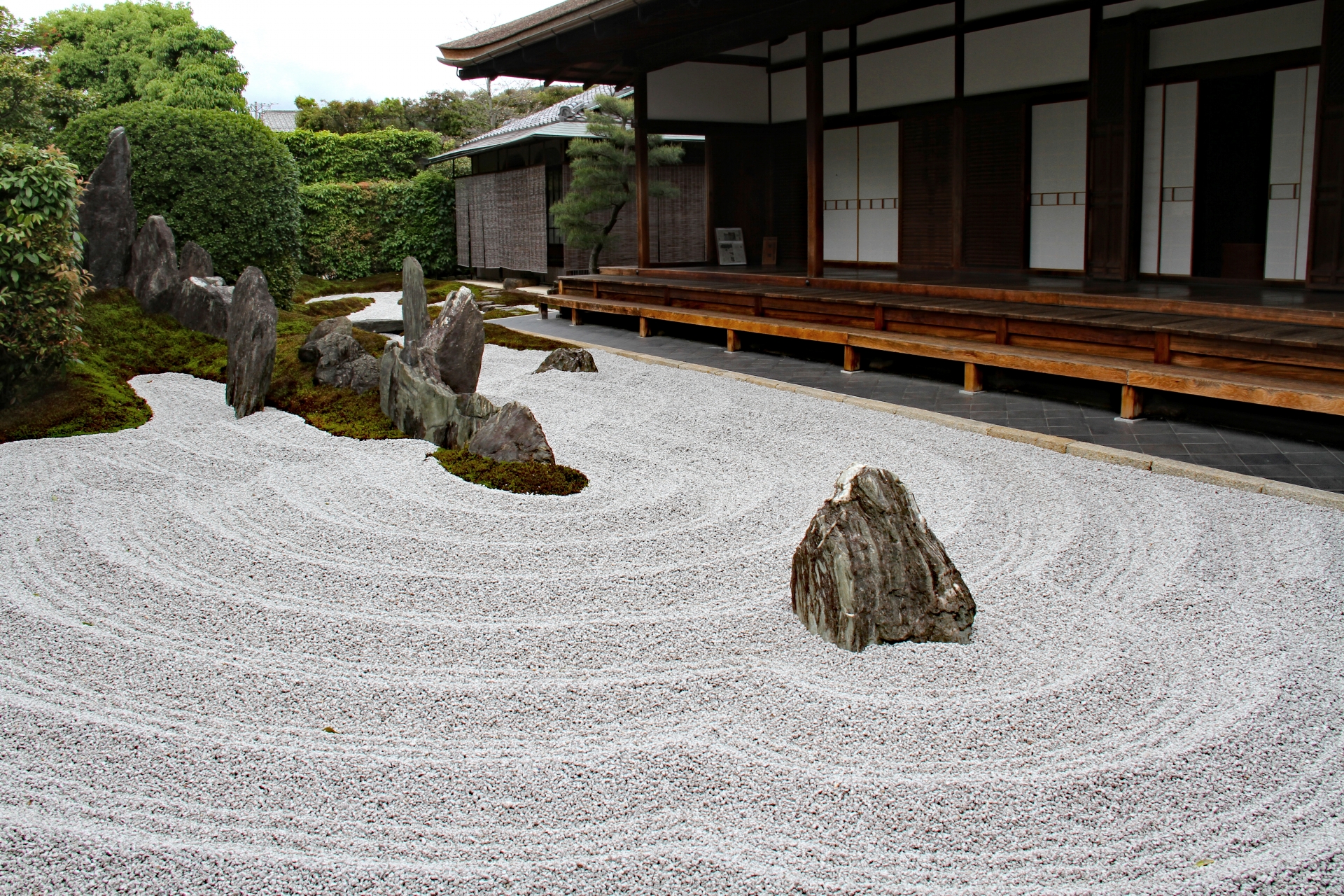
Moss gardens, particularly in Kyoto, are another highlight. The rain intensifies the green hues, creating a serene and almost otherworldly atmosphere. These locations are especially appealing for photographers and nature lovers.
Photo-worthy rainy season spots:
- Hydrangea temples in Kamakura
- Karesansui Gardens in Kyoto
- Forest trails in Hakone
- Rainy shrine pathways with lantern reflections
These destinations prove that rain can enhance, rather than diminish, the travel experience.
What to Pack for Japan’s Rainy Season
Packing smart is essential for enjoying your trip during tsuyu. The goal is to stay dry, comfortable, and adaptable to changing weather conditions.
Essential Items Checklist
Here’s a practical packing list to help you prepare:
| Item | Why You Need It |
| Lightweight rain jacket | Easy to carry and breathable |
| Foldable umbrella | Convenient for sudden showers |
| Waterproof shoes | Keeps feet dry during long walks |
| Quick-dry clothing | Dries faster in humid conditions |
| Portable towel | Useful for drying off quickly |
| Dehumidifying products | Helps manage moisture in luggage |
These items will make a significant difference in your comfort level throughout your trip.
What to Wear in Rainy Season
Clothing choices can greatly impact your experience. Opt for breathable fabrics like cotton or linen to stay cool in humid weather. Layering is also important, as temperatures can fluctuate between warm days and cooler, rainy periods.
Avoid heavy materials like denim, which take a long time to dry and can become uncomfortable when wet. Instead, choose lightweight, moisture-wicking fabrics that dry quickly.
Footwear is especially important—waterproof or water-resistant shoes are highly recommended. Comfort and practicality should take priority over style during this season.
Things to Do in Japan on Rainy Days
Rain doesn’t have to limit your activities. In fact, Japan offers a wide range of indoor and cultural experiences that are perfect for wet weather.
Indoor Activities
Museums are a top choice, offering everything from traditional art to modern digital exhibitions. Shopping is another popular option, particularly in department stores and underground malls, which are designed for convenience regardless of weather.
Cafes also play a big role in Japanese culture. Spending time in a cozy cafe while watching the rain can be a relaxing and memorable experience. Many establishments offer unique themes or scenic views, adding to the appeal.
Cultural Experiences Perfect for Rainy Days
Rainy days are ideal for immersing yourself in Japanese culture. Participating in a traditional tea ceremony allows you to slow down and appreciate the moment, aligning perfectly with the calm atmosphere of tsuyu.
Onsen (hot springs) are another excellent option. Soaking in warm mineral water while listening to the rain creates a deeply relaxing experience that many travelers consider a highlight of their trip.
You can also explore traditional crafts, such as pottery or calligraphy workshops. These hands-on activities provide a deeper understanding of Japanese culture and are unaffected by weather conditions.
Travel Tips to Survive and Enjoy the Rainy Season
A successful trip during the rainy season comes down to preparation and mindset. With the right strategies, you can turn potential inconveniences into memorable experiences.
Smart Travel Strategies
Flexibility is key. Avoid overpacking your itinerary and leave room for adjustments based on weather conditions. Starting your day early can help you take advantage of clearer skies before afternoon showers.
Make use of Japan’s excellent infrastructure, including underground walkways and covered shopping streets. These allow you to move around comfortably even during heavy rain.
Checking weather forecasts regularly will help you plan your days more effectively and avoid surprises.
Common Mistakes to Avoid
One common mistake is overpacking, especially bulky clothing that becomes uncomfortable in humid conditions. Travelers also often underestimate the impact of humidity, which can make even moderate temperatures feel intense.
Another frequent issue is failing to check the weather daily. Conditions can change quickly, and staying informed is essential for making the most of your time.
Finally, some travelers stick too rigidly to their plans. Being adaptable and open to change will greatly improve your experience during the rainy season.
Final Thoughts: Should You Visit Japan in the Rainy Season?
The rainy season in Japan is not the “perfect” time to visit—but it might be the right time for you. If you’re looking for fewer crowds, lower prices, and unique seasonal beauty, it can be an excellent choice.
However, if your priority is clear skies, outdoor adventures, or iconic views like Mount Fuji, you may want to consider another season.Ultimately, tsuyu offers a different kind of travel experience—one that is quieter, more reflective, and deeply atmospheric. With the right expectations and preparation, it can become one of the most memorable trips you’ll ever take.