Tsukudani is a traditional Japanese preserved side dish made by simmering ingredients like seaweed, seafood, or vegetables in soy sauce, sugar, and mirin. Known for its rich, sweet-savory flavor, it has been enjoyed for centuries alongside rice. This guide covers everything from its taste and ingredients to its history, how it’s made, and how to enjoy it.


What Is Tsukudani?
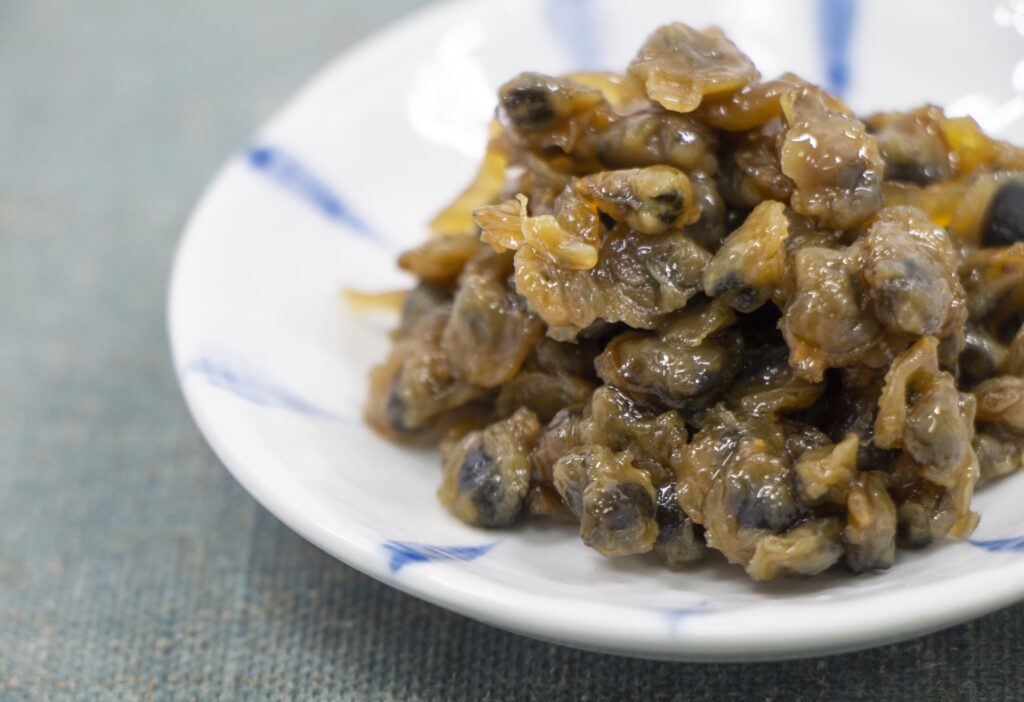
Tsukudani (pronounced tsu-ku-da-ni) is a classic Japanese preserved side dish made by slowly simmering ingredients in a mixture of soy sauce, sugar, and mirin. This cooking method reduces the liquid into a thick, glossy coating that intensely seasons the ingredients while extending their shelf life. Traditionally, tsukudani includes items such as seaweed, small fish, shellfish, or vegetables.
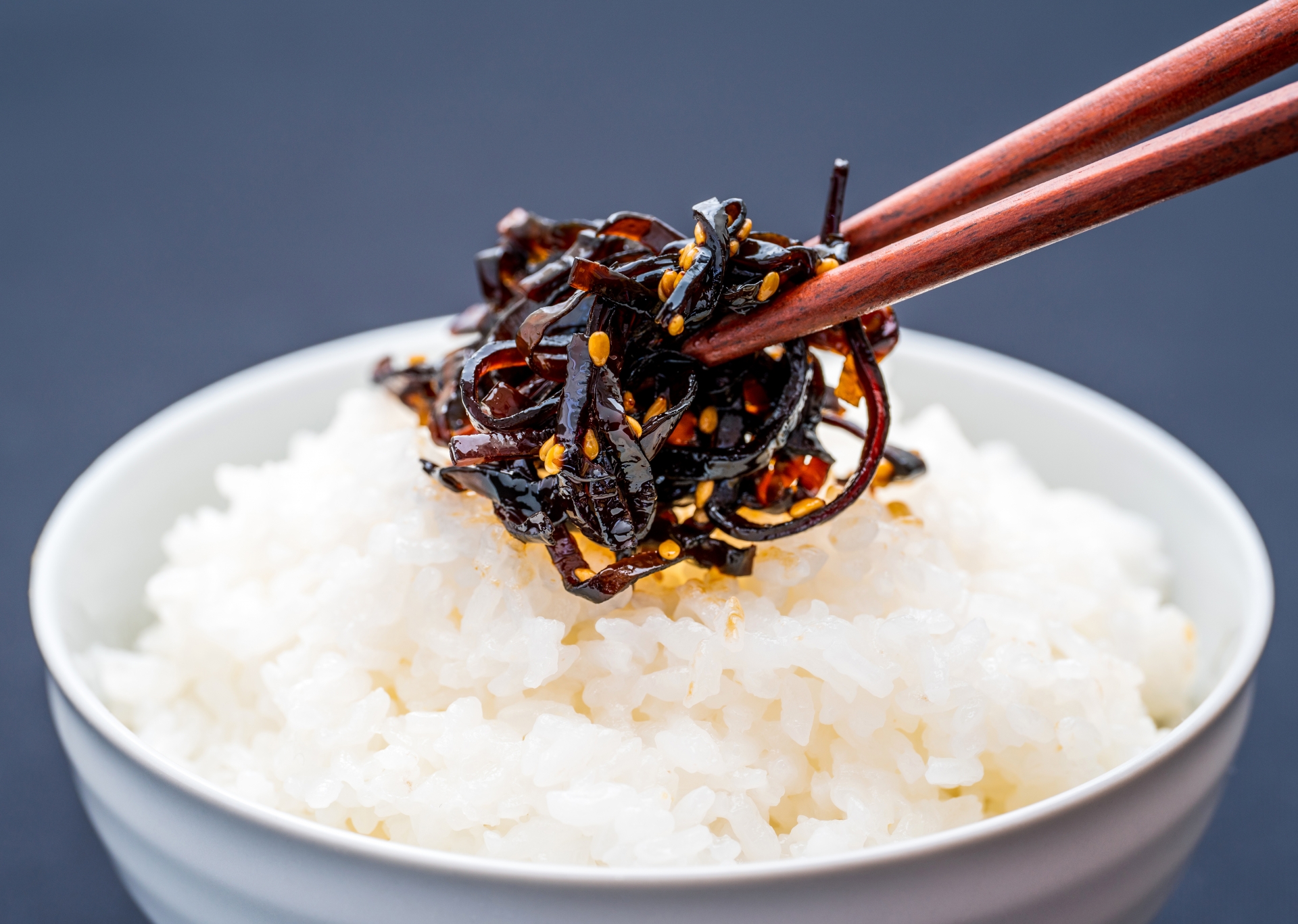
What makes tsukudani unique is its concentrated flavor profile—deeply savory, slightly sweet, and rich in umami. Because of its bold taste, it is typically served in small portions as a complement to plain white rice. The simplicity of rice allows tsukudani’s strong seasoning to shine, creating a balanced and satisfying bite.
Historically, tsukudani developed as a way to preserve food before refrigeration was available. Today, it remains a staple in Japanese cuisine, enjoyed both at home and as a convenient store-bought side dish. For beginners, you can think of tsukudani as a “savory Japanese preserve” that enhances everyday meals.
What Does Tsukudani Taste Like?
Tsukudani has a bold and concentrated flavor that is often described as a cross between a savory jam and a richly seasoned relish. The combination of soy sauce and sugar creates a balance of saltiness and sweetness, while ingredients like seaweed or seafood add layers of umami depth.
Because it is cooked down until most of the liquid evaporates, the taste becomes quite intense. A small amount goes a long way, which is why it is rarely eaten on its own. Instead, it’s meant to complement neutral foods like rice.
The texture varies depending on the main ingredient. Seaweed-based tsukudani is usually soft and tender, sometimes slightly slippery. Fish-based varieties can be a bit chewy, especially when made with small dried fish. In all cases, the final product tends to be slightly sticky due to the reduced sauce.
Overall, tsukudani delivers a powerful punch of flavor—salty, sweet, and umami-rich—all in one bite.
What Is Tsukudani Made Of?
Common Ingredients
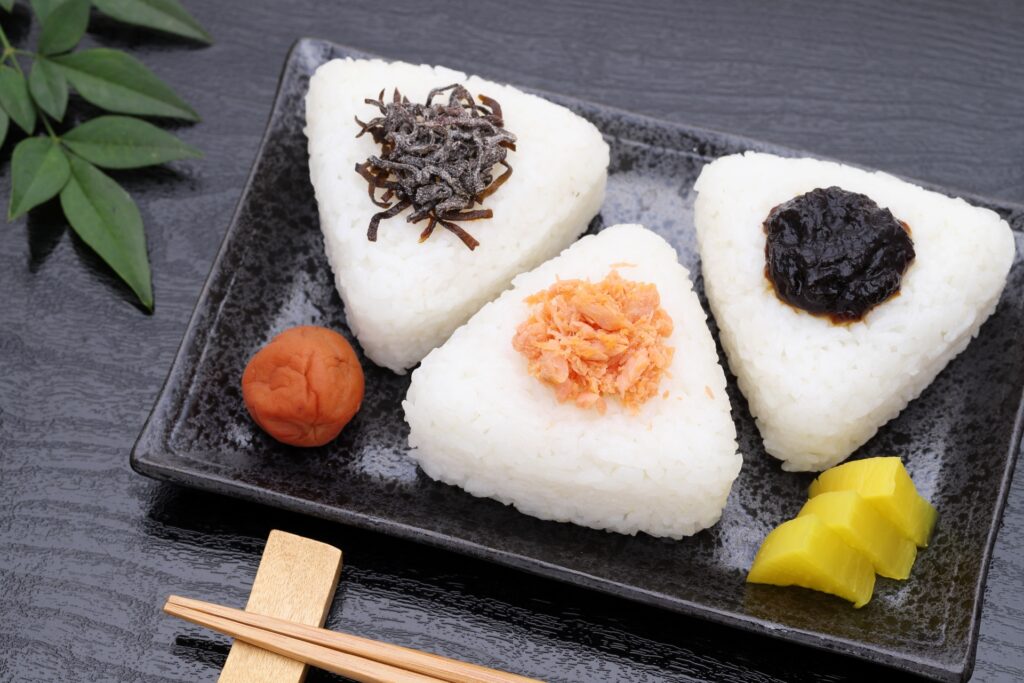
Tsukudani can be made from a wide variety of ingredients, but they generally fall into three main categories: seaweed, seafood, and vegetables. Popular seaweed options include kombu (kelp) and nori, both of which absorb the seasoning well and provide a deep umami flavor. Seafood varieties often use small fish like anchovies, shrimp, or clams, while vegetable-based versions may include mushrooms or mountain vegetables.
Regardless of the main ingredient, the cooking base is typically the same: soy sauce, sugar, and mirin (a sweet rice wine). These ingredients are simmered together over low heat until the liquid reduces and thickens, coating the food in a glossy glaze.
Recipes can vary widely depending on region and household traditions. Some may add sake, ginger, or chili for additional flavor. This flexibility is part of what makes tsukudani such a diverse and enduring dish in Japanese cuisine.
Popular Types of Tsukudani
| Type | Main Ingredient | Taste | Texture |
| Kombu Tsukudani | Kelp | Deep umami, slightly sweet | Tender, slightly chewy |
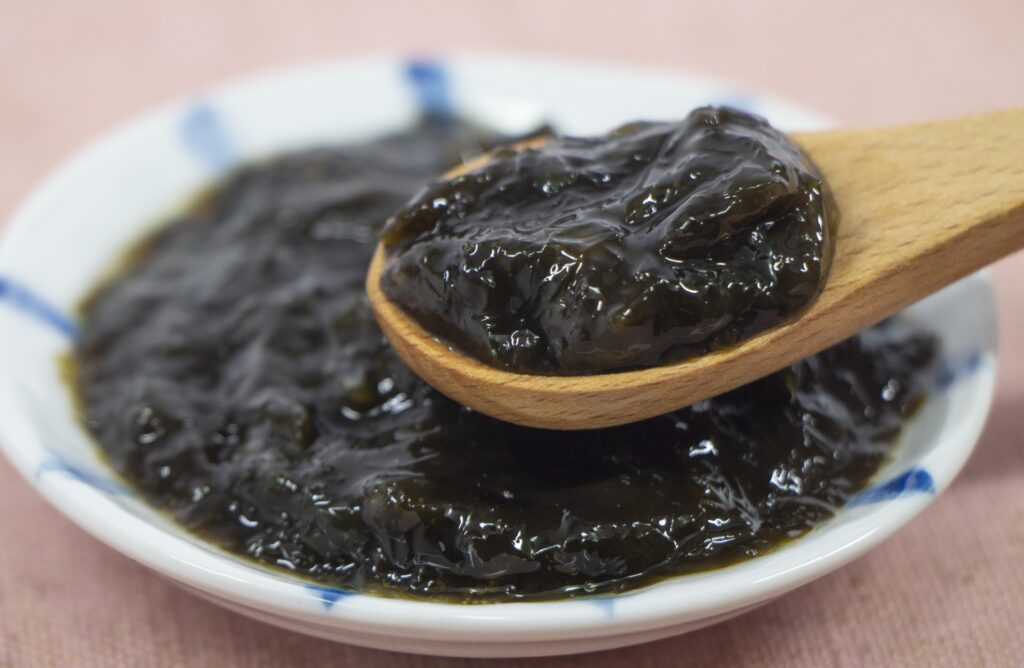
| Nori Tsukudani | Seaweed | Sweet, salty, rich | Soft, paste-like |
| Chirimen Tsukudani | Tiny fish | Savory, slightly fishy, sweet | Chewy, slightly firm |
Kombu tsukudani is one of the most traditional types, offering a balanced umami flavor that pairs perfectly with rice. Nori tsukudani has a smoother, almost spreadable consistency, making it popular for rice bowls. Chirimen tsukudani, made with tiny dried fish, has a more pronounced seafood taste and a firmer bite.
How Is Tsukudani Made? (Simple Cooking Method)
Making tsukudani at home is surprisingly simple and requires only a few basic ingredients. The process focuses on slowly reducing a seasoned liquid to intensify flavor and preserve the food.
Here is a simple and beginner-friendly recipe you can try at home:
Basic Tsukudani Recipe (Kombu Example)
Ingredients:
- 100g kombu (kelp), rehydrated and sliced
- 3 tablespoons soy sauce
- 2 tablespoons sugar
- 2 tablespoons mirin
- 2 tablespoons sake (optional)
- 100 ml water
Instructions:
- Prepare the kombu by soaking it in water until soft, then slice into thin strips.
- Add the kombu, water, soy sauce, sugar, mirin, and sake into a pot.
- Bring to a gentle simmer over low heat.
- Cook slowly, stirring occasionally, until most of the liquid evaporates.
- Continue cooking until the mixture becomes glossy and slightly sticky.
- Let it cool before serving or storing.
The key to tsukudani is reducing the liquid until the flavors are fully concentrated. The result should not be watery but coated in a thick, rich glaze.
This method not only enhances taste but also acts as a natural preservation technique, thanks to the high salt and sugar content.
How Do You Eat Tsukudani?
Tsukudani is typically eaten in small portions due to its strong flavor. The most common way to enjoy it is alongside plain white rice, where it acts as a flavor booster. The contrast between the mildly flavored rice and the intense tsukudani creates a well-balanced bite.
It is also frequently included in bento boxes as a side dish, adding variety and depth to the meal. Another popular use is as a filling for onigiri (rice balls), where it provides a flavorful center.
Culturally, tsukudani reflects the simplicity of Japanese meals. Rather than overwhelming the plate, it enhances the natural taste of staple foods like rice. Because of this, it pairs best with mild dishes and is rarely eaten in large quantities.
Tsukudani vs Nimono: What’s the Difference?
Tsukudani and nimono are both simmered Japanese dishes, but they serve very different purposes. Tsukudani is designed for preservation and has a strong, concentrated flavor. Nimono, on the other hand, is a lightly simmered everyday dish meant to be eaten fresh.
| Feature | Tsukudani | Nimono |
| Purpose | Preservation | Everyday dish |
| Flavor | Strong, sweet-salty | Mild, balanced |
| Texture | Concentrated, reduced | Juicy, brothy |
| Shelf Life | Long | Short |
In short, tsukudani is more intense and long-lasting, while nimono is lighter and more delicate.
The History of Tsukudani
Tsukudani dates back to the Edo period (1603–1868) in Japan. Its name comes from Tsukuda Island in Tokyo, which corresponds to the present-day Tsukuda area in Chuo City, Tokyo. Fishermen in this area developed the method as a way to preserve seafood.
By cooking fish in soy sauce and sugar, they were able to extend its shelf life without refrigeration. This technique was both practical and flavorful, allowing it to spread quickly throughout Japan.
Over time, different regions adapted the method using local ingredients, resulting in the wide variety of tsukudani available today.
In modern Japan, tsukudani remains a household staple and is also widely sold as a souvenir, especially in regions known for seaweed or seafood. Its long history and cultural significance make it an essential part of Japanese food culture.

Is Tsukudani Healthy?
Tsukudani can be both nutritious and high in certain ingredients, depending on how it is consumed. On the positive side, seaweed-based varieties are rich in minerals like iodine and calcium, while fish-based types provide protein and essential nutrients.
However, tsukudani is also high in sodium due to the soy sauce and often contains added sugar. Because of this, it is best enjoyed in moderation.
Rather than serving as a main dish, tsukudani works best as a flavor enhancer. A small amount can add significant taste to a meal without overwhelming your diet.
Is Tsukudani Vegetarian or Vegan?
Whether tsukudani is vegetarian or vegan depends on the ingredients used. Seaweed-based varieties like kombu or nori tsukudani are typically vegan-friendly, as they rely entirely on plant-based ingredients.
However, many tsukudani types include seafood such as fish, shrimp, or clams. Additionally, some recipes may use dashi (a fish-based broth), which is not vegetarian.
For those following a plant-based diet, it’s important to check ingredient labels carefully. Choosing seaweed-based options is usually the safest choice.
Where to Buy Tsukudani in Japan
If you’re visiting Japan, tsukudani is easy to find and makes a great souvenir. It is commonly sold in supermarkets, where you’ll find a wide range of affordable options. Convenience stores also carry smaller packages, perfect for trying it out.
For higher-quality or regional specialties, visit department store food halls or specialty shops. These locations often offer premium tsukudani made with local ingredients.
Packaging typically includes small jars or vacuum-sealed packs, making it easy to transport. Because of its long shelf life, tsukudani is a convenient and authentic gift to bring home.
How Long Does Tsukudani Last?
One of tsukudani’s key features is its long shelf life. While the exact duration varies depending on the product and ingredients, commercially packaged tsukudani typically lasts about 3 to 6 months when unopened.
This extended shelf life is made possible by the preserving effects of soy sauce, sugar, and the reduction process, which limits moisture and inhibits bacterial growth.
Once opened, however, tsukudani should be stored in the refrigerator and consumed within a shorter period. Always follow the expiration date and storage instructions on the packaging.
Proper storage helps maintain both the flavor and safety of the product.
Tsukudani vs Furikake: What’s the Difference?
Both tsukudani and furikake are used to enhance rice, but they are quite different in form and function.
| Feature | Tsukudani | Furikake |
| Texture | Moist, sticky | Dry, flaky |
| Usage | Side dish | Rice topping |
| Flavor | Strong, concentrated | Light, varied |
Tsukudani is a wet, richly flavored side dish, while furikake is a dry seasoning sprinkled over rice. Each offers a different way to elevate a simple bowl of rice.
Final Thoughts: Why You Should Try Tsukudani
Tsukudani is a small dish with a big impact. Its rich, sweet-savory flavor and long history make it a unique part of Japanese cuisine. For beginners, it’s an easy way to experience authentic Japanese flavors without needing complex cooking techniques.
If you’re trying tsukudani for the first time, start with nori or kombu varieties, as they are mild and approachable. Pair it with plain rice to fully appreciate its depth of flavor.
Whether you’re exploring Japanese food culture or simply looking for a new way to enhance your meals, tsukudani is definitely worth trying.