Nagasaki Peace Park is not just a place to visit—it is a place to reflect. Many first-time visitors misunderstand what “Peace Park” actually refers to and how it connects to nearby sites like the hypocenter, Urakami Cathedral, and the Atomic Bomb Museum.
This guide explains not only what to see, but how these places fit together—so you can experience Nagasaki’s history in a meaningful and respectful way.


What Is Nagasaki Peace Park? (And What It Is Not)
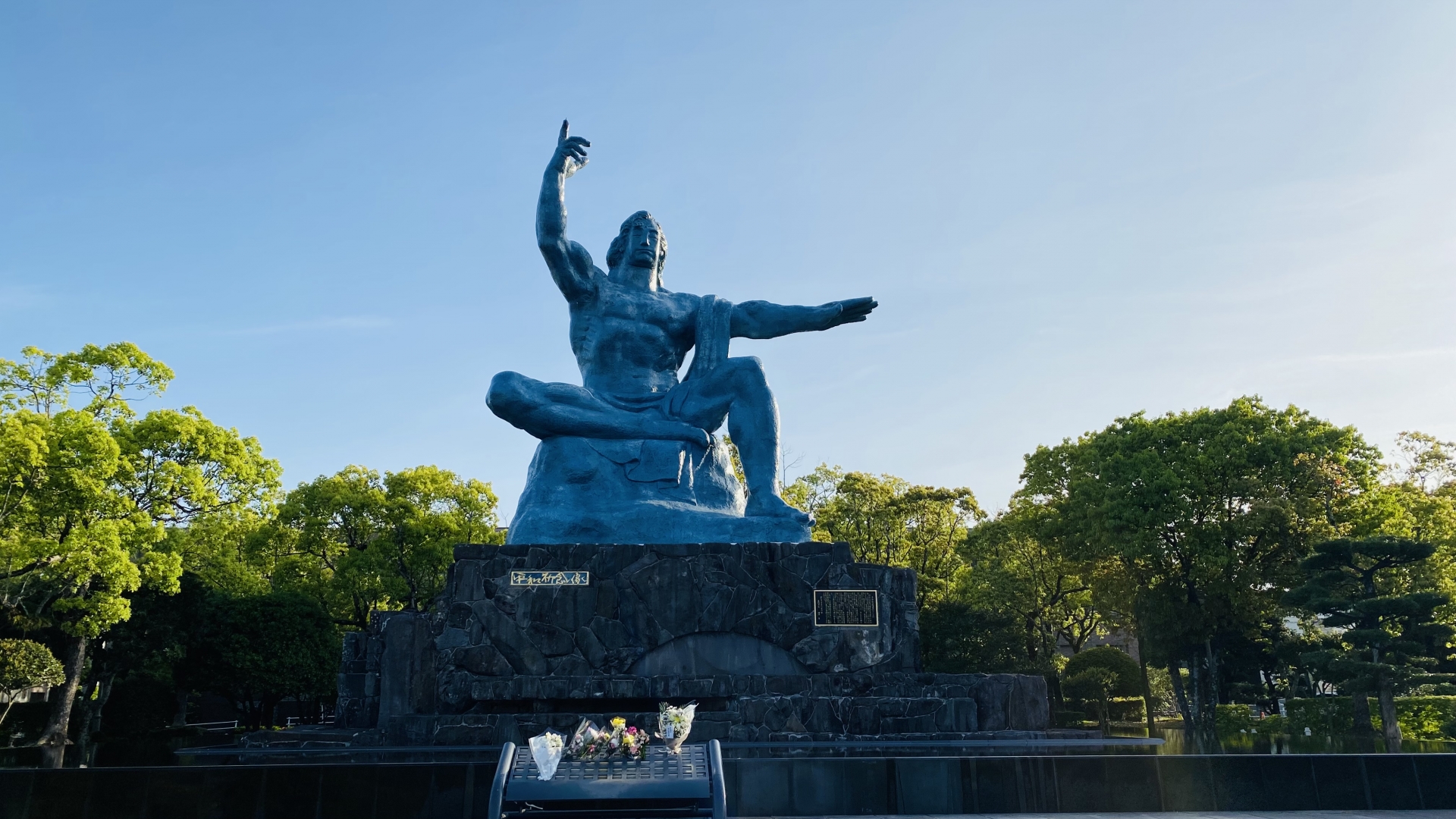
Nagasaki Peace Park is often misunderstood as the entire memorial area related to the atomic bombing. In reality, it refers specifically to the symbolic park centered around the iconic Peace Statue. This distinction is important for visitors who want to fully understand the historical and emotional landscape of Nagasaki.
The narrow definition of Nagasaki Peace Park includes the statue, the Fountain of Peace, and surrounding symbolic monuments. This area is designed as a space for prayer, reflection, and international messages of peace.
However, the broader memorial area extends beyond the park. It includes the Atomic Bomb Hypocenter, the Nagasaki Atomic Bomb Museum, and the Peace Memorial Hall. These locations together form what can be understood as a “memorial landscape”—a connected set of places that collectively tell the story of destruction, remembrance, and hope.
Peace Park at a Glance
- Location: Northern Nagasaki, in the Urakami district
- Main features: Peace Statue, Fountain of Peace, international monuments
- Represents: Prayer for peace and remembrance of atomic bomb victims
Understanding this distinction helps avoid a common mistake: visiting only the park and missing the deeper historical context found in nearby sites.
Why Nagasaki Peace Park Matters
Nagasaki Peace Park serves as both a site of remembrance and a global symbol of the desire to eliminate nuclear weapons. It is not simply a tourist attraction—it is a place where history, memory, and moral reflection intersect.
Visitors come here not just to see monuments, but to understand the consequences of nuclear warfare and the human stories behind it. The park represents a collective commitment to peace, expressed through art, architecture, and silence.
The concept of a “memorial landscape” is especially important in Nagasaki. Unlike a single monument, the meaning of this place unfolds across multiple locations. The Peace Park provides symbolic expression, while nearby sites present historical facts and personal narratives.
This layered experience encourages visitors to move beyond passive observation and engage emotionally and intellectually. It transforms a visit into an act of remembrance.
What to See at Nagasaki Peace Park
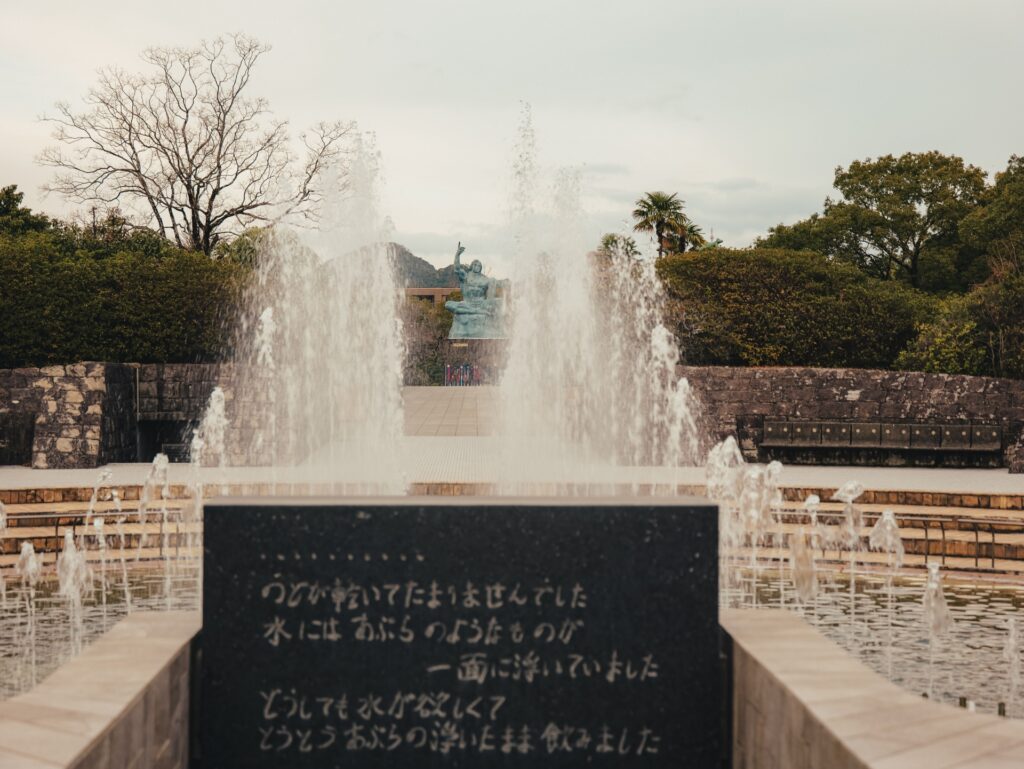
Before focusing on specific landmarks, it’s important to approach the park with the right mindset: understanding meaning comes before taking photos. Each element in the park carries symbolic weight.
| Landmark | Meaning | Time Needed |
| Peace Statue | Prayer and warning | 10–15 min |
| Fountain of Peace | Memory of victims seeking water | 5–10 min |
| International Monuments | Global unity for peace | 15–20 min |
The Peace Statue
The Peace Statue is the central feature of the park and one of the most recognizable symbols of Nagasaki. Every aspect of the statue is carefully designed to convey meaning.
- Right hand pointing upward: A warning of the nuclear threat
- Left hand extended horizontally: A gesture of peace
- Closed eyes: Prayer for the victims
- Seated posture: Balance between action and contemplation
Rather than simply representing peace, the statue embodies a dual message: a warning against nuclear weapons and a call for harmony. Visitors are encouraged to pause and interpret these elements, rather than just viewing it as a photo spot.
The Fountain of Peace
The Fountain of Peace is one of the most emotionally powerful features in the park. It commemorates victims who suffered severe burns and desperately searched for water after the bombing.
The design incorporates flowing water as a symbol of relief and remembrance. Many visitors find this space particularly moving because it connects directly to personal human experiences rather than abstract symbolism.
It is a place where silence feels natural, and reflection deepens.
International Monuments and Peace Symbols
Throughout the park, you will find monuments donated by countries from around the world. These represent international solidarity and a shared commitment to peace.
| Country/Region | Symbolism |
| Various nations | Unity against nuclear weapons |
| Sculptural works | Cultural interpretations of peace |
These monuments are often overlooked, but they add an important global dimension to the park. They remind visitors that the message of Nagasaki extends far beyond Japan.
The Hypocenter and Urakami Cathedral: Where History Happened
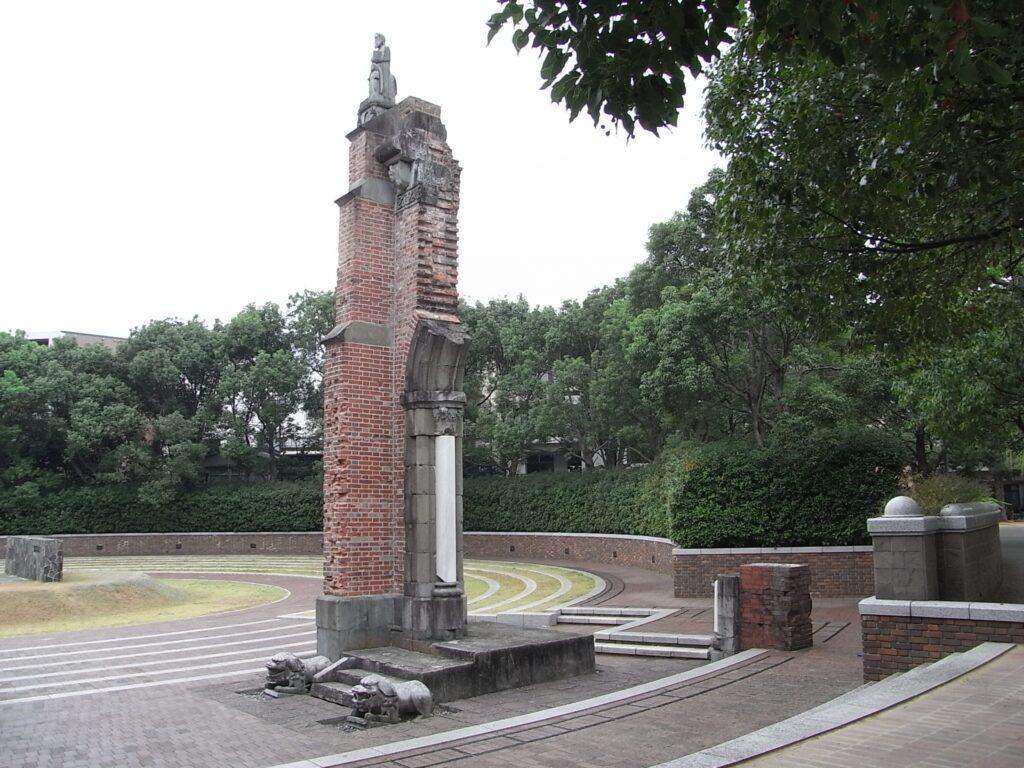
While the Peace Park represents symbolic remembrance, nearby locations show the reality of destruction.
The Atomic Bomb Hypocenter
The hypocenter marks the exact point where the atomic bomb exploded on August 9, 1945. It is located a short walk from the Peace Park but is a separate site.
Standing here provides a stark contrast to the peaceful atmosphere of the park. It grounds the experience in historical reality.
Urakami Cathedral (Before and After the Bomb)
Urakami Cathedral was once one of the largest Catholic churches in East Asia. It stood close to the hypocenter and was completely destroyed in the bombing.
Many worshippers inside the cathedral lost their lives instantly. Today, the rebuilt cathedral and preserved remnants serve as a powerful reminder of the human cost of the event.
What Remains Today
Visitors can see preserved ruins, statues, and the reconstructed cathedral. Visiting both the hypocenter and the cathedral adds depth to your understanding.
This area shows the reality of destruction—not just the symbolism of peace.
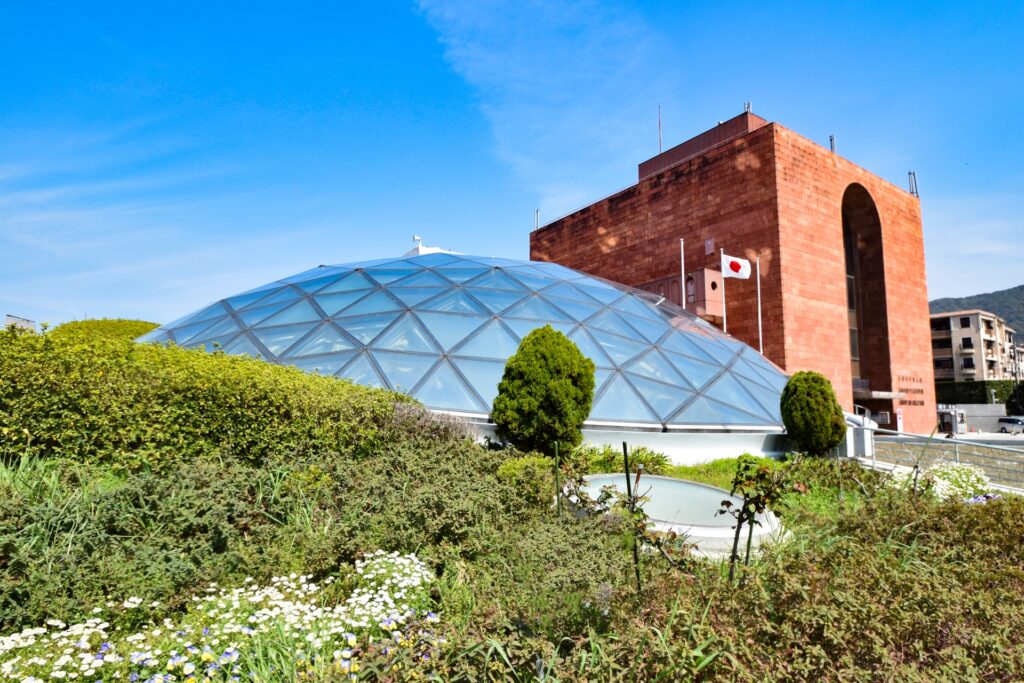
Atomic Bomb Museum vs Peace Memorial Hall: Should You Visit Both?
Both sites are essential, but they serve different purposes.
| Feature | Atomic Bomb Museum | Peace Memorial Hall |
| Focus | History and artifacts | Remembrance and reflection |
| Experience | Educational | Emotional |
| Time needed | 60–90 min | 20–30 min |
The museum provides detailed historical context, while the memorial hall offers a quiet space to reflect on the victims. Visiting both creates a balanced experience.
How to Get to Nagasaki Peace Park
From Nagasaki Station, the most convenient way to reach the park is by tram.
- Take the tram to Peace Park (Heiwa Koen) stop
- Travel time: 10–15 minutes
- From the stop, it’s a short walk to the park
Walking distances between key sites:
- Peace Park → Hypocenter: ~5 minutes
- Peace Park → Museum: ~10 minutes
The area is compact and easy to navigate on foot.
How Long to Spend in the Nagasaki Memorial Area
| Visit Style | Includes | Time |
| Quick visit | Peace Park only | 30–45 min |
| Standard visit | Park + Museum | 2–3 hours |
| In-depth visit | All sites | Half day |
Your experience will vary depending on how deeply you want to engage with the history.
Recommended Self-Guided Route (First-Time Visitors)
Recommended order:
- Hypocenter
- Urakami Cathedral
- Peace Park
- Atomic Bomb Museum
- Peace Memorial Hall
Why this order works:
- Start with facts (hypocenter)
- Witness destruction (cathedral)
- Move to prayer (park)
- Learn history (museum)
- End with reflection (memorial hall)
Suggested Itineraries
- 1 hour: Peace Park only
- 2 hours: Park + Museum
- Half day: Full route
Visitor Etiquette: How to Visit Respectfully
Nagasaki Peace Park is a memorial space, not just a sightseeing destination.
- Keep noise levels low
- Be mindful when taking photos
- Avoid disruptive behavior
- Respect school groups and ceremonies
You don’t need strict rules—just awareness and consideration.
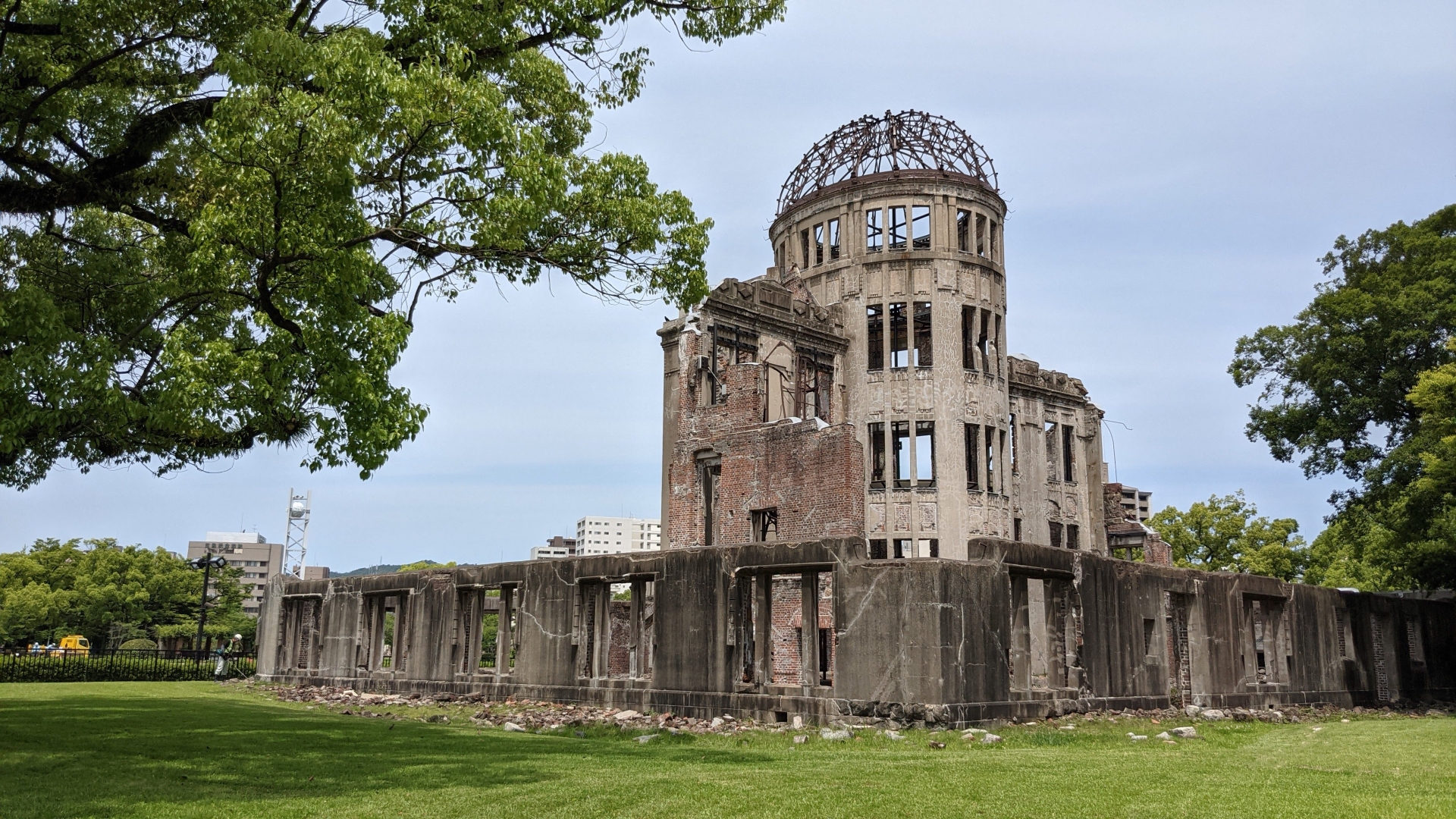
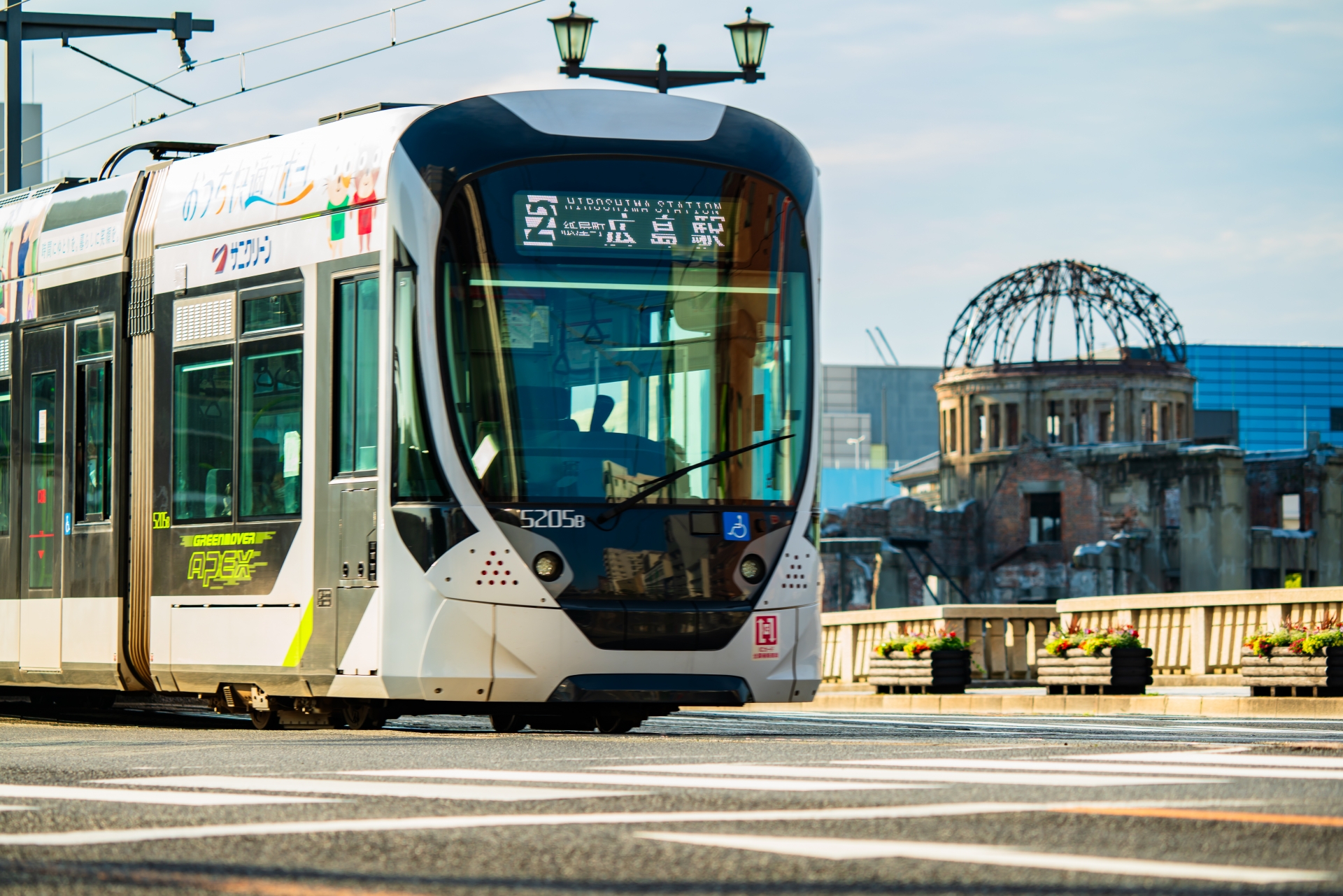
Nagasaki Peace Park vs Hiroshima Peace Memorial Park
While both parks share a common purpose, their atmosphere and layout differ.
- Nagasaki: More dispersed, quieter, reflective
- Hiroshima: More centralized, visually iconic
Nagasaki emphasizes a journey across multiple sites, while Hiroshima presents a more unified memorial space. Neither is “better”—they offer different ways of understanding history.
FAQ About Nagasaki Peace Park
Is it free?
Yes, the park is free to enter.
Is it the same as the museum?
No, they are separate locations.
How far is it from Nagasaki Station?
About 10–15 minutes by tram.
Can you visit in one hour?
Yes, but it will be a brief experience.
Is it suitable for children?
Yes, with appropriate context and guidance.
What’s the best visiting order?
Start at the hypocenter and follow the recommended route.
Final Thoughts: Visiting Nagasaki Peace Park with Understanding
Nagasaki Peace Park is not just a place—it is part of a larger story.
- The park itself is only one part of the memorial area
- Visiting the hypocenter and cathedral adds essential context
- The museum and memorial hall serve different roles
- This is not typical sightseeing—it is an experience of reflection
Approaching your visit with awareness transforms it from a checklist stop into something far more meaningful.