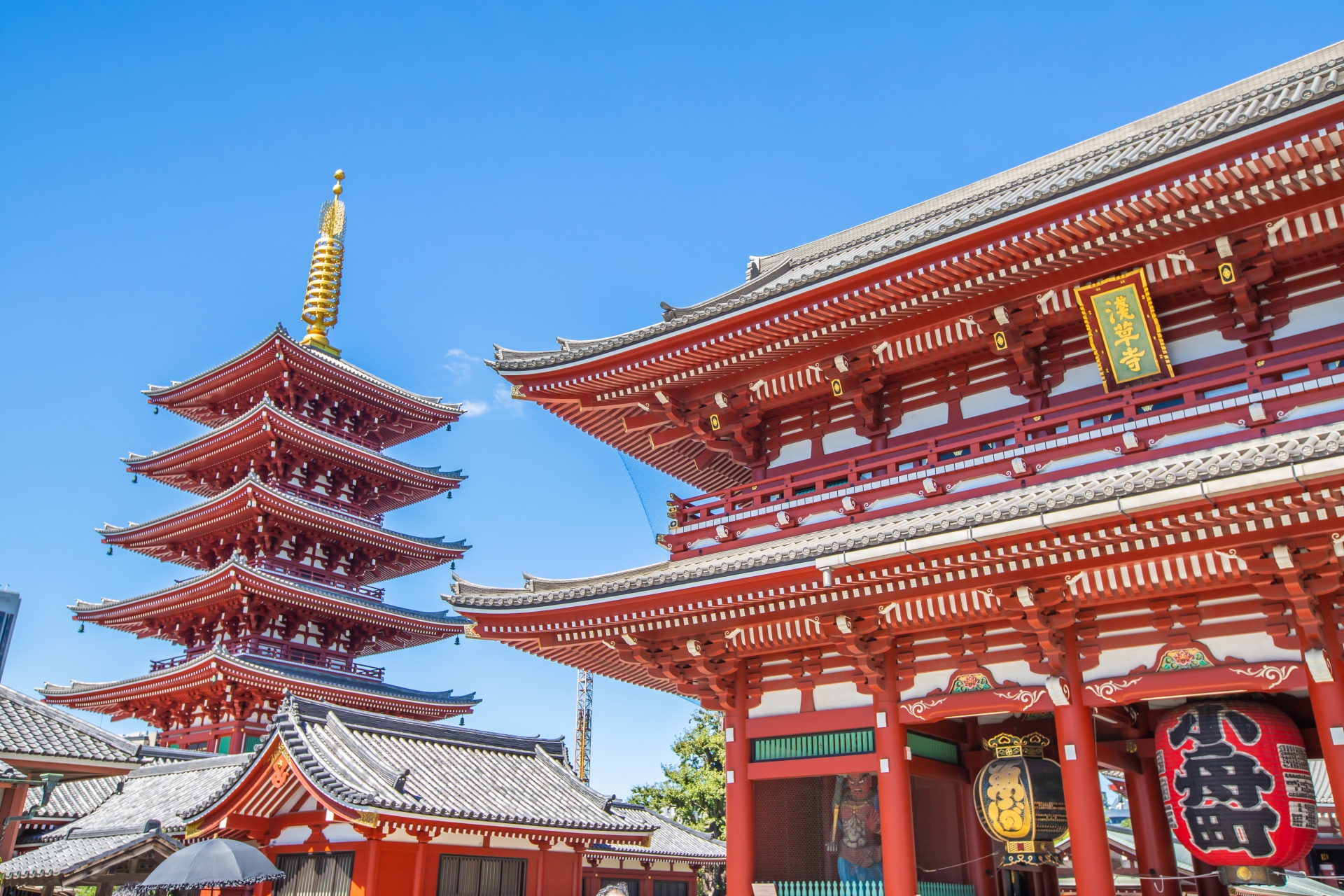
Asakusa is one of the easiest places in Tokyo to get a feel for the city’s older side without giving up an entire day. In a few hours, you can pass beneath the huge red lantern at Kaminarimon Gate, follow the snack shops along Nakamise Shopping Street, visit Sensoji Temple, and end up by the Sumida River with Tokyo Skytree rising across the water.
This guide keeps things practical: what to see, how long to spend, where to eat, when to go, and a walking route that works well for a first visit.


What Is Asakusa Known For?
Asakusa is known for what many people imagine as “old Tokyo”: temple gates, incense drifting through the air, traditional shopping streets, small craft shops, casual snacks, and riverside views. It has a completely different rhythm from Shibuya or Shinjuku. Instead of giant screens and department stores, you get red lanterns, wooden shopfronts, paper-wrapped sweets, and the dry rattle of omikuji fortune boxes near Sensoji Temple.
The neighborhood centers around Sensoji, Kaminarimon Gate, and Nakamise Shopping Street. Most first-time visitors begin at Kaminarimon, drift slowly through Nakamise, then reach the temple’s main hall and incense burner. But Asakusa changes once you step away from that main route. The side streets quiet down, Hoppy Street starts to fill in the evening, and the Sumida River opens the view toward Tokyo Skytree.
Asakusa is served by several train lines, including the Tokyo Metro Ginza Line, Toei Asakusa Line, Tobu Skytree Line, and Tsukuba Express. The station exits are not all in the same spot, so it is worth checking your route before choosing an exit, especially if you are meeting someone near Kaminarimon.
Best Things to Do in Asakusa
Asakusa’s main sights sit close together, which makes the area easy to explore on foot. For most first-time visitors, 3–4 hours is a comfortable amount of time. That gives you room for Kaminarimon, Nakamise, Sensoji, Asakusa Shrine, one snack or lunch stop, and a short walk to the Sumida River. Add Kappabashi, Hanayashiki, or a river cruise only if your schedule has space.
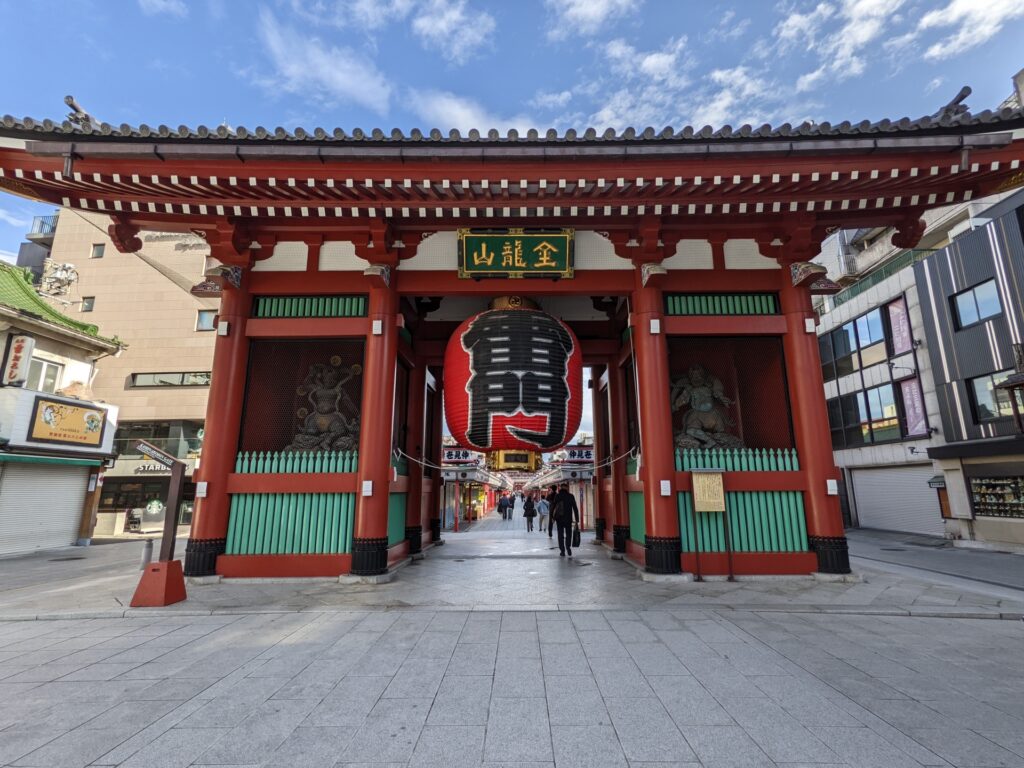
Kaminarimon Gate
Kaminarimon Gate is the symbolic entrance to Asakusa, and yes, it is usually busy. The giant red lantern, guardian statues, and steady flow of visitors make it the classic first photo stop. Mornings are better if you want a cleaner shot. Midday has more energy but also more elbows and selfie sticks. At night, after many shops have closed, the gate feels calmer and the red lantern glows against the darker street.
Location: 2-3-1 Asakusa, Taito City, Tokyo 111-0032
Access: About 5 minutes on foot from Asakusa Station
Hours: Open-air access; temple hall hours differ
Price: Free
Official Website: https://www.senso-ji.jp/english/
Suggested time: 10–20 minutes
Nakamise Shopping Street
Nakamise Shopping Street is the traditional approach to Sensoji. The narrow street is lined with shops selling ningyo-yaki cakes, senbei rice crackers, fans, chopsticks, small crafts, matcha sweets, and seasonal snacks. The easiest photo is from the Kaminarimon side, looking straight toward Hozomon Gate. For a higher view, head to the 8th-floor terrace at the Asakusa Culture Tourist Information Center.
Shop hours vary, and some stores ask visitors to eat near the storefront instead of walking while eating. During busy hours, Nakamise moves at its own pace. It is better treated as part of the visit, not as a shortcut to the temple.
Location: Between Kaminarimon Gate and Sensoji Temple, Asakusa, Taito City
Access: Immediately after Kaminarimon Gate
Hours: Vary by shop
Price: Free to enter; snacks and souvenirs vary
Official Website: https://www.senso-ji.jp/english/
Suggested time: 30–45 minutes
Sensoji Temple
Sensoji is Asakusa’s central landmark and is widely known as Tokyo’s oldest temple. Walk through Hozomon Gate, look up at the five-story pagoda, then follow the incense smoke toward the main hall. Many visitors waft incense toward themselves, make a small offering, pray briefly, and draw omikuji fortunes.
The temple grounds are especially good early in the morning, before the main flow of tour groups arrives. The stone path feels wider then, and small sounds carry: footsteps, coins dropping, the soft clap of hands. At night, the main hall interior may be closed, but the illuminated gates and quieter grounds are still worth seeing. Follow local signs for photography and respectful behavior.
Location: 2-3-1 Asakusa, Taito City, Tokyo 111-0032
Access: About 5 minutes on foot from Tokyo Metro, Toei, Tobu, or Tsukuba Express Asakusa Station
Hours: Main hall generally 6:00–17:00; from October to March, opening is generally 6:30; confirm before visiting
Price: Free
Official Website: https://www.senso-ji.jp/english/
Suggested time: 45–90 minutes
Asakusa Shrine
Asakusa Shrine sits beside Sensoji, but the mood is quieter. It is a good place to notice the difference between a Buddhist temple and a Shinto shrine. At Sensoji, incense, the main hall, and temple rituals shape the visit. At Asakusa Shrine, the torii gate, wooden architecture, and shrine prayer style give the stop a different texture.
The shrine is also connected with Sanja Matsuri, one of Asakusa’s major festivals. On an ordinary day, it works best as a short pause after the busier temple area.
Location: 2-3-1 Asakusa, Taito City, Tokyo 111-0032
Access: A few minutes on foot from Sensoji’s main hall
Hours: Shrine office hours are 9:00–16:00 on weekdays and 9:00–16:30 on weekends and holidays
Price: Free
Official Website: https://www.asakusajinja.jp/
Suggested time: 15–25 minutes
Asakusa Culture Tourist Information Center
The Asakusa Culture Tourist Information Center is one of the most useful stops in the neighborhood. It stands across from Kaminarimon and has maps, tourist help, restrooms, and a free observation terrace. Before heading into Nakamise, it is a handy place to check the crowd from above.
From the terrace, you can see the line of Nakamise shops running toward Sensoji. It is also a good break on hot, rainy, or crowded days. The observation terrace stays open later than the main information area.
Location: 2-18-9 Kaminarimon, Taito City, Tokyo 111-0034
Access: 1 minute on foot from Tokyo Metro Ginza Line Asakusa Station Exit 2
Hours: 9:00–20:00; 8th-floor observation terrace 9:00–22:00
Price: Free
Official Website: https://tokyotouristinfo.com/en/detail/K0002
Suggested time: 15–30 minutes
Denboin-dori and the Side Streets
Denboin-dori and the nearby side streets are useful when Nakamise feels too packed. Here you will find old-style storefronts, craft shops, smaller souvenir stores, shutter art, and narrow lanes that move at a slower pace than the main approach to Sensoji.
Daytime is better for browsing. After shops close, the area becomes quieter and more atmospheric, especially if you like street photos without heavy crowds. Denboin-dori is not a major attraction on its own, but it helps you see Asakusa beyond the standard postcard route.
Location: Around Asakusa 1–2 chome, near Nakamise and Sensoji
Access: A short walk from Nakamise Shopping Street
Hours: Vary by shop
Price: Free to walk
Official Website: https://asakusanioideyo.com/11/11/
Suggested time: 15–30 minutes
Sumida Park and Sumida River Views
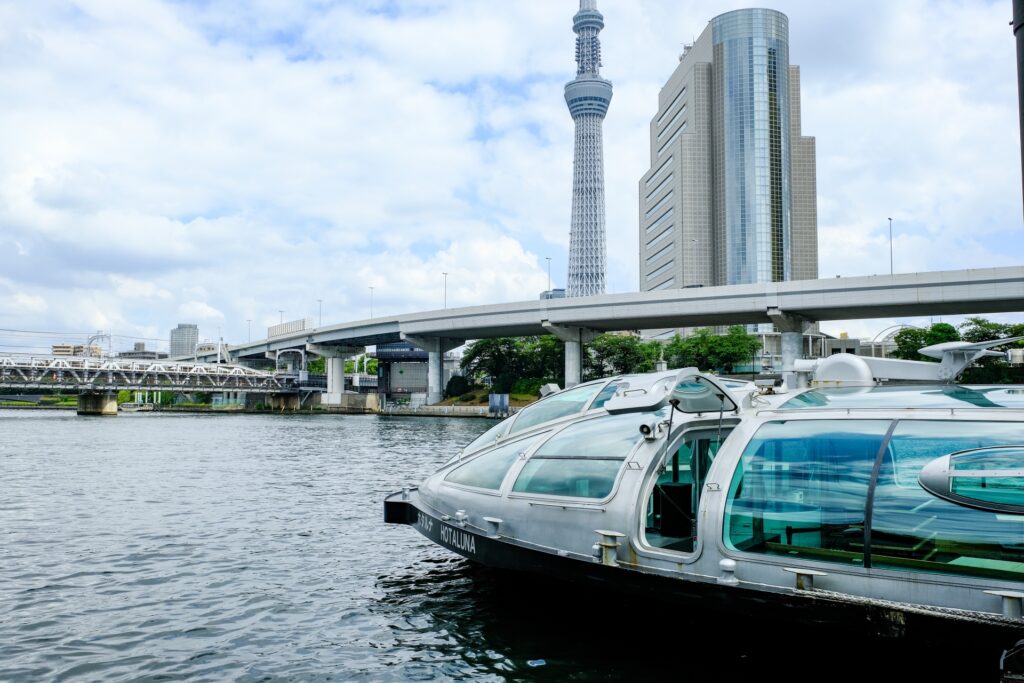
Sumida Park is the easiest open-air break after the temple area. Walk toward Azumabashi Bridge for views of Tokyo Skytree, the Asahi Beer Hall, and boats moving along the Sumida River. In the evening, the water catches the last light, and the view feels noticeably wider after the tight crowds around Nakamise.
Cherry blossom season in spring is beautiful, but it is not quiet. During festivals or fireworks events, expect traffic controls and heavy foot traffic.
Location: Along the Sumida River, Taito City and Sumida City
Access: About 5 minutes on foot from Asakusa Station
Hours: Open-air park access
Price: Free
Official Website: https://sumidapark.jp/
Suggested time: 30–60 minutes
Tokyo Cruise from Asakusa Pier
Tokyo Cruise works as both transportation and sightseeing. From Asakusa Pier, you can ride along the Sumida River toward areas such as Hinode or Odaiba, depending on the route and operation status. The boat passes under bridges and gives Tokyo Skytree a lower, more open frame than you get from the street.
This is best in the afternoon or early evening. On rainy or windy days, check the operation status before heading to the pier. Travelers prone to motion sickness may prefer a shorter route.
Location: Asakusa Pier, near the Sumida River
Access: Walking distance from Asakusa Station
Hours: Vary by route and date
Price: 2,000 yen for the Odaiba route
Official Website: https://www.suijobus.co.jp/en/
Suggested time: 40–90 minutes
Asakusa Hanayashiki
Asakusa Hanayashiki is a small retro amusement park near the temple area. It is not a large modern theme park, and that is part of its appeal. Families can use it as a playful break, while travelers interested in retro Tokyo may enjoy the nostalgic rides, colorful signs, and slightly surreal feeling of an amusement park tucked into dense city streets.
Hours change by season and weather, and last admission is usually 30 minutes before closing.
Location: 2-28-1 Asakusa, Taito City, Tokyo 111-0032
Access: About 5 minutes on foot from Tsukuba Express Asakusa Station; about 10 minutes from other Asakusa stations
Hours: Usually 10:00–18:00; varies by season and weather
Price: Example admission fees: adults aged junior high school and above to 64 years old 1,600 yen; children aged 5 to elementary school age 800 yen; children aged 0–4 free
Official Website: https://en.hanayashiki.net/
Suggested time: 60–120 minutes
Kappabashi Kitchen Town
Kappabashi Kitchen Town is the best Asakusa add-on for travelers who like cooking, design, knives, ceramics, or realistic plastic food samples. It feels different from a typical souvenir street because many shops also serve restaurant professionals.
Look for display plates, ramen bowls, noren curtains, knives, and wax food samples. Some shops close on Sundays or keep shorter hours, so check individual stores before making this your main shopping stop.
Location: Around Matsugaya, Taito City
Access: About 5 minutes on foot from Tawaramachi Station; about 15 minutes on foot from Sensoji
Hours: Vary by shop
Price: Free to browse
Official Website: https://www.gotokyo.org/en/spot/59/index.html
Suggested time: 45–90 minutes
How Long Should You Spend in Asakusa?
For most first-time visitors, half a day is the sweet spot. Two hours covers the famous sights, but it can feel rushed if Nakamise is crowded. A full day is only necessary if you add Kappabashi, Hanayashiki, Tokyo Skytree, Ueno, Akihabara, Ryogoku, or a river cruise.
2 Hours in Asakusa
With 2 hours, focus on Kaminarimon, Nakamise, and Sensoji. This is enough for travelers who want the essential Asakusa experience before moving on to another Tokyo neighborhood. Skip Kappabashi, Hanayashiki, and long meal stops.
Mornings and evenings work better for a short visit. At midday, the same route can take longer because crowds build around the gate, shopping street, and temple steps.
Half Day in Asakusa
A half day, or about 3–4 hours, is the best choice for most visitors. You can see Kaminarimon, browse Nakamise, visit Sensoji and Asakusa Shrine, explore Denboin-dori, eat a snack or lunch, and end at Sumida Park.
Start in the morning if you can. The temple feels calmer before the shops fully wake up, and by late morning Nakamise has more food smells, shop sounds, and movement.
Full Day in Asakusa and Nearby Areas
A full day works if you want to combine Asakusa with nearby areas. Start with Sensoji and Nakamise, have lunch in Asakusa, then choose Kappabashi for kitchenware, Hanayashiki for families, Tokyo Skytree for views, Ueno for museums, Akihabara for anime and electronics, or Odaiba by water bus.
A good full-day rhythm is old Tokyo in the morning, then skyline or waterfront views in the evening.
Suggested Asakusa Walking Itinerary
The easiest Asakusa route avoids backtracking. Start near Kaminarimon, use the tourist information center for restrooms and the terrace view, then walk through Nakamise to Sensoji. After the temple, step sideways into Asakusa Shrine and Denboin-dori before ending near the river.
Classic Half-Day Route
Start at Asakusa Station, then visit the Asakusa Culture Tourist Information Center before taking photos at Kaminarimon. Walk through Nakamise, continue to Sensoji, then stop at Asakusa Shrine. After that, move to Denboin-dori for side streets, have lunch around central Asakusa, and finish at Sumida Park.
Suggested timing:
9:00 Asakusa Station
9:10 Tourist Information Center
9:30 Kaminarimon Gate
9:40 Nakamise Shopping Street
10:20 Sensoji Temple
11:00 Asakusa Shrine
11:20 Denboin-dori
12:00 Lunch
13:00 Sumida Park
This route works because the morning starts quieter, then Nakamise becomes livelier as shops open. Restrooms are available at the tourist information center, and the riverside gives you space to pause without standing in the middle of the crowd.
Short 2-Hour Route
For a short visit, go from Asakusa Station to Kaminarimon, walk through Nakamise, visit Sensoji, then return to the Asakusa Culture Tourist Information Center if you want a final terrace photo.
This works best early in the morning or in the evening. At midday, keep your Nakamise browsing brief and move with the crowd rather than trying to stop at every shop.
Evening Route
In the evening, start at Kaminarimon, walk through the quieter Nakamise area, visit the illuminated Sensoji grounds, then continue to the Sumida River for night views. Finish with dinner around Hoppy Street or central Asakusa.
The main hall interior may be closed at night, so think of this as an atmosphere walk rather than a full temple visit. Closed shop shutters, red gate lights, and lantern-lit streets give Asakusa a different mood after dark.
What to Eat in Asakusa
Asakusa is easy to enjoy through food. Use Nakamise for quick snacks, traditional restaurants for lunch, sweets shops for a short break, and Hoppy Street or old local restaurants for casual dinner. Popular shops can have long lines, so it helps to keep one backup option in mind, especially on weekends.
Street Snacks Around Nakamise
Try ningyo-yaki, senbei, melon pan, matcha sweets, and seasonal wagashi around Nakamise and the streets near Sensoji. The pleasure is simple: warm cake smells, crisp rice crackers, small paper wrappers, and people pausing near shopfronts before joining the slow-moving crowd again.
Eat where the shop allows, and avoid blocking the walking flow. Prices vary, but many snacks are easy to try without committing to a full meal.
Location: Nakamise and streets around Sensoji
Access: Around Kaminarimon and Sensoji
Hours: Vary by shop
Price: Usually a few hundred yen per snack
Official Website: Not specified
Sit-Down Lunch Options
For lunch, choose one clear food style rather than wandering too long. Tempura Daikokuya is known for tendon, Namiki Yabusoba is a classic soba option near Kaminarimon, and Kamiya Bar works for yoshoku-style dishes and old Asakusa atmosphere. Arrive around 11:00 or after 14:00 to reduce waiting.
Tempura Daikokuya
Location: 1-38-10 Asakusa, Taito City, Tokyo
Access: About 8 minutes on foot from Asakusa Station
Hours: Check before visiting
Price: Mid-range
Official Website: https://www.tempura.co.jp/english/
Namiki Yabusoba
Location: 2-11-9 Kaminarimon, Taito City, Tokyo
Access: About 1–5 minutes on foot from Asakusa Station, depending on exit
Hours: Commonly listed around 11:00–19:30; closed days may vary
Price: Mid-range
Official Website: Not specified
Kamiya Bar
Location: 1-1-1 Asakusa, Taito City, Tokyo
Access: About 1–2 minutes on foot from Asakusa Station
Hours: Commonly listed around 11:00–20:00; closed Tuesday; confirm before visiting
Price: Mid-range
Official Website: http://www.kamiya-bar.com/
Casual Dinner and Drinks Around Hoppy Street
Hoppy Street is best for casual evening food and drinks, not polished dining. Expect small tables, lanterns, grilled dishes, simmered beef tendon stew, and a lively local atmosphere. Here, “local” means more after-work regulars and repeat Tokyo diners than souvenir shopping crowds, though visitors do find their way in too. Hoppy is a beer-flavored drink usually mixed with shochu; Japan’s legal drinking age is 20.
Some restaurants may have table charges, smoking areas, limited English menus, or cash-focused payment. Non-drinkers can still eat here, but quieter diners may prefer a regular restaurant near Kaminarimon or the river.
Location: Around Asakusa 2-chome
Access: West of Sensoji, within walking distance
Hours: Vary by restaurant
Price: Varies by restaurant
Official Website: Not specified
Best Photo Spots in Asakusa
For photos, timing matters more than camera gear. Kaminarimon is best in the morning or later at night, when fewer people are standing directly under the lantern. Nakamise looks good from the Kaminarimon side, especially when the shop signs lead the eye toward Hozomon Gate.
The Asakusa Culture Tourist Information Center gives one of the easiest elevated views in the area. For wider scenery, go to Sumida Park or Azumabashi Bridge and frame Tokyo Skytree with the river. At night, Sensoji’s illuminated gates and quieter stone paths create a mood you will not get at midday. During cherry blossom season, Sumida Park is beautiful but crowded, so go early if photos are a priority.
Follow local signs at temples and shrines. Avoid tripods in crowded areas unless they are clearly allowed.
Best Time to Visit Asakusa
Morning is best for photos, calmer temple grounds, and a visit that does not feel too rushed. Midday is best for shopping and snacks, but it is also the busiest time around Nakamise. Evening is best for atmosphere: the temple grounds become quieter, the gates are lit, and the dinner streets feel more lived-in.
Spring is popular because of the cherry blossoms along the Sumida River. Summer can feel hot because shade is limited around the main walking route. Rainy days are still workable if you use the tourist information center, covered shopfronts, Kappabashi stores, and cafes as breaks.
Major events such as Sanja Matsuri, New Year visits, and the Sumida River Fireworks Festival can bring heavy crowds and crowd-control routes. Check official event information before planning a visit around those dates.
How to Get to Asakusa
“Asakusa Station” can mean different stations depending on the line. The Tokyo Metro Ginza Line, Toei Asakusa Line, and Tobu Skytree Line stations are convenient for Kaminarimon. Tsukuba Express Asakusa Station is slightly farther west but useful for Hanayashiki and the backstreets.
From Shinjuku, take the JR Chuo Line to Kanda and transfer to the Ginza Line, or use another route depending on your starting point. From Tokyo Station, transfer via Ginza or Kanda. From Ueno or Ginza, the Ginza Line is straightforward. From Haneda Airport, the Toei Asakusa Line route can be convenient. From Narita Airport, use Keisei or other airport routes and check the best transfer on the day.
For Kaminarimon, look for exits near the Ginza Line and Toei Asakusa Line side. With luggage, avoid peak weekend crowds if possible and use elevators where available.
Where to Go After Asakusa
Asakusa pairs well with nearby areas because it is compact. Choose your next stop based on your travel style: Tokyo Skytree for views, Ueno for museums and parks, Akihabara for anime and electronics, Ryogoku for sumo culture, or Odaiba for waterfront night scenery by boat.
Tokyo Skytree: Best for Views
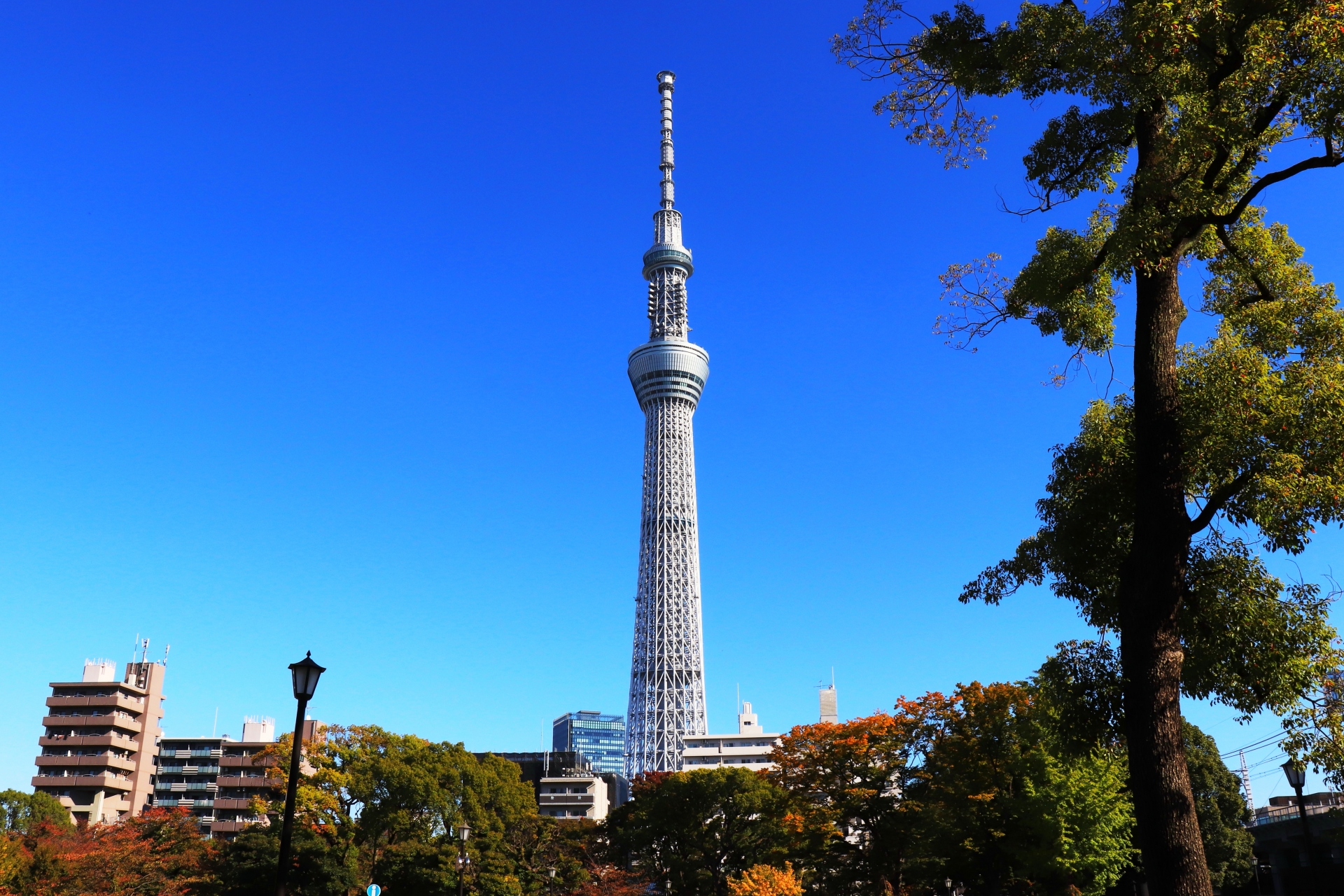
Tokyo Skytree is the easiest skyline add-on. You can walk from Asakusa in about 20–30 minutes, take the Tobu Line, or head toward Oshiage Station. The contrast is part of the appeal: older Tokyo streets in the morning, then a modern observation deck later in the day.
Late afternoon is ideal if you want both daytime views and city lights. Tickets and opening hours vary, so check before going.
Location: 1-1-2 Oshiage, Sumida City, Tokyo
Access: Walk from Asakusa or use Tobu / Oshiage Station routes
Hours: Vary by date
Price: Ticket options vary
Official Website: https://www.tokyo-skytree.jp/en/
Ueno or Akihabara: Best for Museums, Parks, Anime, and Electronics
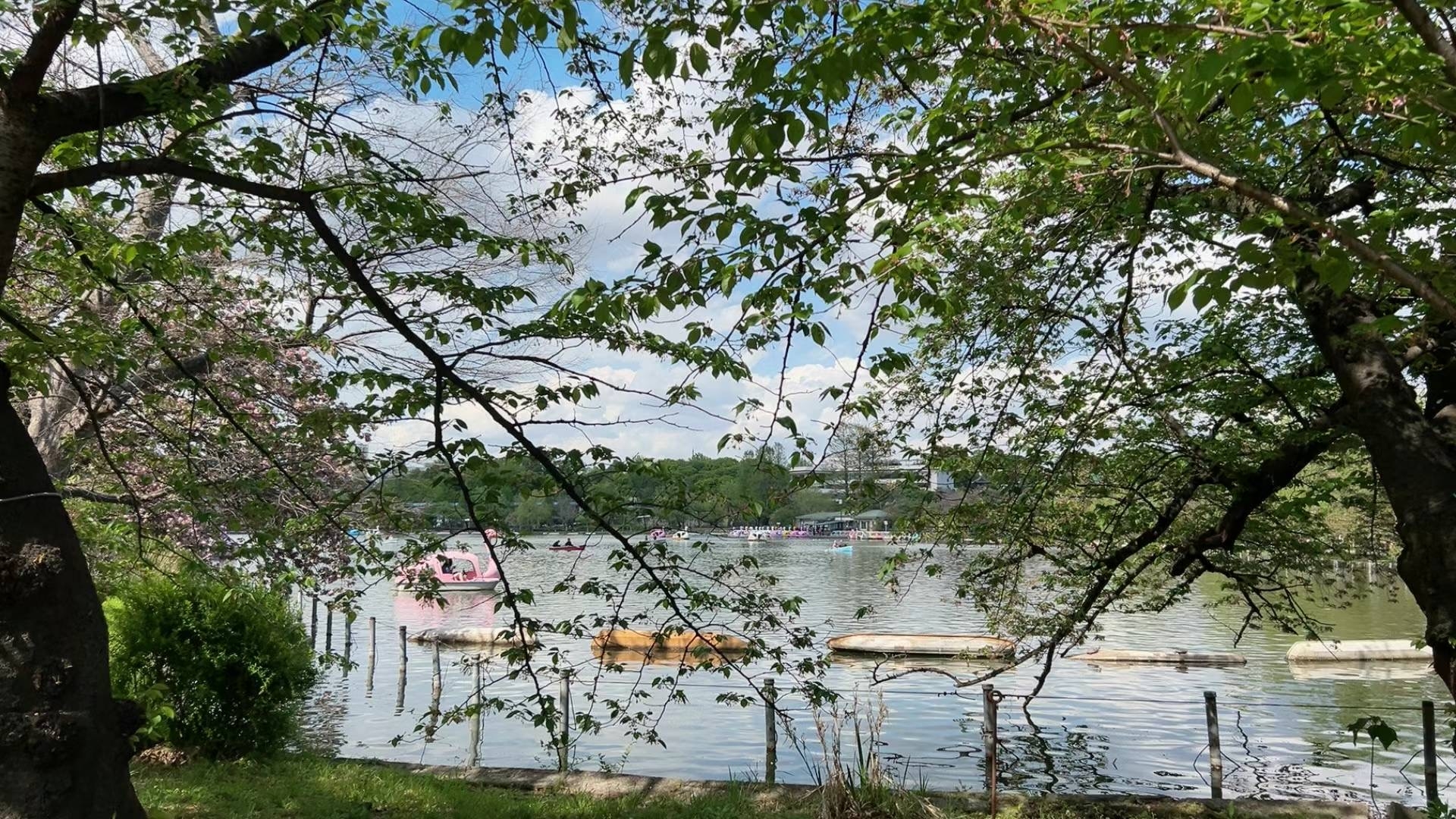
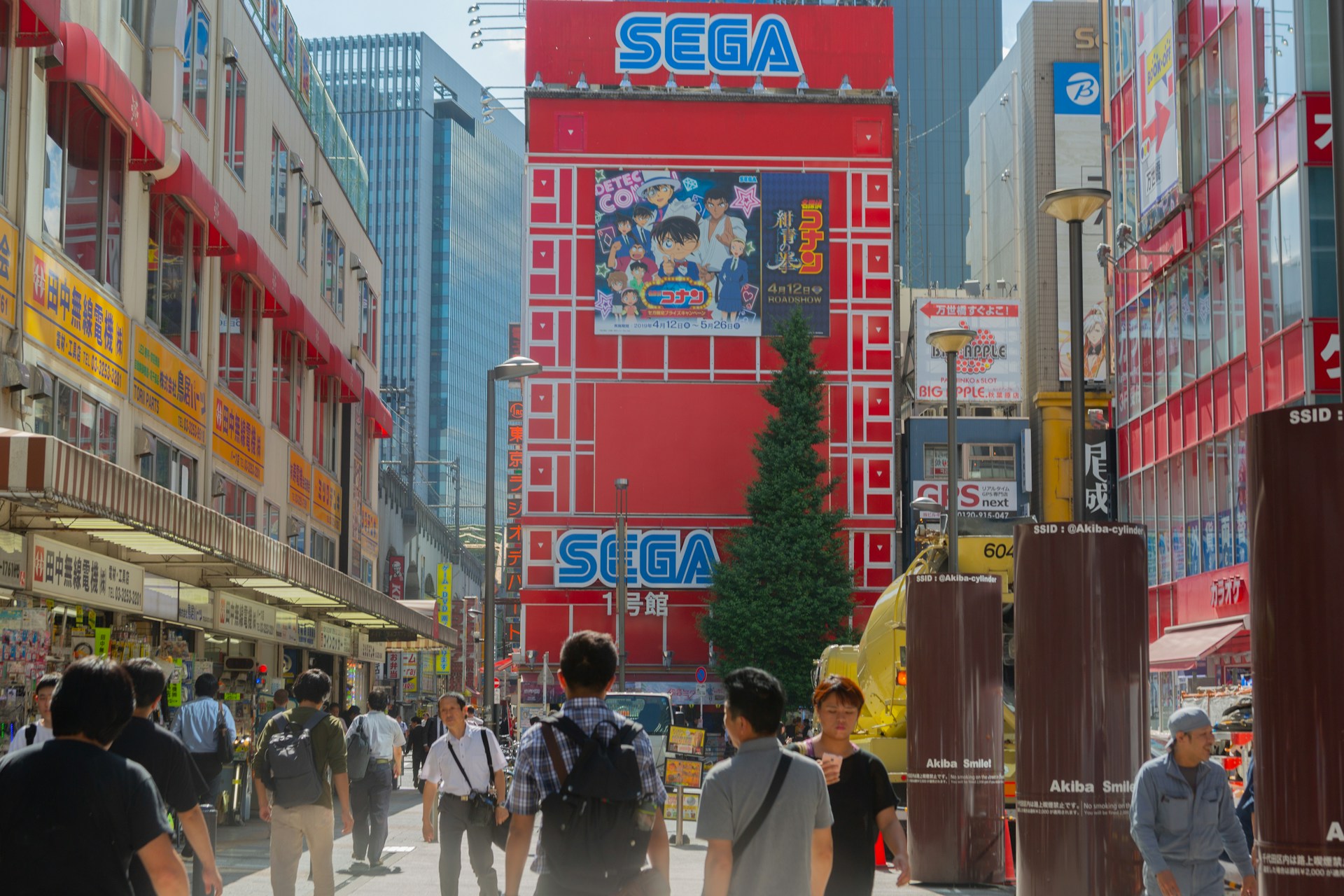
Ueno and Akihabara are easy next stops. Choose Ueno for museums, Ueno Park, and Ameyoko. Choose Akihabara for anime, games, electronics, arcades, and evening browsing.
A good flow is Asakusa in the morning, Ueno in the afternoon, and Akihabara in the evening. Travel time stays low, but the day still gets three very different Tokyo moods.
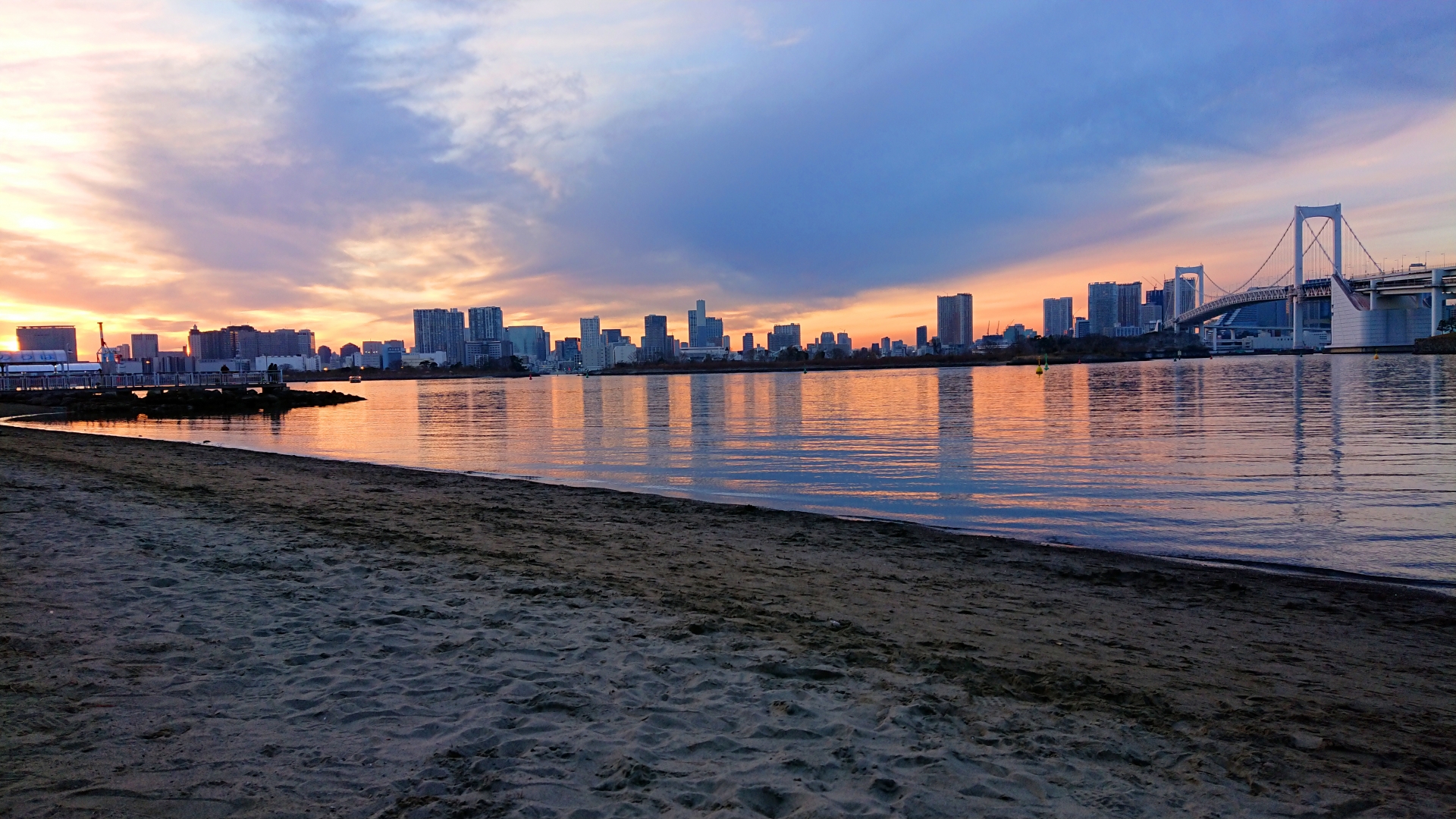
Odaiba by Water Bus: Best for a Scenic Transfer
Odaiba works well if you want a scenic transfer instead of another train ride. Board at Asakusa Pier, ride toward Hinode or Odaiba depending on the route, then end the day with waterfront views.
This is best in the afternoon or early evening. Check the timetable, fares, and operation status on the day because routes can change with weather and seasonal schedules.
Practical Tips for Visiting Asakusa
Bring some cash, especially for small snacks, older restaurants, omikuji, and small shops. Card payment is becoming more common, but Asakusa still rewards travelers who carry coins and small bills.
Public trash bins are limited, so keep snack wrappers with you until you find a bin. Use restrooms at the tourist information center, larger stations, or major facilities. Comfortable shoes matter because even a short visit involves slow standing, stone paths, and crowded walking.
For heat, take breaks indoors or by the river. For rain, use the tourist information center, Kappabashi, cafes, and covered shopfronts. Families and older travelers should avoid the busiest Nakamise hours if possible; the area is fairly flat, but crowds can make movement tiring.
FAQ About Asakusa
Is Asakusa worth visiting?
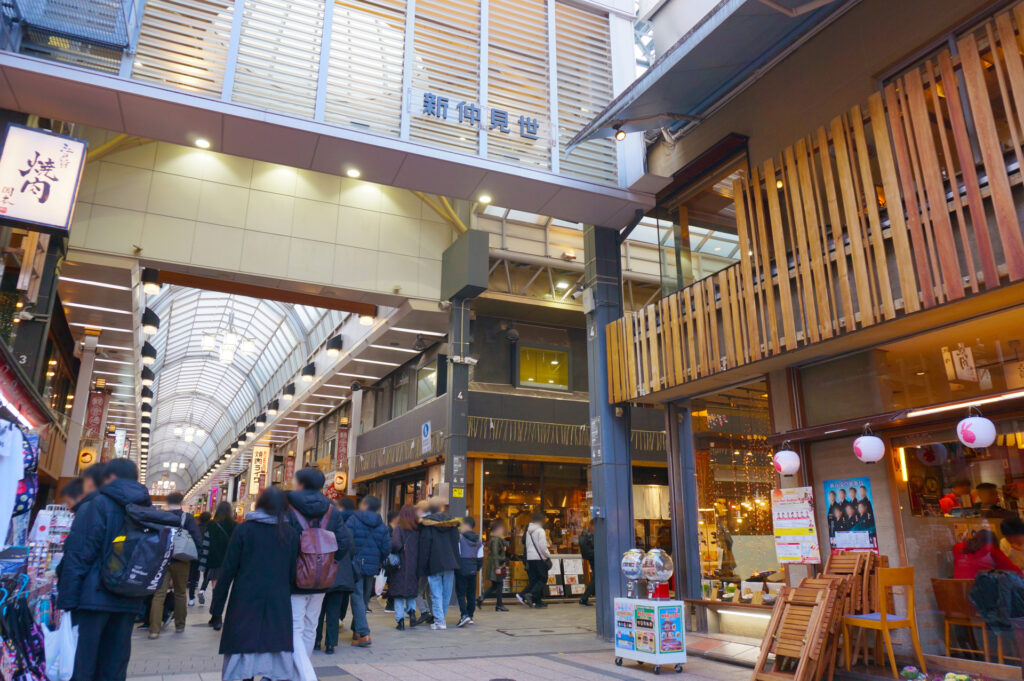
Yes. Asakusa is especially worth visiting for first-time Tokyo travelers who want temples, old-town streets, snacks, shopping, and river views in one compact area.
How long should I spend in Asakusa?
Spend 2 hours for a quick visit, 3–4 hours for the best first-time route, or a full day if you add Kappabashi, Tokyo Skytree, Ueno, Akihabara, or Odaiba.
Is Asakusa free?
Many main sights are free, including Kaminarimon, Nakamise, Sensoji Temple, Asakusa Shrine, and Sumida Park. Food, shopping, cruises, and Hanayashiki cost extra.
What is the best time to visit Asakusa?
Morning is best for photos and lighter crowds. Midday is best for shops and snacks. Evening is best for illuminated temple grounds and casual dinner streets.
Can you visit Asakusa at night?
Yes. The temple grounds and gates are atmospheric at night, but the main hall interior and many shops may be closed.
Can you walk from Asakusa to Tokyo Skytree?
Yes. The walk usually takes about 20–30 minutes, depending on your route and pace. It is a good add-on on clear days.
What food is Asakusa known for?
Asakusa is known for snacks around Nakamise, tempura, soba, unagi, yoshoku-style old restaurants, sweets, and casual izakaya food around Hoppy Street.
Is Asakusa good for families?
Yes. The area is walkable, and families can add Hanayashiki or Sumida Park. Avoid the most crowded Nakamise hours if using a stroller.
Is Asakusa a good place to stay in Tokyo?
Yes, especially if you like a quieter old-town atmosphere, easy temple walks, and access to Ueno, Tokyo Skytree, and eastern Tokyo. It is less convenient for late-night Shibuya or Shinjuku plans.
Conclusion: Is Asakusa Worth Visiting?
Asakusa is worth visiting, especially on a first trip to Tokyo. It does not need to take a full day, but it is better when you do not rush it. Two hours is enough for Kaminarimon, Nakamise, and Sensoji. Three to four hours gives you a stronger first visit, with snacks, side streets, Asakusa Shrine, and Sumida River views. A full day makes sense if you add Kappabashi, Tokyo Skytree, Ueno, Akihabara, or Odaiba by water bus.
The best Asakusa visit has a simple flow: arrive at Kaminarimon, move through Nakamise, breathe in the incense at Sensoji, step into the quieter side streets, and finish by the Sumida River with Tokyo Skytree in the distance. It is a short walk, but it explains why Asakusa still feels different from much of Tokyo.