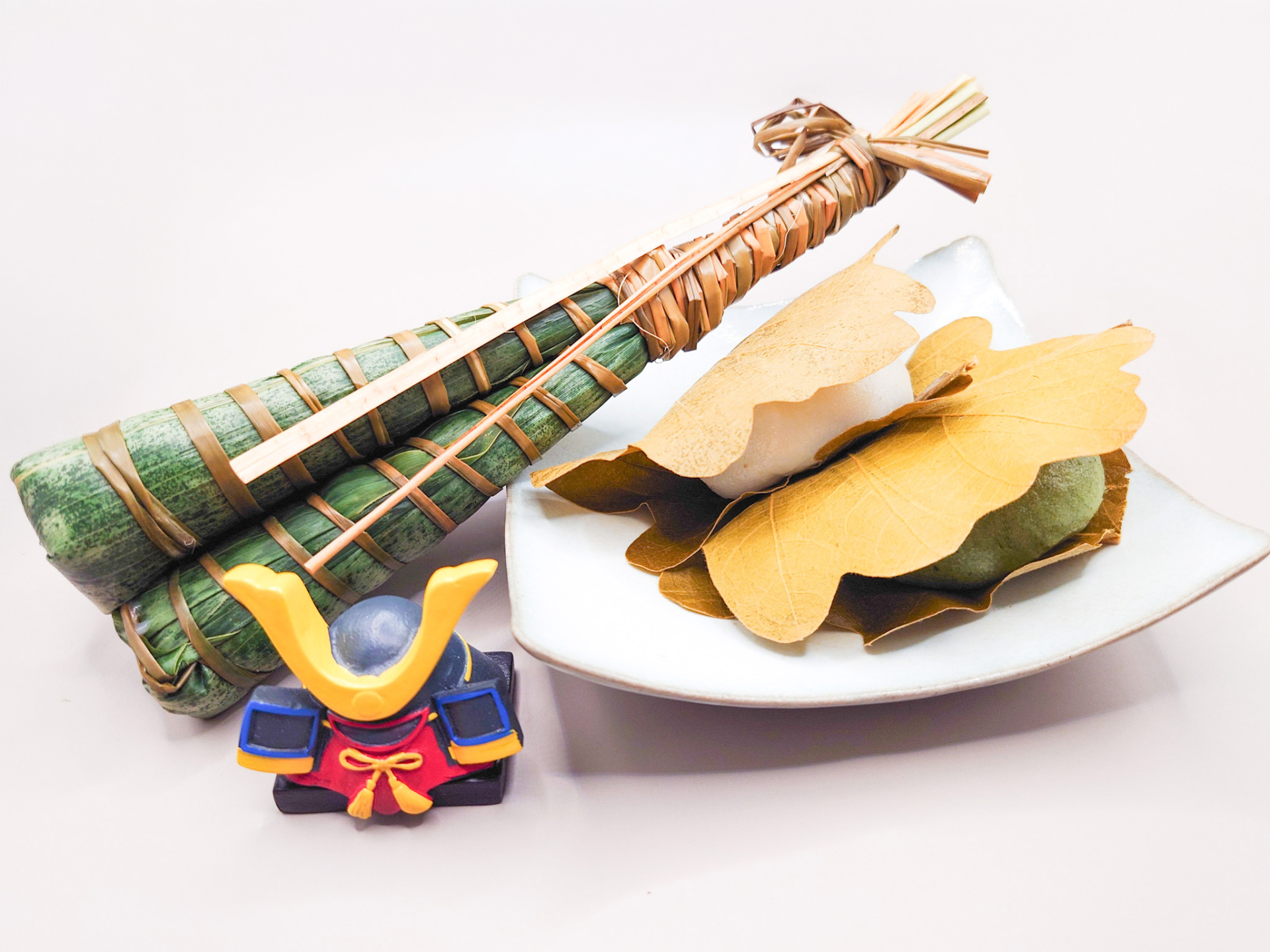
If you visit Japan in early May, you’ll encounter two traditional sweets associated with Children’s Day: kashiwa mochi and chimaki. While both are eaten on May 5, they differ in origin, ingredients, symbolism, and regional popularity. This guide explains their differences, cultural meaning, and how to enjoy or even make them at home.


Kashiwa Mochi vs Chimaki: What’s the Difference?
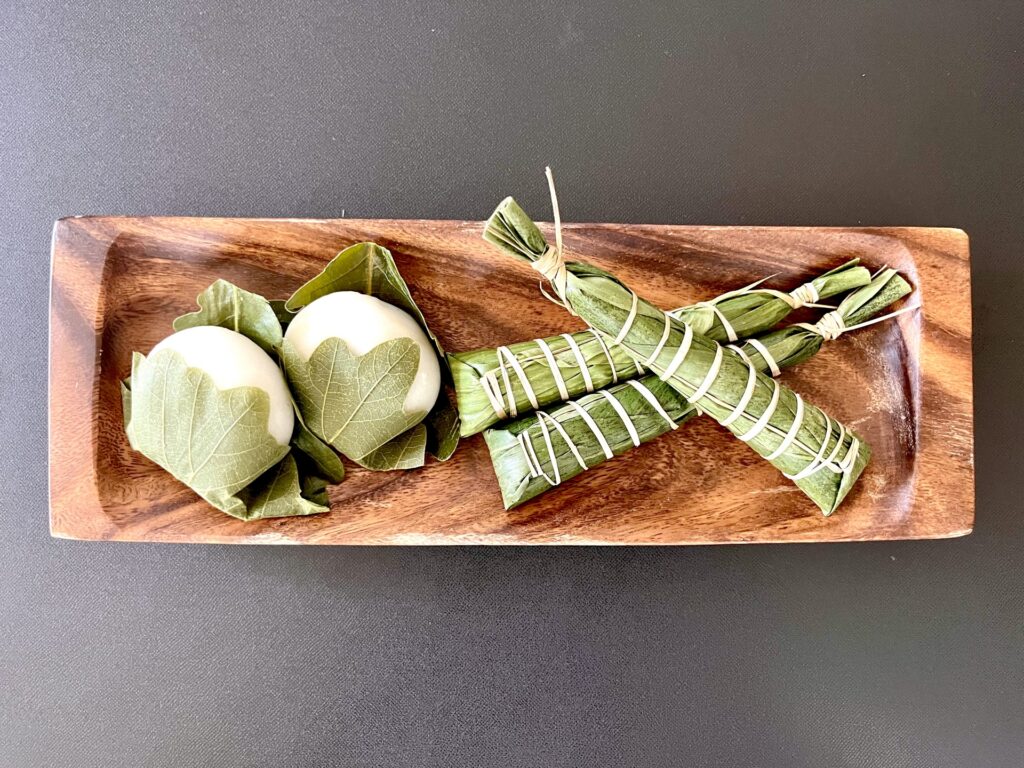
Kashiwa mochi is a sweet rice cake filled with bean paste and wrapped in oak leaves, while chimaki is a leaf-wrapped rice dumpling with roots in ancient Chinese traditions.
| Category | Kashiwa Mochi | Chimaki |
| Origin | Japan (Edo period) | China (ancient), later adapted in Japan |
| Region | Eastern Japan | Western Japan |
| Ingredients | Rice flour dough, sweet bean paste | Glutinous rice or rice-based dough |
| Leaf Type | Oak leaf (kashiwa) | Bamboo or reed leaves |
| Taste | Sweet | Sweet or savory |
| Texture | Soft, chewy mochi | Sticky rice or jelly-like, depending on type |
| Symbolism | Family continuity and prosperity | Protection from evil |
This side-by-side comparison makes it easier to understand why these two foods are often mentioned together but are actually quite different in both history and experience. For travelers or food lovers, knowing these distinctions adds depth to enjoying Japan’s seasonal traditions.
How Are They Related to Children’s Day?
Both kashiwa mochi and chimaki are traditionally eaten on May 5, known as Children’s Day in Japan. On this day, families celebrate children’s growth, health, and future success. These sweets are not just treats—they carry symbolic meaning tied to wishes for well-being and protection.
Although they serve the same purpose, their origins differ. Chimaki has older roots connected to Chinese customs, while kashiwa mochi developed later in Japan. Over time, both became established as seasonal foods associated with this celebration, reflecting how cultural traditions evolve and merge.
Today, the choice between them often depends on region, family custom, or personal preference, but both remain iconic foods of early May in Japan.
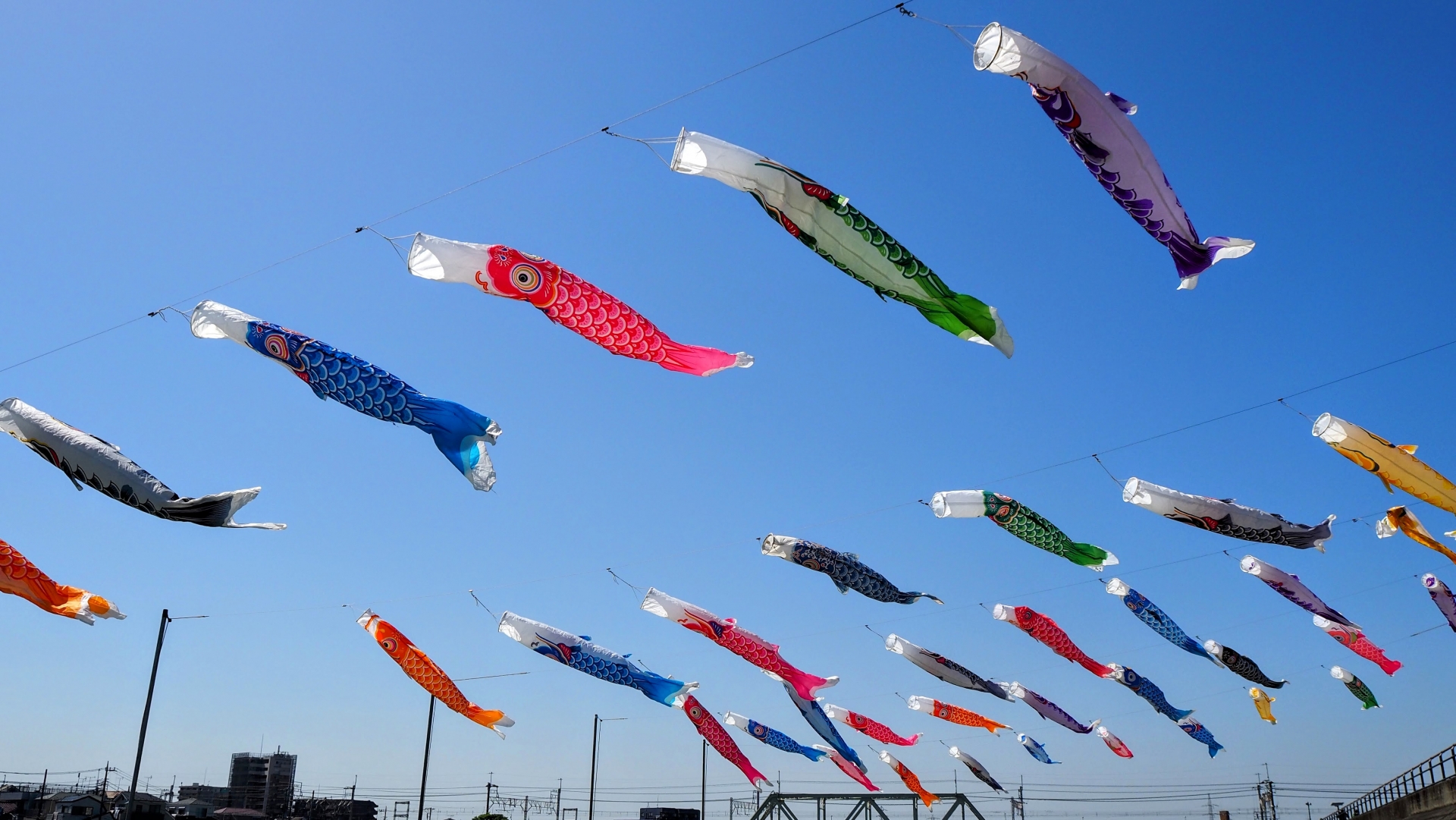

Symbolism of Kashiwa Mochi
Kashiwa mochi is wrapped in an oak leaf, which holds special meaning in Japanese culture. Oak trees do not shed old leaves until new ones grow, symbolizing continuity between generations. This makes kashiwa mochi a representation of family prosperity and the passing down of traditions.
Because of this symbolism, it is especially associated with wishes for children to grow up strong and ensure the family line continues. The meaning is simple yet powerful, making it a deeply rooted part of Children’s Day celebrations.
Symbolism of Chimaki
Chimaki is associated with protection and warding off evil spirits. Its origins can be traced back to ancient Chinese traditions, where similar rice dumplings were used in rituals for protection and remembrance.
In Japan, this meaning evolved into a wish for children’s safety and health. The act of wrapping the rice in leaves is also symbolic, representing purification and protection. Even today, chimaki carries a sense of tradition that connects Japan to broader East Asian cultural practices.
What is Kashiwa Mochi? (Quick Guide)
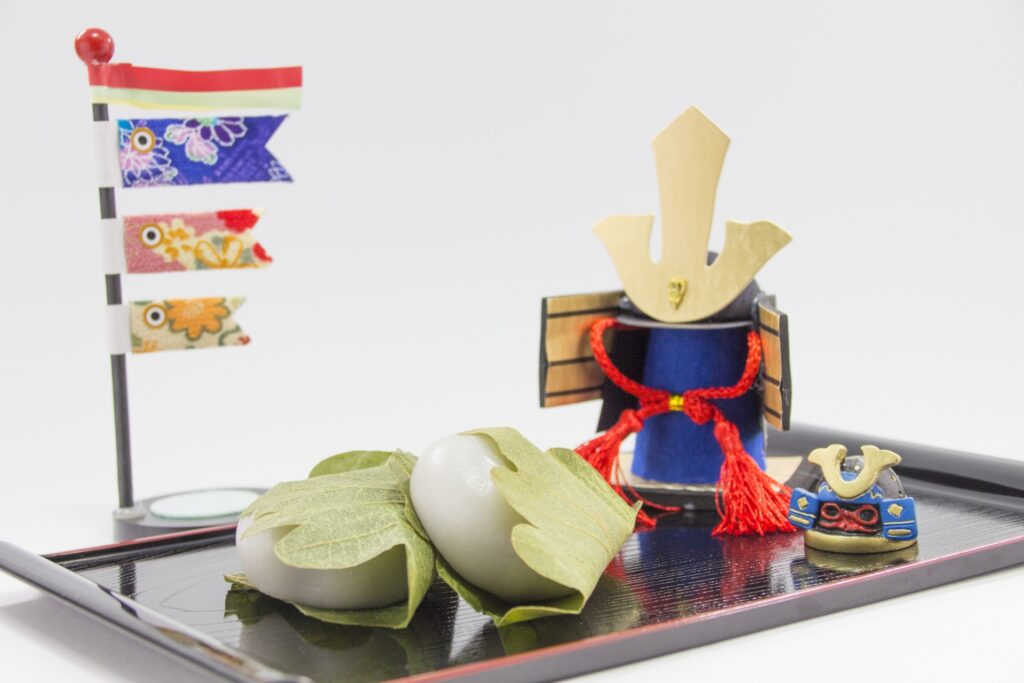
Kashiwa mochi is a soft, chewy rice cake typically filled with sweet bean paste and wrapped in a preserved oak leaf. The leaf is not eaten but adds a subtle aroma and visual identity to the sweet.
The texture is smooth and slightly elastic, similar to other types of mochi, while the filling provides sweetness and richness. It is commonly enjoyed as a dessert or snack during the Children’s Day season.
You’ll usually find kashiwa mochi in wagashi (traditional sweets) shops, supermarkets, and department store food halls in late April and early May. Its seasonal nature makes it feel special, as it appears for only a short time each year.
For many visitors, it is one of the easiest traditional Japanese sweets to try, as its flavor is approachable and its meaning is easy to understand.
Common Fillings and Variations
The most common filling in kashiwa mochi is sweet red bean paste (anko), which has a rich, slightly earthy sweetness. This is the classic version found throughout Japan.
Other variations include white bean paste (shiroan), which has a milder and smoother taste, and miso-flavored fillings, which offer a subtle savory-sweet balance. These variations can differ by region or shop, giving each version a slightly unique character.
While the outer mochi remains consistent, the filling allows for small but meaningful differences in flavor, making it fun to try multiple types if available.
What is Chimaki? (And Why It’s Often Confusing)
Chimaki can be confusing for international visitors because it refers to several different types of foods in Japan. Unlike kashiwa mochi, which is relatively consistent, chimaki varies widely in ingredients, texture, and preparation.
In Japan, chimaki can be made with sticky rice, similar to savory rice dumplings, or with sweet, jelly-like rice flour mixtures. Some versions are plain and served with toppings like kinako (roasted soybean flour) or syrup, while others are lightly sweetened during preparation.
This diversity makes chimaki harder to define with a single description. However, what unites all types is the use of leaves for wrapping and its association with Children’s Day.
Is Chimaki the Same as Chinese Zongzi?
No, but they are historically related.
- Chinese zongzi is typically savory and filled with ingredients like meat or beans
- Japanese chimaki is often simpler and can be sweet or plain
- Zongzi uses tightly packed fillings, while Japanese chimaki may be minimalistic
- Both are wrapped in leaves and tied, reflecting a shared cultural origin
Understanding this distinction helps avoid confusion, especially for travelers familiar with Chinese cuisine.
Why Are There Two Different Sweets for the Same Day?
The existence of both kashiwa mochi and chimaki comes from the blending of cultural traditions over time. Chimaki was introduced to Japan from China and became associated with seasonal rituals.
Later, during the Edo period, kashiwa mochi emerged in Japan as a uniquely local sweet tied to the same celebration. Instead of replacing chimaki, it became an additional tradition.
As a result, both sweets coexist today, representing different historical layers of the same holiday. This dual tradition highlights how Japanese culture often adapts and preserves influences rather than replacing them entirely.
East vs West Japan: Where You’ll Find Each Sweet
In general, the preference for these sweets is divided geographically:
- Eastern Japan → Kashiwa Mochi
- Western Japan → Chimaki
This regional difference developed due to historical distribution and cultural adoption patterns. Kashiwa mochi became popular in Edo (modern Tokyo) and spread throughout eastern regions, while chimaki remained more common in western areas like Kyoto and Osaka.
Although both sweets can now be found nationwide, these regional tendencies still influence what you’re more likely to encounter in different parts of Japan.
How to Eat Kashiwa Mochi and Chimaki
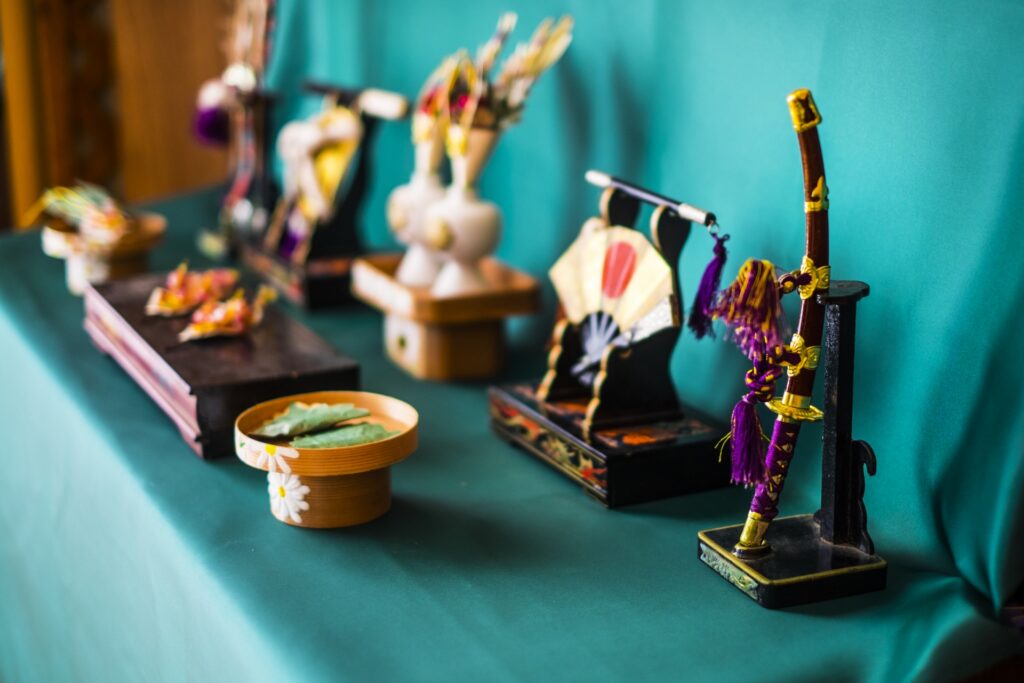
Both kashiwa mochi and chimaki are wrapped in leaves, but they are meant to be unwrapped before eating. The leaves serve as protection and aroma rather than an edible component.
Kashiwa mochi is typically eaten at room temperature and enjoyed as a soft, chewy dessert. Chimaki may be served slightly warm or at room temperature, depending on the type.
For travelers, the easiest way to try them is to visit a wagashi shop or a department store food hall in late April or early May. They are often sold individually and are ready to eat.
Do You Eat the Leaves?
No, the leaves are not typically eaten. They are used for wrapping, preserving moisture, and adding subtle fragrance, but should be removed before eating.
When and Where to Buy Them
These sweets are seasonal and usually available from late April until May 5. You can find them at:
- Traditional wagashi shops
- Supermarkets
- Department store food halls
Outside Japan, they may be available at Japanese grocery stores or specialty shops, especially around Children’s Day, though availability can be limited.
Easy Recipes: Make Kashiwa Mochi and Chimaki at Home
Easy Kashiwa Mochi Recipe (Microwave Version)
This simplified recipe is beginner-friendly and requires minimal equipment.
Ingredients:
- 100g rice flour (or mochiko)
- 20g sugar
- 120ml water
- Sweet red bean paste
- Oak leaves (optional)
Instructions:
- Mix rice flour, sugar, and water in a bowl
- Microwave for 2–3 minutes
- Knead until smooth and elastic
- Shape into small rounds and fill with bean paste
- Wrap with an oak leaf if available
Notes:
- The leaf is decorative and not required
- Shiratamako can be used as a substitute for different texture
Easy Chimaki Recipe (Simplified Version)
This version avoids complex wrapping techniques.
Ingredients:
- 1 cup glutinous rice
- Sugar (optional)
- Kinako or syrup
- Bamboo leaves or parchment paper
Instructions:
- Soak the rice for several hours
- Steam or cook until tender
- Shape into small triangles
- Wrap loosely in leaves or paper
- Serve with kinako or syrup
Notes:
- Japanese chimaki can be sweet rather than savory
- Wrapping style can be flexible for home cooking
Which One Should You Try First?
If you’re deciding between the two, your taste preference can guide you.
If you enjoy chewy, dessert-like sweets with a rich filling, kashiwa mochi is a great starting point. Its familiar sweetness makes it accessible even if you’re new to Japanese confectionery.
If you prefer lighter flavors or are curious about traditional, less sweet foods, chimaki offers a more subtle and varied experience. Its diversity means you might find a version that suits your taste perfectly.
Trying both is ideal, as each represents a different aspect of Japanese seasonal culture.
FAQ: Kashiwa Mochi and Chimaki
What is inside kashiwa mochi?
Kashiwa mochi is typically filled with sweet red bean paste (anko), though white bean paste and miso-flavored fillings are also common variations.
Is chimaki sweet or savory?
It can be either. In Japan, chimaki is often sweet or plain, but some versions can be savory depending on the region and preparation style.
Why are they wrapped in leaves?
The leaves help preserve moisture, add aroma, and carry symbolic meaning such as protection or continuity.
Can you buy them year-round?
No, they are seasonal sweets usually available only from late April to May 5.
Conclusion: Two Sweets, Two Traditions
Kashiwa mochi and chimaki are both essential to Japan’s Children’s Day, yet they represent different histories, flavors, and meanings. One reflects family continuity through its oak leaf symbolism, while the other carries protective traditions rooted in ancient customs.
Together, they showcase how seasonal foods in Japan are deeply tied to culture and celebration. Whether you try them in Japan or make them at home, both offer a meaningful and delicious way to experience this unique tradition.