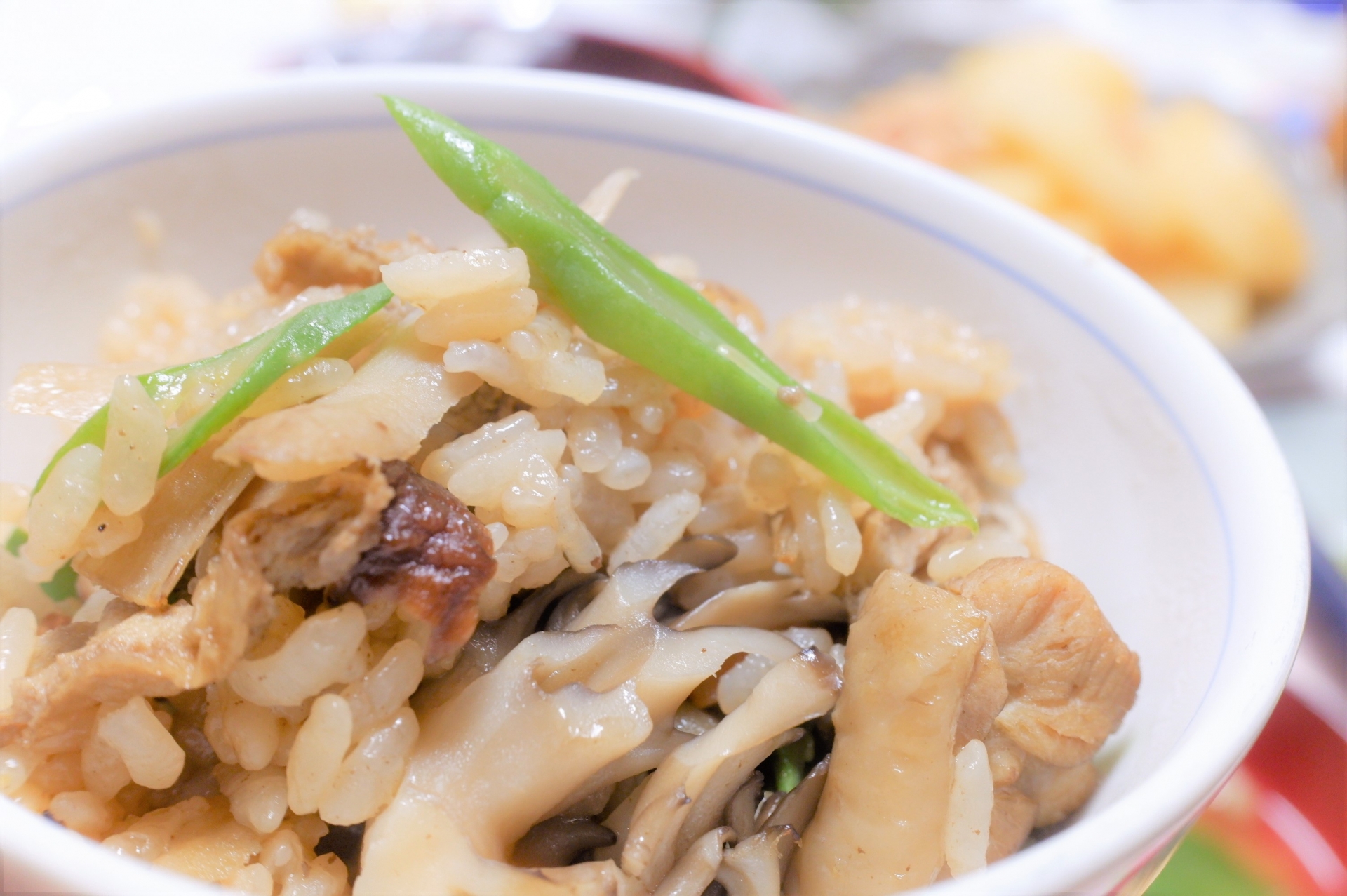
Takikomi gohan is one of Japan’s most comforting and accessible home-cooked dishes. In simple terms, it is Japanese mixed rice cooked together with vegetables, protein, and seasonings in one pot. Unlike plain rice served with side dishes, everything is cooked together, allowing the rice to absorb deep umami flavors.
This dish is beloved across Japan for its simplicity, nutrition, and seasonal versatility. Whether you’re new to Japanese cooking or looking for a healthy one-pot meal, takikomi gohan is an excellent place to start.


What Is Takikomi Gohan?
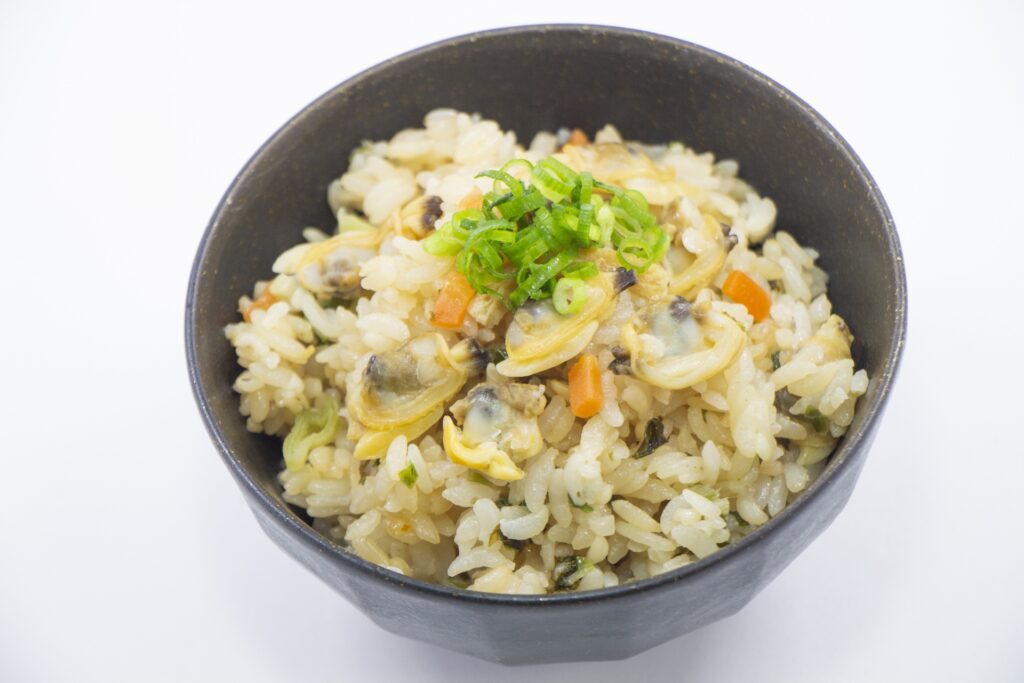
Takikomi gohan is a traditional Japanese rice dish where uncooked rice is cooked together with ingredients like vegetables, mushrooms, meat, or seafood, all seasoned with broth and soy sauce. The key feature is that everything is cooked at the same time, allowing the flavors to fully infuse into the rice.
It is often described as “Japanese seasoned mixed rice,” but what makes it unique is its cooking method. Instead of mixing toppings after cooking, the ingredients are layered with raw rice and cooked together. This creates a deeply savory and cohesive flavor that feels both simple and rich.
Because it is easy to prepare and requires minimal equipment (just a rice cooker or pot), takikomi gohan is a staple in Japanese households. It is also highly customizable, meaning you can adapt it based on what you have in your kitchen.
What Does “Takikomi Gohan” Mean?
The term “takikomi gohan” comes from two Japanese words:
- Takikomi (炊き込み) – means “cooked together with”
- Gohan (ご飯) – means “rice” or “meal”
So, the literal translation is “rice cooked together with ingredients.”
However, the nuance goes beyond a direct translation. It implies a style of cooking where rice absorbs the flavors of broth, vegetables, and proteins during the cooking process. This is what differentiates it from other rice dishes where toppings are added later.
What Makes It Different from Other Japanese Rice Dishes?
Takikomi gohan is often confused with other rice dishes, but the cooking method and timing make a big difference.
| Dish | Cooking Method | Timing | Flavor |
| Takikomi Gohan | Cooked with ingredients together | Before cooking | Deep, infused umami |
| Maze Gohan | Mixed after cooking | After cooking | Lighter, more distinct flavors |
| Fried Rice | Stir-fried in a pan | After cooking | Oily, savory, sometimes smoky |
The biggest distinction is that takikomi gohan develops flavor during cooking, while others add or modify flavor afterward.
What Ingredients Are Used in Takikomi Gohan?
Takikomi gohan uses simple, wholesome ingredients that are easy to find or substitute. The base always includes rice and a seasoned liquid, but the additional ingredients can vary widely depending on the season or personal preference.
Typical flavoring includes dashi (Japanese soup stock), soy sauce, mirin, and sometimes sake, which create a balance of savory and slightly sweet notes.
Common additions include vegetables, mushrooms, and proteins, making it a well-rounded dish in a single bowl.
Common Ingredients
Here are the most commonly used ingredients in takikomi gohan:
- Japanese short-grain rice – Sticky and slightly sweet, ideal for absorbing flavor
- Dashi (or broth) – Provides umami depth
- Soy sauce – Adds saltiness and color
- Mirin – A sweet rice wine that balances flavors
- Chicken – A popular protein choice
- Mushrooms (shiitake, shimeji) – Enhance umami
- Carrots – Add sweetness and color
- Aburaage (fried tofu) – Adds richness and texture
These ingredients are flexible, and you can mix and match based on availability.
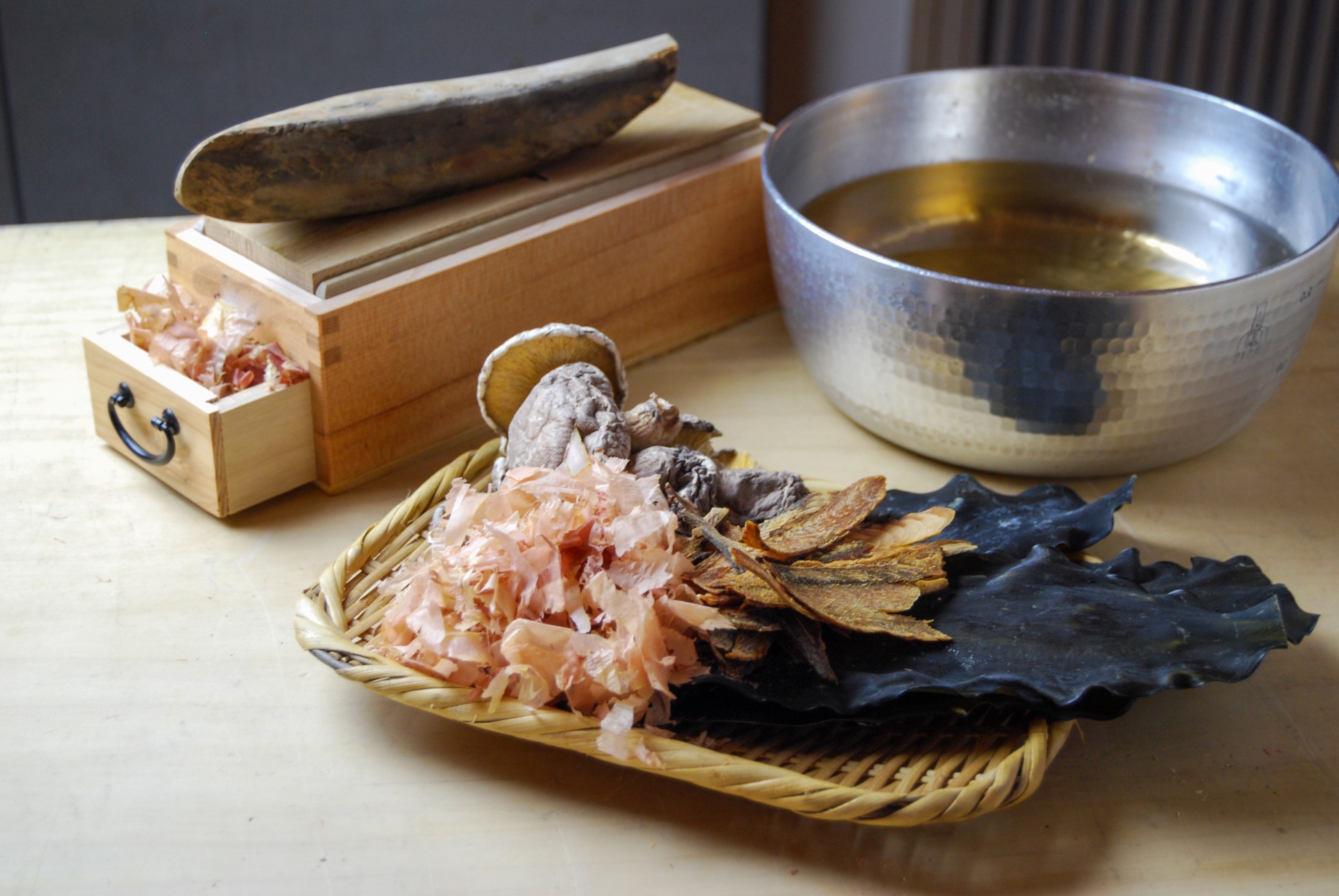
Ingredient Substitutes (For US Readers)
If you don’t have access to traditional Japanese ingredients, you can still make delicious takikomi gohan with substitutions:
- Dashi → Chicken broth or vegetable broth
- Mirin → Mix of sugar + white wine or rice vinegar
- Gobo (burdock root) → Parsnip or carrot
- Shiitake mushrooms → Cremini or portobello mushrooms
- Japanese soy sauce → Regular soy sauce (preferably low sodium)
These swaps maintain the overall flavor profile while making the dish accessible for American kitchens.
How to Make Takikomi Gohan (Step-by-Step)
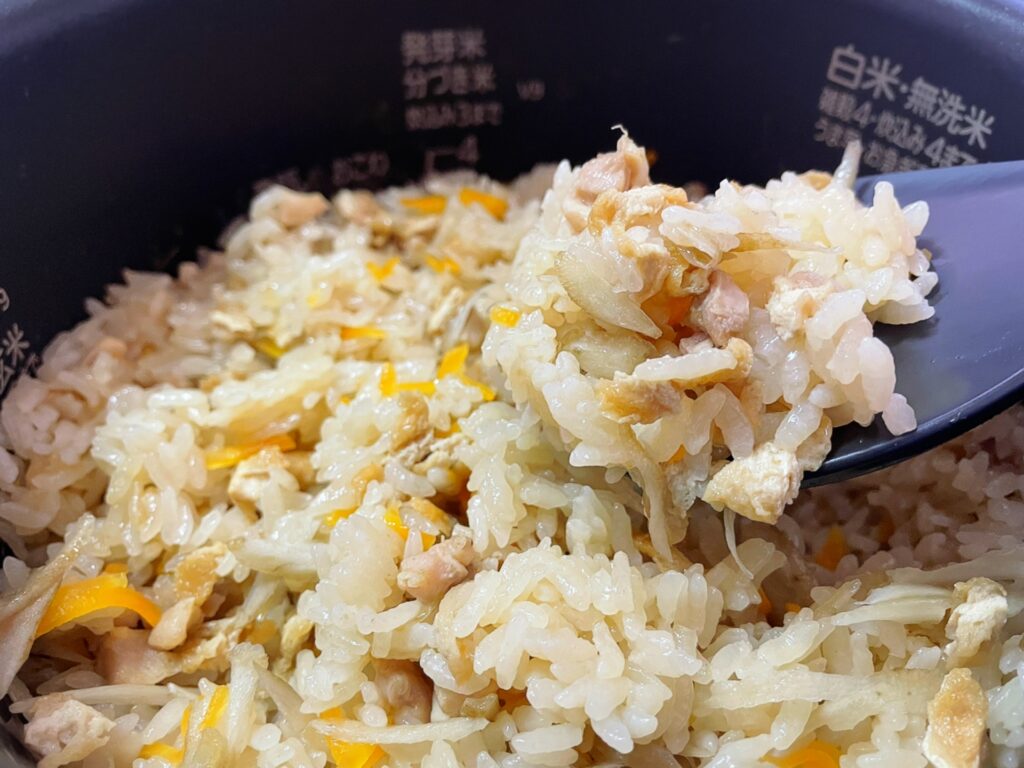
Making takikomi gohan is simple, but getting the texture and flavor just right requires attention to a few key details. The most important factors are proper rice preparation, correct liquid balance, and not overloading ingredients.
Below is a beginner-friendly method using a rice cooker, which is the most common way to prepare this dish in Japan.
Rice Cooker Method (Easy & Authentic)
Ingredients (Serves 2–3):
- 2 cups Japanese short-grain rice
- 2 cups dashi (or broth)
- 2 tbsp soy sauce
- 1 tbsp mirin
- 100–150g chicken
- 1/2 cup sliced mushrooms
- 1/4 cup julienned carrots
Step 1: Wash and Soak the Rice
Rinse the rice under cold water 3–4 times until the water runs mostly clear. This removes excess starch and prevents gumminess.
After rinsing, let the rice soak in water for 20–30 minutes. This step helps the rice cook evenly and improves texture.
Step 2: Measure and Adjust Liquid Carefully
Drain the soaked rice and place it in the rice cooker.
Add soy sauce and mirin first, then pour in dashi until you reach the standard water line for 2 cups.
Important: Seasonings count as part of the liquid. Do not add extra water on top of them.
Step 3: Add Ingredients (Do Not Mix Yet)
Place chicken, mushrooms, and carrots evenly on top of the rice.
Do not stir at this stage. Mixing before cooking can cause uneven cooking and a mushy texture.
Step 4: Cook Using Normal Rice Mode
Start the rice cooker using the regular white rice setting.
Avoid opening the lid during cooking, as this releases steam and affects the final texture.
Step 5: Mix and Steam After Cooking
Once the rice is done, gently fluff and mix everything using a rice paddle.
Let it sit for an additional 5–10 minutes with the lid closed to allow the flavors to settle.
Optional: Pot Method (Stovetop Version)
If you don’t have a rice cooker, you can use a pot:
- Follow the same preparation steps
- Bring to a boil over medium heat
- Reduce to low heat, cover, and cook for 12–15 minutes
- Turn off heat and let it steam for 10 minutes
Tip: Use a heavy-bottomed pot to prevent burning.
Pro Tips for Perfect Takikomi Gohan
- Keep ingredient ratio balanced
Ingredients should be about 20–30% of the rice volume - Cut ingredients small and evenly
Ensures even cooking - Use umami-rich ingredients
Mushrooms, chicken, or even bacon (for fusion versions) - Avoid excess moisture
Pat ingredients dry if needed
Common Mistakes to Avoid
Even simple recipes can go wrong. Here are the most common pitfalls:
- Too much liquid → Results in soggy rice
- Too many ingredients → Rice won’t cook evenly
- Mixing before cooking → Ruins texture
- Skipping soaking step → Leads to hard or uneven rice
- Using long-grain rice → Won’t give authentic texture
Golden rule: Think of it as “seasoned rice,” not “rice with toppings.” Balance is everything.
What Does Takikomi Gohan Taste Like?
Takikomi gohan has a deep umami flavor that is both savory and slightly sweet. The rice absorbs the broth and seasonings, creating a rich taste without needing heavy oils or sauces.
The texture is soft and slightly sticky, with tender vegetables and juicy bits of protein mixed throughout. Each bite is balanced—no single ingredient overpowers the others.
It’s often described as comfort food, similar to how Americans view dishes like chicken and rice or risotto, but lighter and less creamy.
Is Takikomi Gohan Healthy?
Yes, takikomi gohan is generally considered a healthy dish.
- Low in fat – Minimal oil is used
- Nutrient-rich – Includes vegetables, protein, and grains
- Balanced meal – Carbs, protein, and fiber in one bowl
Because everything is cooked together, nutrients from the ingredients are retained in the rice. It’s also easy to adjust for dietary needs, such as using more vegetables or lean proteins.
When Do Japanese People Eat Takikomi Gohan?
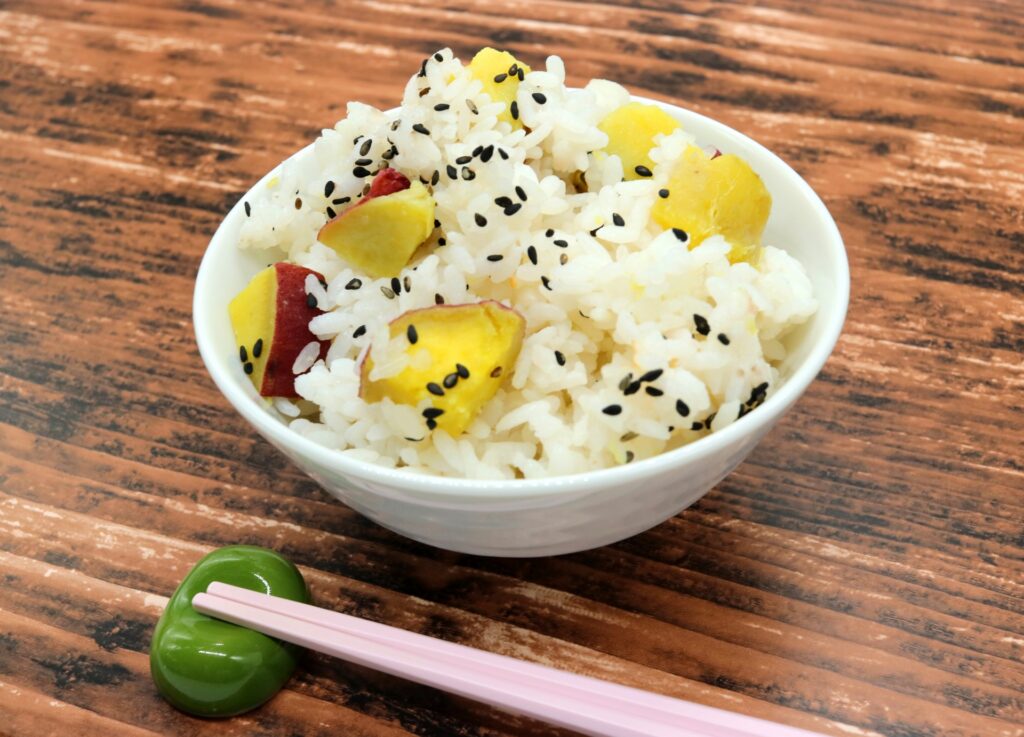
Takikomi gohan is a home-style dish commonly eaten in everyday meals. It is especially popular during autumn, when seasonal ingredients like mushrooms, chestnuts, and sweet potatoes are abundant.
It is not typically a restaurant dish but rather something families prepare at home. It can also appear in lunchboxes (bento) or as part of a simple dinner.
Because of its seasonal adaptability, it reflects an important aspect of Japanese cuisine: eating in harmony with the seasons.
Final Thoughts: Why You Should Try Takikomi Gohan
Takikomi gohan is more than just a rice dish—it’s a gateway into Japanese home cooking. It’s easy to make, requires minimal equipment, and can be adapted with ingredients you already have.
For beginners, it offers a low-risk way to explore Japanese flavors. For experienced cooks, it provides endless variation and creativity.
Most importantly, it delivers a satisfying, nutritious, one-pot meal that captures the essence of Japanese comfort food. If you’re looking to expand beyond sushi and ramen, takikomi gohan is a perfect place to start.