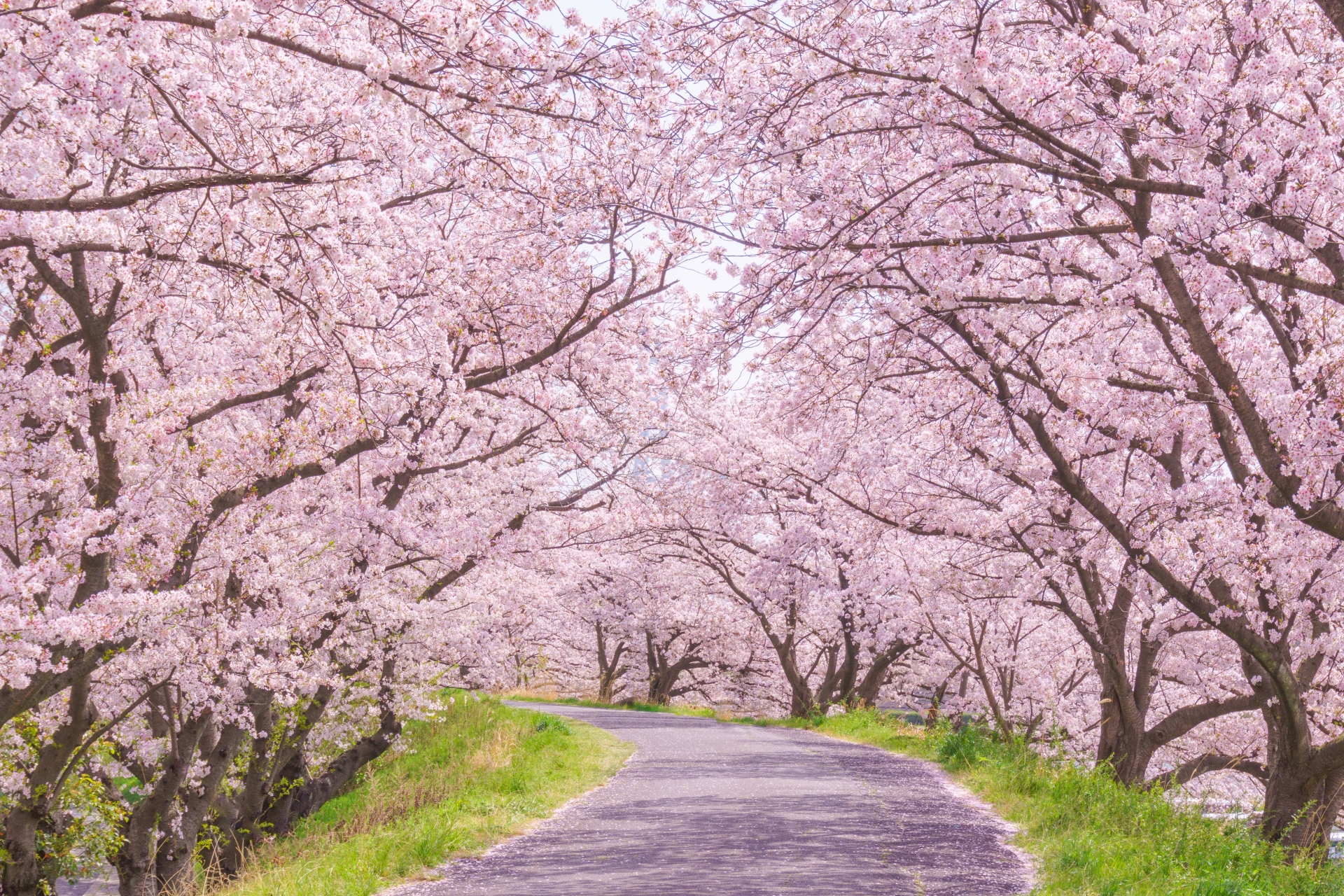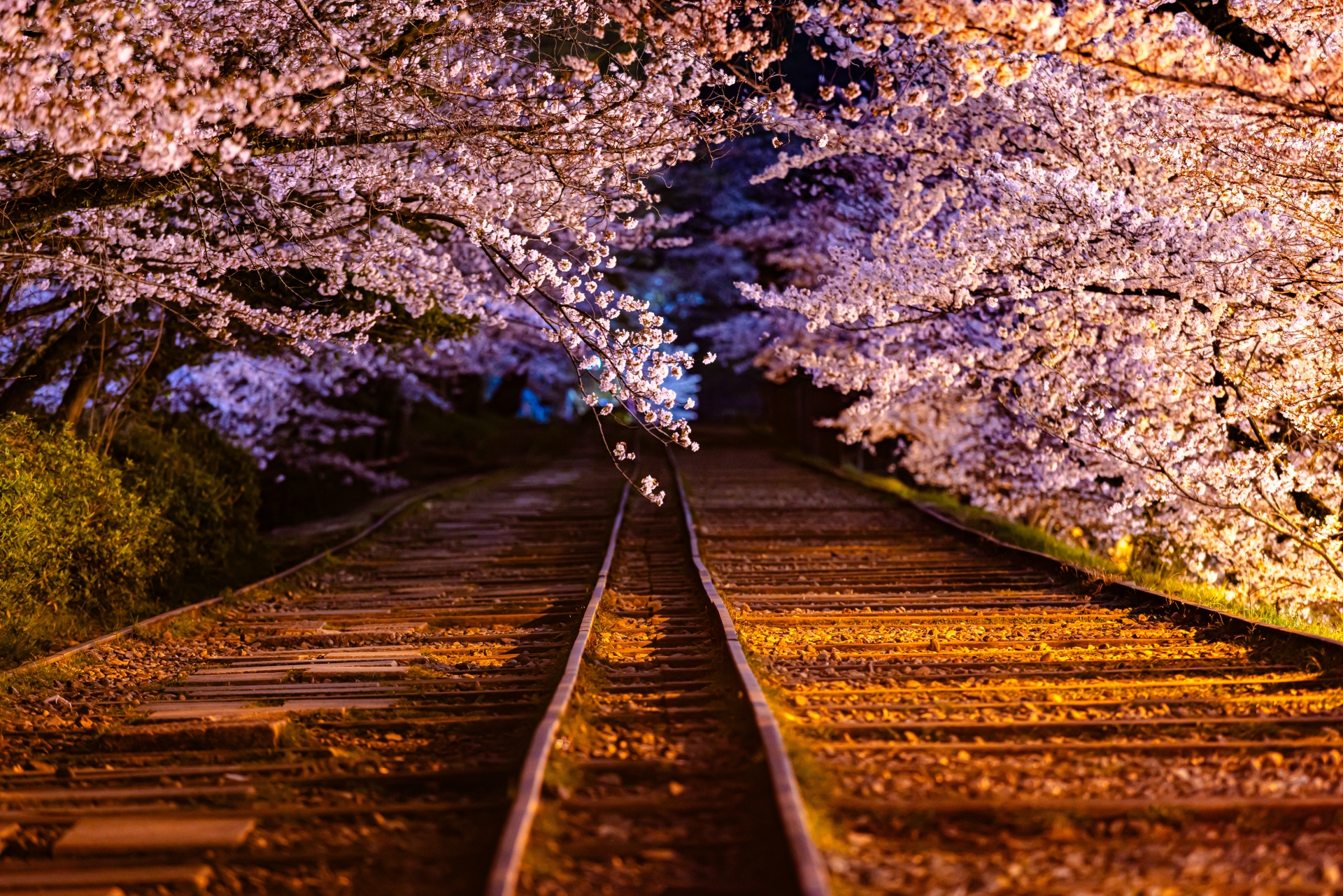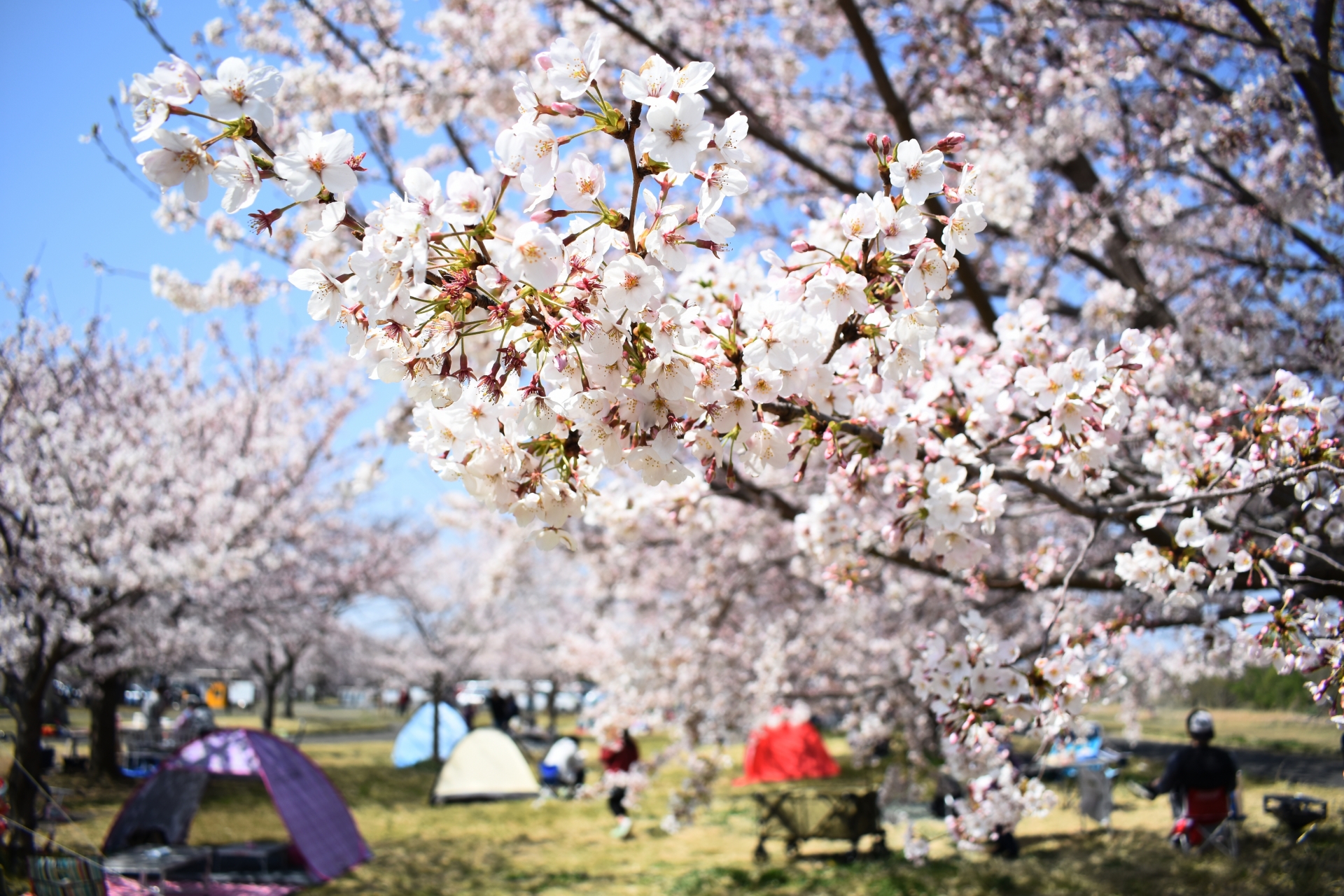
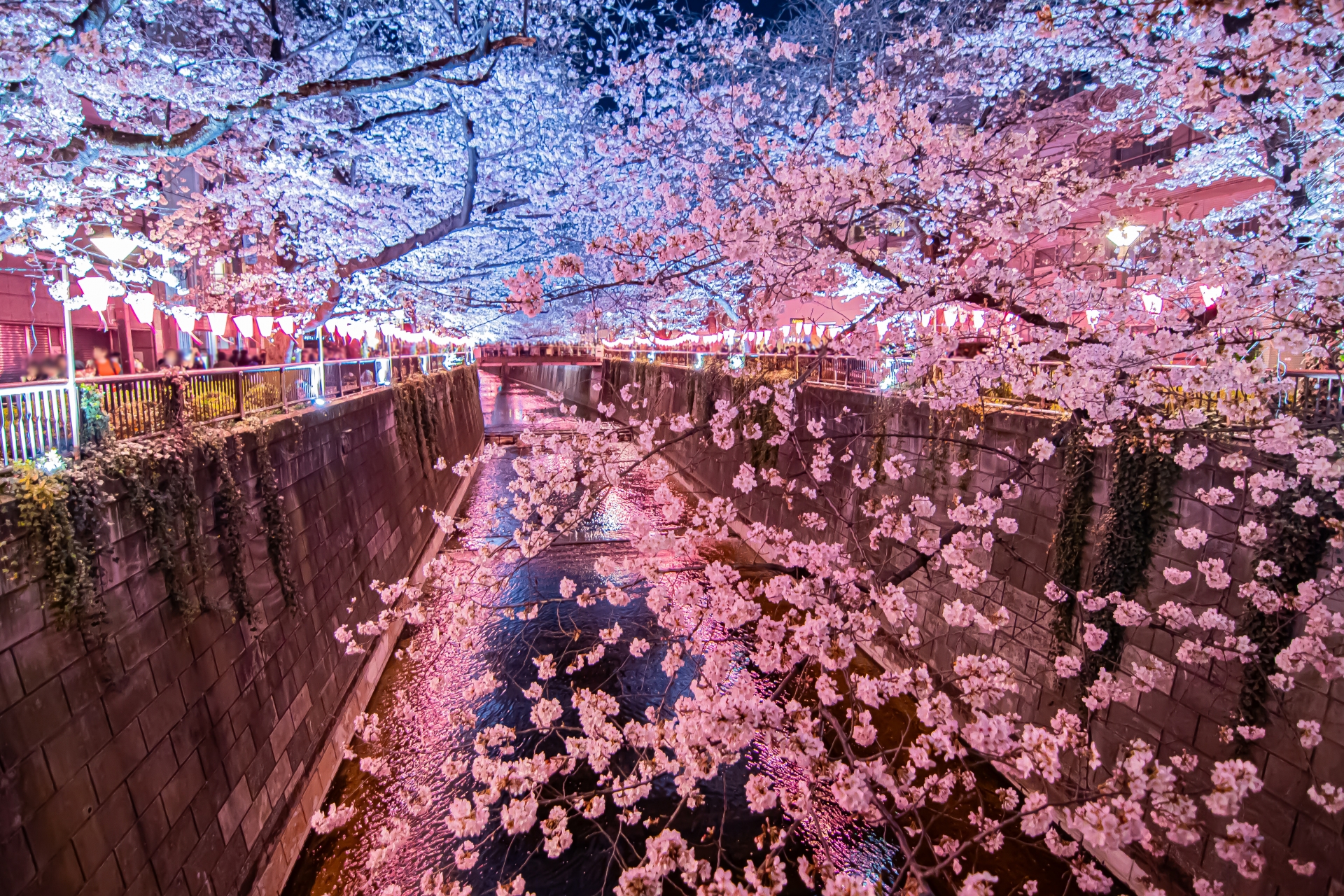
Hanami is more than just picnicking under cherry blossoms—it is a centuries-old tradition deeply rooted in Japanese spirituality, agriculture, and philosophy. What appears today as a festive seasonal event has evolved through layers of aristocratic culture, religious belief, and social transformation. To truly appreciate hanami, it is essential to understand how it developed over time and why cherry blossoms came to hold such profound meaning in Japan.


Origins of Hanami: Before Cherry Blossoms Became Symbolic
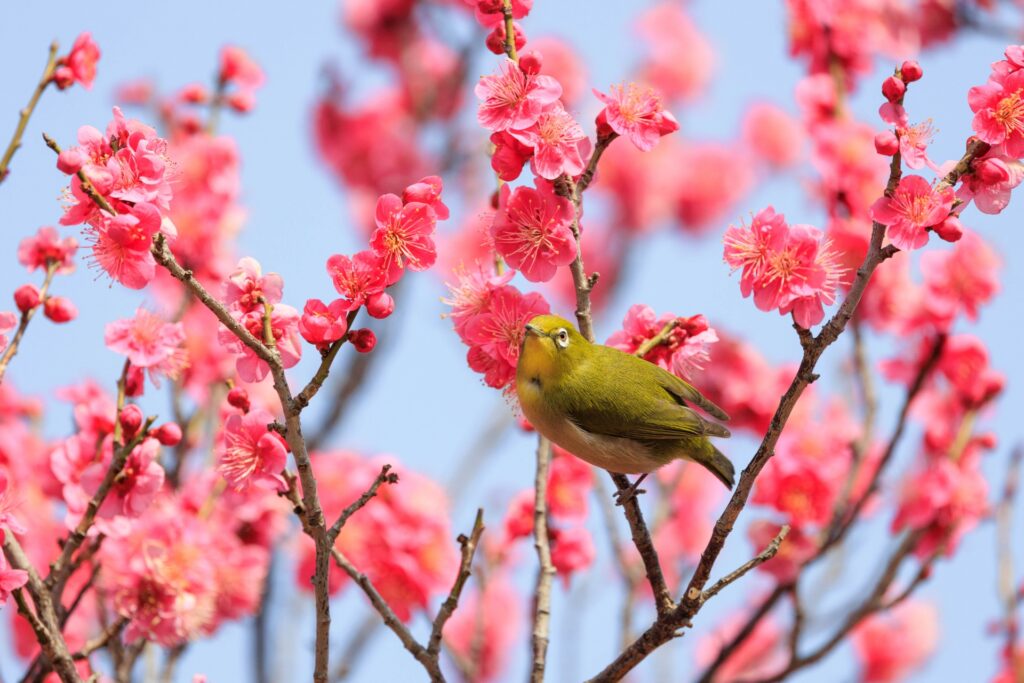
The origins of hanami can be traced back to the Nara period (710–794), when flower viewing in Japan was heavily influenced by Chinese culture. During this time, the Japanese imperial court adopted many customs from the Tang dynasty, including the appreciation of seasonal blossoms. However, early hanami did not center on cherry blossoms but rather on plum blossoms (ume), which had already been celebrated in Chinese poetry and art.
These early gatherings were exclusive to the aristocracy and often involved refined activities such as composing poetry, enjoying sake, and appreciating the beauty of nature in a controlled, ceremonial environment. Flower viewing was not merely leisure—it was a cultural expression tied to education, aesthetics, and social status.
As a result, hanami initially functioned as a courtly pastime rather than a widespread cultural practice. The transition from plum to cherry blossoms would later mark a significant turning point in the evolution of Japanese identity and aesthetics.
From Plum to Sakura: Why Cherry Blossoms Took Over
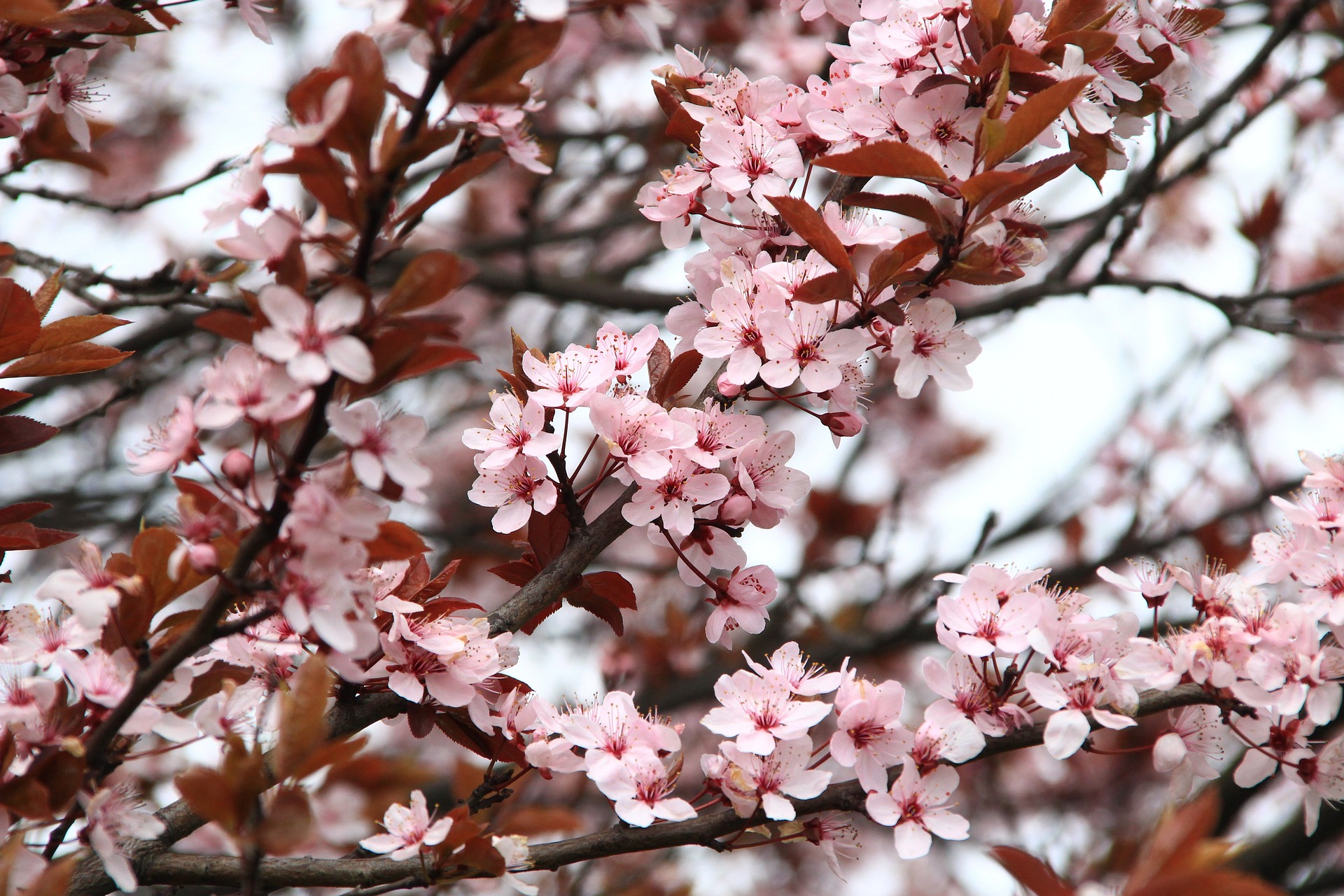
During the Heian period (794–1185), a shift occurred from plum blossoms to cherry blossoms (sakura) as the central focus of hanami. This transition was not accidental—it reflected deeper changes in Japanese cultural identity as the court began to move away from Chinese influences and develop its own distinct aesthetic values.
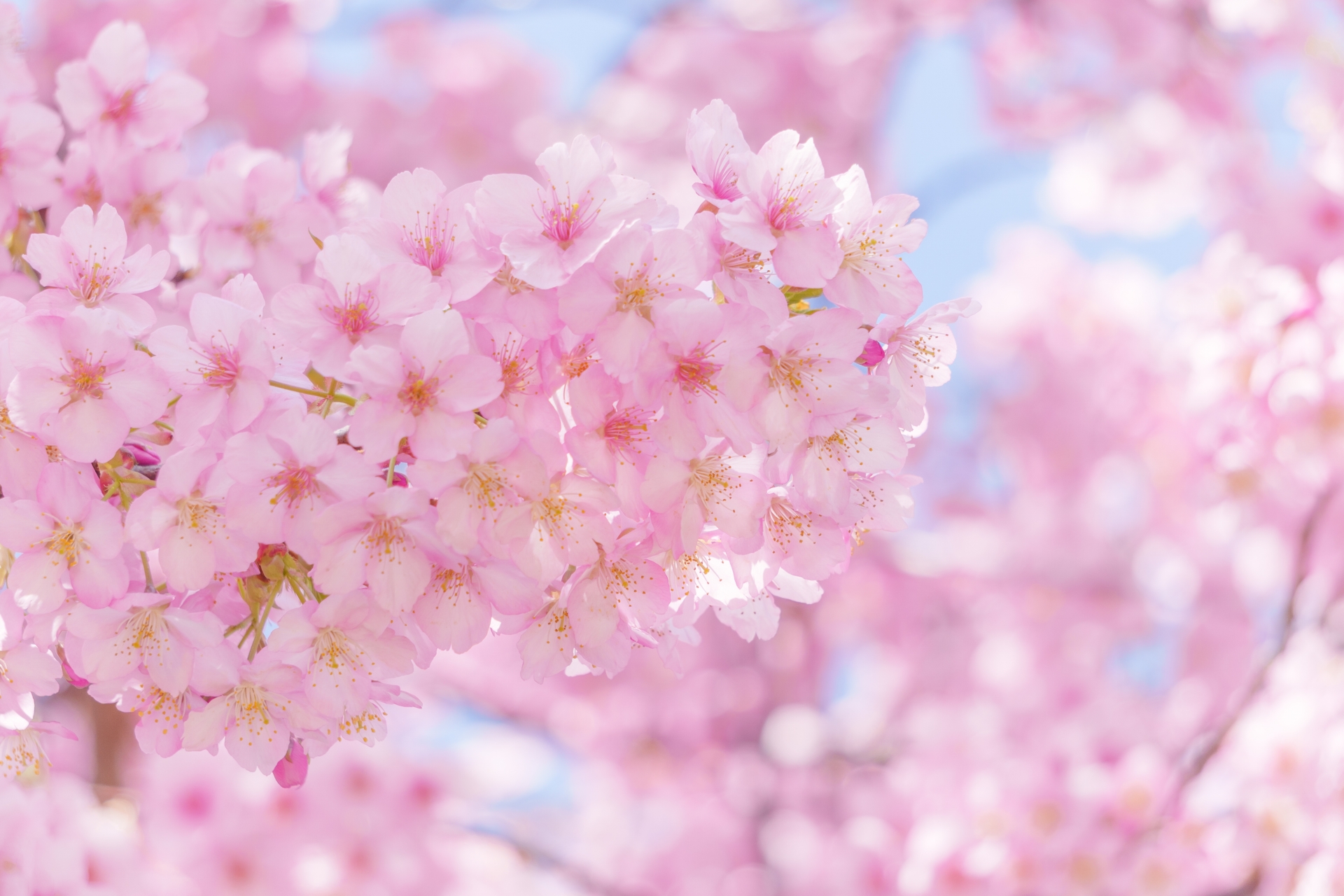
Cherry blossoms differed from plum blossoms in one crucial way: their fleeting nature. While plum blossoms bloom earlier and last longer, cherry blossoms bloom all at once and fall within a short period. This brief yet spectacular display resonated strongly with the Japanese appreciation for impermanence.
| Feature | Plum Blossoms (Ume) | Cherry Blossoms (Sakura) |
| Origin of popularity | Chinese influence | Native Japanese aesthetic |
| Bloom timing | Late winter | Early spring |
| Duration | Longer-lasting | Very short-lived |
| Symbolism | Endurance, resilience | Impermanence, fleeting beauty |
As Japanese culture matured, cherry blossoms came to symbolize a uniquely Japanese sensibility—one that embraces the transient nature of life. This philosophical shift helped establish sakura as the defining symbol of hanami.
Hanami in the Heian Period: Elite Culture and Poetry
In the Heian period, hanami became firmly established as an aristocratic tradition. Members of the imperial court gathered beneath blooming cherry trees to compose waka poetry, hold banquets, and celebrate seasonal beauty. These gatherings were not casual—they were highly structured events that emphasized elegance, refinement, and cultural literacy.
One of the most influential figures in promoting hanami was Emperor Saga, who hosted official cherry blossom viewing parties in Kyoto. These events helped formalize hanami as a key element of court culture and elevated its status as a symbol of sophistication.
Cherry blossoms also became a central motif in literature and art. In works such as The Tale of Genji, sakura are used to evoke emotional depth and seasonal awareness. The blossoms represented more than beauty—they reflected the emotional sensitivity and refined taste that defined Heian aristocracy.
Through poetry and ritual, hanami evolved into a cultural expression that combined nature, art, and philosophy, setting the foundation for its enduring significance.

Sakura and Mono no Aware: The Philosophy Behind Hanami
At the heart of hanami lies the concept of mono no aware, often translated as “the awareness of impermanence” or “the gentle sadness of things passing.” This idea became central to Japanese aesthetics during the Heian period and remains deeply embedded in the cultural understanding of cherry blossoms.
The brief life of sakura—blooming brilliantly before quickly falling—serves as a powerful metaphor for the transient nature of life. Rather than resisting impermanence, mono no aware encourages people to appreciate beauty precisely because it does not last.
Falling petals, in particular, evoke a quiet emotional response. They symbolize not only the end of a season but also the inevitability of change. This sensitivity to fleeting moments has influenced Japanese literature, art, and daily life for centuries.
Hanami, therefore, is not just about enjoying flowers—it is an opportunity to reflect on time, change, and the ephemeral nature of existence. This philosophical depth is what distinguishes hanami from simple flower viewing traditions elsewhere in the world.
From Samurai to Common People: The Spread of Hanami
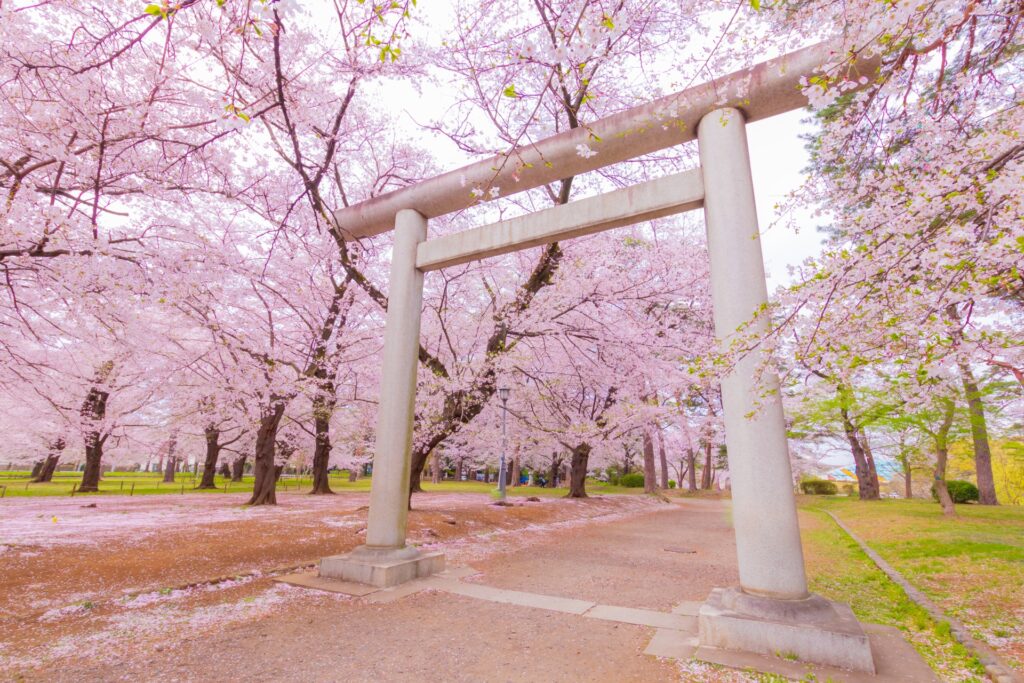
As Japan entered the Kamakura (1185–1333) and Muromachi (1336–1573) periods, hanami began to spread beyond the aristocracy to the samurai class. Warriors adopted the practice, integrating it into their own cultural framework, which emphasized discipline, honor, and awareness of mortality.
The real democratization of hanami occurred during the Edo period (1603–1868). Under the Tokugawa shogunate, large numbers of cherry trees were planted in urban areas such as Edo (modern-day Tokyo). Public parks and riverbanks became popular hanami spots, making the tradition accessible to common people.
This period also saw significant advancements in horticulture. Gardeners and cultivators developed new cherry tree varieties, including the now-famous Somei Yoshino. These trees were specifically bred for their uniform and abundant blossoms, enhancing the visual impact of hanami.
Urban culture played a major role in shaping modern hanami. Food stalls, entertainment, and group gatherings became common, transforming hanami into a lively social event. By the end of the Edo period, it had become a nationwide tradition enjoyed by people from all walks of life.
Samurai and Cherry Blossoms: A Symbol of Life and Death
For the samurai, cherry blossoms held a deeper symbolic meaning tied to the principles of bushido, the warrior code. The fleeting nature of sakura mirrored the ideal of a life lived with honor—beautiful, intense, and brief.
A falling cherry blossom was often compared to the idealized death of a warrior: sudden, graceful, and without regret. This association reinforced the samurai’s acceptance of mortality and the importance of living with purpose.
However, it is important not to over-romanticize this connection. While cherry blossoms were used symbolically in samurai culture, they were part of a broader philosophical framework that included duty, loyalty, and discipline.
This interpretation of sakura added another layer of meaning to hanami, linking it not only to beauty and nature but also to human values and existential reflection.
Hanami and Agriculture: Spiritual Roots of the Tradition
Long before hanami became a social event, it had strong connections to agriculture and spirituality. In ancient Japan, cherry blossoms were believed to be the dwelling places of kami—spirits or deities in Shinto belief.
Farmers viewed the blooming of sakura as a signal for the rice planting season. The timing of the blossoms was seen as a message from the gods, indicating when to begin agricultural activities. As a result, early hanami gatherings often included offerings and prayers for a successful harvest.
People would gather under the trees not only to admire their beauty but also to commune with the divine. Food and sake were offered to the kami, and rituals were performed to ensure prosperity.
This spiritual dimension reveals that hanami was originally much more than recreation—it was a vital part of the agricultural calendar and a reflection of humanity’s relationship with nature.
Is Hanami a Religious Tradition?
Today, hanami is largely a secular activity, but its origins are deeply rooted in Shinto beliefs. Historically, the act of gathering under cherry trees carried spiritual significance, as people believed they were in the presence of kami.
Over time, as Japanese society evolved, the religious aspects of hanami gradually diminished. The practice shifted from ritualistic gatherings to social celebrations focused on enjoyment and community.
Modern hanami typically involves picnics, food, and drinks, with little overt religious practice. However, traces of its spiritual origins remain in the cultural reverence for nature and seasonal change.
Thus, while hanami is not a religious tradition in the strict sense today, it continues to reflect a worldview shaped by centuries of spiritual and philosophical thought.
Modern Transformation: Decline, War, and Restoration
The Meiji period (1868–1912) marked a time of rapid modernization in Japan, which brought changes to many traditional practices, including hanami. As Japan industrialized, urban development altered natural landscapes, and some traditional customs began to decline.
During World War II, cherry trees faced significant threats. Many were cut down for fuel or repurposed for military needs. At the same time, cherry blossoms were used symbolically in wartime propaganda, representing sacrifice and national identity.
After the war, efforts were made to restore Japan’s cherry blossom landscapes. Gardeners and horticulturists played a key role in replanting trees, particularly the Somei Yoshino variety. Parks and public spaces were revitalized, helping to reestablish hanami as a central cultural practice.
This postwar recovery not only preserved the tradition but also reshaped it for modern society, blending historical continuity with contemporary life.
Modern Hanami: From Tradition to Social Event
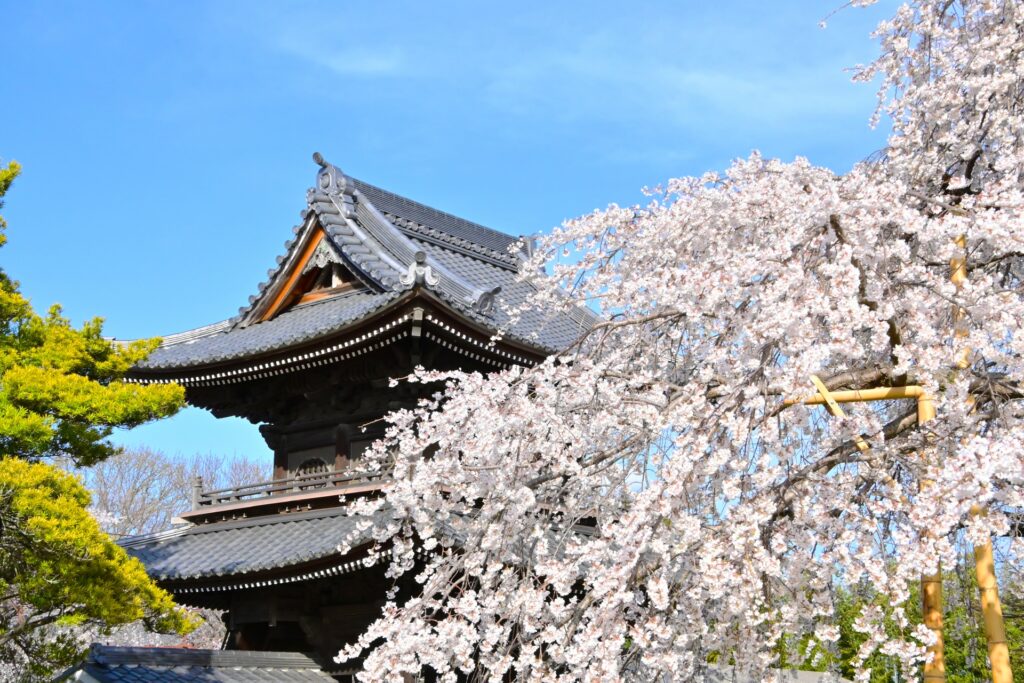
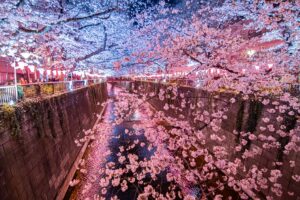
In contemporary Japan, hanami has evolved into a vibrant social activity. While its historical and philosophical roots remain, the practice is now often associated with group gatherings, outdoor parties, and seasonal celebrations.
One notable development is the rise of company hanami, where coworkers gather under cherry blossoms for team-building and social bonding. These events reflect Japan’s corporate culture and emphasize group harmony.
Tourism has also played a significant role in shaping modern hanami. Popular viewing spots attract millions of visitors each year, and the cherry blossom season has become a major economic driver.
Despite these changes, the essence of hanami—appreciating the beauty of fleeting moments—continues to resonate, bridging the gap between tradition and modern life.
How Hanami Spread Beyond Japan
Hanami has extended beyond Japan’s borders, becoming a global cultural phenomenon. One of the most famous examples is the cherry blossom festival in Washington, D.C., which originated from a gift of cherry trees from Japan in 1912.
Today, cherry blossom festivals are held in cities around the world, including Vancouver, Paris, and Seoul. These events celebrate not only the beauty of sakura but also cultural exchange and international friendship.
As hanami spread globally, it retained its core themes while adapting to different cultural contexts. It has become a symbol of Japan’s cultural influence and a shared appreciation for nature’s beauty.
Why Hanami Still Matters Today
Hanami continues to hold deep cultural significance because it embodies universal themes—beauty, impermanence, and the passage of time. In a fast-paced modern world, it offers a rare opportunity to pause and reflect.
For many, hanami is not just about flowers but about connection: with nature, with others, and with oneself. It encourages mindfulness and appreciation for the present moment.
The enduring appeal of hanami lies in its ability to convey profound ideas through a simple experience. Whether in Japan or abroad, the sight of cherry blossoms in bloom continues to inspire and unite people across cultures.
Conclusion: The Enduring Legacy of Hanami
Hanami has evolved from ancient agricultural rituals into a beloved cultural tradition enjoyed across Japan today. Throughout history, cherry blossoms have come to symbolize both the beauty and impermanence of life. Despite changes in society, the essence of hanami remains unchanged. It continues to offer a moment to pause, reflect, and appreciate the fleeting nature of each season.