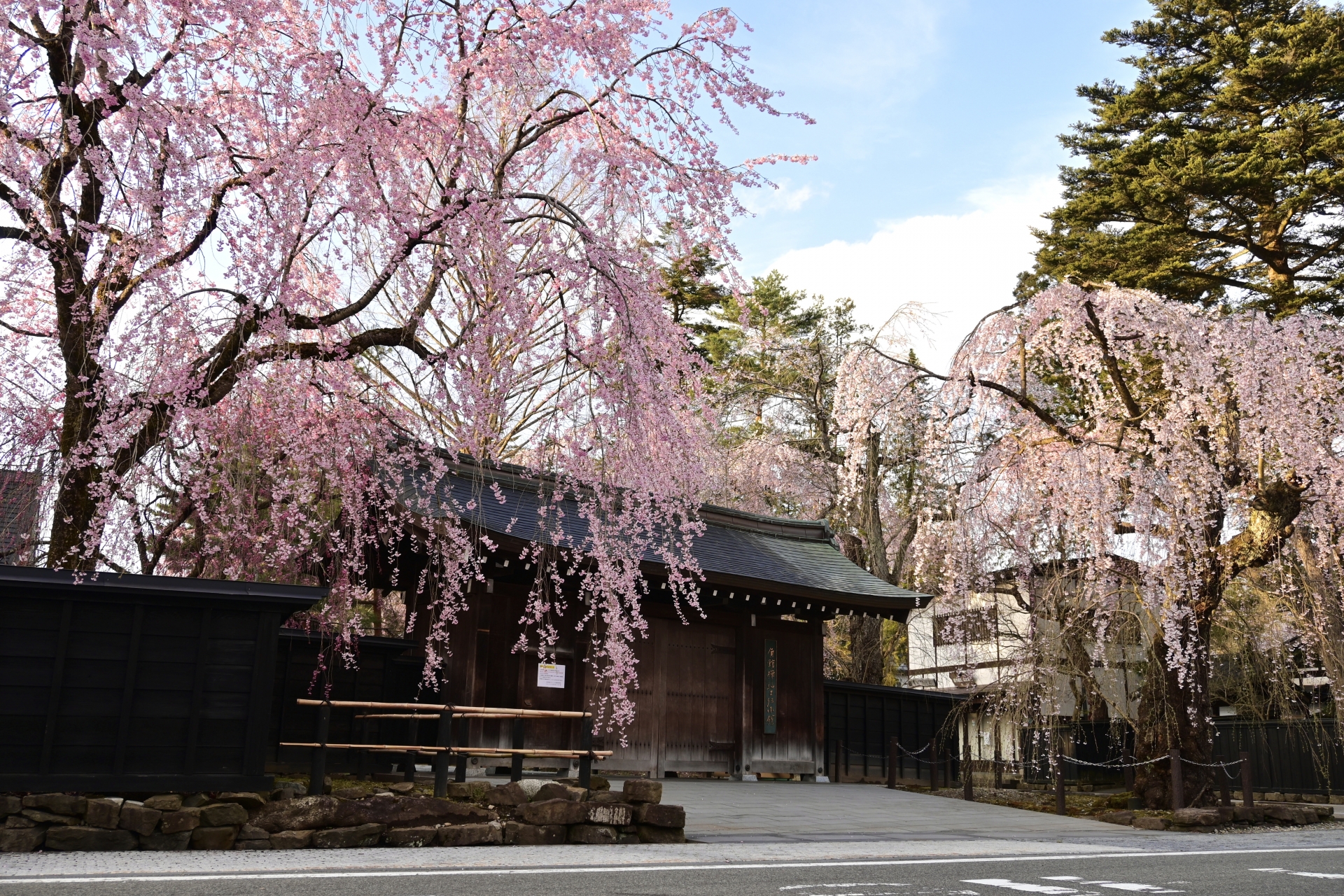
Kakunodate Samurai Residences is one of Japan’s best-preserved samurai districts, offering travelers a rare opportunity to walk through an Edo-period townscape shaped by black wooden fences, historic trees, and former samurai homes. This guide is designed specifically for English-speaking travelers planning a trip to Japan—helping you understand what makes Kakunodate special, what to prioritize during your visit, when to go, and how to turn it into a seamless day trip or part of a wider Tohoku itinerary.


What Are the Kakunodate Samurai Residences?
Kakunodate is a former castle town located in Akita Prefecture in northern Japan. Often called the “Little Kyoto of Tohoku,” it is renowned for its beautifully preserved samurai district, where visitors can still experience the atmosphere of Japan’s feudal era. The Kakunodate Samurai Residences refer to a collection of historic homes and streets that were once inhabited by mid- to high-ranking samurai families.
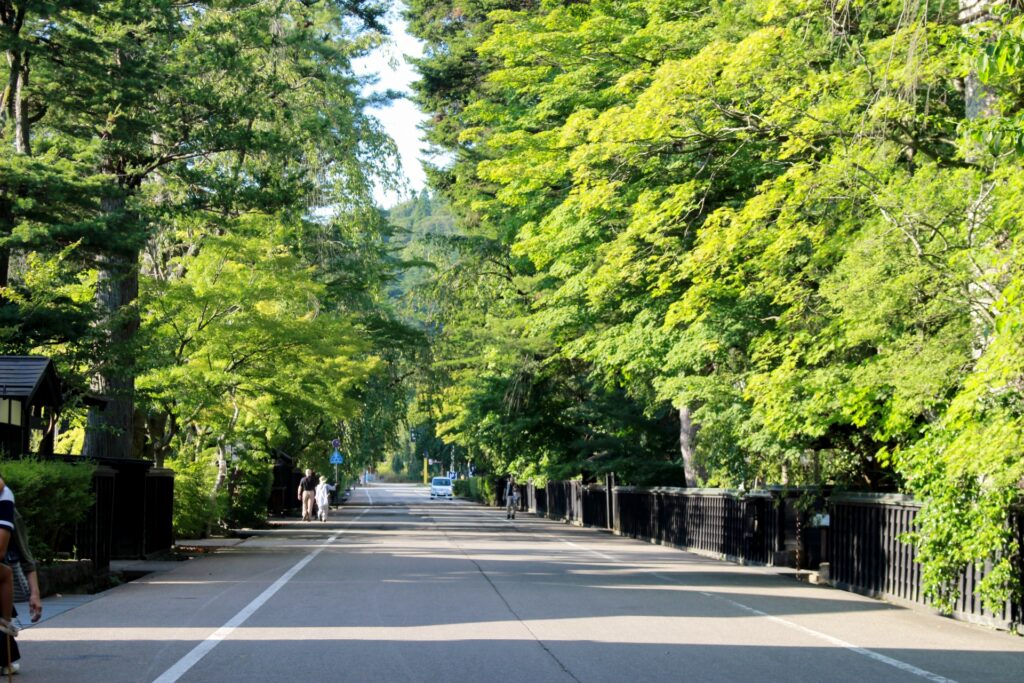
At its peak, around 80 samurai households lived in this district, organized in a structured layout typical of Edo-period town planning. What makes Kakunodate exceptional is how intact this layout remains today. The wide streets, lined with tall trees and enclosed by distinctive black wooden fences, preserve a sense of authenticity that is increasingly rare in Japan.
In 1976, the area was officially designated as an Important Preservation District for Groups of Traditional Buildings. This designation ensures that the historical character of the neighborhood is carefully maintained, including architectural styles, landscaping, and even the overall atmosphere. Unlike reconstructed tourist sites, Kakunodate offers a genuine glimpse into how samurai families lived, making it a compelling destination for travelers seeking cultural depth and historical authenticity.

Why Kakunodate Samurai District Is Worth Visiting
For travelers considering where to experience traditional Japan, Kakunodate offers a unique value proposition. While cities like Kyoto and Kanazawa are well-known for their historic districts, Kakunodate stands out for its quieter, more intimate atmosphere. It feels less like a curated tourist destination and more like a living historical environment.
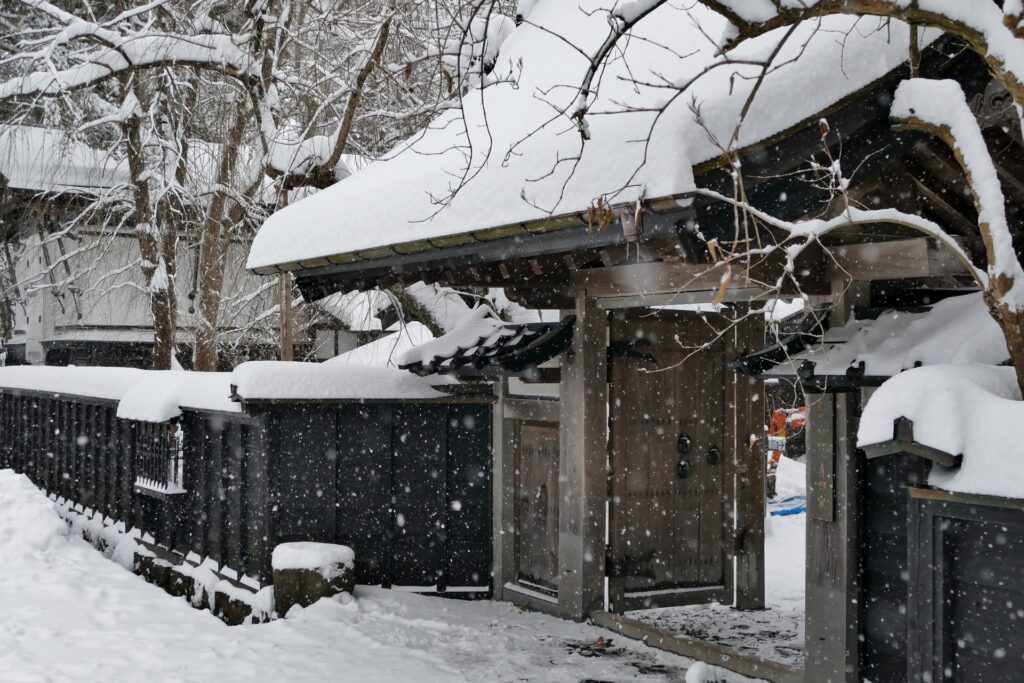
The district’s defining features include its black wooden fences (bukeyashiki walls), expansive samurai estates, and lush groves of mature trees that surround each residence. These elements create a layered landscape that changes dramatically with the seasons—cherry blossoms in spring, deep greens in summer, fiery foliage in autumn, and serene snow-covered scenes in winter.
Here’s how Kakunodate compares to other popular historic destinations:
| Feature | Kakunodate | Kyoto | Kanazawa |
| Crowd Level | Low to moderate | High | Moderate |
| Scale | Compact, walkable | Large city | Medium |
| Atmosphere | Quiet, authentic | Cultural hub | Refined, curated |
| Seasonal Beauty | Strong in all seasons | Best in spring/autumn | Strong year-round |
| Ideal Visit Duration | 2–4 hours | 2–3 days | 1–2 days |
Kakunodate is particularly appealing for travelers who want to avoid crowds while still experiencing a high-quality cultural destination. It’s also ideal for photography, thanks to its natural integration of architecture and landscape.

Best Things to See in Kakunodate Samurai Residences
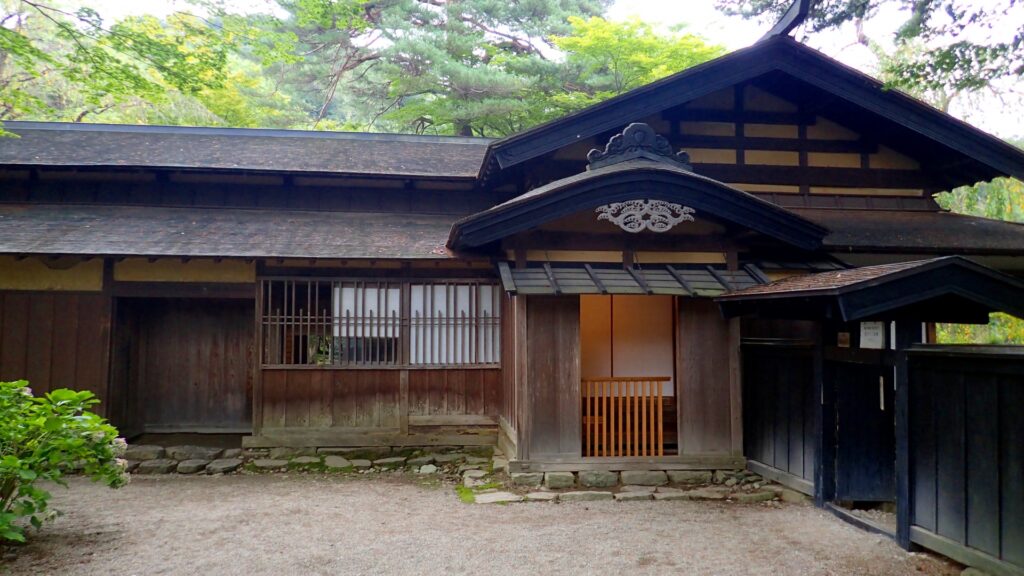
The Kakunodate Samurai District is compact but rich in detail, making it ideal for a focused walking exploration. While strolling through the streets is an experience in itself, several key sites should be prioritized to make the most of your visit.
There are six samurai residences open to the public, though access varies—some allow entry inside the buildings, while others can only be viewed from the outside. In addition to these homes, the district also includes museums, craft shops, and scenic walking paths.
Must-See Samurai Houses
Each samurai residence offers a slightly different perspective on history, architecture, and lifestyle. Choosing which ones to visit depends on your interests and available time.
- Ishiguro House
The most historically authentic residence, still owned by descendants of the original samurai family. Visitors can explore interiors and gain insight through guided explanations. Best for history enthusiasts. - Aoyagi Samurai Manor Museum
A large complex with multiple buildings, exhibits, and cultural displays. Offers a broader and more interactive experience. Ideal for first-time visitors and those wanting variety. - Iwahashi House
A typical residence of a mid-ranking samurai, featuring notable garden elements such as a more than 300-year-old oak tree and weeping cherry trees. Its exterior and garden layout provide insight into everyday samurai life. Best for those interested in historical landscaping and authentic residential design. - Kawarada House
A quieter residence with a focus on garden design and layout. Good for those interested in traditional landscaping. - Matsumoto House
A typical residence of a lower-ranking samurai, offering insight into a more modest and practical lifestyle. Ideal for understanding differences within samurai social classes. - Odano House
A smaller residence offering insight into mid-ranking samurai life.
Priority Guide
| Category | Best Choice |
| Best for first visit | Aoyagi Samurai Manor |
| Best for historical authenticity | Ishiguro House |
| Best if short on time | Ishiguro House |
The Streetscape, Black Fences, and Historic Trees
One of the most striking aspects of Kakunodate is its cohesive visual identity. The tall black wooden fences are not merely decorative—they served practical purposes such as protection, privacy, and fire prevention. Behind these fences lie spacious estates, often surrounded by carefully maintained groves of trees.
These trees played an essential role in samurai life. They acted as windbreaks, fire buffers, and symbols of status. The result is a layered landscape where architecture and nature coexist seamlessly.
This design creates a sense of depth and tranquility, making the district feel more like a living environment than a museum. Understanding this structure enhances your appreciation of what might otherwise seem like simple streets.
Nearby Spots to Add to Your Walk
Kakunodate is more than just samurai residences. Expanding your walk beyond the main street adds variety and depth to your visit.
- Hinokinai River
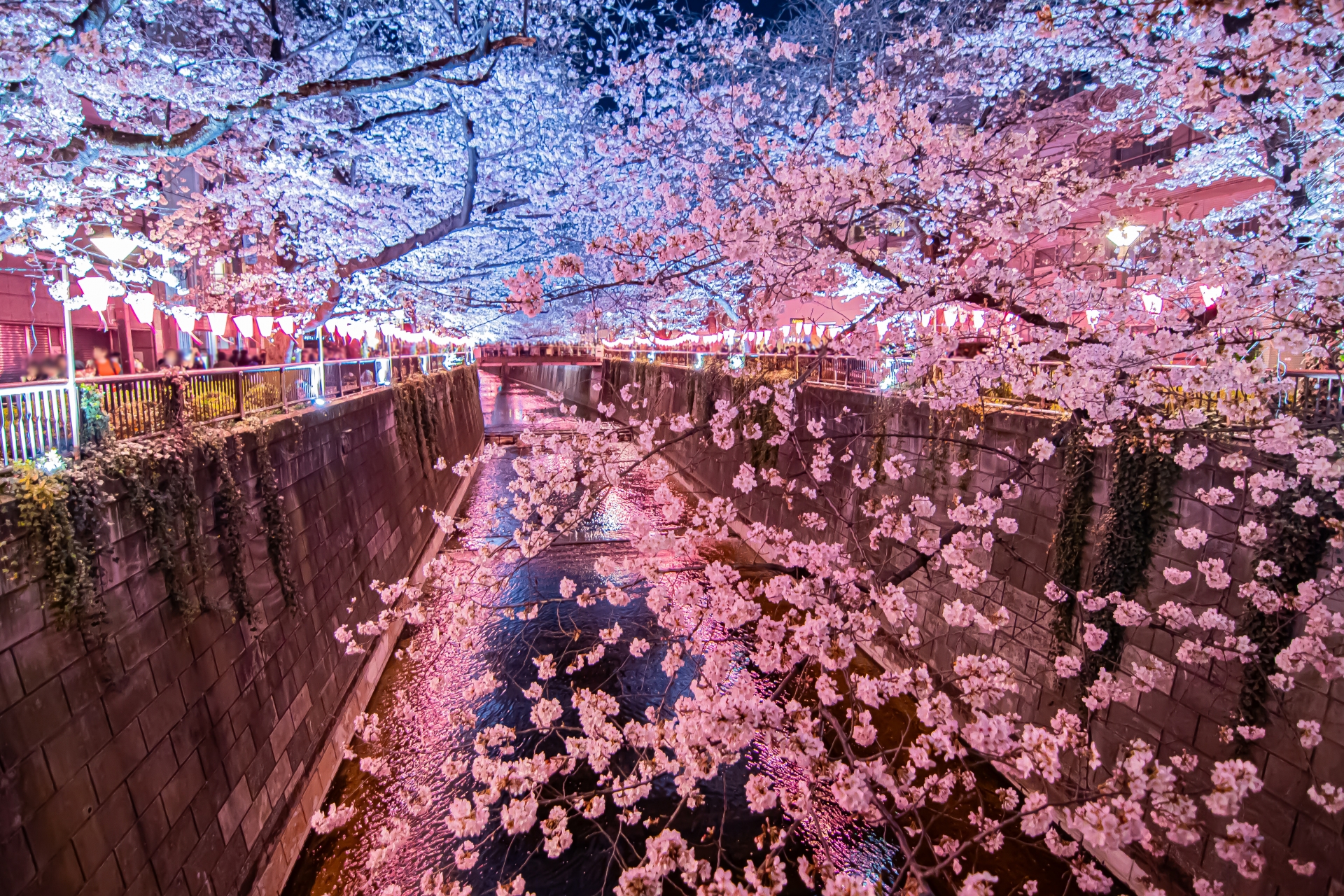
Famous for its cherry blossom-lined banks in spring, forming a tunnel of pink blossoms. - Merchant District (Machiya area)
Features traditional townhouses, cafes, and local craft shops. - Museums and Cultural Sites
Including folklore museums and exhibits on local crafts such as cherry bark work (kabazaiku).
These nearby spots allow you to experience Kakunodate as a complete historical town, not just a single district.
Best Time to Visit Kakunodate Samurai Residences
Kakunodate is a year-round destination, but each season offers a distinct experience.
| Season | Scenery | Pros | Cons | Crowd Level | Best For |
| Spring | Cherry blossoms | Iconic views | Crowded | High | First-time visitors |
| Summer | Lush greenery | Quiet | Humid | Low | Relaxed travel |
| Autumn | Colorful foliage | Beautiful contrast | Short season | Moderate | Photographers |
| Winter | Snow-covered streets | Unique atmosphere | Cold | Low | Off-peak travelers |
Visiting During Cherry Blossom Season
Spring is the most famous time to visit Kakunodate, typically from late April to early May. The district is known for its weeping cherry trees (shidarezakura), which drape elegantly over the streets, creating a soft, romantic atmosphere.
Nearby, the Hinokinai River offers a contrasting experience with its long rows of cherry trees forming a dramatic tunnel of blossoms.
However, this popularity comes with crowds. To manage this:
- Arrive early in the morning
- Visit the samurai district first, then the river
- Avoid peak midday hours when possible
Autumn Leaves, Snow, and Off-Peak Appeal
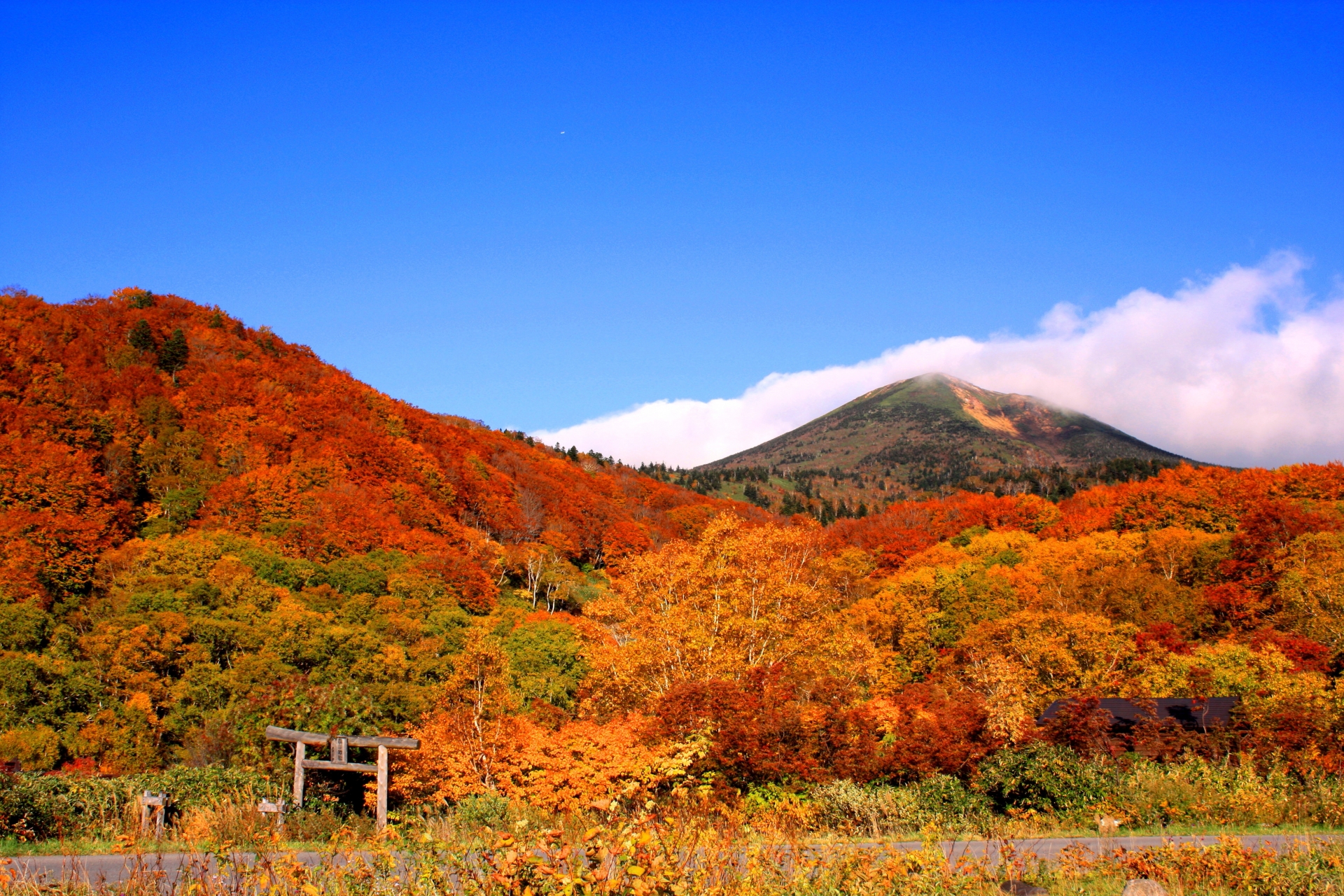
Autumn transforms Kakunodate into a vibrant landscape of reds, oranges, and yellows. The contrast between foliage and black fences is especially striking, making it a favorite among photographers.
Winter, while less visited, offers a completely different charm. Snow blankets the streets, creating a quiet, almost cinematic atmosphere. If you prefer solitude and mood over crowds, this is an excellent time to visit.
These off-peak seasons provide a more relaxed and immersive experience, often overlooked by mainstream travel guides.
How to Get to Kakunodate Samurai Residences
Kakunodate Station is the gateway to the samurai district, located about a 15–20 minute walk away. The route is straightforward and pleasant, making walking the most popular option. Bicycle rentals are also available for those who want to explore more efficiently.
| Starting Point | Transport Method | Overview | Best For |
| Tokyo | Shinkansen | Direct route via Akita Shinkansen | Day trips or overnight |
| Morioka | Shinkansen/local train | Short and convenient | Easy day trip |
| Akita | Local train | Scenic regional ride | Budget travelers |

From Tokyo, Morioka, and Akita
- From Tokyo: Take the Akita Shinkansen directly to Kakunodate (approx. 3–4 hours). While a day trip is possible, the travel time is relatively long and can be physically demanding. It is better suited as an overnight stay or as part of a broader Tohoku itinerary.
- From Morioka: About 1 hour via Shinkansen or local train, making it one of the easiest access points.
- From Akita: Around 1 hour by local train, suitable for a relaxed regional itinerary.
Kakunodate works well as a standalone destination or as part of a broader Tohoku journey.
How Long Do You Need in Kakunodate?
The ideal length of stay depends on your travel style and interests.
| Time Available | What to Do |
| 2 hours | Walk main street + visit Ishiguro House |
| 4 hours | Add Aoyagi Manor + river walk |
| Full day | Include museums, cafes, and nearby areas |
Best Half-Day Itinerary
A practical and efficient half-day plan:
- Arrive at Kakunodate Station
- Walk to the samurai district
- Visit Ishiguro House
- Explore Aoyagi Samurai Manor
- Stroll along the main street
- Continue to Hinokinai River (seasonal highlight)
- Stop for lunch or a cafe before returning
This flow ensures you cover the highlights without rushing.
Travel Tips Before You Go
- Wear comfortable walking shoes
- Check opening hours in advance
- Note that some houses are exterior-only
- Visit early to avoid crowds (especially in spring)
- Bring cash for smaller shops
- Respect photography etiquette (private properties)
- Confirm seasonal timing locally for best views
What to Combine With Kakunodate in a One-Day or Two-Day Trip
Kakunodate pairs well with other destinations in the Tohoku region.
| Destination | Reason | Ideal Traveler |
| Lake Tazawa | Scenic nature, Japan’s deepest lake | Nature lovers |
| Nyuto Onsen | Traditional hot springs | Relaxation seekers |
| Morioka | Food and urban culture | Balanced itinerary |
These combinations allow you to experience history, nature, and relaxation in a single trip.
FAQ About Kakunodate Samurai Residences
Is Kakunodate worth visiting?
Yes, especially for travelers seeking an authentic and less crowded historical experience.
Can it be done as a day trip?
Absolutely. It’s easily accessible from Tokyo, Morioka, and Akita.
Which samurai houses can you enter?
Ishiguro House and Aoyagi Samurai Manor are the most accessible interiors.
Is spring the only good season?
No. Autumn and winter offer equally compelling experiences with fewer crowds.
How far is it from the station?
About a 15–20 minute walk.
Conclusion
Kakunodate Samurai Residences offers a rare and authentic glimpse into Japan’s samurai past, preserved in a way that feels both immersive and accessible. While spring cherry blossoms and autumn foliage are particularly popular, the district’s charm extends throughout the year.
With its compact layout, Kakunodate can be explored comfortably in half a day to a full day, making it an ideal addition to any Japan itinerary. When combined with nearby destinations like Lake Tazawa or Nyuto Onsen, it becomes part of a richer and more diverse travel experience.
If you’re planning a trip to Japan and looking for a destination that blends history, beauty, and tranquility, Kakunodate deserves a place on your itinerary.