Japanese meals are built on balance, and vegetable side dishes play a central role in creating that harmony. Whether you’re preparing a simple weeknight dinner or a full Japanese-style meal, these small dishes add color, nutrition, and contrast to the table. In this guide, you’ll discover the most popular Japanese vegetable side dishes, learn how they’re typically prepared, and find easy ways to recreate them at home using accessible ingredients.


What Are Japanese Vegetable Side Dishes?
In traditional Japanese dining, meals are structured around a principle called ichiju sansai—one soup, one main dish, and two or more side dishes. Vegetable sides, often referred to as okazu, help balance heavier proteins and provide seasonal freshness. These dishes are usually served in small portions but deliver a wide variety of textures and flavors.
Japanese vegetable side dishes tend to fall into a few key flavor categories: sesame-dressed (goma-ae), vinegared (sunomono), simmered (nimono), stir-fried (itame-mono), and pickled (tsukemono). Each style offers a different sensory experience while maintaining a light, clean taste profile that complements rice and soup.
These sides are also deeply tied to seasonality (shun), meaning ingredients are chosen at their peak freshness.
| Style | Typical Seasoning | Example Dishes |
| Sesame-dressed | Soy sauce, sesame paste, sugar | Goma-ae |
| Vinegared | Rice vinegar, sugar, salt | Sunomono, Namasu |
| Simmered | Soy sauce, mirin, dashi | Kabocha no nimono |
| Stir-fried | Soy sauce, oil, chili | Kinpira gobo |
| Pickled | Salt, vinegar, bran | Tsukemono |
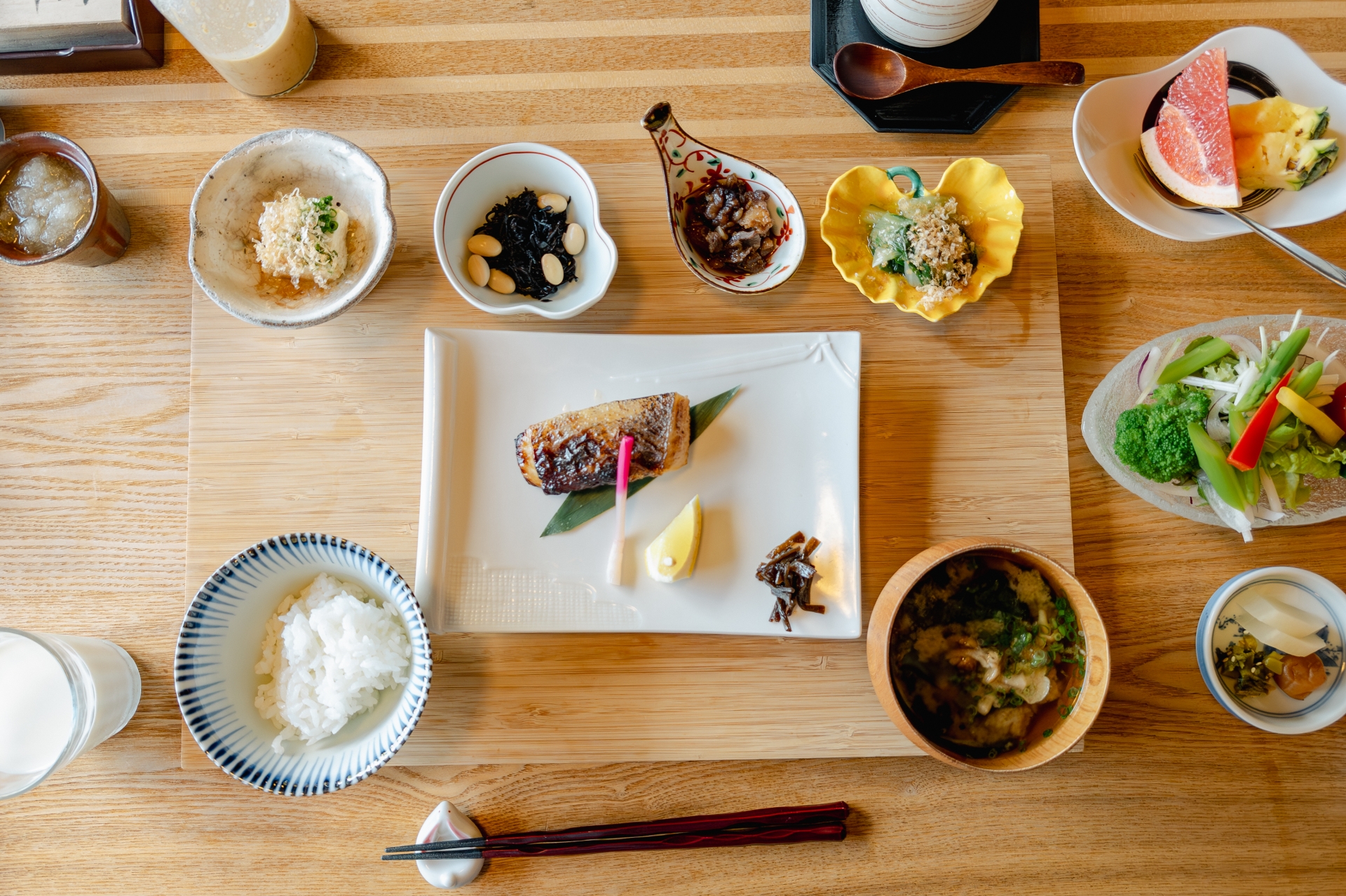
25 Popular Japanese Vegetable Side Dishes to Know
Japanese cuisine offers a rich variety of vegetable-based side dishes that are simple, healthy, and full of flavor.
| Dish | Main Vegetable | Flavor Profile | Best With | Difficulty |
| Sunomono | Cucumber | Sweet & tangy | Grilled fish | Easy |
| Goma-ae | Spinach | Nutty & savory | Rice, bento | Easy |
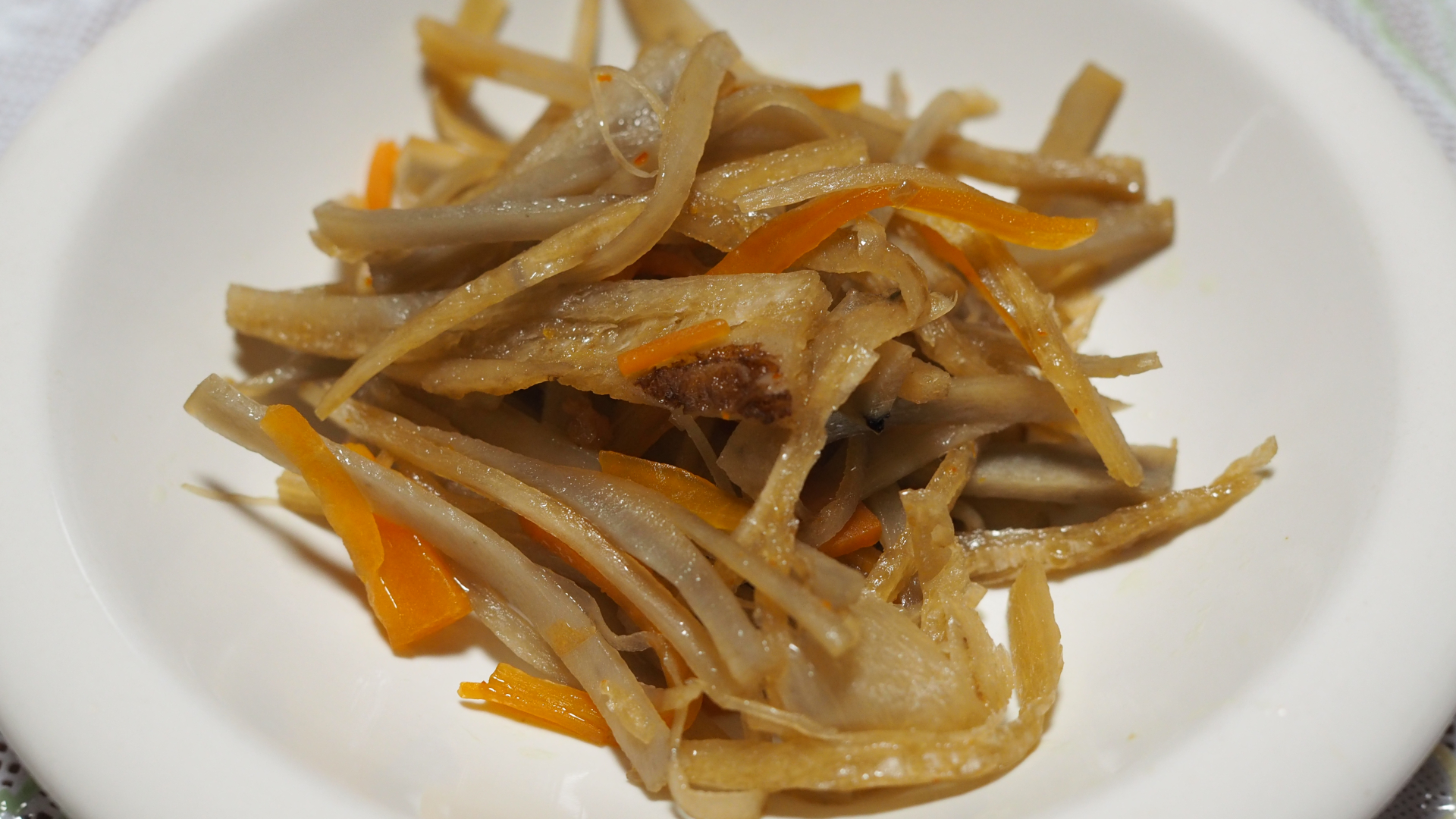
| Kinpira Gobo | Burdock root | Sweet & savory | Bento, grilled meats | Medium |
| Ohitashi | Spinach | Light umami | Any main dish | Easy |
| Namasu | Daikon, carrot | Sweet vinegar | Fried foods | Easy |
| Kabocha Nimono | Kabocha squash | Sweet & soft | Rice, miso soup | Easy |
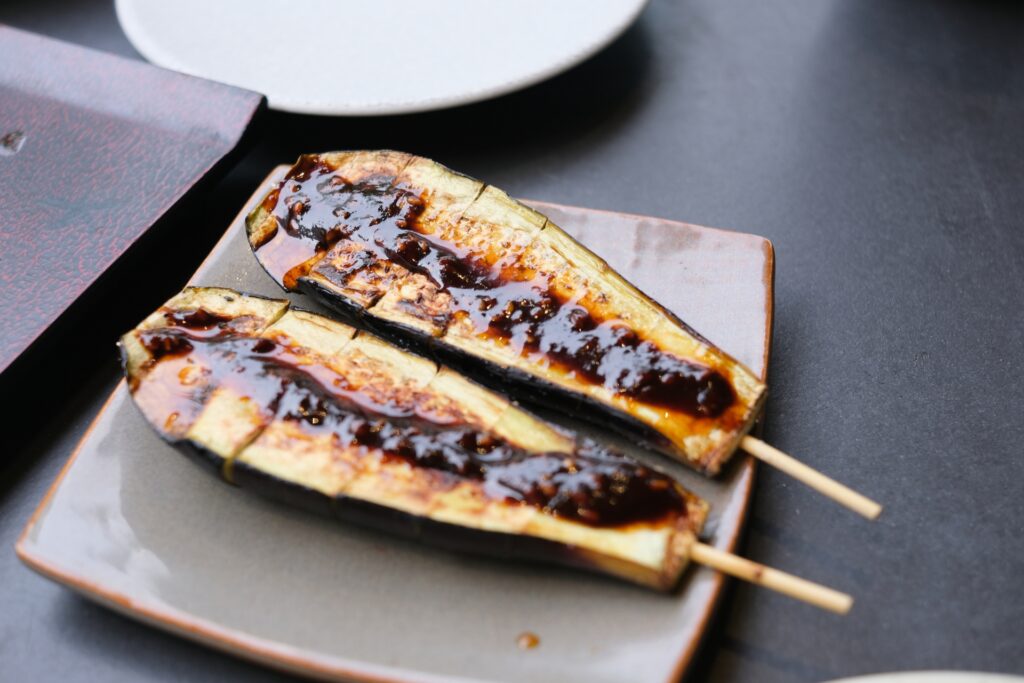
| Nasu Dengaku | Eggplant | Sweet miso glaze | Rice bowls | Medium |
| Tsukemono | Various | Salty/tangy | Any meal | Easy |
| Wakame Salad | Seaweed | Fresh & tangy | Seafood | Easy |
| Unohana | Okara | Mild & savory | Traditional meals | Medium |
Refreshing Vinegared and Salad-Style Sides
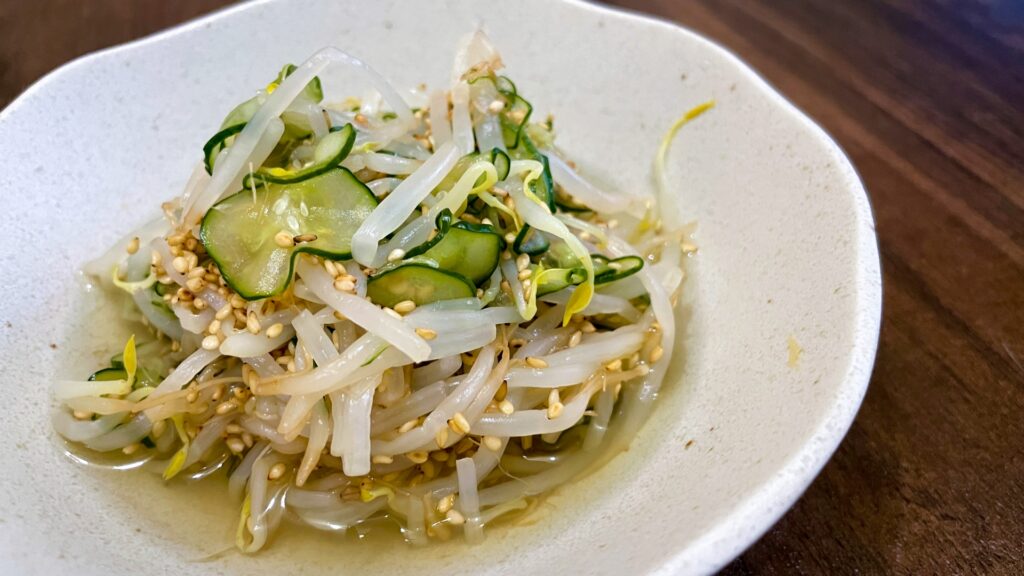
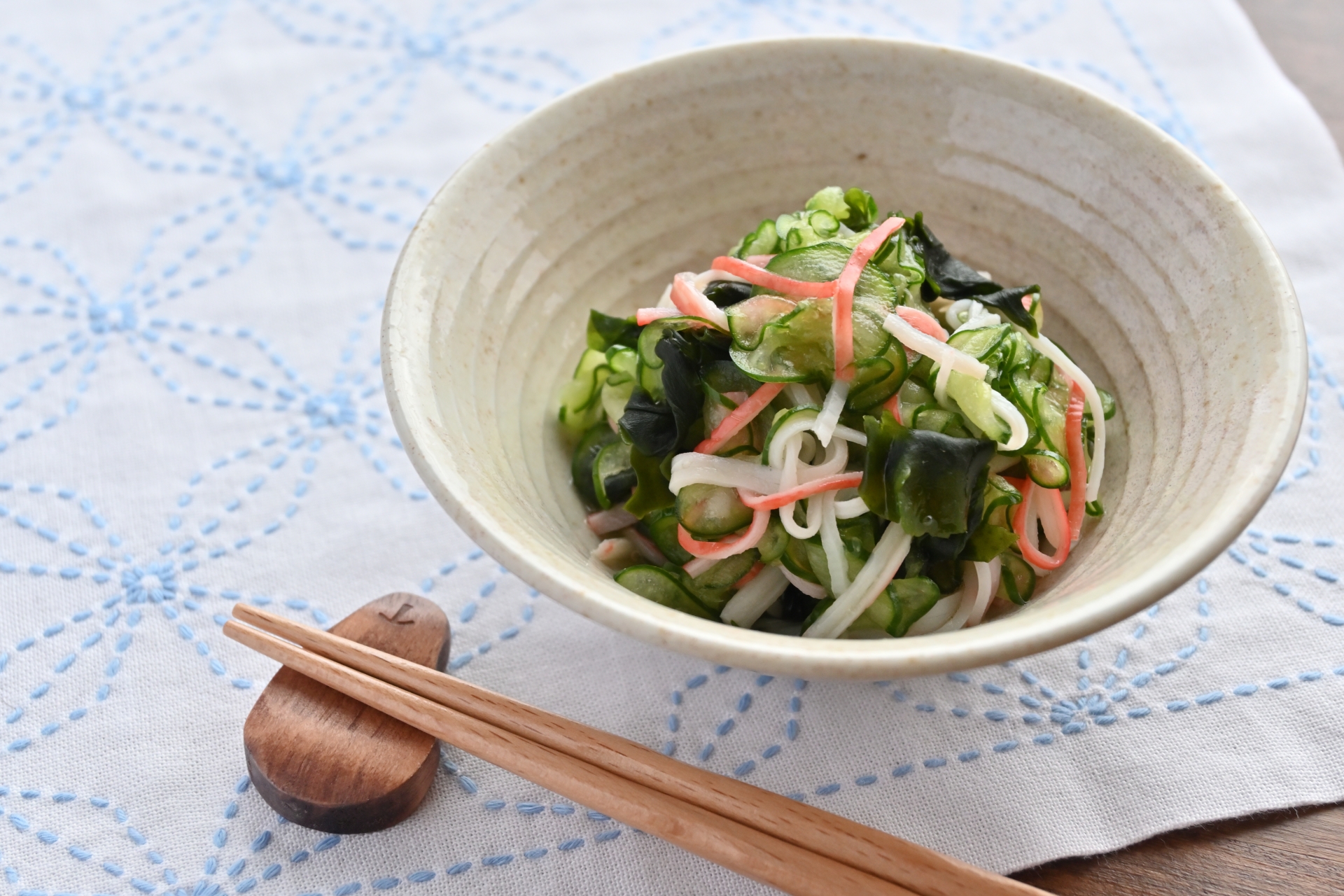
Vinegared and salad-style dishes are essential in Japanese cuisine because they provide a refreshing contrast to heavier mains like fried or grilled foods. Dishes such as sunomono, namasu, and wakame salad are typically made with rice vinegar, sugar, and salt, creating a delicate balance of sweet and tangy flavors.
These sides are especially popular during warmer months, as they are light and hydrating. For example, cucumber sunomono pairs beautifully with grilled fish, while carrot and daikon namasu cuts through the richness of fried dishes like tonkatsu. Compared to Western salads, Japanese versions are often simpler, with fewer ingredients and lighter dressings.
Another important distinction is between vinegar-based and sesame-based dressings. While vinegar dishes are bright and acidic, sesame salads like goma-ae offer a richer, nutty depth.
Sesame-Dressed and Flavorful Greens
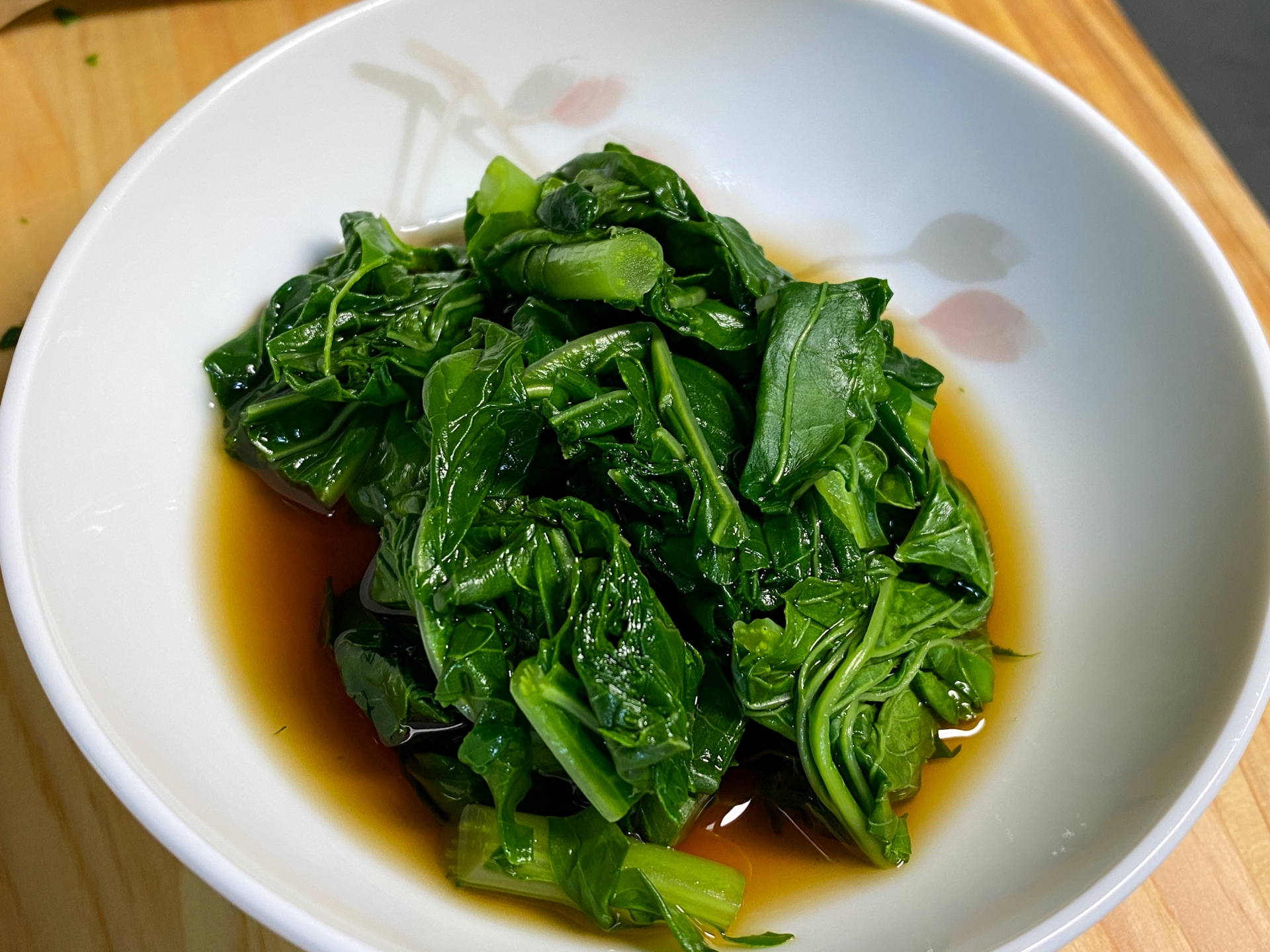
Sesame-dressed dishes (goma-ae) and lightly seasoned greens (ohitashi) are staples in Japanese home cooking. These dishes are small in portion but rich in flavor and nutrition, making them perfect for bento boxes or everyday meals.
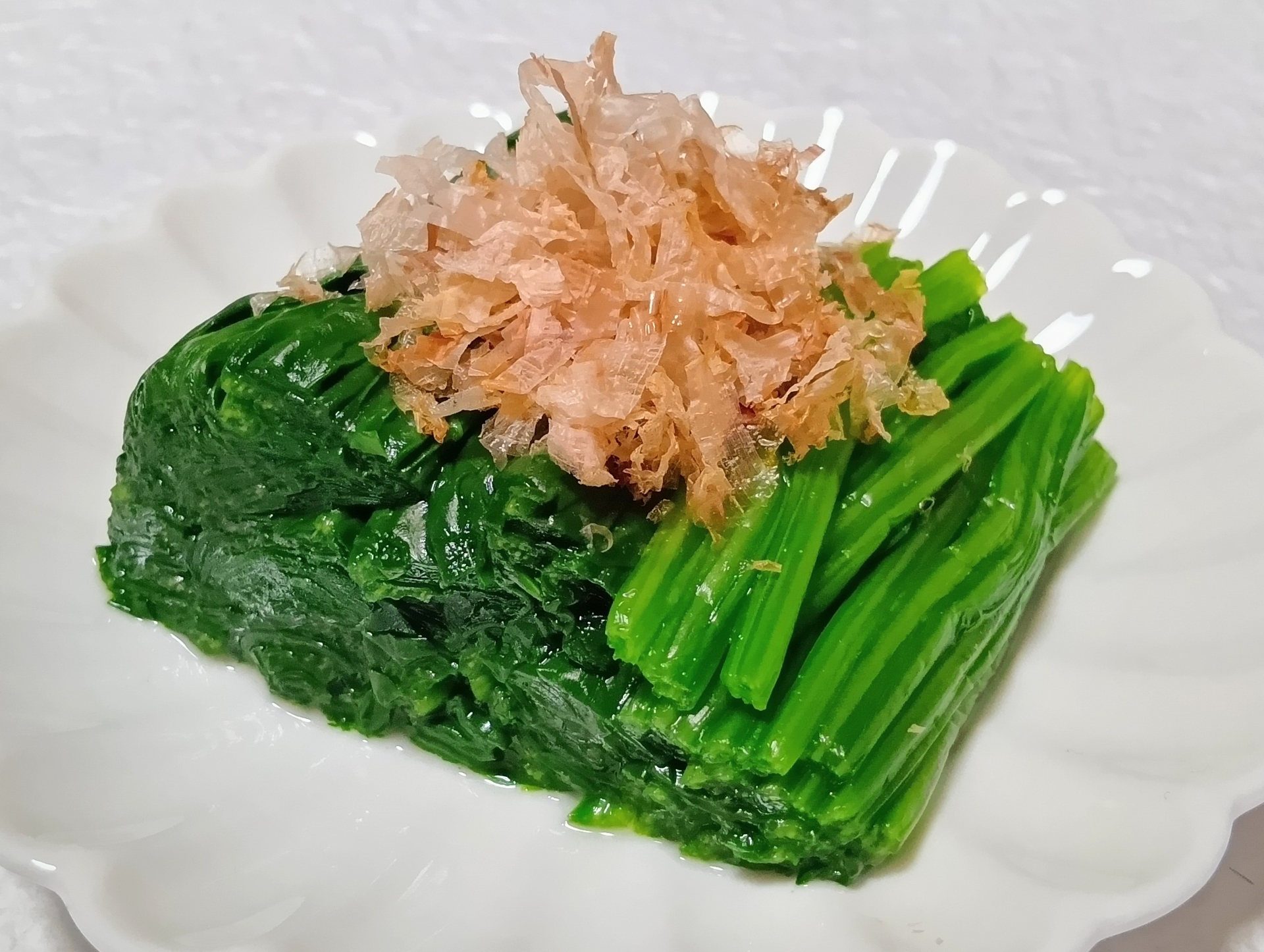
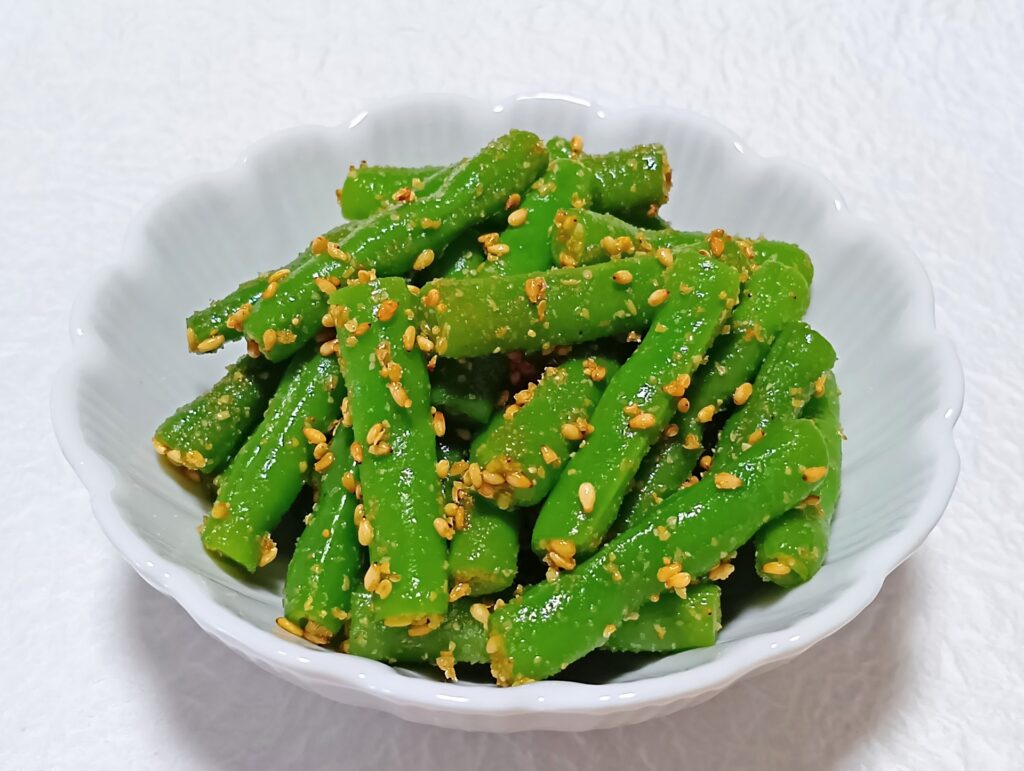
Goma-ae typically uses blanched vegetables such as spinach, green beans, or broccoli, dressed with a mixture of ground sesame seeds, soy sauce, and sugar. The result is creamy, nutty, and slightly sweet.
Ohitashi, on the other hand, is much simpler. Vegetables are blanched and then soaked in a light soy-dashi broth, creating a clean and umami-forward taste. This makes it an excellent side for almost any main dish.
For US home cooks, accessible vegetables like asparagus and kale can be used as substitutes while maintaining the spirit of the dish.
Simmered and Stir-Fried Vegetable Sides
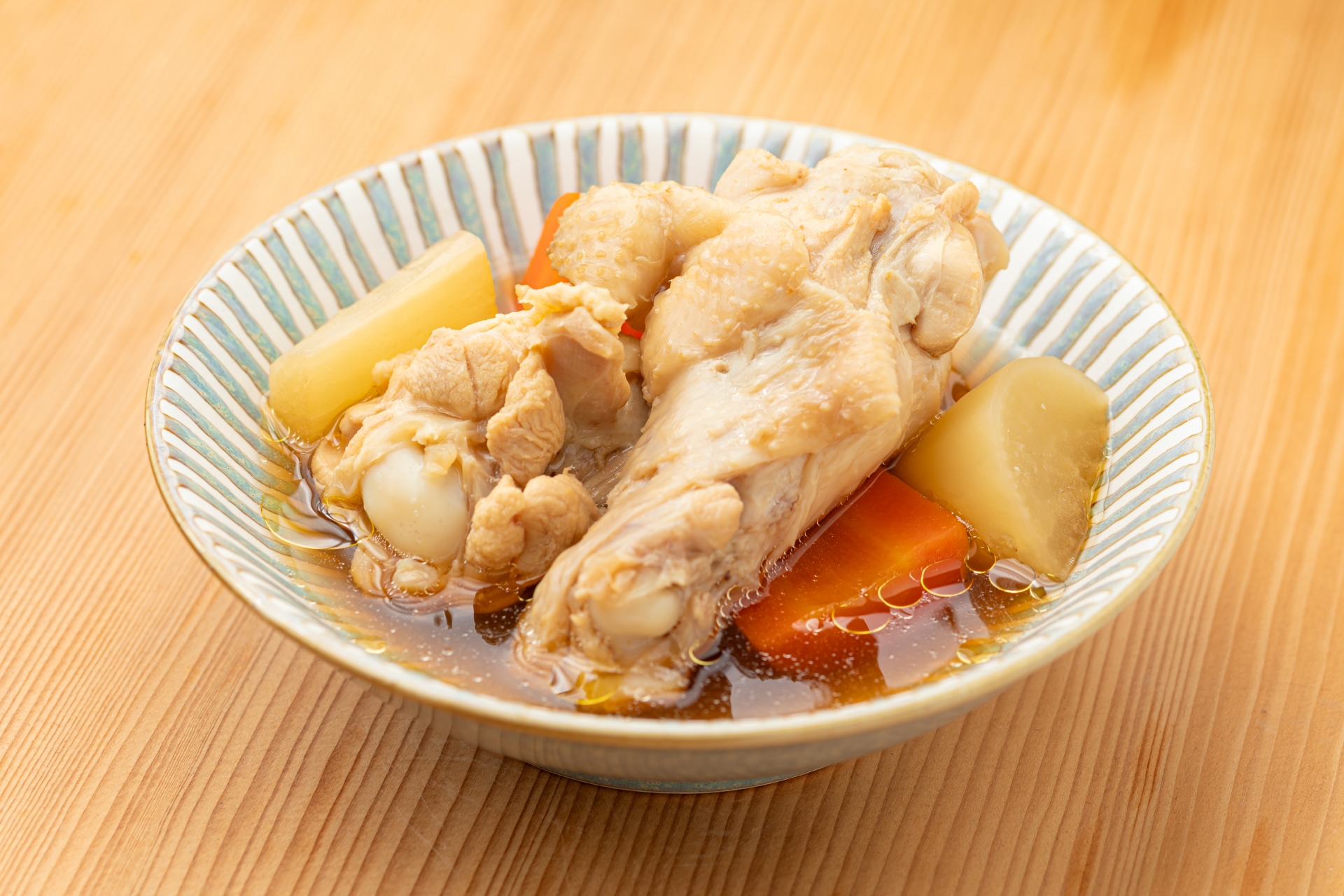
Simmered (nimono) and stir-fried (itame-mono) dishes offer deeper, more comforting flavors. These are often seasoned with soy sauce, mirin, and sugar, creating a savory-sweet balance that pairs well with rice.
Kinpira dishes, such as kinpira gobo (burdock root) or kinpira renkon (lotus root), are stir-fried and then simmered, resulting in a slightly chewy texture and bold flavor. Simmered kabocha squash is another classic, known for its soft texture and natural sweetness.
These dishes are especially popular in cooler seasons and are ideal for meal prep, as they store well and can be enjoyed cold or reheated.
Japanese Pickled Vegetable Sides
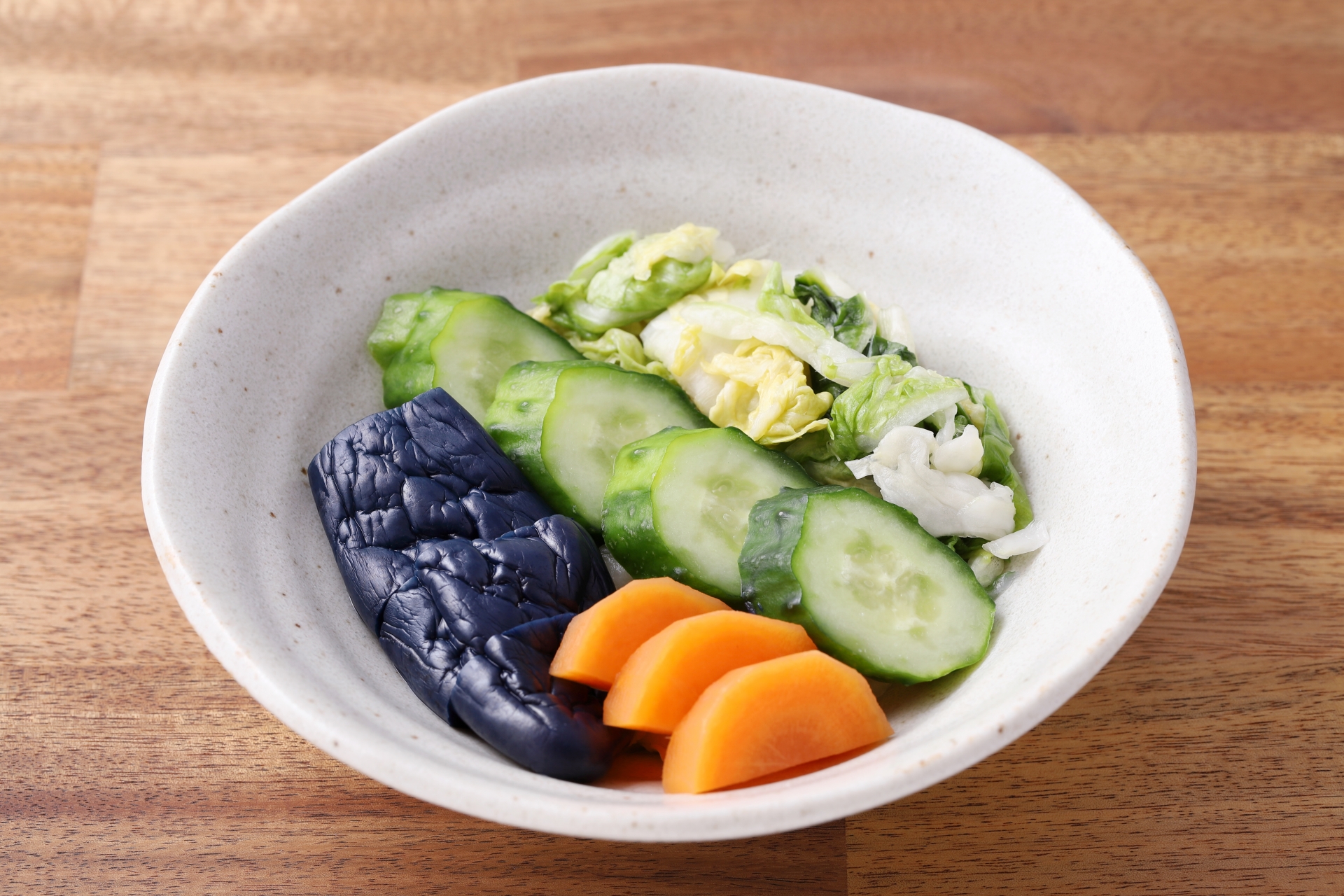
Pickled vegetables, known as tsukemono, are a cornerstone of Japanese cuisine. They range from quick refrigerator pickles to traditional fermented varieties that take weeks or months to develop.
Common examples include pickled cucumbers, daikon, and napa cabbage. Quick pickles are typically made with vinegar, salt, and sugar, while traditional methods may use rice bran (nukazuke) or salt fermentation.
Tsukemono are often served in small amounts to cleanse the palate and enhance the overall meal experience.
How to Choose the Right Japanese Side Dish for Your Meal
| Main Dish Type | Recommended Side Dishes |
| Grilled fish | Sunomono, ohitashi |
| Fried foods | Cabbage salad, namasu |
| Rice bowls / curry | Tsukemono, simmered vegetables |
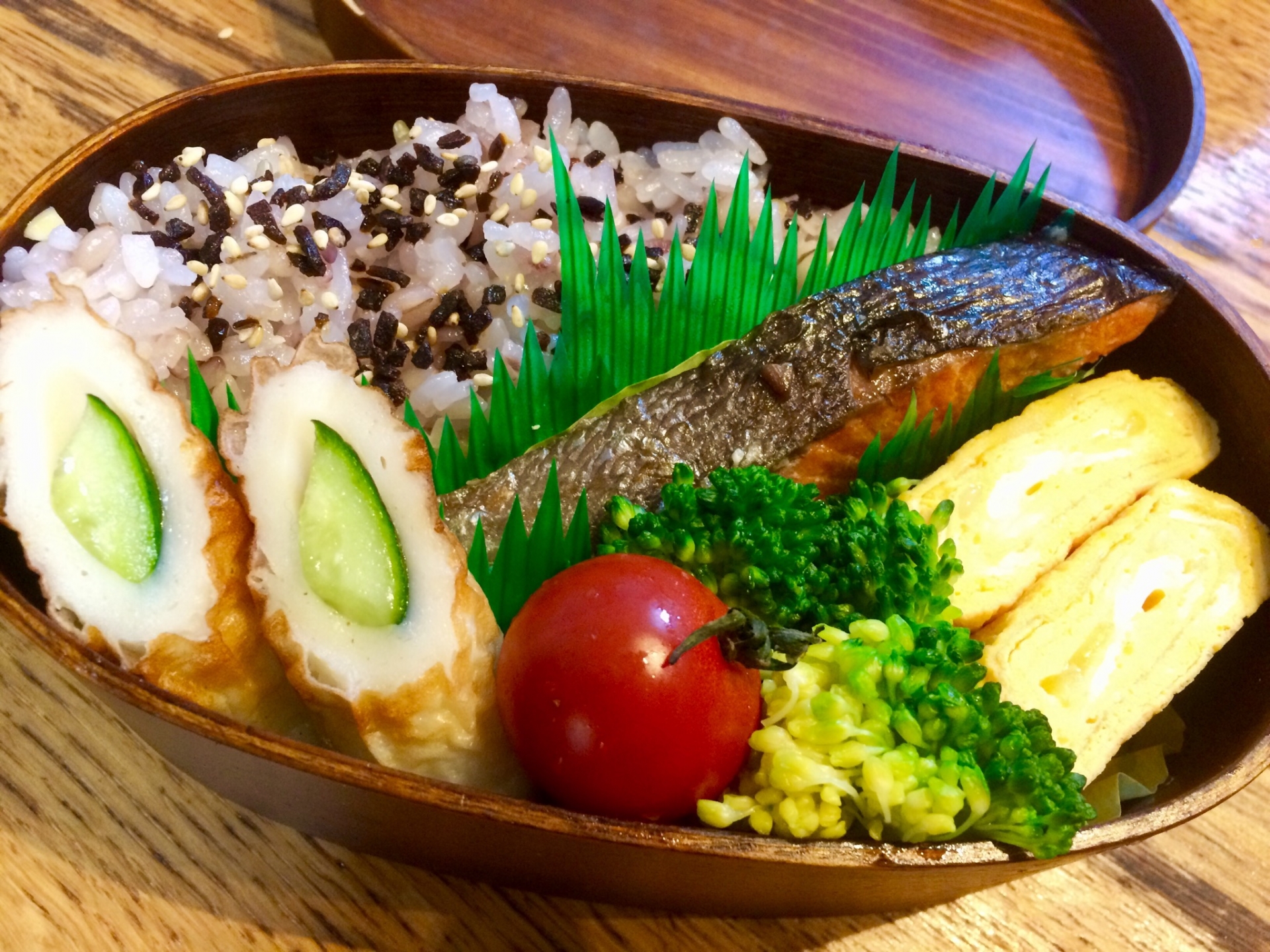
| Bento meals | Kinpira, goma-ae, kabocha |
For example, if you’re serving teriyaki chicken, a refreshing cucumber sunomono helps cut through the sweetness. For tonkatsu, shredded cabbage or pickled vegetables provide crunch and acidity.
Easy Japanese Vegetable Side Dishes for Beginners
If you’re new to Japanese cooking, start with these simple recipes:
Cucumber Sunomono (Refreshing Vinegared Cucumber)
Time: 10 minutes
Difficulty: Easy
Ingredients:
- 1 cucumber
- 2 tbsp rice vinegar
- 1 tbsp sugar
- 1/2 tsp salt
Instructions:
- Slice cucumber thinly and salt lightly.
- Let sit for 5 minutes, then squeeze water out.
- Mix vinegar and sugar, then toss with cucumber.
Spinach Goma-ae (Sesame Spinach)
Time: 15 minutes
Difficulty: Easy
Ingredients:
- Spinach
- 2 tbsp sesame seeds
- 1 tbsp soy sauce
- 1 tbsp sugar
Instructions:
- Boil and cool spinach.
- Mix dressing and toss.
Kinpira Carrot (Simple Version)
Time: 10–15 minutes
Difficulty: Easy
Ingredients:
- Carrot
- Soy sauce, mirin, sugar, sesame oil
Instructions:
- Stir-fry carrot.
- Add seasoning and cook until reduced.
Simple Japanese Cabbage Salad
Time: 5 minutes
Mix shredded cabbage with vinegar, soy sauce, and sesame oil.
Quick Pickled Cucumbers
Time: 10 minutes
Salt sliced cucumbers, rest, and serve.
Miso Eggplant (Easy Nasu Dengaku)
Time: 15 minutes
Instructions:
- Mix miso, sugar, mirin, and a pinch of salt to make the glaze.
- Slice the eggplant and cook until soft (pan-fry or bake).
- Spread the miso mixture on top.
- Cook briefly until the glaze is slightly caramelized.
Best Japanese Side Dishes You Can Make in 15 Minutes
- Sunomono
- Goma-ae
- Pickled cabbage
- Mushroom sauté
- Daikon salad
Ingredient Substitutes for US Home Cooks
- Gobo → carrot + parsnip
- Renkon → celery root
- Kabocha → acorn squash
- Shiso → mint + basil
- Japanese cucumber → Persian cucumber
Are Japanese Vegetable Side Dishes Healthy?
Japanese vegetable side dishes are generally considered healthy due to their emphasis on fresh vegetables, small portions, and simple cooking methods. However, sodium and sugar levels can vary depending on seasoning.
Vegan and Vegetarian Japanese Vegetable Side Dishes
| Dish | Category |
| Sunomono | Vegan |
| Goma-ae | Vegan |
| Ohitashi | Needs modification |
| Kinpira | Vegan |
| Nasu Dengaku | Vegan |
For vegan versions, substitute dashi with kombu or shiitake broth.
FAQ About Japanese Vegetable Side Dishes
What is the most popular Japanese vegetable side dish?
Goma-ae and sunomono.
What Japanese side dishes go with rice?
Kinpira, tsukemono, and simmered vegetables.
What are easy Japanese vegetable dishes for beginners?
Sunomono, goma-ae, and cabbage salad.
Are Japanese vegetable side dishes vegetarian?
Many are, but check for dashi.
What is the difference between goma-ae and ohitashi?
Goma-ae uses sesame dressing, while ohitashi uses soy-dashi.
What are Japanese pickled vegetable side dishes called?
Tsukemono.
Final Thoughts: Start with 3 Japanese Vegetable Sides
If you’re just getting started, try building a simple Japanese-style meal with three sides: a refreshing dish like sunomono, a rich sesame-based side like spinach goma-ae, and a savory option like kinpira gobo. This combination captures the essence of Japanese home cooking—balance, variety, and simplicity.
Once you’re comfortable with these basics, you can start adjusting your side dishes depending on the main course. Lighter vinegared dishes pair well with fried foods, while richer or simmered sides complement simple grilled proteins. Even adding just one small vegetable dish can make a meal feel more complete and balanced.
The key is to keep things simple and flexible. Most Japanese vegetable side dishes use a handful of ingredients and come together quickly, making them easy to incorporate into everyday cooking. Over time, you can mix and match different styles to create your own balanced Japanese-inspired meals at home.