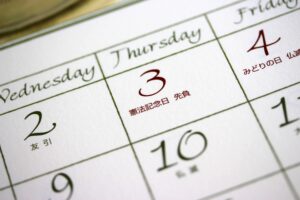

Golden Week is one of Japan’s best-known holiday periods, but it did not begin as a single planned vacation season. Instead, it emerged from a cluster of national holidays placed close together in late April and early May under Japan’s postwar holiday system. Over time, legal revisions, media language, and changing public attitudes turned that cluster into a defining feature of the modern Japanese calendar. Looking at the history of Golden Week offers insight not only into a holiday period, but also into postwar Japan’s evolving public values and cultural identity.



Golden Week Is Not a Single Holiday
Golden Week is not one official holiday. It is the name commonly used for the period from April 29 to May 5, when several national holidays appear close together. In the current calendar, those holidays are Showa Day on April 29, Constitution Memorial Day on May 3, Greenery Day on May 4, and Children’s Day on May 5.
What makes Golden Week feel like one long break is the way these holidays connect with weekends and, in some years, substitute holidays. For that reason, Golden Week is best understood as a holiday cluster rather than a single observance. That structure is the key to understanding how the period developed historically.
The Postwar Foundation: Japan’s 1948 Public Holiday Law
The roots of Golden Week lie in Japan’s Public Holiday Law of 1948. After World War II, Japan introduced a new national holiday framework as part of its broader political and social reconstruction. These holidays were meant to reflect the values of a changing society, including democracy, civic life, and seasonal tradition.
Golden Week itself was not created as one unified break. Rather, the 1948 law placed several separate holidays near one another in late April and early May. That arrangement unintentionally produced a dense holiday period. In time, people came to experience those dates as one connected season, even though each holiday kept its own meaning.
How the holiday calendar unintentionally created Golden Week
Golden Week emerged because of calendar structure, not because anyone originally designed a nationwide spring vacation. Once several holidays appeared within a single week, weekends helped extend the break for workers and students.
Legal rules also strengthened this pattern. When a national holiday falls on a Sunday, the following weekday becomes a substitute holiday. In addition, a weekday between two national holidays can also become a holiday. These rules helped turn a set of separate commemorative dates into a longer continuous break. Importantly, this holiday cluster existed before the term “Golden Week” became common.
The Origin of the Name “Golden Week”

The name “Golden Week” is usually traced to 1951 and is widely associated with the Japanese film industry. According to the most commonly cited explanation, the movie Jiyu Gakko (Freedom School) became a major box office success during this holiday period. Daiei, the film company connected with that success, reportedly began calling the period “Golden Week.”
The phrase is generally understood to have been inspired by the broadcasting term “golden time,” meaning a peak audience period. That origin matters because it shows that the name began as a media and commercial expression, not as an official legal term. Over time, the phrase spread into general public use and became the standard name for the holiday cluster.
April 29: The Most Important Date in Golden Week History

Among all the dates associated with Golden Week, April 29 has undergone the most significant changes. Its history reflects Japan’s shifting relationship with the emperor system, postwar public values, and national memory.
Originally, April 29 was the birthday of Emperor Showa. After his death, the holiday remained on the calendar, but its meaning changed. It was first renamed Greenery Day and later became Showa Day. Because of these changes, April 29 stands at the center of Golden Week’s historical development.
From Emperor’s Birthday to Greenery Day (1989)
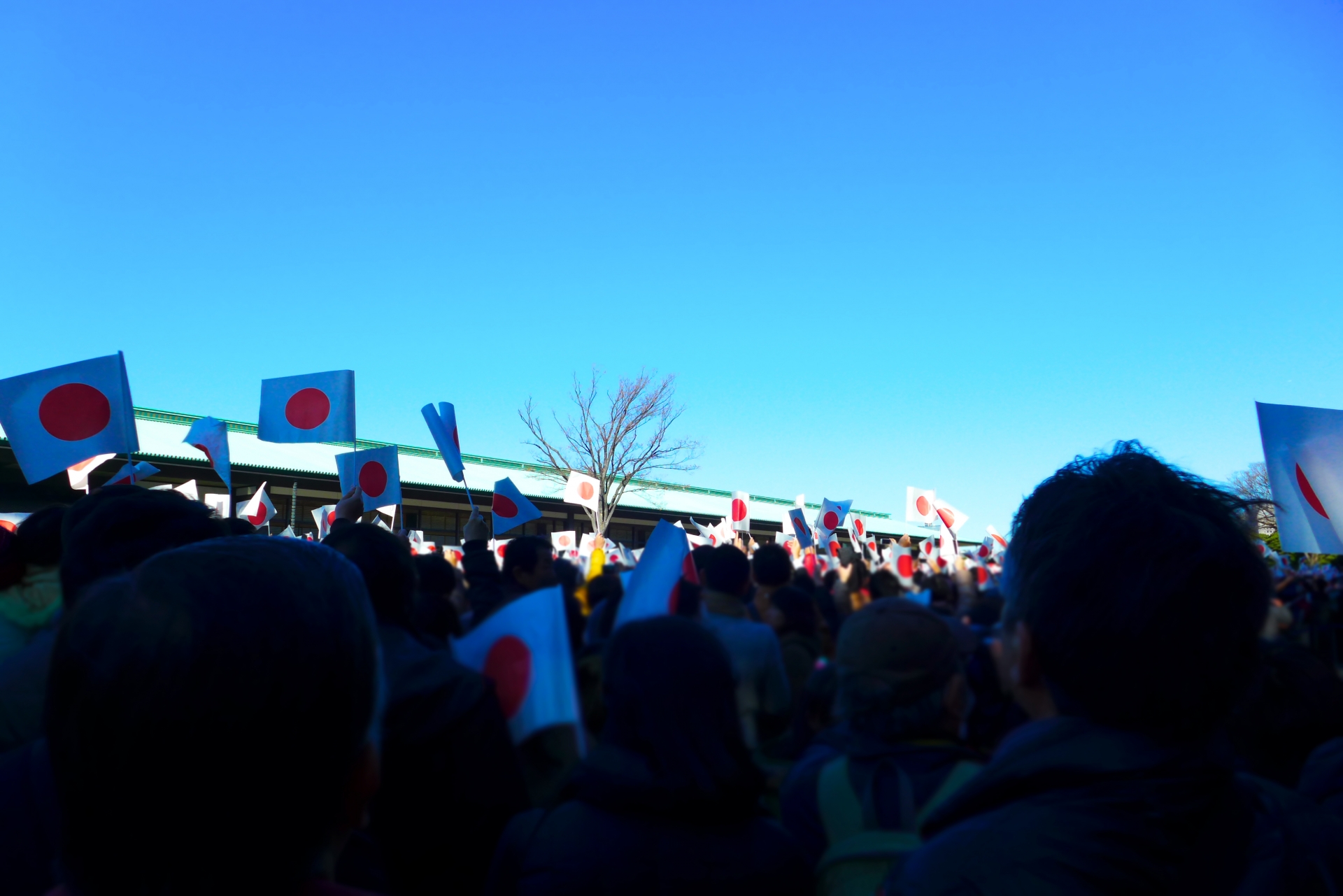
Before 1989, April 29 was observed as the birthday of Emperor Showa. When he died in January 1989, the government faced a difficult question: whether to remove the holiday or preserve it in another form.
The decision was to keep the date but rename it Greenery Day. This change was presented partly as a tribute to Emperor Showa’s interest in nature. It also allowed the holiday to remain in the calendar without preserving its original political meaning unchanged. As a result, April 29 continued to anchor the spring holiday period while taking on a softer civic identity.
Why Showa Day Was Created in 2007
In 2007, April 29 changed again. It became Showa Day, while Greenery Day was moved to May 4. This revision gave the date a more explicit historical meaning by linking it directly to the Showa era.
That change reflected the view that the day should encourage reflection on the complexity of the Showa period, including war, recovery, industrial growth, and modernization. By renaming the holiday Showa Day, lawmakers turned April 29 into more than a day off within Golden Week. It also became a day connected to modern Japanese historical memory.
Constitution Memorial Day and Postwar Democracy
Constitution Memorial Day, observed on May 3, marks the enforcement of Japan’s postwar constitution in 1947. This constitution reshaped Japan’s political order by establishing democratic government, popular sovereignty, and a new role for the emperor.
Within Golden Week, May 3 adds clear political and civic meaning to the holiday cluster. It connects the season not only to rest and tradition, but also to Japan’s postwar democratic transformation.
The Changing Role of May 4: From “Holiday Between Holidays” to Greenery Day
May 4 was not originally a named holiday in the way it is today. For many years, it became a holiday because it fell between Constitution Memorial Day on May 3 and Children’s Day on May 5.
Under Japan’s holiday rules, a weekday between two national holidays becomes a holiday. This helped extend the break and contributed to the shape of modern Golden Week. In 2007, Greenery Day was officially moved to May 4, giving the date a clearer identity within the holiday cluster.
Children’s Day and Its Cultural Roots
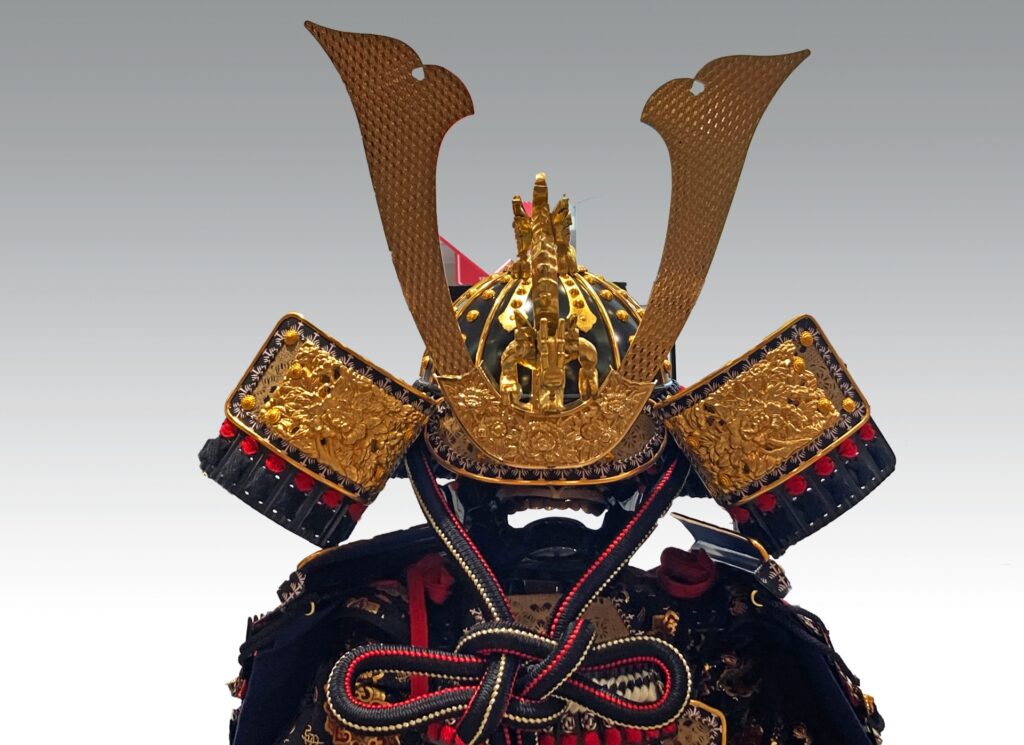
Children’s Day, celebrated on May 5, is the final major holiday in Golden Week. In the modern calendar, it is a day to celebrate the happiness and healthy growth of children.
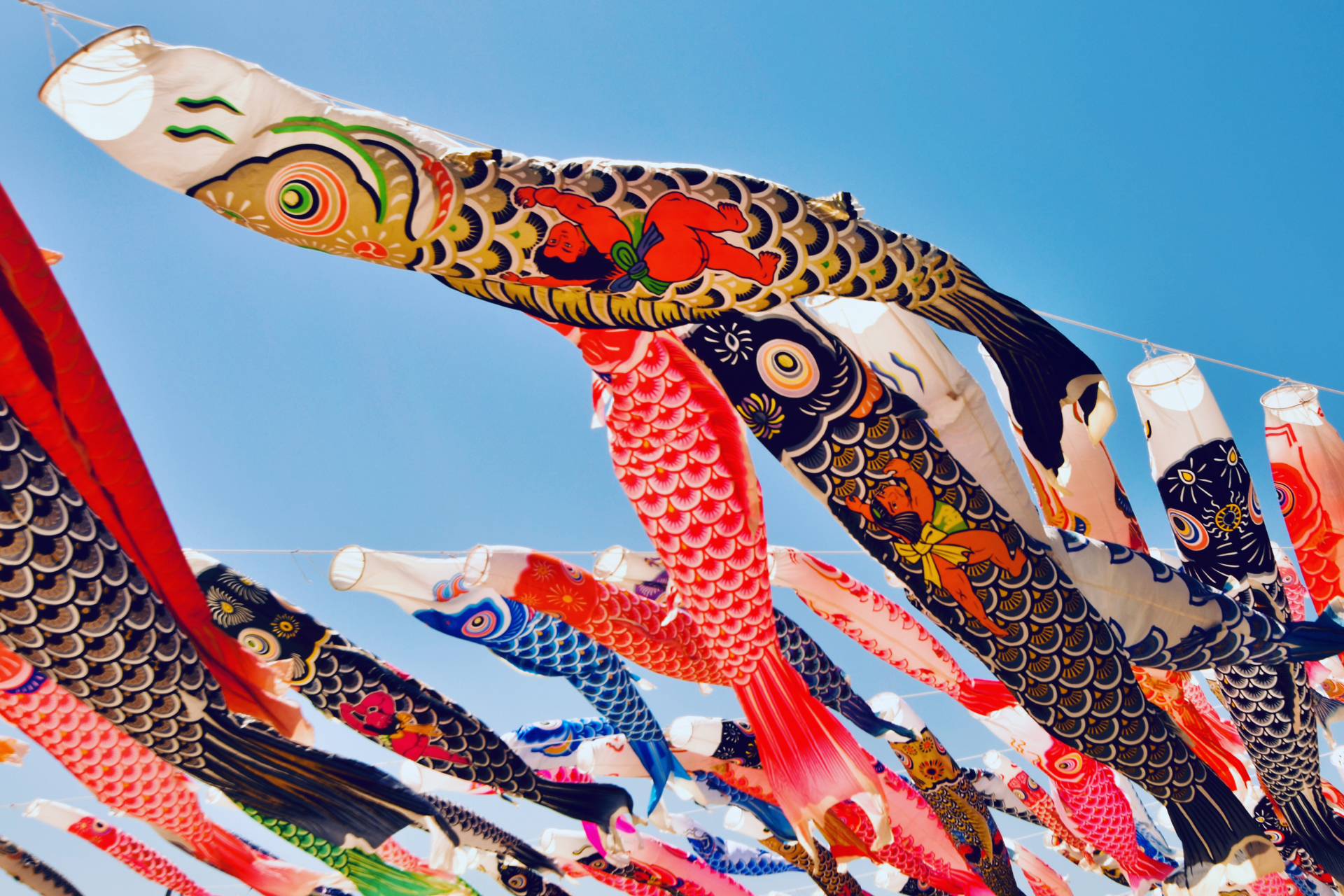
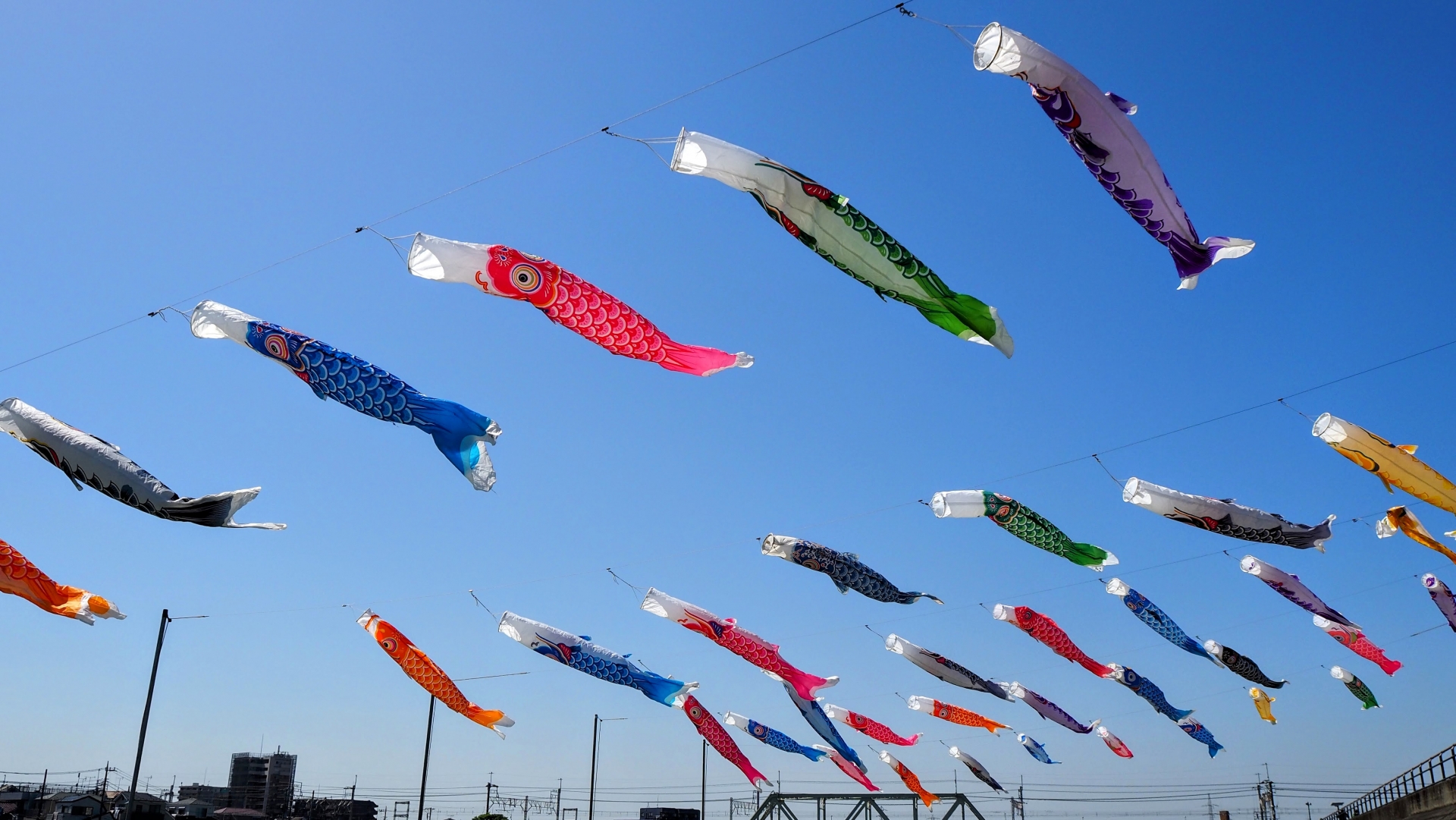
At the same time, it has older roots in Tango no Sekku, a traditional seasonal observance once associated especially with boys. Symbols such as carp streamers (koinobori) and samurai helmets reflect those older traditions. This holiday gives Golden Week a cultural dimension that links the postwar calendar to longer historical customs.
Frequently Asked Questions About the History of Golden Week
Golden Week is often discussed as if it began all at once, but its history developed in stages. The holiday cluster came first, and the popular name followed later.
Was Golden Week always called Golden Week?
No. The holidays existed before the name became widely used. The term spread in the early 1950s.
Why is it called Golden Week?
The name is commonly linked to Daiei in 1951 after the success of Jiyu Gakko. It was likely influenced by the phrase “golden time.”
What holidays make up Golden Week?
Golden Week usually includes Showa Day, Constitution Memorial Day, Greenery Day, and Children’s Day.
When did Golden Week begin?
Its legal foundation dates to 1948, when the Public Holiday Law created the modern holiday system. The name “Golden Week” became widely used around 1951.
Conclusion: Why the History of Golden Week Still Matters
Golden Week began as a calendar pattern created by Japan’s postwar holiday system. Over time, legal revisions and cultural change gave that pattern a stronger public identity and deeper historical meaning.
Today, Golden Week reflects more than a long break in spring. It brings together postwar democracy, historical reflection, environmental symbolism, and older seasonal tradition. For that reason, its history offers a useful window into modern Japanese society.