The Beppu Hell Tour is one of the most unusual sightseeing experiences in Japan. Located in Beppu, a famous hot spring city in Kyushu, the tour takes visitors to seven geothermal sites known as the “Hells of Beppu.” These places are filled with boiling water, steaming vents, bubbling mud pools, and mineral-rich ponds with striking colors.
For many first-time visitors, the biggest questions are practical ones. What exactly are the Beppu hells? Should you visit all seven? How long does the tour take? And can you explore them without renting a car? Understanding how the tour works makes planning your visit much easier.
One important thing to know from the start is that the hells are not bathing hot springs. They are geothermal attractions meant to be observed rather than used for soaking. The water in most of these pools is extremely hot.
That said, the experience becomes much richer when combined with nearby activities. In the surrounding Kannawa onsen district, visitors can enjoy jigoku-mushi cuisine cooked with natural geothermal steam, relax in small foot baths, and walk through atmospheric streets filled with steam rising from the ground. With a bit of planning, the Beppu Hell Tour becomes more than a sightseeing checklist — it becomes a deeper introduction to Beppu’s unique hot-spring culture.
This guide focuses on helping travelers plan their visit efficiently, understand which hells are most worth seeing, and choose the best route depending on how much time they have.


What Is the Beppu Hell Tour?
The Beppu Hell Tour, also known as Jigoku Meguri, is a sightseeing route that connects seven geothermal sites in Beppu. Each location showcases a different type of volcanic activity, from intensely colored mineral ponds to bubbling mud pits and steaming geysers.
Unlike typical hot spring resorts where visitors relax in baths, the hells are dramatic natural attractions. Some pools are bright blue, others are deep red, and some constantly release clouds of steam. The heat underground is so intense that the water at several sites reaches nearly boiling temperatures.
The name “hell” dates back centuries. Long before tourism developed in the area, the steaming landscape looked dangerous and mysterious to local residents. Boiling water, rising steam, and bubbling mud made the terrain appear hostile and almost otherworldly. Because of this, people began referring to these geothermal spots as “jigoku,” meaning hell.
Today the hells are well-maintained sightseeing locations that allow visitors to safely observe these natural phenomena. Paths, viewing areas, and gardens have been built around many of the pools, making them accessible and easy to explore.
Geographically, the seven hells are divided into two areas. Five are located in the Kannawa district, where they are close enough to visit on foot. The remaining two are located in the Shibaseki/Kamegawa area, a short distance away that typically requires a bus, taxi, or car to reach.
Understanding this layout is essential when planning your route. Most visitors start with the Kannawa cluster before traveling to the final two hells.
Are the 7 Hells of Beppu Worth Visiting?
Yes, the Beppu Hell Tour is absolutely worth visiting, especially for travelers experiencing Beppu for the first time. The geothermal scenery is unlike anything found in most hot spring towns, and the variety between the sites keeps the tour interesting.
Each hell has a completely different visual character. Some feature colorful mineral pools, others showcase bubbling mud or erupting geysers. Visiting several of them provides a fascinating look at how volcanic activity shapes the landscape.
However, it is important to understand that not every traveler needs to visit all seven. Many guidebooks present the tour as a checklist, but in reality the best experience depends on your schedule and travel style.
For travelers with a full day in Beppu, visiting all seven hells provides the most complete experience. It allows you to see the full range of geothermal phenomena and understand why the area became famous for its hot springs.
On the other hand, visitors with limited time may prefer focusing on the most visually distinctive locations. The highlights alone can still create a memorable experience without spending hours moving between sites.
Visit all seven hells if you:
- Are visiting Beppu for the first time
- Enjoy unusual natural landscapes
- Want the complete Jigoku Meguri experience
- Have at least half a day available
Visit only the highlights if you:
- Have only a few hours in Beppu
- Prefer a relaxed pace with fewer stops
- Plan to combine the hells with food or onsen experiences
- Want to focus on the most visually impressive sites
Choosing the right approach helps ensure the tour remains enjoyable rather than rushed.
Who Should Do the Full Tour vs a Shorter Tour?
First-time visitors generally benefit from seeing all seven hells if they have half a day or more. The variety between the sites is part of what makes the experience memorable, and completing the entire circuit provides a deeper understanding of Beppu’s geothermal landscape.
Short-stay travelers should focus on a few standout locations instead of trying to see everything. Umi Jigoku and Chinoike Jigoku are often considered the most visually striking, and adding one or two nearby hells can create a well-rounded experience within a few hours.
Families with children may prefer locations that have shorter walking distances or interactive elements. Some hells offer snacks, demonstrations, or unique scenery that keeps younger visitors engaged.
Food-focused travelers should plan their visit around the Kannawa district, where geothermal steam cooking is part of the local culture. Combining the hell tour with a jigoku-mushi meal makes the experience far more memorable than simply visiting the attractions.
The 7 Hells of Beppu Explained One by One
The seven hells each highlight a different geothermal phenomenon. While they all involve hot spring activity, the appearance and atmosphere of each location are surprisingly different.
Understanding what makes each site unique helps travelers decide which ones to prioritize, especially when time is limited.
Umi Jigoku (Sea Hell)
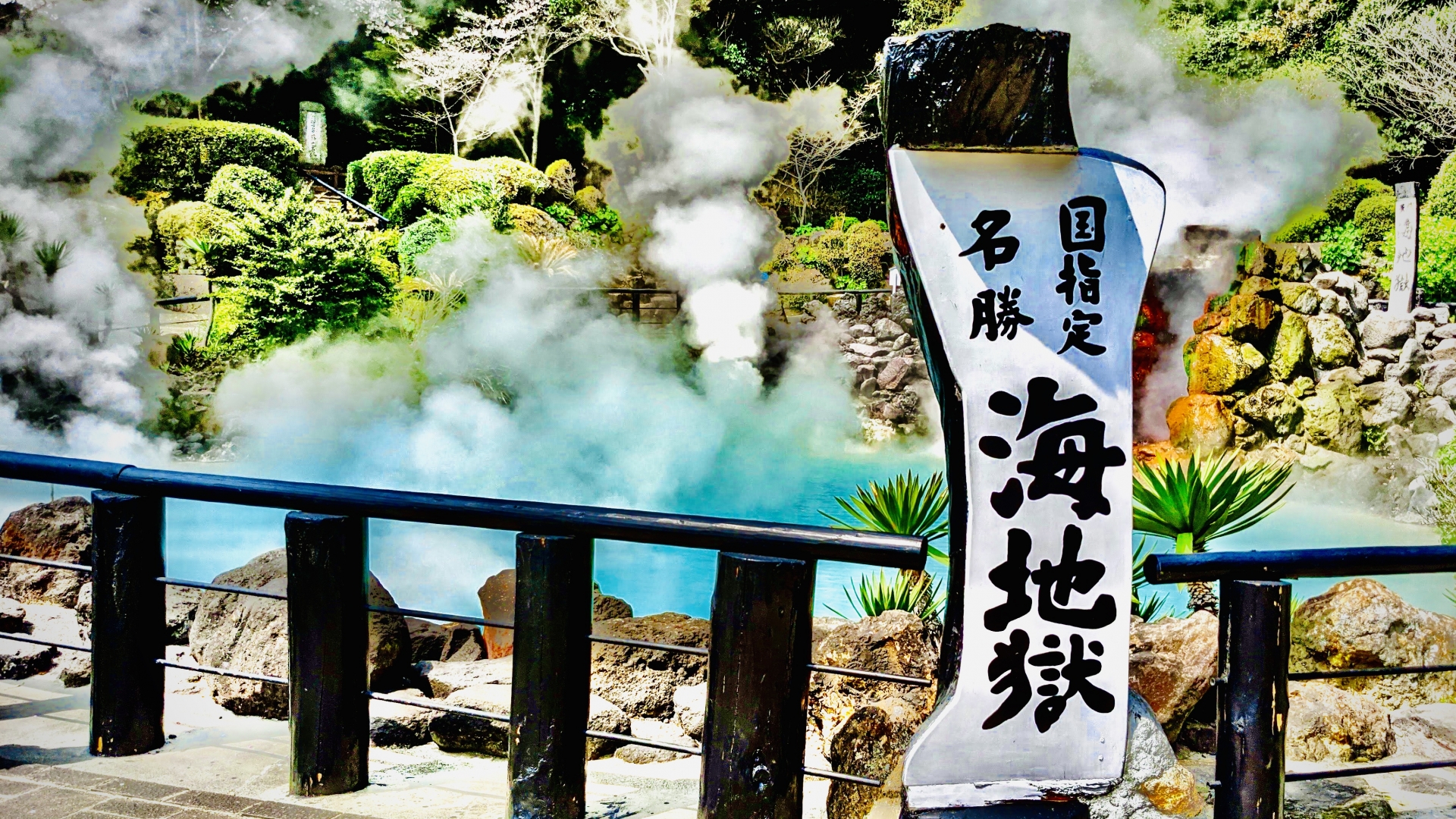
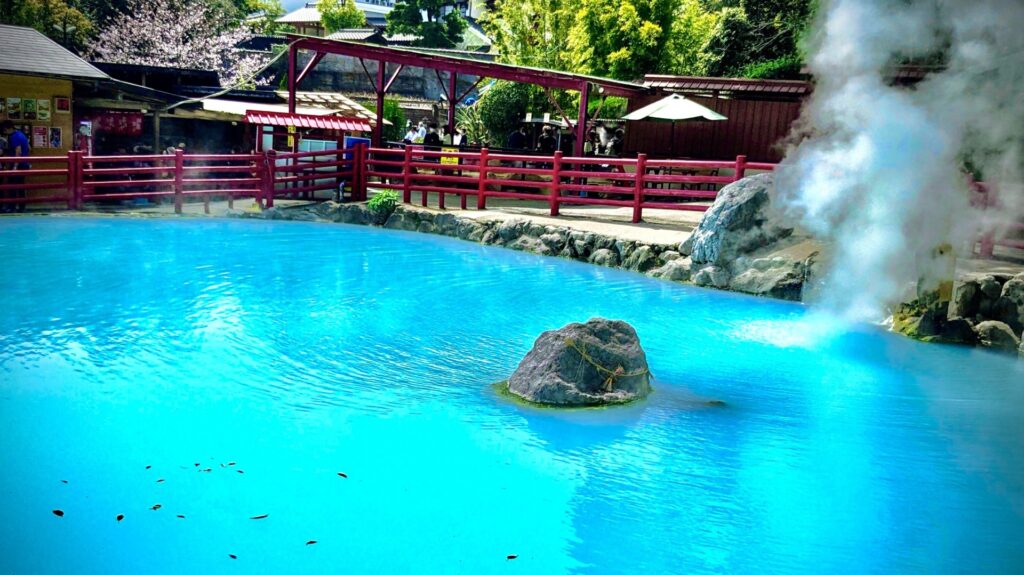
Umi Jigoku is the most famous of the Beppu hells and is often considered the must-see location on the tour. The name “Sea Hell” comes from the striking cobalt-blue color of the water, which resembles a tropical ocean despite being nearly boiling hot.
The site is beautifully landscaped with gardens, walking paths, and seasonal flowers, making it one of the most visually appealing stops. Steam constantly rises from the vivid blue pool, creating a dramatic atmosphere.
Visitors can also find small food stalls offering items cooked using geothermal heat, such as eggs and sweet treats. Because of its impressive color and well-maintained grounds, Umi Jigoku is usually the first hell recommended for travelers with limited time.
Oniishi Bozu Jigoku
Oniishi Bozu Jigoku is known for its bubbling gray mud pools. The mud bubbles resemble the shaved heads of Buddhist monks, which inspired the name “Bozu,” meaning monk.
Watching the thick mud slowly rise and burst on the surface is surprisingly fascinating and provides a clear demonstration of geothermal activity beneath the ground.
What makes this site especially unique is that it also has a separate bathing facility called Oniishi-no-Yu. While visitors cannot bathe in the hell itself, they can enjoy a real onsen bath next door.
This makes Oniishi Bozu Jigoku the only stop on the tour where visitors can both observe geothermal activity and relax in a hot spring bath during the same visit.
Kamado Jigoku
Kamado Jigoku is one of the most interactive hells on the route. Instead of showcasing a single geothermal feature, it displays several types of hot spring activity within one area.
Visitors can see steaming vents, bubbling pools, and colorful hot spring water all in one place. Staff sometimes demonstrate the power of the steam or explain the geothermal processes occurring underground.
The site is also known for its snacks and local treats cooked using natural steam. Steamed eggs and other small foods are popular among visitors.
Because of its variety and interactive atmosphere, Kamado Jigoku is often considered one of the most entertaining stops on the tour.
Oniyama Jigoku
Oniyama Jigoku is often called “Alligator Hell.” The hot spring heat at this location is used to maintain a habitat for crocodiles.
Dozens of crocodiles live in the enclosures, warmed by geothermal water. While some visitors find this unusual and interesting, others may find the attraction less appealing compared to the natural scenery of the other hells.
Because of this, Oniyama Jigoku can be a somewhat polarizing stop. Some travelers choose to skip it if they prefer purely geological sights.
Shiraike Jigoku
Shiraike Jigoku features a calm pool of milky white water created by mineral deposits. Compared to the more dramatic hells, the atmosphere here is quieter and more peaceful.
The soft white color of the water creates a very different visual impression from the bright blue or red pools found elsewhere on the tour.
This hell often feels less crowded, making it a relaxing place to slow down for a few minutes during the route.
Chinoike Jigoku (Blood Pond Hell)
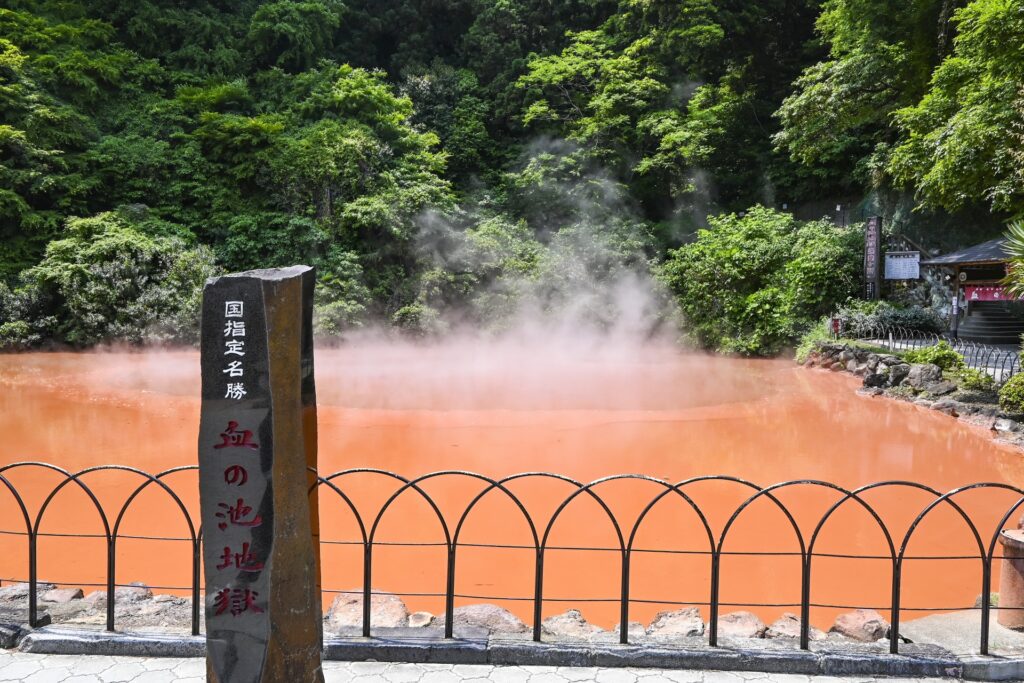
Chinoike Jigoku is one of the oldest and most famous hells in Beppu. The water here is deep red due to iron-rich minerals in the soil.
The intense color gives the site its name, which translates to “Blood Pond Hell.” The dramatic red landscape makes it one of the most photographed locations in the entire tour.
Because it is visually unique and historically significant, many visitors consider Chinoike Jigoku a must-see stop.
Tatsumaki Jigoku
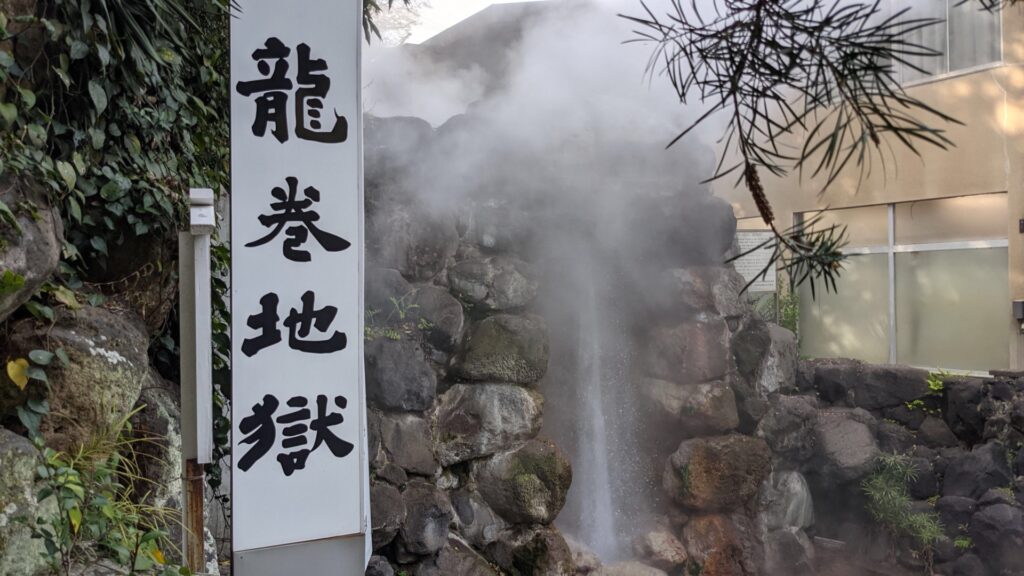
Tatsumaki Jigoku is a geyser that erupts periodically from the ground. The bursts of hot water are powerful enough that a protective structure has been built around the geyser.
Eruptions occur at regular intervals, making timing an important factor when visiting. Many travelers visit this site together with Chinoike Jigoku because the two locations are close to each other.
Watching the geyser erupt provides a final reminder of the volcanic forces that created Beppu’s hot springs.
Beppu Hell Tour Map, Route, and Best Order
The easiest way to explore the Beppu Hell Tour is to start in Kannawa, where five of the hells are located close together. These sites can be visited on foot, making it convenient to explore them in a single walking route.
After finishing the Kannawa cluster, travelers usually take a bus or taxi to reach Chinoike Jigoku and Tatsumaki Jigoku, which are located farther away.
| Hell | Area | Signature Feature | Time Needed | Worth Visiting if Short on Time |
| Umi Jigoku | Kannawa | Bright blue mineral pond | 30 min | Yes |
| Oniishi Bozu Jigoku | Kannawa | Bubbling mud pools | 30 min | Yes |
| Kamado Jigoku | Kannawa | Multiple geothermal features | 30 min | Yes |
| Oniyama Jigoku | Kannawa | Crocodile habitat | 20 min | Optional |
| Shiraike Jigoku | Kannawa | Milky white pool | 20 min | Optional |
| Chinoike Jigoku | Shibaseki | Red mineral pond | 30 min | Yes |
| Tatsumaki Jigoku | Shibaseki | Active geyser | 20 min | Yes |
Best Half-Day Itinerary
A 3–4 hour itinerary works well for travelers who want to see the highlights without rushing.
Suggested route:
- Umi Jigoku
- Kamado Jigoku
- Oniishi Bozu Jigoku
- Bus to Chinoike Jigoku
- Tatsumaki Jigoku
This route focuses on the most visually distinctive sites and still provides a diverse experience of Beppu’s geothermal landscape.
Best One-Day Itinerary
With a full day, visitors can explore the hells at a slower pace and enjoy the surrounding district.
Suggested plan:
Morning
Visit all five hells in Kannawa
Lunch
Try a jigoku-mushi meal cooked with natural steam
Afternoon
Visit Chinoike Jigoku and Tatsumaki Jigoku
Late afternoon
Explore the streets of Kannawa and relax in a foot bath
This relaxed schedule allows travelers to enjoy both the attractions and the atmosphere of the hot spring district.
How Long Does the Beppu Hell Tour Take?
The amount of time required depends on how you explore the sites.
A sightseeing bus tour typically takes about 2 to 2.5 hours because it follows a fixed schedule and limits time at each stop.
A self-guided visit usually takes 3 to 4 hours. This allows time for walking, taking photos, and exploring the grounds at a comfortable pace.
Visitors who include food stops, foot baths, or extra exploration in Kannawa may spend half a day or more enjoying the area.
Tickets, Prices, and Opening Hours
Each hell can be visited with an individual admission ticket. However, most visitors purchase a combined ticket that provides entry to all seven locations.
Opening hours are generally around 8:00 AM to 5:00 PM, although the exact times may vary slightly depending on the season or location.
Travelers should check official information before visiting because prices and hours can change.
Current Price Snapshot
The combined ticket for the Beppu hells typically costs around 2200–2400 yen for adults.
The exact price may differ slightly depending on the source or when you visit. Some travel guides list the price closer to 2400 yen, while others list it slightly lower.
Checking the official Beppu Jigoku website before visiting is the best way to confirm current pricing.
How to Get to the Beppu Hells from Beppu Station
The most common way to reach the hells is by bus from Beppu Station.
Buses travel to the Kannawa area, where five of the hells are located. The journey usually takes about 20 minutes.
Once in Kannawa, the nearby hells can easily be visited on foot.
To reach Chinoike Jigoku and Tatsumaki Jigoku, travelers typically continue by bus or taxi. Some visitors also choose to rent a car for convenience.
| From | To | Time | Best Option |
| Beppu Station | Kannawa | ~20 min | Bus |
| Kannawa | Chinoike Jigoku | ~15 min | Bus or taxi |
| Chinoike Jigoku | Tatsumaki Jigoku | ~5 min | Walk |
Can You Bathe in the Beppu Hells?
Despite their connection to hot springs, the Beppu hells are not places for bathing. The water in many of the pools is extremely hot and unsafe for soaking.
The hells are designed as sightseeing attractions where visitors can observe geothermal activity rather than use the hot springs themselves.
However, there is one important exception.
At Oniishi Bozu Jigoku, visitors can use a separate bathing facility called Oniishi-no-Yu. This hot spring bath is located next to the hell and allows guests to relax in a traditional onsen during the tour.
Because of this unique feature, Oniishi Bozu Jigoku is the only stop where travelers can both see geothermal activity and enjoy an actual hot spring bath.
What Else to Do Near the Beppu Hell Tour
While the hells are the main attraction, the surrounding area offers several experiences that make the visit more memorable.
The Kannawa district in particular is known for its hot spring culture and small local restaurants.
Try Jigoku-Mushi and Local Sweets
One of the most unique foods in Beppu is jigoku-mushi, or “hell-steamed cuisine.” Ingredients such as vegetables, seafood, and eggs are cooked using natural geothermal steam.
The result is simple but flavorful dishes that highlight the ingredients themselves. Visitors can also find local sweets such as steamed pudding and eggs cooked in the hot spring steam.
Trying jigoku-mushi is one of the best ways to experience Beppu’s geothermal culture beyond sightseeing.
Explore Kannawa Onsen on Foot
Kannawa is a charming hot spring district where steam rises from vents throughout the streets. Walking through the neighborhood gives visitors a glimpse of everyday life in a historic onsen town.
The area has small restaurants, traditional inns, and public foot baths where travelers can relax for a few minutes.
Exploring Kannawa slowly after visiting the hells is a great way to end the tour.
Final Tips for First-Time Visitors
Arriving early in the morning helps avoid the largest crowds, especially at the most famous hells. Comfortable walking shoes are recommended since exploring the Kannawa area involves walking between multiple sites.
Remember that you do not need to visit all seven hells if your time is limited. Choosing the most visually distinctive locations can still create a memorable experience.
Combining the tour with local food and nearby hot springs will make your visit far more rewarding. Finally, checking ticket prices and bus schedules in advance helps ensure a smooth trip.
Conclusion
The Beppu Hell Tour is one of the most fascinating geothermal sightseeing experiences in Japan. The seven hells showcase a wide range of volcanic activity, from brilliant blue pools to bubbling mud and erupting geysers.
Travelers can choose between completing the full circuit of all seven hells or focusing on the highlights depending on their available time.
The experience becomes even more memorable when combined with local food, a walk through the Kannawa district, and relaxation in nearby hot springs.
One particularly unique feature is Oniishi Bozu Jigoku, which offers access to the Oniishi-no-Yu bath. This makes it the only stop on the tour where visitors can both observe geothermal phenomena and enjoy a real onsen experience.
With the right route and a bit of planning, the Beppu Hell Tour offers a perfect introduction to the dramatic landscapes and hot-spring culture that make Beppu one of Japan’s most famous onsen destinations.