This guide introduces the most popular hanami picnic foods in Japan and shows you exactly what to bring, how to prepare it, and how to pack it safely. From traditional bento and onigiri to seasonal sakura sweets, you’ll learn how to build a practical, beautiful picnic menu—whether you’re in Japan or recreating hanami at home.



What Is Hanami Picnic Food?
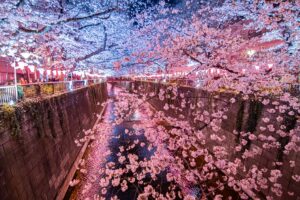
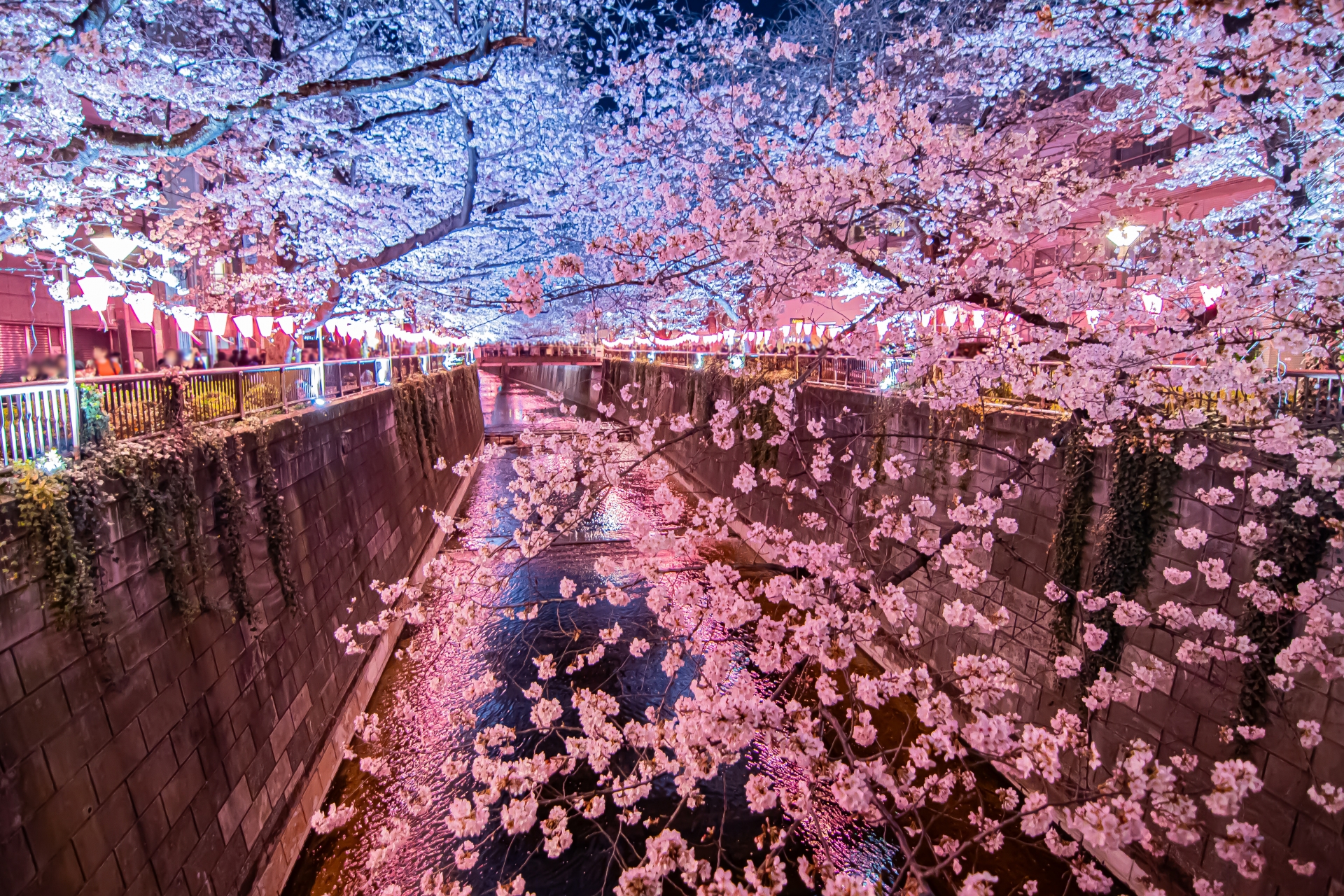
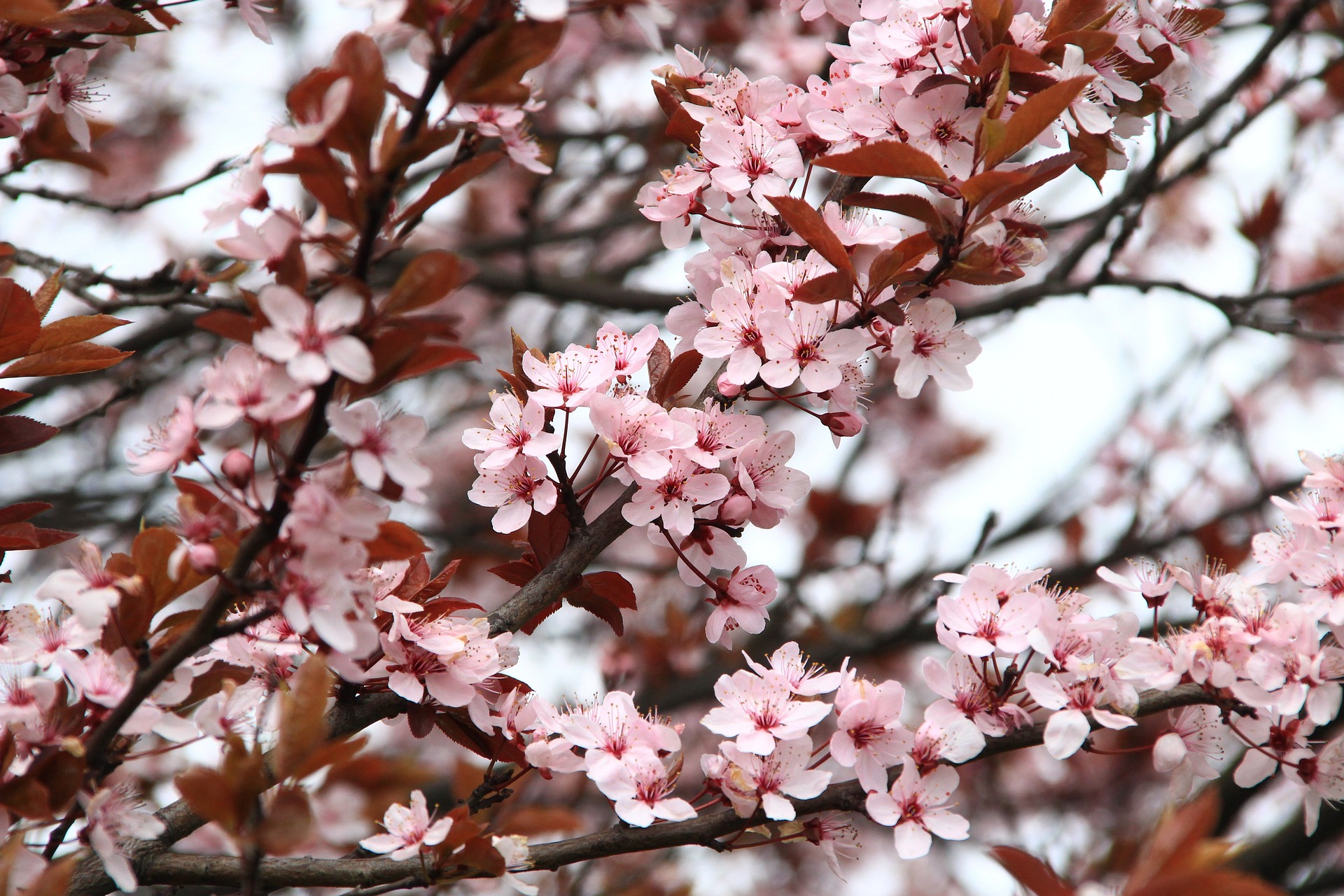
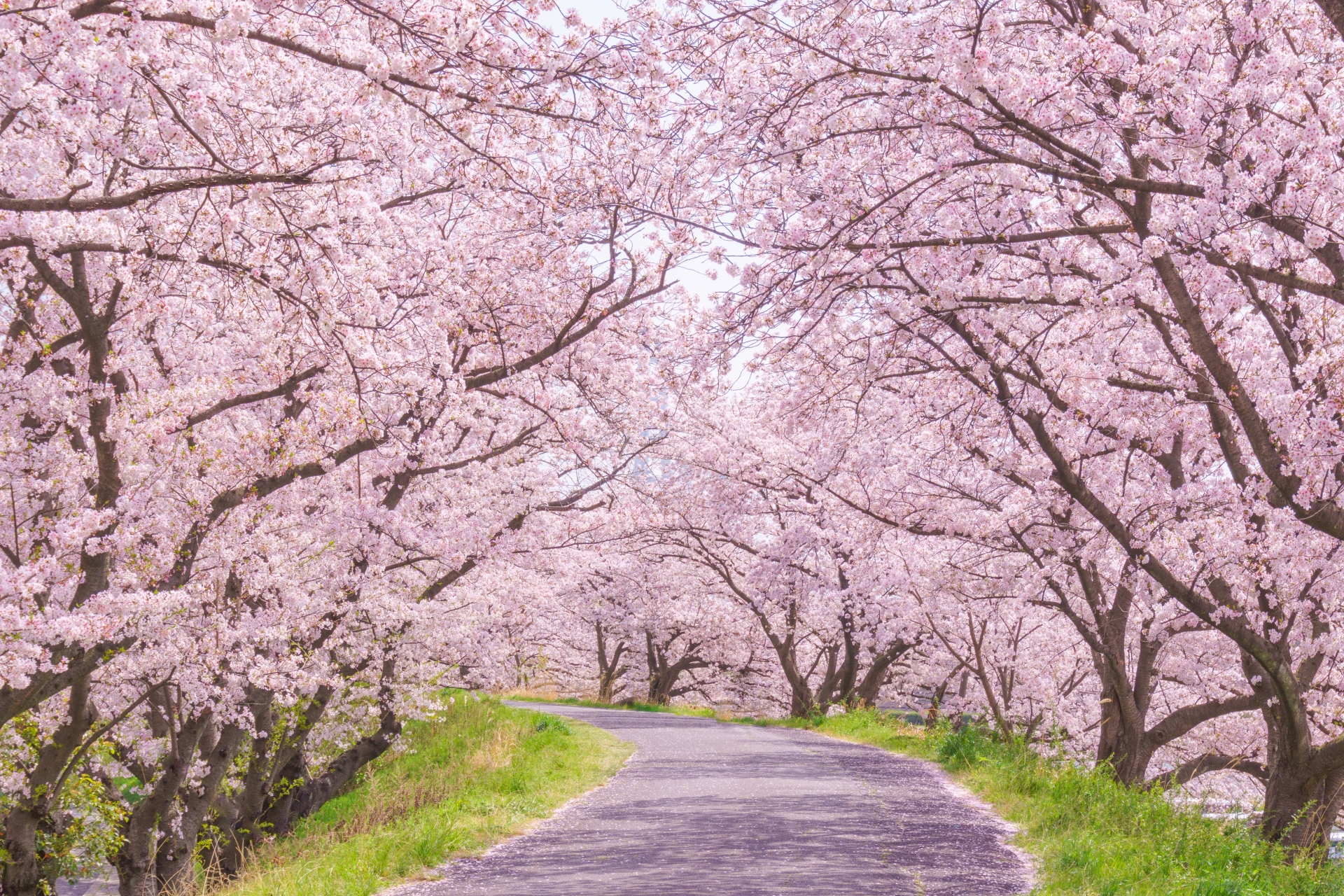
Hanami, or cherry blossom viewing, is one of Japan’s most beloved spring traditions. Friends, families, and coworkers gather under blooming sakura trees to enjoy food, drinks, and the fleeting beauty of the season. For many first-time visitors—especially those in the U.S.—hanami might sound like a festival, but it’s often a relaxed picnic with a strong emphasis on sharing food outdoors.
Hanami picnic food refers to dishes specifically chosen for this outdoor setting. These foods are not random—they follow practical and cultural principles that make them ideal for eating outside. First, they are portable and easy to carry, often packed in bento boxes or small containers. Second, they are delicious at room temperature, meaning they don’t require reheating or refrigeration. Third, they are seasonal and visually appealing, often featuring soft colors like pink, green, and white to reflect spring.
Importantly, hanami food is not about one specific dish. Instead, it’s about creating a balanced, shareable spread that includes a mix of rice, protein, vegetables, and sweets. This variety makes the picnic feel festive and allows everyone to sample different flavors while enjoying the blossoms.
What Food Do People Bring to a Hanami Picnic in Japan?
If you’re wondering what to bring, here’s a quick answer: people typically pack a mix of savory staples, small side dishes, and seasonal sweets, along with drinks.
Common hanami picnic foods include:
- Hanami bento
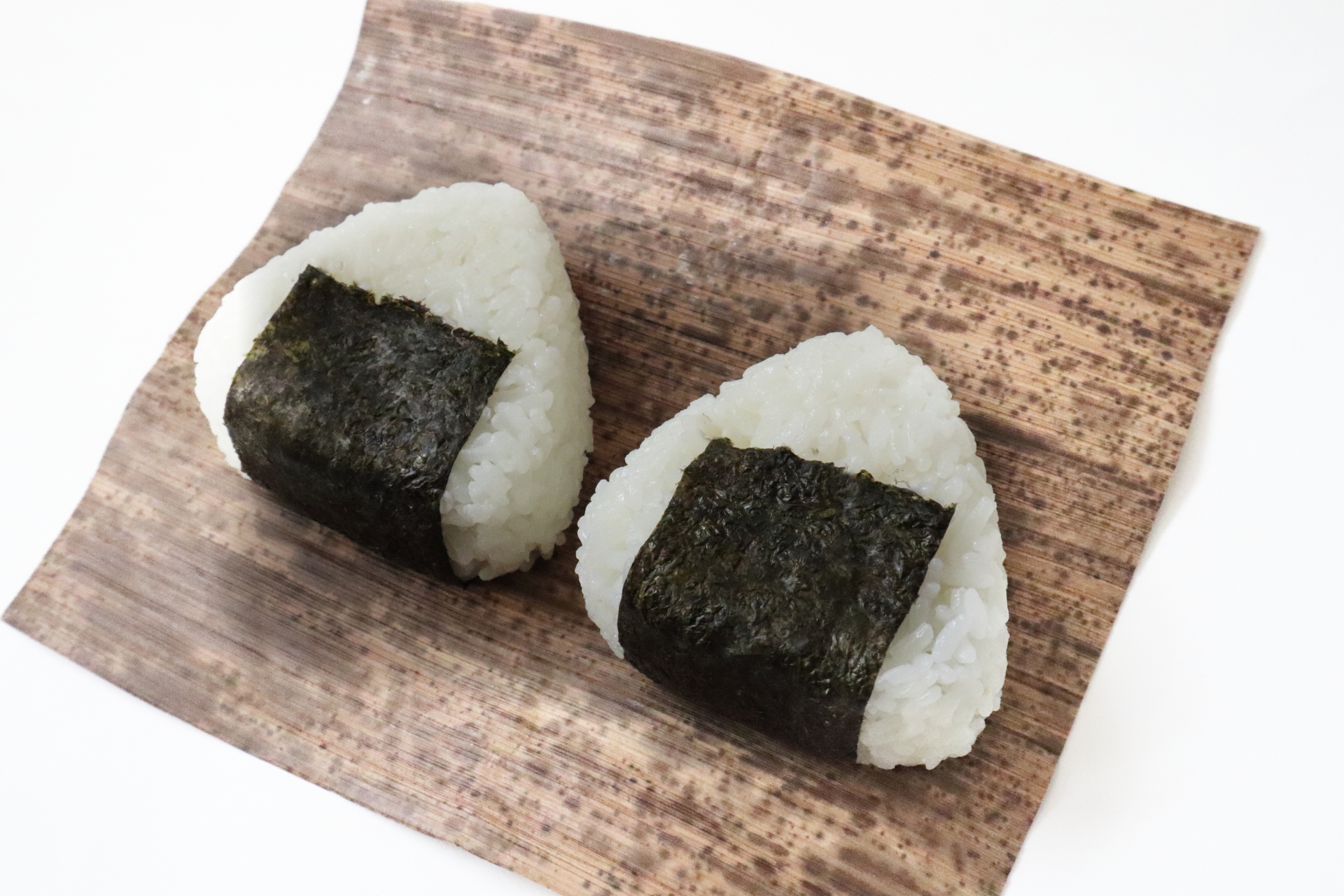
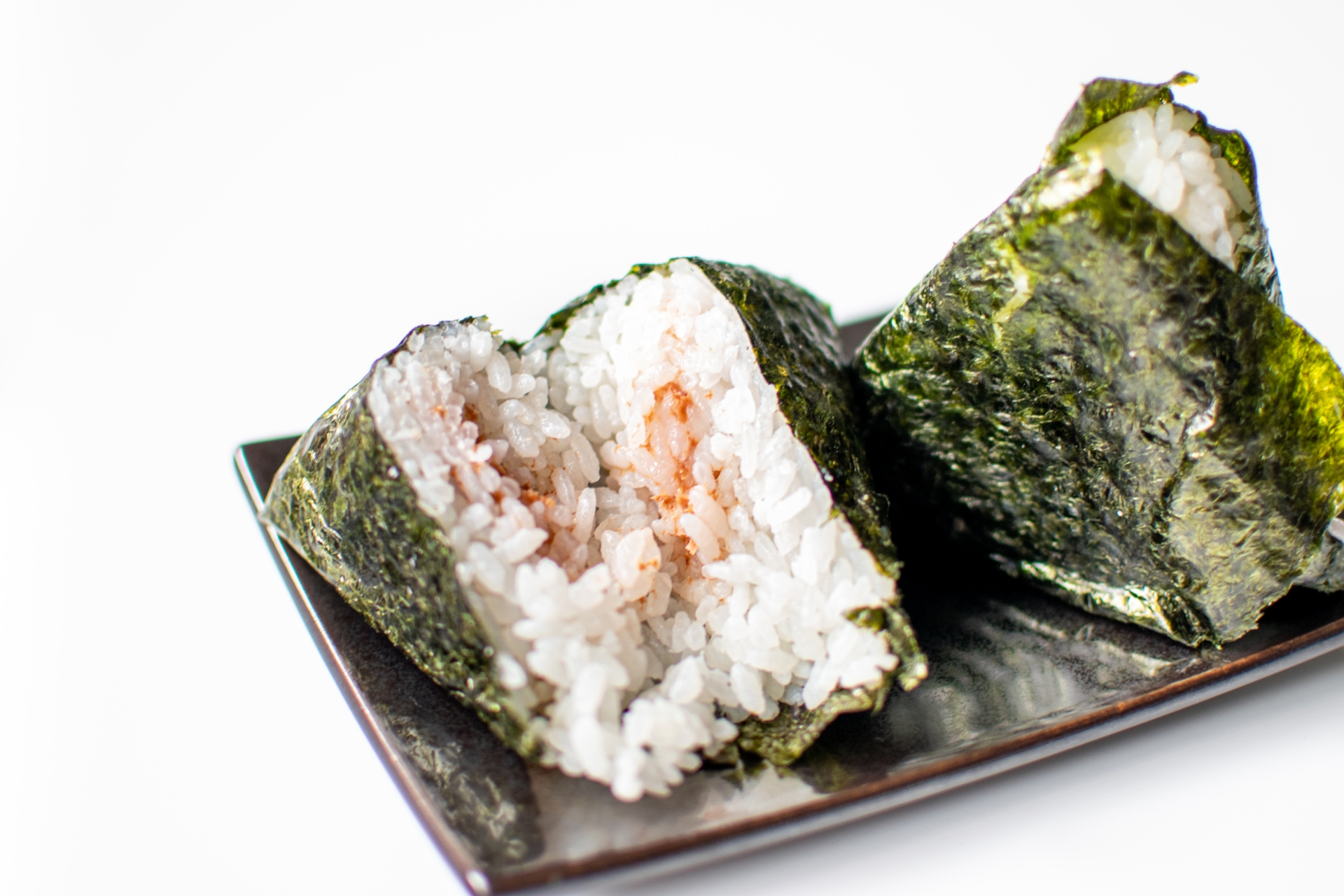
- Onigiri (rice balls)
- Sushi and inari sushi
- Karaage (fried chicken)
- Tamagoyaki (Japanese omelet)
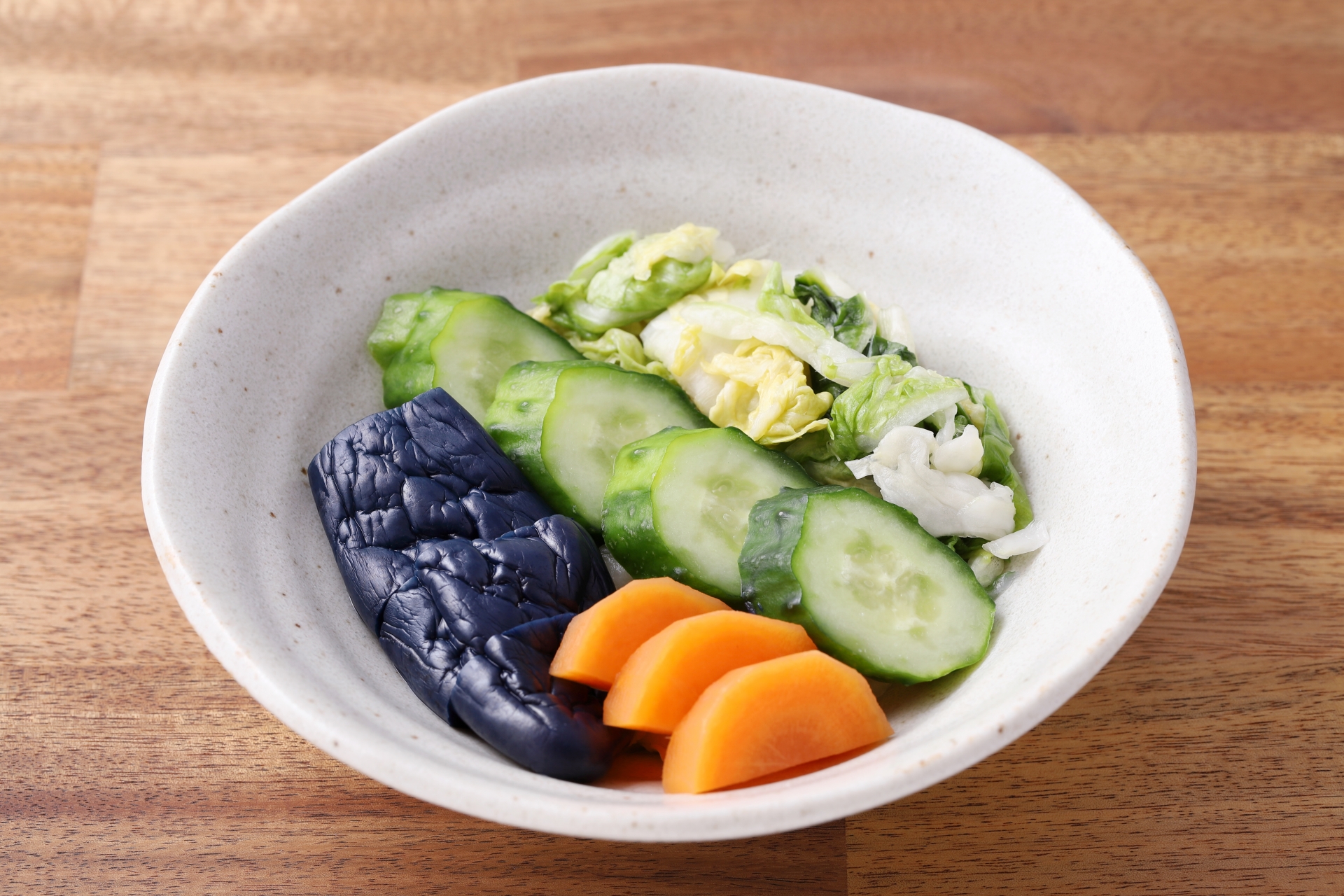
- Pickles and light salads
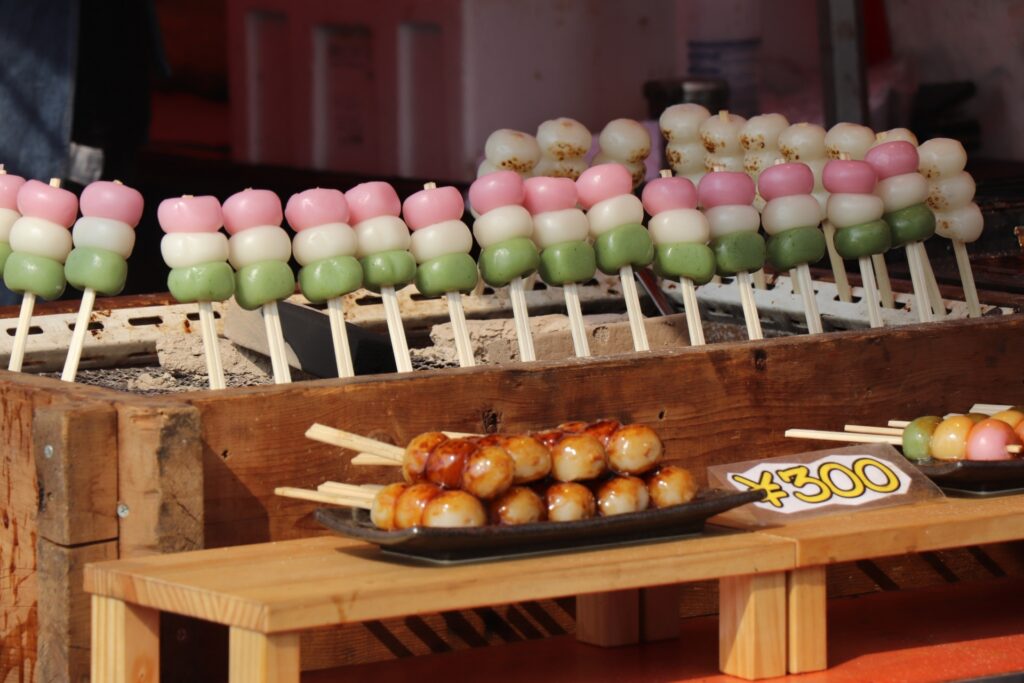
- Hanami dango
- Sakura mochi
- Fresh strawberries
- Green tea and sake
Below is a helpful breakdown of why these foods work so well:
| Food | Why it works | Sweet or Savory | Easy to Make or Buy |
| Onigiri | Portable, filling | Savory | Both |
| Inari sushi | Mess-free, slightly sweet | Savory | Both |
| Karaage | Popular, shareable | Savory | Both |
| Tamagoyaki | Holds shape well | Savory | Easy |
| Pickles | Refreshing, long-lasting | Savory | Easy |
| Hanami dango | Symbolic, colorful | Sweet | Easy |
| Sakura mochi | Seasonal flavor | Sweet | Moderate |
| Strawberries | Fresh, no prep | Sweet | Very easy |
The key idea is balance—combining flavors, textures, and colors to create a picnic that feels both practical and festive.
Hanami Bento: The Classic All-in-One Choice
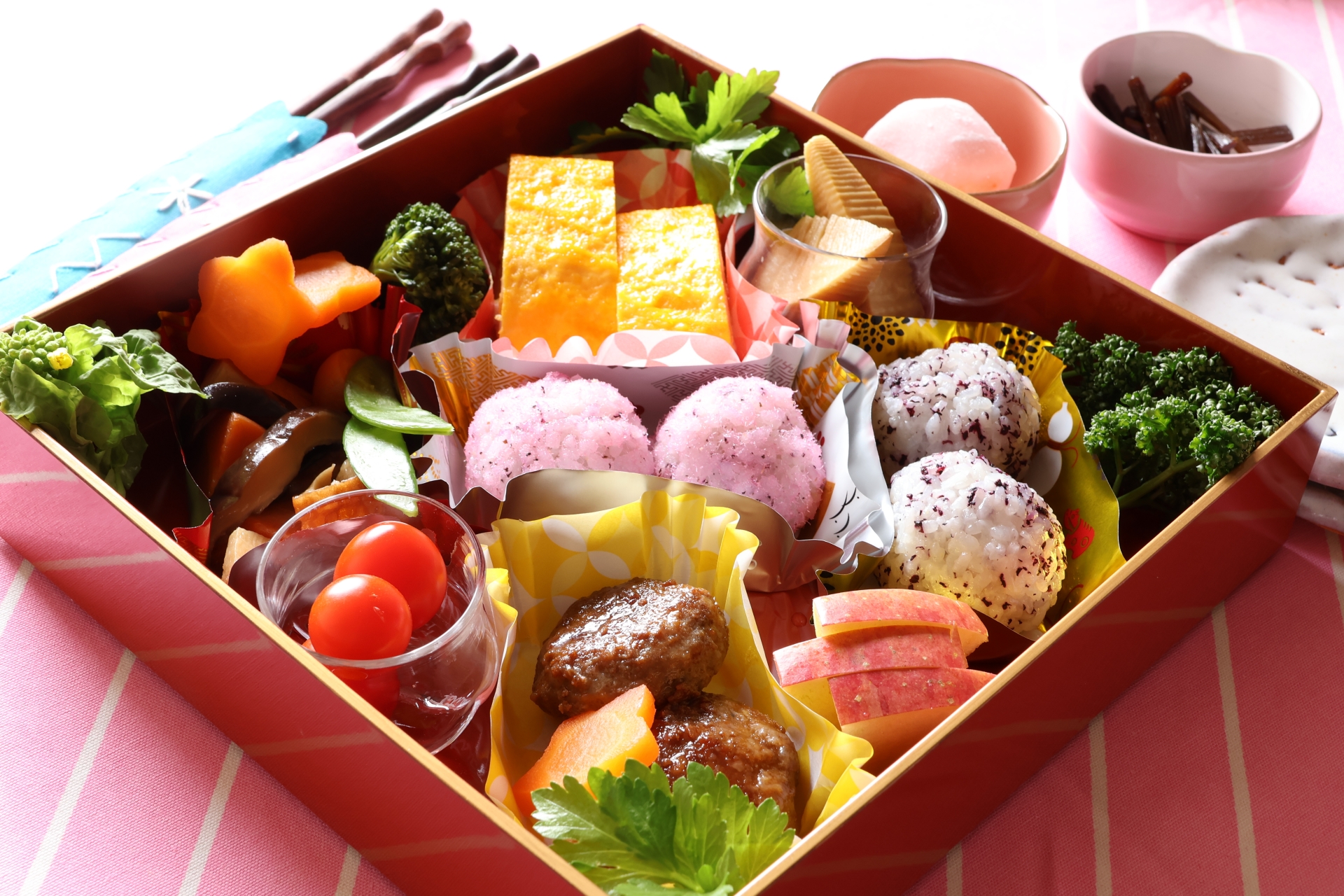
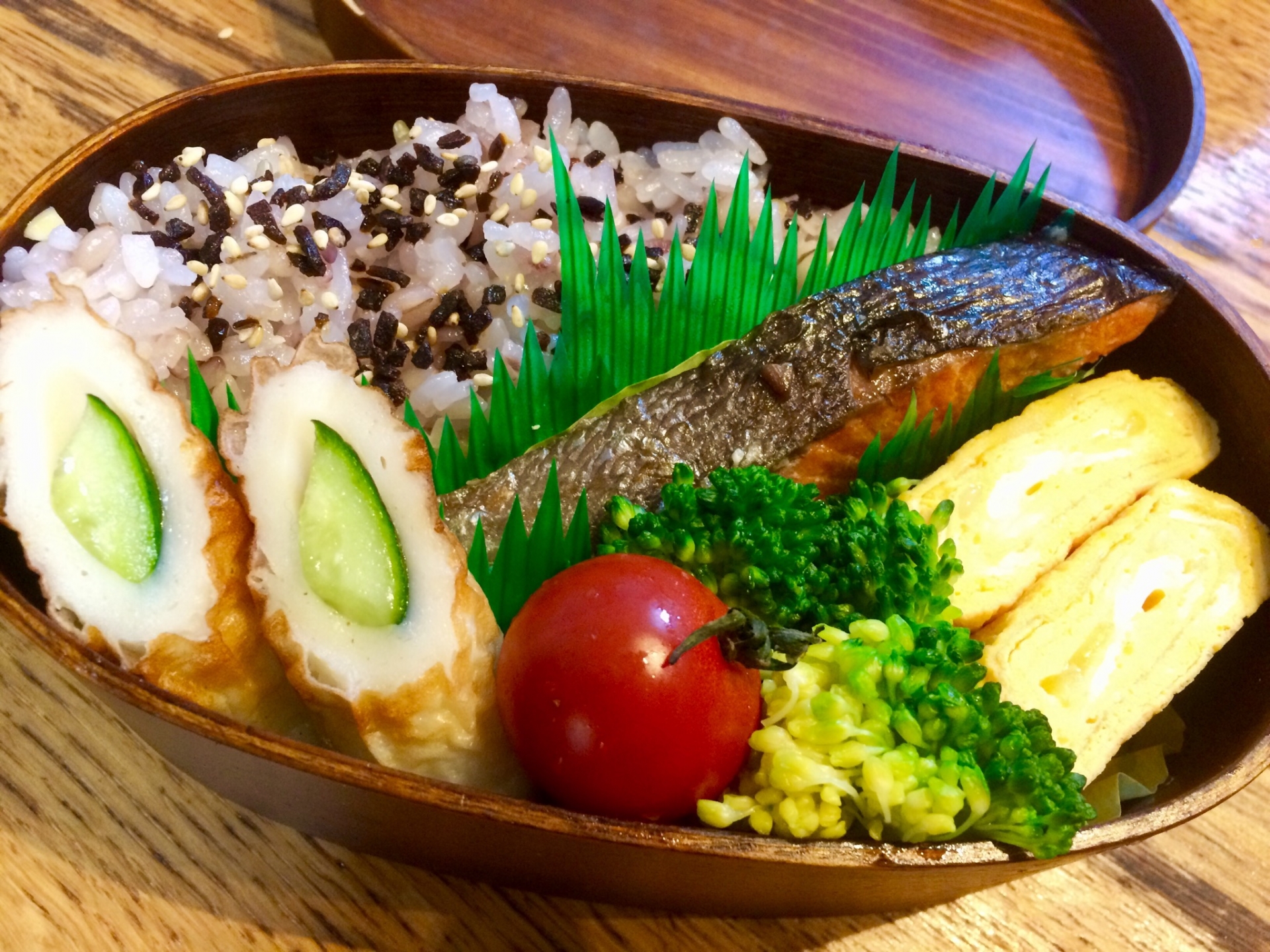
A hanami bento is the ultimate picnic solution. It’s essentially a curated lunch box filled with a variety of small dishes arranged neatly in compartments. This format makes it easy to transport, visually appealing, and perfect for sharing.
Typical items in a hanami bento include makizushi (rolled sushi), inarizushi (sweet tofu pockets filled with rice), tamagoyaki, grilled fish, and decorative elements like kamaboko (fish cake). These foods are chosen not only for taste but also for how well they hold up at room temperature.
What makes bento especially ideal is its balance. You get carbohydrates (rice), protein (fish or chicken), and vegetables—all in one container. For beginners, this eliminates the guesswork of planning multiple dishes. It also aligns perfectly with hanami culture, where presentation matters just as much as flavor.
Onigiri, Inari Sushi, and Sandwiches That Travel Well
When it comes to reliable picnic staples, onigiri and inari sushi are hard to beat. Onigiri are rice balls often filled with simple ingredients like salmon or pickled plum, then wrapped in seaweed. They’re compact, easy to hold, and satisfying.
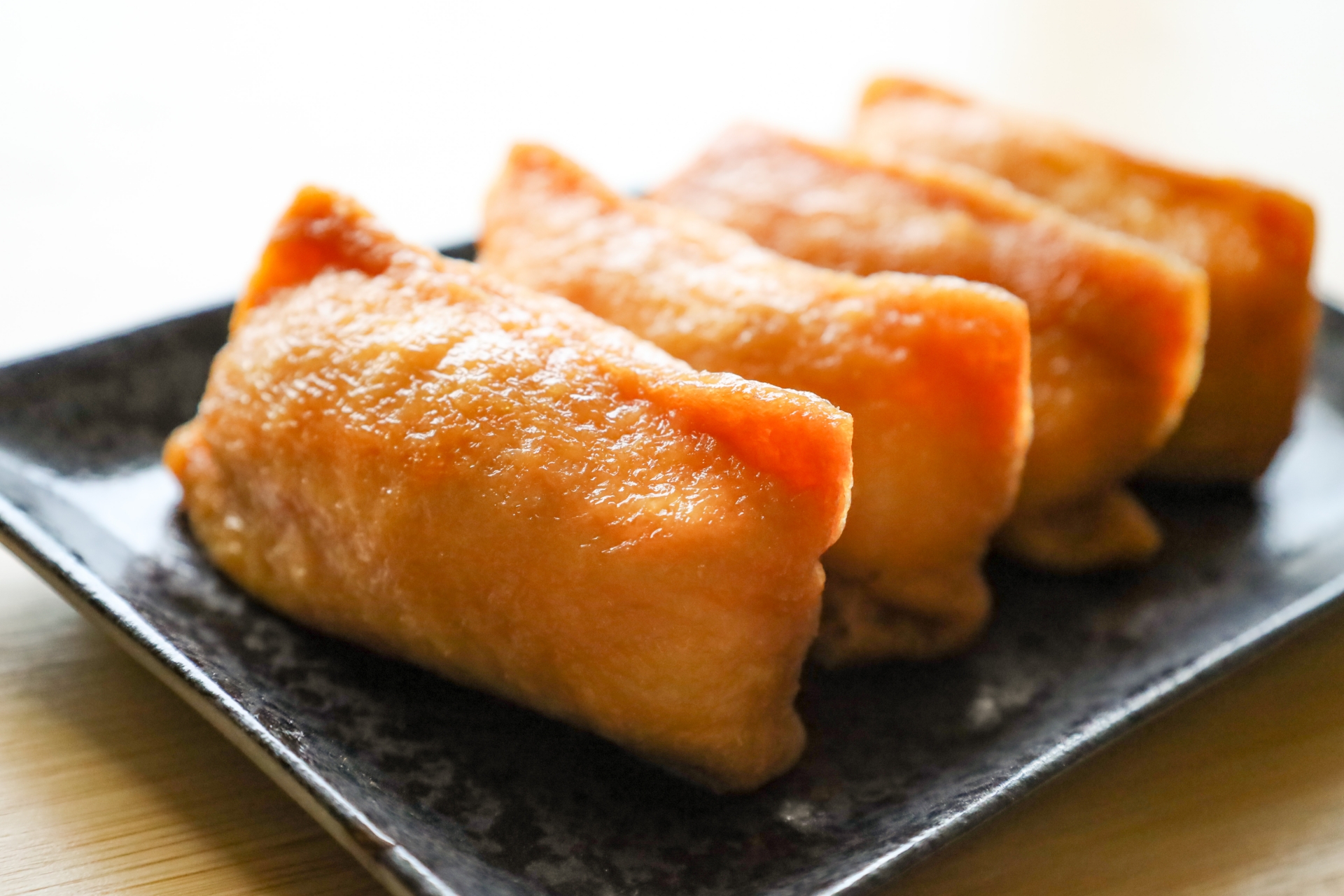
Inari sushi, on the other hand, features rice stuffed into seasoned tofu pockets. These are slightly sweet, require no dipping sauce, and are less messy than traditional sushi—making them ideal for outdoor settings.
For readers outside Japan, Japanese-style sandwiches (often called “sando”) are an excellent alternative. Soft bread filled with egg salad, katsu, or fruit offers a familiar yet aesthetically pleasing option. These choices make it easy to recreate a hanami experience even without access to specialty ingredients.
Shareable Side Dishes: Karaage, Tamagoyaki, Pickles, and Salads
A great hanami spread includes a variety of small, shareable side dishes. These are typically divided into three categories:
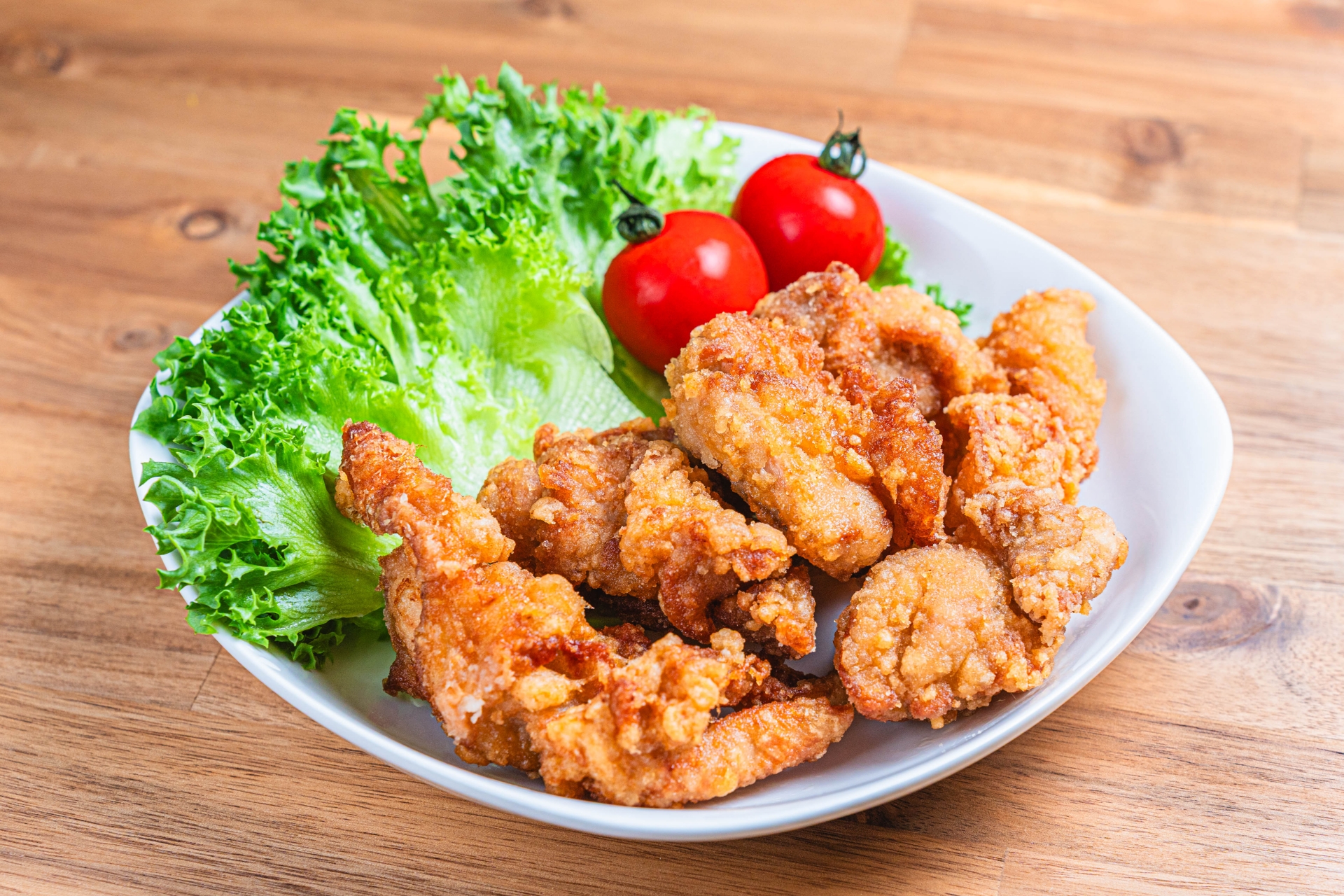
Protein dishes: Karaage (Japanese fried chicken) and ebi fry (fried shrimp) are popular because they taste great even when cooled and are easy to grab.
Vegetable dishes: Options like kinpira (braised root vegetables) or hijiki salad provide balance and add depth to the meal.
Small sides: Potato salad, pickles, and simple marinated vegetables add freshness and contrast to heavier items.
These dishes are designed to be eaten in small portions, making them perfect for group settings. Their bite-sized nature also reduces the need for utensils, which is a big advantage during outdoor picnics.
Best Hanami Sweets and Sakura-Themed Desserts
No hanami picnic is complete without sweets. These desserts are often inspired by the colors and flavors of spring, especially cherry blossoms. Traditional Japanese sweets (wagashi) coexist with modern treats, giving you plenty of options.
| Dessert | Flavor | Traditional or Modern | Portability |
| Hanami dango | Mildly sweet rice | Traditional | Excellent |
| Sakura mochi | Sweet, floral | Traditional | Good |
| Strawberry daifuku | Sweet + tart | Modern | Moderate |
| Sakura cookies | Light, buttery | Modern | Excellent |
| Jelly desserts | Refreshing | Modern | Moderate |
These desserts are not just about taste—they visually enhance the picnic, making the experience feel more seasonal and festive.
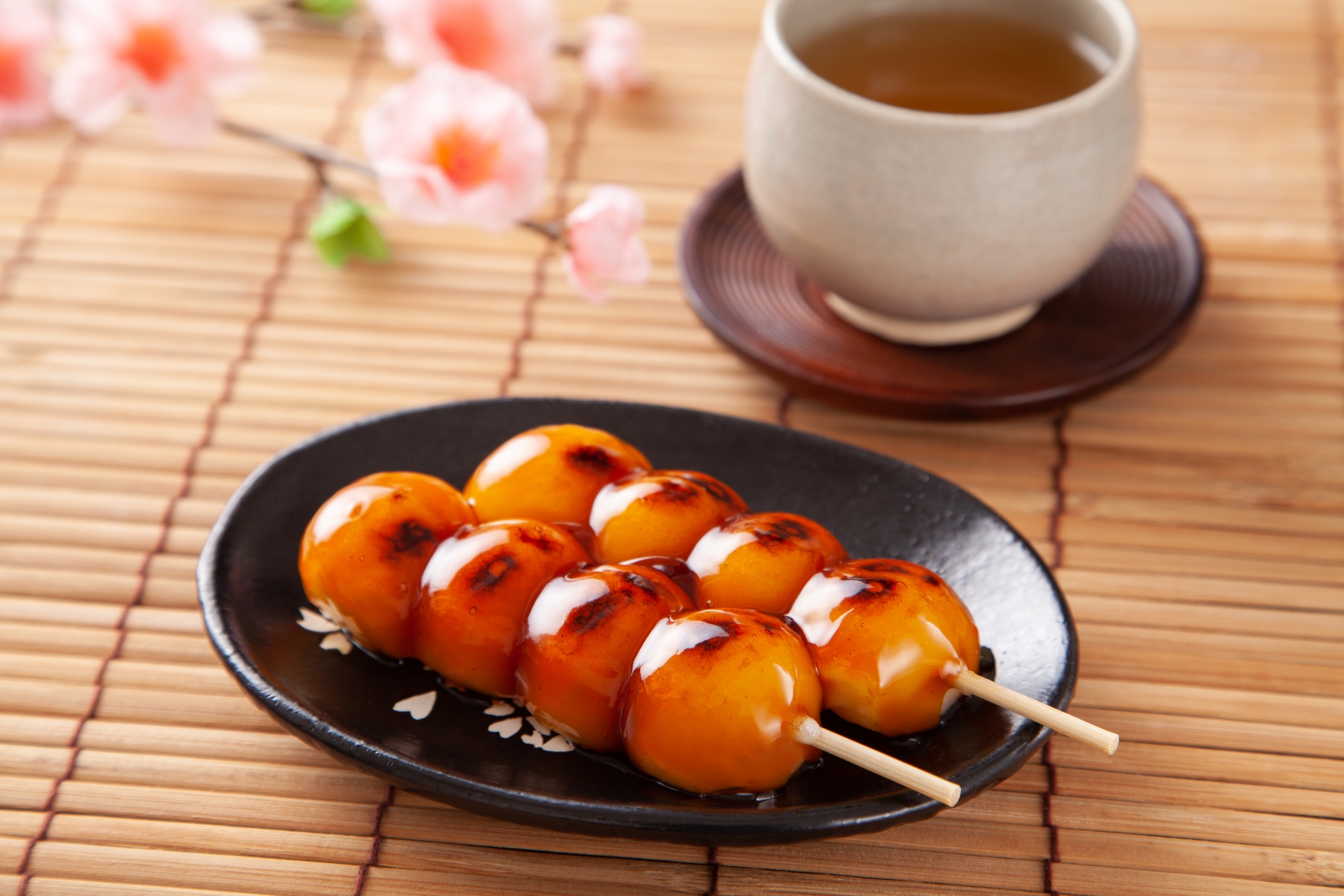
Hanami Dango vs Sakura Mochi
Hanami dango and sakura mochi are two of the most iconic spring sweets, but they offer very different experiences.
Hanami dango consists of three rice dumplings on a skewer, typically colored pink, white, and green. These represent the changing seasons and are easy to eat without utensils. Their firm texture and simple sweetness make them extremely portable.
Sakura mochi, in contrast, is softer and more delicate. It’s made of sweet rice filled with red bean paste and wrapped in a salted cherry blossom leaf. The flavor is more complex, combining sweetness with a subtle floral aroma.
If you need convenience, dango is the better choice. If you want a more authentic seasonal flavor, sakura mochi stands out.
Fresh Fruit and Light Desserts for Spring
Fresh fruit, especially strawberries, is a staple at hanami picnics. They require little to no preparation, are easy to share, and provide a refreshing contrast to heavier foods like fried dishes or rice.
Other light options include cut oranges, grapes, or simple jelly desserts. These choices are particularly popular with families and children, as they are easy to eat and not overly sweet.
Including fruit also helps balance the overall menu. A good hanami spread isn’t just rich or indulgent—it’s varied and refreshing, making it enjoyable over several hours outdoors.
How to Build the Perfect Hanami Picnic Menu
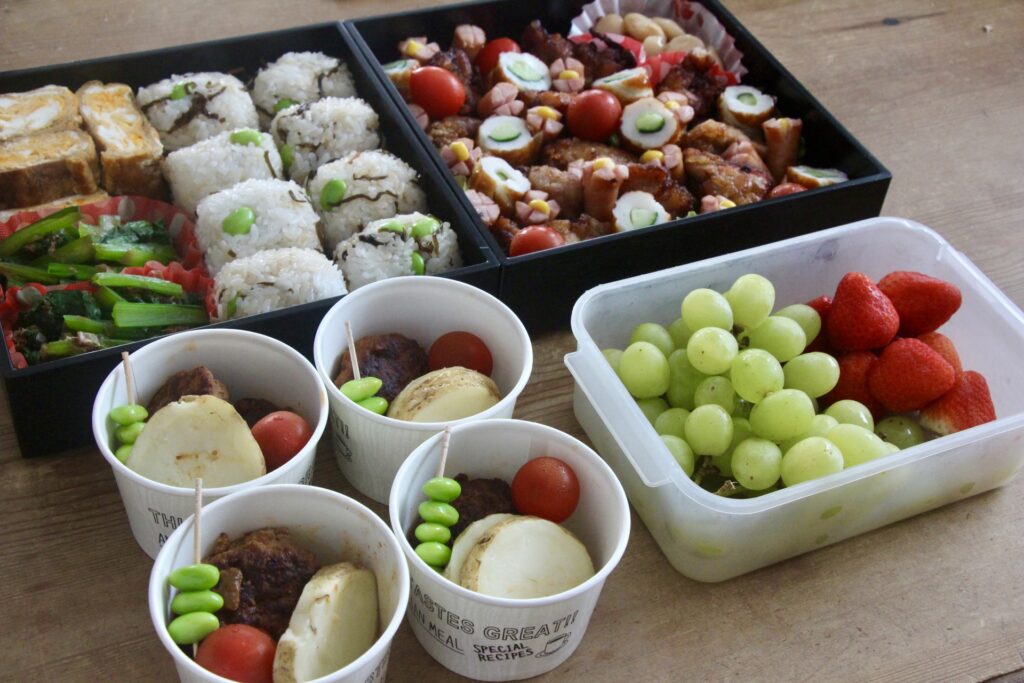
Instead of focusing on individual dishes, it’s more helpful to think in terms of complete menus. A well-balanced hanami meal typically includes a staple (rice or bread), a protein dish, a few sides, a dessert, and drinks.
Here are some ready-made combinations:
- 2-person menu: Simple and balanced
- Family menu: Kid-friendly and low mess
- Potluck menu: Shareable variety
- Store-bought menu: Minimal prep
These templates help you plan efficiently without overcomplicating the process.
A Simple 2-Person Hanami Menu
A beginner-friendly hanami menu for two might include onigiri, tamagoyaki, karaage, pickles, strawberries, hanami dango, and green tea.
This combination works because it covers all the essentials: filling rice, protein, vegetables, and a seasonal dessert. Everything can be prepared in advance and enjoyed at room temperature.
It’s also easy to scale up or down, making it a flexible starting point for anyone new to hanami picnics.
A Family-Friendly Hanami Picnic Menu
For families, the focus should be on mild flavors, easy-to-eat foods, and minimal mess. Sandwiches, onigiri, and bite-sized snacks are ideal.
A typical menu might include egg sandwiches, simple rice balls, fruit, small sausages, and juice or tea. Avoid overly spicy or complex dishes, and prioritize items that children can eat without utensils.
This approach ensures that everyone—from kids to adults—can enjoy the picnic comfortably.
A Mostly Store-Bought Hanami Menu
If you don’t want to cook, you can easily assemble a hanami spread using store-bought items. In Japan, people often rely on convenience stores, supermarkets, or depachika (department store food halls).
Look for pre-made bento boxes, onigiri, deli-style fried foods, wagashi (Japanese sweets), and bottled drinks. Outside Japan, similar items can be found at Asian grocery stores or even standard supermarkets.
This option is perfect for travelers or busy individuals who still want an authentic experience.
Tips for Bringing Food to a Hanami Picnic Safely
Food safety is just as important as food selection. Because hanami takes place outdoors, factors like temperature, time, and transportation can affect food quality.
There are three key areas to focus on:
- Choosing the right foods
- Packing them properly
- Managing them safely during the picnic
Understanding these basics helps prevent spoilage and ensures everyone can enjoy the meal without worry.
Choosing Foods That Are Safe for Outdoor Picnics
The best hanami foods are those that remain safe and tasty at room temperature. Onigiri, fully cooked dishes, grilled foods, and pickled vegetables are all reliable choices.
Foods that require caution include raw fish, soft-boiled eggs, and dishes with mayonnaise or cream. These can spoil quickly, especially in warmer weather.
When in doubt, prioritize items that are fully cooked and low in moisture. This simple rule greatly reduces the risk of foodborne issues.
How to Pack a Bento Box for Hanami
Packing your food correctly makes a big difference. Start by letting all dishes cool completely before placing them in containers. This prevents condensation, which can lead to spoilage.
Use dividers or small cups to separate items and avoid mixing flavors. Wrap onigiri individually and keep sauces in separate containers. Fruits should be stored separately to prevent excess moisture.
Avoid common mistakes like packing hot food, including watery dishes, or sealing containers too early. These small details help maintain both safety and presentation.
Food Safety and Handling Tips for Outdoor Picnics
During the picnic, use insulated bags and ice packs to keep food at a safe temperature. Avoid placing food in direct sunlight, and try to eat it within a few hours.
Clean hands before eating, and avoid leaving food exposed for long periods. These basic practices help prevent contamination and bacterial growth.
By combining proper planning with mindful handling, you can enjoy your hanami picnic safely and comfortably.
What to Drink With Hanami Picnic Food
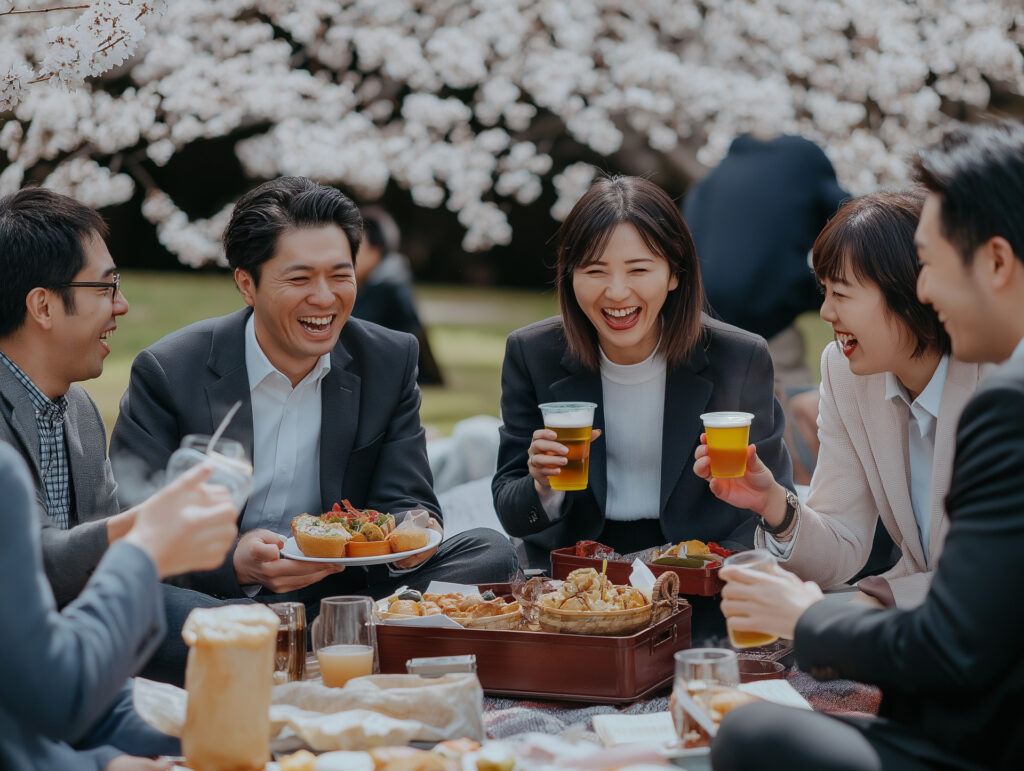
Drinks are an essential part of the hanami experience. They complement the food and help set the mood, whether you’re going for something traditional or casual.
Popular choices include green tea, coffee, juice, soft drinks, and sake. Since early spring can still be chilly—especially in the evening—bringing warm drinks is also a good idea.
Traditional Hanami Drinks
Sake, often referred to as “hanami-zake” in this context, is a traditional choice. It’s commonly enjoyed in small groups and pairs well with savory dishes.
While alcohol is part of the culture, it’s not the focus. The emphasis remains on enjoying the season and sharing food together.

Non-Alcoholic Drinks for Families and Daytime Picnics
Non-alcoholic options are just as important, especially for daytime picnics or family gatherings. Green tea, barley tea, coffee, juice, and sparkling water are all excellent choices.
These drinks are easy to prepare, widely available, and suitable for all ages, making them a practical addition to any hanami setup.
Easy Hanami Picnic Food Ideas You Can Make Outside Japan
You don’t need authentic Japanese ingredients to enjoy hanami. Many foods can be adapted using what’s available locally.
For example, you can make simple rice balls with tuna or salmon, use sandwiches instead of Japanese sando, or include crackers and fruit. Pink desserts like strawberry cupcakes or cookies can recreate the seasonal aesthetic.
The goal is not perfect authenticity but capturing the spirit of hanami—simple, shareable, and seasonal food enjoyed outdoors.
FAQ About Hanami Picnic Food
What food should I bring to a hanami picnic?
Bring a mix of portable, shareable foods like onigiri, fried chicken, tamagoyaki, pickles, and seasonal sweets like dango or mochi.
What sweets are traditional for hanami?
Hanami dango and sakura mochi are the most traditional, often representing spring through color and flavor.
Can I buy food instead of cooking?
Yes, many people buy bento, snacks, and drinks from stores. It’s a common and convenient option.
What foods are easiest to carry?
Onigiri, sandwiches, and bite-sized snacks are the easiest to transport and eat outdoors.
What drinks go well with hanami food?
Green tea, sake, juice, and sparkling drinks all pair well with typical hanami dishes.
How far in advance can I prepare a hanami bento?
Most items can be prepared the same day, a few hours in advance. Always cool food before packing.
What should I avoid packing for a picnic?
Avoid raw foods, creamy dishes, and anything that spoils easily at room temperature.
Final Thoughts: Build a Hanami Spread That Is Beautiful, Practical, and Easy to Share
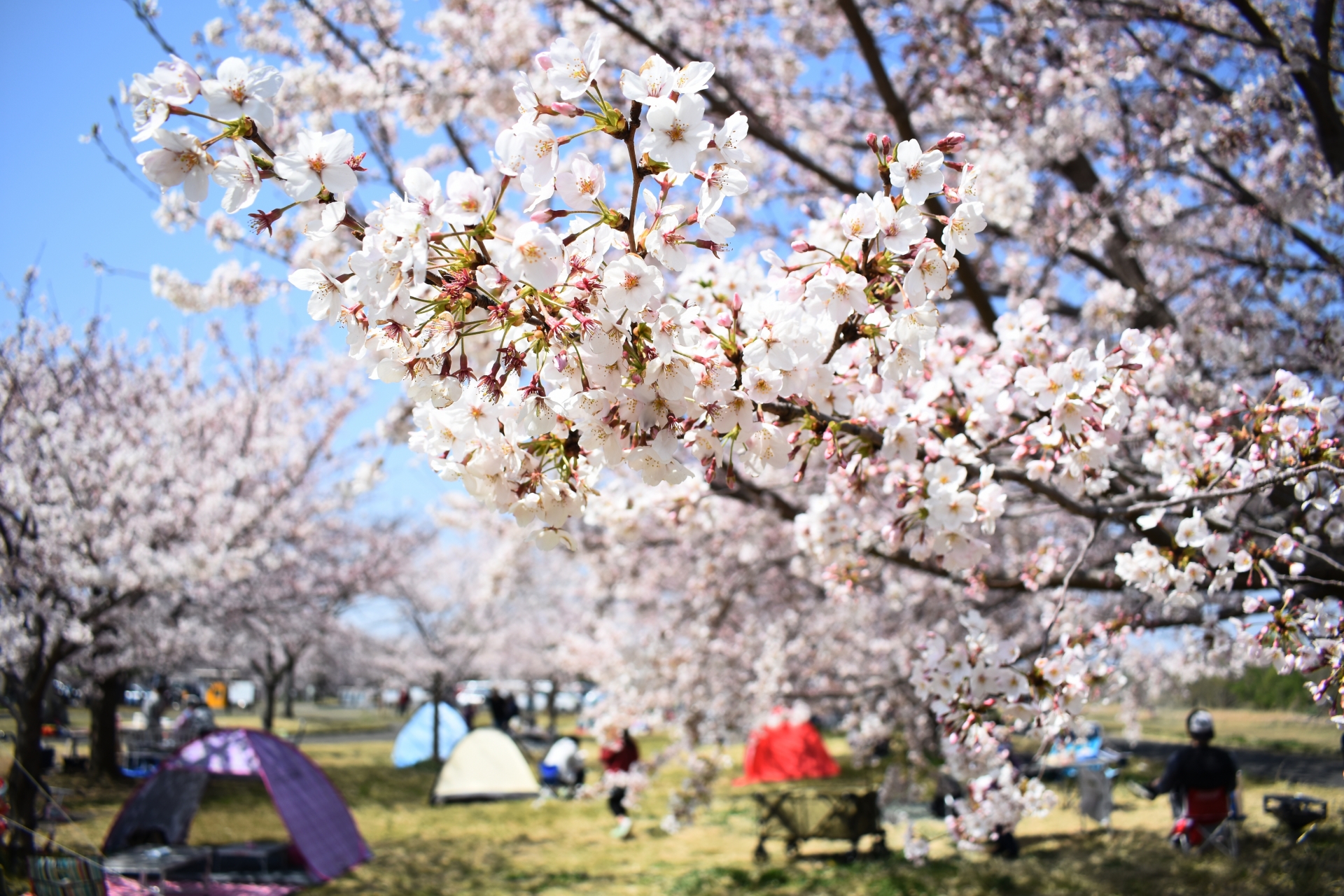
At its core, hanami picnic food is about simplicity and balance. It doesn’t have to be elaborate or difficult to prepare. The best spreads are those that combine seasonal beauty, portability, and ease of sharing.
A simple formula works every time:
1 staple + 1 protein side + 1 spring dessert + 1 drink
Whether you’re under cherry blossoms in Japan or enjoying a backyard picnic at home, the goal is the same—create a relaxed, joyful moment with good food and great company.