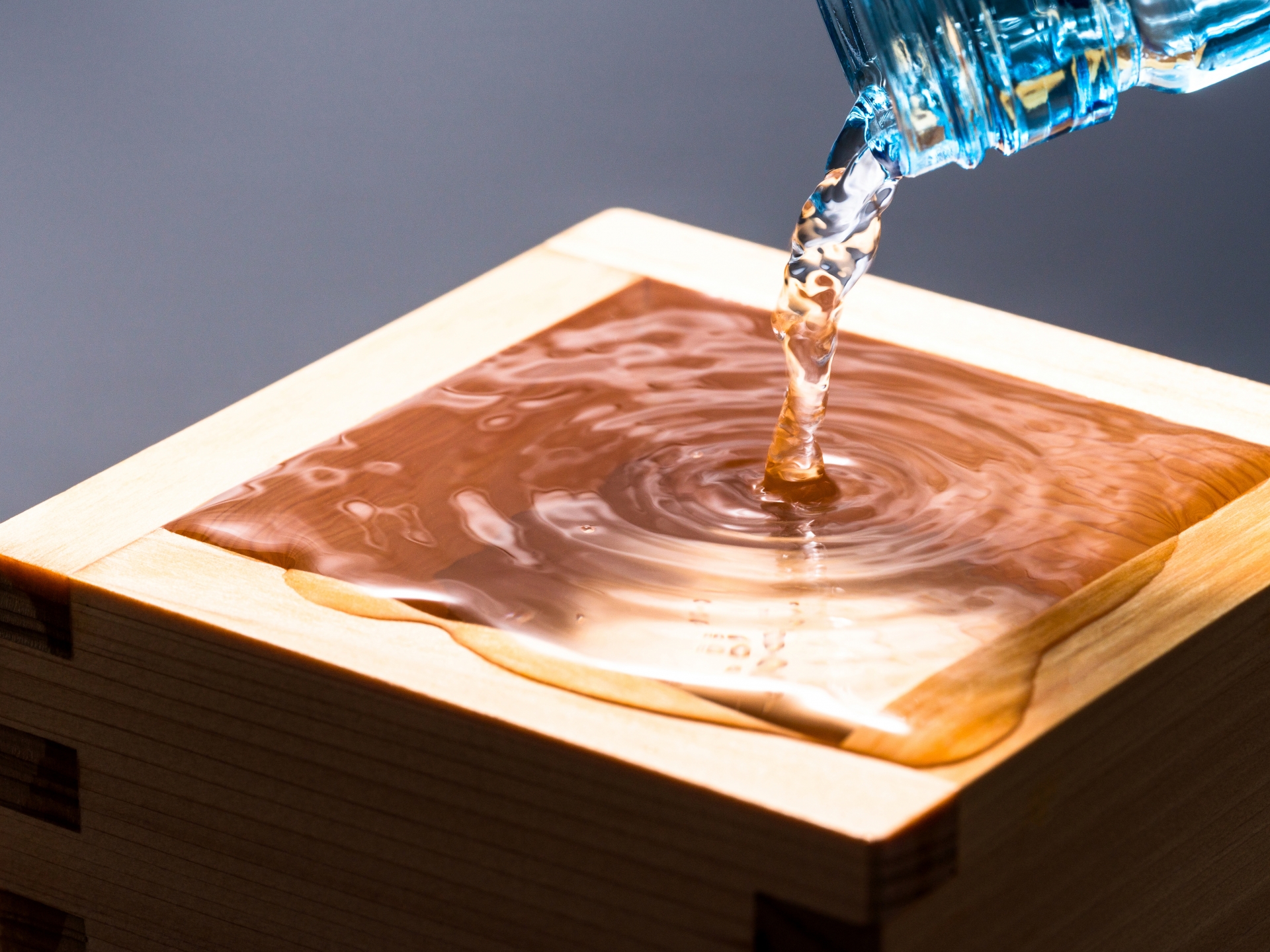
Sake often gets introduced as “rice wine,” which is convenient—but not quite right. It’s its own thing. Brewed from rice, water, yeast, and koji mold, sake sits somewhere between beer and wine in terms of technique, yet doesn’t really behave like either in the glass.
If you’ve ever come across the word “nihonshu” (日本酒) while traveling in Japan, that’s the more precise term locals use. “Sake” in Japanese just means alcohol in general—beer, whiskey, anything. That small linguistic gap explains a lot of the confusion.
Once you understand that, sake starts to feel less like a category you already know—and more like one worth exploring on its own terms.


What Actually Goes Into Sake?
At a glance, the ingredient list is short. But nothing about the final result feels simple.
Rice (Sakamai)
Not your everyday table rice. These grains are polished down, sometimes dramatically, to expose a clean, starchy center. How much is removed changes the character of the sake more than you might expect.
Koji (Mold-Cultivated Rice)
This is where things get interesting. Koji mold converts rice starch into sugar, which is essential because rice doesn’t naturally contain fermentable sugar the way grapes do. Without koji, sake wouldn’t exist.
Water
It makes up most of the final drink, and its mineral balance quietly shapes the texture—soft, crisp, round. Breweries often form around specific water sources for that reason.
Yeast
Beyond producing alcohol, yeast contributes aroma—sometimes subtle fruit notes, sometimes something closer to steamed rice or fresh cream.
The ingredients don’t change much from brewery to brewery. The outcome does.
How Sake Is Made (And Why It’s So Involved)
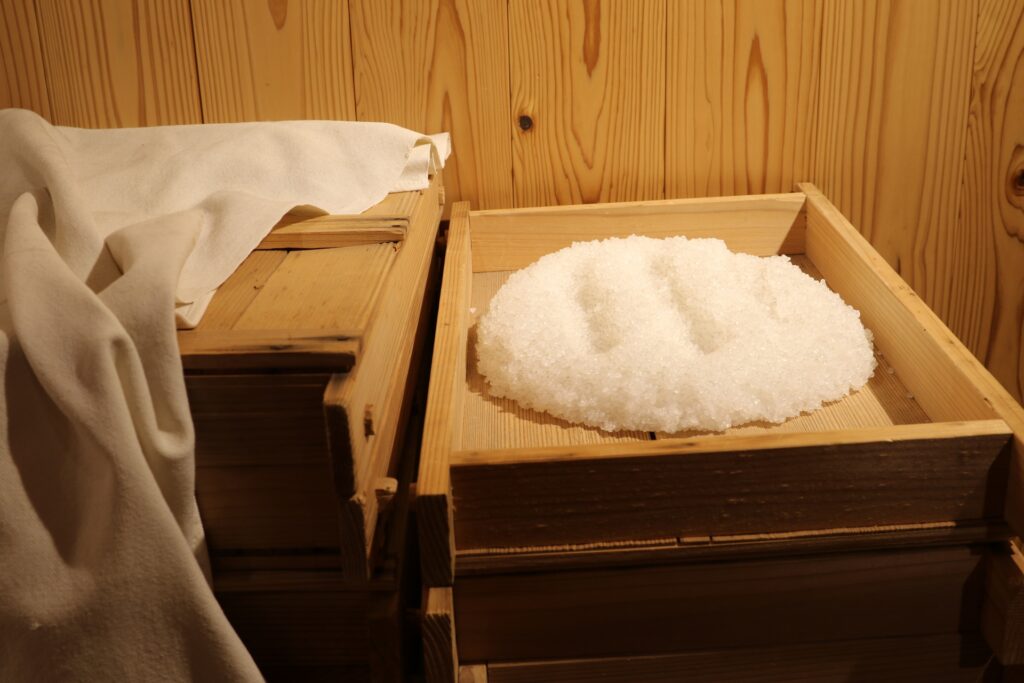
Watching sake production step-by-step, you start to see why it’s treated as both craft and discipline.
First, the rice is polished. Then washed, soaked, and steamed—each step timed with precision. Part of that rice becomes koji, carefully cultivated in warm, humid rooms that smell faintly sweet and earthy.
A small yeast starter is prepared, almost like building a foundation before the real structure begins. Then comes the main fermentation, added in stages over several days. This is where sake’s defining process happens: sugar conversion and alcohol fermentation occur at the same time.
That parallel fermentation is rare. And it’s a big part of why sake develops such layered flavors without becoming heavy.
After fermentation, the liquid is pressed out, filtered, sometimes pasteurized, and left to rest. Some sake is adjusted slightly with water before bottling. Even small choices at this stage can shift the final balance.
So… Is It Wine or Beer?
Neither—and both comparisons only get you halfway there.
Wine ferments sugars that already exist in fruit. Beer converts starch into sugar before fermentation. Sake does both at once.
That’s why it tends to have a higher alcohol content than beer, but a smoother, less acidic profile than wine. No tannins either. The texture is often softer, sometimes almost silky.
It doesn’t behave like what most people expect from either category. That’s part of the appeal.
What Sake Tastes Like
Trying to pin sake down to a single flavor is a losing game.
Some are light and quietly fragrant—think pear, melon, maybe a hint of banana. Others lean richer, with deeper rice notes and a mild savory edge that lingers.
There’s often less sharp acidity than wine, which makes the overall impression feel rounder. Easier to sip. Less demanding.
Occasionally, you’ll get something that almost resembles a delicate white wine. Other times, it’s closer to something you can’t quite compare.
That range is one of the reasons people keep coming back to it.
Types of Sake (Without Getting Too Technical)
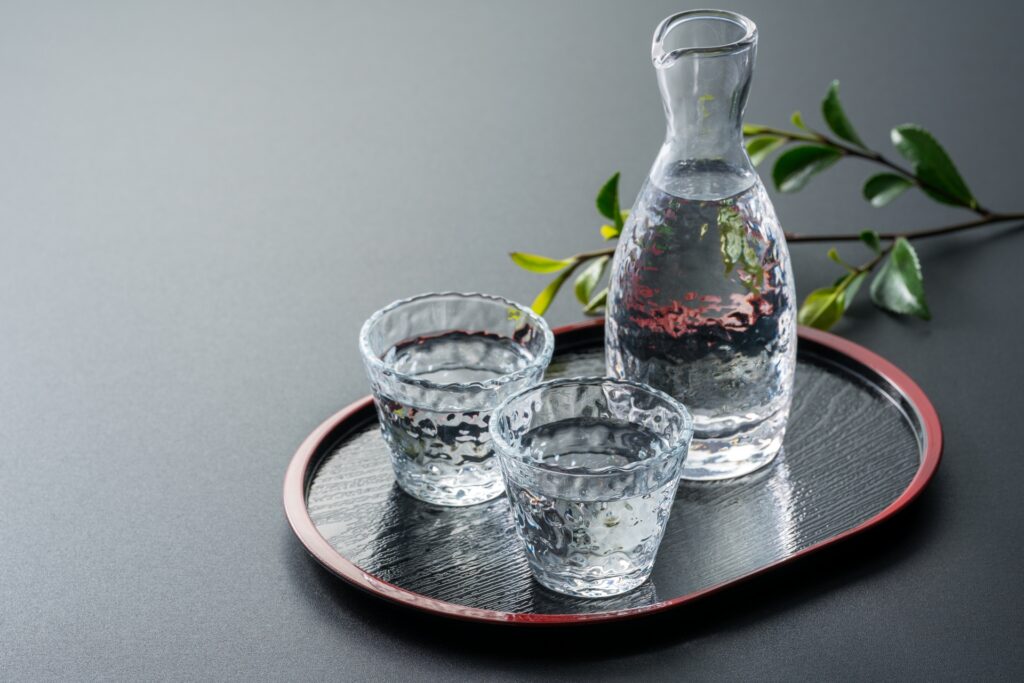
The categories mostly come down to two things: how much the rice is polished, and whether a small amount of alcohol is added during brewing.
Junmai
Fuller-bodied, often with a noticeable rice character. Feels grounded, sometimes slightly savory.
Ginjo
Lighter and more aromatic. You’ll often notice fruitier notes here.
Daiginjo
More polished rice, more refinement. The flavors tend to be delicate, sometimes almost understated.
If you’re just starting out, Ginjo or Daiginjo is usually the easiest entry point. Slightly chilled, they open up nicely.
How Sake Is Drunk in Japan
Temperature matters more than people expect.
Some sake is served cold—especially aromatic styles like Ginjo. Others are better at room temperature, where the balance feels more natural. And then there’s warm sake, which works particularly well with richer types like Junmai.
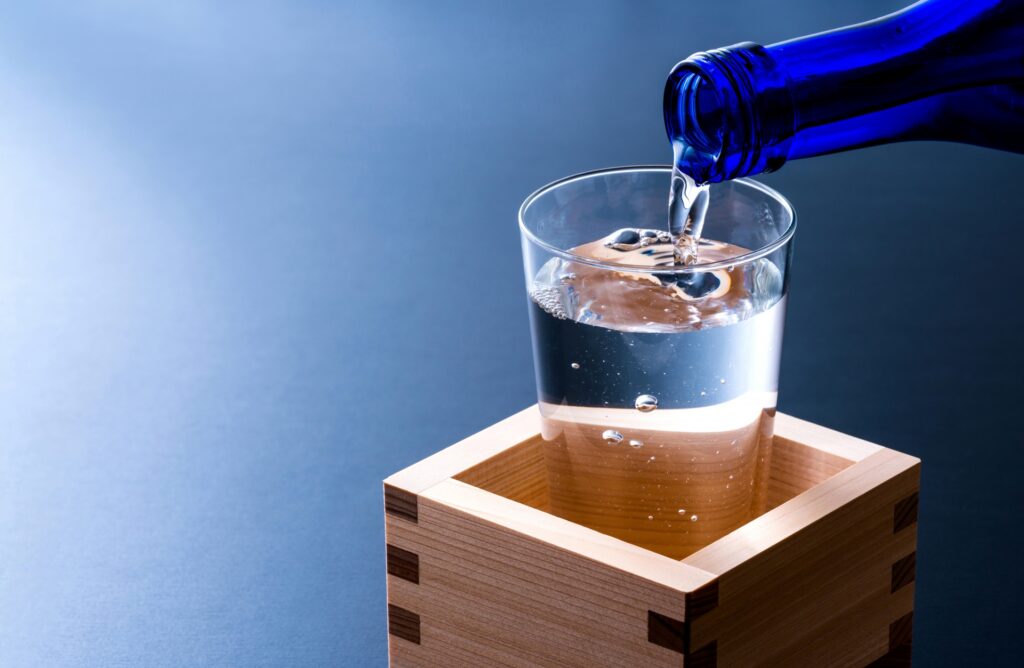
You’ll often see small cups called ochoko, paired with a flask called a tokkuri. There’s also a small but meaningful custom: pouring for others rather than yourself. It’s less about rules and more about awareness of the people around you.
Interestingly, wine glasses are becoming more common too, especially for premium sake. They help concentrate aroma, which changes the experience quite a bit.
What to Eat With It
Sake has a quiet versatility when it comes to food.
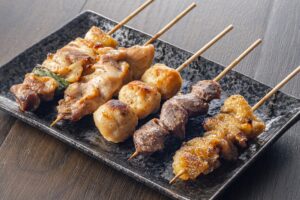
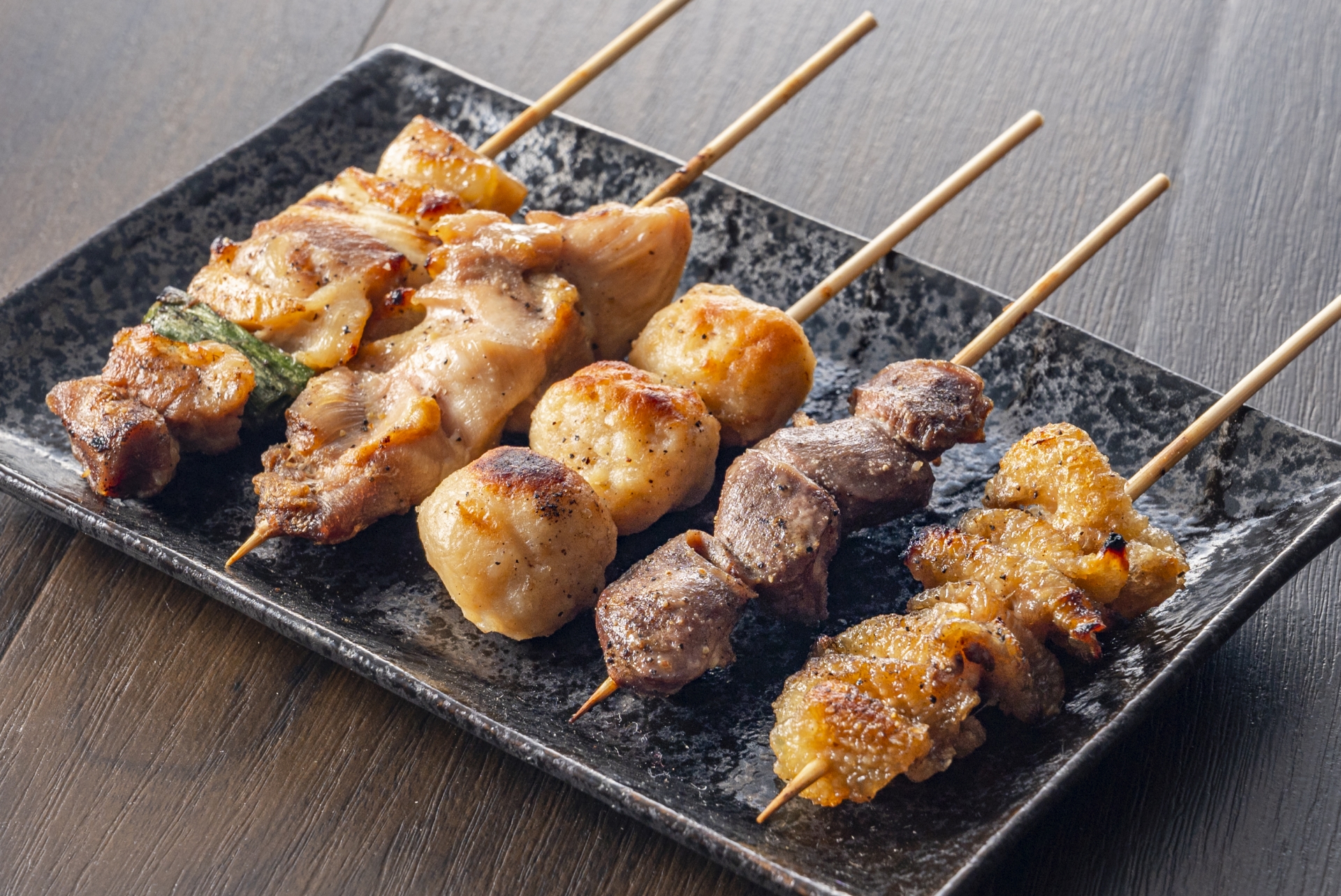
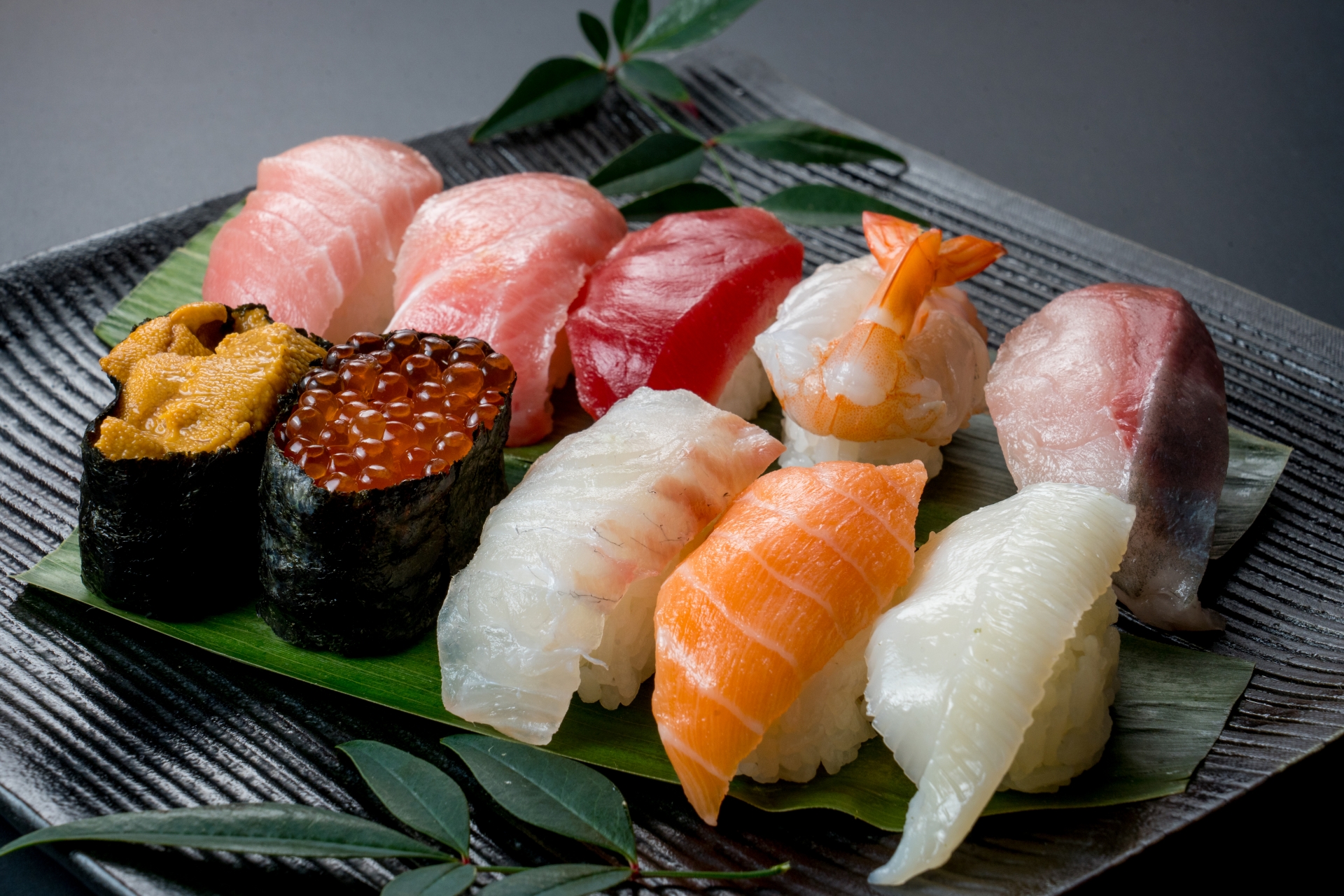
It works with grilled dishes—yakitori, steak—because the umami notes overlap in a natural way. Seafood is an obvious match, but not just sushi. Grilled fish, fried dishes, even creamy pasta can work surprisingly well.
Soft cheeses are another good pairing. Something about the texture and mild saltiness fits.
It doesn’t demand strict pairings. You can experiment a little.
Choosing a Bottle (Without Overthinking It)
If you’re standing in front of a shelf and not sure where to start:
- Look for Ginjo or Daiginjo
- Check for descriptors like “fruity” or “aromatic”
- Don’t assume expensive means better—there’s plenty of approachable sake at mid-range prices
A few widely available options often recommended for beginners include Dassai 45, Hakutsuru Junmai Ginjo, and Gekkeikan. Not because they’re the best—but because they’re consistent and easy to understand.
That’s enough for a first step.
“Sake” vs “Nihonshu” — A Small but Useful Distinction
In Japan, asking for “sake” could technically get you anything alcoholic. Beer, shochu, wine.
If you specifically want what English speakers call sake, “nihonshu” is the clearer word to use.
It’s a small detail, but one that makes ordering a little smoother—especially outside major tourist areas.
Finding Sake Outside Japan
It’s easier than it used to be.
You’ll often find it in liquor stores with international sections, Japanese supermarkets, or online shops specializing in imported alcohol. If it’s stored refrigerated, that’s usually a good sign—especially for more delicate styles.
Selection varies, but even a modest lineup can give you a sense of the range.
Final Thoughts
Sake doesn’t really announce itself. It’s not loud or immediately obvious.
But spend a little time with it—try a few different styles, pay attention to temperature, maybe pair it with food—and it starts to open up in a quiet way.
Not everything about it is intuitive at first. That’s part of why it’s interesting.