Japanese noodles tend to get lumped together at first glance, but once you start paying attention, the differences are hard to miss. This guide walks through the main types—ramen, udon, soba, somen, and a few others—with a focus on how they actually show up in everyday eating. Think less about technical definitions, more about what lands in front of you: how it smells, how it feels to bite into, and when it makes the most sense to order one over another.


What Are Japanese Noodles? A Beginner-Friendly Overview
“Japanese noodles” isn’t a single category you can pin down neatly. It’s more like a loose family—some made from wheat, others from buckwheat or starch, each carrying its own habits and context.
The ones you’ll see most often are ramen, udon, soba, and somen. Then there are outliers like yakisoba, shirataki, and harusame, which don’t always behave the way their names suggest.
The easiest way to get your bearings is through texture and temperature. Ramen tends to come in hot, layered broths that feel substantial. Udon leans into thickness and chew. Soba is lighter, sometimes almost restrained. Somen, especially in summer, feels closer to something you sip through rather than chew.
Once you notice those differences, choosing what to eat gets easier—and a lot more situational. A humid afternoon calls for something entirely different than a cold evening.
The Main Types of Japanese Noodles
Japanese noodles differ by ingredients (wheat, buckwheat, starch), thickness, and how they’re served. Here’s a quick comparison:
| Noodle Type | Japanese Name | Main Ingredient | Texture | Typical Serving | Famous Dish |
| Ramen | ラーメン | Wheat | Firm, springy | Hot soup / dipping | Tonkotsu ramen |
| Udon | うどん | Wheat | Thick, chewy | Hot or cold | Kake udon |
| Soba | そば | Buckwheat (often mixed) | Thin, slightly firm | Hot or cold | Zaru soba |
| Somen | そうめん | Wheat | Very thin, smooth | Cold | Chilled somen |
| Yakisoba | 焼きそば | Wheat | Soft, oily | Stir-fried | Festival yakisoba |
| Shirataki | しらたき | Konjac | Jelly-like | Hot pot | Sukiyaki |
| Harusame | 春雨 | Starch | Soft, slippery | Soup/salad | Harusame salad |
Ramen (ラーメン / rāmen)
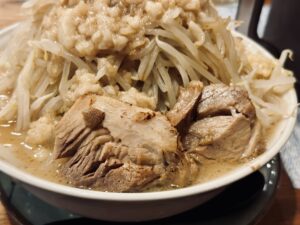
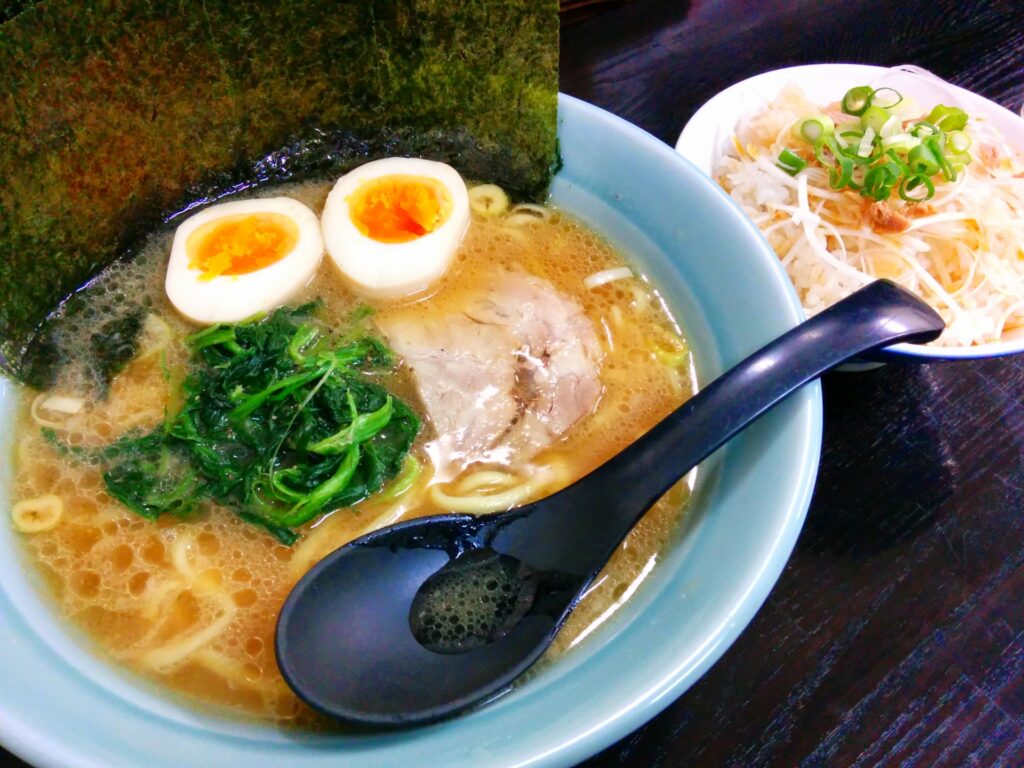
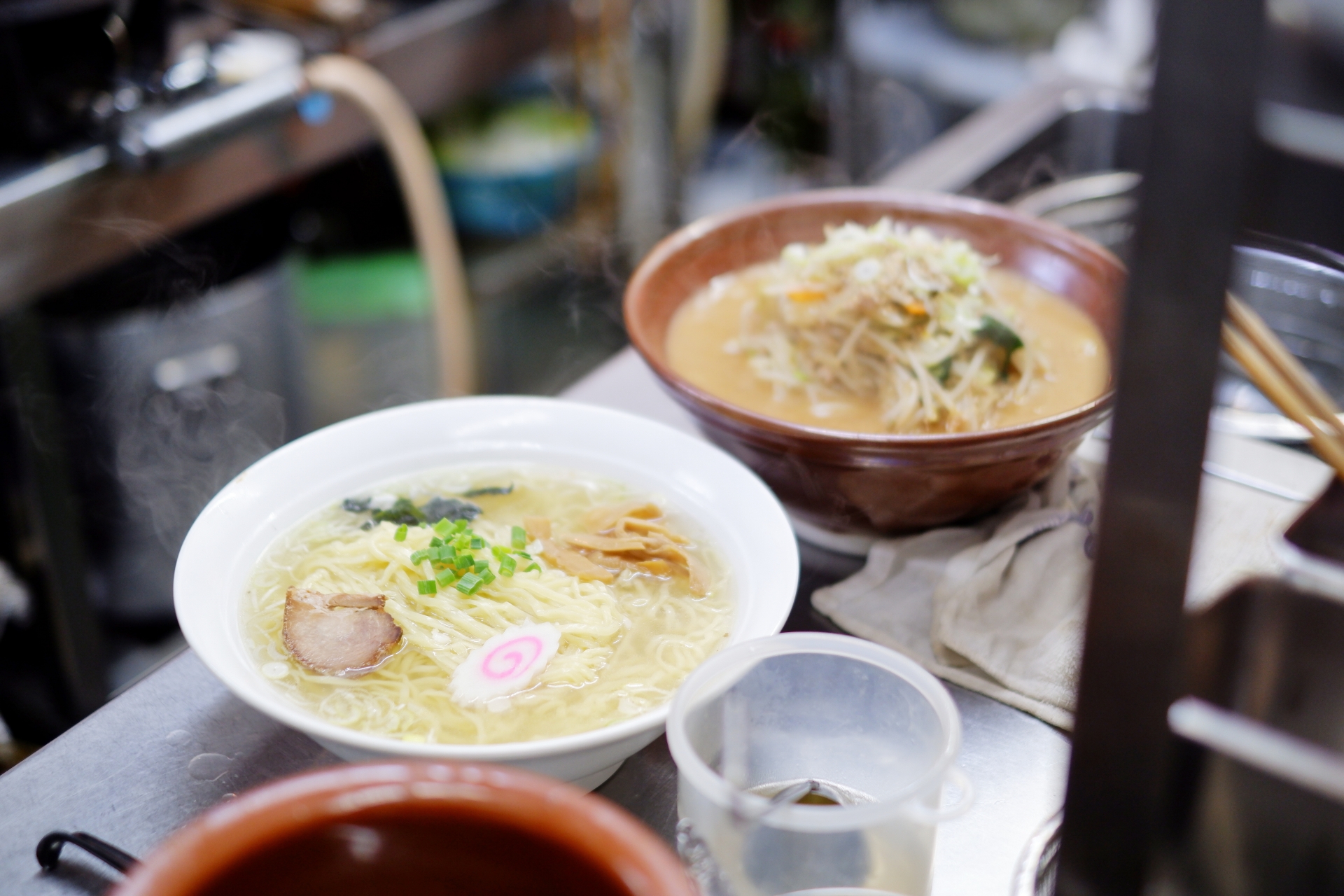
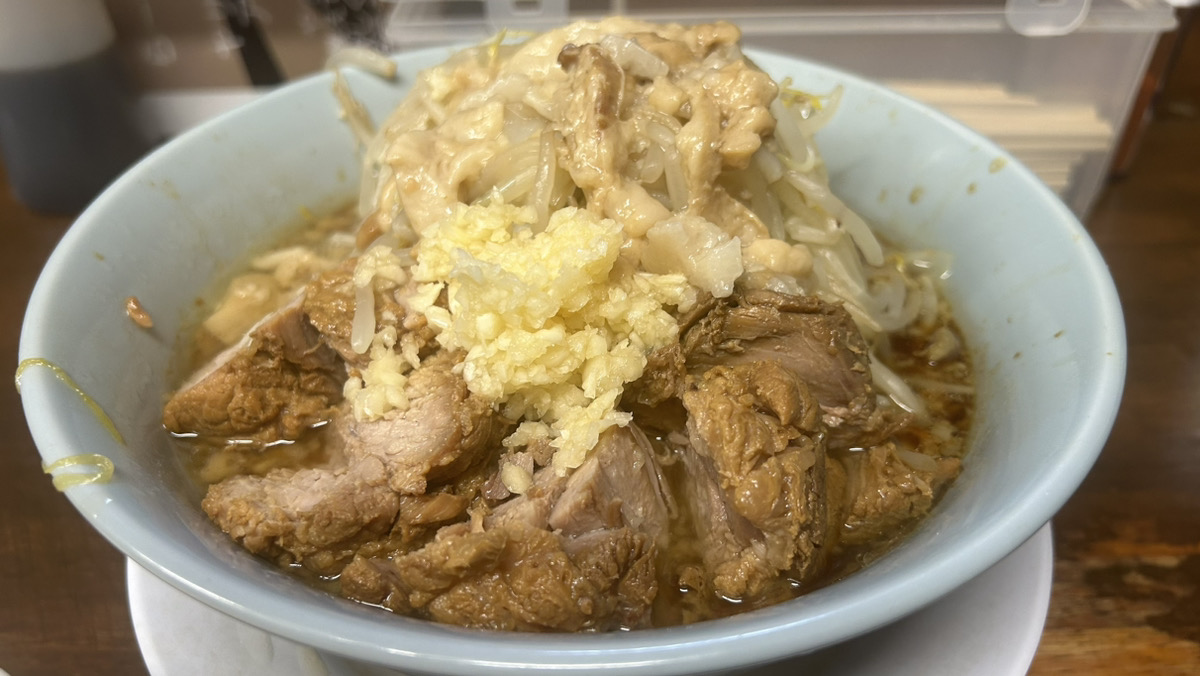
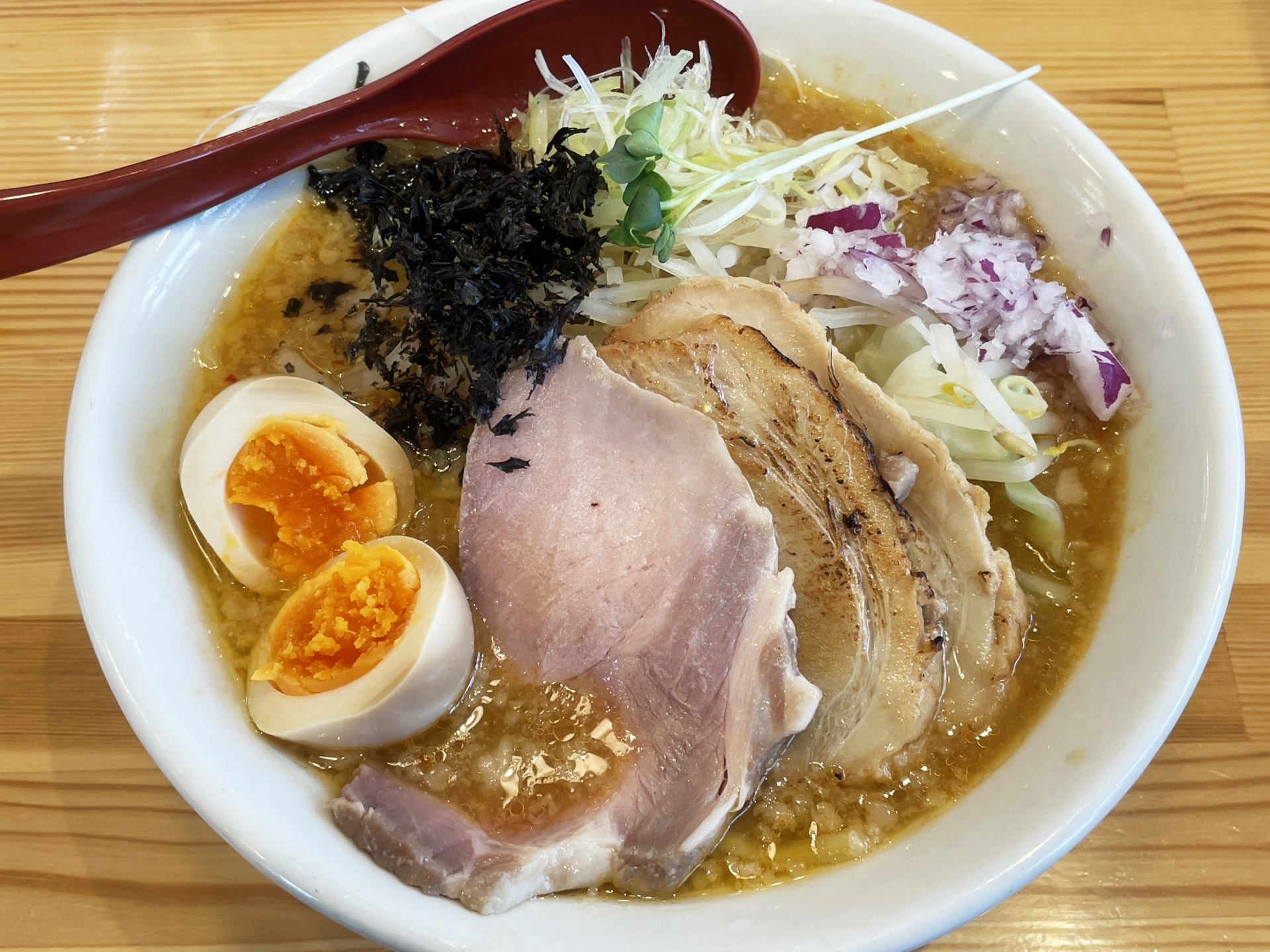
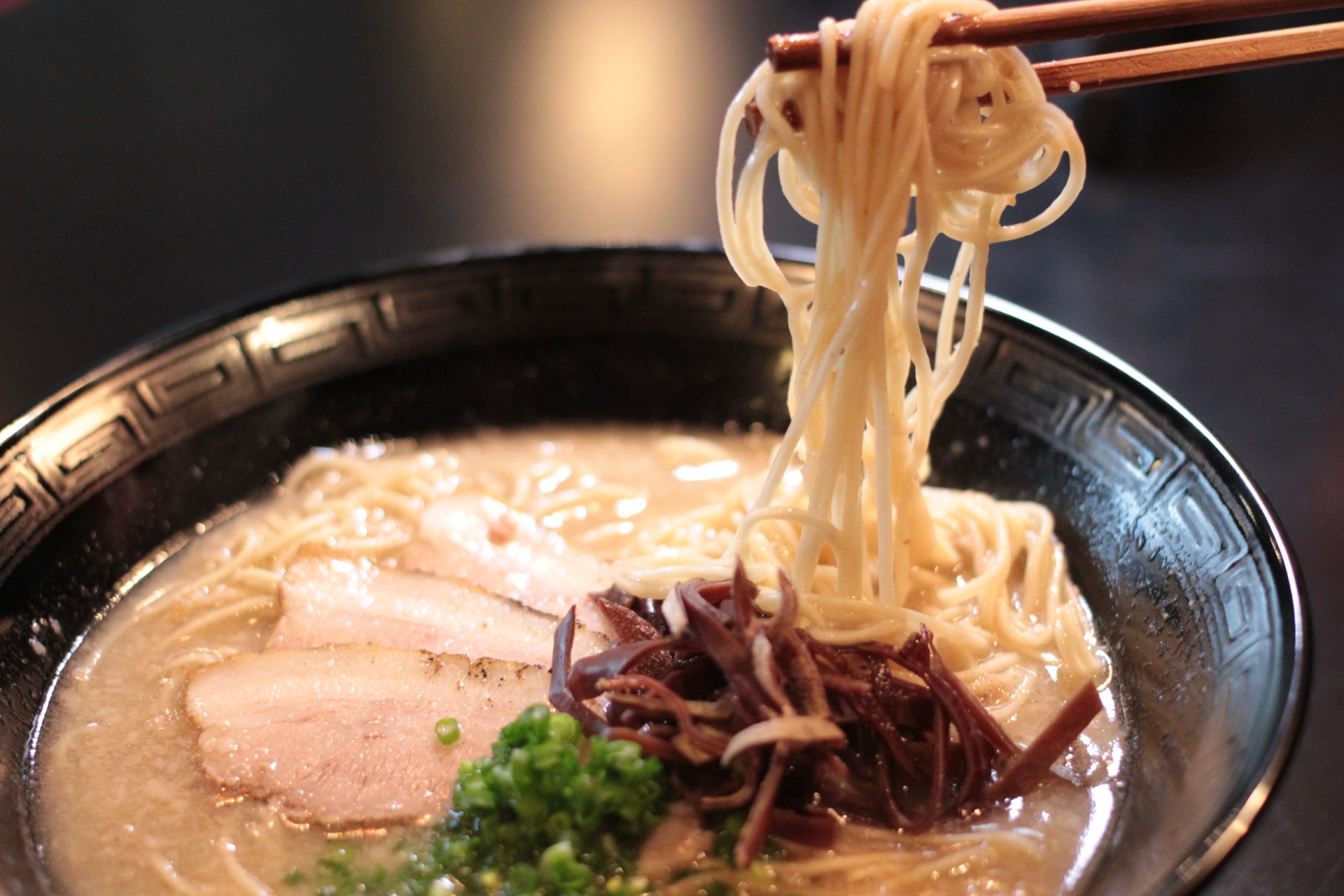
Ramen is often the entry point, but it’s also the one that keeps branching out the more you look at it. At its core, it’s wheat noodles in broth—but that doesn’t really capture the range.
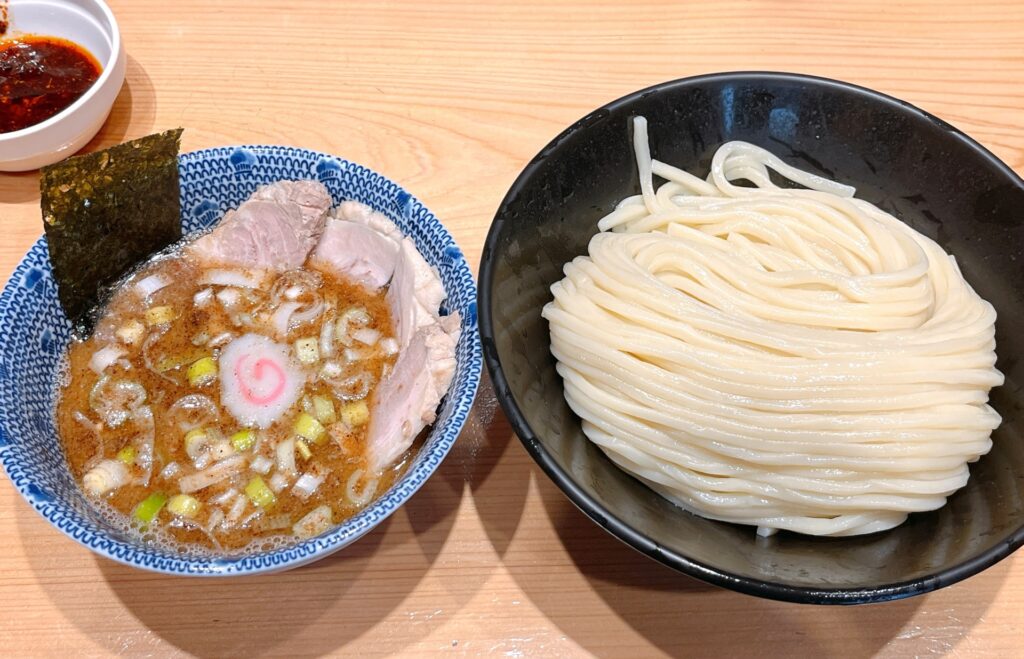
Some bowls feel almost heavy, especially tonkotsu with its opaque pork-based soup. Others—like shio—can be surprisingly clear and restrained. Then there’s tsukemen, where the noodles arrive separately and you dip them into a concentrated broth that cools down as you eat.
A typical bowl isn’t just noodles and soup. There’s the seasoning base (tare), a layer of oil, and toppings that shift the whole balance—slices of pork, soft eggs, scallions. It’s assembled more than it’s cooked in one go.
Regional ramen to know:
- Hokkaido: Sapporo miso ramen
- Fukuoka: Hakata tonkotsu ramen
- Fukushima: Kitakata ramen
- Kanagawa: Yokohama Iekei ramen
Popular brands:
- Nissin (Cup Noodles, Raoh)
- Maruchan (Toyo Suisan)
- Sapporo Ichiban (Sanyo Foods)
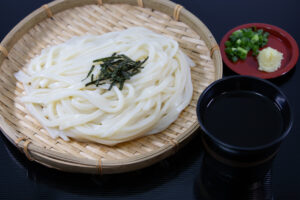
Udon (うどん / udon)
Udon doesn’t try to impress with complexity. It leans into texture instead.
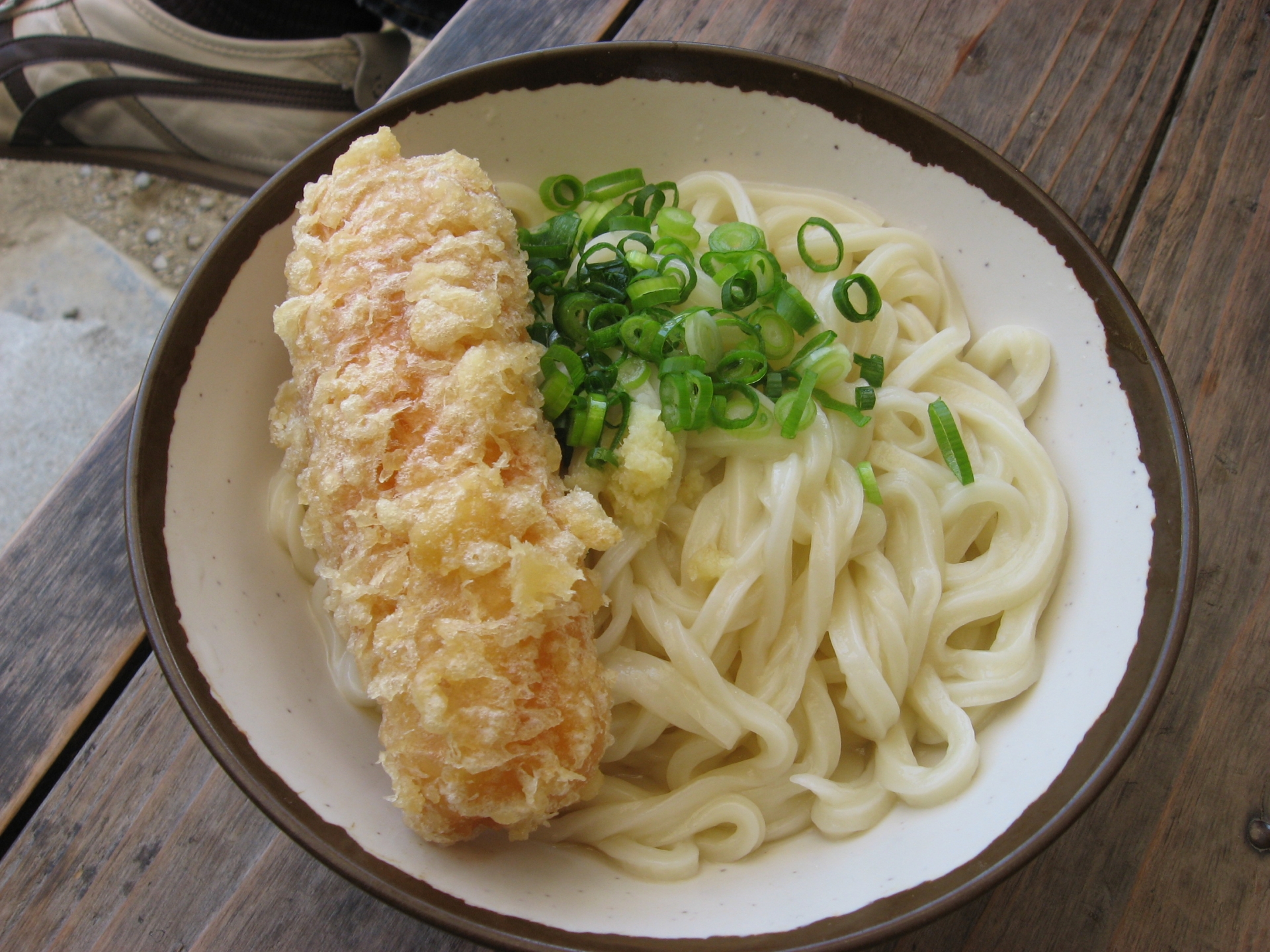
The noodles are thick and soft with a bit of resistance—something you notice immediately when you lift them. The broth is often light, almost understated, which makes the noodles themselves the main event.
In some regions, like Kagawa, udon shops feel closer to quick stops than sit-down meals. You grab a bowl, maybe add tempura on the side, and move on. Elsewhere, you’ll find richer variations like curry udon, where the broth clings heavily to the noodles.
Udon works both hot and cold, which makes it one of the more flexible options.
Regional udon varieties:
- Kagawa: Sanuki udon
- Mie: Ise udon
- Akita: Inaniwa udon
- Fukuoka: Hakata udon
Popular brands:
- TableMark (frozen udon)
- Sanuki Seimen
Soba (そば / soba)
Soba sits somewhere quieter in the lineup.
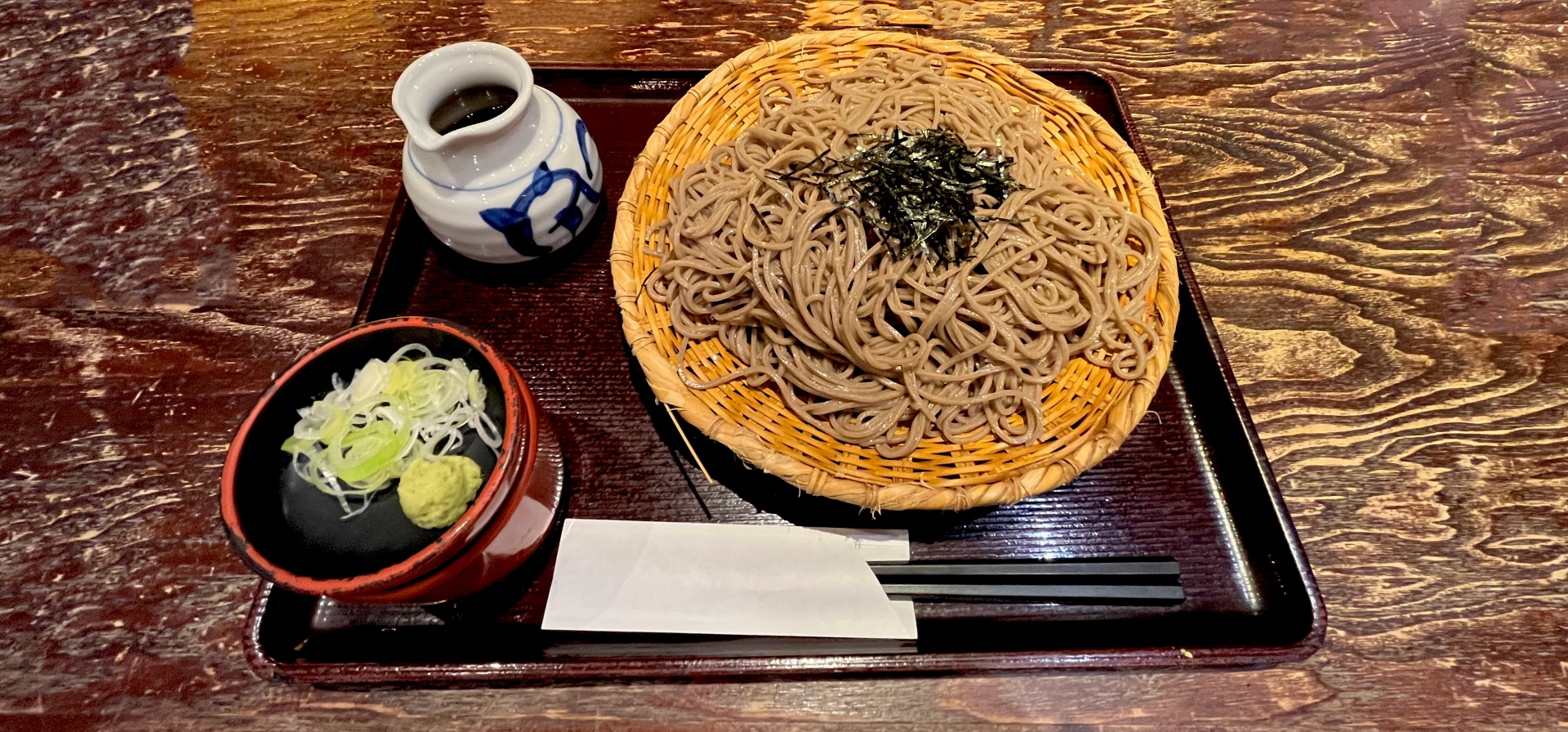
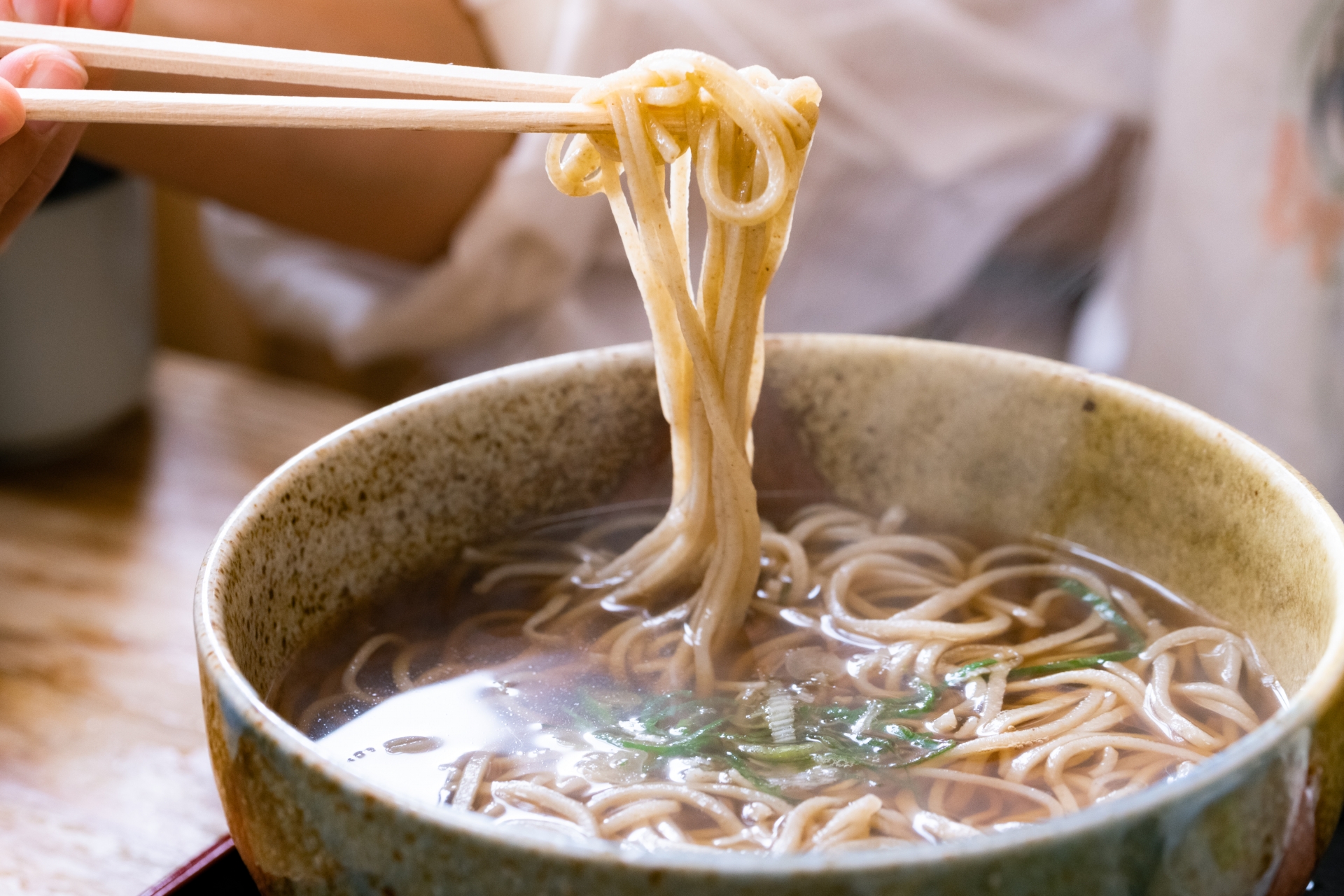
Made primarily from buckwheat, it carries a faint nuttiness that doesn’t shout. Many versions mix in wheat flour, so the texture varies depending on where you are.
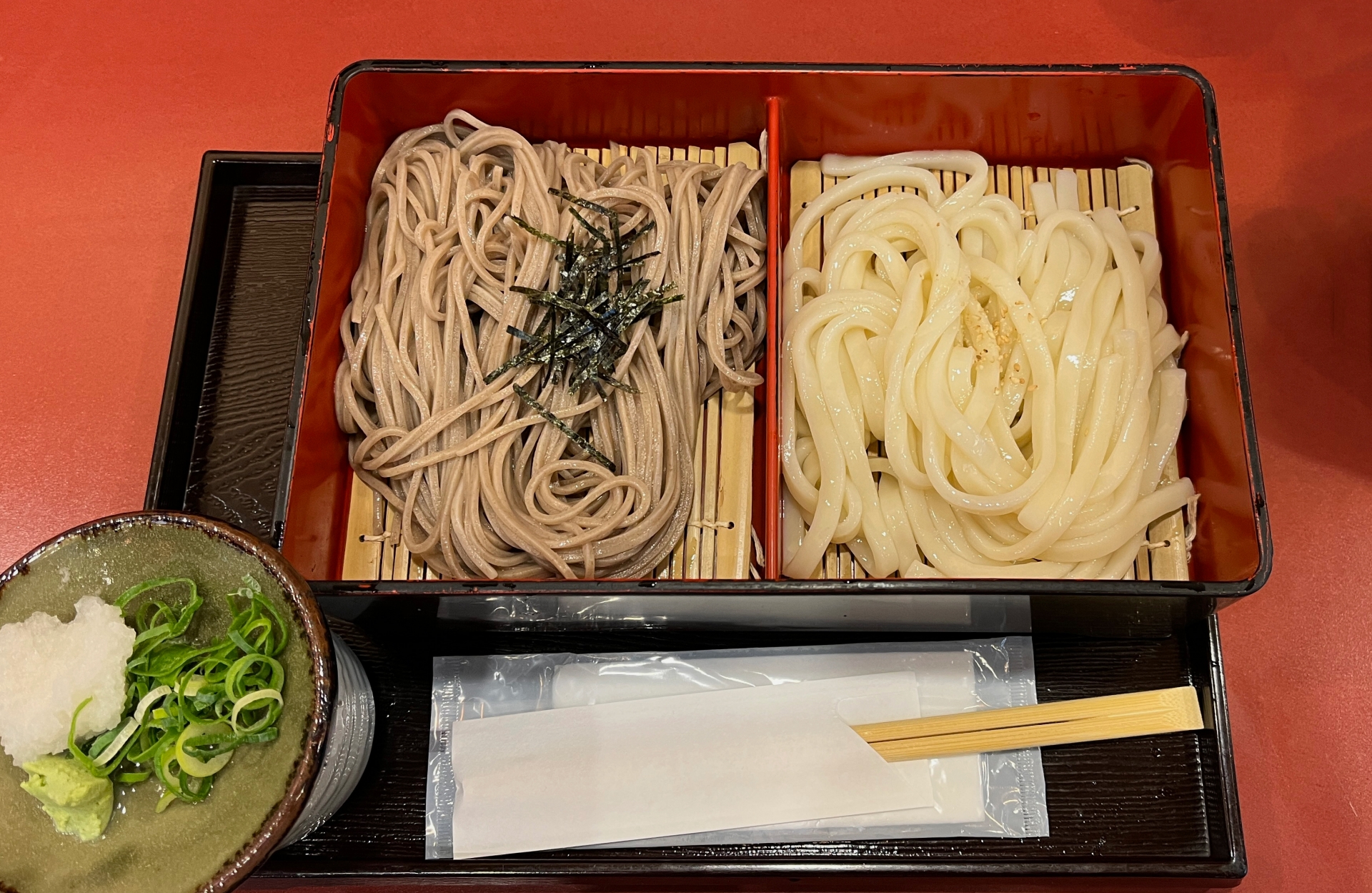
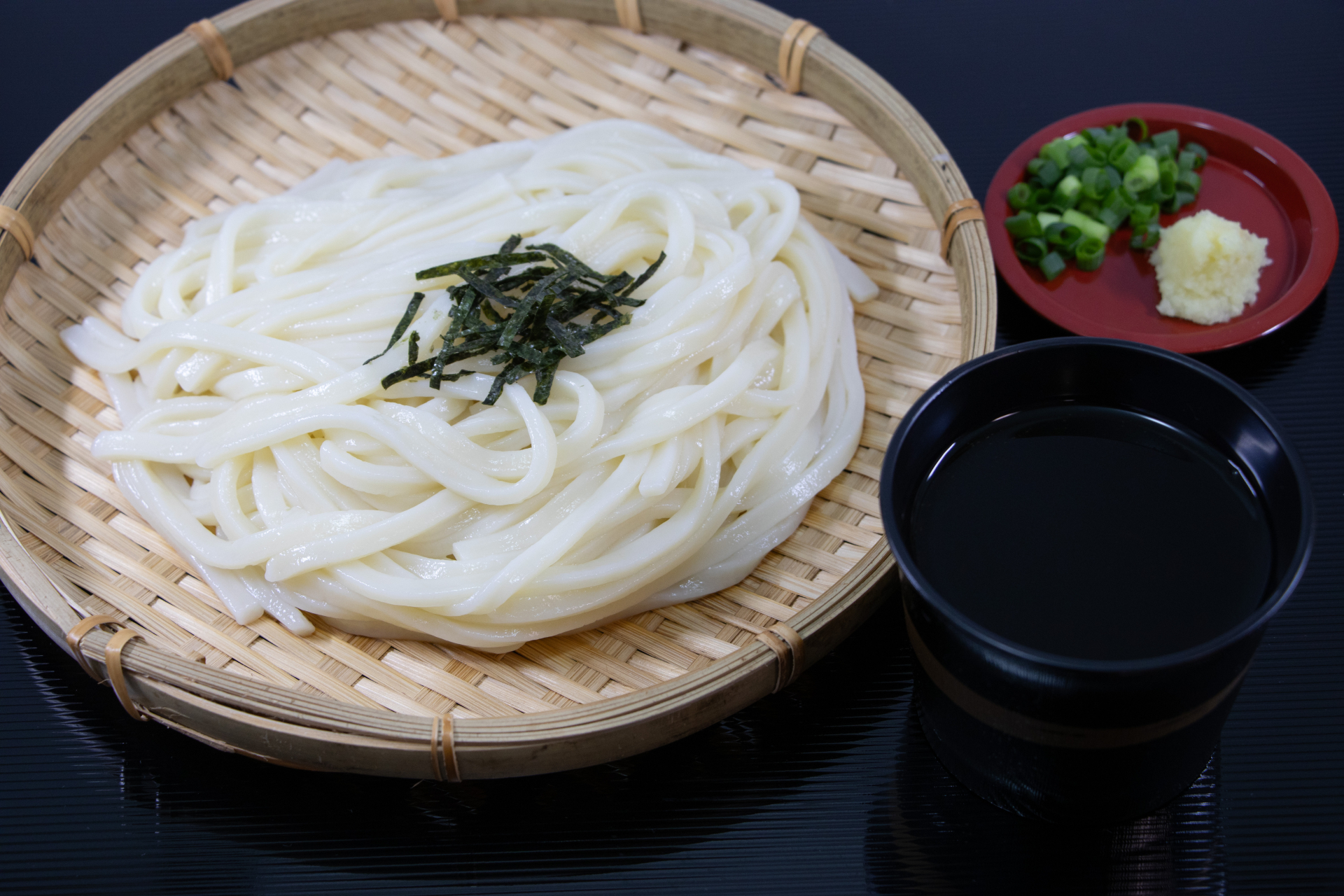
Cold soba—served on a tray with dipping sauce—is probably the most straightforward way to understand it. You dip, eat, repeat. Hot soba, on the other hand, blends more into the broth and feels closer to everyday comfort food.
It also shows up in traditions. Eating soba on New Year’s Eve is less about flavor and more about continuity—long noodles for long life.
Regional soba varieties:
- Nagano: Togakushi soba
- Shimane: Izumo soba
- Iwate: Wanko soba
- Yamagata: Ita soba
Popular brands:
- Hakubaku
- Ogawa Seimen
Somen & Hiyamugi (そうめん・ひやむぎ)
Somen is the thinnest noodle you’ll come across here, and it almost behaves differently because of that.
Served cold, often in the middle of summer, it’s less about chewing and more about movement—quick, light, easy to keep eating even when it’s hot out. The dipping sauce is simple, usually soy-based, just enough to give it direction.
Then there’s nagashi somen, where noodles flow down a bamboo channel and you catch them midstream. It sounds playful, and it is—but it also makes sense once you try it on a humid day.
Regional somen varieties:
- Hyogo: Ibonoito (Banshu somen)
- Nara: Miwa somen
Popular brands:
- Ibonoito
- Miwa Somen Yamamoto
Yakisoba (焼きそば / yakisoba)
Despite the name, yakisoba doesn’t use soba in the buckwheat sense. The noodles are wheat-based, closer to ramen.
What defines it is the cooking method—stir-fried on a flat griddle with cabbage, meat, and sauce. At festivals, you’ll often see it cooked in large batches, the smell of sauce and oil carrying through the air before you even spot the stall.
The standard version is sweet and savory, but there are lighter variations using salt or soy sauce that shift the balance quite a bit.
Regional yakisoba:
- Shizuoka: Fujinomiya yakisoba
- Akita: Yokote yakisoba
- Gunma: Ota yakisoba
Popular brands:
- Nissin
- Maruchan
Shirataki (しらたき / shirataki)
Shirataki noodles are made from konjac and feel almost closer to gel than pasta.
They’re translucent, slightly bouncy, and don’t carry much flavor on their own. Instead, they take on whatever they’re cooked with—most often in dishes like sukiyaki, where they sit alongside meat and vegetables in a simmering pot.
Popular brands:
- Otsuka Foods
Harusame (春雨 / harusame)
Harusame are thin, glassy noodles made from starch—mung bean or potato depending on the type.
They show up in soups and salads, often absorbing dressing or broth rather than standing out on their own. The texture is soft, a bit slippery, and easy to eat quickly.
Popular brands:
- Acecook
Ramen vs Udon vs Soba: What’s the Difference?
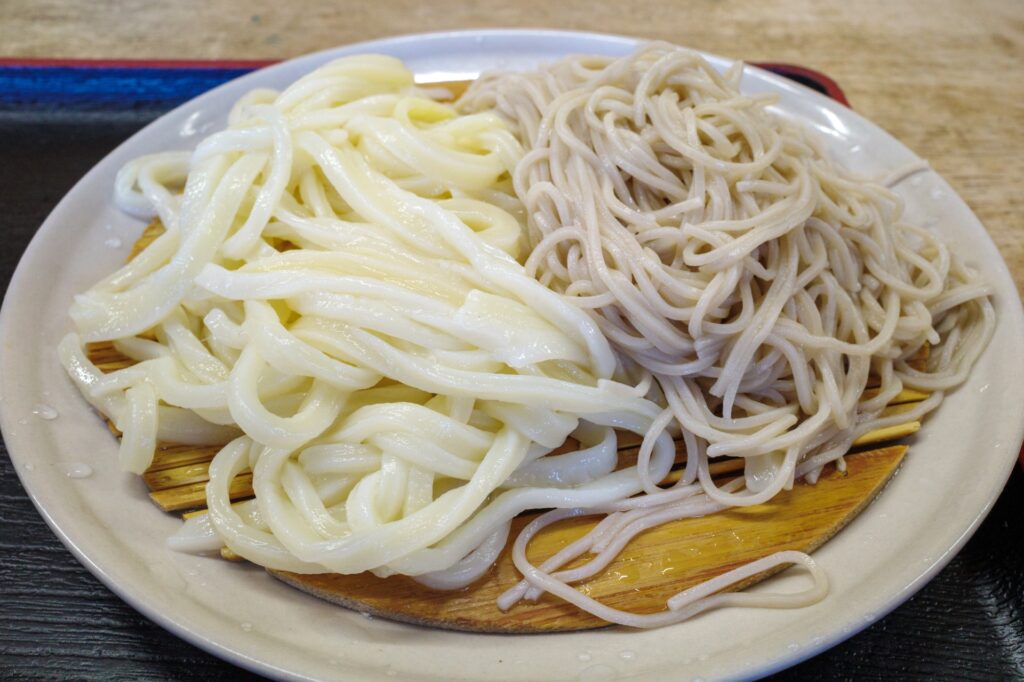
| Feature | Ramen | Udon | Soba |
| Main Ingredient | Wheat | Wheat | Buckwheat (often mixed) |
| Texture | Firm, springy | Thick, chewy | Thin, slightly firm |
| Flavor Profile | Rich, bold | Mild | Light, nutty |
| Serving Style | Mostly hot | Hot or cold | Hot or cold |
| Best For | Hearty meals | Comfort food | Light meals |
In simple terms: ramen leans rich, udon leans on texture, and soba tends to stay on the lighter side.
How Japanese Noodles Are Served
Hot Noodles
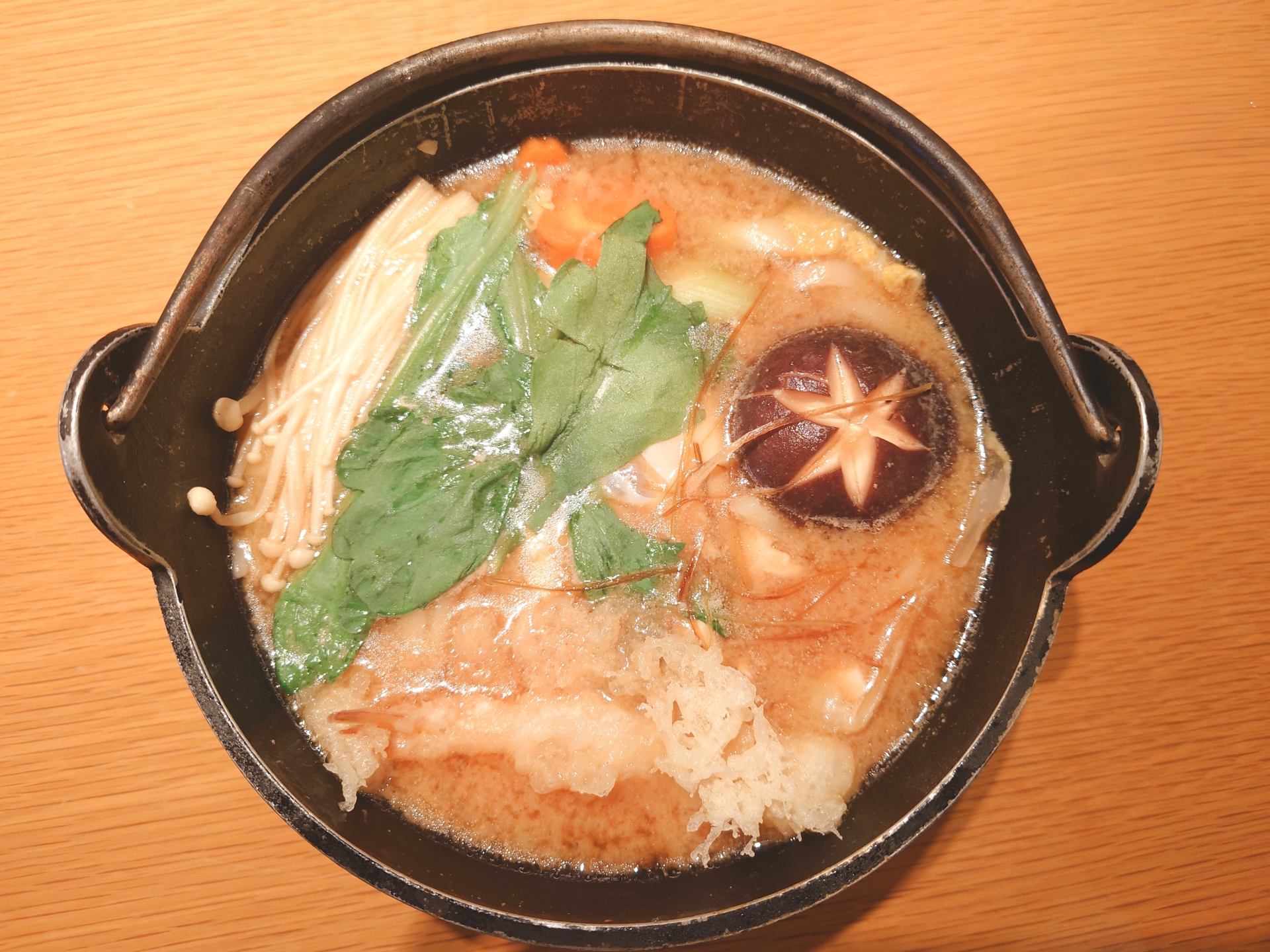
Ramen, kake udon, tempura soba—these are the kinds of dishes that feel right when the air turns cold. Steam rising, broth carrying most of the flavor.
Cold Noodles
Zaru soba, chilled udon, somen. These show up when it’s humid and heavy outside. The dipping style keeps things from feeling overwhelming.
Brothless and Fried Noodles
Some dishes skip soup entirely. Abura soba and mazesoba mix everything together in the bowl, while yakisoba and yaki udon come off a griddle instead.
Must-Try Japanese Noodle Dishes for First-Time Visitors
Rich flavors:
- Shoyu ramen
- Tonkotsu ramen
- Curry udon
Light flavors:
- Kitsune udon
- Zaru soba
- Tempura soba
Summer dishes:
- Somen
- Tsukemen
Japanese Noodle Etiquette and Culture
Slurping isn’t just accepted—it’s expected in many places. It cools the noodles slightly and seems to bring out the aroma of the broth.
With dipping noodles, the rhythm is different. You dip lightly, not fully soaking them, then eat in small cycles. It keeps the flavor balanced.
Seasonality also plays a role. Soba at New Year’s is less about preference and more about tradition.
How to Choose the Right Japanese Noodle for Your Taste
Choose ramen for bold, rich flavors
Choose udon for chewy texture
Choose soba for a light, earthy taste
Choose somen for a refreshing meal
Frequently Asked Questions About Japanese Noodles
What are Japanese noodles called?
They are collectively referred to as Japanese noodles, including ramen, udon, and soba.
What is the difference between ramen and soba?
Ramen is wheat-based and rich, while soba is buckwheat-based and lighter.
Is yakisoba really soba?
No, it uses wheat noodles.
Which noodles are gluten-free?
100% buckwheat soba and shirataki are typically gluten-free.
Which noodles are eaten cold?
Soba, somen, and sometimes udon.
Final Thoughts: Start with the Noodles That Match Your Style
You don’t really learn Japanese noodles by memorizing categories. It happens more naturally—one bowl at a time.
Some people gravitate toward the depth of ramen right away. Others end up coming back to soba or udon, depending on the day, the weather, or even just how hungry they are.
If you’re not sure where to start, just follow your mood. The rest tends to fall into place.