For many international visitors—especially travelers from the United States—the Emperor’s Birthday often raises practical questions: When is it held? What actually happens? And will it affect travel plans in Japan?
This guide answers those questions clearly and in one place. You’ll learn what the Emperor’s Birthday represents, why it is a national holiday, and why its date changes. We’ll also walk through what to expect on February 23, 2026, including Imperial Palace greetings, crowds, etiquette, and what’s open or closed—so you can plan your trip with confidence and cultural awareness.


What Is the Emperor’s Birthday in Japan?
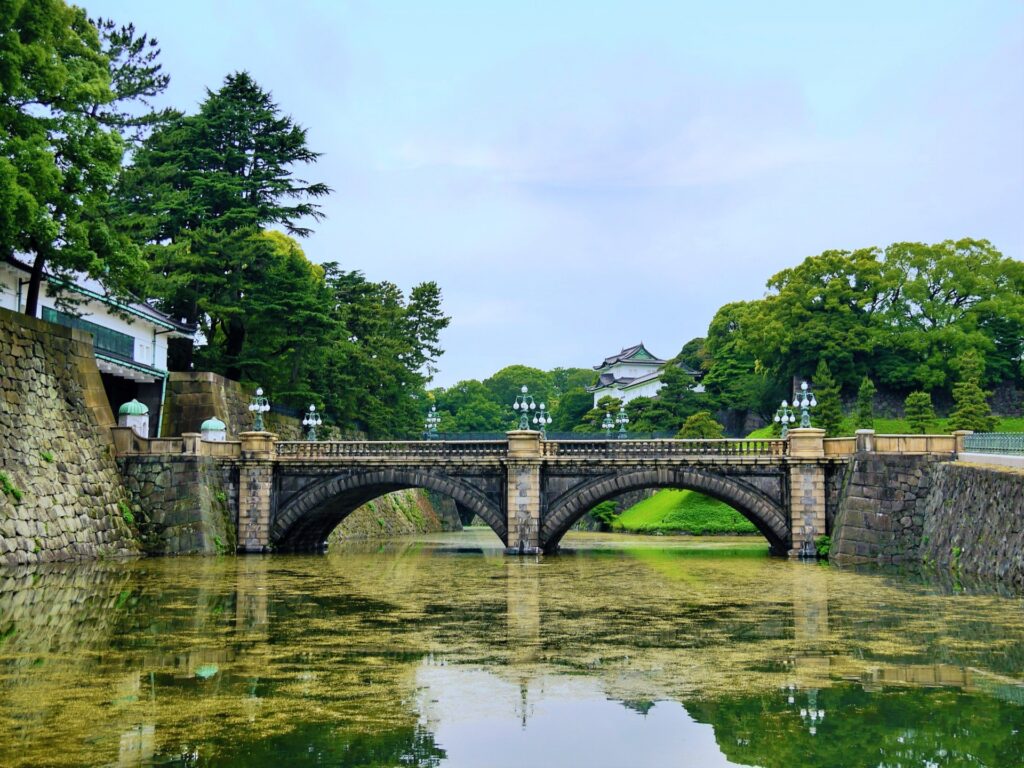
The Emperor’s Birthday—called Tennō Tanjōbi (天皇誕生日) in Japanese—is a national public holiday that celebrates the birth of the reigning emperor of Japan. It is observed nationwide and recognized by law, meaning schools, government offices, and many institutions close or operate on a holiday schedule.
In modern Japan, the emperor is defined by the Constitution as “the symbol of the State and of the unity of the people.” The holiday is therefore not political in nature; instead, it emphasizes continuity, tradition, and shared national identity. For many Japanese people, it is a quiet holiday, while for visitors it is notable because of the rare opportunity to enter parts of the Imperial Palace grounds.
The holiday is unique in that its date changes when a new emperor ascends the throne. Unlike fixed holidays such as New Year’s Day, the Emperor’s Birthday always reflects the personal birthday of the current emperor.
When Did the Emperor’s Birthday Become a National Holiday?
The Emperor’s Birthday was officially established as a national holiday in 1948, following the enactment of Japan’s Public Holiday Law after World War II. This marked a clear shift toward Japan’s postwar constitutional framework, redefining the emperor’s role and how national celebrations are observed.
Before 1948, the emperor’s birthday was celebrated under the name Tenchōsetsu, particularly during the prewar period. While the celebration existed historically, its meaning and legal basis were different from today’s holiday.
The modern Emperor’s Birthday reflects postwar Japan’s emphasis on peace, symbolism, and constitutional order. It is now one of the country’s officially designated public holidays, alongside events such as Culture Day and Constitution Memorial Day.
At a glance
- Holiday name: Emperor’s Birthday (Tennō Tanjōbi)
- Established: 1948
- Purpose: Celebrate the birth of the reigning emperor
- Special feature: Date changes with each emperor
- Tourists: Welcome, including at Imperial Palace events
When Is the Emperor’s Birthday? (2026 Date)
The Emperor’s Birthday is celebrated on February 23, and in 2026 it will also fall on February 23. The date is fixed as long as the current emperor remains on the throne.
This system explains why the holiday date can feel confusing to visitors. When a new emperor ascends, the holiday moves to match the new emperor’s birthday, and the previous date either disappears from the calendar or is reassigned to a different holiday.
Past dates (brief context)
- Heisei era: December 23
- Shōwa era: April 29 (now Shōwa Day)
| Era | Emperor | Birthday Observed | Current Status |
|---|---|---|---|
| Shōwa | Hirohito | April 29 | Shōwa Day |
| Heisei | Akihito | December 23 | No longer a holiday |
| Reiwa | Naruhito | February 23 | Emperor’s Birthday |
How Japan Celebrates: Imperial Palace Greetings (Ippan-sanga)
One of the most distinctive features of the Emperor’s Birthday is Ippan-sanga, the public greeting event held at the Tokyo Imperial Palace. This is one of the very few days each year when members of the general public are allowed inside the inner palace grounds.
During Ippan-sanga, Emperor Naruhito and members of the imperial family appear on a balcony to offer short greetings to the crowd below. The atmosphere is calm, respectful, and celebratory rather than festive in a loud sense.
Visitors may also be invited to sign a greeting book, where attendees write their name, country, and a brief congratulatory message. For many travelers, this is a once-in-a-lifetime cultural experience that provides a rare glimpse into Japan’s living traditions.
How to Visit the Imperial Palace on February 23, 2026 (Step-by-Step)
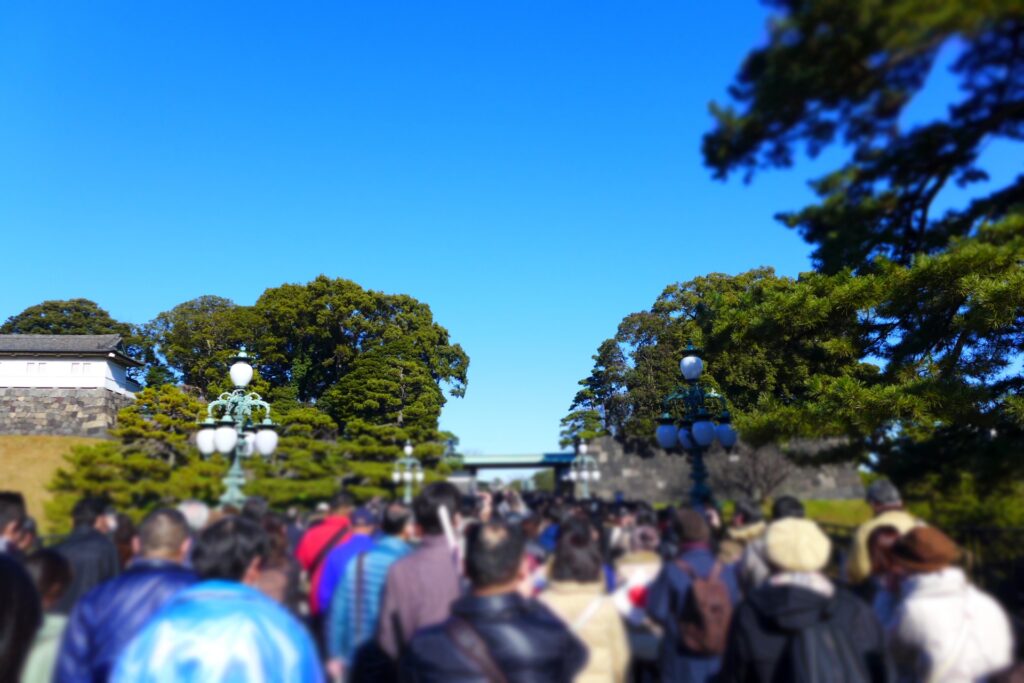
Visiting the Imperial Palace on the Emperor’s Birthday is straightforward, but preparation makes the experience much smoother—especially for first-time visitors.
Arrival time: Recommend arriving early due to crowds and multiple appearances.
Entrance and exit flow: Entry is through designated palace gates, and visitors follow designated routes under staff guidance.
Greeting book:
- Available only for a limited time
- Usually allows your name, country, and a short congratulatory phrase
- Writing is optional but popular with international visitors
Mini checklist
- Photo ID (recommended)
- Light luggage only (security checks apply)
- Warm clothing (February can be cold)
- Expect queues and waiting time
- Photography may be restricted in certain areas
| Item | Details |
|---|---|
| Entrance | Designated palace gates |
| Exit | Separate guided route |
| Appearances | Multiple short balcony appearances |
| Greeting Book | Limited-time access |
2026 Official Schedule Snapshot (Times & Logistics)
Official appearance times and greeting-book hours are announced by the Imperial Household Agency closer to the date. In general:
- Several short balcony appearances occur throughout the morning
- Greeting-book access is limited to specific windows
- Security checks are mandatory
Always check the latest official announcement shortly before your visit.
What’s Open or Closed on the Emperor’s Birthday? (Travel Impact)
Because the Emperor’s Birthday is a national holiday, some services close while others operate normally.
Typically closed
- Government offices
- Banks
- Post offices
Usually open
- Department stores
- Restaurants and cafés
- Major tourist attractions (some exceptions apply)
Practical advice
- Complete administrative tasks the day before
- Reserve restaurants in advance in central Tokyo
- Expect higher foot traffic near popular sightseeing areas
For travelers, the holiday rarely disrupts sightseeing plans but may limit access to official services.
Is It Busy? Crowds, Safety, and Etiquette Tips
Crowds are heaviest around the Imperial Palace and nearby stations, especially in the morning. The event is well-organized and safe, with a visible police presence and clear instructions.
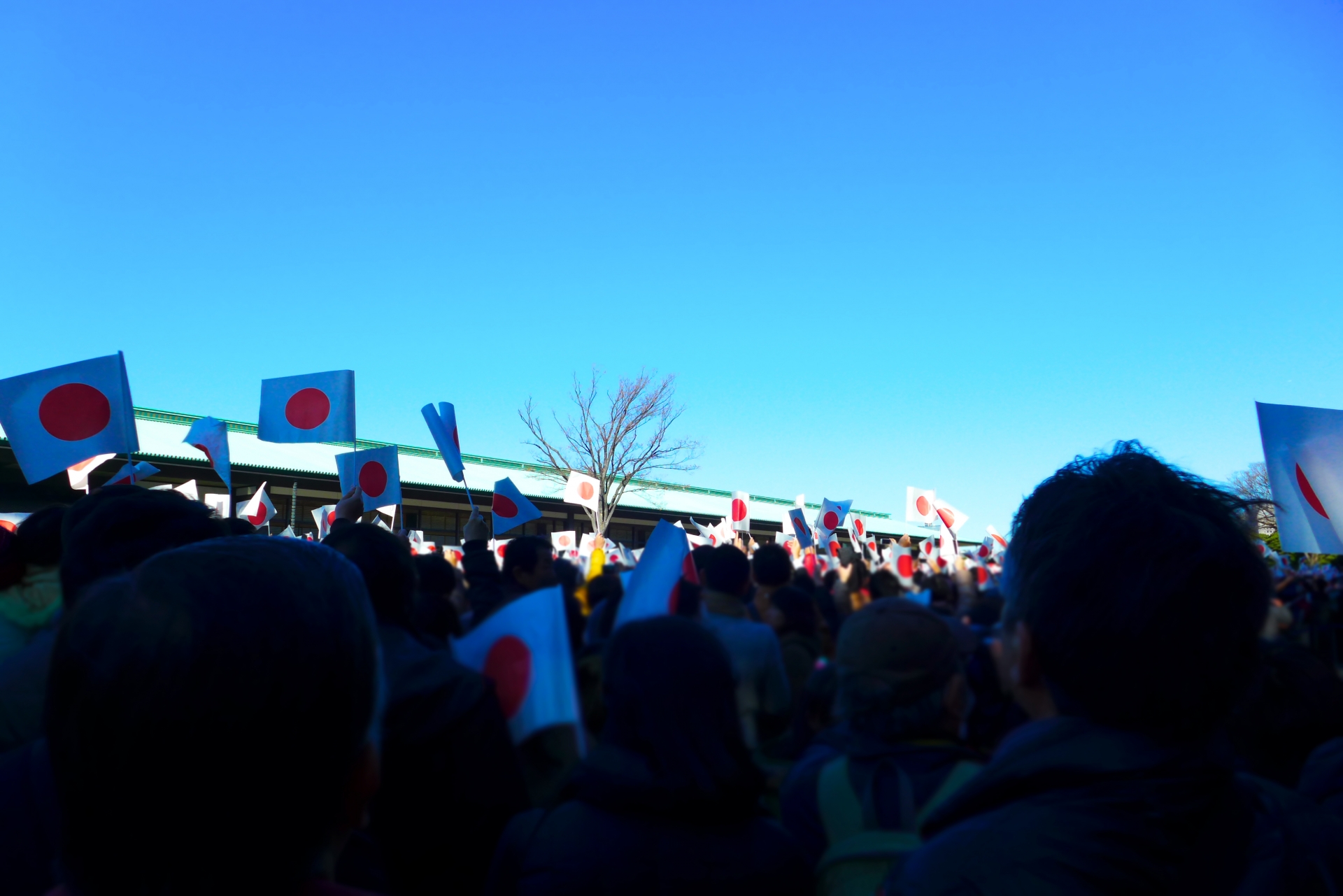
Visitors often wave small Japanese flags, and cheers such as “Banzai” may be heard. These expressions are celebratory and respectful rather than political.
Etiquette tips
- Do not push or cut lines
- Follow staff and police instructions
- Keep moving with the crowd
- Maintain a respectful demeanor at all times
Why the Emperor’s Birthday Matters (Cultural Context)
The holiday’s cultural significance can be explained in plain, non-political language: it emphasizes continuity, tradition, and national symbolism.
Quick facts
- The date changes with each emperor
- Japanese name: Tennō Tanjōbi
- Imperial Palace access is unique to this day
FAQs (People Also Ask Format)
Is the Emperor’s Birthday a national holiday in Japan?
Yes. The Emperor’s Birthday has been an official national holiday since 1948 and is observed across Japan with government offices and banks closed.
Can tourists visit the Imperial Palace on February 23?
Yes. Tourists are welcome to attend the public greeting (Ippan-sanga) and may enter designated areas of the Imperial Palace grounds.
What does “Tennō Tanjōbi” mean?
Tennō Tanjōbi literally means “the Emperor’s Birthday” in Japanese and is the official name of the holiday.
Why did the date change from December 23 to February 23?
The date changed when Emperor Naruhito ascended the throne. The holiday always reflects the birthday of the reigning emperor.
What is the difference between the Emperor’s Birthday and the New Year’s Palace greeting?
Both allow public access to the palace, but the New Year’s greeting (January 2) celebrates the new year, while the Emperor’s Birthday celebrates the emperor’s birth.
Bonus: How the Emperor’s Birthday Is Celebrated Outside Japan
Outside Japan, Japanese embassies and consulates around the world often hold official receptions to mark the Emperor’s Birthday. These events are typically invitation-only and attended by diplomats, local officials, and cultural representatives. While not tourist events, they highlight the holiday’s international diplomatic role.
Conclusion: Understanding the Emperor’s Birthday as a Visitor to Japan
The Emperor’s Birthday is a national holiday established in 1948 and currently celebrated on February 23 under the current emperor. It features rare public access to the Imperial Palace and offers insight into Japan’s traditions, values, and sense of continuity.
For visitors, understanding this holiday helps with trip planning, avoids confusion about closures, and deepens cultural appreciation. Whether you attend the palace greetings or simply experience Tokyo on a national holiday, the Emperor’s Birthday is a meaningful moment to observe modern Japan with respect and curiosity.