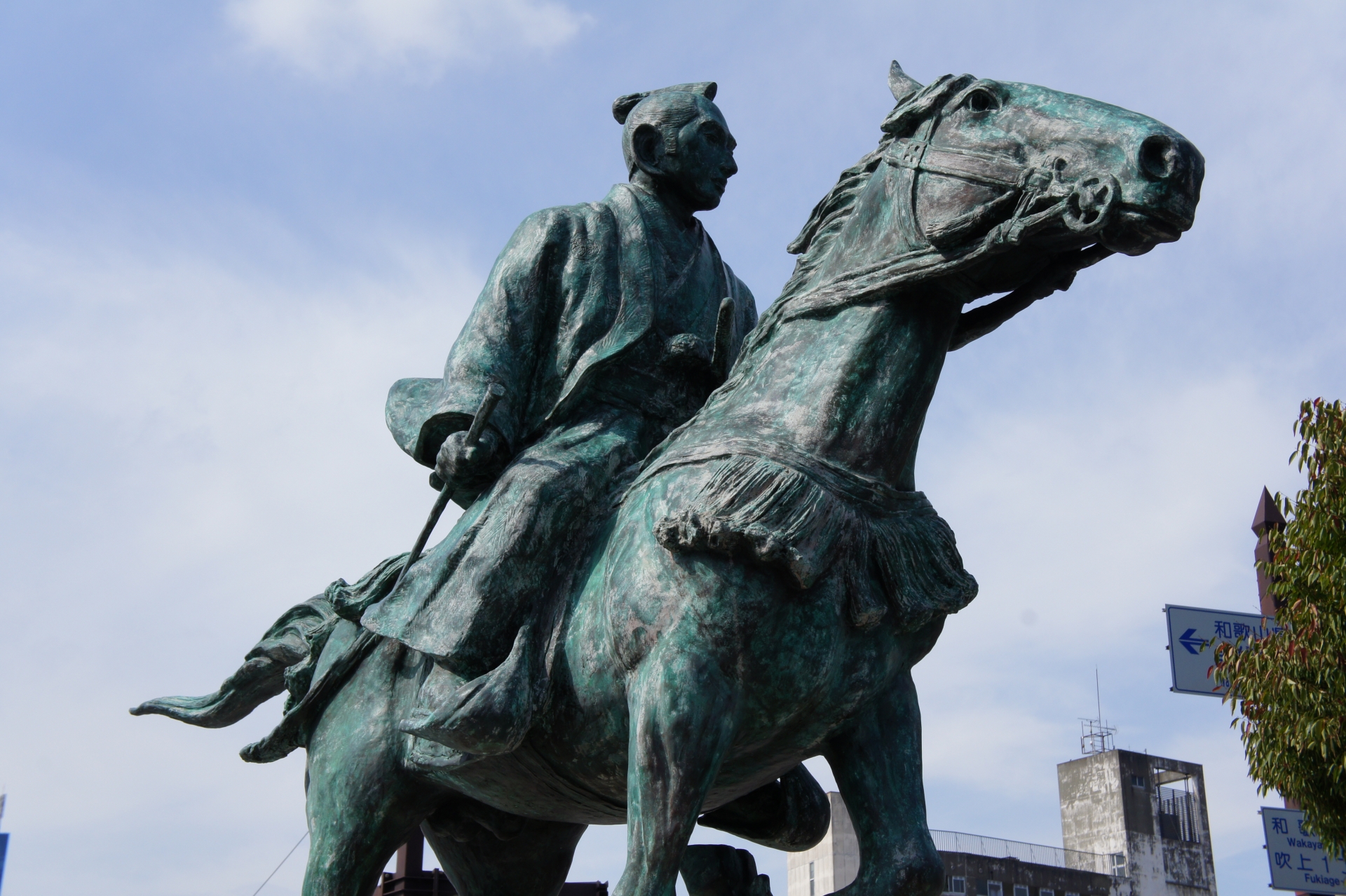
The Kyōhō Reforms were a comprehensive reform program carried out in early 18th-century Japan under Tokugawa Yoshimune, the eighth shōgun of the Tokugawa shogunate. Implemented mainly from the 1720s onward, the reforms aimed to rebuild shogunate finances, stabilize society, and improve governance during the Edo period.
Rather than a single law, Kyōhō was a coordinated policy package combining austerity, agricultural reform, market regulation, and administrative innovation. Its defining challenge was to restore fiscal discipline without placing unbearable strain on society.


What Were the Kyōhō (Kyoho) Reforms?
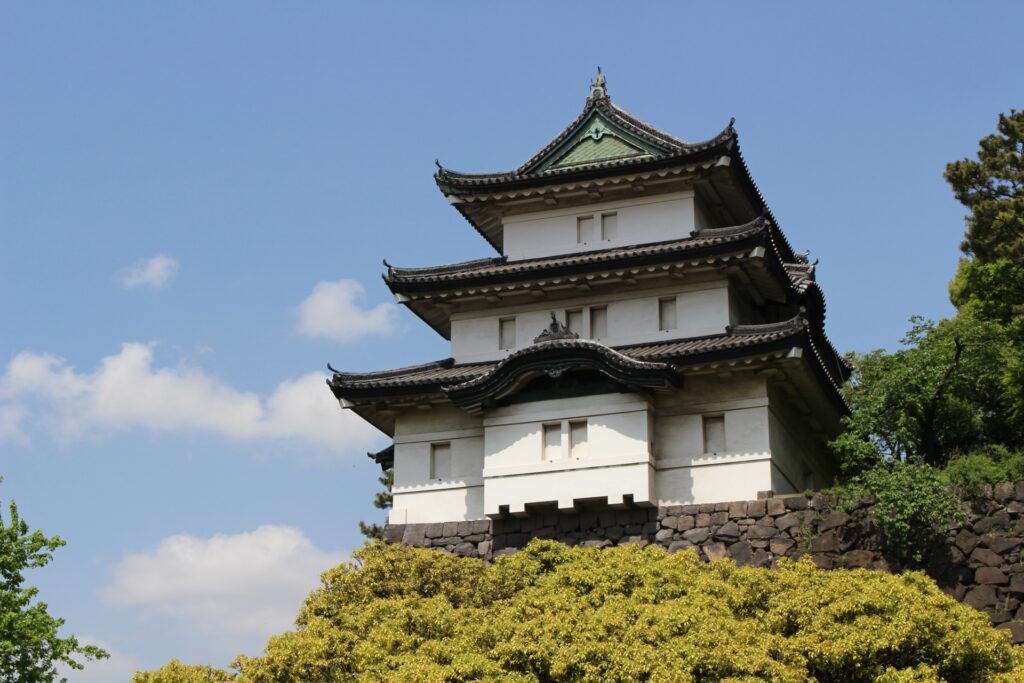
The Kyōhō Reforms were a series of economic, social, and administrative policies introduced during the Kyōhō era (1716–1736). In simple terms, they represented the Tokugawa government’s first large-scale attempt to systematically address long-term structural problems.
They are often described as the first of the Three Great Reforms of Edo Japan, later followed by the Kansei and Tenpō Reforms. For exams and introductory courses, Kyōhō is best remembered as the model reform that later governments repeatedly tried to adapt.
Fast Facts
- Period: 1716–1745 (core phase in the 1720s)
- Leader: Tokugawa Yoshimune
- Goals: Fiscal recovery, social stability, stronger administration
- Methods: Frugality, agriculture-first policy, market controls, institutional reforms
Why Yoshimune Started the Reforms: The Crisis Behind the Policies
By the early 1700s, the Tokugawa shogunate faced a growing mismatch between its rice-based tax system and an expanding cash economy. Government revenue depended largely on agricultural output, while real economic activity increasingly centered on urban markets and merchants.
At the same time, samurai living on fixed stipends struggled with rising prices, and repeated financial shortfalls weakened central authority. Yoshimune responded with a pragmatic approach: instead of relying solely on tradition, he sought practical measures that could stabilize the system as a whole.
Key Policies of the Kyōhō Reforms (Explained Simply)
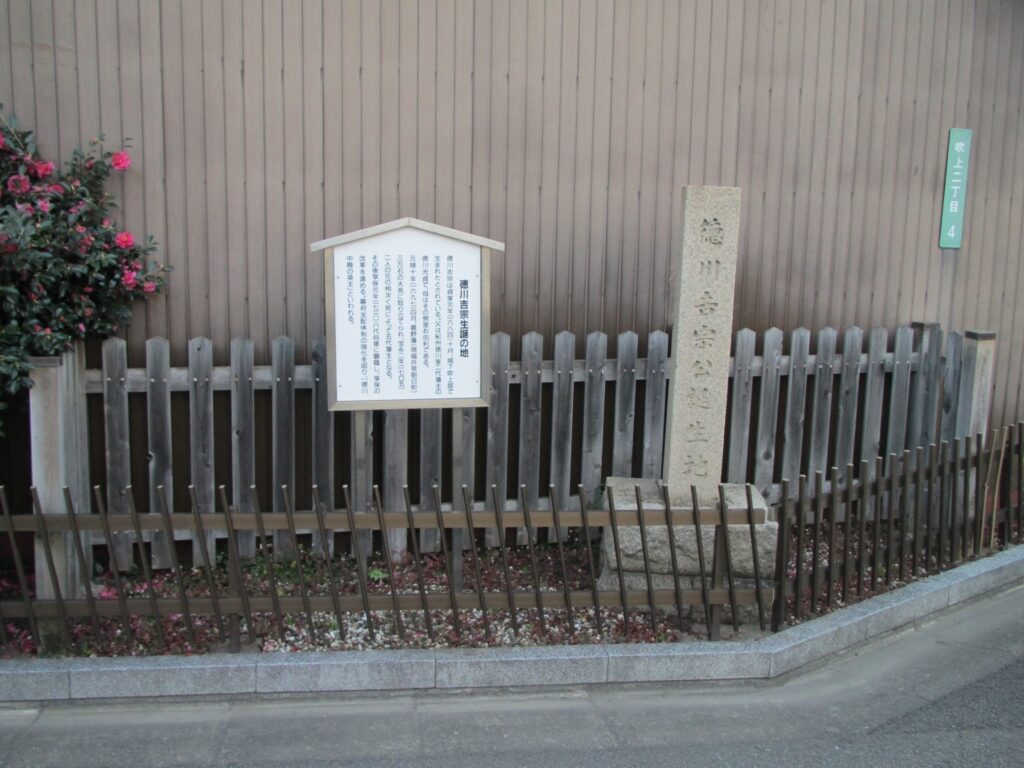
The Kyōhō Reforms are easiest to understand by pairing policy names with their purposes—a method especially useful for tests.
Core policies included:
- Frugality and austerity measures
- Merchant organization and market regulation
- Agricultural productivity and higher tax extraction
- Partial easing of sankin-kōtai (alternate attendance)
- Establishment of the suggestion box (meyasubako)
- Relaxation of restrictions on Western books (excluding Christianity)
Although these policies targeted different social groups, they shared a single objective: stabilizing Tokugawa rule.
Austerity and Frugality: Controlling Spending and Morality
Frugality under Kyōhō meant more than cutting expenses. It was also a moral policy intended to reinforce social order. Samurai and townspeople alike were encouraged to limit luxury and live in ways considered appropriate to their status.
While austerity helped reduce government spending, it also dampened urban consumption and generated frustration. This tension highlights a recurring Tokugawa dilemma: moral discipline could support order, but excessive restraint risked slowing economic activity.
Economic Management: Merchant Guilds and Market Control
Kyōhō policy did not reject commerce; instead, it sought to manage it more effectively. Merchants were organized into officially recognized groups so the government could supervise trade, regulate prices, and secure tax revenue.
A well-known example is the official recognition of the Dōjima Rice Market, which played a central role in rice pricing and finance. Because rice functioned as both food and a financial standard, stabilizing rice markets was essential for political and fiscal stability.
Agriculture-First Thinking and the Five-Tenths Tax (Gokō-gomin)
Because shogunate revenue depended heavily on agriculture, the Kyōhō Reforms emphasized increasing rice production and securing reliable taxes from villages. The gokō-gomin policy—often explained as aiming for roughly 50 percent of the harvest—symbolizes this approach.
While greater agricultural output promised stability, it also increased peasant burdens. In years of poor harvests, these policies heightened the risk of famine and unrest, revealing the limits of agriculture-centered fiscal reform.
Political Stability: Easing the Burden of Sankin-kōtai
Sankin-kōtai required daimyō to maintain residences in Edo, placing heavy financial strain on domains. Yoshimune partially eased these requirements to reduce systemic stress and promote overall stability.
This adjustment illustrates the pragmatic nature of the Kyōhō Reforms. Maintaining a sustainable political system sometimes mattered more than enforcing strict control. The reduced burden helped daimyō manage their finances, even if it slightly weakened shogunal leverage.
Listening to the People: The Suggestion Box (Meyasubako)
The meyasubako, or suggestion box, allowed commoners to submit petitions directly to the government. The system was formally open, but submissions were required to include the sender’s name and address. This discouraged anonymous or frivolous petitions and enabled officials to verify information.
For students, the meyasubako stands out as an early example of institutionalized public feedback in early modern governance—unusual in a highly hierarchical society.
Knowledge Policy: Relaxing Restrictions on Western Books
Yoshimune also relaxed bans on certain Western books, particularly in medicine and science. Christian materials remained prohibited, but practical knowledge was increasingly valued.
This selective openness laid the groundwork for later rangaku (Dutch learning) and shows that the Kyōhō Reforms addressed intellectual and technical knowledge as well as economic policy.
Did the Kyōhō Reforms Work? Results and Limits
The Kyōhō Reforms achieved partial success. Government finances and administrative capacity improved in the short term, and Yoshimune strengthened central governance.
However, increased pressure on peasants, economic slowdowns, and natural disasters limited long-term effectiveness. Most importantly, the reforms did not fully resolve the structural problem of maintaining a rice-based fiscal system in an increasingly monetized economy.
Comparison: Kyōhō vs. Kansei vs. Tenpō Reforms

Kyōhō set the pattern for later Tokugawa reforms, but each major reform responded to different crises.
- Kyōhō Reforms: Aimed to stabilize the shogunate by addressing fiscal problems and food supply through agricultural policy and administrative reform.
- Kansei Reforms: Focused on responding to food shortages and famine, emphasizing relief measures and social discipline.
- Tenpō Reforms: Attempted to resolve severe financial difficulties by increasing tax pressure, including higher land taxes, during a time of widespread crisis.
Seen this way, Kyōhō functioned as the starting point for a recurring cycle of reform in Edo Japan.
Conclusion: What We Learn from the Kyōhō Reforms
The Kyōhō Reforms were not simply austerity measures but a complex effort to rebalance economy, society, and governance in Edo Japan. Their mixed results explain why reform became a recurring feature of Tokugawa rule—and why the Kyōhō Reforms remain central to understanding Japanese history today.