Sashimi sits at the center of Japanese seafood culture, but outside Japan, it’s still widely misunderstood. Some people use “sushi” and “sashimi” interchangeably. Others assume sashimi simply means any kind of raw fish.
The reality is more specific — and far more interesting.
In Japan, sashimi is treated less like a side dish and more like a showcase of ingredient quality and craftsmanship. The fish matters, of course, but so do the knife skills, the temperature, the timing, even the direction of the slice. At a good restaurant, something as simple as tuna can taste surprisingly different depending on how it’s cut.
For travelers visiting Japan, sashimi is also one of the easiest ways to notice regional food culture. Seafood changes dramatically from north to south. In Hokkaido, trays of uni and scallops appear everywhere from morning markets to standing bars. Along the Kyushu coast, local mackerel and horse mackerel are often the draw. Even within Tokyo, the atmosphere shifts depending on where you eat — a quiet counter in Ginza feels very different from a lively izakaya in Ueno with plates arriving beside cold beer and handwritten daily specials.
This guide breaks down what sashimi actually is, how it differs from sushi, which types are easiest for beginners, and why presentation and cutting style matter so much in Japanese cuisine.


What Is Sashimi?
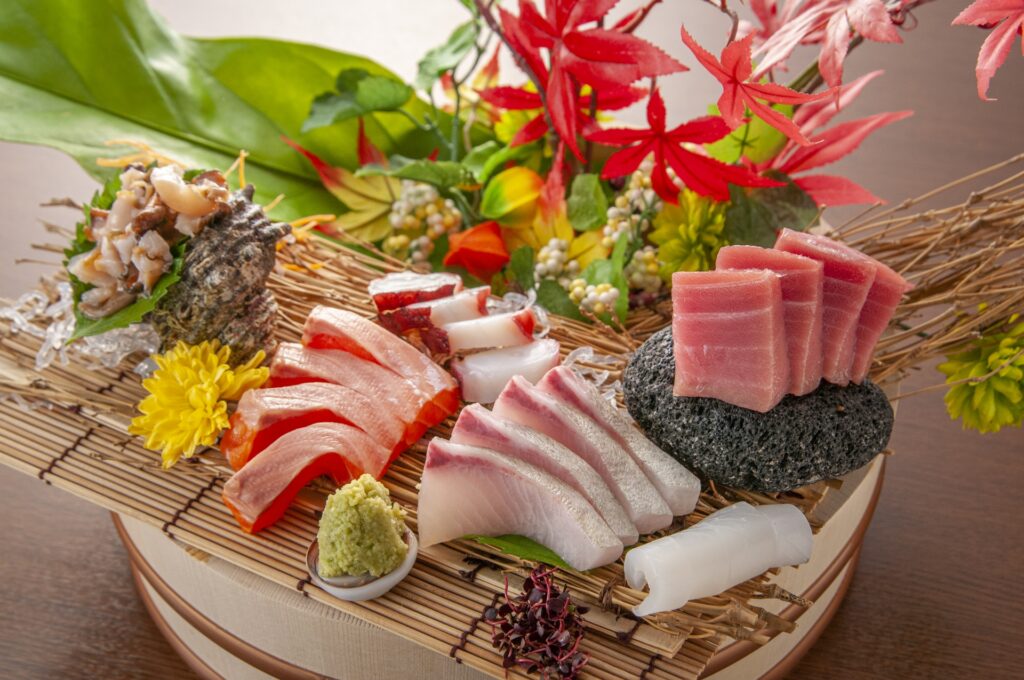
Sashimi is a Japanese dish made from thinly sliced seafood served without rice. In most cases, the seafood is raw, although some varieties are lightly cooked or seared.
Unlike sushi, sashimi doesn’t rely on vinegared rice, sauces, or complex seasoning. The focus stays almost entirely on the ingredient itself — its texture, fat content, sweetness, freshness, and how it feels in the mouth.
The word “sashimi” is often explained as combining sashi (“pierced” or “attached”) and mi (“meat” or “body”). One historical explanation suggests that fish tails or labels were once attached to slices so diners could identify the species being served.
Today, sashimi represents a much broader culinary tradition. At high-end restaurants in Japan, chefs spend years learning how to break down fish properly, sharpen knives, understand seasonal seafood, and slice each variety at the correct angle.
And despite the simplicity, small differences matter.
A cold slice of lean tuna cut too thick can feel chewy. The same fish cut slightly thinner suddenly tastes cleaner and softer. Fatty fish like toro are often sliced with remarkable precision because even a few millimeters can change how rich the bite feels.
That attention to detail is part of why sashimi carries so much respect in Japanese cuisine.
Is Sashimi Always Raw Fish?
Usually, yes — but not always.
Many sashimi varieties are completely raw, though some ingredients are lightly cooked before serving. Octopus (tako), for example, is commonly boiled briefly because raw octopus can be excessively tough. Certain fish may also be lightly seared to add aroma while keeping the center nearly raw.
There are also non-seafood versions.
Beef sashimi occasionally appears at specialty restaurants, particularly in areas known for wagyu. Chicken sashimi exists in parts of southern Japan as well, though it remains controversial because of food safety risks. Vegetarian alternatives made from yuba (tofu skin) or konnyaku can sometimes be found in traditional restaurants.
Still, when most international visitors talk about sashimi, they’re usually referring to raw seafood served in slices — tuna, salmon, yellowtail, scallops, squid, and similar varieties.
Sashimi vs Sushi vs Nigiri
Outside Japan, “sushi” often becomes a catch-all term for Japanese seafood dishes. In practice, sashimi, sushi, and nigiri refer to different things.
| Dish | Includes Rice? | Usually Raw? | Typical Example | Main Focus |
| Sashimi | No | Usually | Tuna slices | Pure seafood flavor |
| Sushi | Yes | Sometimes | Sushi rolls | Combination of rice and toppings |
| Nigiri | Yes | Usually | Tuna over rice | Balance between fish and rice |
Sashimi strips everything back to the seafood itself. Because there’s no rice involved, texture becomes much more noticeable. You pay attention to firmness, fat, sweetness, and temperature in a way that’s harder to notice with heavily sauced rolls.
Nigiri works differently. The fish and rice are designed to complement one another, with the rice adding warmth, acidity, and softness.
For beginners trying to understand Japanese seafood, sashimi is often the clearest starting point. There’s less distraction, which makes differences between fish varieties easier to notice.
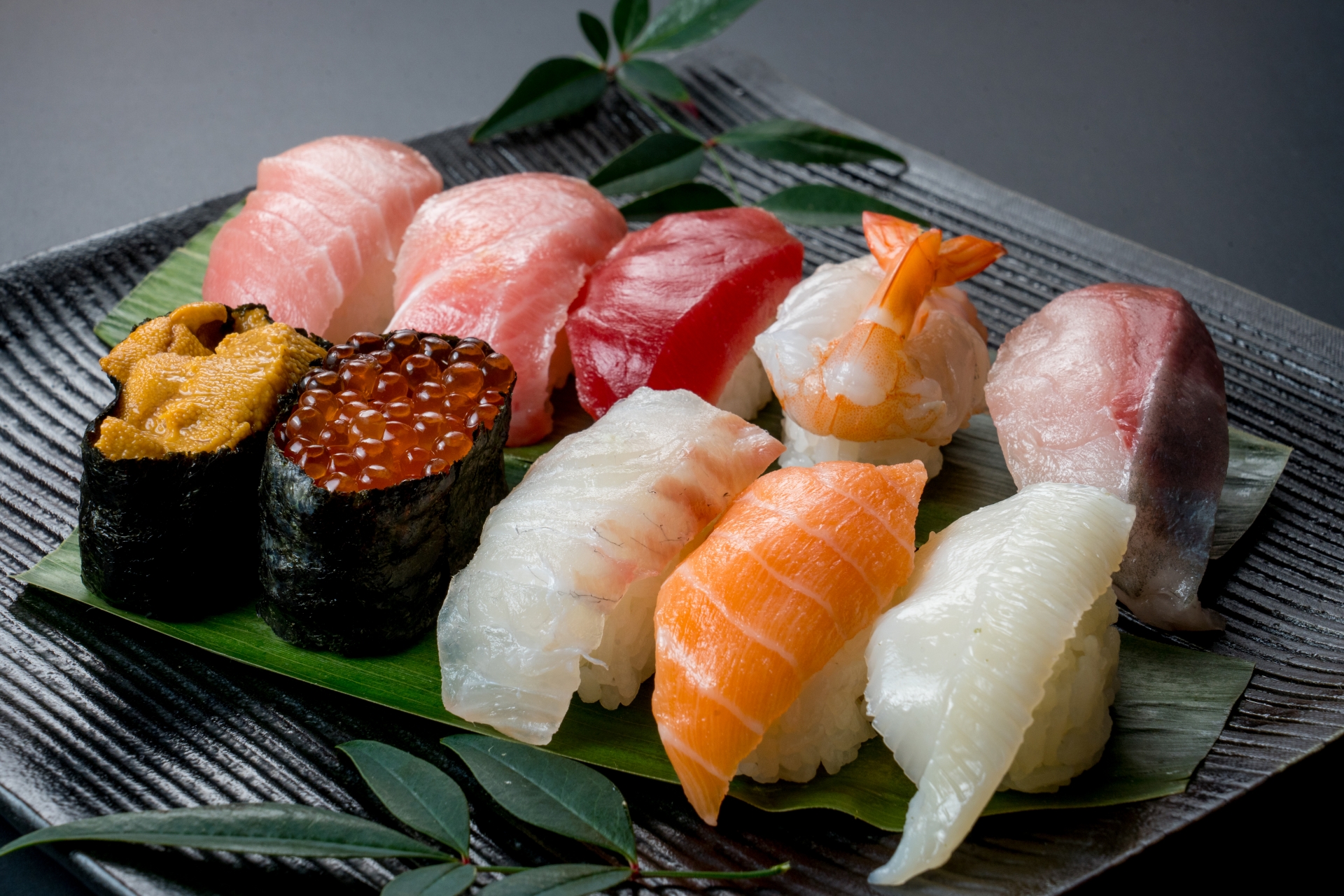
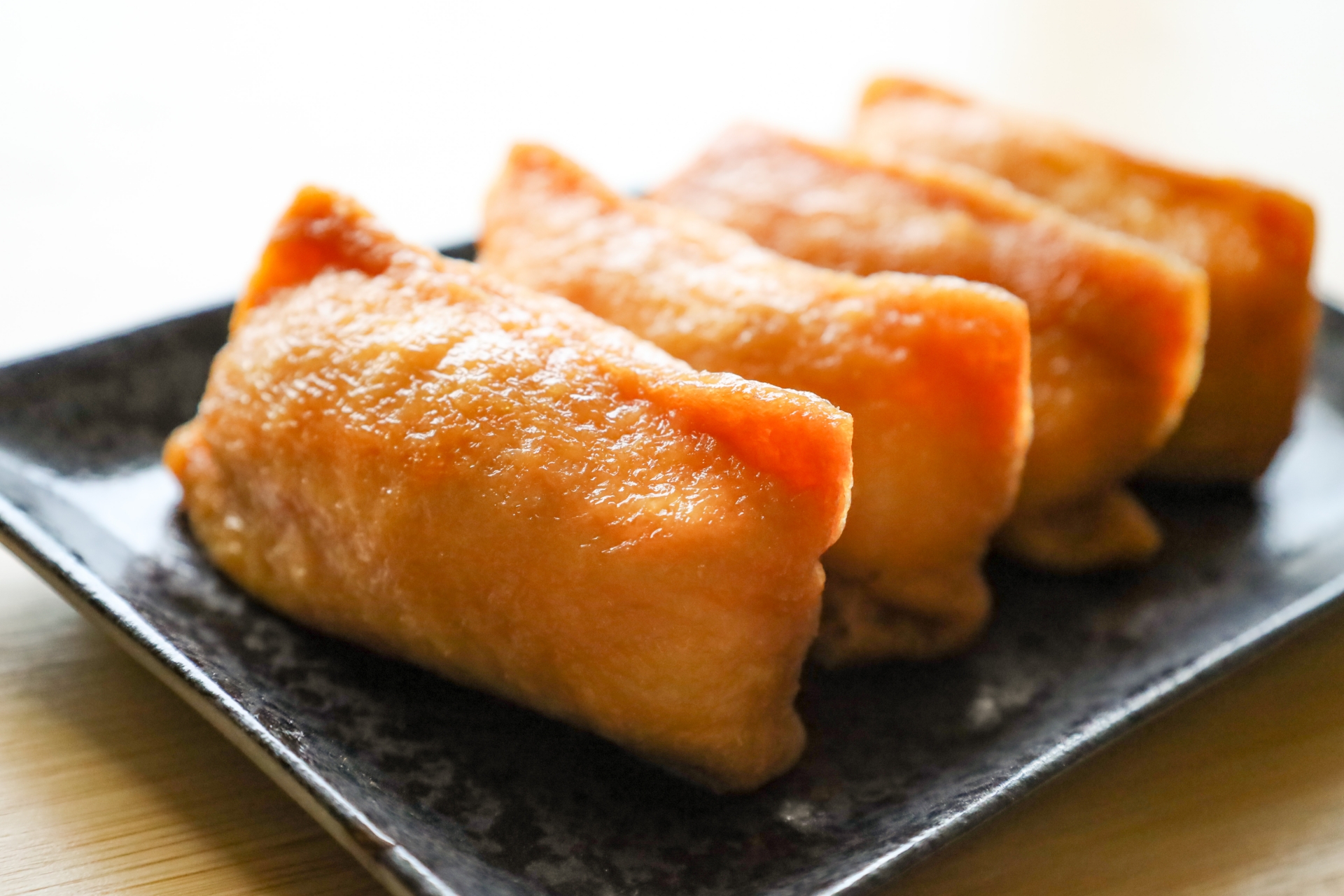
Why People Confuse Sashimi with Sushi
Part of the confusion comes from how Japanese food spread overseas.
In many Western countries, especially the United States, restaurants grouped sashimi under broader “sushi” menus for simplicity. Over time, “sushi” became shorthand for almost any Japanese seafood dish.
In Japan, though, sashimi stands on its own.
At traditional restaurants, sashimi may arrive as part of a seasonal course meal with careful attention paid to timing, garnish, and even the order in which different fish are eaten. Some chefs specialize almost entirely in seafood aging and knife work rather than sushi rice.
Once you eat sashimi in Japan, the distinction usually becomes much clearer.
Popular Types of Sashimi
Japan offers an enormous variety of sashimi depending on region and season, but several types appear consistently across the country.
Maguro (Tuna)
One of the most common and approachable choices. Lean tuna has a clean flavor and firm texture that works well for beginners.
Toro (Fatty Tuna)
The richer section of tuna belly. Soft, buttery, and significantly higher in fat content. At good sushi counters, toro almost melts as it warms slightly in your mouth.
Salmon
Especially popular outside Japan. Salmon sashimi tends to feel soft and rich with a mild flavor that’s easy for first-timers.
Hamachi (Yellowtail)
Smooth, slightly buttery, and subtly sweet. Winter hamachi in particular develops a deeper richness.
Tai (Sea Bream)
Lighter and more delicate than tuna or salmon. Often associated with celebrations and formal occasions in Japan.
Ika (Squid)
Fresh squid has a surprisingly gentle sweetness and a soft chewiness that’s very different from cooked calamari.
Tako (Octopus)
Usually lightly boiled before serving. Firmer texture with a clean flavor.
Hotate (Scallop)
Sweet, soft, and beginner-friendly. Fresh scallops in northern Japan can taste almost creamy.
Uni (Sea Urchin)
One of the most divisive varieties. Rich, briny, and intensely oceanic. Some people love it immediately; others need time.
Saba (Mackerel)
Strong, oily, and deeply savory. Often cured lightly with vinegar because of how quickly fresh mackerel deteriorates.
Seasonality matters a great deal in Japan, so the best sashimi can change dramatically throughout the year. Winter seafood often becomes fattier and richer, while summer varieties may feel lighter and cleaner.
Best Sashimi for Beginners
If you’re trying sashimi for the first time, starting with milder textures usually helps.
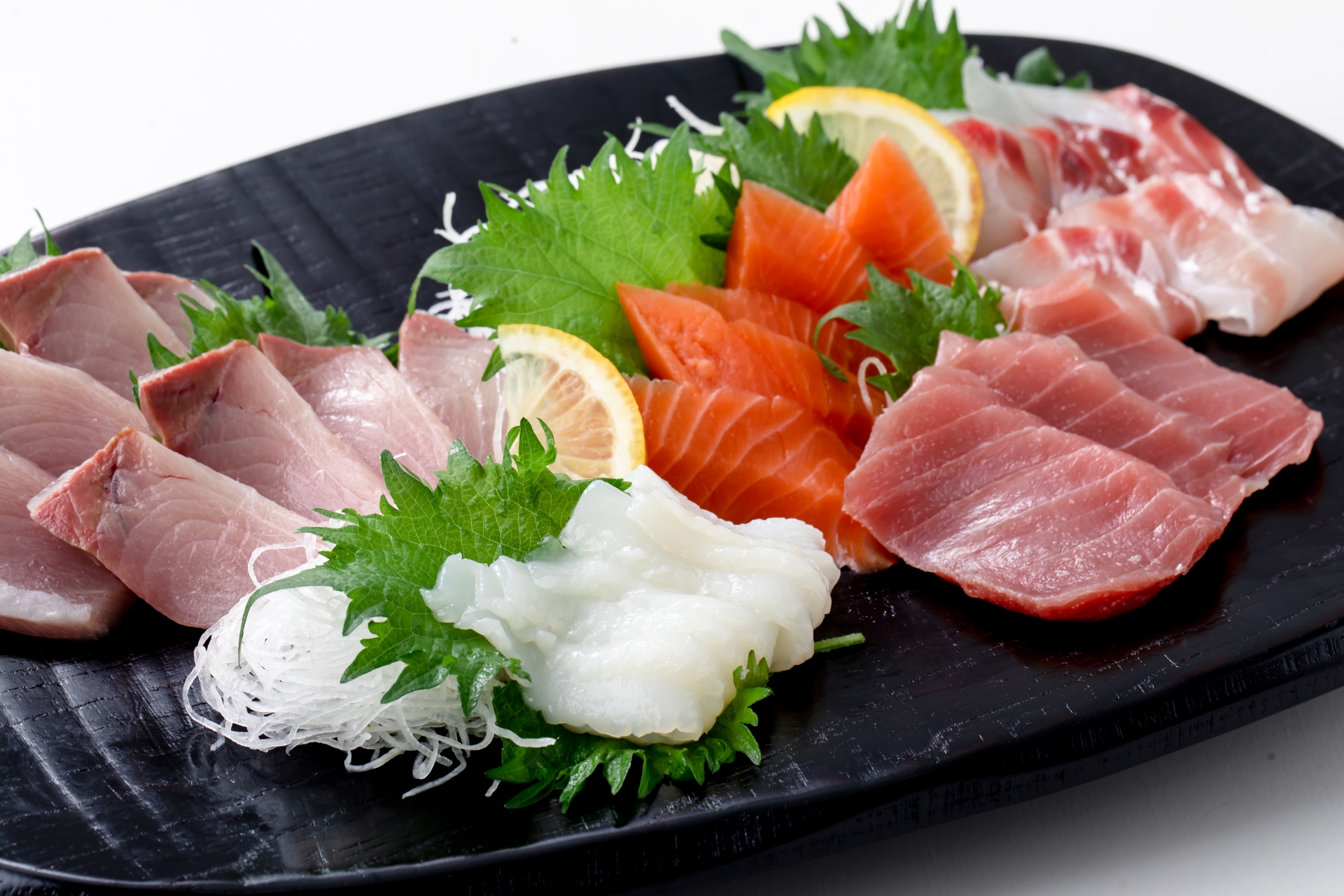
Salmon is probably the easiest entry point for many visitors because the flavor feels familiar and the texture is soft. Tuna is another safe starting choice, especially lean maguro. Hamachi and scallops also tend to win over newcomers quickly because they combine sweetness with a smoother mouthfeel.
Uni and saba are usually better later introductions. They’re highly respected in Japan, but their stronger flavors can surprise people unfamiliar with raw seafood.
Ordering a sashimi assortment platter is often the best approach. You can compare several textures side by side without committing to one type.
Why Knife Skills Matter So Much
Sashimi preparation depends heavily on knife technique.
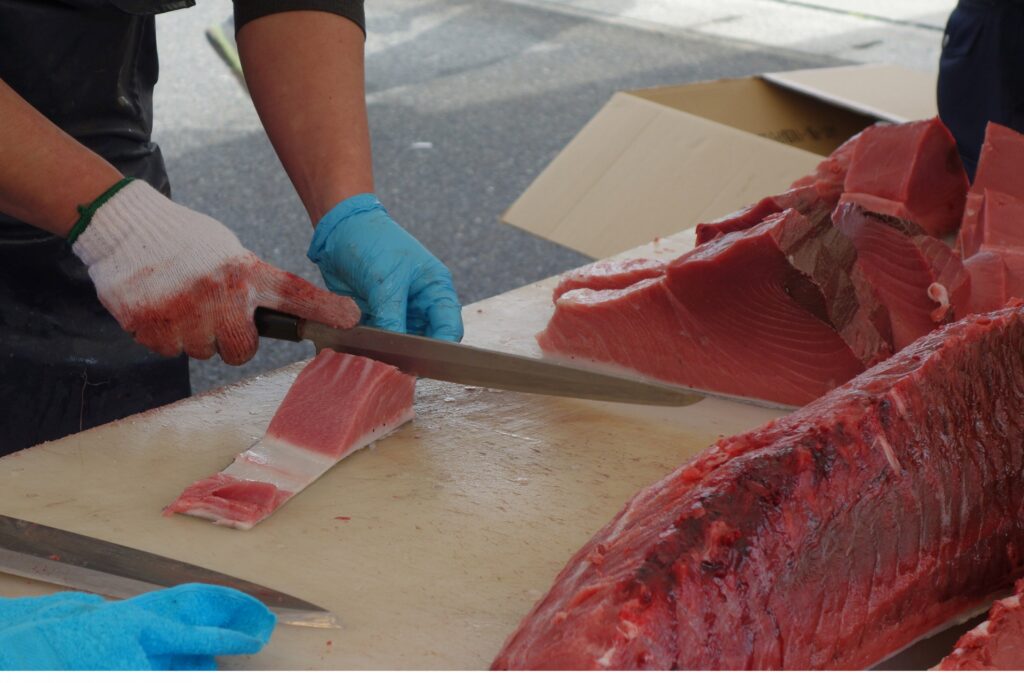
Japanese chefs use specialized knives designed specifically for slicing raw fish cleanly in a single motion. A rough cut damages delicate flesh and changes the texture almost immediately.
At serious sushi counters, chefs pay attention to:
- Knife sharpness
- Cutting angle
- Thickness
- Direction of muscle fibers
- Fat distribution
- Temperature of the fish
Even slight adjustments can change how the seafood feels.
Lean fish sliced too thin may lose texture completely. Fatty fish sliced too thick can feel heavy and overwhelming. Part of the craft lies in finding the balance that best suits each ingredient.
Watching an experienced chef work up close is often surprisingly quiet. There’s very little wasted movement — just the sound of the knife moving smoothly against the cutting board.
Common Sashimi Cutting Styles
Different fish call for different cutting techniques.
Hirazukuri
The standard rectangular cut commonly used for tuna and salmon.
Usuzukuri
Extremely thin slicing, often associated with fugu (pufferfish). The slices are sometimes arranged almost like flower petals across a plate.
Kakuzukuri
Cube-shaped cuts that create a firmer, more substantial bite.
Sogizukuri
An angled slicing method that creates softer texture and more surface area.
These techniques are not just visual choices. They directly affect texture, chewiness, and flavor release.
Does Thickness Affect Taste?
Absolutely.
Thin slices usually feel smoother and lighter. Thick cuts create more chew and emphasize richness.
Fatty tuna, for example, is often sliced thinner to keep the richness balanced. Lean white fish may be cut slightly thicker so the texture doesn’t disappear too quickly.
This is one reason sashimi can feel surprisingly different between restaurants, even when ordering the same fish.
The Art of Sashimi Presentation
In Japan, sashimi plating is treated as part of the experience rather than decoration added afterward.
Chefs think carefully about color contrast, spacing, plate shape, garnish height, and seasonality. Winter presentations often use darker ceramics and richer tones, while summer arrangements may feel lighter and more spacious.
At traditional restaurants, the plate itself sometimes reflects the season. A meal in autumn may arrive on earthy pottery beside maple leaves or chestnut-colored accents.
Even relatively casual places in Japan often present sashimi with surprising care.
Why Sashimi Comes with Daikon and Shiso
Many garnishes served alongside sashimi have practical purposes.
- Daikon radish: Refreshes the palate between bites
- Shiso leaves: Add herbal aroma and contrast
- Wasabi: Adds sharpness and cuts richness
- Seaweed: Adds texture and visual balance
- Tsuma garnishes: Decorative shredded vegetables that add freshness
None of these are meant to overpower the seafood. Ideally, they support it quietly.
Why Japanese Restaurants Plate Sashimi So Beautifully
Japanese dining culture often places value on seasonality and visual balance.
A sashimi platter may resemble a small landscape — layers suggesting mountains, shredded daikon arranged like flowing water, green shiso leaves creating contrast against pale fish.
The presentation isn’t only about luxury. It reflects a broader cultural tendency to appreciate fleeting seasonal details.
That feeling becomes especially noticeable at ryokan dinners or traditional kaiseki meals, where the pacing and presentation are carefully tied to the time of year.
What Is Tataki?
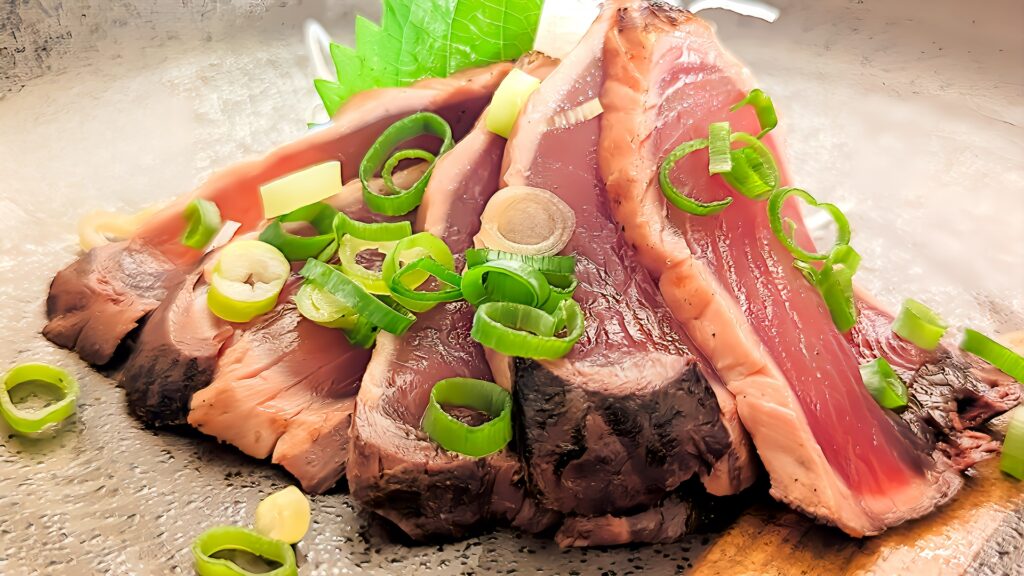
Tataki is a preparation style where fish or meat is lightly seared on the outside while remaining rare or nearly raw inside.
One of the best-known examples is katsuo no tataki, seared bonito briefly grilled over intense heat before being sliced.
Beef tataki is also fairly common.
The quick searing adds aroma and smokiness while preserving much of the fresh interior texture.
| Style | Cooking Method | Texture | Flavor |
| Sashimi | Raw | Clean and delicate | Pure seafood flavor |
| Tataki | Lightly seared | Slightly firmer | Smokier and more savory |
For people hesitant about completely raw seafood, tataki can feel like an easier first step.
How to Eat Sashimi Properly
There isn’t a strict universal rulebook, but a few habits help.
Soy sauce is usually used lightly. Drowning sashimi completely tends to overpower subtle flavors, especially delicate white fish.
At higher-end restaurants, some pieces may already be seasoned appropriately by the chef.
Wasabi is often placed directly on the fish rather than heavily stirred into soy sauce. In casual settings, though, people are generally flexible.
Many diners also start with lighter fish before moving toward richer options like toro so the palate doesn’t become overwhelmed too early.
Common Beginner Mistakes
A few patterns show up repeatedly among first-time diners:
- Using excessive soy sauce
- Adding too much wasabi
- Ordering only the most famous fish
- Ignoring garnish completely
- Assuming all sashimi tastes similar
The best approach is usually slower and simpler. Compare textures. Notice temperature differences. Pay attention to how fatty fish lingers differently from lean fish.
That’s where sashimi becomes interesting.
Is Sashimi Safe to Eat?
Sashimi can be safe when sourced and prepared properly, but raw seafood always carries some level of risk.
Potential concerns include:
- Parasites
- Bacterial contamination
- Improper storage
- Mercury exposure in certain fish species
Reputable restaurants follow strict handling procedures designed to minimize these risks. Temperature control is especially important.
Pregnant people, elderly diners, young children, and those with weakened immune systems should speak with medical professionals before eating raw seafood regularly.
Freshness also matters more than many visitors realize. Excellent sashimi rarely smells strongly “fishy.” Instead, it tends to smell clean and mild.
What Does “Sashimi-Grade” Mean?
Terms like “sashimi-grade” or “sushi-grade” are commonly used outside Japan, especially in the United States, but they are not strict legal classifications.
In many cases, the label simply indicates that a supplier considers the fish suitable for raw consumption.
Important factors include:
- Proper freezing procedures
- Reliable sourcing
- Careful cold storage
- Clean handling practices
- Supplier reputation
If you plan to prepare sashimi at home, buying from seafood markets experienced in supplying sushi restaurants is generally safer than improvising with ordinary supermarket fish.
Can You Make Sashimi at Home?
Yes, but it requires caution.
Unlike cooked seafood, raw preparation leaves very little room for mistakes in storage or handling.
If making sashimi at home, important basics include:
- Keeping fish consistently cold
- Sanitizing knives and cutting boards carefully
- Using separate tools for raw seafood
- Slicing immediately before serving
- Eating promptly after preparation
For beginners, trying sashimi first at reputable Japanese restaurants is usually the better introduction.
You also learn a lot simply by observing how professionals serve and arrange the fish.
Where to Eat Sashimi in Japan
One of the pleasures of traveling in Japan is discovering how differently sashimi appears depending on the setting.
You can find excellent sashimi at:
- Sushi restaurants
- Izakaya pubs
- Seafood markets
- Traditional ryokan dinners
- Department store food halls
- Conveyor belt sushi chains
Department store food halls are especially underrated. In cities like Tokyo or Osaka, the basement floors of major department stores often sell beautifully prepared sashimi trays at surprisingly reasonable prices, particularly in the evening.
Seafood markets provide a different atmosphere entirely — louder, more energetic, often with chefs preparing fish only a few meters away.
Regional specialties also shape the experience.
Hokkaido is famous for scallops, crab, and sea urchin. Coastal Kyushu regions are known for local mackerel varieties. Along the Sea of Japan coast, winter crab season draws huge crowds.
Traveling between regions makes those differences much easier to notice.
How to Order Sashimi in Japan
A few simple phrases can help.
- “Do you have a sashimi assortment?”
- “What sashimi is seasonal today?”
- “I’d like tuna and salmon sashimi.”
Useful Japanese phrases include:
Osusume wa nan desu ka?
(What do you recommend?)
Sashimi moriawase onegaishimasu.
(Sashimi assortment, please.)
Even basic Japanese is usually appreciated, especially in smaller restaurants.
Final Thoughts: Sashimi Is More Than Raw Fish
Sashimi is often introduced overseas as simply “raw fish,” but that description misses most of what makes it interesting.
At its best, sashimi reflects precision, restraint, seasonality, and ingredient quality all at once. The fish matters, but so do the knife skills, the plating, the temperature, and the atmosphere around the meal itself.
For beginners, starting with tuna, salmon, or yellowtail at a reputable restaurant is usually enough to understand why sashimi occupies such an important place in Japanese cuisine.
And once you begin noticing the differences — the texture of winter hamachi, the sweetness of fresh scallops, the way a thin slice changes the entire bite — it stops feeling like just raw seafood.
It becomes something much more deliberate.