Hinamatsuri, also known as Japan’s Girls’ Day or the Doll’s Festival, is a seasonal celebration held every year on March 3. While it is deeply rooted in Japanese history and family traditions, Hinamatsuri is also quietly but meaningfully celebrated outside Japan. Through Japanese cultural centers, embassies, schools, and local communities, this festival has become a bridge for cultural exchange. In this article, we explore how Hinamatsuri celebrations abroad are introduced, experienced, and adapted, and how people around the world keep this beautiful tradition alive.
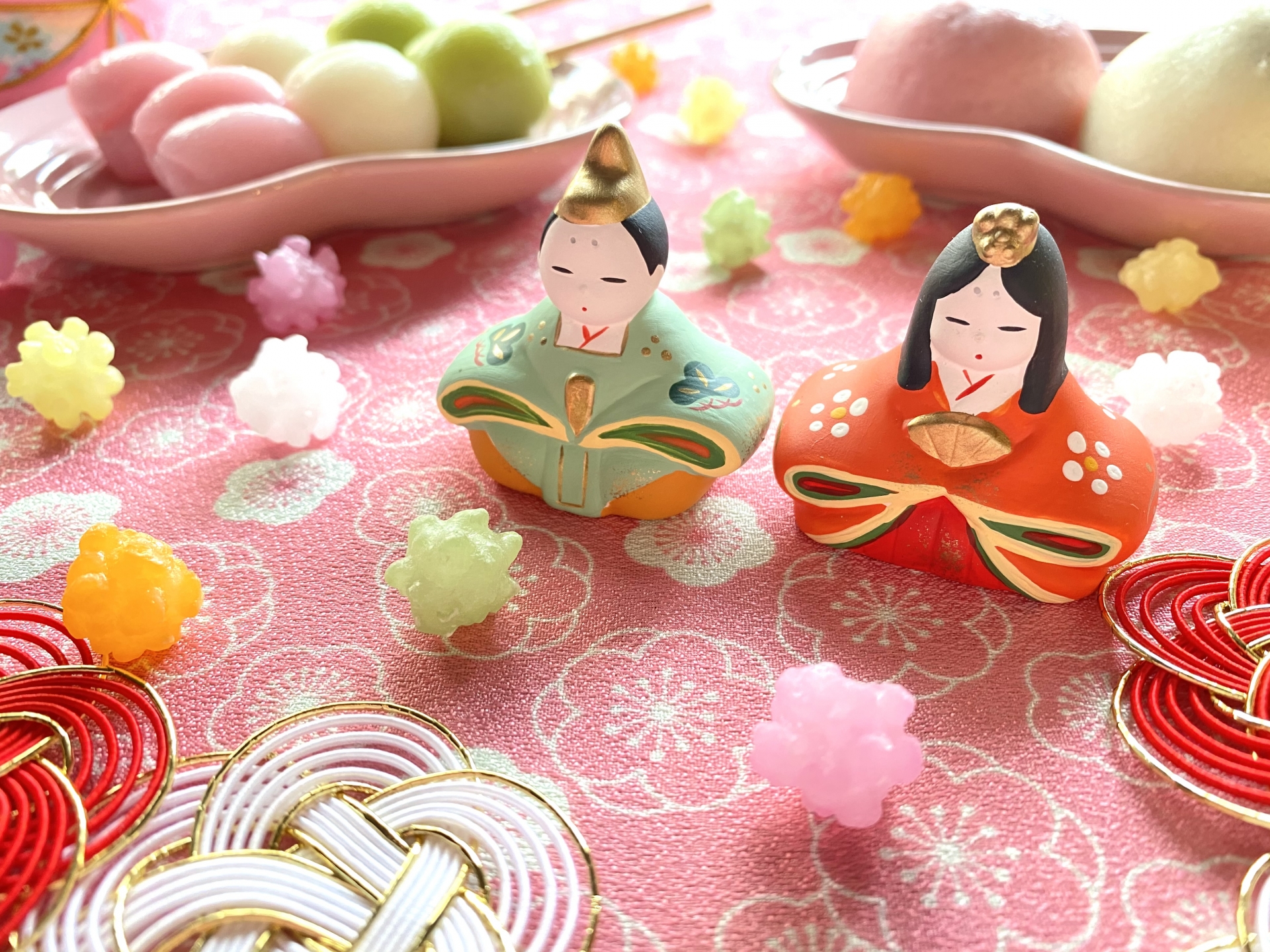


What Is Hinamatsuri? (Festival Overview)
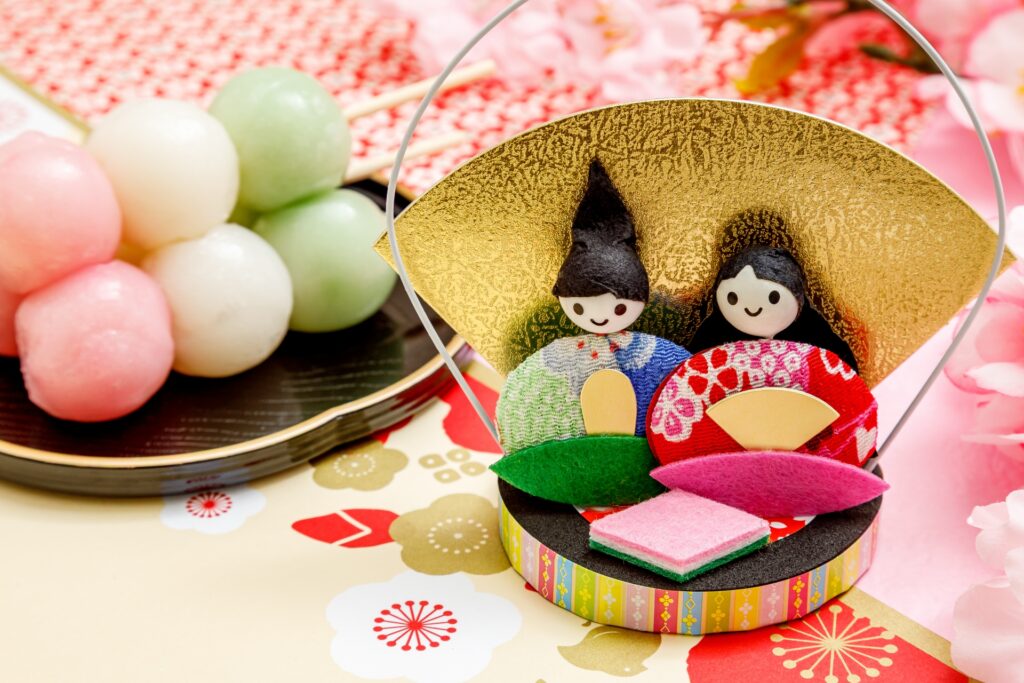
Hinamatsuri is a traditional Japanese festival celebrated on March 3 to pray for the health, happiness, and future well-being of young girls. It is sometimes called “Girls’ Day” or the “Doll’s Festival” in English, making it easier for international audiences to understand its purpose. Rather than being a public festival with parades, Hinamatsuri is traditionally a family-centered event celebrated at home.
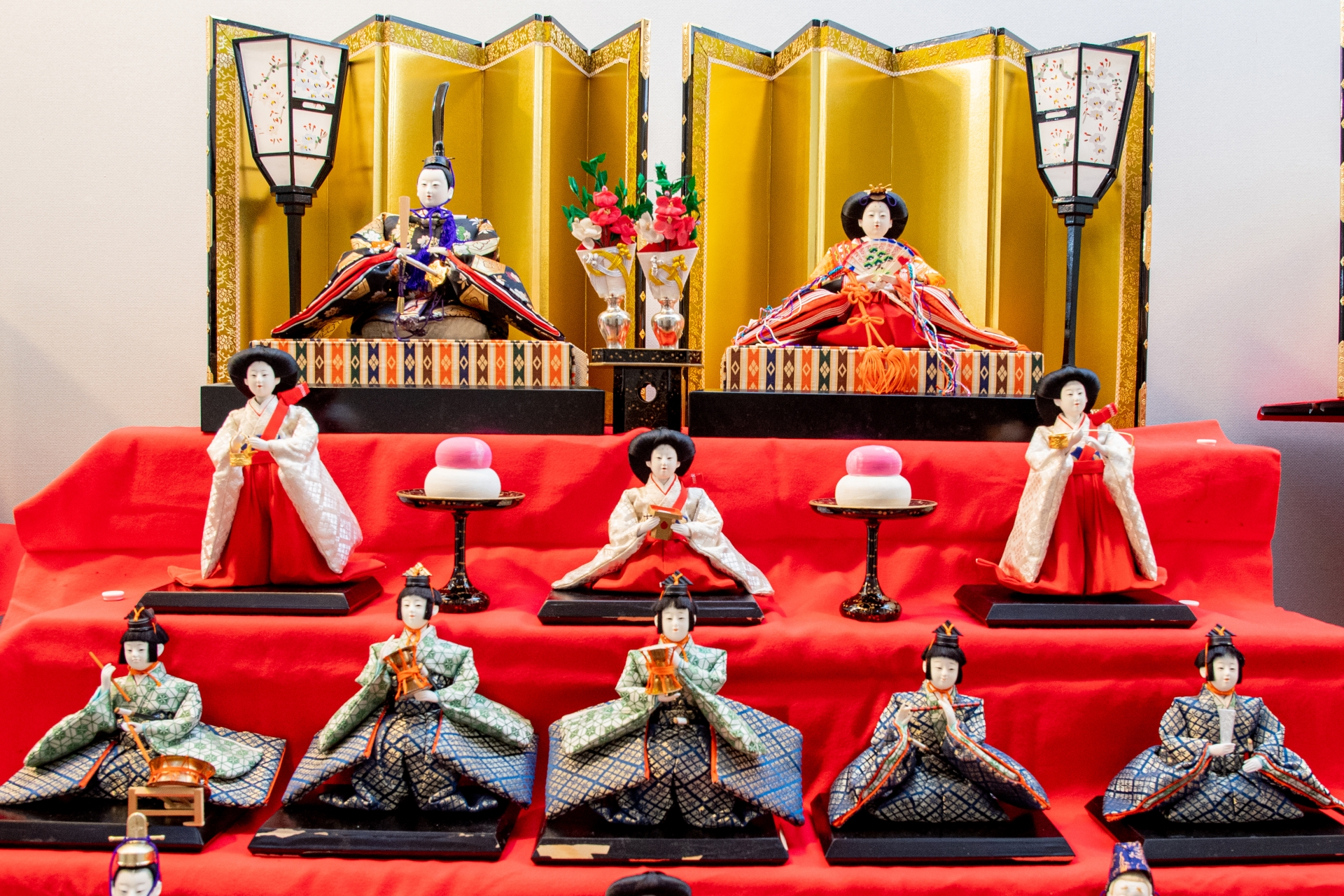
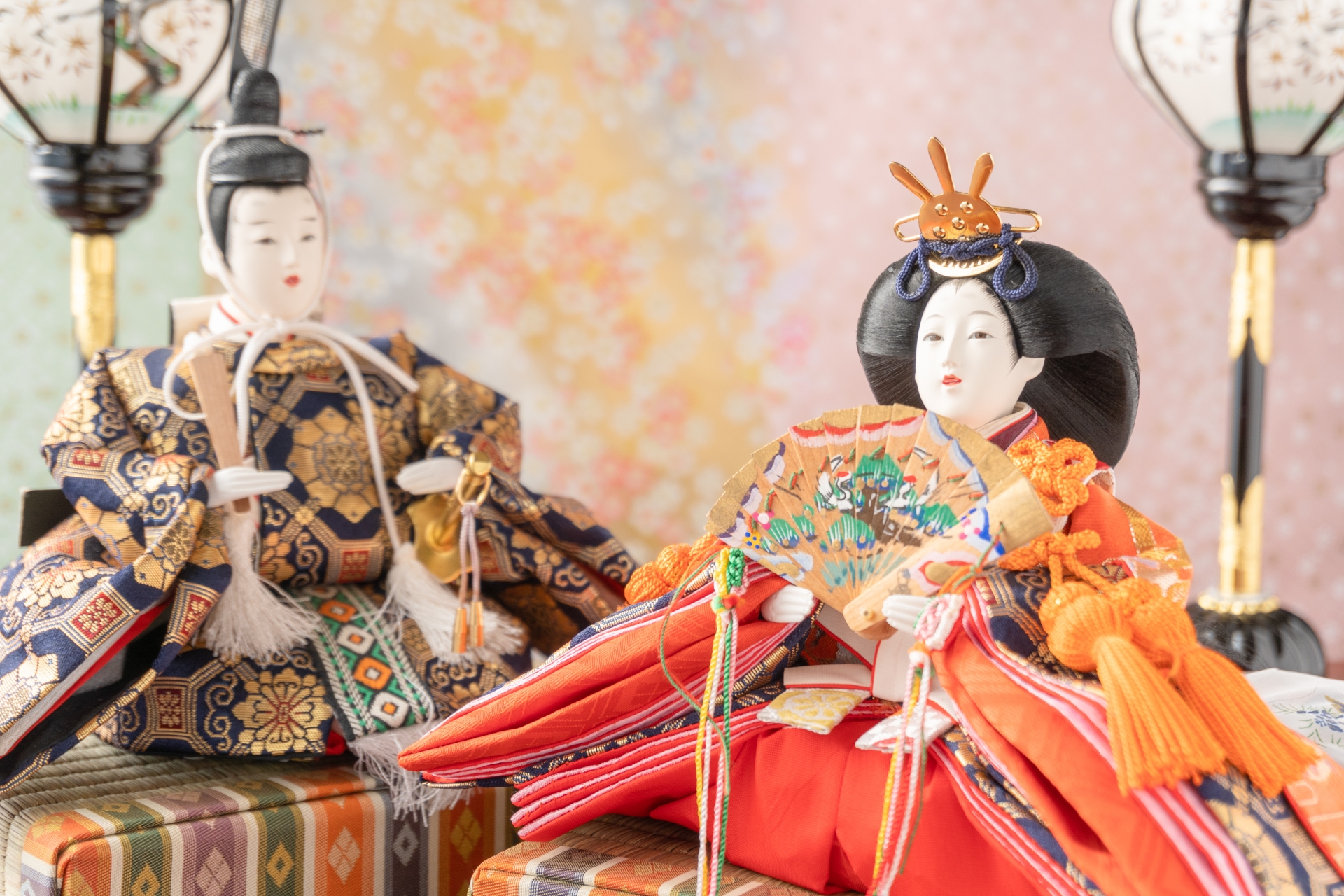
The most iconic symbol of Hinamatsuri is the hina doll display. Families display a set of ornamental dolls representing the imperial court of the Heian period, arranged on red-tiered platforms. At the top sit the Emperor and Empress dolls, followed by court ladies, musicians, and attendants. These dolls are not toys but symbolic objects believed to absorb misfortune and protect children.
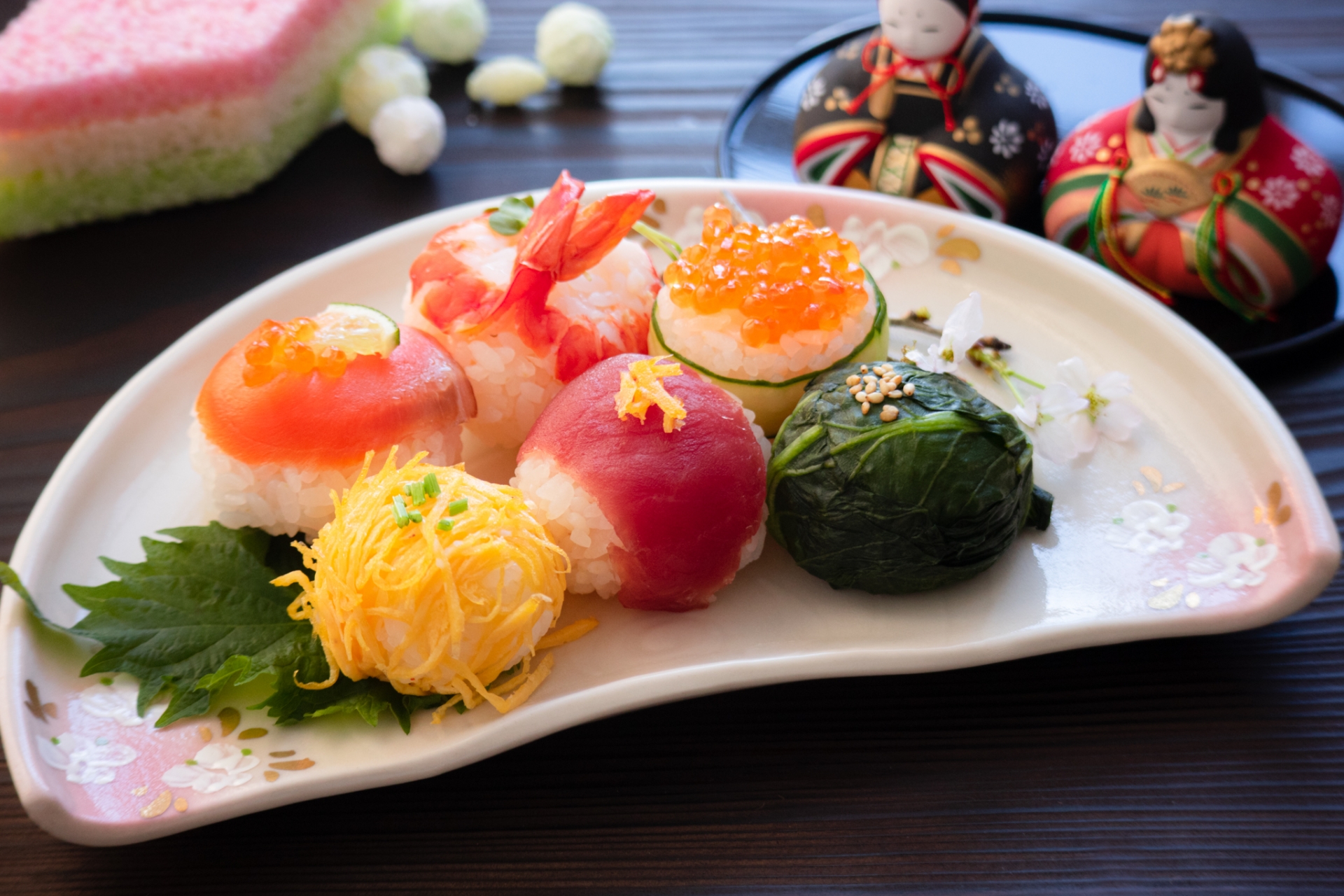
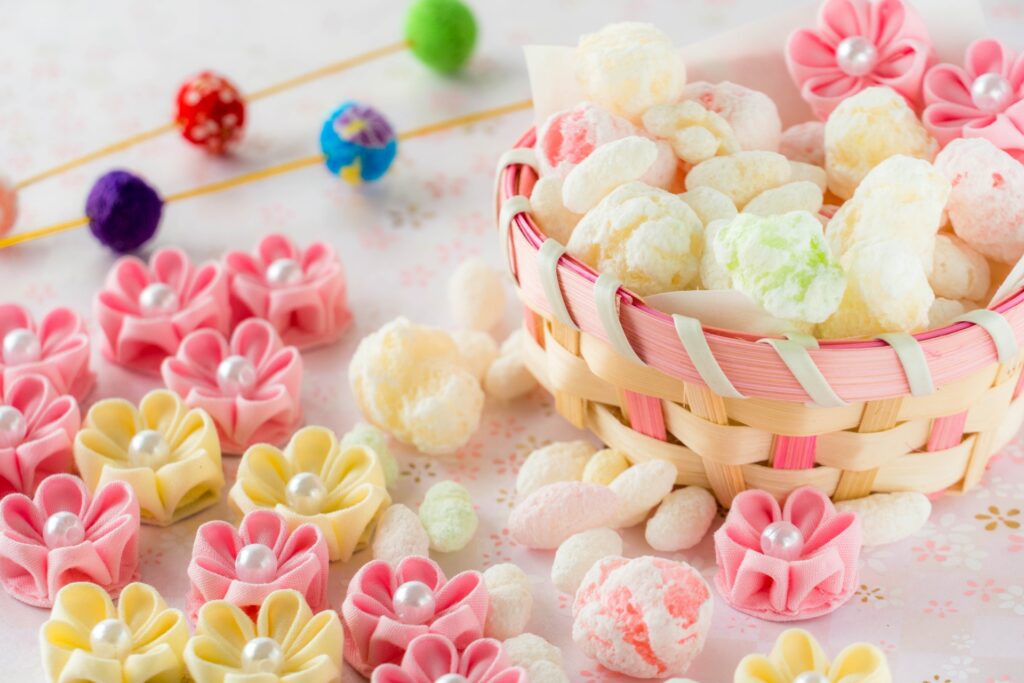
Food also plays an important role in Hinamatsuri. Common dishes include chirashizushi (scattered sushi), hina-arare (sweet rice crackers), and shirozake (sweet white sake). Peach blossoms are often used as decorations, symbolizing vitality and protection. When explained in English, Hinamatsuri is best understood as a seasonal cultural tradition rather than a religious ceremony, which helps international audiences relate to it more easily.
Hinamatsuri Celebrations Abroad — Global Perspectives
Compared to major Japanese festivals like cherry blossom viewing or summer fireworks, Hinamatsuri celebrations abroad tend to be smaller and more educational in nature. This is partly because Hinamatsuri is traditionally a private, family-oriented event, and partly because large-scale commercial festivals are harder to organize outside Japan.
That said, Hinamatsuri is actively introduced overseas through Japanese embassies, cultural institutions, and diaspora communities. These celebrations often focus on cultural understanding rather than strict authenticity. Exhibitions of hina dolls, seasonal lectures, and hands-on workshops allow local audiences to learn about the festival’s meaning without requiring deep background knowledge of Japanese customs.
For example, the Japanese Cultural Center of Hawaiʻi regularly introduces Hinamatsuri as part of its mission to preserve and share Japanese heritage. Similarly, the Embassy of Japan in Samoa has showcased hina doll displays to promote cultural exchange and mutual understanding. These examples highlight how Hinamatsuri abroad functions as a tool for soft diplomacy and cultural education rather than a mass celebration.
Case Study — Hinamatsuri in Hawaiʻi
Hawaiʻi is one of the most notable places where Hinamatsuri celebrations abroad have taken root in a meaningful way. Due to its long history of Japanese immigration, Hawaiʻi has a strong cultural connection to Japan that continues to influence local traditions today. Hinamatsuri events in Hawaiʻi are often hosted by museums and cultural centers rather than private households.
At the Japanese Cultural Center of Hawaiʻi, visitors can see elaborate hina doll displays accompanied by clear English explanations. These exhibitions often include historical background, doll symbolism, and connections to modern Japanese family life. Traditional foods may be introduced through demonstrations or seasonal menus, helping visitors engage with the festival through multiple senses.
What makes Hawaiʻi a strong case study is how Hinamatsuri is framed as shared heritage rather than an “imported” tradition. This approach reflects a broader pattern seen in overseas celebrations: Hinamatsuri becomes a cultural learning experience that respects tradition while adapting to a multicultural audience.
How Japanese Cultural Institutions Share Hinamatsuri Overseas
Japanese cultural institutions play a central role in keeping Hinamatsuri alive outside Japan. Cultural centers, embassies, language schools, and international exchange organizations often introduce the festival as part of seasonal programming. Their goal is not religious observance, but cultural education and mutual understanding.
Typical Hinamatsuri-related activities include hina doll exhibitions, craft workshops where participants make paper dolls, short lectures on seasonal customs, and storytelling sessions for children. These events are usually designed to be accessible to non-Japanese audiences, with explanations provided in English and minimal assumed knowledge.
Importantly, these institutions emphasize inclusivity. Visitors are not expected to follow strict rules or own traditional items. Instead, Hinamatsuri is presented as a window into Japanese values such as care for children, respect for seasons, and appreciation of beauty. This educational framing makes the festival approachable and meaningful for international participants.
Explaining Hinamatsuri in English
Explaining Hinamatsuri in English requires balancing accuracy with simplicity. The most common approach is to describe it as “Japan’s Girls’ Day,” a seasonal festival held on March 3 to celebrate girls’ health and happiness. The term “Doll’s Festival” is also frequently used, as it highlights the visual and symbolic centerpiece of the celebration.
When speaking to international audiences, it is helpful to avoid overly complex historical details. Instead, focus on relatable ideas such as family, seasonal change, childhood, and cultural symbolism. For example, hina dolls can be explained as symbolic figures that represent protection and good fortune, rather than as religious objects.
Teachers and event organizers often use visual aids, short handouts, or interactive activities to support understanding. Simple explanations make Hinamatsuri an effective topic for classrooms, libraries, and community events, especially in English-speaking countries where interest in Japanese culture continues to grow.
Tips for Celebrating Hinamatsuri Abroad
Celebrating Hinamatsuri abroad does not require a full traditional setup. Individuals and small communities can enjoy the festival in simplified and respectful ways. A small doll display, even with handmade paper dolls, can effectively convey the spirit of Hinamatsuri without significant cost or space.
Food is another accessible entry point. Preparing chirashizushi or serving colorful sweets inspired by the festival helps create a festive atmosphere. For schools or community centers, educational posters explaining the festival’s meaning can complement crafts and food activities.
The key is cultural respect rather than perfection. Hinamatsuri celebrations abroad work best when they focus on learning, sharing, and seasonal appreciation. Whether at home, in a classroom, or at a community event, small gestures can keep the tradition meaningful and enjoyable.
Conclusion — Keeping Hinamatsuri Alive Beyond Japan
Hinamatsuri celebrations abroad may be modest in scale, but their cultural impact is significant. Through embassies, cultural centers, schools, and dedicated individuals, Japan’s Girls’ Day continues to reach new audiences around the world. These celebrations emphasize education, seasonal awareness, and cross-cultural connection rather than spectacle.
By adapting Hinamatsuri to local contexts while preserving its core meaning, overseas communities help keep this tradition alive beyond Japan’s borders. Whether you are a traveler, educator, cultural volunteer, or simply a lover of Japanese culture, experiencing or introducing Hinamatsuri abroad is a meaningful way to participate in global cultural exchange and celebrate the changing seasons together.