Shinokosho is a term often used to explain how society was organized during Japan’s Edo period (1603–1868). It is commonly described as a rigid four-tier class system ranking samurai, farmers, artisans, and merchants. While this explanation is widespread, it simplifies a much more complex social reality.
Today, Shinokosho is better understood as a conceptual framework rather than a strictly enforced social system. This article explains what Shinokosho meant, how it developed, how Edo society actually functioned, and how historians interpret it today.


What Is Shinokosho?
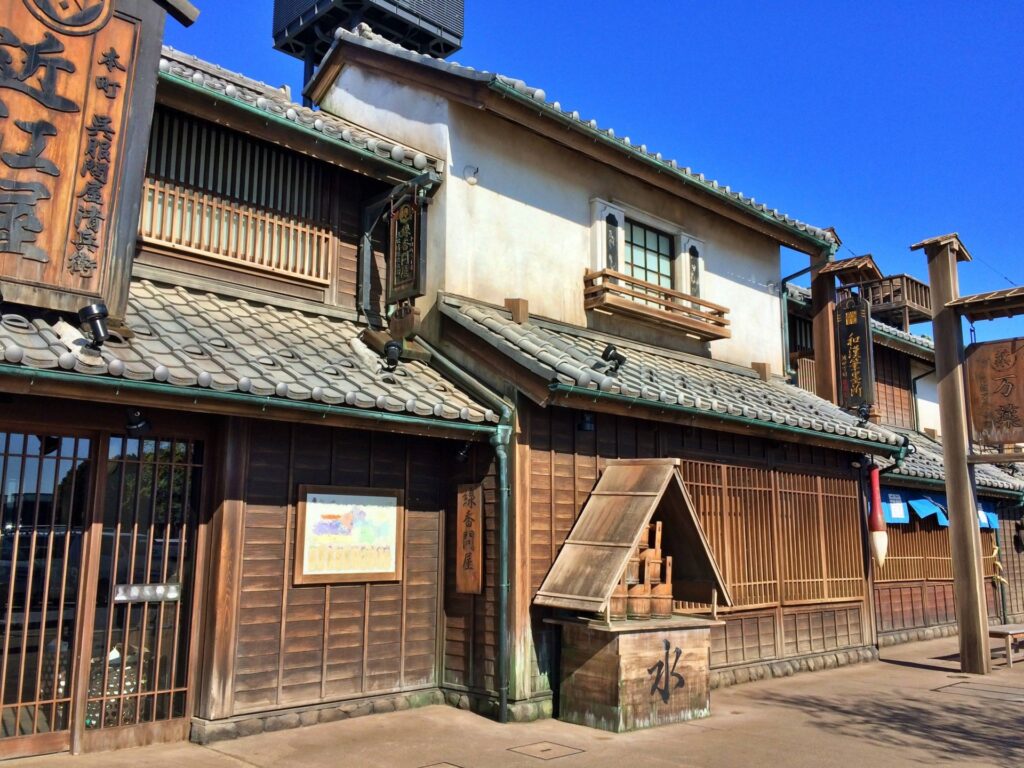
Shinokosho (士農工商, pronounced shi-nō-kō-shō) refers to a four-part social classification traditionally associated with the Edo period. The four characters represent samurai (士), farmers (農), artisans (工), and merchants (商)—roles linked to governance, agriculture, manufacturing, and commerce.
In older explanations, especially outside Japan, Shinokosho has often been presented as a strict hierarchy with samurai at the top and merchants at the bottom. This view reflects Confucian ideas that valued moral contribution to society over profit-making. Farmers were respected because they produced food, while merchants were viewed with suspicion for earning money through trade.
However, Shinokosho was not a formal legal code applied uniformly across the country. Rather, it functioned as an ideological model and a convenient way to describe social roles. As a result, it never fully reflected economic power, political influence, or everyday life in Edo Japan.
The Four Categories Traditionally Explained
Samurai (士)
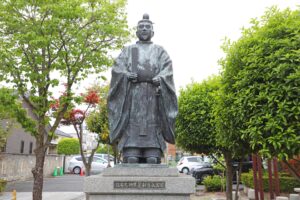
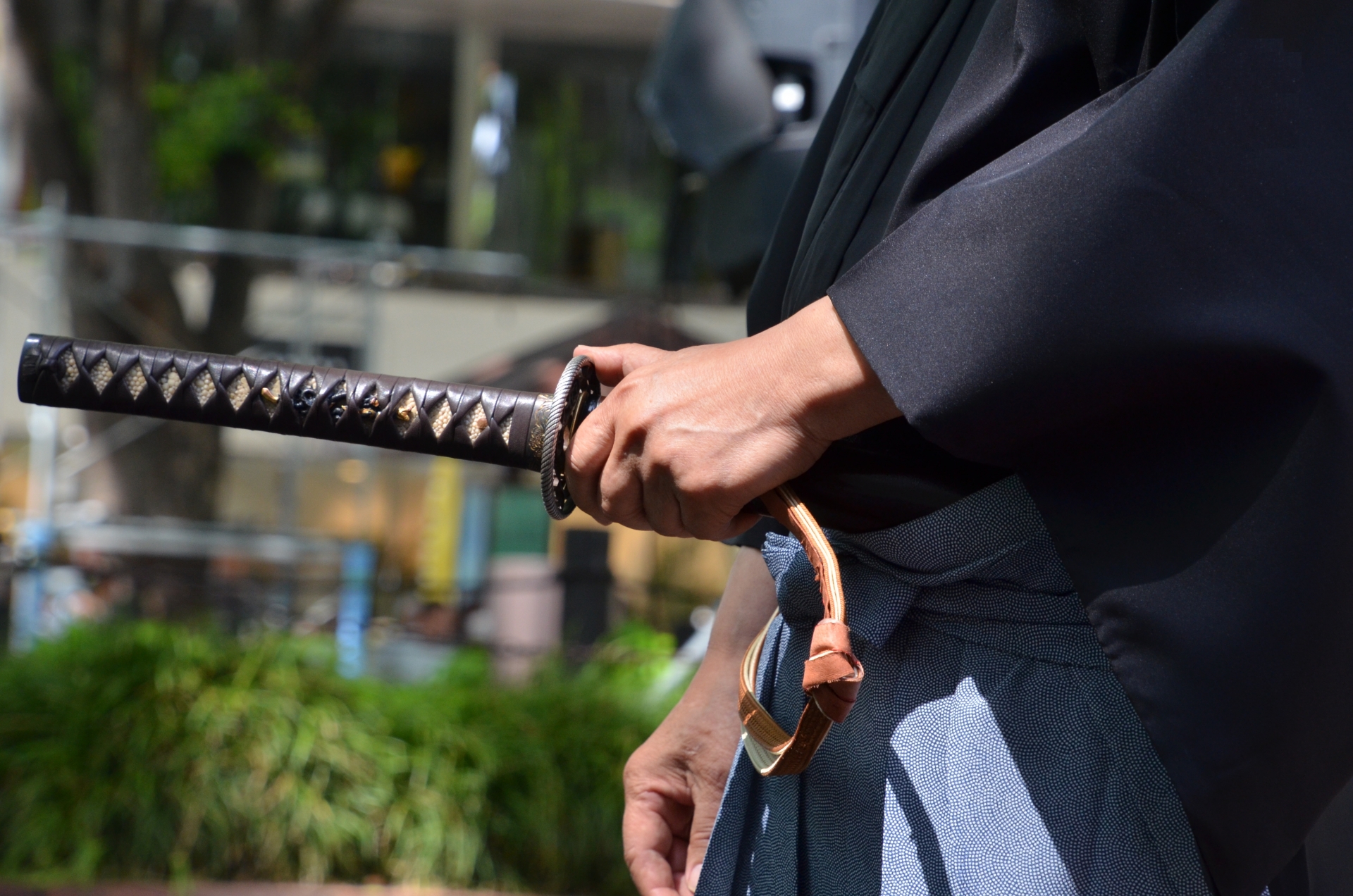
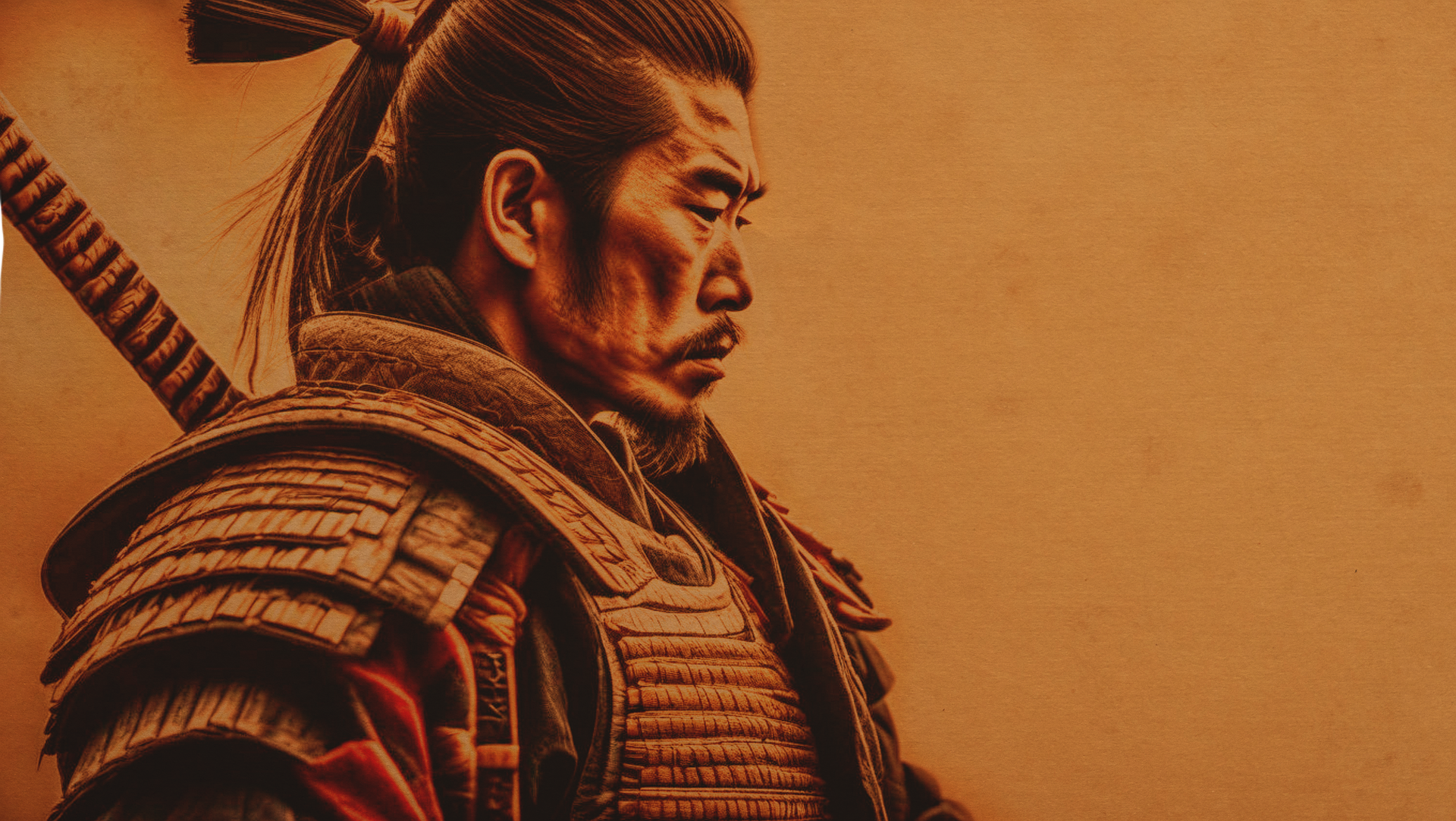
Samurai were not simply one occupation among others. Under the Tokugawa shogunate, they formed the political and administrative ruling class. Most samurai worked as officials, administrators, or retainers to feudal lords and were paid stipends, usually in rice.
Although samurai are often imagined primarily as warriors, the long peace of the Edo period meant that many never saw combat. Their authority came from governance rather than economic production. For this reason, samurai are best understood as standing outside ordinary occupational categories, rather than simply ranking at the top of them.
At the same time, many lower-ranking samurai faced chronic financial difficulties, showing that high social status did not necessarily guarantee wealth or a comfortable life.
Farmers (農)
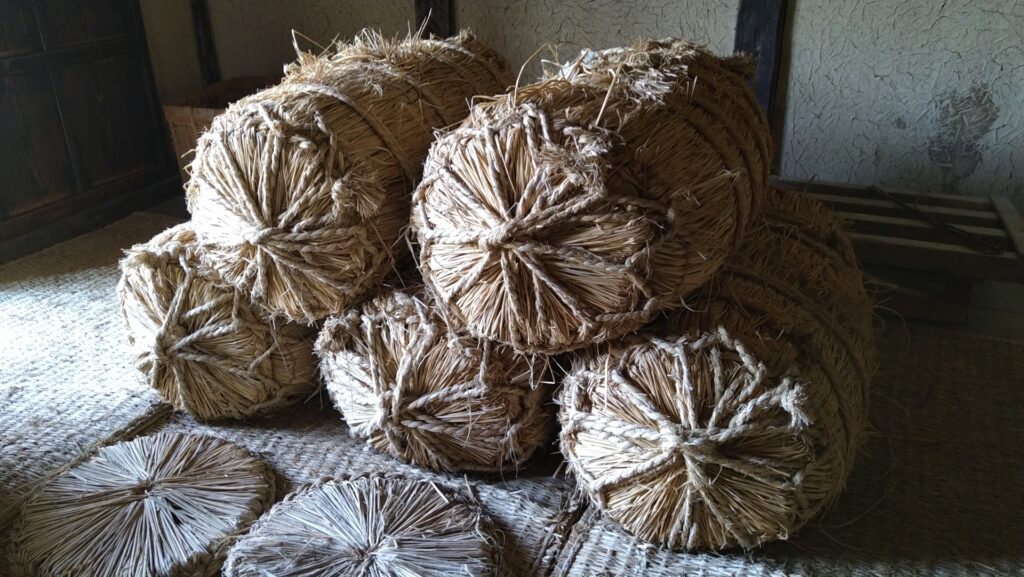
Farmers were traditionally placed below samurai because agriculture supported the entire social and economic system. Rice production sustained the population and formed the basis of taxation and samurai stipends. In ideological terms, farmers were respected as producers of essential value.
In reality, however, farmers often lived under harsh conditions. Heavy taxes and strict regulations shaped their lives, and many remained close to subsistence. While some farmers became prosperous village leaders, their position in Shinokosho did not translate into political authority or personal freedom.
Artisans (工) and Merchants (商)
Artisans and merchants were commonly grouped together as chōnin, or townspeople, living in urban centers such as Edo, Osaka, and Kyoto. Artisans produced tools, textiles, and crafts, while merchants handled trade, distribution, and finance.
Confucian theory placed merchants at the bottom of the hierarchy because they did not directly produce goods. In practice, however, many merchants accumulated great wealth and influence, sometimes surpassing samurai in economic power. They financed businesses, lent money, and played a central role in the growth of urban culture.
This gap between theory and reality makes clear why Shinokosho cannot be understood as a simple or rigid hierarchy.
Historical Background and Formation
Shinokosho became closely associated with Edo society as the Tokugawa shogunate sought long-term stability after centuries of civil war. Ideas emphasizing order, hierarchy, and social harmony helped legitimize samurai rule and supported a vision of a well-ordered society.
Rather than being established as a nationwide law, Shinokosho took shape gradually through moral thought, education, and later historical interpretation. Social distinctions certainly existed, but they were often local, practical, and flexible rather than strictly standardized.
Social Reality vs. Conceptual Theory

Everyday life in Edo Japan frequently diverged from the Shinokosho model. Wealthy merchants exercised influence, financially struggling samurai took secondary jobs, and farmers engaged in side industries or trade. Interaction across social categories was common, particularly in cities.
These patterns show that Shinokosho expressed how society was ideally imagined, not how it consistently operated in practice. Recognizing this gap is essential for understanding Edo society accurately.
Shinokosho and Other Edo-Period Social Groups
Shinokosho did not include everyone. Court nobles, religious figures, and outcast communities such as eta and hinin existed outside the four categories. These groups played necessary roles in society but are often omitted from simplified explanations.
Acknowledging these exclusions helps correct the misconception that Edo society can be fully explained by a four-class model alone.
Daily Life Across Different Social Roles
Samurai typically lived in castle towns and followed formal administrative routines. Farmers worked according to seasonal agricultural cycles, while artisans and merchants lived in dense urban neighborhoods shaped by production and commerce.
Despite differences in obligation and lifestyle, daily life involved constant interaction through markets, festivals, and local governance. Edo society functioned through interdependence, not strict separation.
Reinterpretation in Modern Japanese Education
Modern Japanese textbooks increasingly avoid presenting Shinokosho as a rigid hierarchy. Instead, they emphasize that samurai ruled as a political class, while farmers and townspeople formed a broad category of commoners without a strict internal ranking.
Today, Shinokosho is treated as a later explanatory framework—useful for understanding ideas about order and governance, but not as a precise description of how society was legally structured.
Decline and Abolition of the System
The Meiji Restoration of 1868 brought an end to Edo-period status distinctions. Samurai privileges were abolished, legal equality was introduced, and people gained greater freedom to choose their occupations. This marked a fundamental transformation of Japan’s social order.
Conclusion — How Should We Understand Shinokosho Today?
Shinokosho remains a useful lens for understanding how people in the Edo period thought about social order and governance. However, it should not be mistaken for a rigid or comprehensive class system.
By viewing Shinokosho in historical context and recognizing the gap between ideology and reality, readers can gain a clearer and more accurate understanding of how early modern Japanese society actually worked.