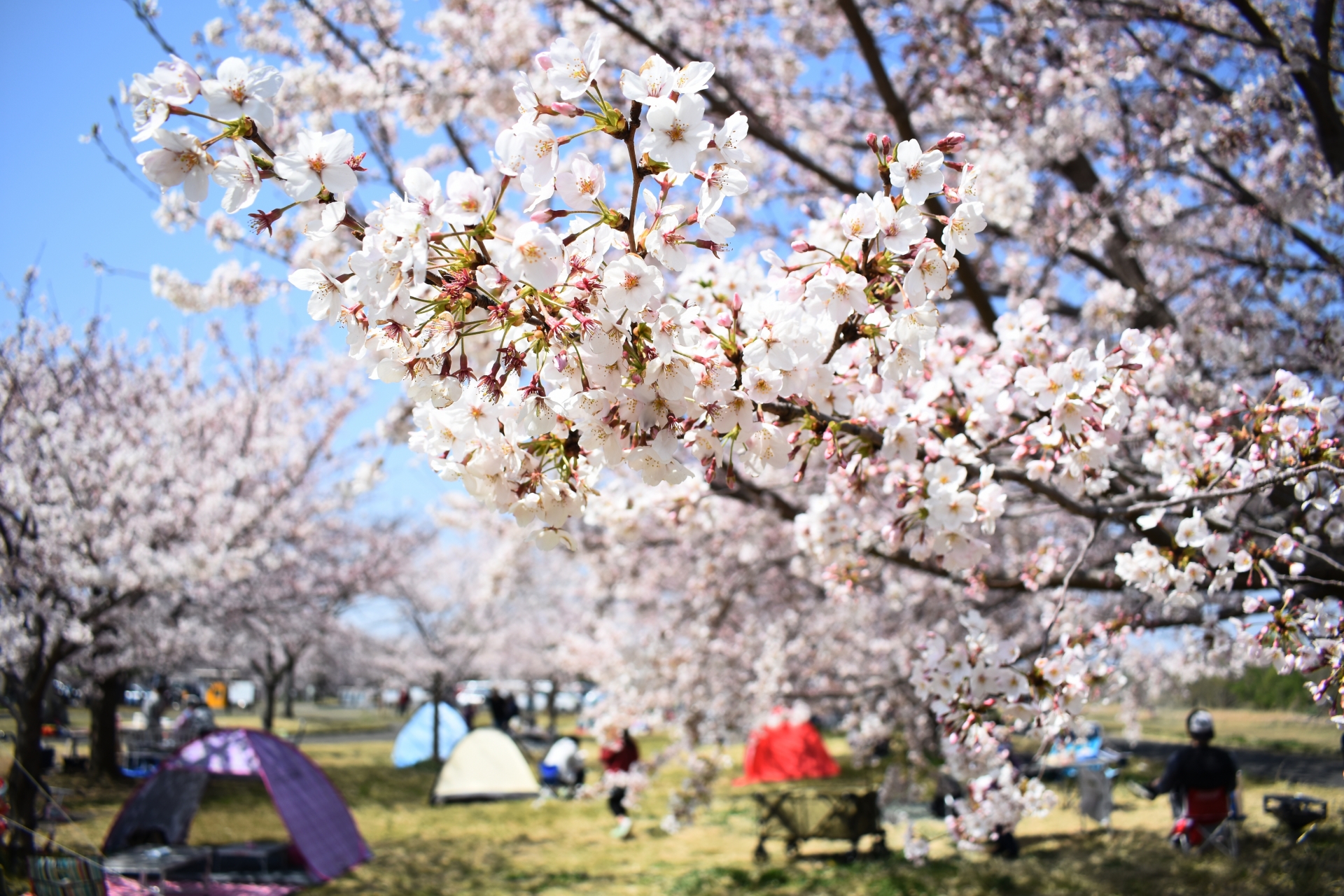
Hanami, or cherry blossom viewing, is one of Japan’s most beloved spring traditions. Every year, locals and travelers gather in parks to admire the brief yet beautiful bloom of sakura trees.
However, hanami isn’t just about picnics and photos. There are important cultural rules and etiquette to follow—especially when enjoying the blossoms in public parks.
In this guide, you’ll learn the essential hanami etiquette, common mistakes tourists make, and practical tips for enjoying cherry blossom season like a local.


What Is Hanami? Understanding Japan’s Cherry Blossom Tradition
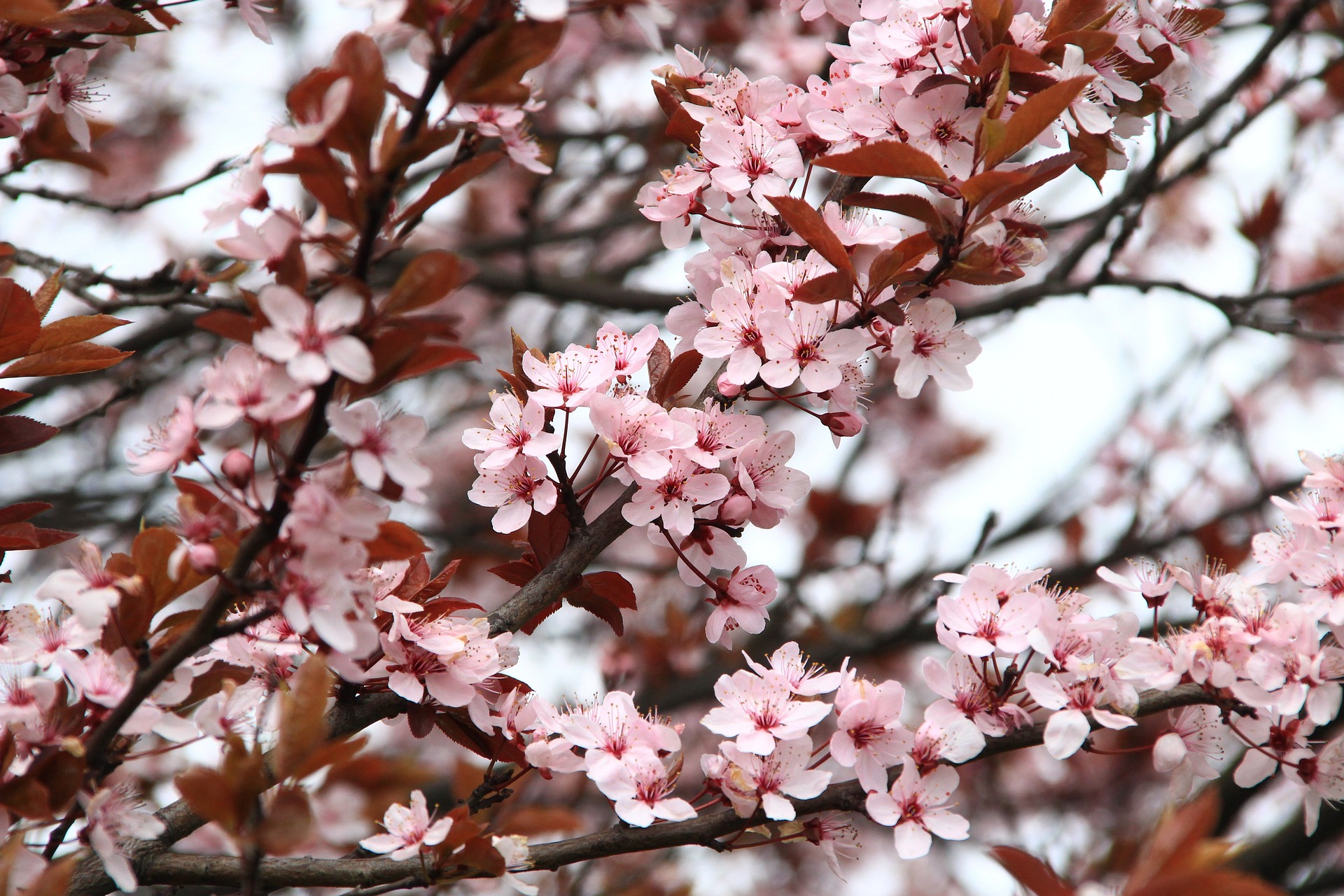
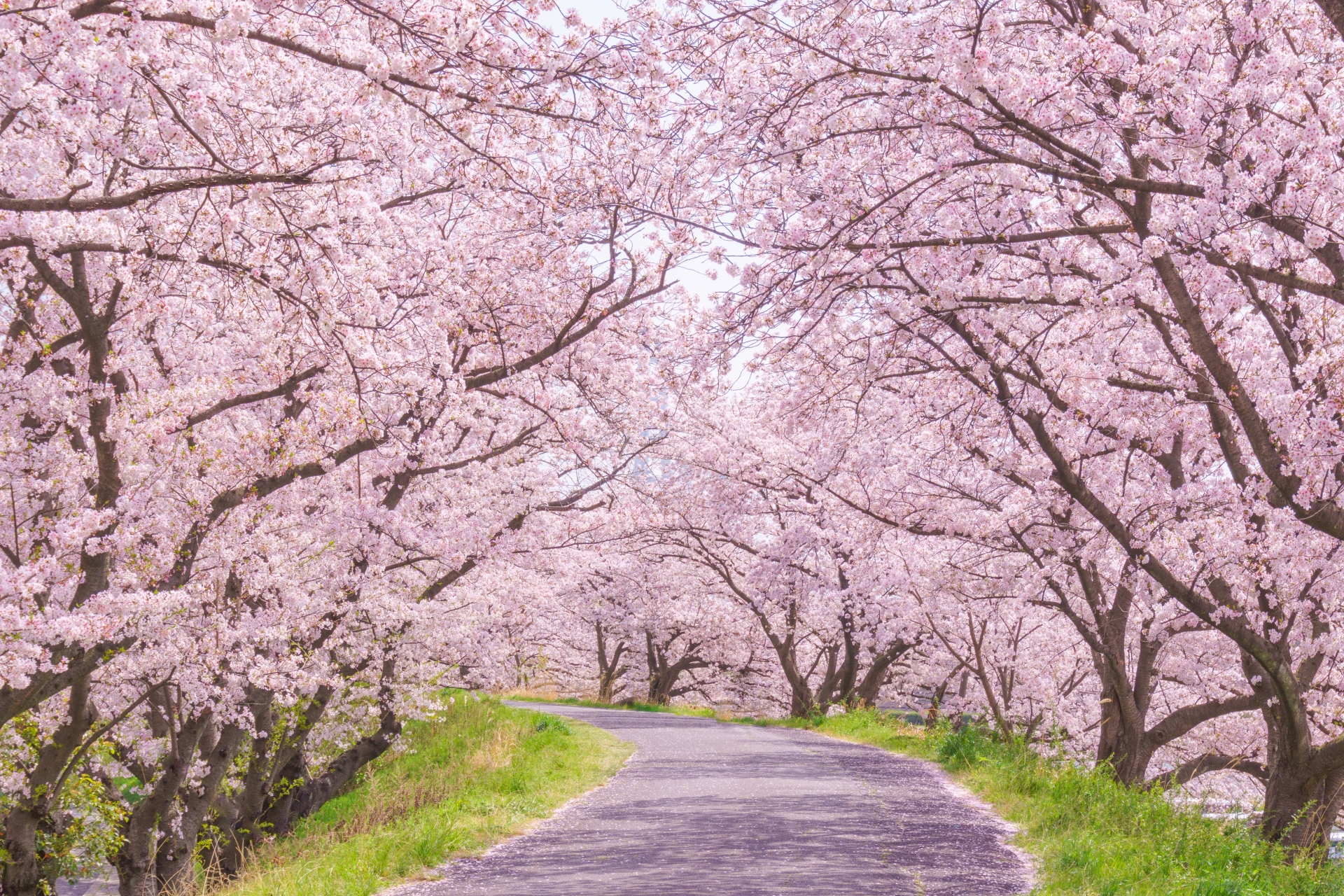
Hanami (花見), which literally means “flower viewing,” is the Japanese tradition of appreciating the beauty of cherry blossoms, known as sakura. Every spring, usually between late March and early April, parks across Japan fill with people gathering beneath blooming cherry trees to enjoy food, drinks, and the fleeting beauty of the season.
The tradition dates back more than a thousand years to the Heian period (794–1185). During this era, aristocrats gathered beneath flowering trees to compose poetry, admire nature, and celebrate the arrival of spring. Originally, these gatherings focused on plum blossoms, but cherry blossoms eventually became the symbol most closely associated with springtime in Japan. Over time, the tradition spread from the imperial court to samurai culture and eventually to the general public.
Cherry blossoms hold deep cultural meaning because their beauty is temporary. The flowers bloom spectacularly but fall within a short period of time. This reflects the Japanese aesthetic concept known as mono no aware, which refers to an awareness of the impermanence of things and an appreciation for fleeting beauty. The short life of the blossoms reminds people to appreciate the present moment.
Today, hanami is both a cultural tradition and a social event. Friends, families, and coworkers gather in parks, spread picnic sheets beneath the blossoms, and share food and drinks while enjoying the scenery. Some companies even organize hanami gatherings as seasonal social events for employees.
Although hanami can be festive and lively, it also comes with important etiquette. Respecting the trees, the park environment, and other visitors ensures that everyone can enjoy the beauty of cherry blossom season.
Why Hanami Etiquette Matters in Japan
Hanami etiquette exists for several important reasons, and understanding these reasons helps visitors participate respectfully in the tradition.
First, cherry blossom trees are delicate and require protection. Sakura trees may appear sturdy, but their branches and roots can be easily damaged. Pulling branches, shaking trees, or stepping on exposed roots can harm the tree and reduce the number of blossoms in future years. Since cherry blossom trees bloom only once a year and are cherished throughout Japan, protecting them is extremely important.
Second, hanami usually takes place in shared public spaces such as parks, riversides, and temple grounds. During peak bloom, thousands of people may visit the same location. Without basic etiquette, these areas could quickly become crowded, messy, or uncomfortable for visitors.
Finally, hanami etiquette reflects the broader Japanese value of respect for others in public spaces. In Japan, people try to avoid inconveniencing others whenever possible. Visitors are expected to behave thoughtfully, keep shared spaces clean, and ensure that everyone can enjoy the experience.
For example, blocking walking paths while taking photos can interrupt the flow of visitors. Similarly, pulling branches for pictures may damage the trees and disturb others who want to appreciate the blossoms naturally.
By understanding hanami etiquette, travelers can enjoy the experience while respecting both Japanese culture and the natural environment.
Essential Hanami Etiquette: Do’s and Don’ts
Do Respect the Cherry Trees
Cherry blossom trees are the center of the hanami experience, which is why treating them carefully is the most important rule.
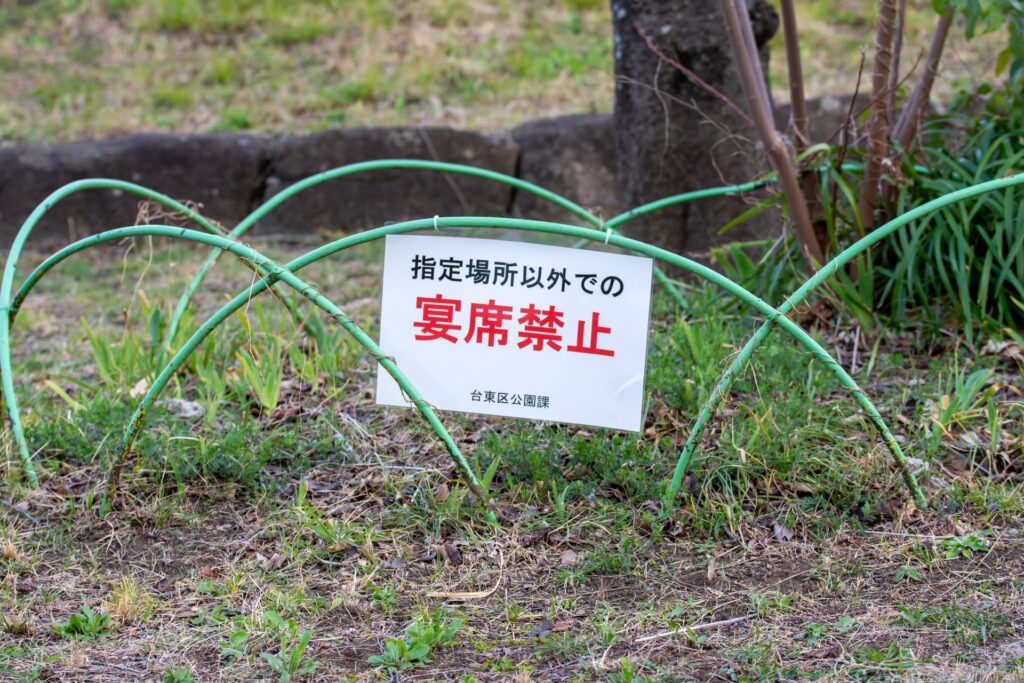
Many parks place signs reminding visitors not to damage the trees. Even small actions can harm them. Sakura trees have fragile branches and shallow roots, so touching or climbing them can cause long-term damage.
Hanami Tree Etiquette Rules
- Do not pick cherry blossoms or leaves.
- Do not shake branches to make petals fall.
- Do not climb cherry trees for photos.
- Do not pull branches down to reach flowers.
- Avoid stepping on exposed tree roots.
Instead, admire the blossoms from a respectful distance and take photos without touching the tree.
Clean Up After Your Picnic
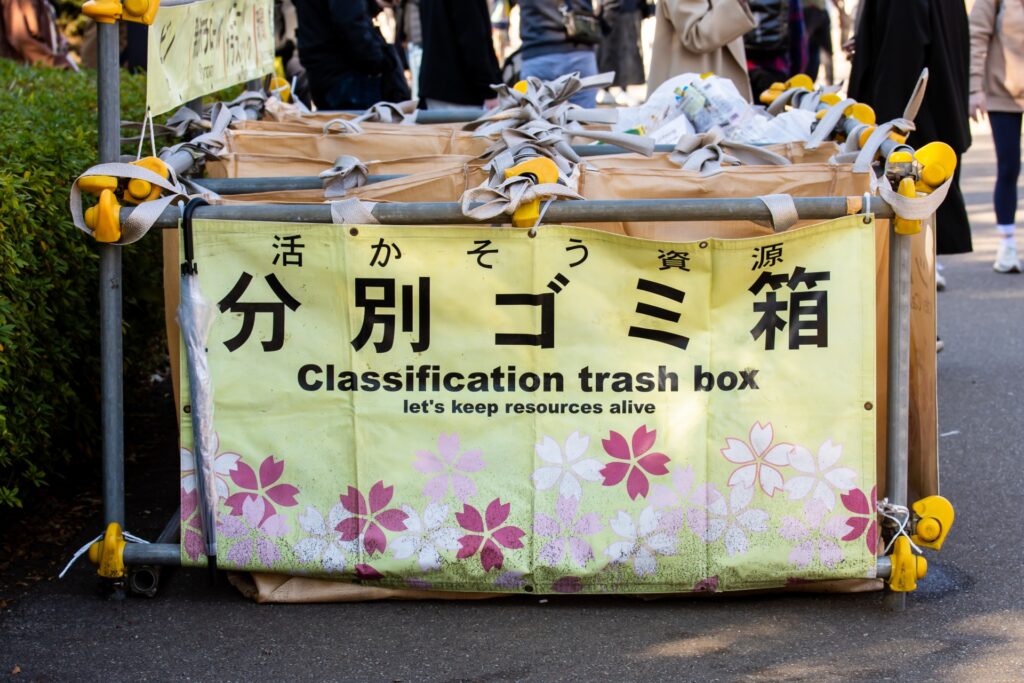
Another essential part of hanami etiquette is keeping parks clean. Japan is known for its clean public spaces, and this is largely because visitors take responsibility for their own trash.
Many parks have limited trash bins, especially during busy cherry blossom season. Because of this, visitors are often expected to carry their garbage home or dispose of it at designated recycling stations.
Cleanup and Waste Etiquette Rules
- Always bring trash bags for your picnic.
- Take all of your garbage home or dispose of it properly.
- Separate recyclables when required by local park rules.
Preparing for cleanup in advance helps make the process easy and ensures that the park remains clean for other visitors.
Keep Noise Levels Respectful
Hanami gatherings can be joyful and social, but they should not become disruptive. Parks during cherry blossom season are shared by families, couples, photographers, and people who simply want to relax under the blossoms.
Maintaining a calm atmosphere helps everyone enjoy the experience.
Noise Etiquette Rules
- Avoid playing loud music or using speakers.
- Keep your voice at a moderate volume.
- Be mindful of noise during evening hours.
Being considerate of others helps preserve the peaceful atmosphere that many visitors appreciate during hanami.
Reserve Your Picnic Spot Politely
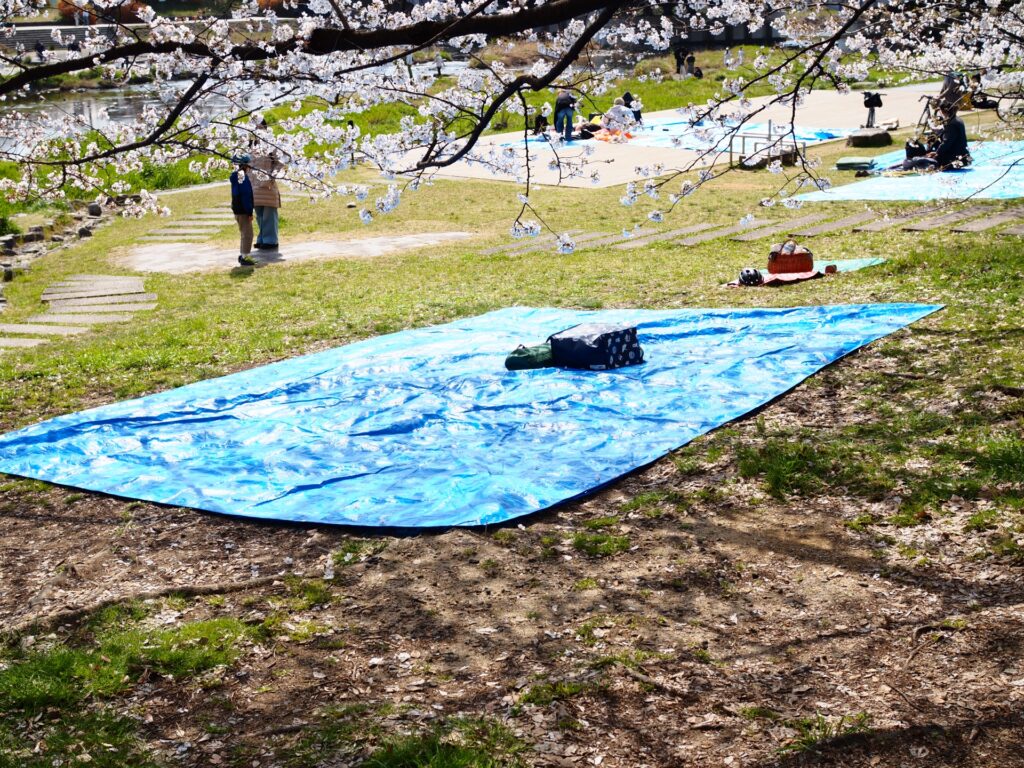
During peak bloom, popular parks can become very crowded. Because of this, people often reserve picnic spots early in the day using blue tarps or picnic sheets.
In some companies, junior employees arrive early to secure a space for coworkers who will join later. While reserving spots is common, it should always be done respectfully.
Picnic Spot Reservation Rules
- Reserve only the space you actually need.
- Never block walkways or park paths with your picnic setup.
- Do not reserve a spot for long periods without using it.
Being considerate with space ensures that more people can enjoy the cherry blossoms.
Follow Park Rules and Local Guidelines
Each park in Japan may have slightly different rules during cherry blossom season. Some locations allow alcohol, while others prohibit it. Certain parks may restrict barbecues, tents, or large equipment.
Because regulations vary, it is important to check signs at park entrances before setting up your picnic.
General Park Etiquette Rule
- Always check and follow the specific rules of the park you are visiting.
Following these guidelines helps maintain safety and respect for the location.
Hanami Picnic Etiquette for Tourists
For travelers visiting Japan during sakura season, joining a hanami picnic can be one of the most memorable cultural experiences of the trip. Understanding a few simple customs can help you participate comfortably and respectfully.
When stepping onto a picnic sheet, many people remove their shoes. This helps keep the picnic area clean and comfortable for everyone sitting on the mat.
Another common custom is sharing food. Groups often bring bento boxes, seasonal snacks, and drinks to share with friends or coworkers. This creates a friendly and relaxed atmosphere where everyone contributes something to the gathering.
Before setting up your picnic, it is also helpful to check the rules of the park. Some parks prohibit alcohol, barbecues, or large equipment, while others allow them only in designated areas.
What to Bring to a Hanami Picnic
- Picnic sheet or blanket
- Bento boxes or snacks
- Drinks such as tea, soft drinks, or alcohol where permitted
- Trash bags
- Tissues or wet wipes
- Portable hand sanitizer
- Light jacket or blanket for cool spring weather
Preparing these items will help you enjoy hanami comfortably while respecting local customs.
Common Mistakes Tourists Make During Hanami
Even well-intentioned visitors sometimes make small mistakes during hanami. Being aware of these common issues can help travelers avoid unintentionally disturbing the experience for others.
One of the most frequent mistakes is touching or pulling cherry blossom branches for photos. While it may seem harmless, this can damage the tree or reduce the blossoms available for others to enjoy.
Another issue is leaving trash behind after a picnic. Because many parks have limited trash bins, visitors should bring bags and carry their waste home.
Loud music, large speakers, or blocking walkways for photos are also behaviors that can disturb the calm atmosphere many people expect during cherry blossom viewing.
| Do | Don’t |
| Admire blossoms from a distance | Shake or pull branches |
| Take your trash home | Leave garbage behind |
| Keep voices moderate | Play loud music |
| Leave room for walkways | Block paths or photo spots |
| Follow park rules | Ignore posted regulations |
Avoiding these mistakes helps ensure that everyone can enjoy the cherry blossom season comfortably.
Bonus: Night Hanami (Yozakura) Etiquette
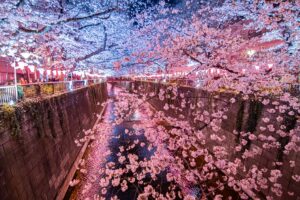
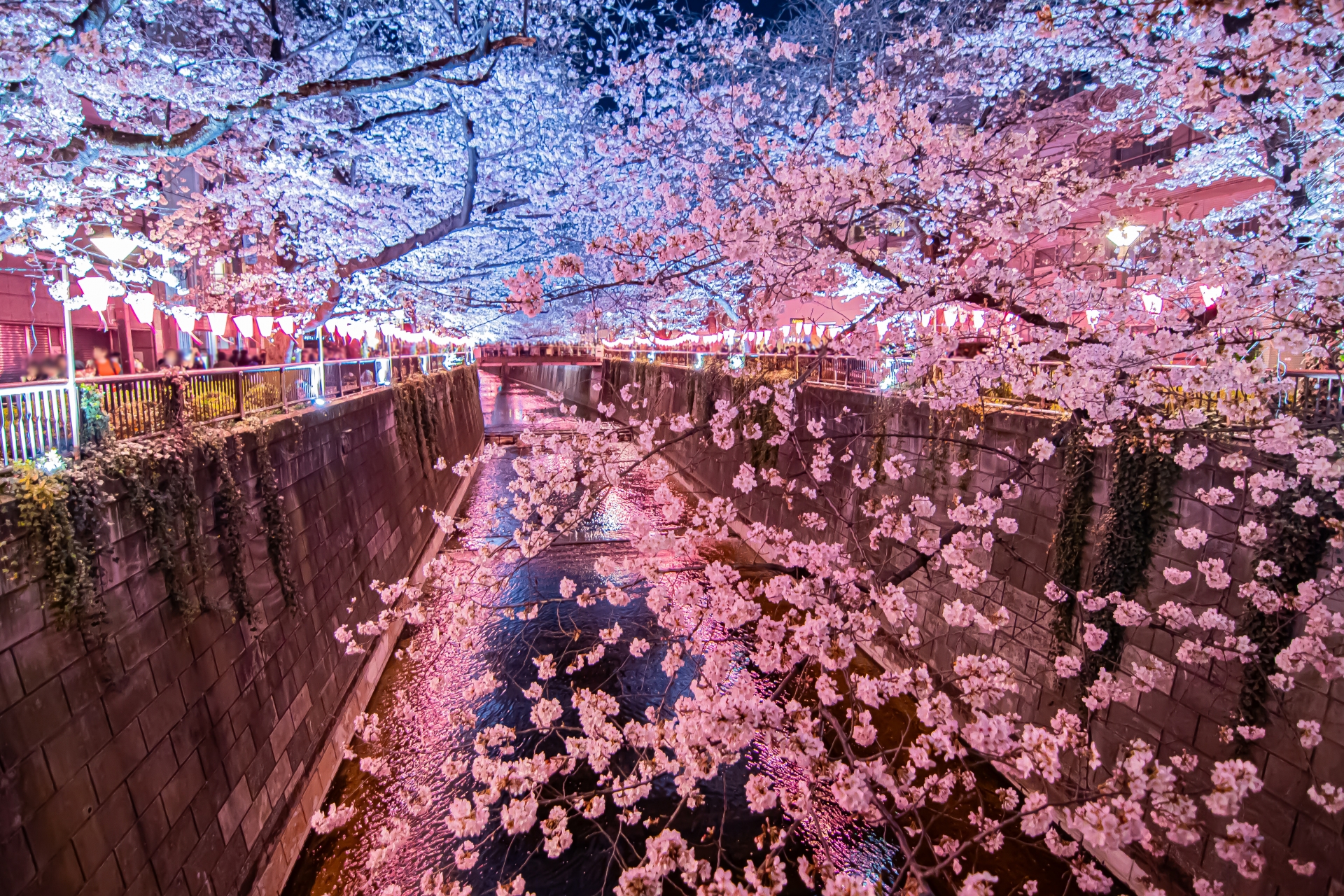
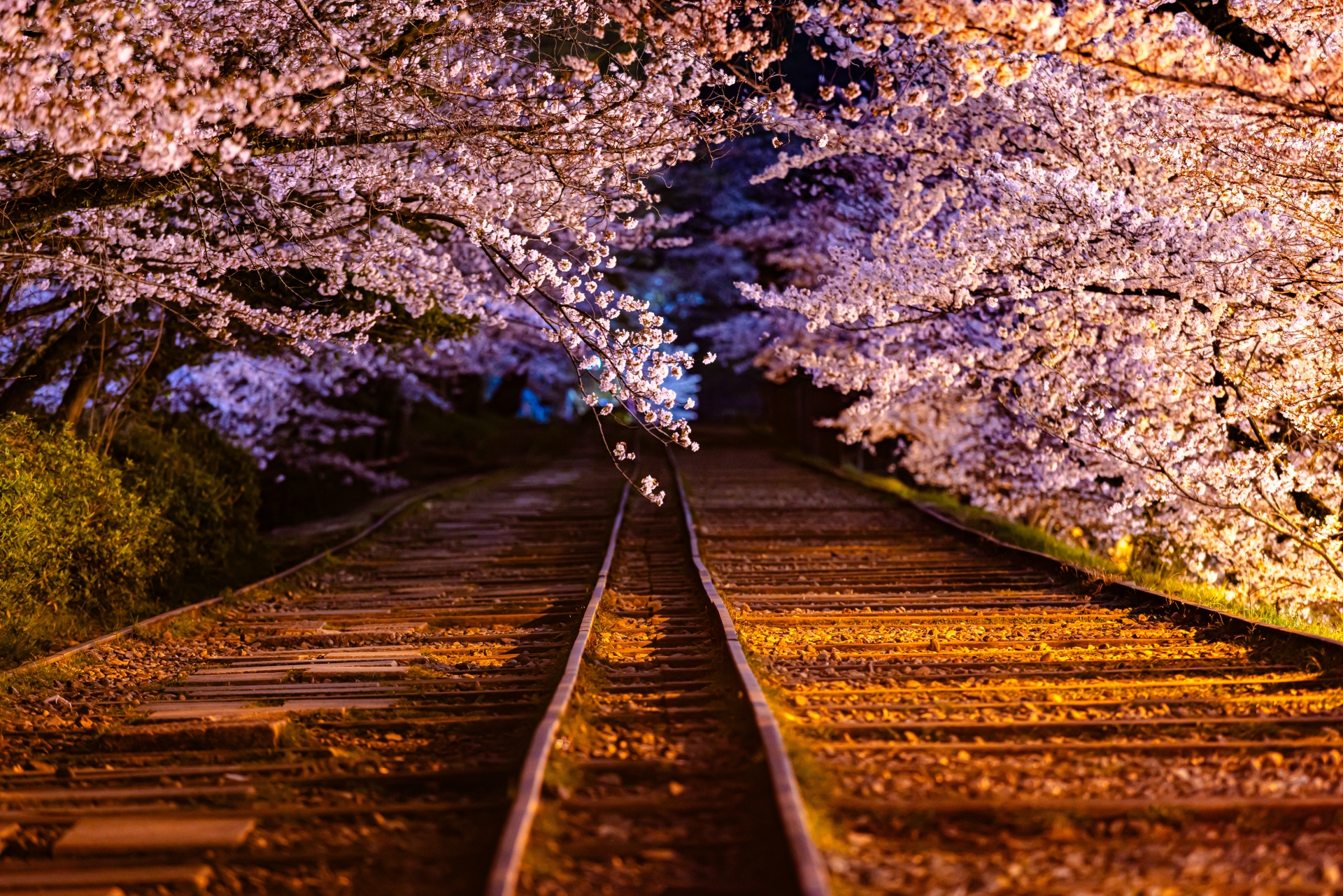
While many people think of hanami as a daytime activity, nighttime cherry blossom viewing, called yozakura, is also a popular tradition.
During yozakura events, parks illuminate cherry blossom trees with lanterns or soft lighting. The blossoms appear especially striking against the dark sky, creating a calm and atmospheric experience.
Night hanami tends to be quieter than daytime gatherings. Instead of large picnics, visitors often take slow walks beneath the illuminated trees and enjoy the scenery.
If you plan to experience yozakura, keep the following tips in mind:
- Bring warm clothing, as spring nights can still be chilly
- Check the park’s closing hours before visiting
- Avoid using bright camera flashes that may disturb others
- Keep your voice low in quiet evening environments
Night hanami offers a unique and peaceful way to appreciate the beauty of cherry blossoms.
Conclusion: Enjoy Hanami Respectfully and Create Beautiful Memories
Hanami is more than simply viewing cherry blossoms. It is a cultural tradition that celebrates nature, seasonal beauty, and time spent with friends and family.
By following basic hanami etiquette, visitors help protect cherry blossom trees and maintain a welcoming environment in Japan’s parks.
Quick Hanami Etiquette Recap
- Respect cherry blossom trees and never pick flowers
- Do not shake branches or climb trees
- Bring trash bags and take your garbage home
- Keep noise levels respectful in shared spaces
- Reserve picnic spots politely and avoid blocking paths
- Follow park-specific rules and guidelines
By following these 15 essential hanami etiquette rules, visitors can fully enjoy Japan’s cherry blossom season while respecting the culture, the environment, and the sakura trees that make the experience so special.