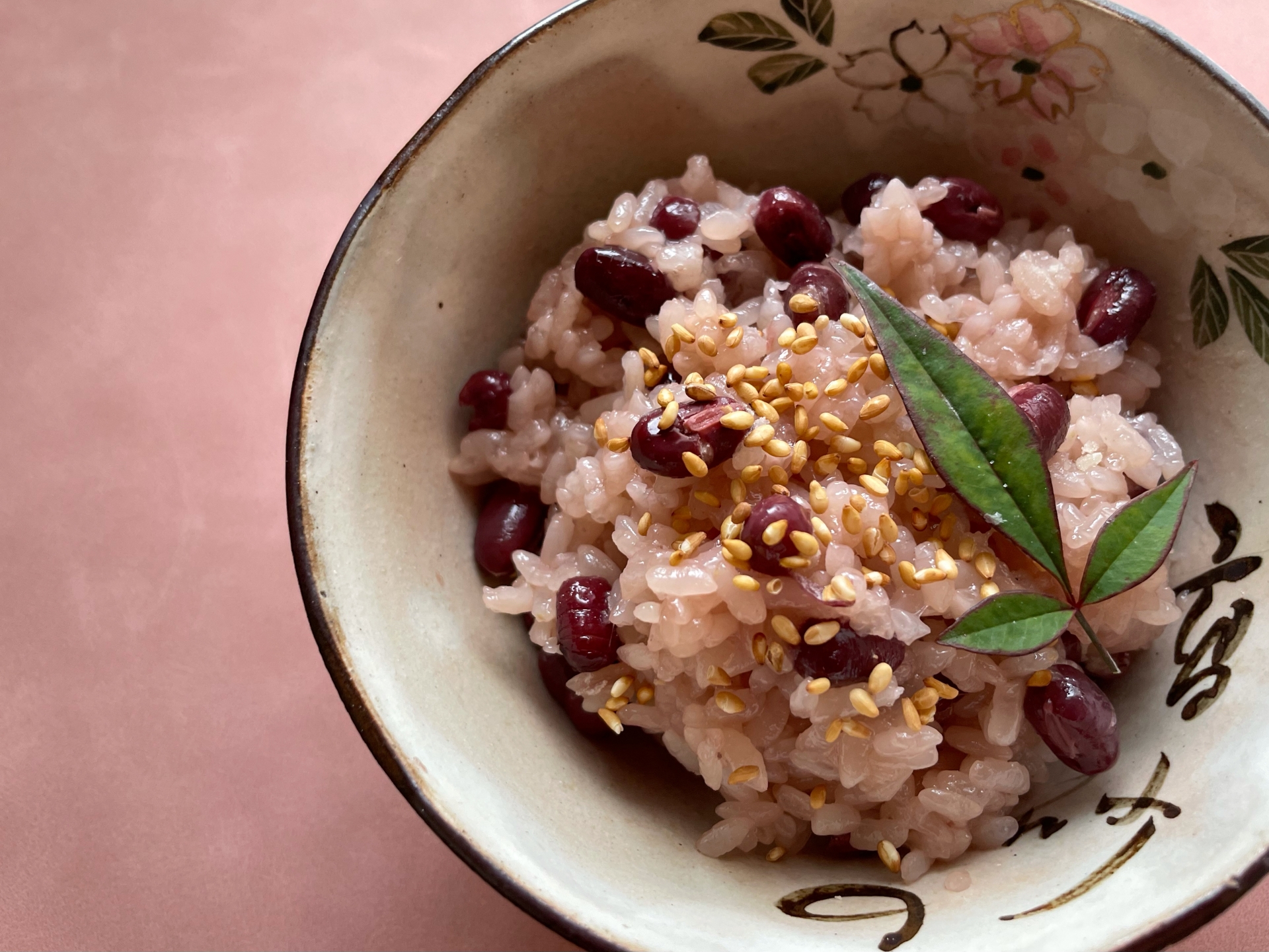
Sekihan is one of Japan’s most symbolic traditional dishes. Made with glutinous rice and red azuki beans, this vibrant red-colored rice has long been associated with celebrations and special occasions in Japanese culture.
From the birth of a child to weddings and major life milestones, sekihan is often prepared to express happiness, gratitude, and good fortune. The dish is not only valued for its flavor but also for the cultural meanings behind its color and ingredients.
In this article, we will explore what sekihan is, its ingredients, cultural symbolism, history, taste, regional variations across Japan, and when Japanese people traditionally eat sekihan.


What Is Sekihan?
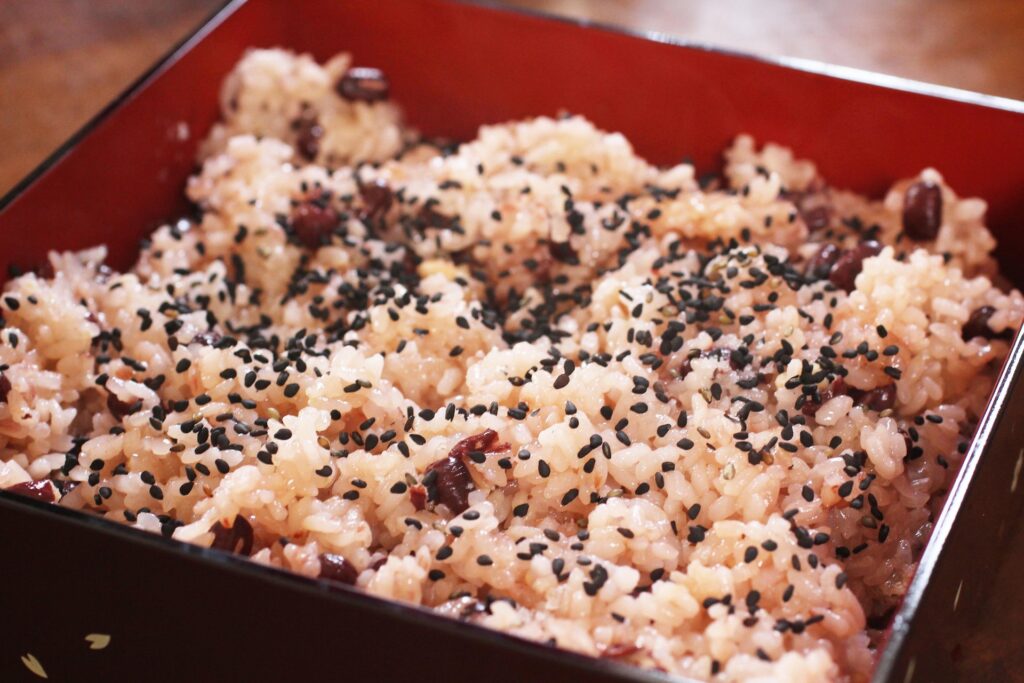
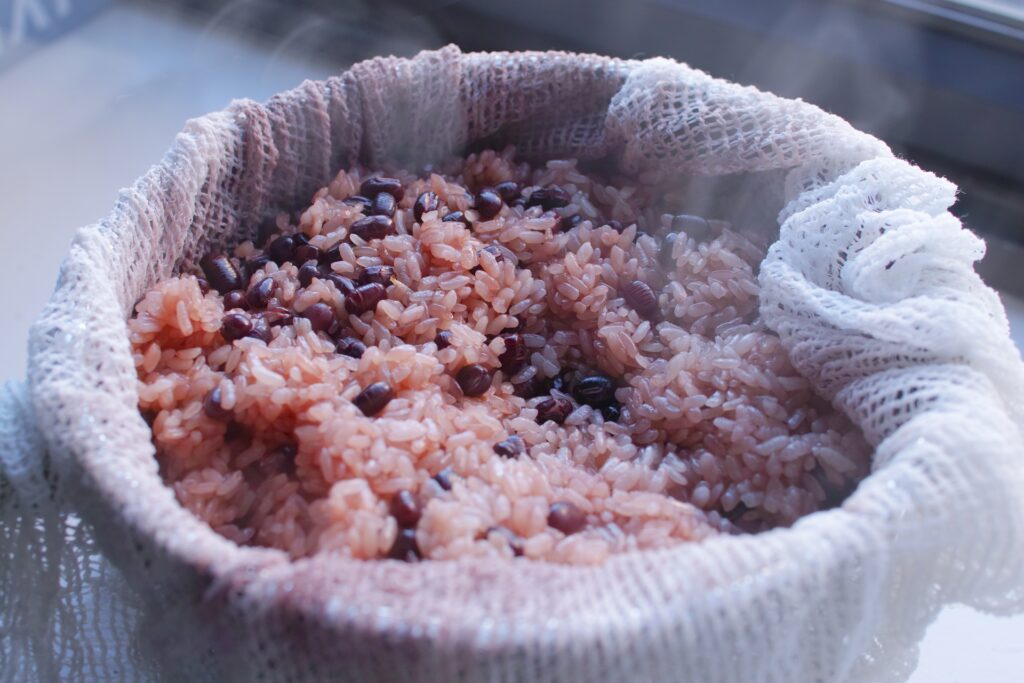
Sekihan (赤飯) is a traditional Japanese rice dish made with glutinous rice (mochigome) and azuki beans. The name literally means “red rice,” referring to the distinctive pinkish-red color that appears when the rice is cooked with the liquid from the beans.
This dish is widely known in Japan as a celebratory food. It is commonly served during important life events and festive occasions such as birthdays, weddings, and the birth of a child. Because of its bright color and cultural symbolism, sekihan represents happiness, prosperity, and good fortune.
Unlike everyday white rice, sekihan is considered special and meaningful. Families often prepare it at home for celebrations, while stores and restaurants also sell it in bento boxes or as part of festive meals.
Below is a quick overview of the dish.
| Feature | Description |
| Japanese Name | Sekihan (赤飯) |
| Literal Meaning | “Red rice” |
| Main Ingredients | Glutinous rice and azuki beans |
| Color | Light red or pink |
| Cultural Meaning | Celebration and good fortune |
| Typical Occasions | Birthdays, weddings, festivals |
Today, sekihan remains one of the most recognizable traditional dishes in Japan, reflecting both the country’s culinary traditions and its cultural values.
What Is Sekihan Made Of?
Sekihan is made with a small number of simple ingredients, but each one plays an important role in creating the dish’s texture, flavor, and appearance.
The most important ingredient is glutinous rice (mochigome). This type of rice becomes sticky when cooked, giving sekihan its distinctive chewy texture. Unlike regular Japanese white rice, glutinous rice has a richer and slightly more satisfying mouthfeel.
Another key ingredient is azuki beans, a small red bean commonly used in Japanese cuisine. When the beans are cooked, they release a reddish pigment into the water. This liquid is then used to cook the rice, giving sekihan its characteristic pinkish color.
Sekihan is usually topped with gomashio, a mixture of sesame seeds and salt. This topping adds a nutty aroma and enhances the overall flavor of the dish.
The main ingredients and their roles are summarized below.
| Ingredient | Role |
| Glutinous rice | Provides the sticky texture |
| Azuki beans | Gives color and mild flavor |
| Sesame seeds | Adds a nutty topping |
| Salt | Balances the flavor |
Although the ingredients are simple, the balance between the soft beans, sticky rice, and salty sesame seeds creates a comforting and satisfying dish.
What Does Sekihan Taste Like?
Many people who encounter sekihan for the first time wonder whether it tastes sweet like Japanese red bean desserts. In reality, sekihan is mostly a savory dish, though it has subtle hints of sweetness from the azuki beans.
The flavor of sekihan is generally mild and comforting. The glutinous rice provides a soft and chewy base, while the azuki beans add a gentle earthy flavor. When sesame seeds and salt are sprinkled on top, they introduce a nutty aroma and a slightly salty contrast.
Overall, the taste can be described as:
- Mild and delicate
- Slightly nutty from sesame seeds
- Subtly sweet from the beans
- Mostly savory due to the salt seasoning
The texture also plays an important role in the experience. The rice is sticky and chewy, while the beans remain soft but slightly firm. This combination makes the dish satisfying without being heavy.
Compared with other Japanese foods, sekihan is much less sweet than red bean desserts such as anko sweets. Its flavor profile is actually closer to plain rice, but with additional depth from the beans and sesame topping.
Why Do Japanese People Eat Sekihan?
Sekihan is deeply connected to Japanese celebrations and expressions of happiness. For centuries, it has been served during important life events as a way of marking joyful occasions.
In Japanese culture, the red color of sekihan is believed to symbolize good luck, happiness, and protection from evil spirits. Because of this meaning, the dish became associated with events that people want to celebrate and remember.
Typical occasions when sekihan is eaten include:
- The birth of a child
- Weddings
- Birthday celebrations
- Graduation ceremonies
- Passing important exams
- Moving into a new home
- New Year celebrations
In many families, cooking sekihan is a way to share joy and gratitude with relatives and friends. The dish may be prepared at home, ordered from local shops, or included in special celebration meals.
Even today, when modern lifestyles have changed many food habits, sekihan continues to appear at important milestones. Its presence at the table signals that the moment is meaningful and worthy of celebration.
The Meaning of the Red Color in Japanese Culture
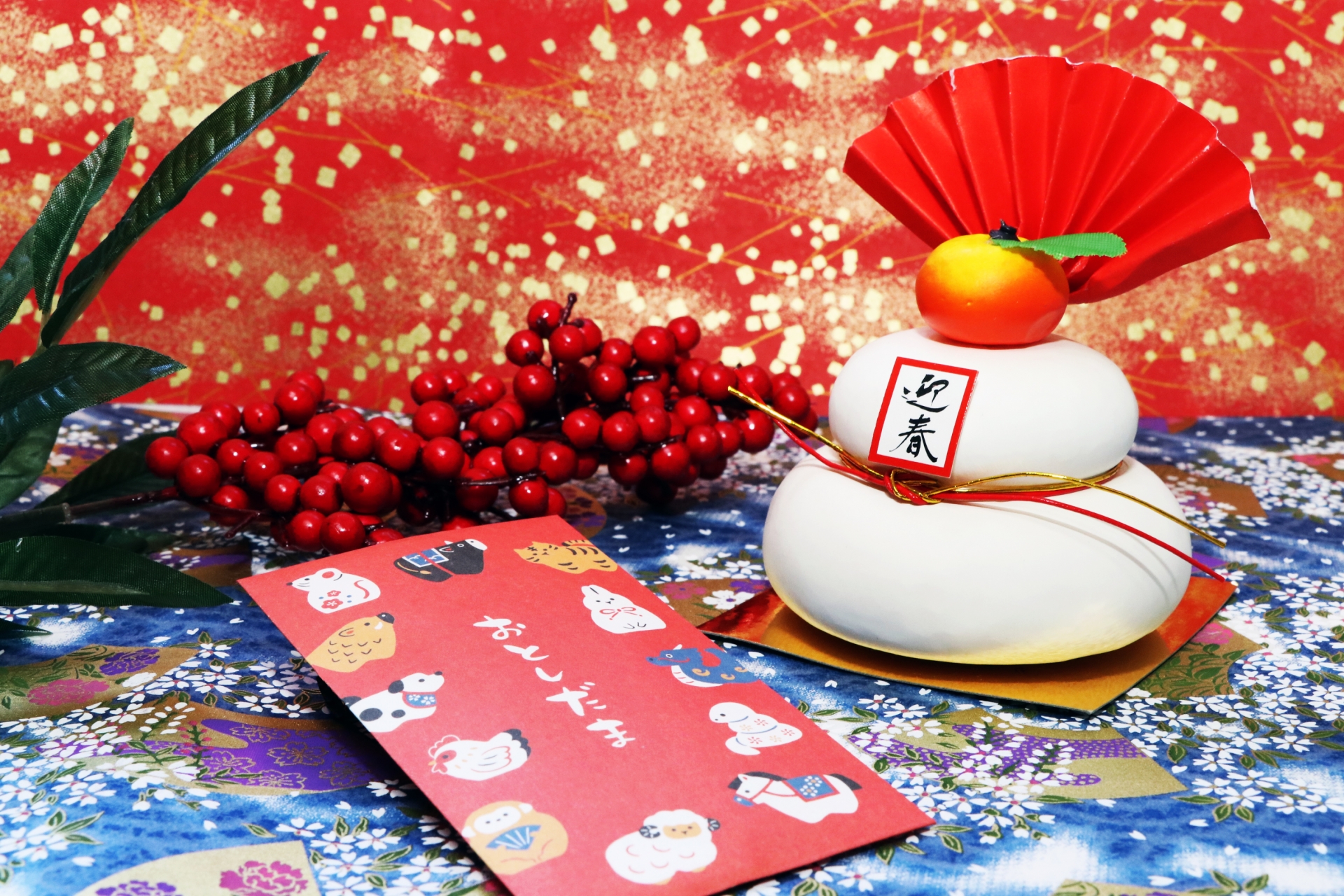
The red color of sekihan carries a deeper cultural significance in Japan. Historically, red has been seen as a powerful color associated with protection, vitality, and happiness.
In ancient times, people believed that red could ward off evil spirits and misfortune. As a result, red-colored foods and decorations were often used in rituals and celebrations.
This symbolism appears in many elements of Japanese culture. For example, the bright red torii gates found at Shinto shrines are believed to protect sacred spaces. Red is also widely used in festival decorations and traditional celebratory items.
Sekihan reflects this cultural symbolism. By serving a dish with a reddish color during happy occasions, people express wishes for safety, prosperity, and positive outcomes in the future.
This connection between food and symbolism is a common theme in Japanese culinary traditions, where many dishes carry meanings beyond their flavor.
The History and Origins of Sekihan
The origins of sekihan can be traced back to ancient Japan and are closely connected with Shinto rituals. In early times, people used naturally red rice varieties, known as akagome, for ceremonial offerings to the gods.
Red rice was considered sacred because of its color, which symbolized protection and spiritual power. It was often prepared for religious ceremonies and important communal events.
However, red rice gradually became rare and difficult to cultivate. As white rice became the dominant staple in Japan, people began looking for other ways to recreate the symbolic red color. This led to the use of azuki beans, whose cooking liquid naturally dyes the rice a reddish shade.
During the Edo period (1603–1868), sekihan spread more widely among the general population. What had once been a ritual offering gradually became a celebratory dish enjoyed by ordinary households.
Over time, sekihan became firmly associated with joyful events. Its role evolved from a sacred offering to a beloved tradition that continues to symbolize celebration and gratitude in Japanese society.

When Is Sekihan Traditionally Served?
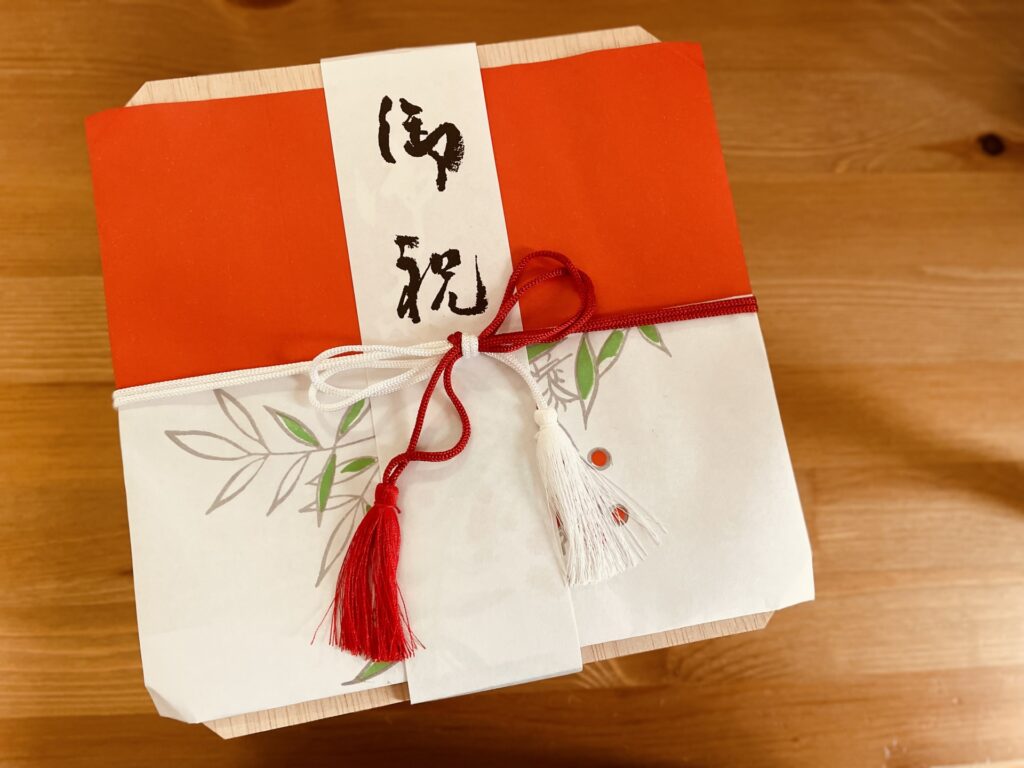
Sekihan is most commonly served during happy occasions and milestones. While it is not an everyday meal, it appears frequently when people want to celebrate something meaningful.
Some of the most common occasions include:
- Birthdays
- Weddings
- Graduation ceremonies
- The birth of a child
- New Year celebrations
- Local festivals
In many Japanese households, preparing sekihan is part of the tradition of marking a special moment. Families may cook it together or share it with relatives and neighbors.
It is also common to see sekihan included in celebration bento boxes. These special meals are often prepared for ceremonies, community gatherings, or school events.
In modern Japan, people may also buy ready-made sekihan from supermarkets, department store food halls, or specialty shops. Even when purchased rather than homemade, the dish still carries the same symbolic meaning of celebration and good fortune.
Regional Variations of Sekihan in Japan
Although sekihan is recognized nationwide, the way it is prepared can vary significantly depending on the region. Local ingredients, agricultural traditions, and regional tastes have led to several unique variations across Japan.
These regional styles demonstrate how a traditional dish can adapt to different local cultures while still maintaining its symbolic meaning.
Amanatto Sekihan (Hokkaido / Tohoku)
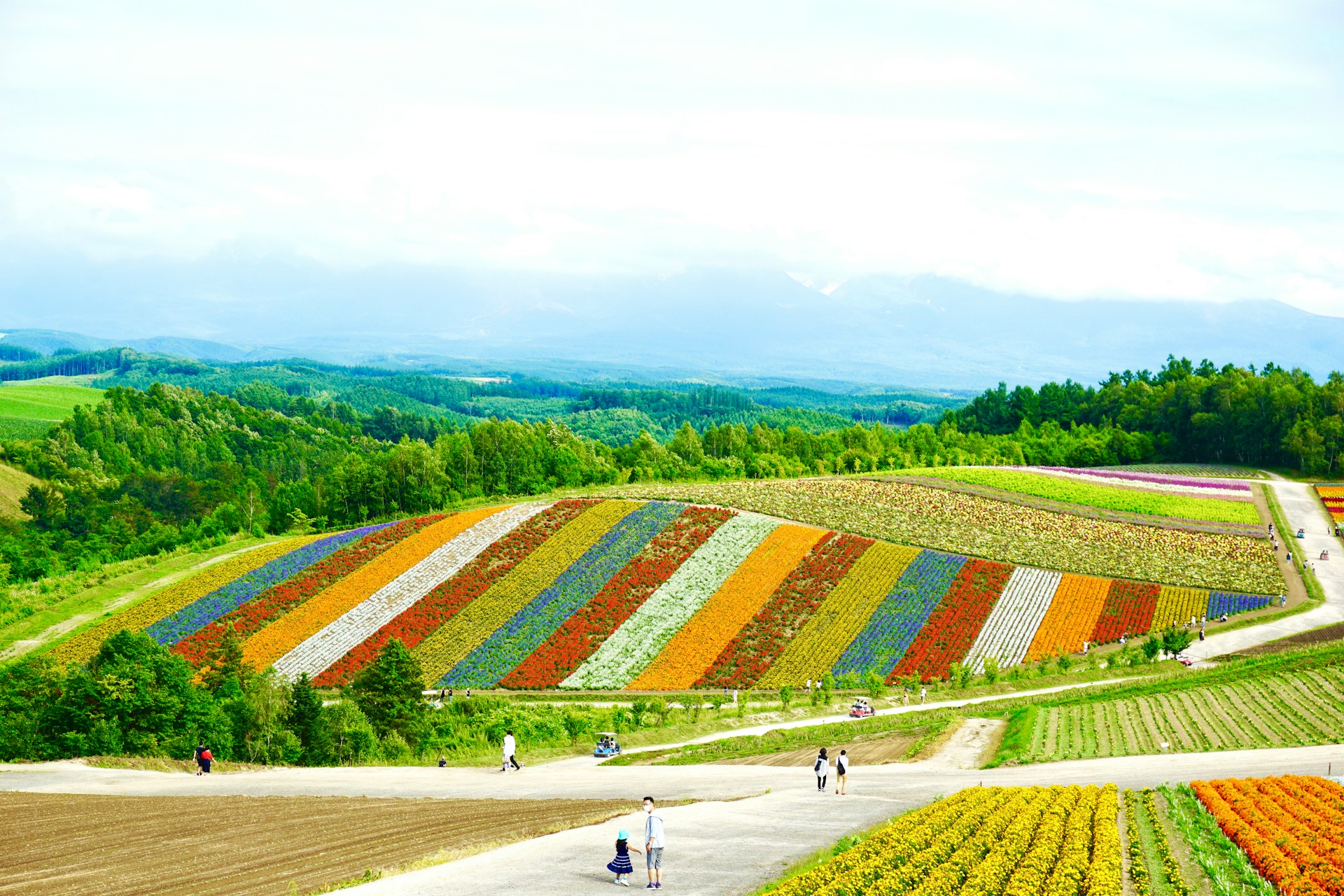
In parts of Hokkaido and the Tohoku region, sekihan is often made using amanatto, which are sweet candied beans. This version has a slightly sweeter flavor compared to the traditional style.
Sometimes the rice is colored using food coloring rather than the bean cooking liquid. It is also common to serve this version with red pickled ginger, which adds a bright visual contrast and refreshing taste.
Peanut Sekihan (Chiba)
In Chiba Prefecture, sekihan may be made with peanuts instead of azuki beans. This variation reflects the region’s strong peanut production.
The peanuts provide a richer, nutty flavor and create a different texture compared to the usual bean-based version.

Soy Sauce Sekihan (Niigata)
In Niigata, some versions of sekihan are seasoned with soy sauce, giving the rice a deeper and slightly savory flavor. Kidney beans may also be used instead of azuki beans in certain recipes.
This variation reflects the region’s strong rice culture and distinctive culinary traditions.
Taro Sekihan (Fukui)
In Fukui Prefecture, sekihan sometimes includes taro (satoimo). The taro adds a soft and creamy texture that blends well with the sticky rice.
This style shows how local produce can influence the preparation of traditional dishes.
Colorful Sekihan (Fukuoka)
In parts of Fukuoka, a variation called sanshoku sekihan features rice in multiple colors. This visually striking version highlights the celebratory nature of the dish.
Across Japan, these regional differences reflect local agriculture and food traditions while preserving the cultural importance of sekihan.

Why Is Nanten Leaf Sometimes Placed on Sekihan?
You may sometimes notice a small nanten leaf placed on top of sekihan as decoration. This is not just for visual appeal—it also carries symbolic meaning.
In Japanese, the word “nanten” sounds similar to a phrase meaning “to turn misfortune into fortune.” Because of this linguistic connection, the leaf is considered a symbol of good luck.
Nanten leaves are also believed to have natural antibacterial properties, which historically helped keep food fresh. Combining symbolism and practicality, the leaf became a traditional garnish for celebratory dishes like sekihan.
Sekihan vs Other Japanese Rice Dishes
Sekihan is unique among Japanese rice dishes because it carries strong symbolic meaning. While many rice-based meals exist in Japanese cuisine, most are everyday foods rather than ceremonial dishes.
The following table highlights some key differences.
| Dish | Key Ingredients | Typical Occasion |
| Sekihan | Rice and azuki beans | Celebrations |
| Takikomi Gohan | Rice with vegetables or meat | Everyday meal |
| Plain White Rice | Steamed rice | Daily staple |
| Onigiri | Rice balls with fillings | Snacks or lunch |
For example, takikomi gohan is a seasoned rice dish cooked with ingredients such as vegetables, mushrooms, or seafood. It is commonly eaten at home as part of regular meals.
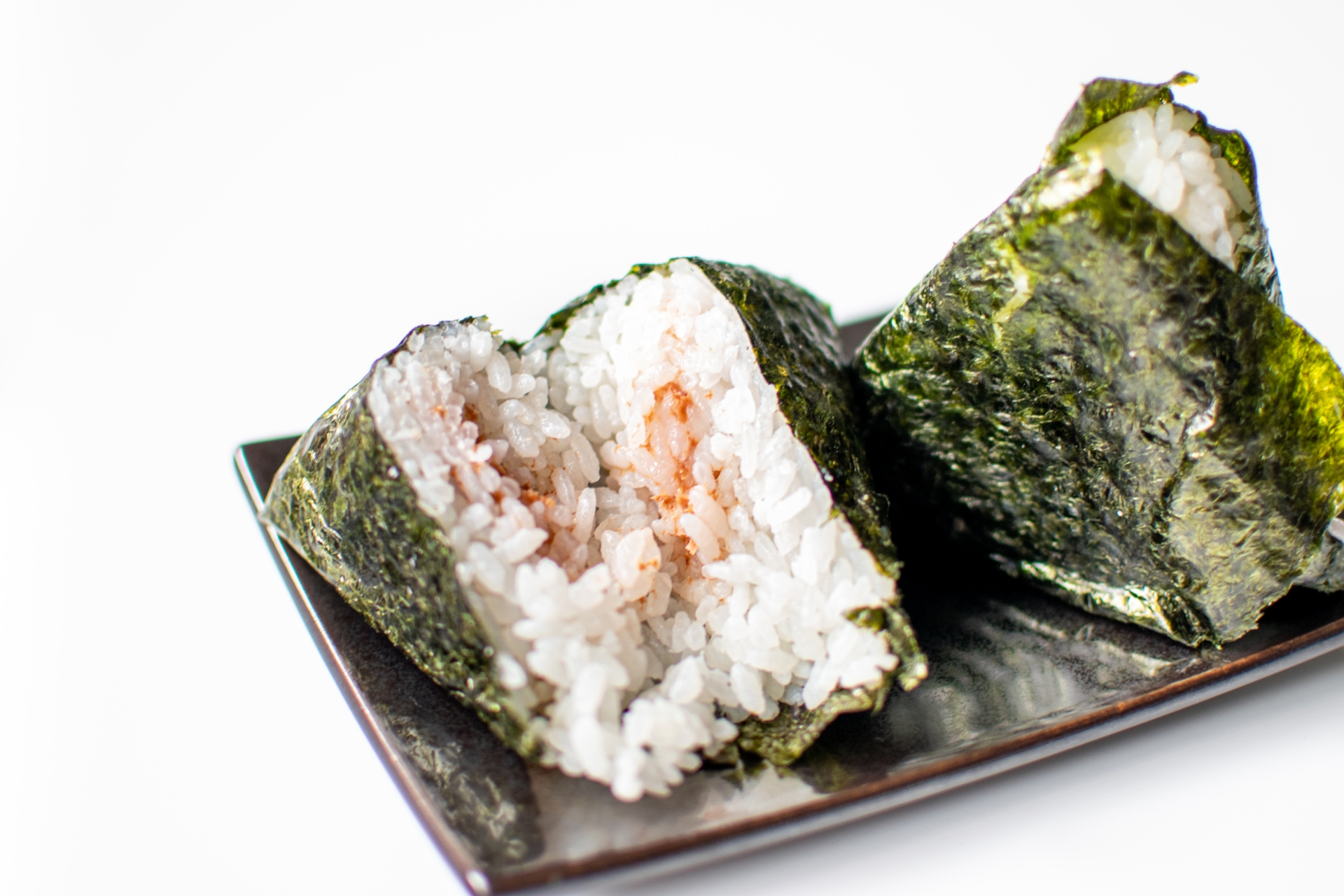
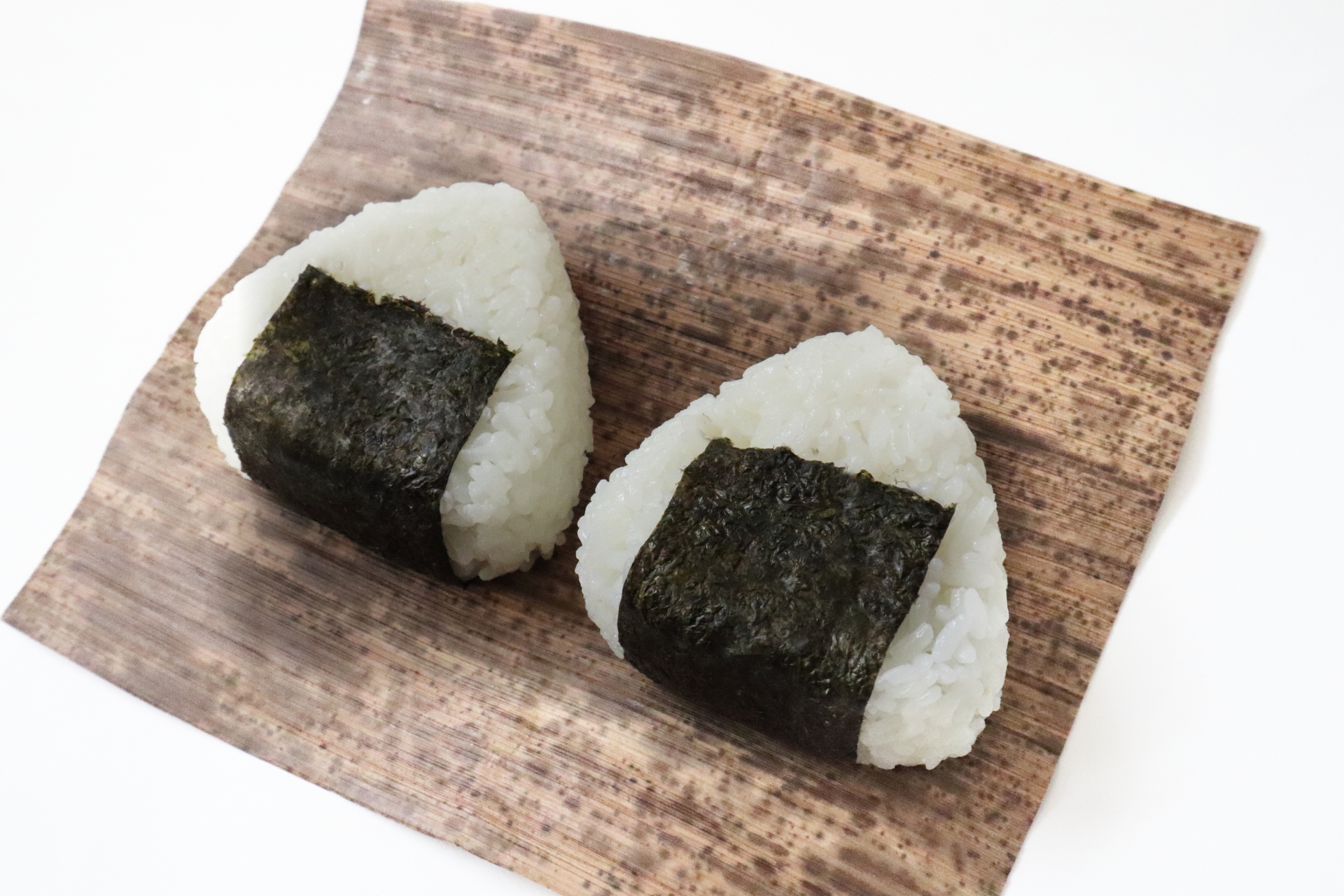
Onigiri, or rice balls, are another popular rice dish often enjoyed as a quick snack or lunch item.
Sekihan stands apart from these dishes because it is associated with important life events and celebrations rather than everyday dining.
How Sekihan Is Made (Basic Overview)
Although many variations exist, the basic process for making sekihan follows several key steps.
First, azuki beans are cooked in water until they begin to soften. The cooking liquid turns red as pigments from the beans dissolve into the water.
Next, the beans are removed while the reddish cooking liquid is saved. This liquid will later be used to cook the rice.
Glutinous rice is then soaked and combined with the bean liquid. The rice and beans are cooked together, either by steaming or using a rice cooker.
Finally, the finished dish is typically topped with sesame seeds and salt, which enhance the flavor and add a pleasant nutty aroma.
This is only a simplified overview of the process. Traditional recipes may involve additional steps and careful timing to achieve the perfect texture and color.
Where You Can Try Sekihan in Japan
If you visit Japan, there are many places where you can try sekihan. Although it is often associated with home cooking, it is also widely available in shops and restaurants.
Some of the most common places to find sekihan include:
- Traditional Japanese restaurants
- Department store food halls (depachika)
- Bento shops
- Supermarkets
- Local festivals and events
Department store food halls are especially popular places to find beautifully prepared sekihan. These areas often feature a wide variety of traditional foods and seasonal specialties.
Sekihan is also frequently sold as part of celebration bento boxes, which may include other festive dishes such as grilled fish, pickles, and tamagoyaki.
For travelers interested in Japanese food culture, trying sekihan offers a unique opportunity to experience how cuisine and tradition are closely connected in everyday life.
Conclusion: Why Sekihan Is an Important Part of Japanese Food Culture
Sekihan is more than just a rice dish—it is a symbol of celebration, happiness, and good fortune in Japanese culture.
Made from glutinous rice and azuki beans, its distinctive red color carries deep historical and cultural meanings. For centuries, people in Japan have served sekihan during important life events such as births, weddings, and milestones.
The dish also reflects the broader values of Japanese cuisine, where food often expresses gratitude, tradition, and community. Even today, sekihan continues to be enjoyed across generations, whether homemade or purchased from shops.
Understanding sekihan provides insight not only into Japanese cooking but also into how food can embody cultural history and shared moments of joy.