When people search for “Sugawara no Michizane died,” they are usually looking for more than a simple date. They want to understand when he died, how he died, and why his death became one of the most influential events in Japanese religious history. The passing of Sugawara no Michizane in 903 marked not just the end of a political career, but the beginning of a powerful cultural and spiritual legacy.
A respected scholar, poet, and court official during the Heian period, Michizane fell from political favor and was exiled far from the capital. His death in exile later became associated with natural disasters, lightning strikes, and court tragedies—events that people believed were caused by his angry spirit. Over time, he was transformed from a disgraced official into Tenjin, the Shinto god of learning. This article explores when and how he died, the historical and legendary explanations for his death, and how his passing reshaped Japanese belief and culture.


Death Date and Place
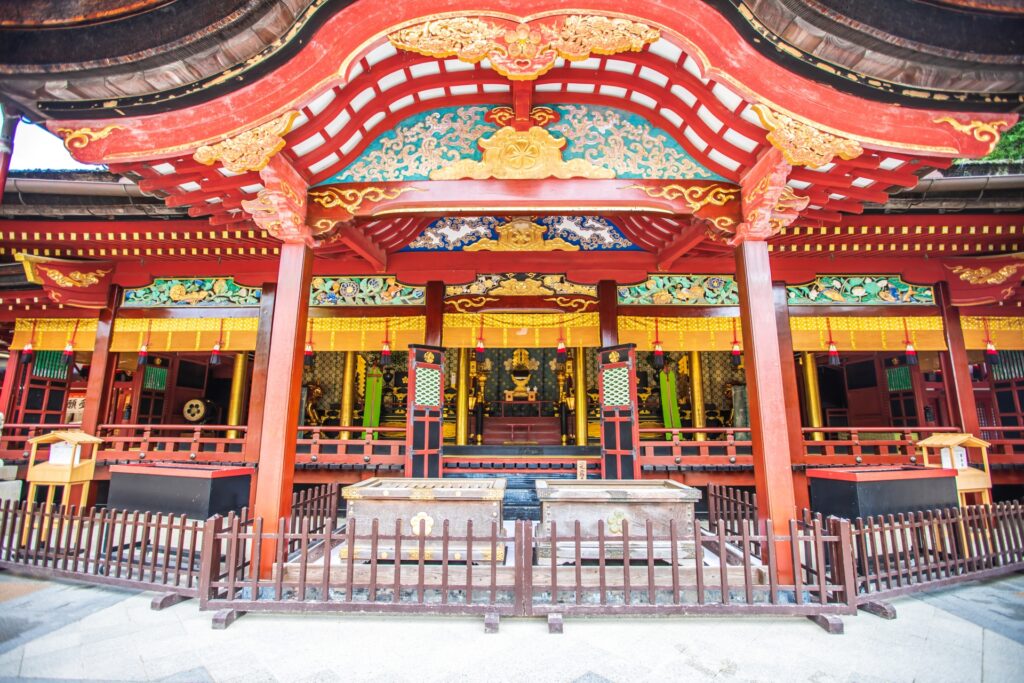
Sugawara no Michizane died on March 26, 903 (Engi 3, 2nd month, 25th day in the traditional Japanese calendar). He passed away in Dazaifu, located in present-day Fukuoka Prefecture on the island of Kyushu. At the time, Dazaifu was an administrative outpost far from Kyoto and a common destination for political exile.
Historical sources consistently record the year 903 as the date of his death. Minor variations appear due to differences between the lunar calendar and the modern Gregorian calendar, but March 26, 903 is widely accepted today. He was 59 years old.
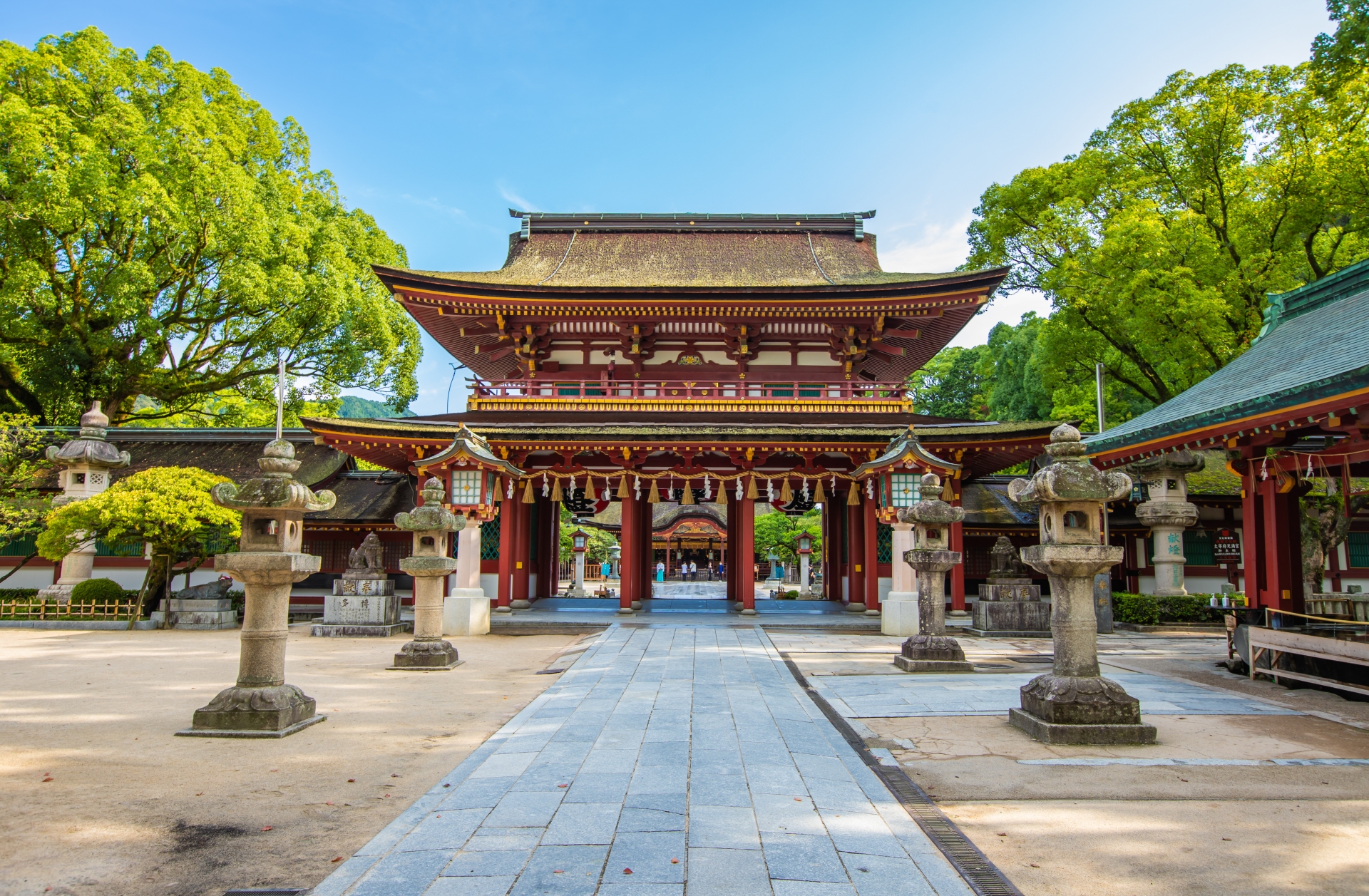
The site traditionally associated with his death is now commemorated at Dazaifu Tenmangū, one of Japan’s most important Tenjin shrines. What was once a place of political isolation has become a major pilgrimage destination, symbolizing how his tragic end evolved into enduring reverence.

Final Years Before Death
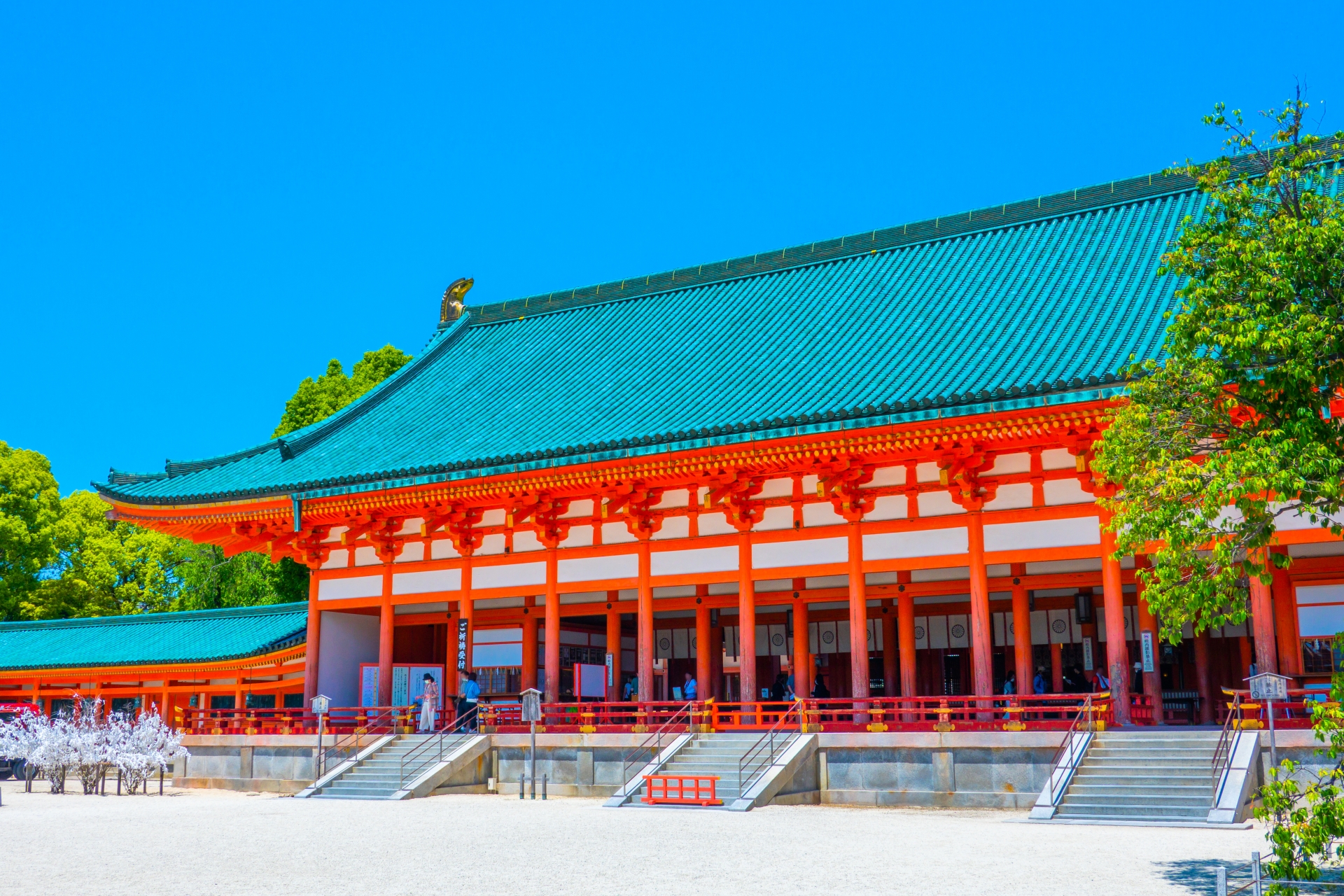
Michizane’s final years were shaped by political downfall. In 901, he was accused of plotting against the throne by members of the powerful Fujiwara clan. Stripped of his titles, he was sent into exile in Dazaifu.
Exile during the Heian period was both a legal punishment and a profound social demotion. Removed from Kyoto’s refined court culture, Michizane lived under supervision and far from political influence. Poems attributed to him during this period express grief, longing for the capital, and unwavering loyalty to the emperor. These writings later strengthened his image as a loyal scholar unjustly cast aside.
Life in Dazaifu was quieter and less sophisticated than life in Kyoto. Although he was not imprisoned, he lived modestly and with limited prospects for restoration. After only two years in exile, he died—an event that would soon take on spiritual and political meaning far beyond the circumstances of his passing.
Why Did He Die? — Cause of Death
Traditional Accounts vs Historical Interpretation
The precise cause of Sugawara no Michizane’s death remains uncertain. A long-standing traditional explanation holds that he died of emotional anguish—a “broken heart” brought on by humiliation and exile. This interpretation emphasizes his loyalty and the injustice he suffered, framing his death as a moral tragedy.
However, several historical sources suggest that illness may have played a significant role. Texts such as Kanke Michizane-kō Gosenkyū-ki, Engi-ki, and Fusō Ryakki describe physical symptoms in the months leading up to his death. According to these accounts, he reportedly experienced persistent coughing, fever, and abdominal pain for several months. These details point toward a prolonged illness rather than a sudden collapse caused solely by emotional distress.
Given the limited medical knowledge of the 10th century, it is impossible to diagnose his condition with certainty. Chronic infection, stress-related complications, or general physical decline exacerbated by exile are all plausible explanations. The “broken heart” narrative may therefore be understood as symbolic—a poetic expression of his suffering rather than a literal medical cause.
There are also more dramatic interpretations found in later literary works. In texts such as Ōkagami, some traditions suggest that Michizane may have been assassinated through the machinations of political rivals within the Fujiwara clan. According to this view, even in exile he retained supporters and could have been perceived as a lingering threat. However, these accounts are not supported by firm historical evidence and are generally considered speculative.
Ultimately, the exact cause of his death cannot be determined with certainty. Whether illness, emotional strain, political intrigue, or a combination of factors was responsible, the historical record leaves the final moments of his life partly obscured.
Death in Exile — Conditions in Dazaifu
The environment of Dazaifu likely contributed to his physical and emotional decline. Although it was an important regional administrative center, it lacked the cultural vibrancy and comforts of Kyoto. The journey from the capital to Kyushu was long and physically taxing, particularly for someone in his late fifties.
Separation from allies, loss of status, and uncertainty about the future would have imposed psychological strain. Even if he was not mistreated, the cumulative effects of isolation and diminished rank may have weakened his health. In this context, a gradual illness compounded by stress appears historically plausible.
What Happened After His Death
Calamities in Kyoto
After Sugawara no Michizane died, Kyoto experienced a series of calamities. Epidemics spread, droughts damaged agriculture, and several members of the Fujiwara clan died unexpectedly. Most notably, lightning repeatedly struck the imperial palace.
In Heian-period belief, such disasters were often attributed to onryō—vengeful spirits of the wronged dead. Michizane, who had died in exile after political injustice, became increasingly associated with these events. Many believed his spirit had returned to exact revenge.
As disasters continued, fear grew within the court. To appease his spirit, officials began restoring his titles posthumously. This process marked the beginning of his transformation from disgraced statesman to powerful supernatural presence.
The Thunderbolt Incident (Seiryō-den Lightning Strike)
One of the most famous events associated with his spirit was the lightning strike on the Seiryō-den, part of the imperial palace complex. Several officials were killed or injured during the incident. This dramatic event reinforced the belief that Michizane’s spirit had manifested as thunder and lightning.
In response, the court formally restored his rank and sponsored the construction of Kitano Tenmangū in Kyoto to enshrine him. Lightning imagery became permanently linked to his identity, and he was gradually reinterpreted not as a vengeful ghost, but as a powerful deity requiring proper reverence.
From Ghost to God — Tenjin Worship
Posthumous Honors and Deification
To prevent further calamities, the imperial court elevated Michizane’s status step by step. Eventually, he was deified as Tenjin, a kami associated with scholarship, poetry, and learning.
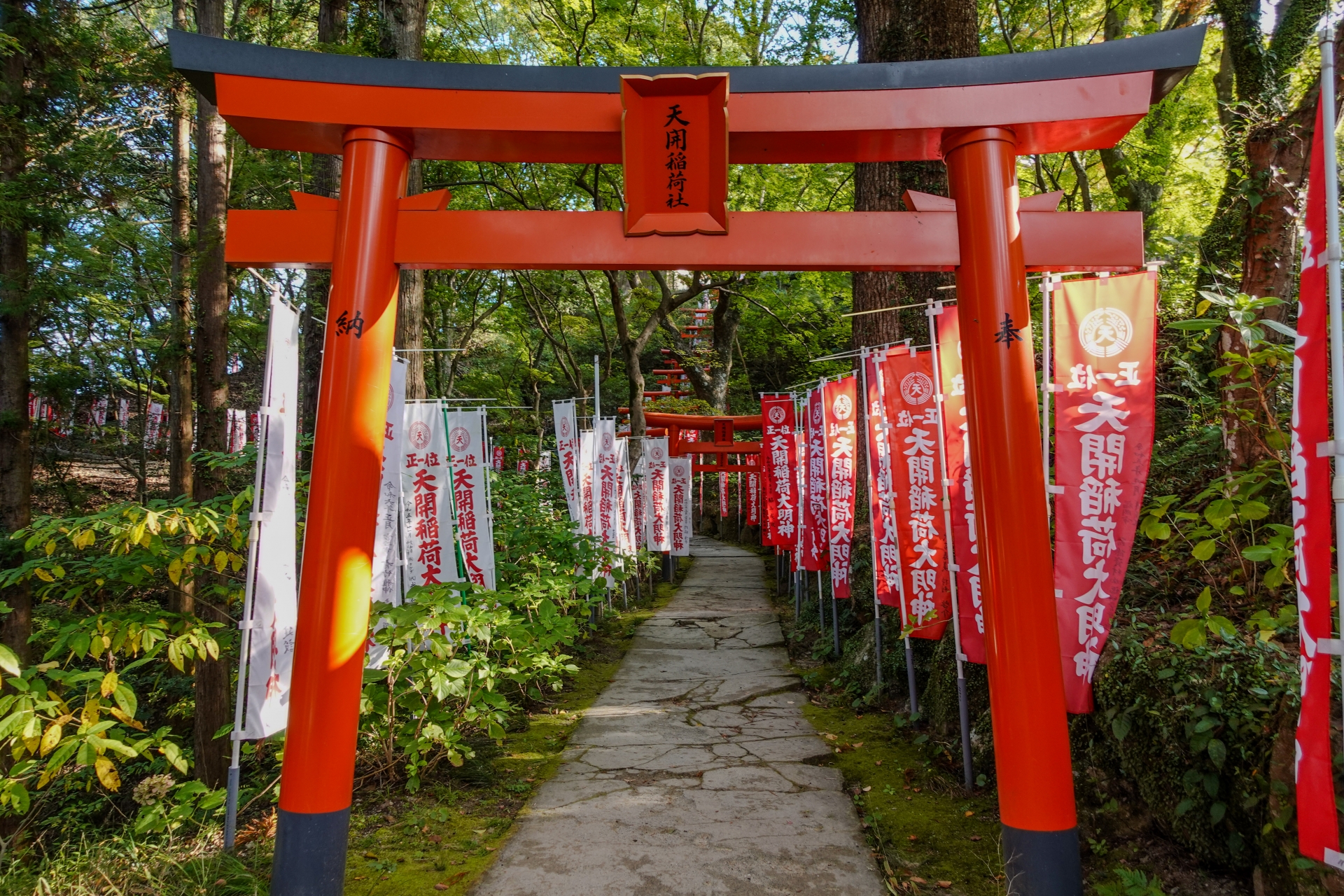
Shrines dedicated to him spread throughout Japan. The most prominent are Dazaifu Tenmangū in Kyushu and Kitano Tenmangū in Kyoto. What began as an attempt to pacify an angry spirit evolved into one of Japan’s most enduring religious traditions.
This transformation reflects a broader pattern in Japanese religious history: powerful individuals who died unjustly could become protective deities. In Michizane’s case, political tragedy became sacred memory.
Transformation into the God of Learning
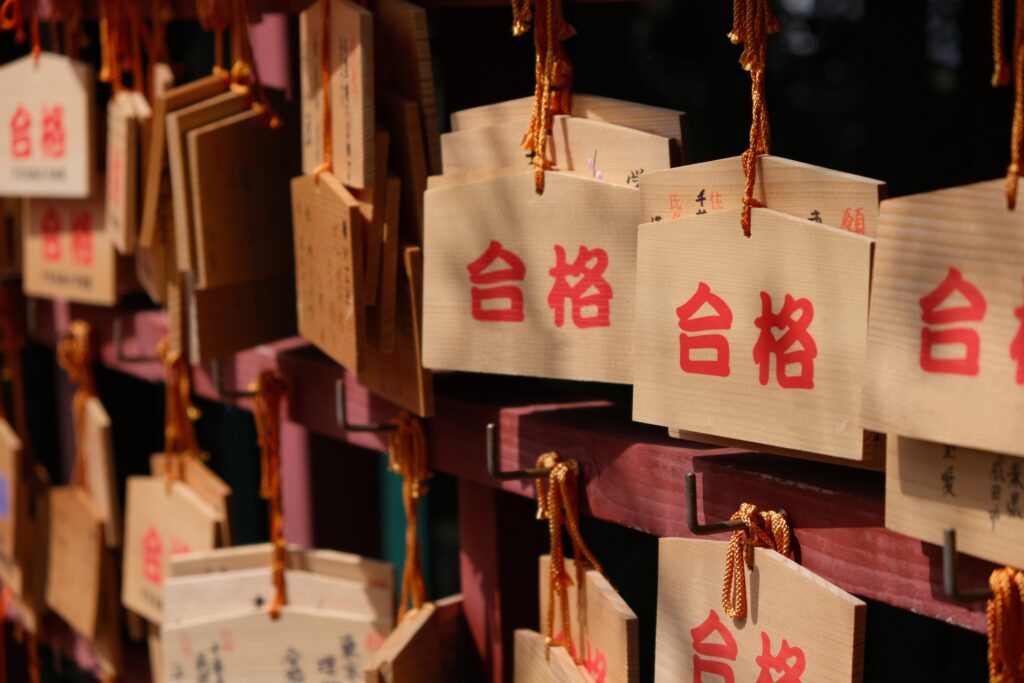
Over time, Michizane’s identity shifted from feared spirit to benevolent patron of scholarship. Because he had been an accomplished scholar and poet in life, it was natural for students to seek his blessing. Today, students across Japan visit Tenjin shrines to pray for success in entrance examinations.
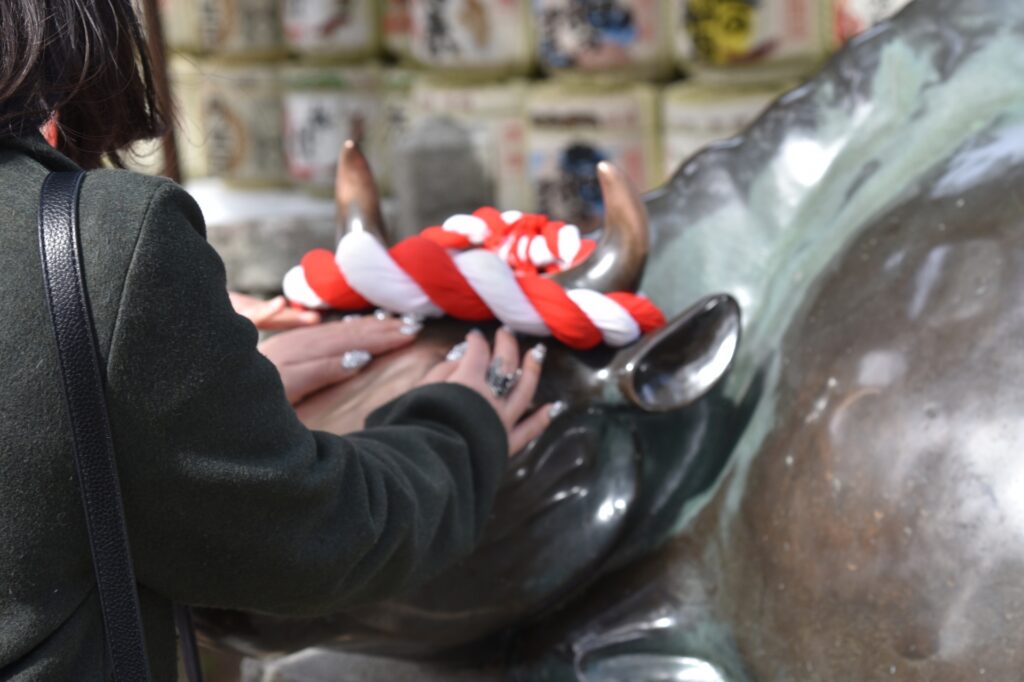
Symbols associated with him—plum blossoms, ox statues, and thunder motifs—remain central to Tenjin worship. His death in exile, once seen as a national crisis, became the foundation for a tradition that continues more than a thousand years later.
Conclusion
Sugawara no Michizane died on March 26, 903, in exile in Dazaifu. Yet the exact circumstances of his death remain uncertain. Historical records suggest illness, traditional accounts emphasize emotional suffering, and later narratives even hint at political intrigue. The truth may never be fully known.
What is clear, however, is the extraordinary impact of his death. The disasters that followed, the fear of his vengeful spirit, and the court’s efforts to appease him ultimately transformed him into Tenjin, the god of learning. His story demonstrates how history, legend, and belief can intertwine—turning a tragic exile into one of the most enduring figures in Japanese religious culture.