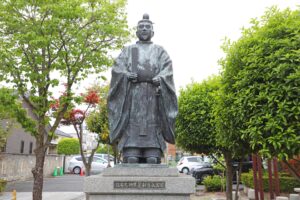
Fujiwara no Teika (1162–1241) stands as one of the most influential poets, critics, and editors in Japanese history. Living through the dramatic transition from the late Heian to the early Kamakura period, he transformed waka poetry, helped compile imperial anthologies, and is traditionally credited with selecting the poems of the Hyakunin Isshu. His life bridges aristocratic court culture and the emerging samurai order, making him central not only to literature but also to Japanese cultural history.


Who Was Fujiwara no Teika?
Fujiwara no Teika (1162–1241), also read as Fujiwara no Sadaie, was a court noble, poet, literary critic, and editor active during Japan’s late Heian and early Kamakura periods. Born into the prestigious Fujiwara clan, he was the son of the respected poet Fujiwara no Shunzei, who played a crucial role in imperial poetry circles.
Teika rose to prominence as a master of waka (classical 31-syllable poetry) and became one of the principal compilers of the imperial anthology Shin Kokin Wakashū. He is also traditionally credited with selecting the poems for the Ogura Hyakunin Isshu, a collection that remains culturally iconic in Japan.
Teika’s importance lies not merely in his poetic output but in his aesthetic theory, editorial authority, and lasting institutional influence. He helped define standards of taste that shaped Japanese poetry for centuries and established lineages that controlled poetic interpretation long after his death.
Quick Timeline
| Year | Event |
| 1162 | Birth in Kyoto aristocratic family |
| 1205 | Compilation of Shin Kokin Wakashū |
| 1221 | Political upheaval after the Jōkyū War |
| 1241 | Death at approximately 80 years old |
Health, Death, and Longevity
Teika died in 1241 at around 80 years of age—an exceptionally long lifespan for the Kamakura period. The exact cause of death is not definitively recorded. However, entries in his diary, Meigetsuki, describe recurring illness, fatigue, and physical weakness in his later years. Historians generally assume he died from illness associated with advanced age.
Reaching 80 in the 13th century was rare. His longevity allowed him to influence multiple generations of poets, consolidating his authority and ensuring that his aesthetic principles became institutionalized within court poetry circles.
Fujiwara no Teika’s Early Life and Historical Context
Teika was born during a time of profound political transformation. The aristocratic court in Kyoto, long dominated by noble families like the Fujiwara, was gradually losing political power to the emerging samurai class. In 1185, military authority effectively shifted to the Minamoto clan, marking the beginning of the Kamakura bakufu (shogunate) system. Although Minamoto no Yoritomo was formally appointed shogun in 1192, 1185 represents the decisive turning point in the establishment of warrior rule.
Despite declining political control, court culture—especially poetry—remained a central marker of elite identity. Waka composition was not merely artistic expression but a form of social capital. Uta-awase (poetry competitions) were prestigious events where poetic skill could determine reputation, influence, and imperial favor.
Teika’s family lineage positioned him firmly within the poetic elite. His father, Fujiwara no Shunzei, was already a leading authority in waka circles and had participated in compiling earlier imperial anthologies. From a young age, Teika was immersed in advanced poetic training, classical study, and courtly discipline. This upbringing prepared him to navigate both the artistic expectations of the imperial court and the shifting realities of a society increasingly governed by samurai power.
The tension between fading aristocratic dominance and rising military governance shaped Teika’s worldview. While political authority shifted to Kamakura, cultural prestige remained centered in Kyoto. Teika operated within this delicate balance, strengthening the authority of poetic tradition at a time when court politics were increasingly unstable.
His Revolutionary Approach to Waka Poetry
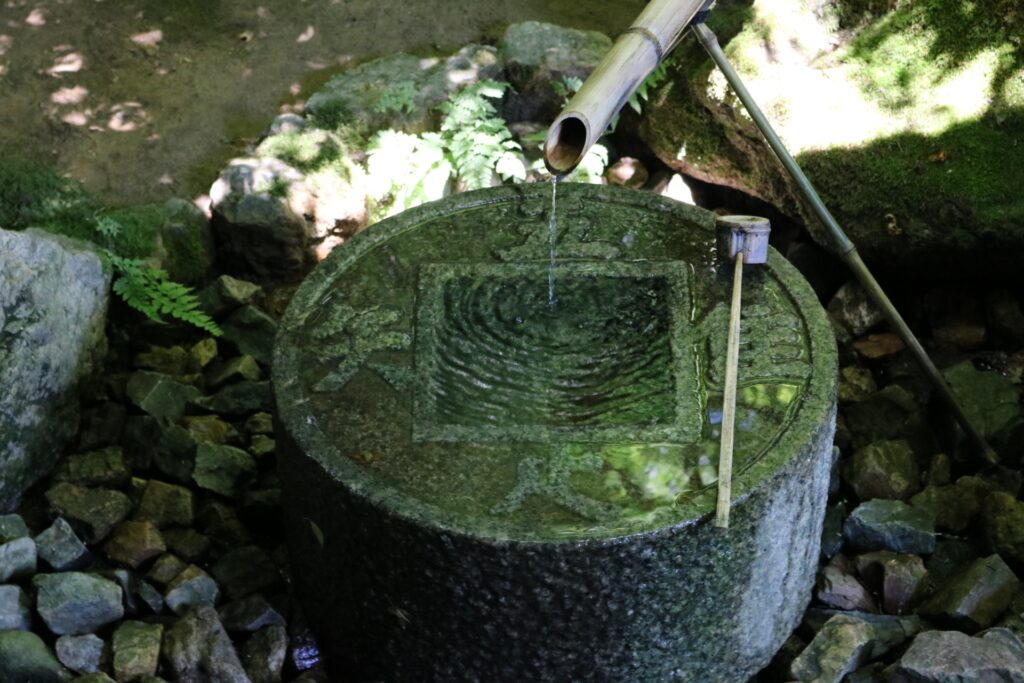
Waka poetry follows a strict 31-syllable structure (5-7-5-7-7). By Teika’s time, centuries of tradition had established conventions of elegance, refinement, and seasonal imagery. Earlier Heian poetry often emphasized surface beauty and graceful expression. Teika, however, sought greater emotional intensity, layered symbolism, and stylistic innovation.
Among the aesthetic ideals he cultivated were:
- Yūgen – mysterious depth and subtle, shadowed beauty
- Ushin – deep, sincere emotional engagement
- Sabi – lonely elegance and quiet refinement
One poem by Teika included in the Ogura Hyakunin Isshu is often translated as:
“For him who does not come—
on Matsuo Bay, in the evening calm,
I burn seaweed salt;
and like the salt in the flames,
my body, too, is consumed with longing.”
The poem fuses coastal imagery with emotional heat: the act of burning moshio (seaweed salt) becomes a metaphor for yearning that “burns” the self from within. This kind of layered correspondence between landscape, action, and inner feeling reflects Teika’s gift for intensifying classical diction without abandoning elegance.
Comparison: Earlier Heian Style vs. Teika’s Style
| Feature | Earlier Heian Style | Teika’s Style |
| Tone | Elegant, decorative | Intense, introspective |
| Imagery | Surface beauty | Symbolic layering |
| Emotion | Controlled restraint | Deeply internalized |
| Technique | Conventional patterns | Refined and experimental |
Teika also theorized multiple stylistic modes, advocating flexibility rather than rigid uniformity. His poetic criticism emphasized disciplined craft while allowing for innovation within tradition. By systematizing poetic variation, he ensured that waka could evolve without losing its classical foundation.
The Shinkokinshu and Imperial Anthologies
An imperial anthology was an officially commissioned poetry collection ordered by the emperor or a retired emperor. Inclusion in such a collection conferred lasting prestige and often defined a poet’s legacy.
The Shin Kokin Wakashū (“New Collection of Ancient and Modern Poems”), completed in 1205, marked a major stylistic turning point in Japanese literary history. Teika served as one of its principal compilers under the patronage of Retired Emperor Go-Toba. The anthology emphasized technical precision, allusive density, emotional subtlety, and carefully structured thematic progression.
Unlike earlier anthologies, the Shin Kokin Wakashū arranged poems to create associative sequences, producing layered narrative and seasonal transitions. This editorial strategy reflected Teika’s refined aesthetic sensibility and his belief in poetic continuity across time.
The Jōkyū War and Its Aftermath
In 1221, the Jōkyū War dramatically altered the political landscape. Retired Emperor Go-Toba attempted to overthrow the Kamakura shogunate but was defeated and exiled. This event weakened the court’s political authority and strengthened warrior governance.
For Teika, the aftermath had complex consequences. While he had once depended on imperial patronage, the exile of Go-Toba ultimately reduced direct political interference in poetic affairs. Teika’s lineage gained greater autonomy, enabling his aesthetic principles to dominate court poetry for generations.
Conflict with Retired Emperor Go-Toba
Court poetry functioned through patronage networks. Go-Toba initially supported Teika, recognizing his extraordinary talent and inviting him to participate in imperial projects. However, their relationship deteriorated over time.
Disagreements arose over poetic taste, authority, and political alignment. Go-Toba favored certain expressive styles that did not always align with Teika’s disciplined aesthetic standards. Teika, known for his uncompromising judgments, occasionally rejected imperial preferences in favor of what he considered superior artistry.
Their conflict illustrates how literary taste and political power intersected in medieval Japan. After the Jōkyū War and Go-Toba’s exile, Teika’s position stabilized, and his descendants would go on to dominate waka orthodoxy through competing poetic houses.
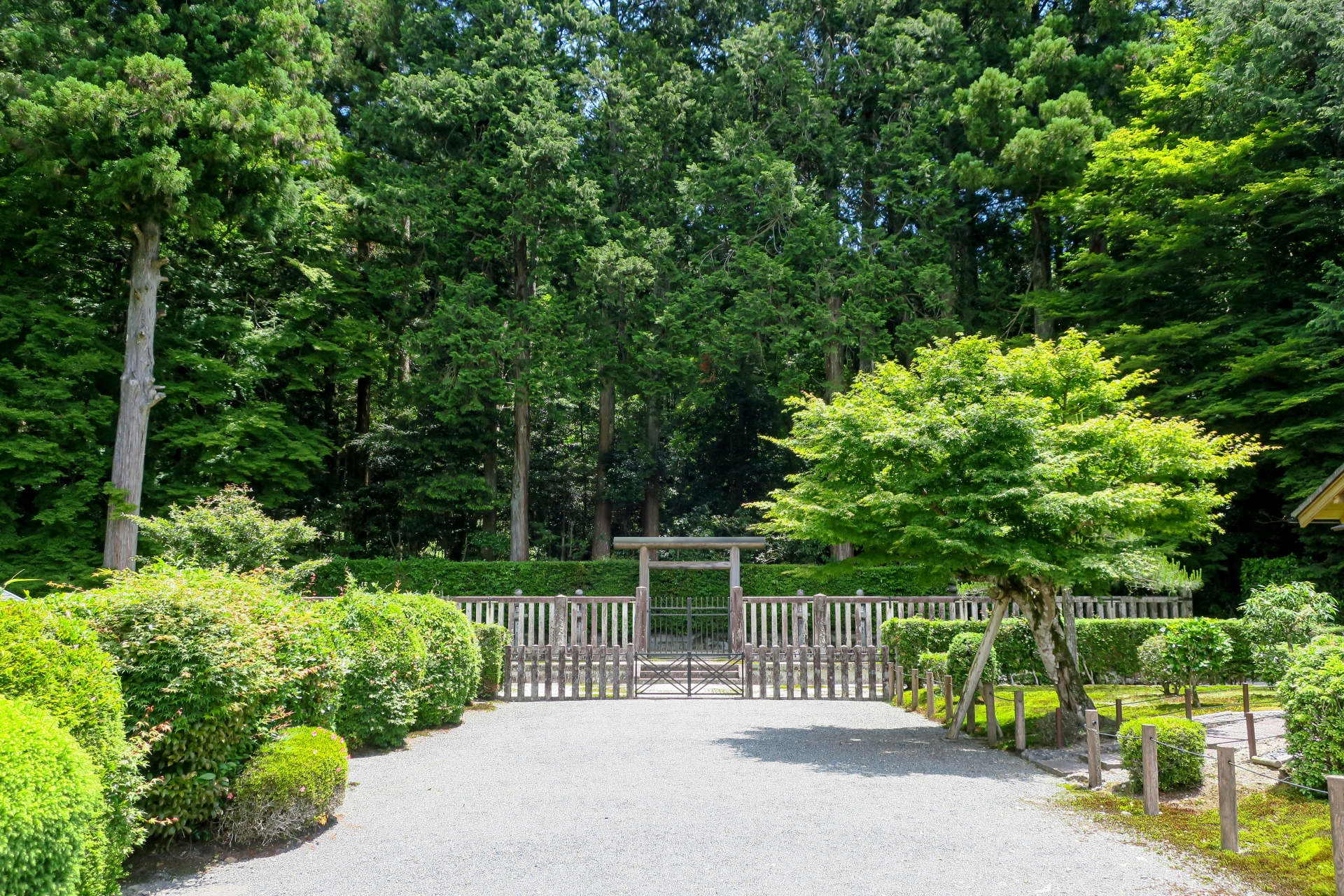
The Hyakunin Isshu: Did Teika Compile It?
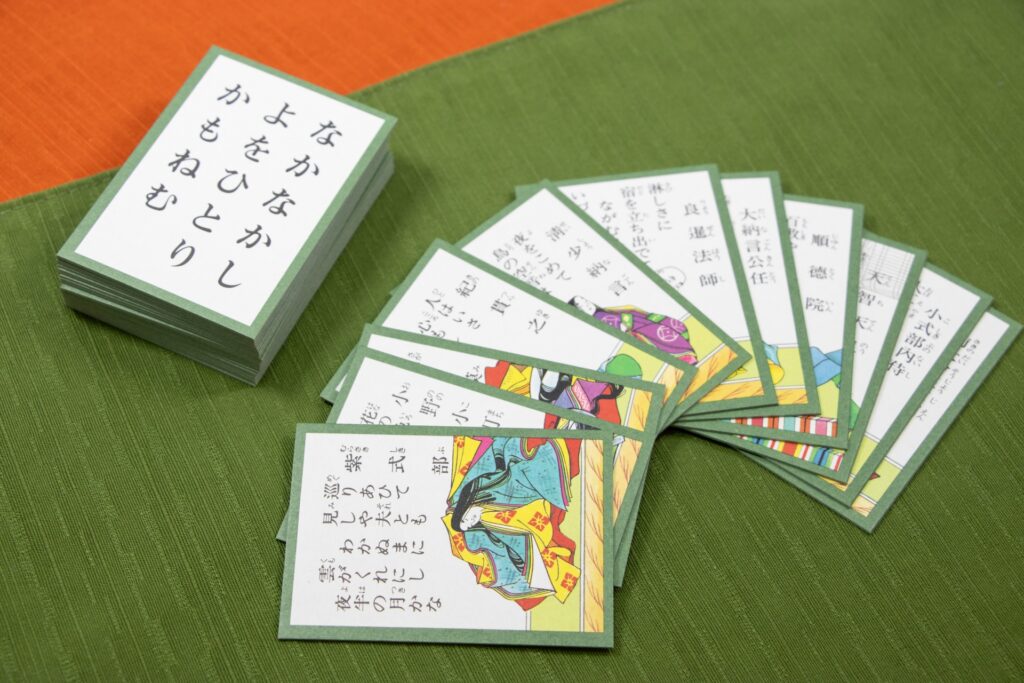
The Ogura Hyakunin Isshu is a collection of one hundred waka poems by one hundred different poets, spanning centuries of Japanese literary history. According to tradition, Teika selected these poems for display at a villa in the Ogura district of Kyoto.
Modern scholars debate certain details of its compilation, including the precise circumstances and purpose of its creation. Nevertheless, Teika’s involvement is widely accepted, and his editorial sensibility is evident in the balanced selection of poets and themes.
Hyakunin Isshu – What It Is / Why It Matters Today
| What It Is | Why It Matters Today |
| 100 classical waka poems | Foundation of literary education |
| Traditionally attributed to Teika | Symbol of cultural literacy |
| Spans multiple historical eras | Central to competitive karuta |
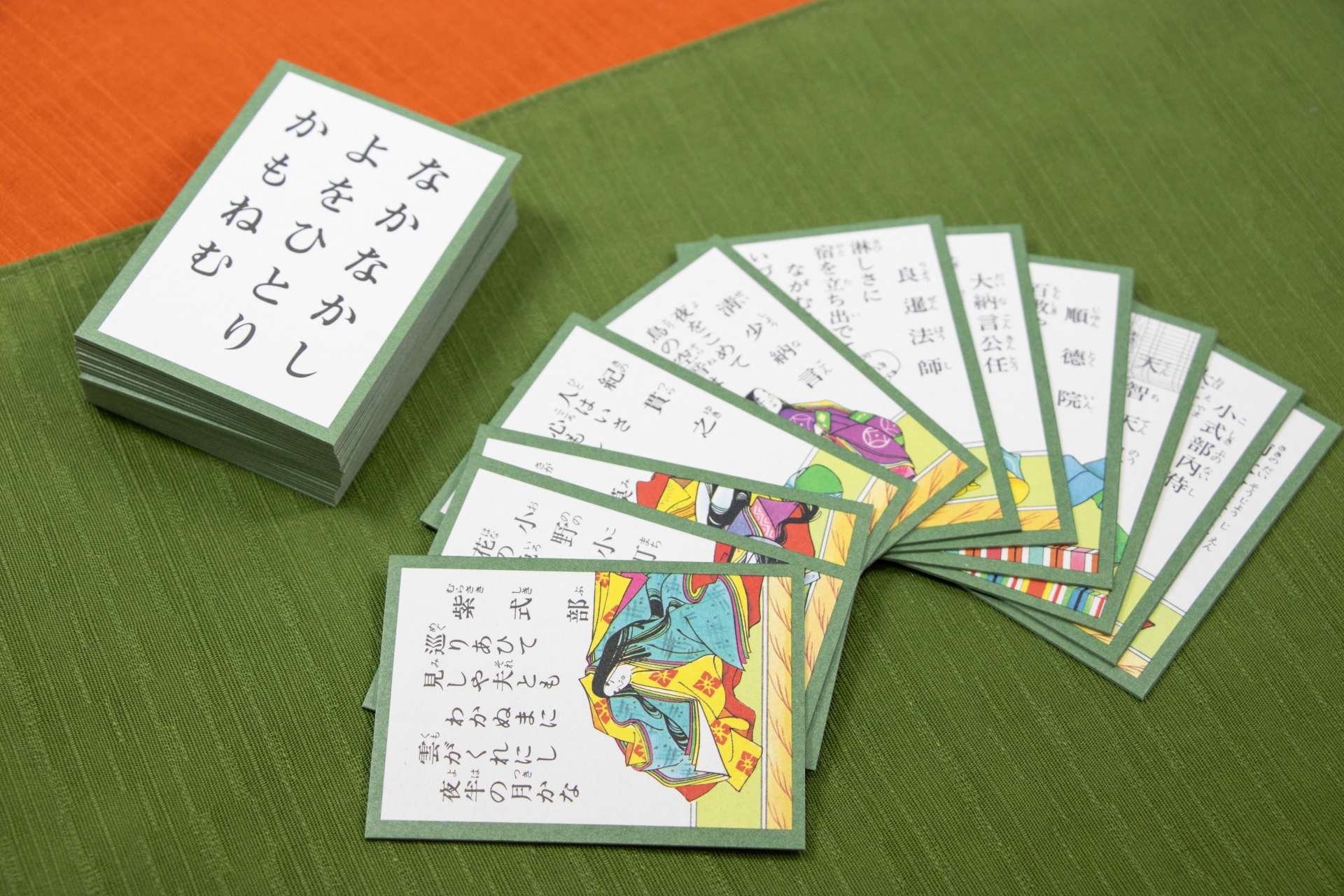
Today, the anthology remains culturally vibrant through the traditional card game karuta, in which players memorize and identify poems at high speed. Through this living tradition, Teika’s influence extends far beyond academic study into popular culture.
Meigetsuki: Teika’s Diary and Historical Value
Meigetsuki (“Record of the Clear Moon”) is Teika’s extensive diary, spanning decades of court life. It documents ceremonies, poetic disputes, political events, family matters, and personal reflections. Few sources provide such detailed insight into the intellectual and emotional world of a medieval Japanese aristocrat.
The diary also records Teika’s recurring illnesses and physical decline in later years, offering rare personal testimony about aging in the Kamakura period. Beyond its autobiographical value, Meigetsuki serves as a crucial primary source for historians studying court culture, political tensions, and literary development.
Manuscripts of Meigetsuki are preserved in major Japanese collections, and Teika’s calligraphy itself is considered artistically significant. His handwriting exemplifies the refined yet expressive style admired in classical Japanese aesthetics.
Fujiwara no Teika’s Lasting Influence on Japanese Literature
Teika’s descendants formed powerful poetic schools, including the Nijō, Kyōgoku, and Reizei lineages. These houses competed for interpretive authority over classical texts and shaped the transmission of waka tradition for centuries.
His influence extended beyond poetry into broader Japanese aesthetics:
- Heightened sensitivity to seasonal imagery
- Refined minimalism and restraint
- Emotional depth balanced with discipline
- Respect for classical precedent combined with innovation
Why Teika Still Matters Today
- He standardized waka aesthetics for future generations.
- He shaped the structure and tone of imperial anthologies.
- He preserved and transmitted classical texts.
- His lineage dominated poetic authority in medieval Japan.
- His works remain central to Japanese cultural education.
Modern scholarship continues to examine his theories, and contemporary readers still encounter his poems through anthologies, education, and cultural traditions.
Frequently Asked Questions About Fujiwara no Teika
Who was Fujiwara no Teika?
Fujiwara no Teika (1162–1241) was a Japanese court noble, poet, critic, and editor active during the late Heian and early Kamakura periods. He helped shape classical waka poetry and compiled major imperial anthologies.
What is Fujiwara no Teika famous for?
He is famous for co-compiling the Shin Kokin Wakashū, refining waka aesthetics, and traditionally selecting the poems of the Ogura Hyakunin Isshu, one of Japan’s most celebrated poetry collections.
Did Fujiwara no Teika create the Hyakunin Isshu?
Tradition credits Teika with selecting the one hundred poems of the Ogura Hyakunin Isshu. While some scholarly debate exists regarding its compilation, his involvement is widely accepted.
What is Meigetsuki?
Meigetsuki is Teika’s long-running diary. It records court ceremonies, political events, poetic debates, personal reflections, and references to his declining health, making it an invaluable historical source.
How did Fujiwara no Teika die?
He died in 1241 at approximately 80 years old. The exact cause is not recorded, but historians generally believe he died from illness related to advanced age.
Why is Teika important in Japanese literature?
Teika defined influential aesthetic standards, shaped imperial anthologies, preserved classical texts, and established poetic lineages that dominated literary interpretation for generations.
Conclusion: Why Fujiwara no Teika Still Matters Today
Fujiwara no Teika emerged from an aristocratic lineage yet transformed Japanese poetry through innovation, discipline, and intellectual rigor. His role in the Shin Kokin Wakashū refined imperial aesthetics, while the Ogura Hyakunin Isshu embedded his editorial vision into cultural memory. Through Meigetsuki, he left behind an invaluable record of medieval court life.
Despite recurring illness in his later years, his remarkable longevity allowed him to influence multiple generations and secure his authority within the poetic tradition. Teika’s vision—marked by depth, refinement, emotional resonance, and structural precision—continues to define the classical core of Japanese aesthetics. His legacy remains woven into Japan’s literary heritage and cultural consciousness.