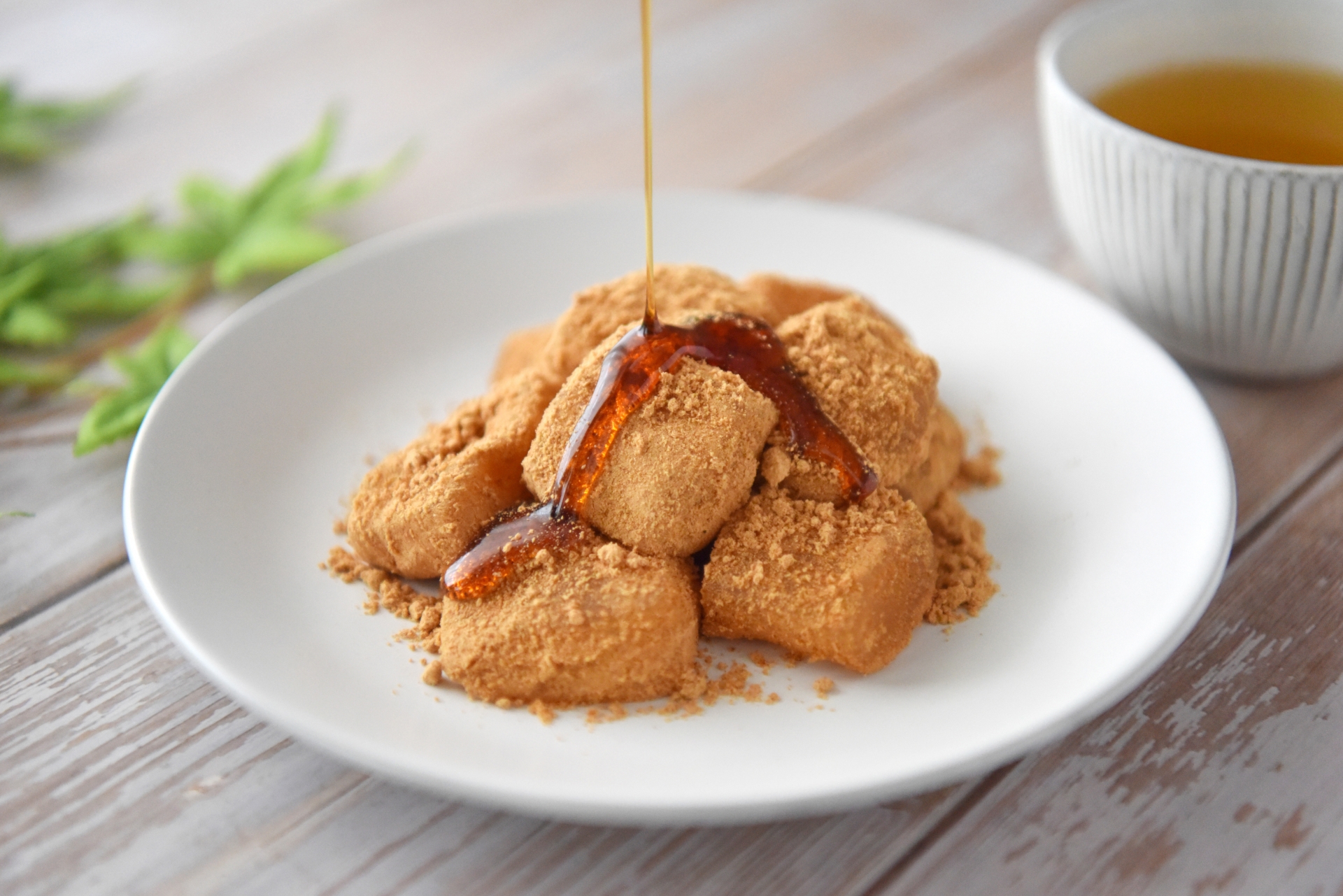
Warabi mochi is a soft, jelly-like Japanese dessert often dusted with kinako and drizzled with kuromitsu. Although it contains the word “mochi,” it is very different from the chewy rice cakes many people associate with Japanese sweets.
In this guide, we’ll explain what warabi mochi really is, what warabi flour comes from, its historical roots, and how you can enjoy both traditional and modern variations at home.


What Is Warabi Mochi?
If you’ve ever wondered what is warabi mochi, you’re not alone. Despite the word “mochi,” this traditional Japanese sweet is very different from the chewy rice cakes many Americans associate with mochi ice cream.
Warabi mochi is a soft, translucent, jelly-like confection traditionally made from warabi starch (bracken root starch). Unlike regular mochi, which is made from glutinous rice, warabi mochi contains no rice at all. Instead, it has a silky, almost gel-like consistency that gently jiggles when picked up.
It is typically served chilled, making it especially refreshing during Japan’s hot and humid summers. In fact, it’s widely considered a classic Japanese summer dessert.
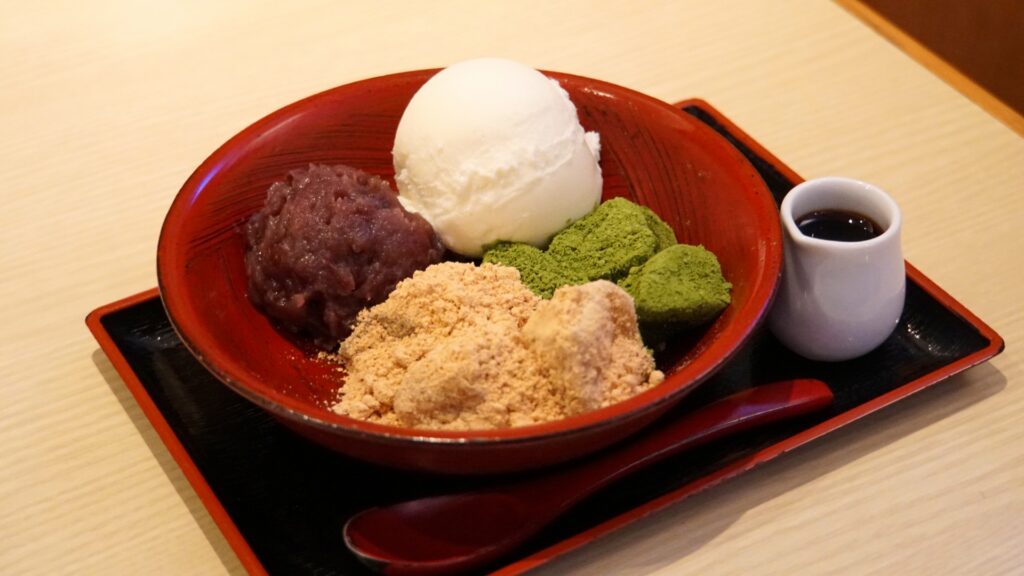
Traditionally, warabi mochi is dusted generously with kinako (roasted soybean flour) and drizzled with kuromitsu (a dark brown sugar syrup similar to molasses but lighter and more aromatic). On its own, the base has a mild sweetness; much of the flavor comes from these toppings.
Because of its light texture and subtle taste, warabi mochi feels elegant yet approachable—one of the most delicate introductions to Japanese wagashi (traditional sweets).
What Is Warabi Flour (Warabi-ko)?
Warabi flour, or warabi-ko, is a starch extracted from the roots of the bracken fern, scientifically known as Pteridium aquilinum. This wild fern grows across Japan and many other parts of the world.
Traditional Extraction Process
Authentic warabi starch is made through a labor-intensive method:
- Harvesting bracken roots
- Crushing and washing them repeatedly
- Filtering the liquid to separate fibers
- Allowing starch to settle
- Drying the purified starch
The yield is extremely low, which is why true hon-warabi-ko (100% bracken starch) is rare and expensive.
Why Is It Expensive?
Because extracting pure bracken starch requires large quantities of roots and extensive manual processing, genuine hon-warabi-ko can be costly. Historically, it was considered a luxury ingredient reserved for aristocrats.
Today, most commercially available “warabi mochi flour” is actually a blend made primarily from potato or tapioca starch.
Hon-Warabi-ko vs Commercial Blends
| Type | Source | Texture | Price |
| Hon-warabi-ko | Bracken root | Softer, silkier, delicate melt | High |
| Commercial blend | Potato/Tapioca starch | Slightly firmer, more elastic | Affordable |
Most store-bought versions in Japan—and almost all versions abroad—use substitutes. While the texture differs slightly, they still capture the signature jelly-like experience.
A Brief History of Warabi Mochi
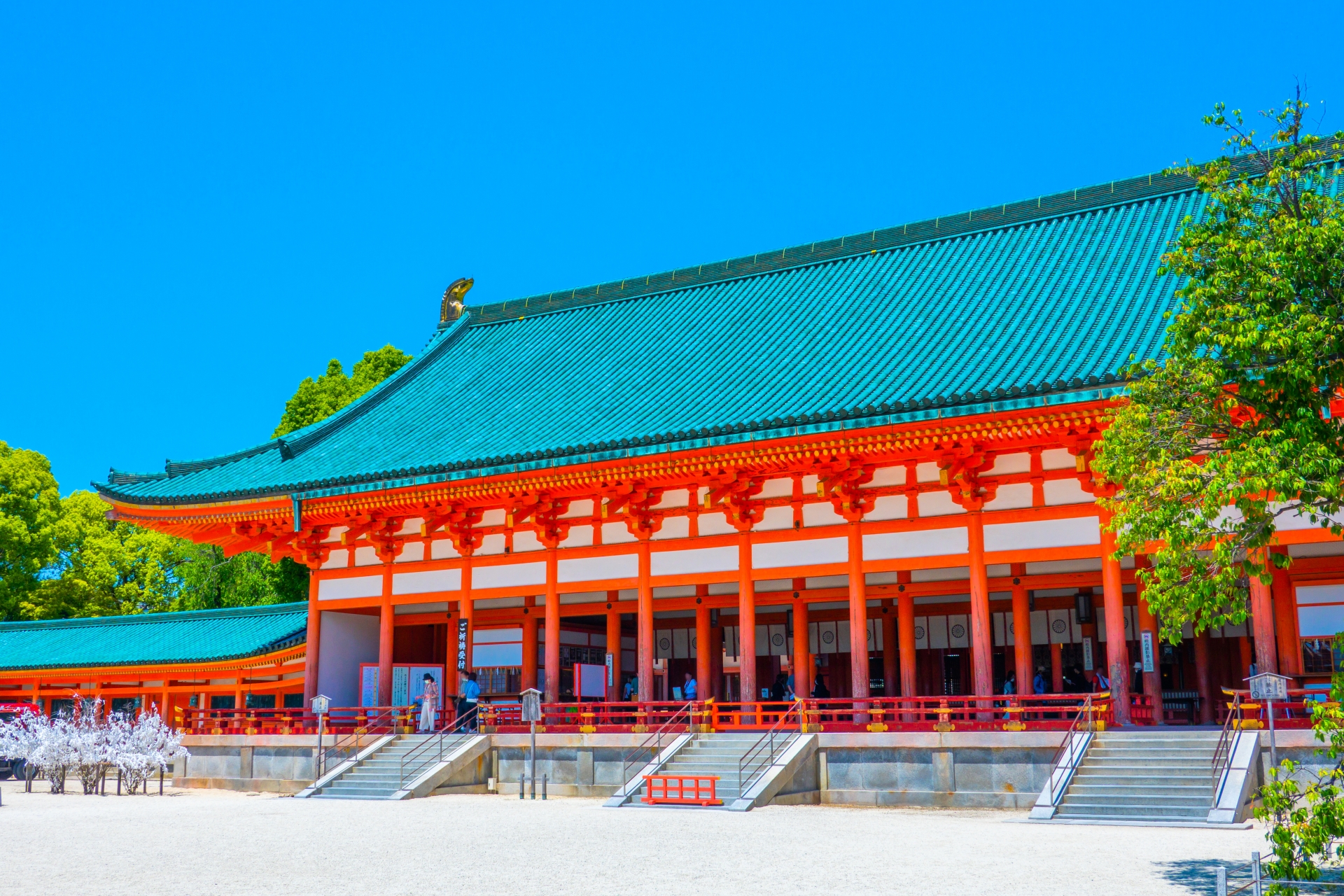
Warabi mochi dates back to the Heian period (794–1185), when Japan’s imperial court flourished in Kyoto. During this era, refined sweets were enjoyed by aristocrats, and hon-warabi-ko was considered an exclusive luxury.
Kyoto became the cultural center of wagashi (traditional Japanese sweets), a reputation it still holds today. Elegant confections were created not only for taste but also for aesthetic and seasonal appreciation—core values in Japanese culinary philosophy.
By the Edo period (1603–1868), warabi mochi gradually transitioned from an aristocratic indulgence to a more accessible seasonal treat. As sugar became more widely available, sweet-making spread beyond elite circles.
Eventually, warabi mochi became associated with summer. Vendors would sell chilled portions on the streets, offering relief from the heat. Its translucent appearance and cooling texture perfectly matched Japan’s humid climate.
For American readers, think of it as similar to how popsicles or shaved ice symbolize summer in the U.S.—warabi mochi carries that same nostalgic, seasonal identity in Japan.
Today, you’ll find it everywhere from traditional Kyoto sweet shops to modern convenience stores, reflecting its evolution from royal delicacy to beloved everyday dessert.

What Is Warabi Mochi Made Of?
At its core, traditional warabi mochi contains just three main ingredients:
- Warabi starch (or substitute starch)
- Water
- Sugar
Traditional Toppings
- Kinako (roasted soybean flour)
- Kuromitsu (black sugar syrup)
The base itself is only mildly sweet. Most of the dessert’s flavor comes from these toppings.
Modern Substitutes
Outside Japan, potato starch or tapioca starch is commonly used because authentic warabi starch is expensive and difficult to source.
Is It Gluten-Free?
Yes. Warabi mochi is naturally gluten-free because it contains no wheat and no rice flour. However, always check ingredient labels if purchasing pre-packaged versions.
Calories Compared to Regular Mochi
- Warabi mochi (plain, without heavy syrup): ~120–150 calories per serving
- Regular rice mochi: ~180–250 calories per serving
Warabi mochi tends to be lighter, with sweetness largely dependent on how much syrup is added.
Warabi Mochi vs Regular Mochi
| Category | Warabi Mochi | Regular Mochi |
| Main Ingredient | Bracken starch | Glutinous rice |
| Texture | Jelly-like, soft | Chewy, elastic |
| Appearance | Translucent | Opaque |
| Seasonality | Summer | Year-round |
| Common Uses | Light dessert | Daifuku, ozoni, mochi ice cream |
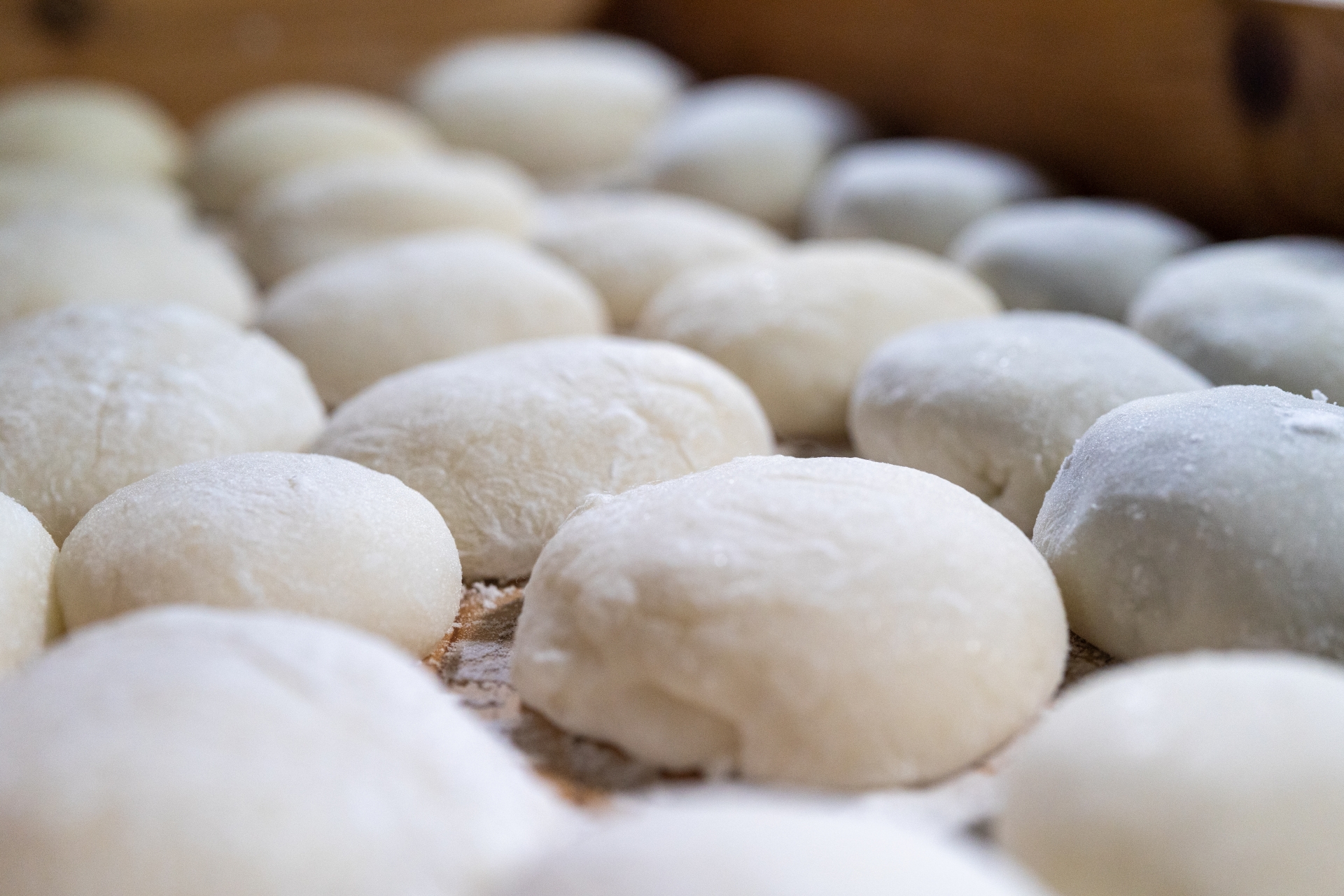
Unlike traditional mochi, warabi mochi is not made from pounded rice.
Quick FAQ Clarification
Is warabi mochi the same as mochi?
No. Despite the name, it’s a completely different starch-based confection.
Does it taste like mochi?
Not exactly. The texture is softer and less chewy.
What Does Warabi Mochi Taste Like?
Warabi mochi has a very mild sweetness on its own. Its flavor is subtle and clean, making it more about texture than intensity.
The texture is:
- Jelly-like
- Slippery
- Soft with slight elasticity
If you’re trying to visualize it, imagine:
- A very soft gelatin cube
- A lightly chewy pudding bite
- A delicate, silky gummy without stickiness
The kinako adds a nutty, roasted aroma, while kuromitsu provides deep caramel-like sweetness. Together, they create a balanced dessert that feels light rather than heavy.
Traditional Warabi Mochi Recipe (Simple Home Version)
Ingredients (Serves 2–3)
- 1/2 cup (60g) potato starch
- 1/2 cup (100g) sugar
- 2 cups (480ml) water
- Kinako and kuromitsu for serving
Instructions
- In a saucepan, thoroughly mix potato starch, sugar, and water until smooth.
- Heat over medium, stirring constantly.
- Continue stirring for about 8–10 minutes.
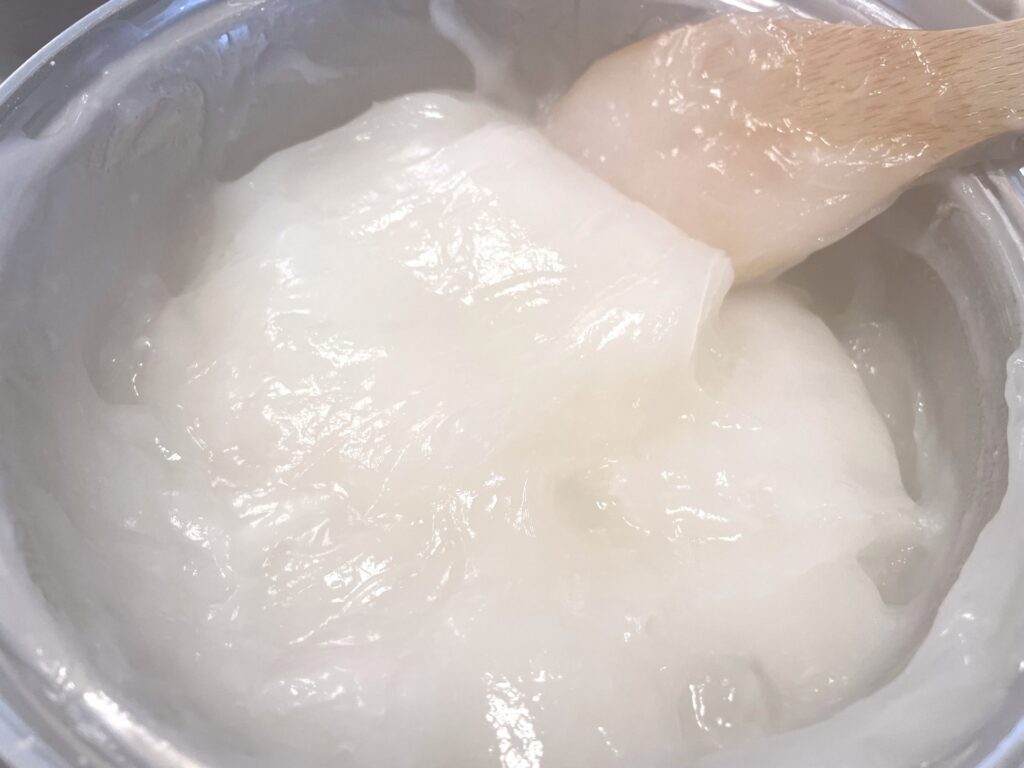
- The mixture will turn thick, glossy, and translucent—this is your visual cue.
- Transfer into ice water to cool and firm.
- Cut into bite-sized pieces.
- Coat generously with kinako and drizzle with kuromitsu.
Cooking time is approximately 10 minutes. Serve chilled for the best texture.
Modern Variations of Warabi Mochi
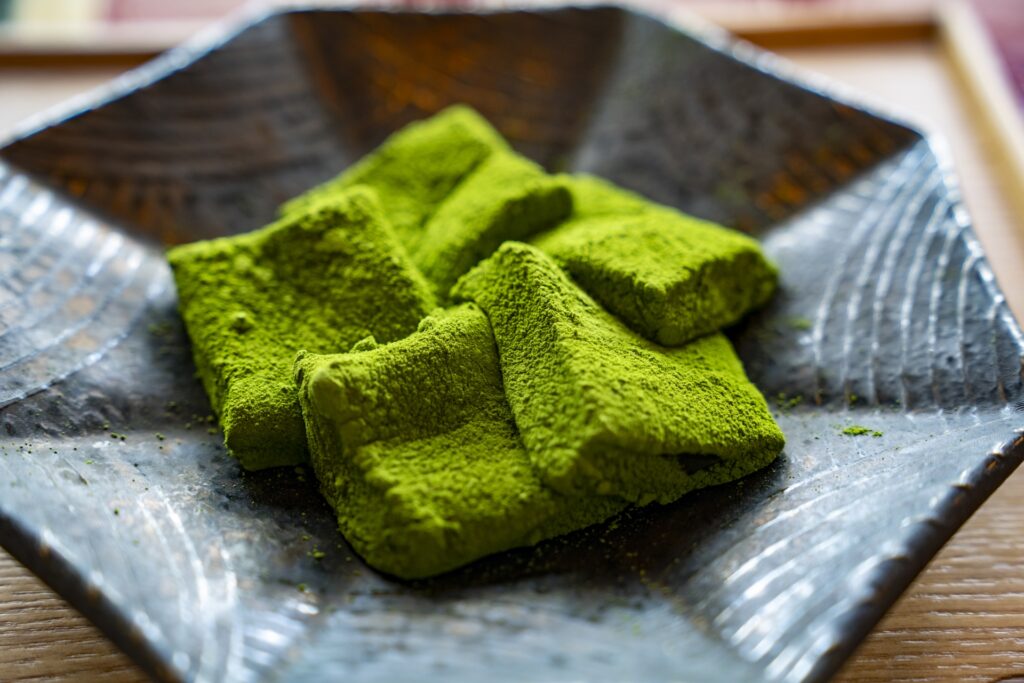
Matcha Warabi Mochi
Add 1 teaspoon matcha powder to the base mixture before heating.
Flavor: earthy, slightly bitter.
Serve with whipped cream or vanilla ice cream for contrast.
Perfect for tea lovers.
Brown Sugar Warabi Mochi
Replace white sugar with kokuto or dark brown sugar.
Flavor: deeper, caramel-like richness.
Best for fall gatherings or cozy evenings.
Milk Warabi Mochi
Replace half the water with milk.
Texture: creamier and softer.
Popular in modern Japanese cafés.
Chocolate Warabi Mochi
Add 1 tablespoon cocoa powder to the mixture.
Serve with chocolate syrup.
Kid-friendly variation.
Serving Ideas: Beyond Eating It Plain
With Ice Cream
Pair with vanilla or matcha ice cream. The cold creaminess contrasts beautifully with the soft jelly texture.
In Parfaits
Layer with whipped cream, red bean paste, and fruit. Emphasize visual presentation for an Instagram-worthy dessert.
In Japanese-Style Pancakes
Dice and fold into batter to add a chewy surprise texture.
As a Topping for Shaved Ice (Kakigori)
A classic summer pairing that adds texture contrast to icy shaved desserts.
With Coffee or Espresso
A modern fusion café pairing. The mild sweetness complements bitterness, and its neutral flavor profile makes it versatile.
Is Warabi Mochi Healthy?
Warabi mochi is:
- Low in fat
- Naturally gluten-free
- Moderate in calories
- Primarily carbohydrates
Because it’s not fried or baked with butter, it’s lighter than many Western desserts like brownies or cheesecakes. However, sugar content depends on toppings.
Disclaimer: This information is for general educational purposes and should not replace professional dietary advice.
Frequently Asked Questions
Is warabi mochi the same as mochi?
No. Warabi mochi is made from starch, not rice.
What is warabi mochi made from?
Traditionally, bracken starch, water, and sugar.
Is warabi mochi gluten free?
Yes, naturally gluten-free.
Why is it considered a summer dessert?
Because it’s served chilled and has a cooling, light texture.
Does warabi mochi need refrigeration?
Yes, especially after preparation.
How long does warabi mochi last?
Best eaten within 1–2 days for optimal texture.
Conclusion: What Makes Warabi Mochi So Special?
So, what is warabi mochi really? It’s not rice mochi, and it’s not just another trendy “jiggly dessert.” It’s a centuries-old Japanese sweet made from warabi starch, rooted in Kyoto’s aristocratic culture and transformed into a beloved summer treat.
Its delicate texture, subtle sweetness, and adaptability make it both traditional and modern at the same time. Whether enjoyed with kinako and kuromitsu or reinvented with matcha and chocolate, warabi mochi offers a gentle introduction to Japanese sweets.
If you’re curious about wagashi or planning a trip to Japan, trying warabi mochi—better yet, making it at home—can be a delicious first step into Japanese dessert culture.