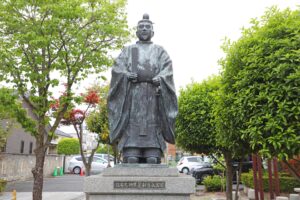
Sugawara no Michizane (845–903) was a brilliant Heian-period scholar, poet, and court official whose political downfall ended in exile at Dazaifu in Kyushu. After his death, a string of disasters and political tragedies in Kyoto were popularly linked to his angry spirit, and he was eventually honored and enshrined as Tenjin—today one of Japan’s most beloved kami associated with learning. This guide explains his life, why he was exiled, how the “vengeful spirit → deity” transformation worked, and how to experience Tenmangū shrines like Dazaifu Tenmangū (near Fukuoka) and Kitano Tenmangū (Kyoto) as a traveler or culture learner.


Who Was Sugawara no Michizane? (Quick Biography)
Sugawara no Michizane was a standout figure of Japan’s Heian period (794–1185), remembered as a rare combination of scholar, poet, and statesman. He was respected for his learning—especially his command of Chinese-style scholarship that carried high prestige at court—and he rose to influential government posts in Kyoto. For modern readers, what makes him instantly interesting is the contrast: an elite world where birth and family alliances mattered enormously, and yet Michizane’s reputation for intellect helped him climb.
He matters for three overlapping reasons. First, as a court official, he reached the top tier of politics before being abruptly removed. Second, as a literary figure, he left poetry that later generations treated as “classic.” Third—and most widely recognized today—as Tenjin, the deified form of Michizane worshipped at shrines across Japan, especially by students seeking academic success. His story is not just “a biography,” but a blueprint for how history, religion, and popular memory can fuse into a living tradition.
Fast Facts (Quick Reference)
- Born–Died: 845–903
- Known for: Scholar, poet, court official
- Turning point: Exiled in 901 to Dazaifu (Kyushu)
- Legacy: Later deified as Tenjin, patron of learning and culture
Heian Court Politics in 2 Minutes: Why His Career Was Unusual
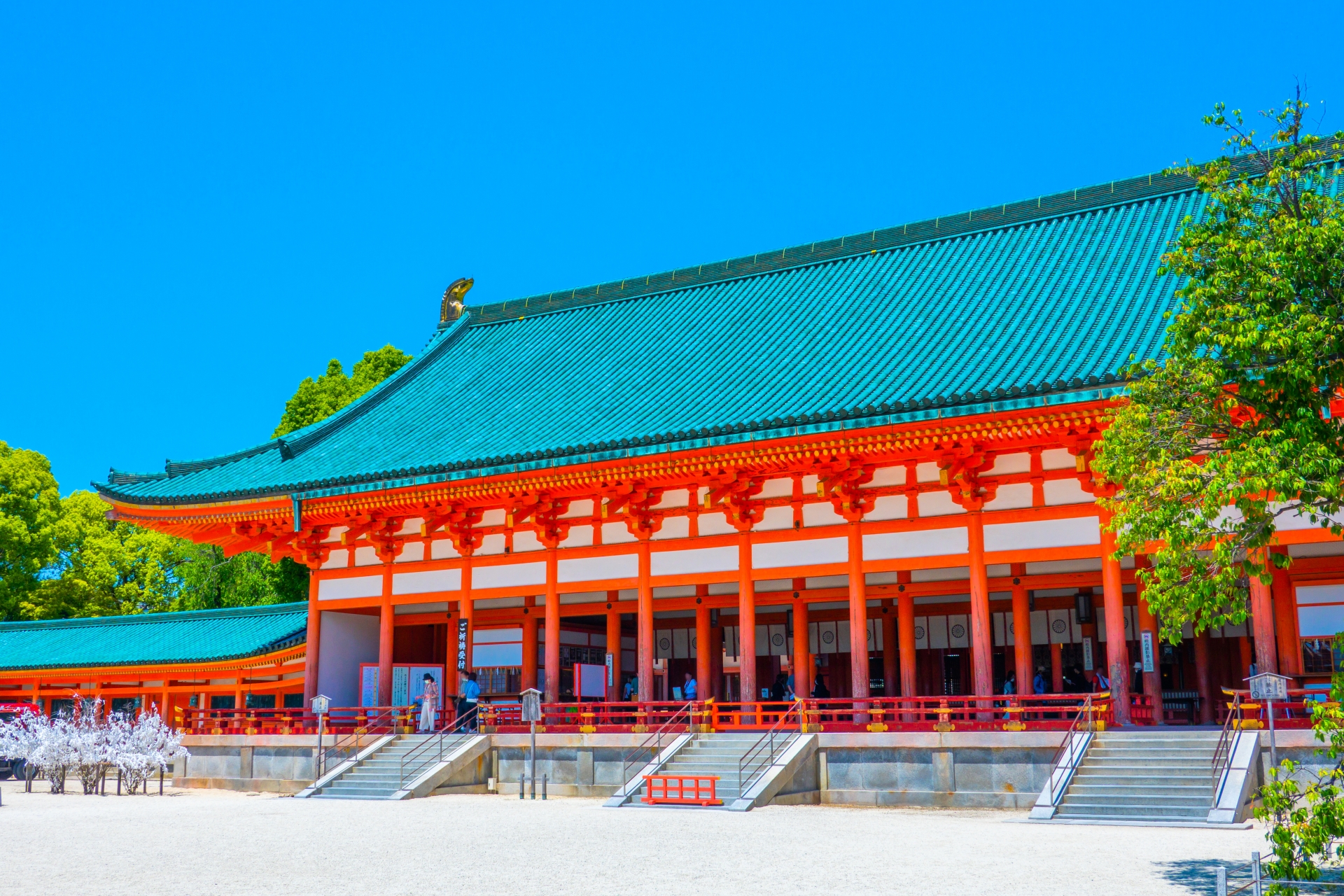
Heian politics can feel confusing until you simplify the incentive system: court rank and influence were deeply tied to lineage, marriage networks, and long-established elite houses. In that environment, “merit via learning” could still matter—but it often mattered most when it served powerful families or when a talented person fit neatly into the existing order. Michizane’s rise is frequently told as unusual because he embodied the scholar-official ideal in a system that also rewarded inherited power.
The Fujiwara clan is central to this picture. You don’t need every name and title to get the main point: the Fujiwara built durable influence by controlling key posts and using marriage alliances to position themselves close to emperors. That created a political climate where non-Fujiwara figures who gained prominence could become targets. Michizane’s story fits the classic “court intrigue” arc: reputation and rank climb steadily, then a sudden reversal hits when factions shift and rivals win.
The Exile to Dazaifu: What Happened in 901 and Why It Matters
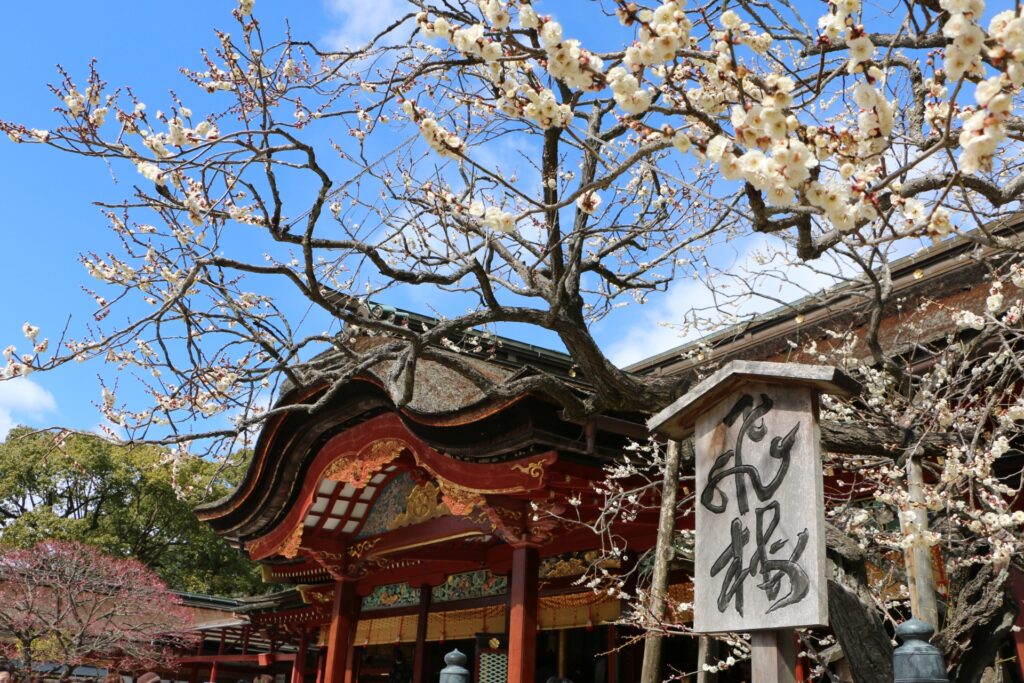
In 901, Michizane’s career collapsed. He was accused through court maneuvering, stripped of rank, and sent away from Kyoto to Dazaifu—far from the capital’s political core. For a modern audience, it helps to frame this as more than a job transfer: it was a forced removal from the social system that created power in the first place. Once exiled, it became dramatically harder to defend yourself, rebuild alliances, or correct the record.
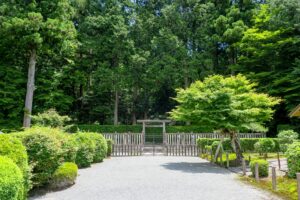
Michizane died in Dazaifu in 903, never returning to Kyoto. That ending matters because it makes his story emotionally legible: brilliance, service, injustice, isolation, and an unresolved death away from home. It also sets up the next chapter—his transformation after death—because it leaves room for regret and fear in the capital.
Sidebar: What “exile” meant in Heian Japan
Exile was a political tool with social teeth. It removed a rival from the capital, disrupted their patronage network, and signaled disgrace. It also physically distanced them from the rituals, relationships, and daily visibility that made court life work. Even if an exile retained an “official” assignment on paper, it functioned as a severe demotion and often ended any realistic path back to power.
From Vengeful Spirit to Tenjin: How Michizane Became a Deity
After Michizane’s death, stories spread that disasters affecting Kyoto were linked to his unsettled spirit. In later tradition, the list of “calamities” is often described in concrete terms: outbreaks of disease, drought and crop anxiety, flooding and destructive storms, and—most famously—an imperial palace lightning incident in 930 that reportedly caused deaths and injuries among courtiers. These events were increasingly interpreted through the logic of onryō/goryō beliefs: when a powerful person dies wronged, the community fears imbalance and seeks to restore order.
The key move is appeasement through honor. By recognizing Michizane, restoring dignity, and enshrining him, the court could symbolically “make peace” with what it had done—turning fear into protection. Over time, Michizane’s identity as Tenjin increasingly emphasized what he had been famous for in life: learning, literature, cultivated arts, and refined knowledge. That’s why Tenjin is now beloved as a protector of study and scholarship.
Mini Glossary (quick and friendly)
- kami: a revered being in Shinto; broader than the word “god” in many contexts
- onryō / goryō: ideas around unsettled spirits and misfortune tied to social wrongdoing
- shrine: a sacred place where a kami is venerated, with its own etiquette and rituals

Mini Explainer: What Is a Tenmangū Shrine?
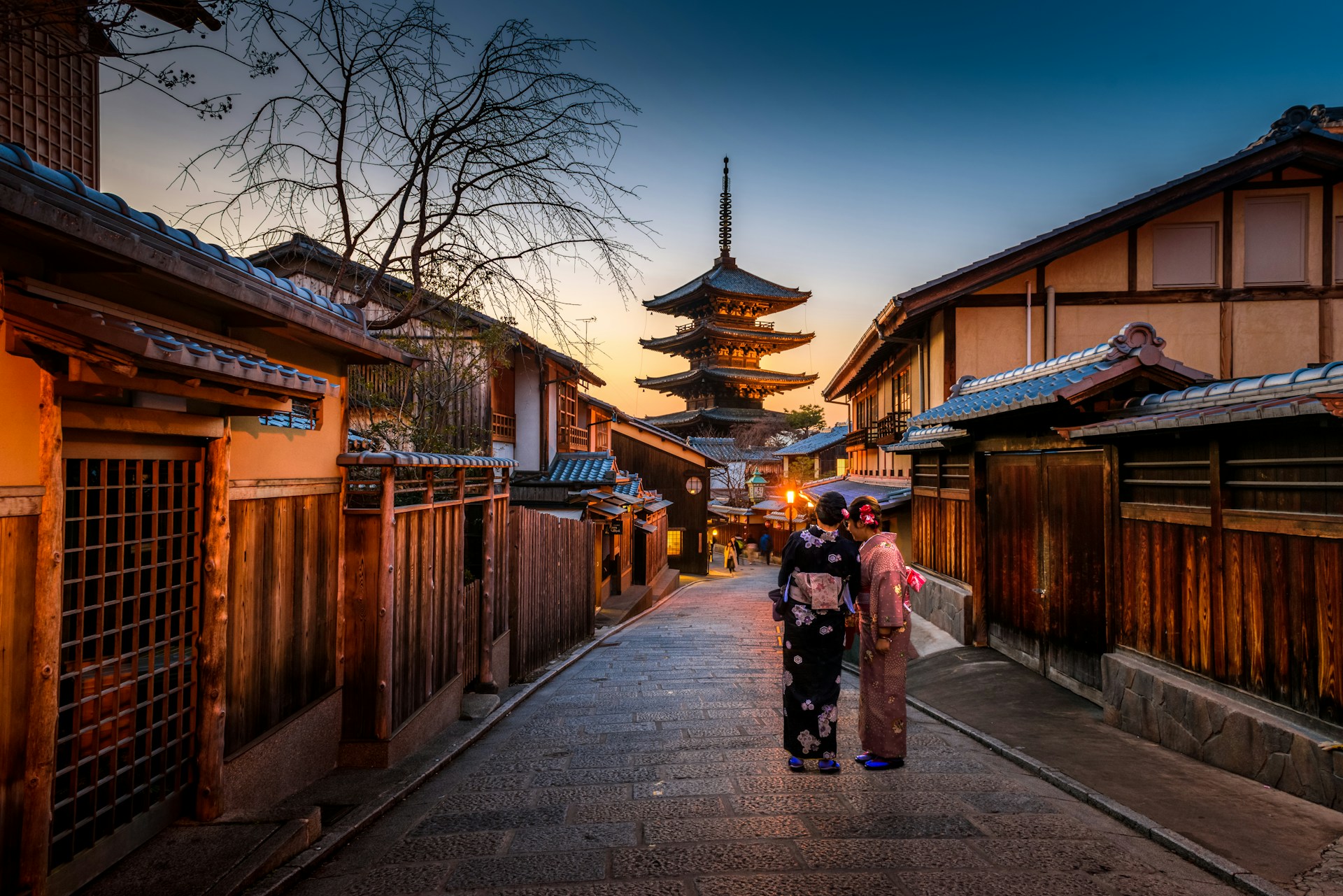
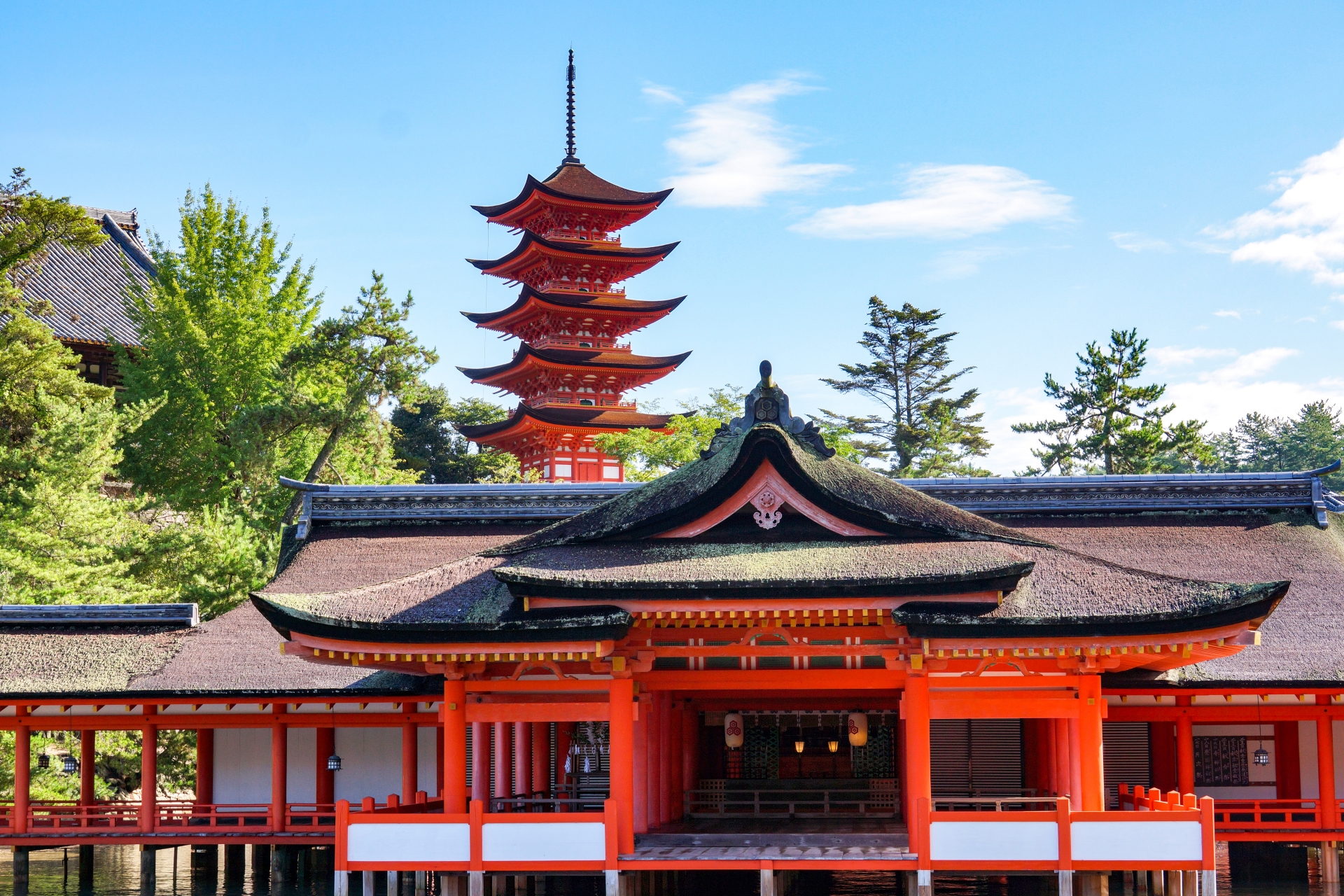
A Tenmangū (Tenmangu) shrine is a shrine dedicated to Tenjin—the deified Sugawara no Michizane. If you remember one sentence, make it this: Tenjin is the deity; Tenmangū is the shrine dedicated to Tenjin. This clears up a common confusion for English learners who see both words online and assume they’re interchangeable.
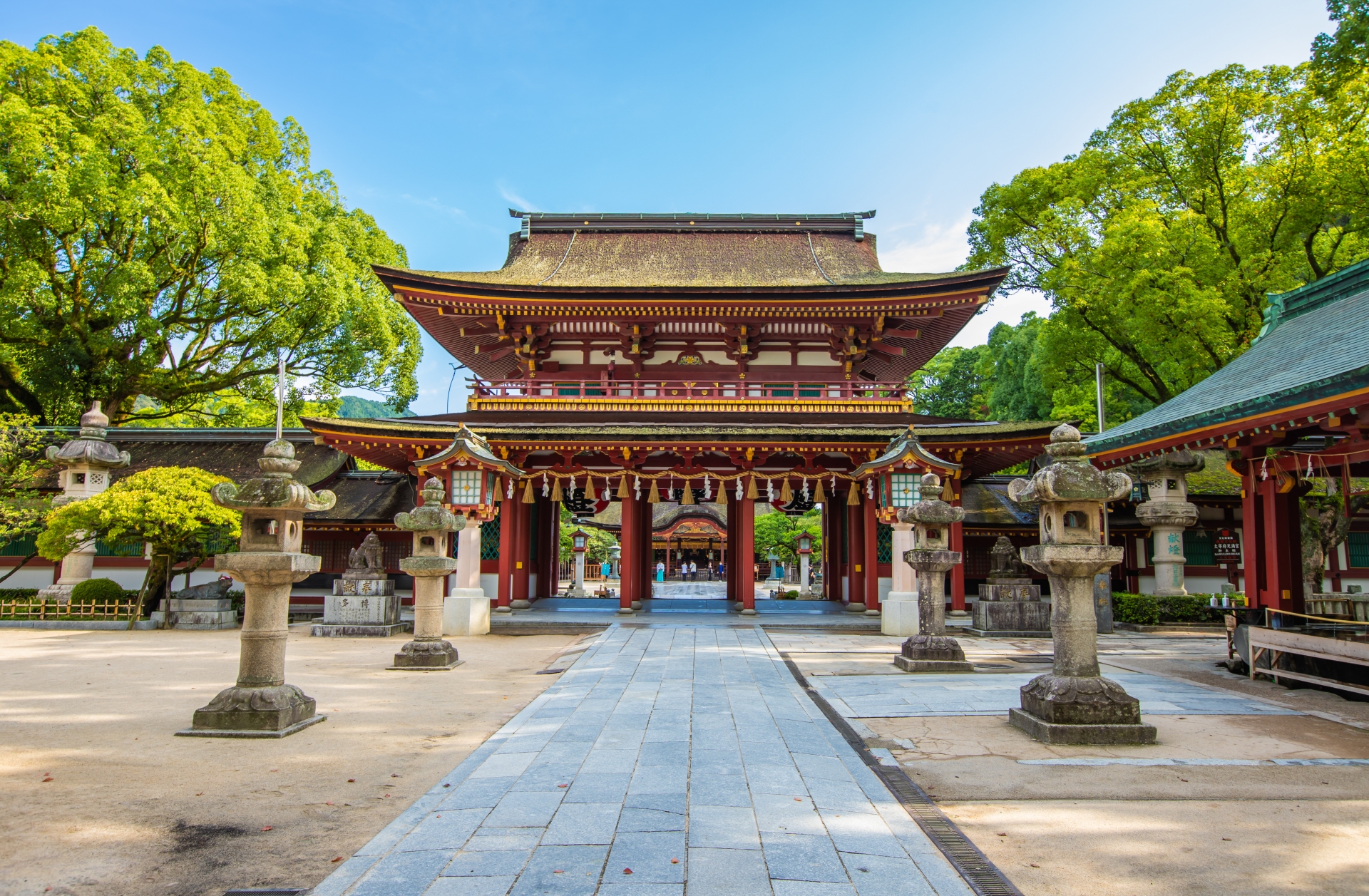
There are many Tenjin shrines across Japan, but two are especially famous and visitor-friendly. Dazaifu Tenmangū is deeply tied to Michizane’s exile, death, and the emotional “end of the story” that shaped his legend. Kitano Tenmangū in Kyoto represents the capital’s response—an important Tenjin shrine in the city where the political drama happened. Visiting either gives you a direct “history meets living culture” experience.
Symbols You’ll See at Tenjin Shrines: Plum Blossoms and Oxen
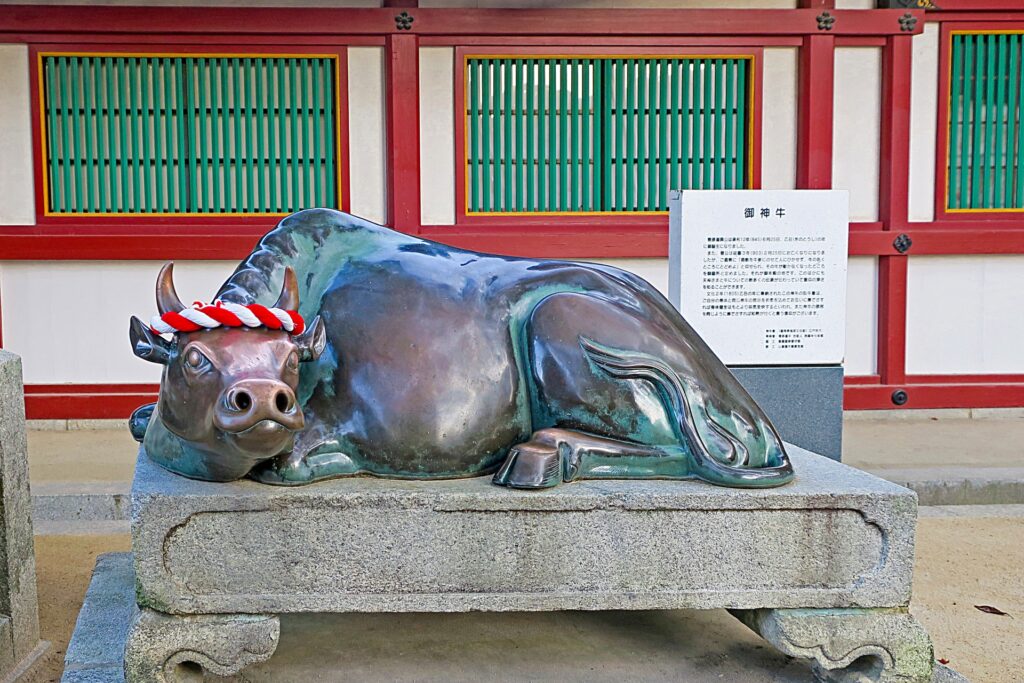
Tenjin shrines often feel instantly recognizable because they teach you through symbols, not just text. The two biggest motifs are plum blossoms (ume) and oxen.
Why oxen? In shrine tradition, Michizane is linked to oxen partly because he was associated with the Ox (ushi) zodiac. More memorably, a famous story says that when his body was carried by ox-drawn cart, the ox sat down and refused to move; the spot where it stopped was treated as the place where he should be buried. That story helped “Tenjin = ox” become a lasting visual symbol.
Why plum blossoms? Michizane is strongly associated with plum through poetry and legend. When he was sent away from the capital, tradition says he composed a farewell poem to the plum tree at his home, and many poems connected to him feature plum imagery. Over time, plum became a shorthand for his literary spirit and cultivated learning—one reason plum appears so often at Tenjin shrines.
Symbol Table (Meaning + Where to notice it)
| Symbol | Meaning (Tenjin context) | Where to notice it |
| Plum blossoms (ume) | Poetry, refinement, and Michizane’s literary image | Plum groves, shrine motifs, seasonal signage |
| Ox statues | A signature Tenjin motif tied to burial legend and devotion | Stone/bronze ox figures across shrine grounds |
| Ema plaques | Written wishes (often study/exam wishes at Tenjin shrines) | Racks/walls where plaques are hung |
| Omamori | Protective charms, commonly for studies/success | Shrine counters selling amulets |
Praying for Exams: What Students Actually Do
Tenjin worship is famous because it’s practical. Students and families visit Tenmangū shrines to pray for academic success, entrance exams, and steady progress in study. You’ll often see this in the kinds of items people interact with: ema (wooden wish plaques) and omamori (charms). For a US visitor, it’s helpful to understand that the atmosphere can be both spiritual and everyday—reverent, but also full of people doing simple actions tied to life goals.
If you want to participate respectfully as a traveler, you don’t need to memorize a script. The basics are: follow posted signage, move with the flow, keep voices low, and treat prayer spaces as private. If you write an ema, keep the message short and sincere. If you buy an omamori, think of it as a symbolic reminder rather than a “magic item.” Tenjin shrines are living religious sites, so the best etiquette is humility: observe first, act second, and avoid turning worship areas into photo stages.
Michizane the Poet: The Famous Hyakunin Isshu Poem (with Meaning)
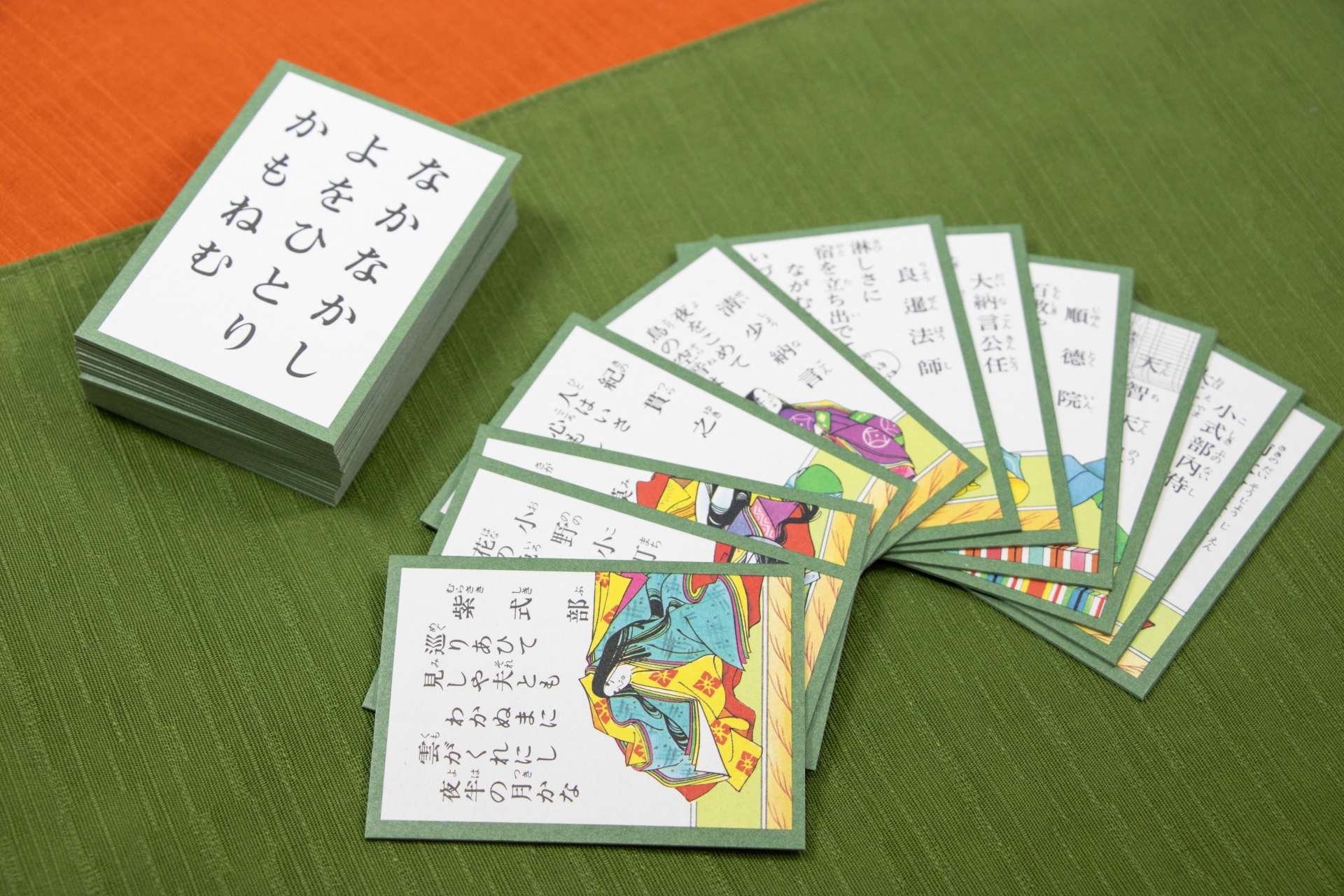
Sugawara no Michizane is not only remembered through shrines—he’s also part of Japan’s literary “greatest hits.” One of his waka appears in the Ogura Hyakunin Isshu, a classic anthology that many Japanese learn through study, games, or cultural exposure. For English learners, this poem is a great entry point because it’s vivid, short, and easy to translate into a modern feeling.
Poem (romaji)
Kono tabi wa / nusa mo toriaezu / tamukeyama / momiji no nishiki / kami no mani mani
Meaning in modern English (plain sense)
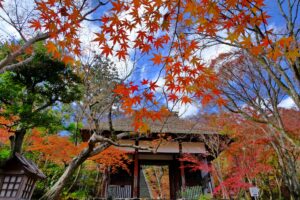
He says he couldn’t bring formal offerings, so he offers something else: the mountain’s autumn leaves, “brocaded” in red, as a tribute to the gods. It’s a poetic move that turns nature into a sacred gift.
Cultural Afterlife: How His Story Shows Up in Art and Places
Michizane’s afterlife isn’t only religious—it’s cultural and visual. Over centuries, artists repeatedly depicted him and Tenjin imagery, and Hyakunin Isshu poems were often paired with illustrations that helped people “see” the poet’s identity. This is part of how Michizane became widely recognizable: his story moved from historical record to shared iconography, reinforced by shrine symbols and seasonal rituals.
In physical space, Tenjin culture is especially easy to experience. Shrines associated with him often highlight plum blossoms, ox statues, and study-related wishes, which makes the narrative feel alive rather than “museum-like.”
Where to Connect With Sugawara no Michizane Today (Travel Picks)
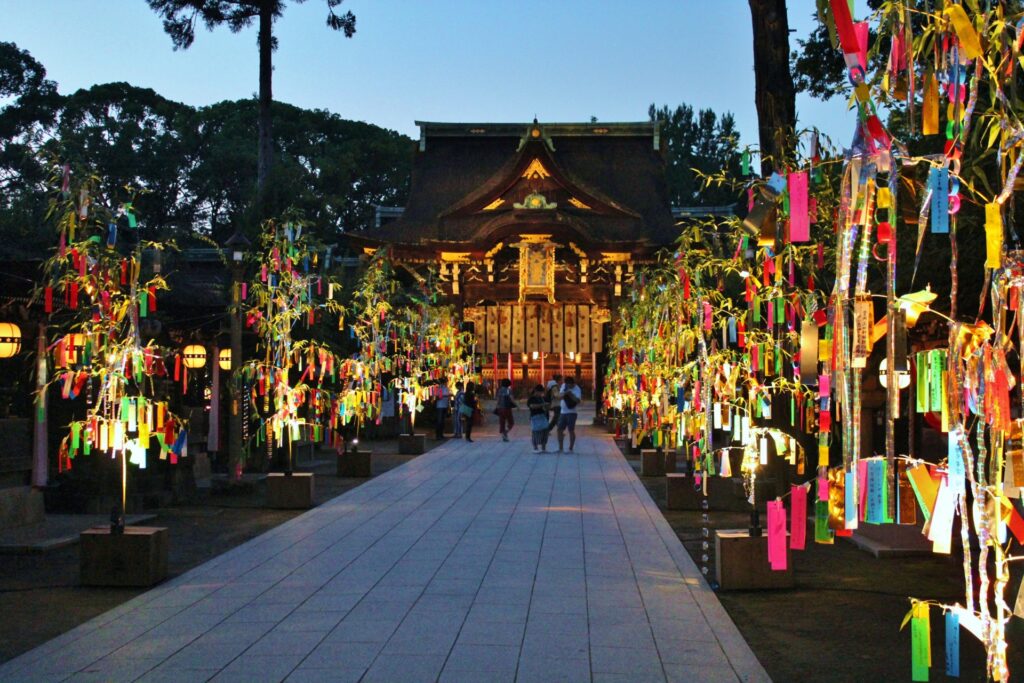
If you want the highest “story payoff” in real life, focus on two flagship shrines. They anchor Michizane’s narrative from opposite directions: the exile site (Dazaifu) and the capital’s major Tenjin shrine (Kyoto).
- Dazaifu Tenmangū (Kyushu / near Fukuoka)
This is the strongest place to feel the emotional core of the story: exile, death, remembrance, and Tenjin worship. - Kitano Tenmangū (Kyoto)
Kyoto gives you the “capital context.” Kitano Tenmangū is one of the most important Tenjin shrines and fits easily into Kyoto itineraries.
FAQ (People Also Ask Answer Hub)
Is Sugawara no Michizane Tenjin?
Yes. Tenjin is the deified form of Sugawara no Michizane in Japanese religious tradition.
Why was Sugawara no Michizane exiled?
He was exiled in 901 after court rivalry and political maneuvering in Kyoto.
Why do students pray to Tenjin?
Because Tenjin is widely worshipped as a protector of learning. Students often write ema and buy study-related omamori.
What is his famous poem?
A well-known entry point is his Hyakunin Isshu poem beginning “Kono tabi wa…,” which offers autumn leaves as a tribute to the gods.
Conclusion: Why Sugawara no Michizane Still Matters
Sugawara no Michizane still matters because his story connects human drama, cultural logic, and modern practice in one clean line: brilliance, political downfall, exile, posthumous fear, and finally transformation into a protector of learning. And as a modern experience, Tenjin devotion is easy to see with your own eyes—especially through the two iconic symbols that make his legacy instantly recognizable: ox statues and plum blossoms.