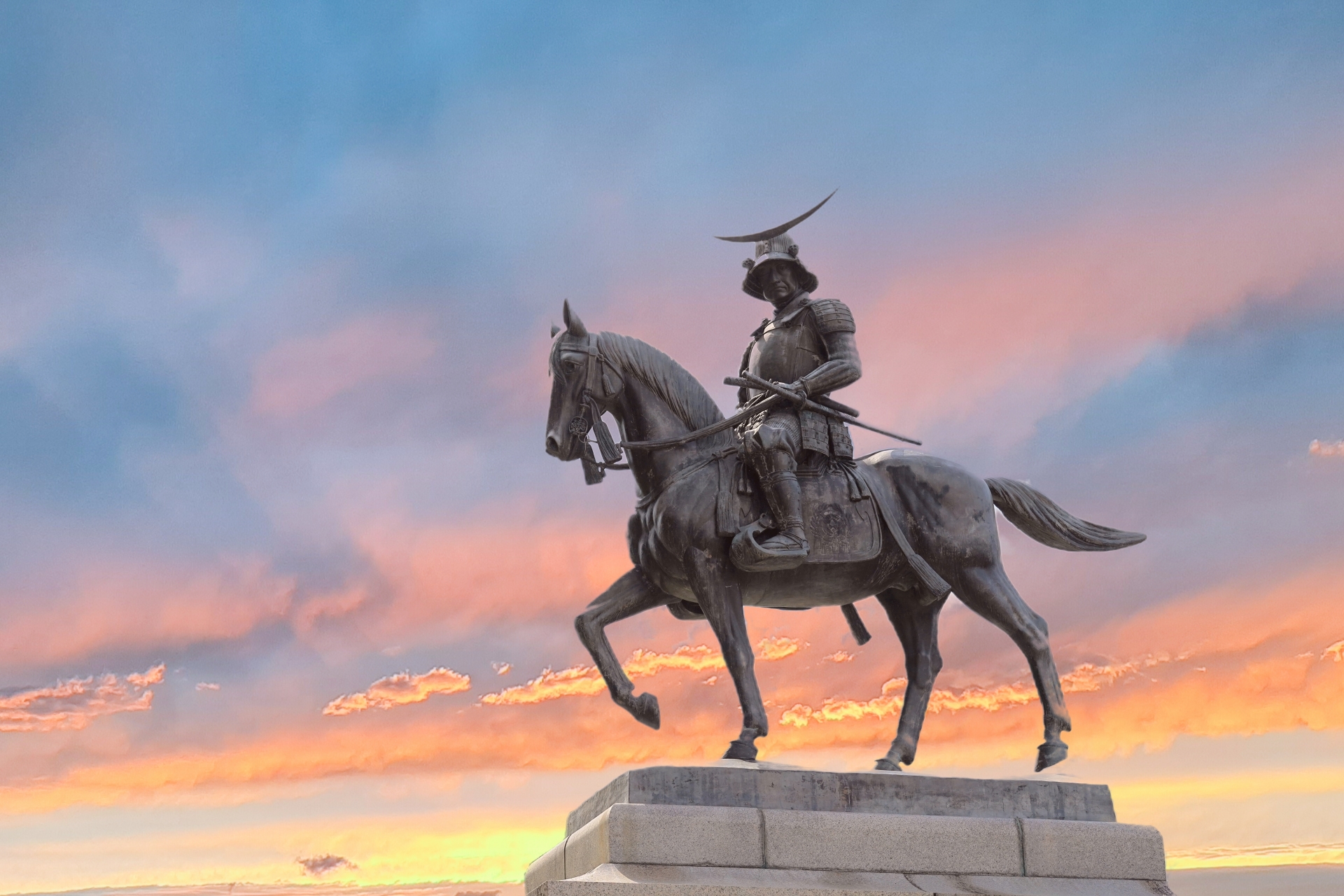
Samurai are one of Japan’s most recognizable cultural symbols. Images of armored warriors carrying swords have appeared in Hollywood films, anime, video games, and TV dramas around the world. Yet the real story of the samurai is far more complex than dramatic duels and battlefield heroics.
For centuries, samurai shaped Japanese politics, warfare, culture, and even art. Some were fierce military commanders, while others became administrators, scholars, poets, and bureaucrats during long periods of peace. Their legacy still influences modern Japan through martial arts, festivals, historical sites, and popular culture.
This guide explains who the samurai really were, how they rose to power, what bushido actually meant, and why their image continues to fascinate people today.


What Is a Samurai?
A samurai was a member of Japan’s warrior class. The word “samurai” comes from an older Japanese verb meaning “to serve,” reflecting the fact that these warriors originally served noble families and military lords. In historical texts, the term bushi is also commonly used. While both words refer to warriors, bushi often appeared in more formal or historical contexts.
The meaning of samurai changed significantly over time. Early samurai were regional fighters hired to protect landowners during periods when the imperial government became weaker. By the medieval era, samurai evolved into a powerful military elite that effectively ruled Japan through the shogunate system.
Many people today imagine samurai primarily as sword fighters wearing elaborate armor. While swords became an important symbol of samurai identity, real samurai had many responsibilities beyond combat. They collected taxes, managed territories, enforced laws, and served political leaders. During peaceful periods such as the Edo era (1603–1868), many samurai rarely fought at all and instead worked as administrators, teachers, or scholars.
The samurai class also existed within a strict social hierarchy. Samurai ranked above farmers, artisans, and merchants in feudal Japan. Their status gave them privileges, including the right to carry swords, but it also required loyalty and service to their lords.
Today, samurai are no longer a social class, but their legacy remains deeply connected to Japanese history and identity.
A Brief History of the Samurai
The history of the samurai spans nearly a thousand years. Their role evolved from local warriors to rulers of Japan before eventually disappearing during modernization in the nineteenth century.
| Period | What Happened |
| Heian Period (794–1185) | Regional warrior clans gained military power |
| Kamakura Period (1185–1333) | First shogunate established by Minamoto no Yoritomo |
| Muromachi Period (1336–1573) | Samurai influence expanded amid political instability |
| Sengoku Period (1467–1615) | Constant civil wars between rival daimyo |
| Edo Period (1603–1868) | Long peace transformed samurai into bureaucrats |
| Meiji Restoration (1868 onward) | Samurai class abolished during modernization |
The samurai did not suddenly appear fully formed. Their identity evolved gradually as Japan’s political system changed. Warfare, shifting alliances, and regional conflicts helped transform them into the dominant military class of premodern Japan.
The Rise of Warrior Clans
During the late Heian period, Japan’s imperial court in Kyoto struggled to maintain control over distant provinces. Wealthy landowners increasingly relied on armed retainers for protection, and powerful warrior families began to emerge.
Two major clans — the Taira and Minamoto — became especially influential. Their rivalry eventually led to the Genpei War (1180–1185), one of the defining conflicts in Japanese history. After victory, Minamoto no Yoritomo established the Kamakura shogunate, creating a military government led by a shogun rather than the emperor.
This marked a major turning point. Although the emperor remained symbolically important, real political and military power increasingly rested with samurai leaders. Loyalty between warriors and their lords became a central feature of samurai society.
As the samurai class expanded, martial training became more formalized. Archery, horseback riding, and swordsmanship were highly valued skills. Samurai culture also began developing its own ethical ideals, though these ideas varied across regions and time periods.
The rise of warrior clans laid the foundation for centuries of military rule in Japan.
The Sengoku Period and the Age of Battle
The Sengoku period, often translated as the “Age of Warring States,” was one of the most chaotic eras in Japanese history. From the fifteenth to early seventeenth century, rival daimyo fought for territory and political dominance across the country.
This is the period that most strongly shapes modern images of samurai. Massive castles, dramatic armor, cavalry charges, and legendary sword fights all became associated with this era. Famous leaders such as Oda Nobunaga, Toyotomi Hideyoshi, and Tokugawa Ieyasu emerged during these wars and eventually helped unify Japan.
Samurai during the Sengoku period were professional warriors constantly involved in military campaigns. However, real warfare was far less romantic than movies often suggest. Large-scale battles depended heavily on strategy, logistics, alliances, and discipline rather than individual duels.
Firearms also changed samurai warfare dramatically. Portuguese traders introduced guns to Japan in the sixteenth century, and Japanese armies quickly adopted them. Contrary to popular myth, samurai did not reject guns because of honor. Many warlords enthusiastically used firearms because they were effective in battle.
The instability of the Sengoku period eventually ended when Tokugawa Ieyasu established the Tokugawa shogunate in 1603, beginning more than 250 years of relative peace.
The Edo Period: From Warriors to Administrators
The Edo period transformed samurai society. Because Japan experienced long-term peace under Tokugawa rule, many samurai no longer fought regularly in wars.
Instead, samurai became government officials, castle administrators, scholars, and bureaucrats. They managed finances, recorded laws, supervised infrastructure, and maintained social order throughout the country. Literacy and education became increasingly important for samurai families.
This peaceful era also shaped many cultural traditions associated with samurai today. Tea ceremony, calligraphy, poetry, Zen philosophy, and martial arts schools flourished during this period. Samurai ideals became tied not only to warfare but also to discipline, refinement, and education.
At the same time, many lower-ranking samurai struggled financially. Since they received fixed stipends while merchants accumulated wealth, some samurai fell into debt despite their high social status.
The Edo period ended with the Meiji Restoration in 1868. Japan rapidly modernized and adopted Western-style institutions. The samurai class lost its privileges, and carrying swords in public was eventually prohibited. Although the samurai disappeared legally, their cultural influence survived.
What Is Bushido?
Bushido is often translated as “the way of the warrior.” Many modern books and films describe it as a strict moral code followed by all samurai throughout history. In reality, bushido was never a single universal rulebook shared equally by every warrior.
Instead, bushido developed gradually over centuries and combined various ideas about loyalty, honor, courage, discipline, self-control, and martial skill. Different regions, clans, and historical periods interpreted these values differently.
During times of war, loyalty to one’s lord was especially important. Samurai were expected to serve faithfully, even at great personal risk. Concepts of honor also played a major role in warrior identity, though historical samurai were often pragmatic political actors rather than idealized heroes.
Many popular ideas about bushido became heavily romanticized during the Edo period, when peace allowed writers and philosophers to reinterpret samurai ethics. Later, during the modern era, bushido was further reshaped into a national ideology emphasizing patriotism and sacrifice.
Because of this history, historians today usually avoid describing bushido as an ancient, unchanging code. It was a flexible concept that evolved alongside Japanese society.
Still, bushido continues to influence global perceptions of samurai. Themes of loyalty, discipline, perseverance, and personal responsibility remain strongly associated with the samurai image in modern culture.
Samurai Weapons and Armor
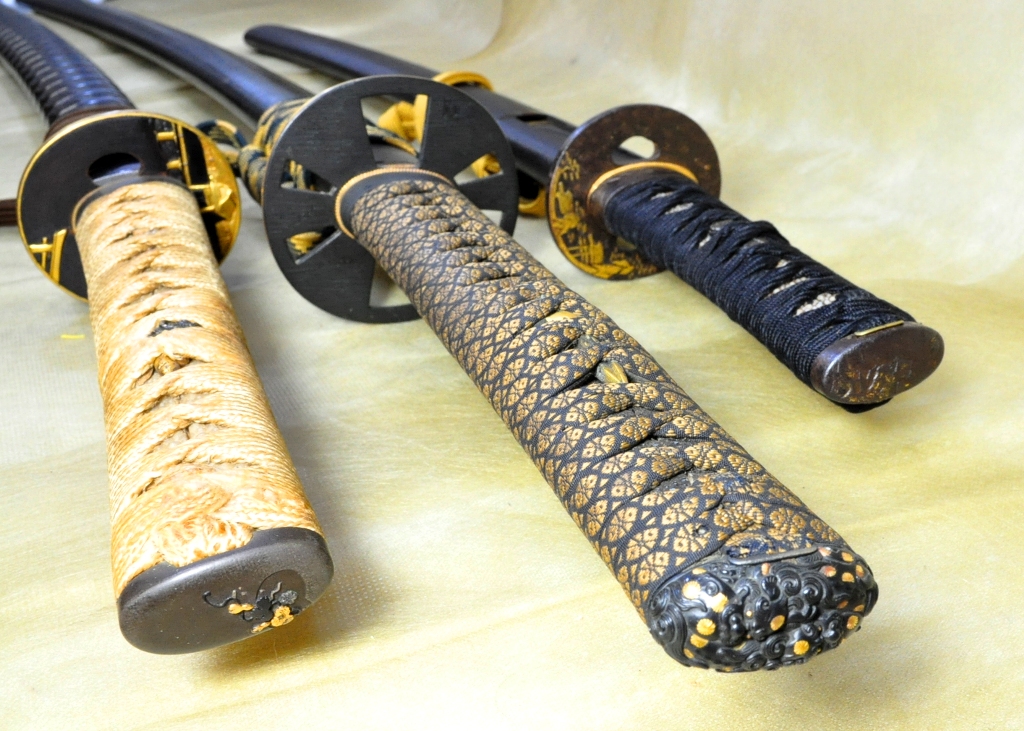
Although the katana became the most famous samurai weapon, samurai used many different tools throughout history depending on the battlefield situation and historical era.
Early samurai often relied heavily on mounted archery. Later periods emphasized spears, swords, and eventually firearms. Armor also evolved over centuries to adapt to changing military technology.
| Weapon / Equipment | Purpose | Common Era |
| Katana | Curved long sword for close combat | Edo Period onward |
| Wakizashi | Short companion sword | Edo Period onward |
| Yumi | Traditional Japanese longbow | Early and medieval eras |
| Yari | Spear used in mass warfare | Sengoku Period |
| Naginata | Pole weapon with curved blade | Medieval era |
| Tanegashima | Matchlock firearm | Sengoku Period |
| Kabuto | Samurai helmet | Various periods |
| Yoroi Armor | Protective battlefield armor | Medieval periods |
The katana became an important symbol of samurai identity, especially during peaceful eras when carrying swords represented social status. However, swords were not always the primary battlefield weapon. Spears and bows were often more practical in large-scale warfare.
Samurai armor was designed to balance protection and mobility. Helmets called kabuto often featured elaborate decorations meant to intimidate enemies and identify commanders during battle.
Firearms significantly transformed samurai warfare after their introduction in the sixteenth century. Some of Japan’s largest battles involved coordinated gun formations rather than purely traditional sword combat.
Today, samurai swords and armor are admired as works of craftsmanship and art. Museums across Japan display historically important weapons, armor sets, and battlefield artifacts that reveal the sophistication of samurai culture.
Samurai vs Ninja, Ronin, Shogun, and Daimyo
Many people encounter Japanese historical terms through movies, anime, or games, which can make the relationships between these groups confusing. Samurai existed within a broader political and military system.
| Term | Meaning |
| Samurai | Warrior serving a lord |
| Ninja | Spy or covert operative associated with espionage |
| Ronin | Masterless samurai |
| Shogun | Military ruler of Japan |
| Daimyo | Powerful feudal lord |
Understanding these differences helps explain how feudal Japanese society actually functioned.
Samurai vs Ninja
Samurai and ninja are often portrayed as direct opposites in popular culture, but the reality was more complicated.
Samurai were members of an official warrior class tied to social rank and military service. Their responsibilities included combat, administration, and loyalty to their lords.
Ninja, meanwhile, were associated with espionage, scouting, infiltration, sabotage, and unconventional tactics. Rather than existing as a formal social class, ninja were linked to specialized skills and covert operations.
Popular media frequently exaggerates ninja abilities with supernatural stealth powers or magical combat techniques. Historical ninja were more likely to function as spies, informants, or scouts.
Interestingly, some samurai probably performed ninja-like activities when necessary. The boundary between the two was not always completely separate in real history.
Samurai vs Ronin
A ronin was a samurai without a master. This could happen if a lord died, lost political power, or dismissed his retainers.
Because samurai identity depended heavily on serving a lord, becoming a ronin often created financial and social instability. Some ronin sought new masters, while others became teachers, mercenaries, wanderers, or even criminals.
Ronin appear frequently in Japanese storytelling because they symbolize independence, hardship, and personal conflict. The famous tale of the Forty-Seven Ronin remains one of Japan’s best-known historical legends.
Modern films often romanticize ronin as wandering swordsmen guided purely by personal honor, though real-life ronin experiences varied greatly.
Samurai vs Shogun and Daimyo
The shogun was the military ruler of Japan and effectively held political power for much of Japanese history. Although the emperor remained an important symbolic figure, the shogun controlled military government and national administration.
Daimyo were powerful feudal lords who ruled regional territories. They commanded armies and governed land under the broader authority of the shogunate.
Samurai served these daimyo as retainers, warriors, and officials. In this hierarchy, samurai were not independent rulers but part of a larger feudal system based on loyalty and military service.
This structure shaped Japanese politics for centuries until modernization during the Meiji era dismantled the feudal order.
Were There Female Samurai?
Although popular culture often focuses almost entirely on male warriors, women from samurai families also played important roles in Japanese history.
The term onna-musha refers to female warriors associated with the samurai class. Some women received martial training and participated directly in battles, especially during periods of conflict.
One famous example is Tomoe Gozen, a legendary female warrior from the late Heian period who appears in historical chronicles and literature. Another notable figure is Nakano Takeko, who fought during the Boshin War in the nineteenth century.
Women in samurai households also defended homes and castles during attacks. Weapons such as the naginata became associated with female martial training because they allowed effective defense against armed opponents.
Despite these historical examples, modern portrayals of samurai often overlook women entirely. Recent museum exhibitions and historical research have increasingly challenged the stereotype that samurai culture was exclusively male.
Female members of samurai families also contributed culturally and politically through education, household management, diplomacy, and artistic pursuits. Their influence extended far beyond the battlefield.
Understanding women’s roles provides a more complete and realistic picture of samurai society.
Do Samurai Still Exist Today?
Samurai no longer exist as an official social class. After the Meiji Restoration in 1868, Japan abolished the feudal system and modernized its government and military.
Former samurai lost many privileges, including the exclusive right to carry swords. Over time, Japan adopted a modern national army based on conscription rather than hereditary warrior service.
However, samurai culture did not disappear completely. Many Japanese families today can trace ancestry back to samurai lineages, and samurai traditions continue through martial arts, historical preservation, and cultural festivals.
Modern practices such as kendo, iaido, kyudo, and traditional swordsmithing preserve aspects of samurai martial culture. Museums display armor, weapons, documents, and artwork connected to samurai history throughout Japan.
Samurai imagery also remains highly influential internationally. Films, anime, manga, games, and television dramas continue introducing new generations to romanticized versions of samurai culture.
In this sense, the samurai survive not as warriors but as an enduring cultural symbol.
Samurai in Movies, Anime, and Modern Culture
Modern entertainment has played a major role in shaping global perceptions of samurai. From Akira Kurosawa films to anime series and modern games, samurai stories continue attracting audiences worldwide.
Many popular portrayals emphasize dramatic sword duels, rigid honor codes, and lone wandering warriors. While these elements sometimes contain historical truth, they are often simplified or romanticized for storytelling purposes.
For example, films frequently present samurai as exclusively noble heroes guided by perfect bushido ideals. In reality, samurai were human beings shaped by politics, ambition, economic pressures, and social obligations.
Anime and games also mix historical inspiration with fantasy elements. Characters may use exaggerated sword techniques, supernatural abilities, or fictionalized historical settings that prioritize entertainment over accuracy.
Recent international interest in Japanese historical dramas has renewed curiosity about samurai history. Productions such as Shogun introduced many global viewers to feudal Japanese politics and culture, even though dramatizations naturally adapt historical events for narrative purposes.
At the same time, museums and historians increasingly encourage broader perspectives on samurai culture. Modern scholarship highlights administration, art, education, women’s roles, and everyday life alongside warfare.
The enduring popularity of samurai reflects more than fascination with combat. Samurai stories often explore universal themes such as loyalty, identity, discipline, sacrifice, and social change.
Where to Experience Samurai Culture in Japan
Travelers interested in samurai history can explore many places across Japan connected to warrior culture.
Kyoto offers numerous historical sites related to the samurai era, including former residences, temples, and cultural museums. Tokyo’s Edo-period heritage can be explored through museums and reconstructed districts connected to the Tokugawa shogunate.
Castles are among the best places to experience samurai history firsthand. Himeji Castle, Matsumoto Castle, and Kumamoto Castle preserve architecture linked to feudal military power and samurai administration.
Several museums focus specifically on samurai weapons, armor, and martial traditions. Visitors can view authentic swords, helmets, and historical documents while learning about daily samurai life.
Some cultural experiences allow travelers to try sword demonstrations, wear replica armor, practice martial arts, or participate in historical reenactments. These activities are especially popular with international visitors seeking immersive experiences.
Historical towns such as Kakunodate in Akita or Kanazawa’s preserved districts also provide insight into how samurai families once lived.
For travelers interested in Japanese culture beyond anime and modern cities, samurai heritage offers a fascinating connection to the country’s historical identity.
FAQ About Samurai
What does samurai mean?
The word “samurai” originally meant “those who serve.” It referred to members of Japan’s warrior class who served military lords and political leaders.
Did samurai use guns?
Yes. Samurai widely adopted firearms after guns were introduced to Japan in the sixteenth century. Many major battles during the Sengoku period used organized gun units.
What is bushido?
Bushido means “the way of the warrior.” It refers to ethical ideas associated with samurai culture, including loyalty, discipline, courage, and honor, though it was never a single fixed code.
Were samurai and ninja enemies?
Not necessarily. Samurai and ninja had different roles, but they were not always direct enemies. Some samurai likely used espionage and covert tactics themselves.
Who was the last samurai?
The phrase often refers to Saigo Takamori, a former samurai leader involved in the Satsuma Rebellion of 1877. However, the idea of a single “last samurai” is partly symbolic.
Are samurai swords still made today?
Yes. Japanese swordsmiths still produce traditional swords using historical techniques. Modern swords are typically created as art objects, martial arts equipment, or cultural crafts rather than battlefield weapons.