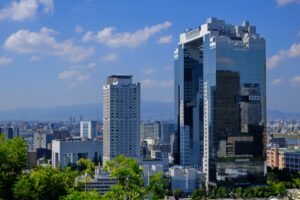
Tokyo does not have one neat, compact center. It works more like a collection of cities stitched together by rail lines, each neighborhood moving at its own speed. In the course of a day, you might walk over gravel beneath the trees of a shrine, squeeze through a fashion street after lunch, watch the light fade behind a wall of office towers, then eat dinner at a counter with only six seats under the railway tracks.
That variety is part of the appeal, but it can make a first itinerary surprisingly difficult to build. The trick is not to fit in as many landmarks as the trains will technically allow. It is to keep each day geographically sensible. Asakusa pairs naturally with Tokyo Skytree. Meiji Jingu, Harajuku, Omotesando, and Shibuya unfold as one continuous route. Tsukiji, Ginza, and Tokyo Station can occupy most of a day without sending you back and forth across the city.
This Tokyo travel guide covers how many days to spend in the city, where to stay, how to navigate the rail system, which attractions need advance reservations, and how to put together a realistic five-day Tokyo itinerary. It also deals with the less glamorous details that often decide whether a day feels easy or exhausting: station exits, walking time, closing days, rain plans, and when it is better to stop for coffee than add one more attraction.
Opening hours, prices, ticket conditions, and transport services do change. The information below was reviewed in June 2026, but official websites should always be checked shortly before your visit.


Tokyo at a Glance: What First-Time Visitors Need to Know
For a first trip, three to five full sightseeing days is a useful range. Three days can cover a carefully chosen selection of major areas. Five allows time for museums, gardens, shopping, longer meals, and at least one day shaped around your own interests rather than a standard checklist. With seven days or more, quieter neighborhoods and a day trip become easier to add without sacrificing Tokyo’s main districts.
Count full sightseeing days, not hotel nights. An international arrival day at Haneda Airport or Narita Airport rarely behaves like a normal travel day, even when the flight lands in the morning. Immigration, baggage collection, the airport transfer, check-in, and jet lag have a way of swallowing several hours. A short walk near the hotel and an uncomplicated dinner usually make more sense than a timed museum ticket or a sunset reservation.
For planning purposes, it helps to divide Tokyo into broad geographical groups:
| Tokyo Area | Neighborhoods That Work Well Together |
|---|---|
| Eastern Tokyo | Asakusa, Ueno, Yanaka, Tokyo Skytree |
| Central Tokyo | Tokyo Station, Marunouchi, Ginza, Tsukiji, Akihabara |
| Western Tokyo | Shinjuku, Harajuku, Omotesando, Shibuya |
| Southern Tokyo | Roppongi, Azabudai, Toranomon, Odaiba |
One or two major areas per day is generally enough. A route app might show a 17-minute train ride, but that number does not include finding the platform, walking through the station, waiting, transferring, and emerging from the correct exit. At Tokyo, Shinjuku, Shibuya, Ueno, and Shinagawa stations, the gap between “train time” and actual door-to-door time can be considerable.
Shinjuku Station is a good example. The problem is not simply choosing the correct line. You may cross a wide concourse, go down two levels, pass through part of a department store, then discover that the exit you chose opens several blocks from another exit with a nearly identical name. When a reservation matters, add 10–20 minutes at a large station.
Tokyo’s core is served by JR trains, Tokyo Metro, Toei Subway, and private railways. There is no need to memorize the whole network. A navigation app, a rechargeable IC card, and attention to line colors, station numbers, platform numbers, and exit numbers will handle most journeys.
There is also more walking than the map suggests. Station corridors, underground malls, parks, shrine approaches, museum galleries, and shopping complexes all add distance. A busy day can easily reach 15,000–20,000 steps. Comfortable shoes are more useful than a transport pass optimized down to the last yen.
Tokyo also makes a practical base for Kamakura, Yokohama, Kawagoe, Mount Takao, Hakone, and the Fuji Five Lakes. With only three full days, though, staying in the city usually gives better value than spending one of them on a day trip.
How Many Days Do You Need in Tokyo?
| Time in Tokyo | What You Can Realistically Cover | Best For |
|---|---|---|
| 3 full days | Major eastern, western, and central areas | A short first visit |
| 5 full days | Major districts plus museums, gardens, shopping, and personal interests | Most first-time visitors |
| 7 days or more | Outer neighborhoods, slower days, and a possible day trip | Relaxed or repeat travel |
Is Three Days in Tokyo Enough?
Three full days can give you a strong first impression of Tokyo, but there is little room for indecision. A workable structure is one day in eastern Tokyo, one in western Tokyo, and one in central Tokyo or Shinjuku.
Because the rail network is so efficient, it is tempting to build a day around famous names rather than geography: Sensō-ji in the morning, Meiji Jingu at noon, Shibuya in the afternoon, and Shinjuku after dark. It can be done. It also produces a day dominated by station transfers and clock-checking.
What disappears first are the quieter parts of the trip: turning into a side street because a shop looks interesting, sitting down for lunch rather than eating quickly, or entering a garden without worrying about the next train.
With three days, choose one major museum, one observation deck, and one shopping district that genuinely suits you. Leave the day trip for another visit.
Why Five Days Works Well for First-Time Visitors
Five full days gives the city room to breathe. You can see eastern, central, and western Tokyo, while still making space for a museum, a garden, a slower lunch, and an attraction that requires a timed ticket.
It also gives you some protection against reality. Rain may spoil the appeal of an outdoor observation deck. Jet lag may turn an 8:00 a.m. start into a 10:30 one. A department store, record shop, or museum may take twice as long as planned. On a three-day schedule, one delay can break the rest of the day. Over five days, plans can move without everything else collapsing.
Make the fixed reservations first. Then arrange each day around the neighborhood where that reservation is located. Before assigning weekdays, check museum and garden closing days.
What to Add with Seven Days or More
A longer stay opens up parts of Tokyo that work better without a landmark-led schedule. Yanaka has temple lanes, low-rise streets, and small shops. Kiyosumi-Shirakawa brings together contemporary galleries, coffee shops, and a traditional garden. Kagurazaka is shaped by slopes, narrow lanes, and restaurants that come alive toward evening. Shimokitazawa and Koenji suit travelers interested in vintage clothing, music, and independent businesses. Kichijoji combines a substantial shopping district with Inokashira Park.
A day trip or a rest day also becomes easier to justify. Keep at least half a day unassigned. That space can absorb rain, a closure, a missed neighborhood, or the moment when everyone simply needs to stop walking.
Best Areas to Visit in Tokyo
| Area | Best For | Best Time | Suggested Time | Pair With |
|---|---|---|---|---|
| Asakusa | Temples and old Tokyo | Early morning | 2–3 hours | Tokyo Skytree |
| Ueno | Museums and parks | Morning–afternoon | 3–5 hours | Yanaka |
| Harajuku | Shrine, fashion, and design | Morning–afternoon | 3–4 hours | Shibuya |
| Shibuya | City views and nightlife | Late afternoon–night | 3–4 hours | Harajuku |
| Shinjuku | Gardens, skyline, and nightlife | Afternoon–night | Half day | Standalone |
| Tsukiji and Ginza | Food, shopping, and architecture | Morning–evening | Half or full day | Tokyo Station |
| Akihabara | Anime, games, and electronics | Afternoon | 2–4 hours | Ueno or Kanda |
Asakusa: Temples and Old Tokyo
Asakusa is one of the most straightforward places to combine a major Buddhist temple with an older commercial district. Kaminarimon Gate marks the entrance with its enormous red lantern, dark timber frame, rickshaws waiting at the curb, and a junction that rarely seems to stop moving.
Beyond it, Nakamise runs toward Hozomon Gate and the main hall of Sensō-ji. The shops sell rice crackers, sweets, fans, small crafts, and a great deal of souvenir merchandise. Beside the temple complex, Asakusa Shrine offers a quieter Shinto setting. Continue east and the streets open toward the Sumida River, with Tokyo Skytree rising clearly across the water.
Early morning changes the place. Around 7:00–8:00 a.m., the temple grounds still feel broad and unhurried. Brooms scrape across the pavement, pigeons lift off in small groups, and footsteps carry across the stone. It is also the easiest time to photograph Kaminarimon and the central approach without composing the shot around several tour groups.
There is a trade-off: most Nakamise shutters are still down. By around 10:00 a.m., the shops are open and the street looks livelier, but progress slows to a shuffle. When taking photos, stay clear of the steps, incense area, and entrances. Sensō-ji remains a working place of worship, not just a dramatic background.
The main hall normally opens at 6:00 a.m. and closes at 5:00 p.m. From October through March, it opens at 6:30 a.m. The grounds remain accessible outside the main hall’s hours, and admission is free.
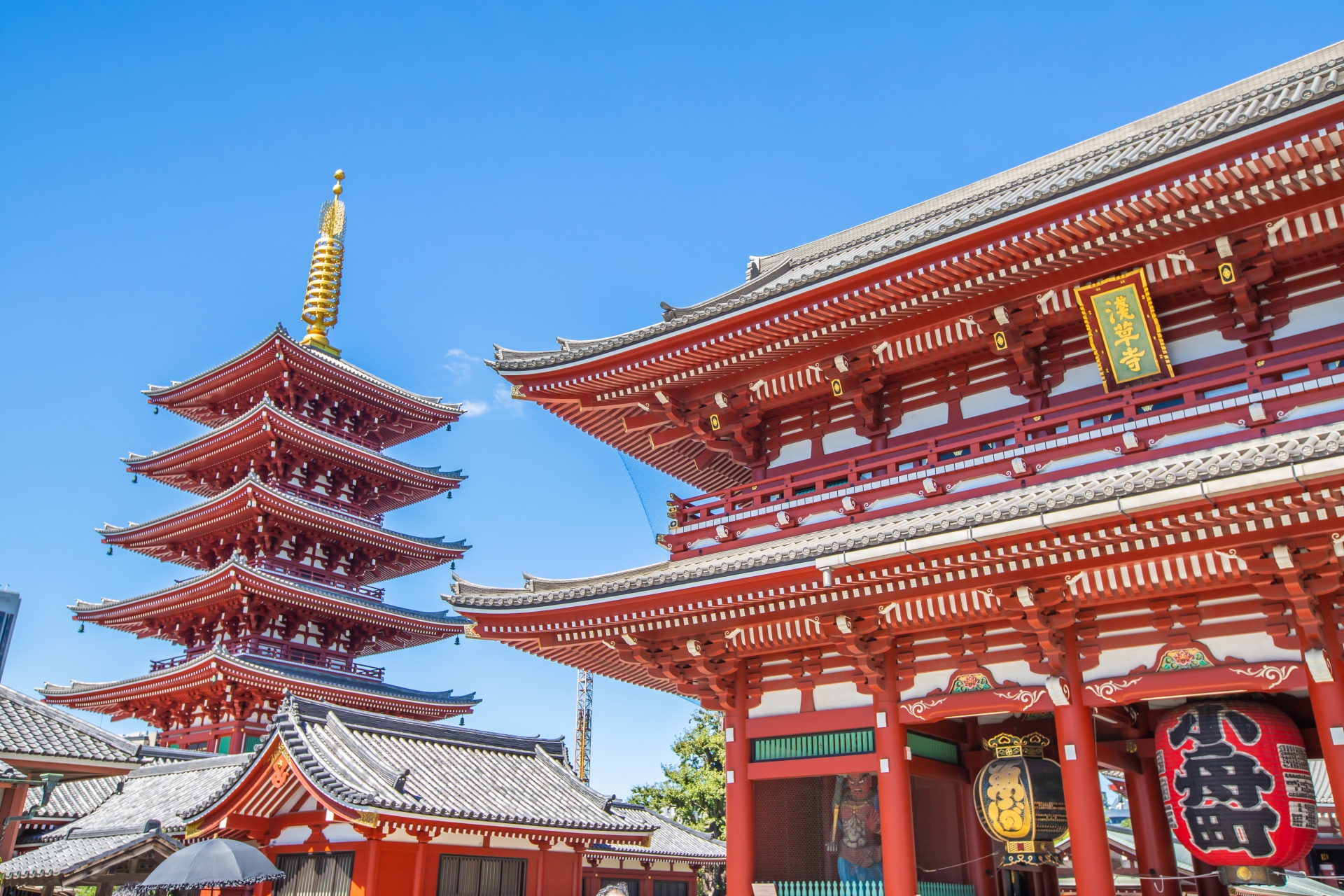
Sensō-ji Temple
Location: 2-3-1 Asakusa, Taito City, Tokyo
Access: About five minutes on foot from Asakusa Station on the Tokyo Metro Ginza Line, Toei Asakusa Line, Tobu Skytree Line, or Tsukuba Express
Hours: Main hall generally 6:00 a.m.–5:00 p.m.; opens at 6:30 a.m. from October through March
Price: Free
Official Website: https://www.senso-ji.jp/english/
Allow two to three hours for the wider Asakusa area. From the river, Tokyo Skytree can be reached by train or on foot. The walk gives you shifting views of the tower between buildings, though it is easy to skip in heavy rain or midsummer heat.
Ueno and Yanaka: Museums, Parks, and Local Streets
Ueno is more enjoyable once you decide what kind of visit you want. One approach is to build the day around a major museum. Another is to use the park as an opening stretch before Shinobazu Pond, Ameyoko, and perhaps Yanaka. Trying to cover every museum, the zoo, the pond, Ameyoko, and Yanaka in a single afternoon usually turns variety into fatigue.
The Tokyo National Museum needs at least two to three hours. Its galleries cover painting, sculpture, ceramics, textiles, Buddhist art, swords, armor, and decorative objects. The mood inside is quiet and concentrated. After a couple of hours of labels and galleries, even enthusiastic visitors begin to fade, so plan a seated break instead of treating the museum as something to tick off quickly.
Standard collection hours are generally 9:30 a.m.–5:00 p.m., with last admission 30 minutes before closing. Selected dates may have extended hours. Closing days and gallery availability are worth checking carefully, especially around Mondays and public holidays.
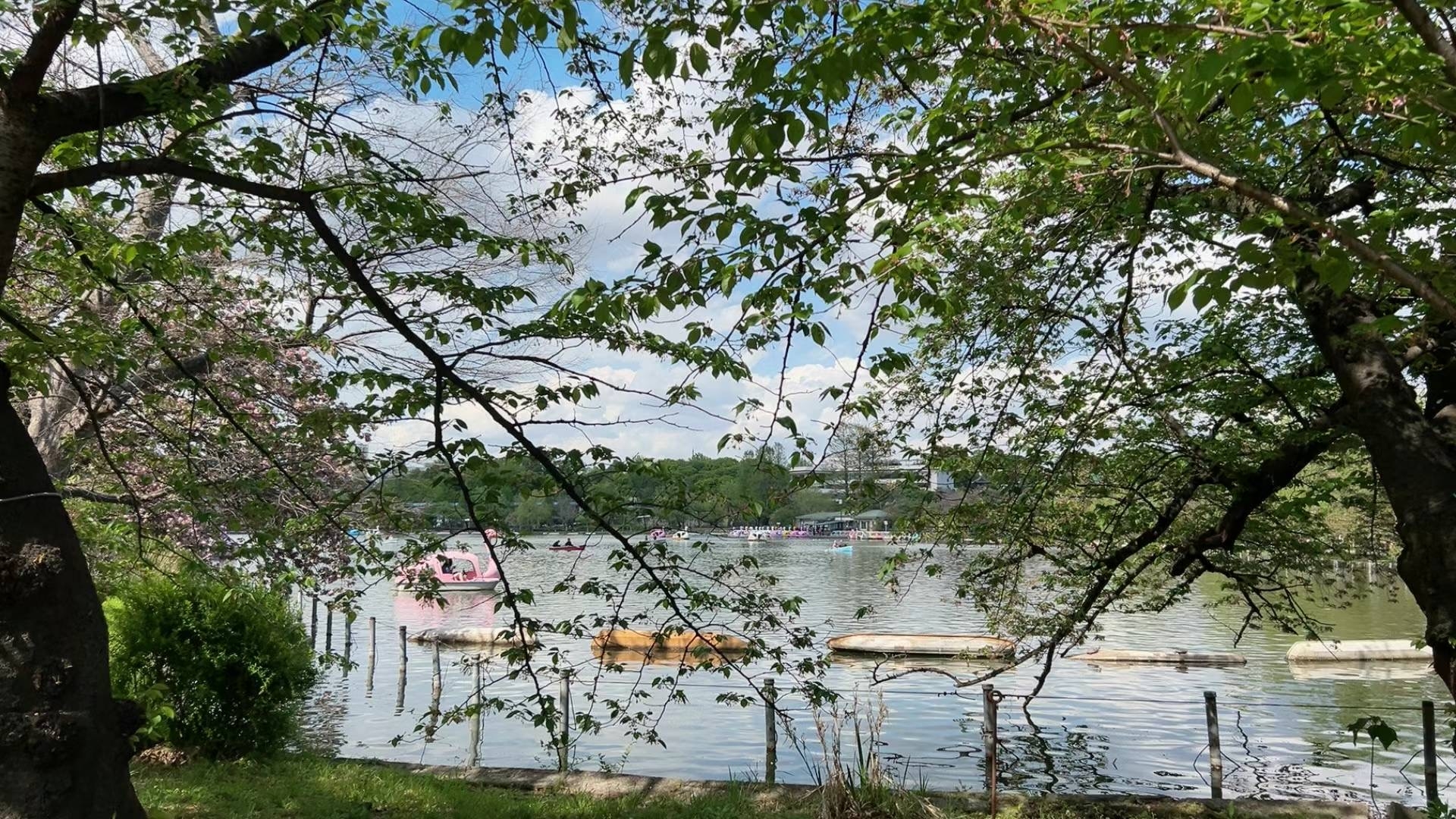
Tokyo National Museum
Location: 13-9 Uenokoen, Taito City, Tokyo
Access: About ten minutes on foot from Ueno Station’s Park Exit; also accessible from Uguisudani Station
Hours: Generally 9:30 a.m.–5:00 p.m.; selected extended openings may apply
Price: Collection and special-exhibition prices vary; check the current ticket information
Official Website: https://www.tnm.jp/?lang=en
Outside, Ueno Park has wide paths and open gathering areas. Shinobazu Pond slows the pace further, particularly when seasonal plants are visible. Ameyoko does the opposite. Trains grind overhead, staff call from shopfronts, cooking smells drift through narrow lanes, and people stop without warning at food counters.
In daylight, Ameyoko still feels largely like a shopping street. By early evening, restaurants, grills, and casual drinking take over. It is noisy, compressed, and not especially polished. That roughness is one reason it remains interesting.
Yanaka works best as an optional extension, usually approached from Nippori Station. Its cemetery, temples, and residential streets call for a quieter presence. Keep voices down, avoid photographing homes or people without permission, and do not block the narrow lanes.
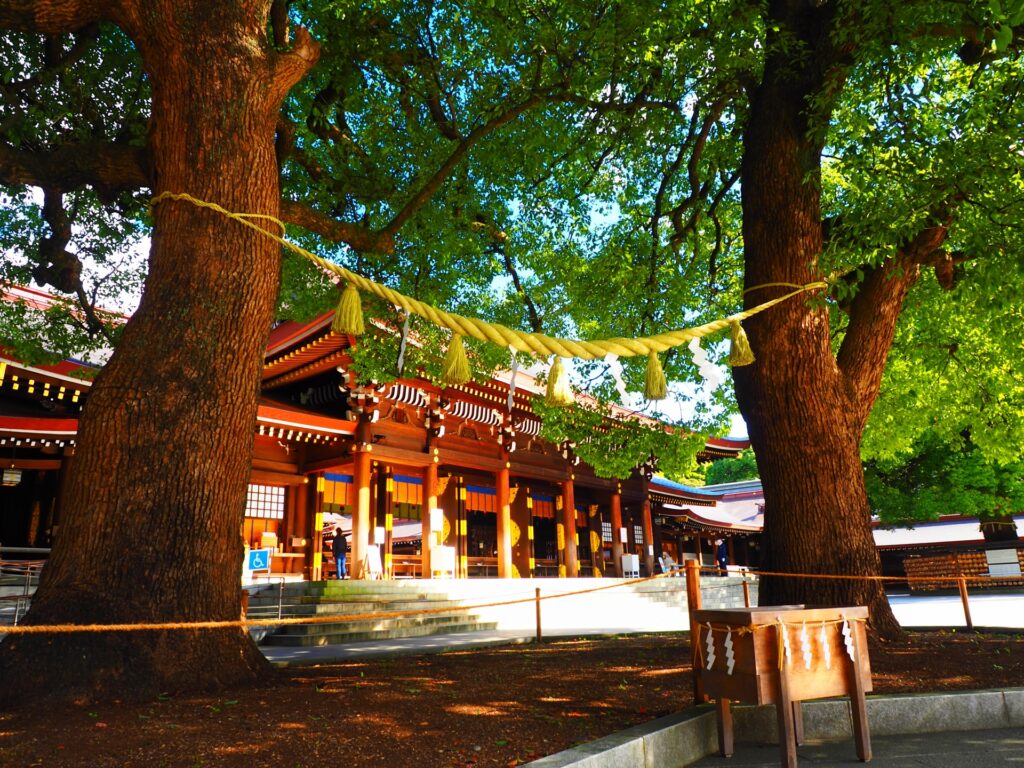
Meiji Jingu, Harajuku, and Omotesando
These three areas sit close together, but they do not blend into one mood. Meiji Jingu is forest, gravel, torii gates, and shrine ritual. Harajuku is compressed and loud, with youth fashion, character shops, snacks, and crowds. Omotesando shifts again, toward architecture, flagship stores, galleries, and a more formal streetscape.
Begin at Meiji Jingu. The walk from the Harajuku-side torii gate to the main shrine takes longer than many people expect. Gravel crunches steadily underfoot, and beneath the trees the air often feels cooler than it did beside the station. After rain, good shoes matter even more.
The main shrine precinct is free. Opening and closing times change by month because the shrine opens around sunrise and closes around sunset. In June, for example, the official schedule lists 5:00 a.m.–6:30 p.m. The Inner Garden requires a ¥500 maintenance contribution. Allow about an hour for the main shrine, or closer to two if you include the Inner Garden and museum.
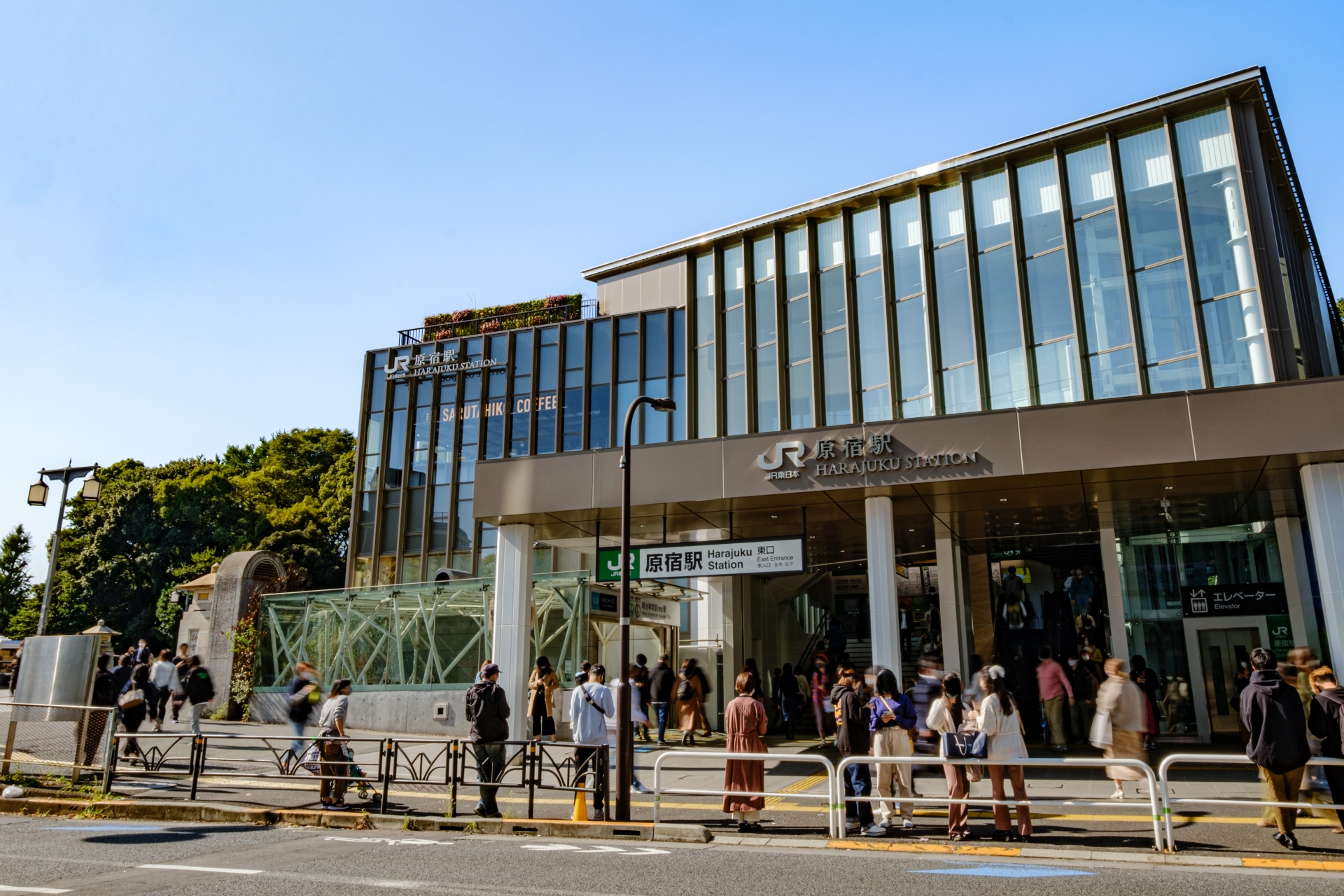
Meiji Jingu
Location: 1-1 Yoyogikamizonocho, Shibuya City, Tokyo
Access: Beside Harajuku Station and Meiji-jingumae Station; additional entrances are available from Yoyogi and Sangubashi
Hours: Vary by month, generally from sunrise to sunset
Price: Main shrine precinct free; Inner Garden ¥500; museum separately charged
Official Website: https://www.meijijingu.or.jp/en/
From the shrine, continue into Harajuku. Takeshita Street is the neighborhood in concentrated form, though weekend afternoons can become almost shoulder-to-shoulder. When the noise starts to flatten everything, turn into the streets around Jingumae or Cat Street. The scale changes within a block or two: smaller fashion shops, quiet residential corners, and independent cafés replace the main street’s volume.
Omotesando brings another shift, this time toward contemporary architecture and large flagship stores. Depending on the route and how often you stop, the walk from the shrine area into central Omotesando takes around 15–25 minutes.
Allow three to four hours for the combined area. Visit Meiji Jingu first, before the retail streets reach full intensity.
Shibuya: Crossing, City Views, and Evening Energy
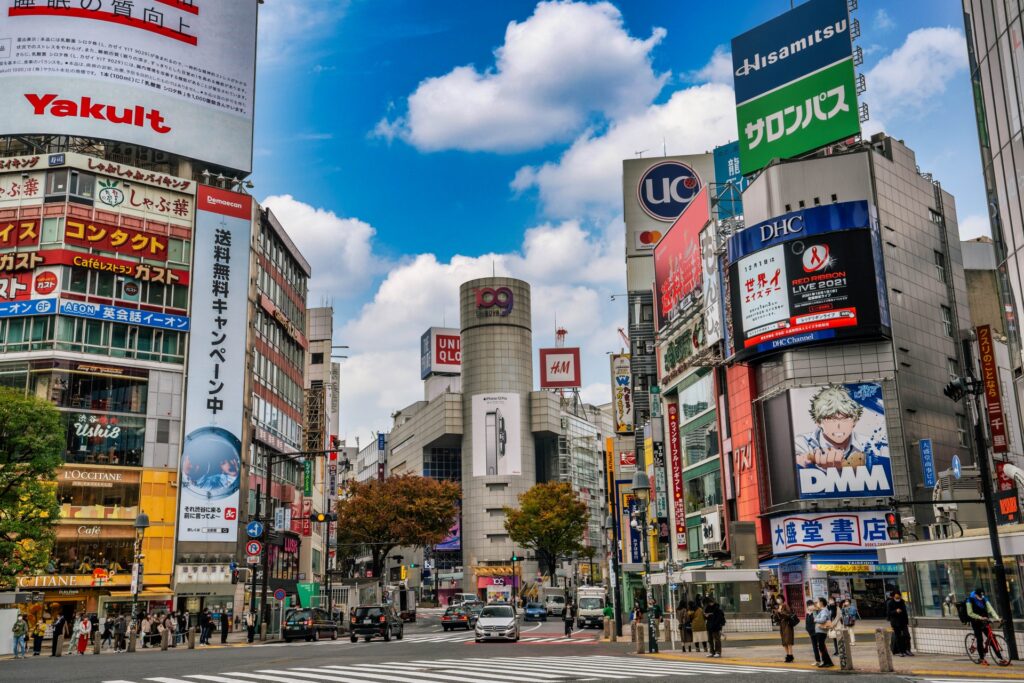
Shibuya makes more sense as an evening district than as a single famous crossing. Start near Hachikō Square, watch the scramble from ground level, then continue toward Center-gai, Miyashita Park, Parco, or the streets climbing toward Dogenzaka.
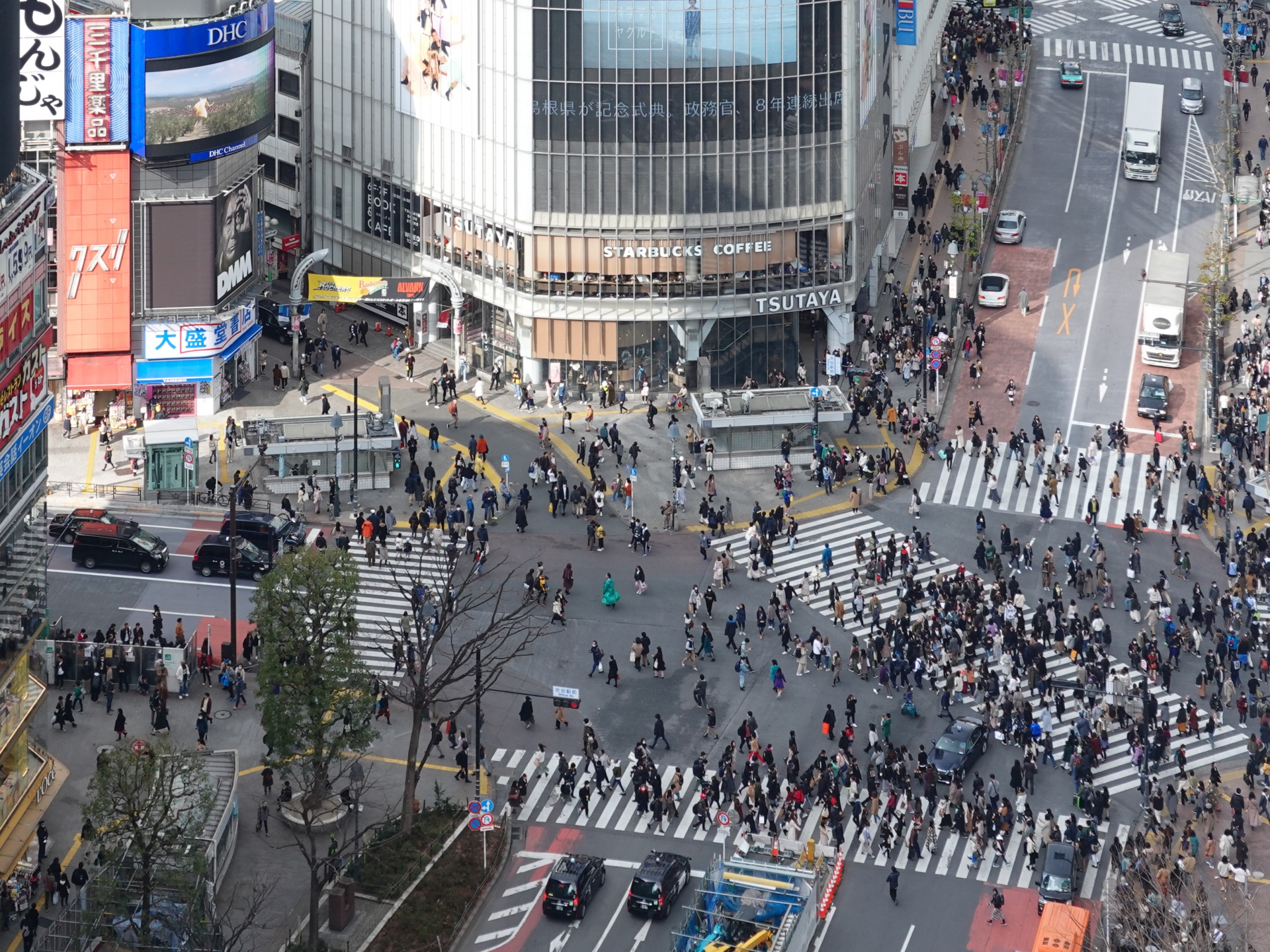
At street level, the crossing is mostly sound and movement. Signals chirp, screens flash above the buildings, music leaks from shop entrances, and several currents of pedestrians pass through at once. Cross it once. Then look back from above if you want to understand its scale.
An observation deck gives the district more context, but sunset slots are popular. Arrive before sunset, not at the exact time the sun is due to drop. Security checks, elevators, lockers, and figuring out the layout can eat into the time you expected to spend outside. Open-air sections may also close in strong wind, rain, or lightning.
After dark, Shibuya shifts again. Office workers meet for dinner, shoppers begin moving toward the station, and nightlife crowds gather in the side streets. The energy is real, though by late evening it can also feel relentless. Check the final train before sitting down to a long dinner if your hotel is across the city.
Tripods, large camera equipment, and loose belongings may be restricted at observation facilities. Check locker rules and weather-related outdoor access before arriving.
Shibuya Crossing and Central Shibuya
Location: Around Shibuya Station, Hachikō Square, Center-gai, Miyashita Park, and Dogenzaka
Access: Shibuya Station; use the Hachikō Exit for Hachikō Square and the crossing
Hours: Public streets are always accessible; shops, parks, restaurants, and observation decks keep individual hours
Price: Free to explore; observation decks are paid
Official Website: https://www.gotokyo.org/en/destinations/western-tokyo/shibuya/index.html
Allow three to four hours. Late afternoon into evening is when the district shows the most range.
Shinjuku: Gardens by Day, Neon after Dark
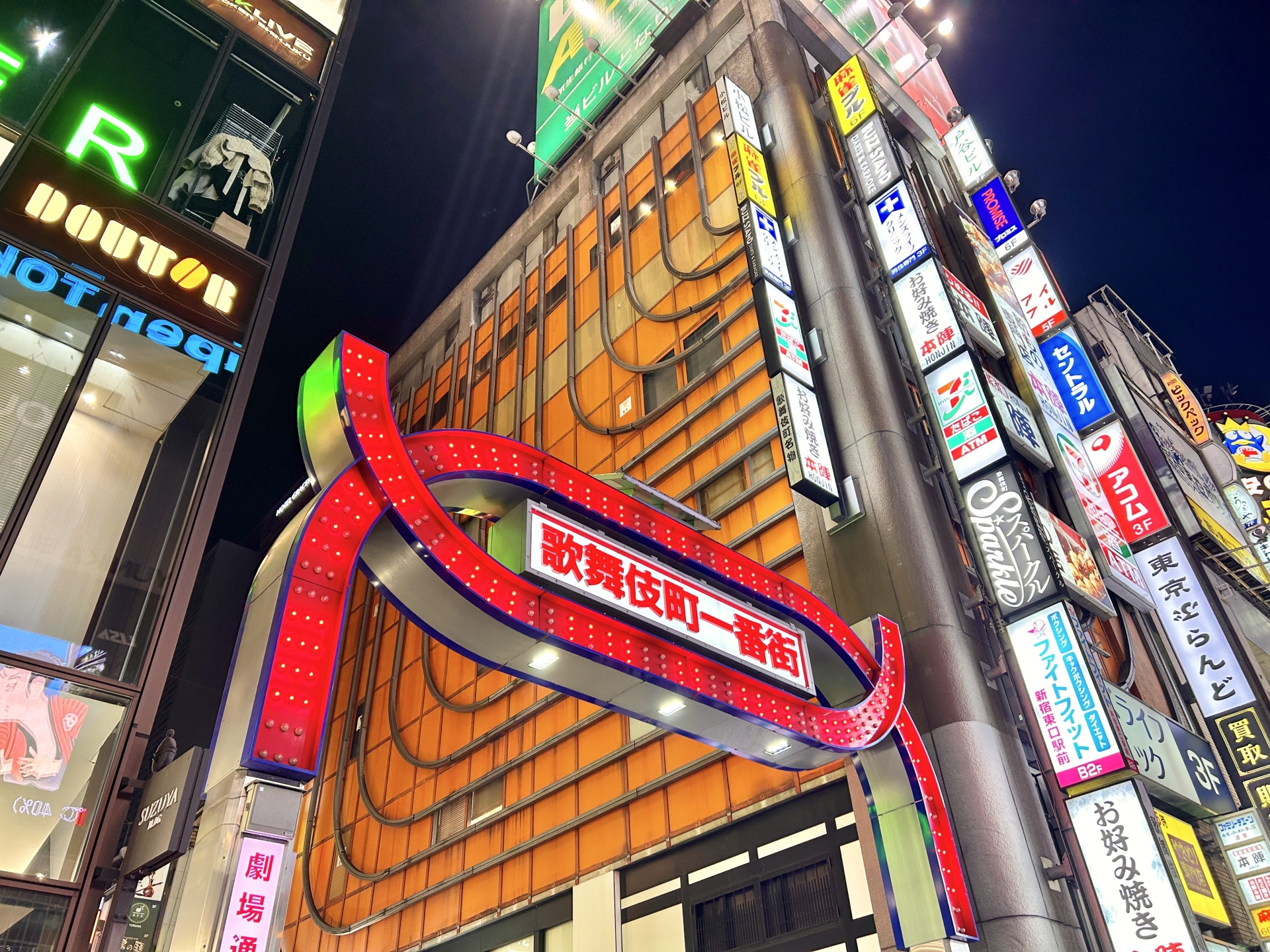
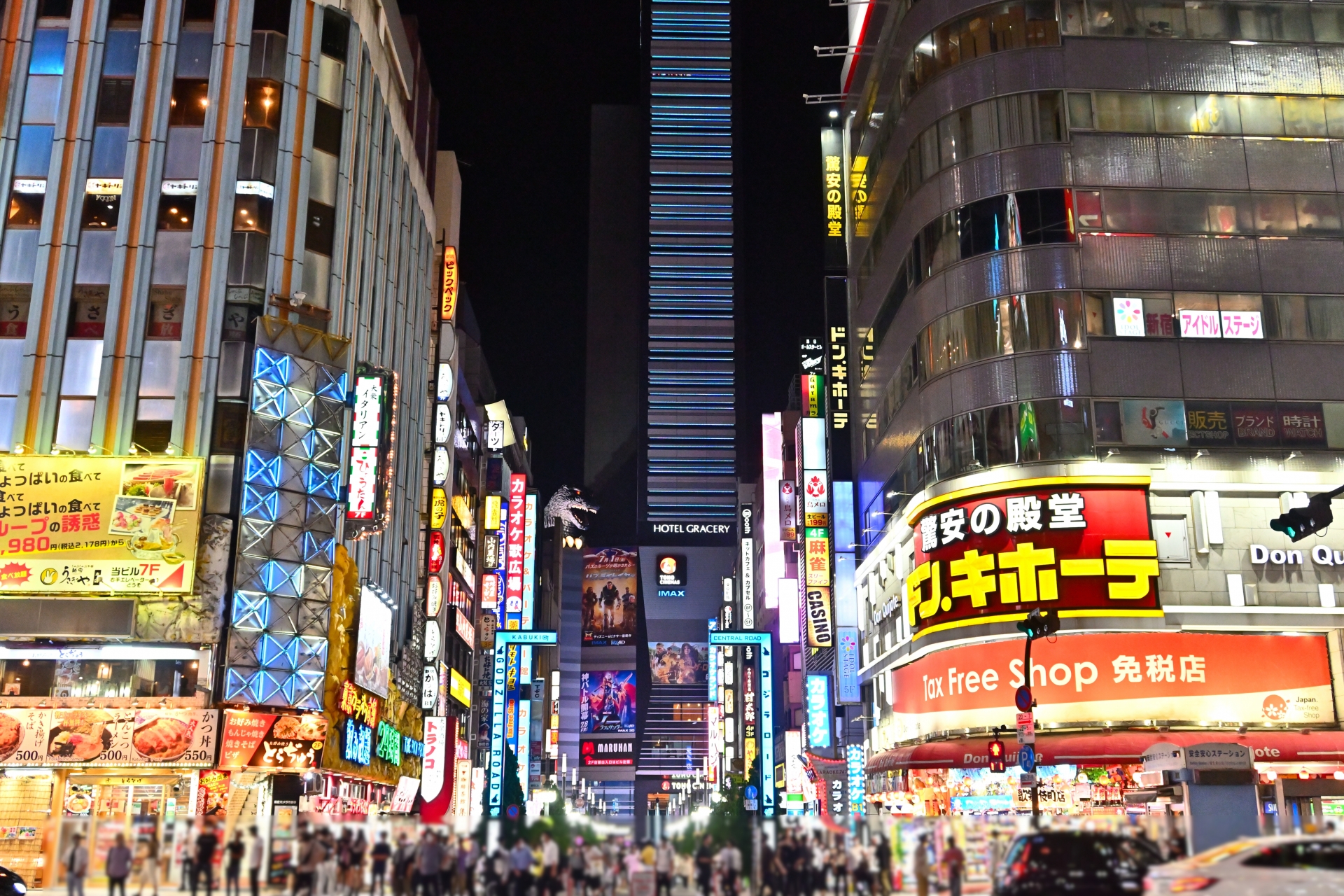
Shinjuku has two very different faces. In daylight, Shinjuku Gyoen is all lawns, ponds, formal garden sections, seasonal trees, and glasshouse humidity. After dark, Kabukicho, Omoide Yokocho, and Golden Gai compress the city into illuminated signs, narrow counters, grill smoke, music, and foot traffic.
Do not arrive at Shinjuku Gyoen 30 minutes before closing. The park is too large for that kind of visit. Walk between the Japanese landscape garden, broad lawns, and greenhouse, then sit for a while before heading back into central Shinjuku.
The garden opens at 9:00 a.m., with seasonal final-entry and closing times. From October 1 to March 14, final entry is at 4:00 p.m. and the gates close at 4:30 p.m. Longer hours apply in spring and summer. Mondays are generally closed, with holiday-related exceptions.
Shinjuku Gyoen National Garden
Location: 11 Naitomachi, Shinjuku City, Tokyo
Access: About five minutes from Shinjuku-gyoemmae Station; also accessible from Shinjuku-sanchome and Sendagaya stations
Hours: From 9:00 a.m.; seasonal final-entry and closing times apply
Price: ¥500 for adults under the standard admission schedule; special free-admission dates may apply
Official Website: https://fng.or.jp/shinjuku/en/
Omoide Yokocho is compact, smoky, and tightly packed beneath the tracks. Plates knock against counters, skewers cook a few feet from the walkway, and the passages are no place for a suitcase. Golden Gai’s bars are often smaller still, sometimes with fewer than ten seats. Some welcome first-time visitors easily; others function mainly as regulars’ places. Cover charges are common enough to ask about.
Always ask before photographing people or interiors. A tiny bar is not automatically public scenery just because its door is open.
Kabukicho’s main streets are busy and brightly lit, but aggressive street solicitors should be avoided. Never follow a tout into an unfamiliar bar. Visitors who do not drink—and families—still have plenty to do in the area, including department stores, cinemas, restaurants, illuminated streets, and the broader tower district west of the station.
Tsukiji, Ginza, and Tokyo Station
This route works because its atmosphere changes gradually: a morning food market, broad retail streets, then the red-brick façade of Tokyo Station under evening lights.
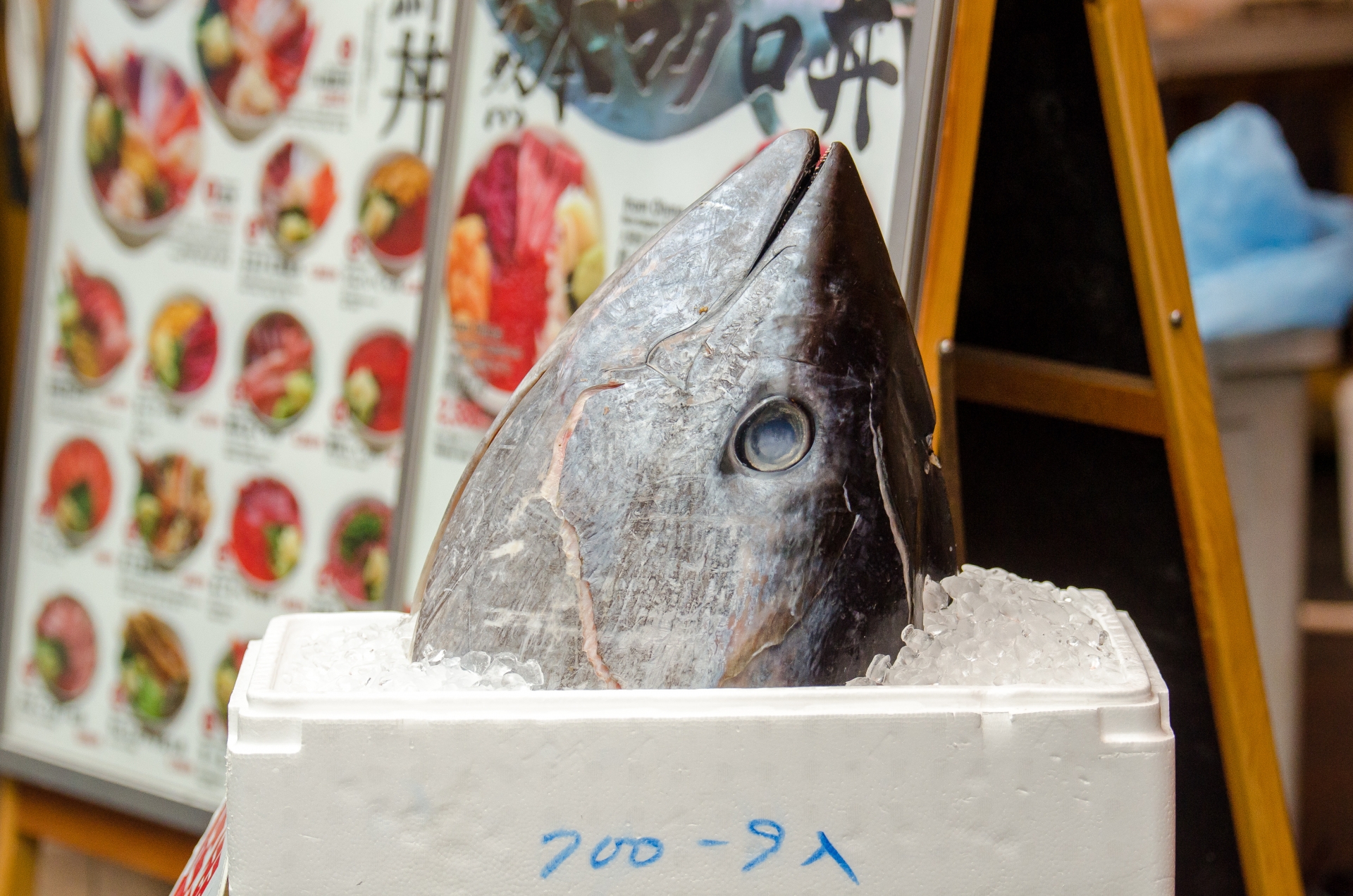
The wholesale fish market moved to Toyosu, but Tsukiji Outer Market remains busy. Its lanes are lined with seafood businesses, tamagoyaki counters, dried-food specialists, knife shops, produce sellers, and restaurants.
Go in the morning. Many businesses wind down by early afternoon, and each keeps its own opening days. Arriving earlier gives you more choice, but remember that the first hours are also a working period. Let professional buyers pass and keep the narrow lanes clear.
Food rules vary by business. Some shops have a small standing area; others expect you to finish beside the counter. Walking through the market while eating should not be assumed acceptable. Ask before photographing staff or products from close range.
Tsukiji Outer Market
Location: 4 Chome, Tsukiji, Chuo City, Tokyo
Access: From Tsukiji Station or Tsukijishijo Station
Hours: Shop-specific; many businesses operate during the morning and close around early afternoon
Price: Free to explore; food and purchases priced individually
Official Website: https://www.tsukiji.or.jp/english/
Continue past Kabukiza and into Ginza. The change is abrupt: tight market lanes give way to broad roads, designed storefronts, galleries, and department stores. In wet weather, those department stores become genuinely useful, providing cafés, restaurants, restrooms, food halls, and long stretches indoors.
From Ginza, Tokyo Station is reachable on foot or by subway. Before entering the station, know whether you want Marunouchi or Yaesu. They are opposite sides. Marunouchi has the restored red-brick façade, the Imperial Palace-facing avenue, and the better evening view. Yaesu is useful for highway buses and large commercial complexes.
The Marunouchi side is easiest to photograph from the plaza or farther along Gyoko-dori. Around dusk, the station lighting turns warm while the glass towers behind it hold the last cooler light.
Tokyo Station and Marunouchi
Location: 1 Marunouchi, Chiyoda City, Tokyo
Access: Tokyo Station; use the Marunouchi side for the historic façade and Imperial Palace direction
Hours: Station open according to train operations; individual shops and facilities keep separate hours
Price: Free to explore; museums, shopping, and dining priced separately
Official Website: https://www.gotokyo.org/en/destinations/central-tokyo/tokyo-station-and-marunouchi/index.html
Allow anything from half a day to a full day, depending on how much time you spend eating and shopping.
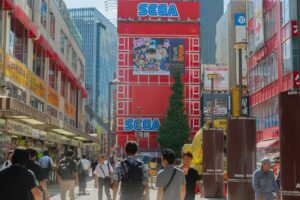
Akihabara: Anime, Games, and Electronics
Akihabara works best when you arrive with a reason to be there. It is not an automatic requirement for every first-time visitor.
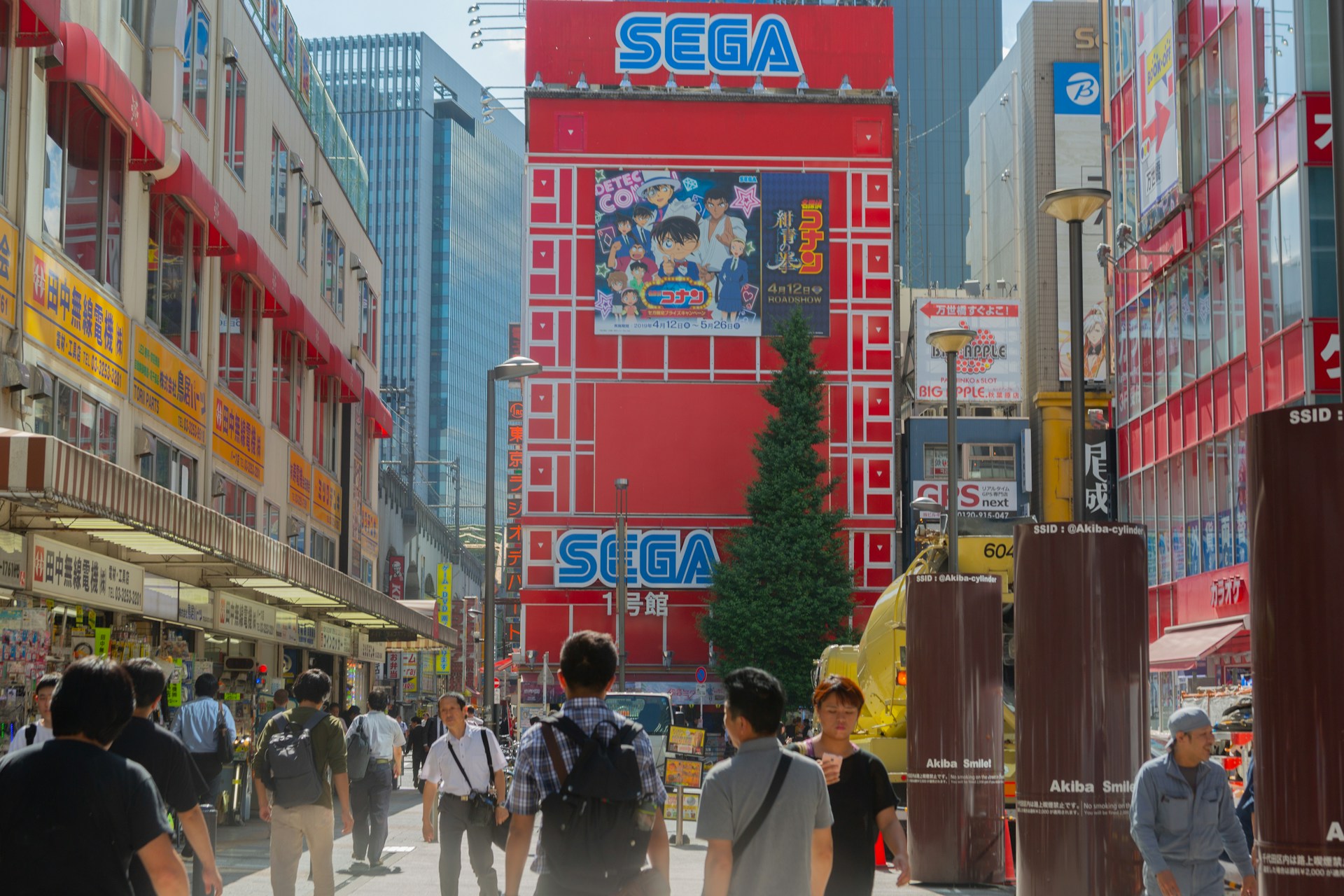
Decide what you are actually looking for: anime figures, manga, character goods, retro games, current consoles, computer parts, electronics, arcades, or a themed café. Multi-floor stores absorb time quickly, and stock may be organized by franchise, manufacturer, floor, or even a separate building.
Use the Electric Town Exit from Akihabara Station for the best-known retail streets. The district becomes more visually striking in the afternoon and early evening, when the signs brighten and arcades fill up.
Themed cafés may involve reservations, fixed sessions, age limits, or performance-related fees. Read the whole pricing system before booking. Photography policies also vary; many shops prohibit photos even when the displays seem open to the street.
Tax-free conditions can depend on visitor status, identification, and purchase amount. Confirm the current rules at the store.
Akihabara
Location: Sotokanda, Chiyoda City, Tokyo
Access: Akihabara Station; use the Electric Town Exit for the main shopping district
Hours: District streets are always accessible; many specialist stores open from late morning
Price: Free to explore; arcades, cafés, and shopping priced individually
Official Website: https://www.gotokyo.org/en/destinations/central-tokyo/akihabara/index.html
Allow two to four hours. It pairs easily with Ueno, Kanda, or Tokyo Station; crossing the city for a very brief stop rarely feels worthwhile.
Tokyo Experiences Beyond Major Attractions
Experience Everyday Tokyo Through Food
A department-store basement food hall, or depachika, is one of the easiest places to see how carefully everyday prepared food is presented in Japan. Counters are packed with bento boxes, sushi, grilled fish, salads, breads, fruit, sweets, and seasonal gifts. Toward early evening, the pace changes as commuters stop on the way home.
Seating is not guaranteed. Some department stores provide designated areas, while others expect everything to be taken away.
A traditional kissaten runs at a slower tempo. Dark wood, padded chairs, thick toast, siphon coffee, and fewer laptops are common, though not universal. Smoking policies differ and may vary by floor, so check the signs before entering.
At some set-meal restaurants, ordering begins at a ticket machine: choose the dish, pay, hand the ticket to staff, and take the directed seat. Elsewhere, you order at the table and carry the bill to the register when leaving.
In an izakaya, a small appetizer called an otoshi may arrive automatically. It usually functions as a seating charge and is not necessarily free. Tiny bars, particularly in Golden Gai and other nightlife areas, may also have a cover charge. Ask before settling in.
Carry some cash. Department stores, hotels, stations, and chain businesses widely accept cards, but smaller restaurants and market stalls may not. Smoking policies, allergy information, age restrictions, and English support vary from venue to venue.
Explore Anime, Fashion, and Subculture by Interest
Pick the district that matches the interest, rather than trying to cover every subculture area in one trip.
Akihabara leans toward electronics, games, figures, arcades, and anime merchandise. Ikebukuro has major character retailers and a strong market for goods aimed at female fans. Nakano Broadway is useful for secondhand collectibles and specialist stores. Harajuku is more closely tied to fashion, visual experimentation, and youth brands. Shimokitazawa works better for vintage clothing, small music venues, and independent cafés.
Choose two or three shops in advance. Without some focus, a large retail complex can quietly consume half a day.
Slow Down in a Garden, Bathhouse, or Quiet Neighborhood
Add one experience that is not organized around seeing “the next thing.” Hamarikyu or Kiyosumi Gardens gives you a structured landscape without requiring a day outside the city. Yanaka has low-rise streets and temple lanes. Kiyosumi-Shirakawa combines coffee, contemporary art, and a traditional garden. Kagurazaka is particularly pleasant in the late afternoon, when the sloping streets begin to lead naturally toward dinner.
At a public bath, remove your shoes at the entrance, pay before entering, wash thoroughly before soaking, and keep towels out of the bathwater. Tattoo policies vary widely. Some facilities allow tattoos, some require covers, and others prohibit them.
Photography is normally forbidden in changing and bathing areas. Rules for children, towel rental, payment, and mixed-gender access for young children also differ, so check the facility directly.
Where to Stay in Tokyo
Choose a hotel for its station access and relationship to your daily plans, not simply because the neighborhood name is famous.
| Area | Best For | Main Advantage | Main Drawback |
|---|---|---|---|
| Shinjuku | First-time visitors and nightlife | Excellent transport connections | Large, confusing station |
| Shibuya | Shopping and evenings | Entertainment within walking distance | Busy and often expensive |
| Tokyo Station and Ginza | Rail travel and convenience | Easy Shinkansen access | Less neighborhood atmosphere late at night |
| Ueno | Museums and better-value stays | Convenient for eastern Tokyo | Farther from western districts |
| Asakusa | Traditional atmosphere | Excellent for early sightseeing | Fewer direct links to some western areas |
| Roppongi or Toranomon | Upscale hotels | Modern facilities and central location | Higher prices |
“Five minutes from the station” often means five minutes from the nearest exit, not five minutes from the platform. Add luggage, underground passages, elevator detours, crossings, and elevated walkways, and the real journey can feel much longer.
Before booking, find the hotel on a map and identify the exact station exit. Check for an elevator route, airport transport, luggage storage, laundry facilities, room size, and breakfast nearby. For late arrivals, confirm how reception works after hours.
Shinjuku: Best for Transport and Nightlife
Shinjuku has excellent access to western Tokyo, numerous JR and subway lines, and food well into the evening. It is especially useful when several days involve Shibuya, Harajuku, or Shinjuku itself.
The station is the drawback. Staying on the wrong side can turn every trip into a long indoor walk. Check whether the hotel is closest to the west, east, south, or Kabukicho side.
Families may prefer the calmer west or south. Travelers focused on nightlife may like the east, though reviews should be checked for street noise.
Shibuya: Best for Shopping and Evening Energy
Shibuya suits travelers who want fashion, restaurants, music, and entertainment within walking distance. Central Shibuya, Harajuku, Ebisu, and Daikanyama are easy to combine.
Hotels can be costly, and the busiest streets remain noisy late. A room away from the main entertainment roads is worth considering when sleep matters.
Tokyo Station and Ginza: Best for Rail Connections
Tokyo Station is an obvious choice for travelers taking the Shinkansen or an early intercity train. Ginza adds department stores, galleries, carefully run restaurants, and high-end hotels.
The area is efficient rather than restless. At street level, it becomes calmer late at night than Shinjuku or Shibuya. It suits travelers who place transport, shopping, and hotel facilities above nightlife on the doorstep.
Ueno and Asakusa: Best for Culture and Better Value
Ueno combines museums, Ameyoko, useful rail connections, and a wide range of moderately priced accommodation. Asakusa feels lower-rise and makes it easy to reach Sensō-ji before the main crowds.
Both work well for eastern Tokyo and some Narita Airport routes. Western districts take longer to reach, so account for the journey back after an evening in Shibuya or Shinjuku.
Roppongi, Akasaka, or Toranomon: Best for Upscale Stays
These districts suit business travelers, museum visitors, and guests looking for newer hotels with strong facilities. Azabudai and Toranomon are convenient for contemporary architecture and timed attractions. Akasaka has plenty of restaurants but is often quieter in the evening than major nightlife districts.
Some larger hotels have convenient airport transport, but confirm whether the service actually stops at the property. Luggage storage, laundry, and late-arrival arrangements also deserve a check.
How to Get Around Tokyo
Tokyo’s transport map looks intimidating partly because several operators overlap. In daily use, the important details are simpler: the line, direction, platform, destination station, and exit.
IC Card, Regular Ticket, or Subway Pass?
For flexible sightseeing, an IC card is usually the easiest option. Tap in, tap out, and the system calculates the fare. The same card can often be used at convenience stores, vending machines, lockers, and on buses.
Regular tickets are fine for occasional trips but take more time at the machine.
A Tokyo Subway Ticket can be useful when a route relies heavily on Tokyo Metro and Toei Subway lines. It does not cover JR services or every private railway. As of June 2026, official adult prices are ¥1,000 for 24 hours, ¥1,500 for 48 hours, and ¥2,000 for 72 hours. Validity begins with first use, and eligibility conditions apply.
Do not buy a pass simply because it sounds simpler. Check which lines the itinerary actually uses.
How to Navigate Stations Without Getting Lost
Keep track of five details:
- The line name and color
- The station number
- The direction or terminal station
- The platform number
- The exit number
Take a screenshot of the route before going underground. Once inside, follow the official signs rather than your sense of direction. The correct line may be on another level or in a distant part of the same complex.
Exit numbers matter. Choosing the wrong side of Shinjuku or Tokyo Station can add a substantial walk above ground. Save the exit number with the destination address.
Station staff and tourist counters can help. Showing a map pin or the destination written in Japanese is often faster than trying to pronounce a long address.
Luggage, Rush Hour, and Station Facilities
Avoid large suitcases on commuter trains during the morning and evening rush. On crowded trains, remove backpacks and hold them in front of you.
Coin lockers are widespread, but popular stations fill quickly. Large lockers are much less numerous than small ones. Luggage forwarding is useful between hotels or cities, though delivery is not always same-day.
Most major stations have elevators, but the step-free route may involve a different entrance and more walking. Check station maps in advance when traveling with a wheelchair, stroller, or heavy luggage.
Many hotels hold bags before check-in or after checkout. Self-service accommodation may not.
When a Taxi Makes Sense
Taxis are useful late at night, during heavy rain, for short family trips where the fare is shared, for travelers with limited mobility, or when several large bags are involved.
For long journeys across Tokyo, trains are usually cheaper and often faster. Road traffic adds uncertainty.
Before an evening out, check the last train rather than assuming services run through the night. When accessibility matters, confirm the step-free route—not just the station closest on the map.
Train etiquette is uncomplicated: allow passengers to leave before boarding, avoid phone calls, keep conversations moderate, and follow current guidance on escalators.
A Realistic 5-Day Tokyo Itinerary
This itinerary groups nearby districts and leaves room for breaks, cuts, and bad-weather alternatives. It assumes five full sightseeing days, not an international arrival day.
Day 1: Asakusa and Tokyo Skytree
Morning: Sensō-ji and Asakusa
Reach Asakusa around 8:00 a.m. Kaminarimon and the temple approach are already active, but the densest crowds have not arrived. Walk through Nakamise to Sensō-ji, then cross to Asakusa Shrine.
Some shops will still be closed. In exchange, the temple sounds different: footsteps, shutters lifting, bells, and delivery vehicles rather than a continuous layer of tour commentary.
Do not leave immediately after the temple. Walk through one or two nearby arcades or smaller streets. That is where Asakusa begins to feel like a neighborhood rather than a single approach to Sensō-ji.
Lunch
Eat around 11:30 a.m. Unless a famous restaurant takes reservations, avoid building the day around one queue. Asakusa has plenty of soba, tempura, sushi, eel, cafés, and simple set meals.
Afternoon: Sumida River and Tokyo Skytree
Walk toward the Sumida River. In comfortable weather, continue to Tokyo Skytree on foot. The route usually takes 25–40 minutes, depending on where you begin and how often you stop. The tower remains visible for much of the way.
In heat, wind, or rain, take the Tobu Skytree Line or another short rail connection instead.
From Tokyo Skytree’s observation decks, eastern Tokyo’s shape becomes easier to read: the Sumida River, dense residential blocks, and the long urban plain beyond.
Tokyo Skytree
Location: 1-1-2 Oshiage, Sumida City, Tokyo
Access: Directly connected to Tokyo Skytree Station and Oshiage Station
Hours: Vary by date and season; check the official calendar
Price: Varies by deck, age, date, and advance-purchase conditions
Official Website: https://www.tokyo-skytree.jp/en/
Book ahead when a specific time matters, especially near sunset. In poor visibility, skip the deck and use the connected shopping complex or aquarium as an indoor alternative.
Evening
Stay near Skytree for dinner or return to Asakusa. Once the day crowds have gone, Sensō-ji’s illuminated buildings take on a quieter, more spacious look, even though the main hall is closed.
What to skip when short on time: Drop the observation deck or the longer riverside walk. Keep Sensō-ji.
Day 2: Meiji Jingu, Harajuku, Omotesando, and Shibuya
Morning: Meiji Jingu
Arrive at Harajuku Station around 8:30–9:00 a.m. Enter Meiji Jingu before the shopping streets become busy. Allow about an hour for the main shrine, or longer for the Inner Garden.
The day starts in shade. Traffic noise falls away surprisingly quickly, and the gravel naturally slows the walk beneath the torii gates.
Late Morning: Harajuku
Leave the shrine toward Harajuku and visit Takeshita Street before its afternoon peak. Choose a few shops rather than walking into every building.
Then turn into the smaller streets. The shift is immediate: loud music and snack queues disappear, replaced by compact boutiques, apartment buildings, and calmer cafés.
Afternoon: Omotesando
Continue into Omotesando for architecture, galleries, flagship shops, or design-focused retail. Build in an indoor café break. By this point, the day has already involved several hours on foot, and Shibuya is still ahead.
The distance from Meiji Jingu’s Harajuku-side entrance through central Harajuku and Omotesando varies by route, but browsing can easily turn it into several kilometers.
Late Afternoon and Evening: Shibuya
Walk toward Shibuya from Omotesando or Cat Street, or take the train when your legs have had enough. On foot, the streets gradually become denser before the larger buildings and screens appear.
Arrive before sunset. Cross at street level, see Hachikō, then continue to an observation deck or dinner. For a deck, reserve ahead and allow enough time for lockers, entry procedures, and elevators.
The day changes character several times: shrine forest, compressed fashion streets, polished architecture, then screens, traffic, and evening crowds.
What to skip when short on time: Choose between extended shopping in Omotesando and a paid observation deck.
Day 3: Tsukiji, Ginza, Tokyo Station, and Marunouchi
Morning: Tsukiji Outer Market
Arrive around 8:30–9:00 a.m. The market is awake and more businesses are open than at dawn. Start with a small breakfast rather than buying several things at once.
Walk through the lanes, visit food and kitchen-related shops, and follow each business’s rules for eating and photography. Leave large luggage elsewhere.
Late Morning: Kabukiza and Ginza
Continue toward Kabukiza, whose exterior creates a sharp visual break from the market. From there, walk into Ginza.
Choose one department store or a small number of shops. Ginza becomes tiring when approached as a duty to enter every major retail complex. A food hall, gallery, rooftop, or café makes a better pause.
Afternoon: Indoor or Cultural Stop
Use the afternoon for a gallery, department store, café, or architecture walk. In rain, move between commercial buildings and underground passages where practical.
Evening: Tokyo Station and Marunouchi
Continue to Tokyo Station, checking in advance whether you need the Marunouchi or Yaesu side.
For the historic façade and the avenue facing the Imperial Palace, use Marunouchi. Around dusk, the station’s warm lighting becomes visible while the glass towers still catch the remaining daylight.
Coin lockers are available, but the larger sizes often fill. Do not postpone luggage storage until the final minutes before a train.
What to skip when short on time: Choose between extended Ginza shopping and Tokyo Station’s indoor commercial areas. Keep the Tsukiji morning and Marunouchi evening.
Day 4: Ueno, Museums, and Yanaka
Morning: A Selected Museum
Reach Ueno Park before your chosen museum opens. The Tokyo National Museum is the obvious choice for Japanese art and history, though another institution may suit your interests better.
Give the museum at least two to three hours. Choose priority galleries, sit down between sections, and accept that a major collection cannot be fully covered in one visit.
Check the closing day and whether a special exhibition requires a separate timed ticket.
Afternoon: Ueno Park and Ameyoko
After the museum, walk through Ueno Park at a slower pace. Add Shinobazu Pond only when energy permits.
Continue to Ameyoko later in the afternoon. The transition is one of the better contrasts in Tokyo: quiet galleries give way to rumbling trains, crowded lanes, shop calls, and busy food counters.
Late Afternoon: Optional Yanaka
Only add Yanaka when you still feel like walking. Take the JR line from Ueno to Nippori, or use another practical route. Yanaka Ginza is manageable from the station, but wandering farther into the neighborhood adds distance.
Keep voices down around homes, temples, and the cemetery. Small shops also close earlier than businesses in central Tokyo.
What to skip when short on time: Drop Yanaka rather than hurrying through the museum.
Day 5: Choose Your Tokyo
Keep the final day flexible. By now, you will have a better idea of whether you want another garden, more shopping, nightlife, museums, or residential streets.
Option A: Shinjuku
Visit Shinjuku Gyoen in the late morning or early afternoon. Continue to west Shinjuku for its towers and broad streets, then cross toward Kabukicho, Omoide Yokocho, or Golden Gai after dark.
Few parts of Tokyo change so completely over the course of an afternoon.
Option B: Digital Art and Modern Tokyo
Reserve teamLab Borderless or another digital-art experience, then explore Azabudai Hills, Roppongi, or Toranomon.
The attraction is indoors and works well in rain, though getting between the station and surrounding buildings may still involve exposed sections. Allow two to three hours and avoid placing another fixed reservation immediately afterward.
teamLab Borderless
Location: Azabudai Hills Garden Plaza B, Minato City, Tokyo
Access: From Kamiyacho Station or other nearby stations serving the Azabudai area
Hours: Date-specific; check the ticket calendar
Price: Dynamic or date-specific pricing may apply
Official Website: https://www.teamlab.art/e/borderless-azabudai/
Option C: Anime and Games
Spend two to four hours in Akihabara, then continue to Kanda or another nearby central district.
This works best when you already know which stores, franchises, arcades, or products you want to find.
Option D: Local Neighborhoods
Choose one: Shimokitazawa for vintage clothing and music, Koenji for secondhand fashion and everyday streets, or Kichijoji for shopping and Inokashira Park.
Do not try to cover all three. Their appeal lies in browsing without constantly returning to the station.
Option E: Day Trip
Take a day trip only after your main Tokyo priorities are covered. A first five-day visit does not need one.
Keep the final evening open for packing, last-minute shopping, or returning to a place that deserved more time.
Best Time to Visit Tokyo
There is no single month that works best for every traveler.
| Season | Advantages | Challenges | Best For |
|---|---|---|---|
| Spring | Blossoms and mild conditions | Crowds and higher prices | First-time sightseeing |
| Summer | Festivals and long evenings | Heat, humidity, and rain | Events and indoor attractions |
| Autumn | Comfortable walking weather | Popular travel period | Neighborhood exploration |
| Winter | Clear skies and illuminations | Cold mornings and holiday closures | City views and food |
Spring
Spring brings mild days, flowering gardens, and cherry blossoms. It also brings intense pressure on hotels, parks, trains, and famous photography spots during peak bloom.
Book accommodation early and watch current blossom forecasts rather than assuming the dates will match a previous year. Temperatures can shift quickly; a comfortable afternoon may end in a surprisingly cold evening.
Summer
Summer is hot and humid. The rainy season affects part of June and July, while later summer can bring severe heat and typhoon disruption.
Place outdoor sightseeing in the morning. Use museums, department stores, and cafés during the hottest part of the afternoon, and carry water. Festivals and fireworks can make summer evenings memorable, but trains become crowded around major events.
During storms, check both weather warnings and transport notices.
Autumn
Autumn is often the easiest season for long walks. Temperatures are more comfortable, and gardens and parks develop seasonal color.
Popular foliage areas can still become crowded, especially on weekends and public holidays. Conditions differ by location and elevation, so check current forecasts.
Winter
Winter often means dry air and clearer views across the city. Illuminations and seasonal food are two of the better reasons to visit.
Morning streets can feel colder than the temperature suggests, particularly in shade or wind. New Year closures affect museums, shops, gardens, and restaurants from late December into early January.
In every season, trains and indoor spaces can feel much warmer or cooler than the street. Layers are useful.
Tokyo Travel Costs and Budget Tips
Tokyo can be expensive, but accommodation, location, and the number of paid attractions matter more than the city name alone. Food and local transport are more flexible than many first-time visitors expect.
Sample Daily Budgets
The following are broad planning patterns per person. Current exchange rates and hotel prices should be checked separately.
| Travel Style | Typical Daily Pattern |
|---|---|
| Budget | Hostel or simple hotel, convenience-store breakfast, casual meals, mostly free attractions |
| Mid-range | Business or moderate hotel, restaurant meals, one paid attraction |
| Comfortable | Well-located hotel, several restaurant meals, taxis when useful, paid experiences |
| Luxury | Upscale hotel, high-end dining, private transportation, premium reservations |
Accommodation has the largest effect on the total cost. Prices can climb sharply during cherry-blossom season, major holidays, events, and busy weekends.
Free and Low-Cost Things to Do
Free options include:
- Meiji Jingu’s main shrine precinct
- Sensō-ji and Asakusa Shrine
- Shibuya Crossing
- The Imperial Palace outer grounds
- Neighborhood walks in Yanaka, Kagurazaka, and Shimokitazawa
- Tokyo Station’s Marunouchi façade
- Many department-store rooftops and public observation spaces, subject to current operation
A satisfying budget day might include a shrine, a long neighborhood walk, a lunch set, and one paid museum.
Common Ways Visitors Overspend
Common mistakes include booking hotels late, paying for several similar observation decks, taking long taxis across the city, buying transport passes without checking line coverage, and stacking too many themed attractions into one trip.
A high-end dinner can be balanced by a convenience-store breakfast, soba at lunch, or a meal from a department-store food hall.
Cards are widely accepted, though some small businesses still prefer cash. Convenience-store and bank ATMs are useful, but compatibility and international-card fees vary.
Tipping is generally not expected in ordinary restaurants, taxis, or hotels. Taxes and service charges may already be included or added under the business’s own policy.
Practical Tokyo Travel Tips for First-Time Visitors
Book Timed-Entry Attractions in Advance
Popular observation decks, digital-art museums, theme parks, limited exhibitions, and selected restaurants can sell out. Sunset slots deserve particular attention.
Booking windows differ. Check the official calendar rather than assuming every attraction releases tickets on the same schedule.
Keep Your Daily Plan Flexible
Jet lag, rain, crowds, closures, long meals, and unexpected shopping all interfere with detailed schedules.
Do not plan a full sightseeing day immediately after an international arrival. On a longer stay, keep at least half a day free.
Prepare for Limited Public Trash Bins
Public trash bins are less common than many American travelers expect. Carry a small bag for personal waste until you reach a station, your hotel, or a convenience store with appropriate bins.
Do not leave food containers in a bin belonging to an unrelated shop.
Stay Connected
An eSIM is convenient for compatible unlocked phones. A physical SIM may suit devices without eSIM support. Portable Wi-Fi works well for groups or multiple devices, but it needs charging, collection, and return.
Save essential addresses or download maps before arrival.
Know Basic Local Etiquette
Queue where marked, let passengers leave trains before boarding, and avoid phone calls on public transport.
Ask before photographing people or small businesses. Respect no-photography signs in shops, museums, temples, and themed venues.
In residential areas, keep voices down and do not block entrances. At temples and shrines, avoid interrupting worshippers for photographs.
Prepare for Emergencies
Japan’s emergency numbers are 110 for police and 119 for fire or ambulance.
Travel insurance should cover medical treatment, cancellation, and disruption. Monitor reliable earthquake and severe-weather alerts.
Check medication-import rules before departure. Some medicines legally prescribed abroad may be restricted in Japan or require documentation.
Before depending on a large station for an airport transfer or Shinkansen departure, pass through it once on an ordinary sightseeing day. Knowing the right side and platform area makes the final journey far less stressful.
Best Day Trips from Tokyo
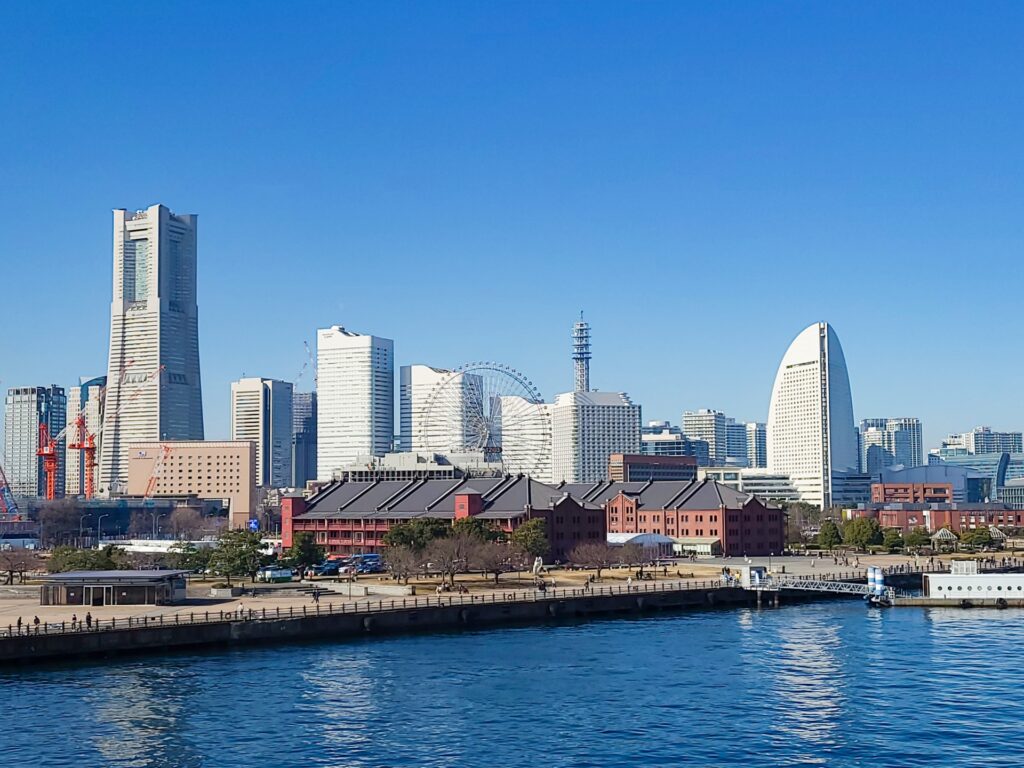
| Destination | Best For | Trip Length | Main Caution |
|---|---|---|---|
| Kamakura | Temples and coast | Full day | Weekend crowds |
| Yokohama | Waterfront and food | Half or full day | Large sightseeing area |
| Kawagoe | Historic streets | Half or full day | Busy central district |
| Mount Takao | Hiking | Full day | Seasonal congestion |
| Hakone | Onsen and museums | Full day or overnight | Complex transportation |
| Fuji Five Lakes | Mount Fuji views | Full day or overnight | Weather dependence |
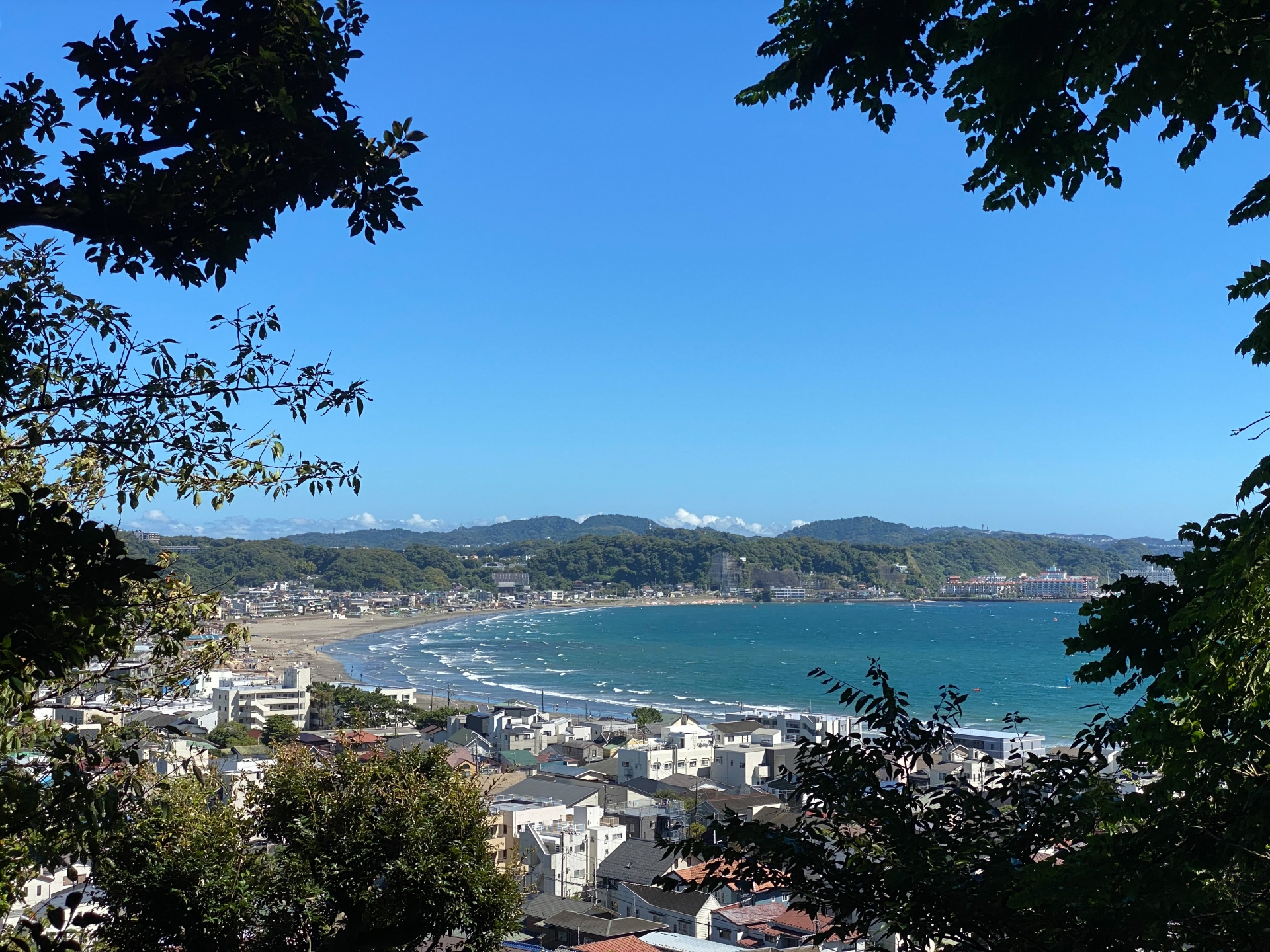
Kamakura
Kamakura combines temples, shrines, walking routes, shopping streets, and the coast. To visit more than one major temple without rushing, treat it as a full-day trip.
Use a suitable JR connection from Tokyo, Shinjuku, or another convenient station. Weekend trains and central streets become busy. Expect a substantial amount of walking.
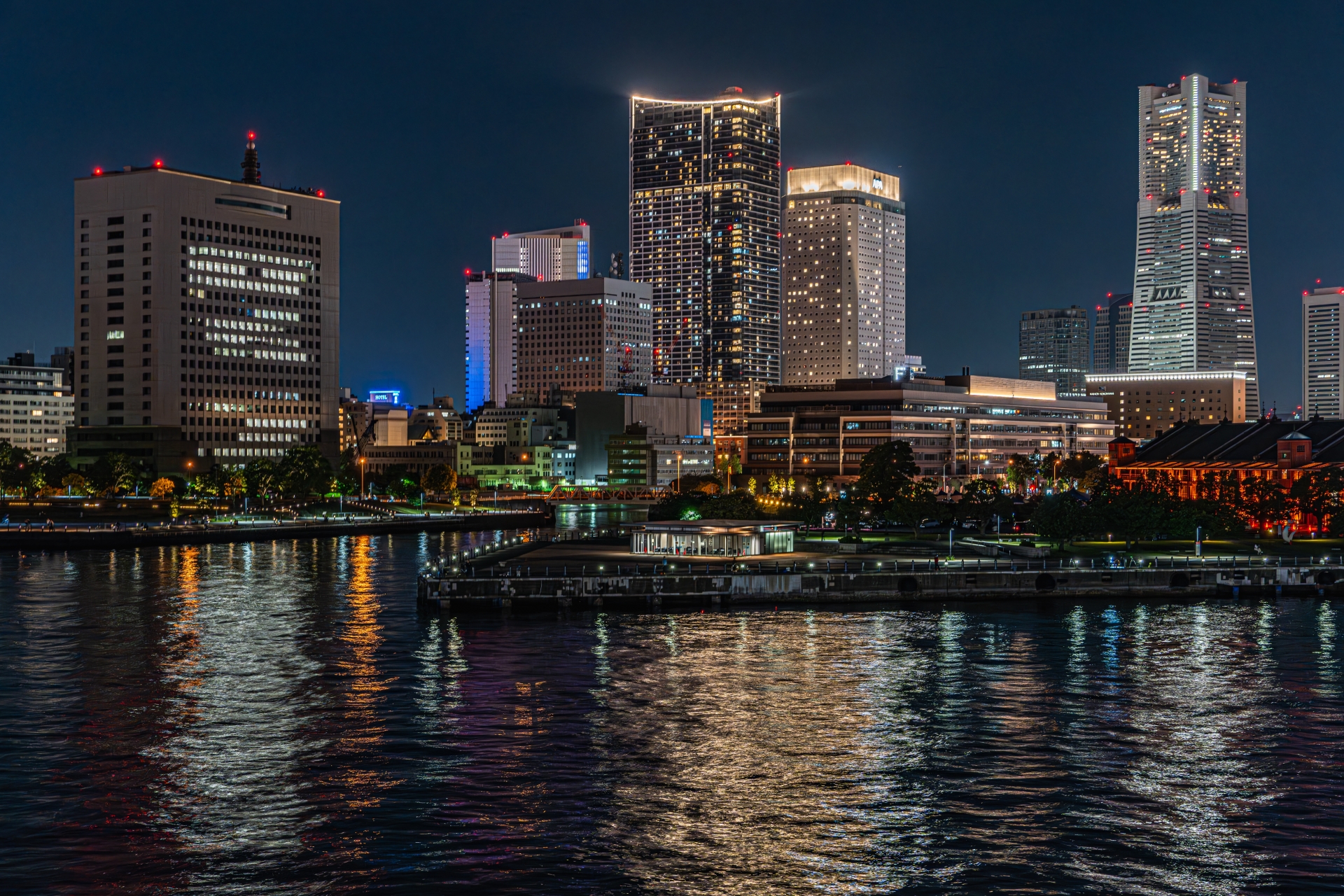
Yokohama
Yokohama works as either a half-day or full-day excursion. Its waterfront, port history, contemporary skyline, Chinatown, and evening views feel noticeably different from central Tokyo.
The sightseeing area is broad. Choose a waterfront route or a food-focused route rather than repeatedly crossing from one side to the other.
Kawagoe
Kawagoe has warehouse-style historic streets, traditional sweets, and a relatively compact central area. It suits travelers who want an older streetscape without traveling as far as some other destinations.
Weekends bring heavy crowds to the main district.
Mount Takao
Mount Takao is a hiking destination within Tokyo Metropolis. Trails vary in difficulty, and a cable car or lift can shorten part of the climb.
Wear proper footwear, carry water, and expect congestion during autumn foliage and on weekends. Check weather and return-service times before setting out.
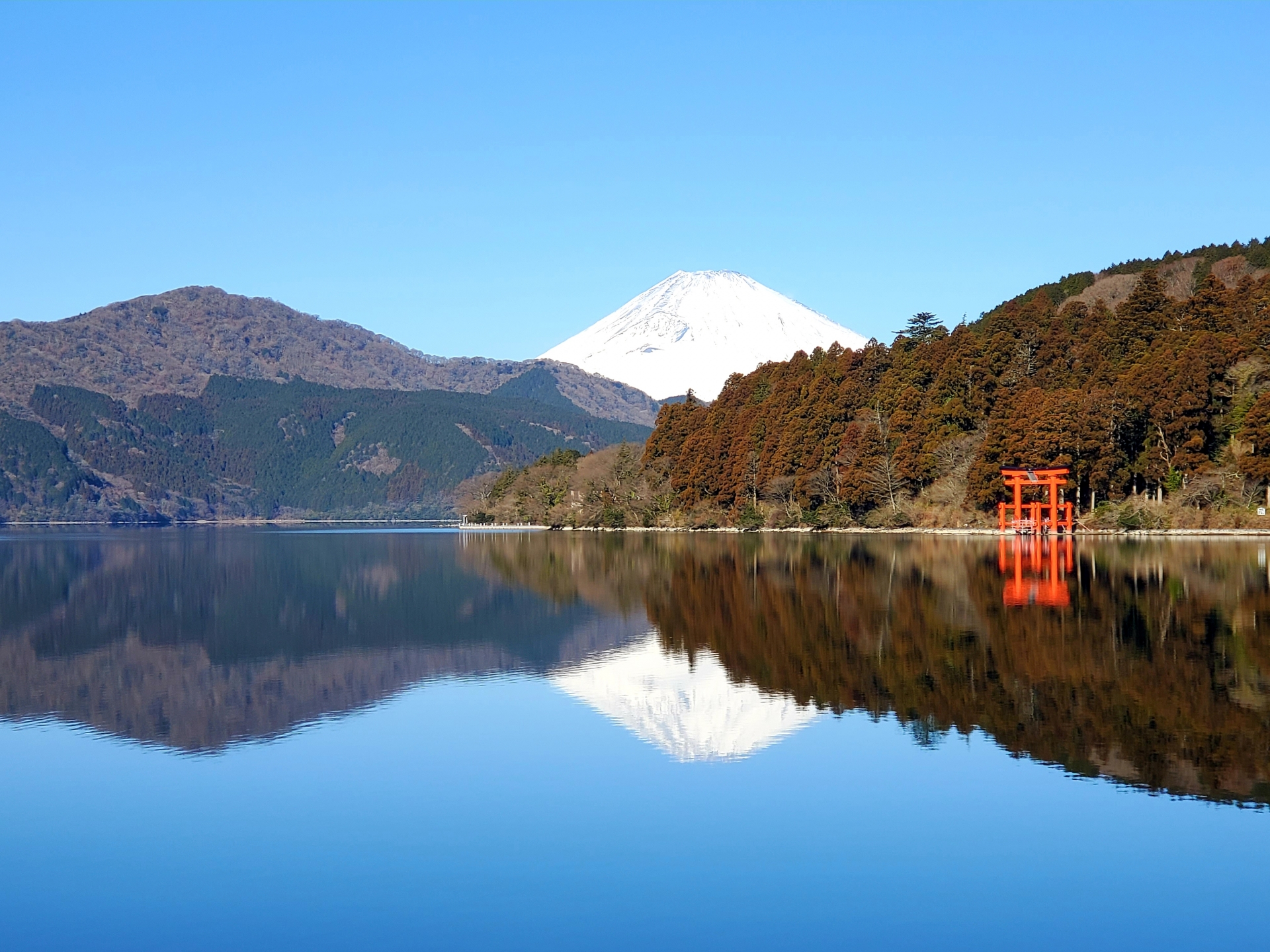
Hakone or the Fuji Five Lakes
Choose Hakone for onsen, museums, varied transport, and a resort-style circuit. Choose the Fuji Five Lakes for Mount Fuji views and outdoor scenery.
Both depend on the weather, though visibility matters especially at the Fuji Five Lakes. A clear forecast can mean a full mountain view; low cloud can hide the summit completely.
Transport may involve reserved trains, buses, boats, and several transfers. Compare regional passes against the precise route instead of assuming the pass is automatically cheaper.
With only three full days in Tokyo, a day trip is rarely necessary.
Frequently Asked Questions About Tokyo
Is Tokyo Worth Visiting?
Yes. Few cities contain this range of experiences within one connected urban area: temples, gardens, major museums, food markets, fashion districts, contemporary architecture, nightlife, and quiet residential streets. The rail system makes it possible to move between very different neighborhoods without changing hotels.
The better trips usually mix well-known areas with slower meals and unplanned walks.
Is Three Days Enough for Tokyo?
Three full days is enough for selected eastern, western, and central districts. The itinerary needs to stay focused, and a day trip is usually not worthwhile.
Five days gives first-time visitors a more forgiving pace, especially when museums, gardens, shopping, weather changes, and simple tiredness are taken into account.
Is Tokyo Expensive?
Accommodation can be expensive, particularly in well-known districts and high-demand seasons. Food, local transport, and sightseeing cover a much wider range.
Set meals, soba, convenience stores, food halls, temples, neighborhood walks, and free public areas make it possible to control spending without making every choice purely about price.
Where Should First-Time Visitors Stay?
Shinjuku is strong for transport and nightlife but has a difficult station. Shibuya keeps shopping and entertainment close, though prices are often higher. Tokyo Station suits rail travelers and short connections. Ueno is convenient for eastern Tokyo and frequently offers better-value accommodation.
The exact station exit and your daily route matter more than the neighborhood’s reputation.
Can You Visit Tokyo Without Speaking Japanese?
Yes. Major stations have extensive English signage, and navigation apps make route planning manageable.
Save addresses, station exits, and reservation details on your phone. A translation app is useful in small restaurants and shops. Showing a map pin or written destination is often more effective than attempting a complicated pronunciation.
Is Tokyo Safe at Night?
Tokyo is generally comfortable for evening sightseeing, but normal precautions still apply. Avoid aggressive solicitors, unknown bars recommended by street touts, excessive drinking, and missing the last train.
Watch your belongings in crowded entertainment districts. Small bars may add cover charges, so ask about the price before entering.
What Should You Book in Advance?
Prioritize popular observation decks, digital-art museums, theme parks, limited exhibitions, and selected restaurants.
Sunset observation slots often sell before daytime entry. Secure fixed-time attractions first, then arrange the surrounding day by area.
Conclusion: Plan Tokyo by Area, Not by Attraction Count
A good Tokyo itinerary is not measured by how many famous places appear in one day. It works when nearby neighborhoods are grouped together and there is enough time left to walk, eat, find the right station exit, and notice how the city changes from one district to the next.
Three full days can cover a focused selection. Five days gives most first-time visitors a better balance of major sights, museums, gardens, food, shopping, and the discoveries that happen between planned stops. Make timed reservations first, then shape the rest of each day around their location.
Choose a hotel for its station access rather than the status of its address. A useful line, a manageable exit, and a straightforward walk with luggage may improve the trip more than staying in the most talked-about neighborhood.
Keep one half-day flexible. Rain, crowds, jet lag, and closures may claim it. Or it may become the afternoon when you return to a street you liked, spend too long over coffee, or stay for dinner in a neighborhood you had only meant to pass through.
For a first visit, plan three to five full sightseeing days, with one or two major areas per day. Book accommodation and timed-entry attractions first. Shortly before traveling, check the weather, closures, current opening hours, prices, ticket conditions, and transport notices again.
Final Tokyo Planning Checklist
- Choose your travel dates.
- Count full sightseeing days, not hotel nights.
- Select a hotel near a useful station and the correct exit.
- Group attractions by area.
- Reserve timed-entry attractions.
- Check museum and garden closing days.
- Decide whether an IC card or transport pass fits your route.
- Save station exits and destination addresses.
- Arrange luggage storage or forwarding when necessary.
- Leave one flexible half-day.
- Recheck the weather.
- Confirm current opening hours, prices, ticket conditions, and transportation services on official websites.