The Manyoshu (万葉集), meaning “Collection of Ten Thousand Leaves,” is the oldest surviving anthology of Japanese poetry. Compiled in the 8th century during the Nara period, it contains more than 4,500 poems written by emperors, aristocrats, soldiers, and ordinary people. This article provides a clear summary of the Manyoshu, including its historical background, themes, poetic forms, and lasting influence on Japanese literature.


What Is the Manyoshu? (Quick Summary)
The Manyoshu (万葉集), often translated as “Collection of Ten Thousand Leaves,” is the oldest surviving anthology of Japanese poetry. It was compiled during the Nara period (710–794) and finalized around 759 CE, most likely by the poet Otomo no Yakamochi. The anthology contains more than 4,500 poems across 20 volumes, written by people from many different social backgrounds, including emperors, nobles, soldiers, and commoners.
The Manyoshu is one of the most important works in Japanese literary history because it preserves early forms of waka poetry and provides a unique glimpse into life, emotions, and beliefs in ancient Japan. Unlike later poetry collections that focused mainly on court culture, the Manyoshu reflects a wide range of voices and experiences. The poems express feelings about love, nature, travel, grief, and daily life, often with remarkable sincerity and simplicity.
Another distinctive feature of the Manyoshu is its use of Manyogana, an early writing system that used Chinese characters to represent Japanese sounds. This system played a key role in the later development of the Japanese writing systems hiragana and katakana.
Quick Facts About the Manyoshu
| Fact | Details |
| Period | Nara period |
| Compilation Date | Around 759 CE |
| Total Poems | 4,500+ |
| Volumes | 20 |
| Compiler | Otomo no Yakamochi |
| Main Themes | Love, nature, grief, travel, daily life |
| Poetic Forms | Tanka, choka, sedoka |
In short, the Manyoshu is not only a poetry collection but also a historical record of early Japanese culture, language, and emotional expression.
Historical Background of the Manyoshu
The Manyoshu emerged during the Nara period, a time when Japan was developing a centralized government and adopting many cultural elements from China. Chinese literature, philosophy, and writing systems greatly influenced Japanese intellectual life. However, Japanese poets began to use these tools to express uniquely Japanese ideas and emotions.
Before the Manyoshu was compiled, poetry already played an important role in court culture and social communication. Poems were exchanged between lovers, used in ceremonies, and composed during official gatherings. Over time, these poems were collected and preserved, eventually forming the large anthology known as the Manyoshu.
The poems included in the Manyoshu were written over a long period, from approximately the 4th century to the late 8th century. This means the anthology captures several centuries of poetic development and social change. Early poems often reflect mythological or court traditions, while later poems reveal more personal experiences and emotional depth.
The Nara period was also a time when Japanese identity was becoming more distinct. Although Chinese writing was used, poets began to shape a literary voice rooted in Japanese landscapes, seasons, and emotions. Mountains, rivers, flowers, and changing seasons appear frequently in the poems, reflecting the deep connection between nature and human life in Japanese culture.
Because the anthology includes poems from emperors, aristocrats, soldiers, frontier guards, and ordinary citizens, it provides a rare window into the diversity of early Japanese society. This broad representation is one reason why the Manyoshu remains such an important historical and cultural document today.
Structure of the Manyoshu
The Manyoshu is organized into 20 volumes containing more than 4,500 poems. These poems vary in theme, length, and style, reflecting the diversity of poets who contributed to the collection. Unlike later imperial poetry anthologies, the Manyoshu does not follow a strict or consistent editorial structure, suggesting that it was compiled gradually over time.
Some volumes focus on particular themes or poetic forms, while others group poems according to historical context or author. Because of this flexible organization, the anthology feels more like a living collection of poetry than a rigidly curated literary work.
Despite the loose structure, scholars have identified several broad categories that help explain the content of the Manyoshu.
Main Poem Categories
Many of the poems in the Manyoshu can be grouped into three major thematic categories:
Zoka (Miscellaneous Poems)
Zoka includes poems that do not fit neatly into other categories. These poems often describe nature, travel, celebrations, or personal reflections. They represent the largest and most varied section of the anthology.
Somonka (Love Poems)
Somonka are poems about romantic relationships, longing, and emotional exchanges between lovers. In ancient Japan, poetry was frequently used as a form of communication between romantic partners. These poems capture intimate moments of affection, separation, and yearning.
Banka (Elegies)
Banka are poems written to mourn the dead. These elegies express grief, remembrance, and respect for lost loved ones. Many of these poems were written for members of the imperial family or important figures in society.
Together, these categories show that the Manyoshu covers the full range of human emotions—from love and joy to sorrow and reflection.
Poetic Forms Used in the Manyoshu
Several poetic forms appear in the Manyoshu. The most common forms are tanka, choka, and sedoka.
| Poetic Form | Structure | Description |
| Tanka | 5-7-5-7-7 | A short poem of 31 syllables, the most common form in the anthology |
| Choka | Repeating 5-7 pattern ending with 5-7-7 | A longer narrative poem often used for ceremonial or emotional themes |
| Sedoka | 5-7-7 / 5-7-7 | A less common form consisting of two similar parts |
Tanka eventually became the dominant form of Japanese poetry and continues to be written today.
Choka, on the other hand, largely disappeared after the Manyoshu period but played an important role in early Japanese literature.
These forms allowed poets to express deep emotions using relatively short and carefully structured lines.
Major Themes in the Manyoshu
The poems in the Manyoshu explore a wide variety of themes that reflect everyday life in ancient Japan. Despite being written more than a thousand years ago, many of these themes remain relatable to modern readers.
Love and Relationships
Love is one of the most common themes in the Manyoshu. Many poems describe romantic longing, secret meetings, or the sadness of separation. In ancient Japan, lovers often exchanged poems as messages, making poetry an essential form of emotional communication.
A famous example of a love poem from the Manyoshu is the following:
Original (Japanese)
あかねさす
紫野行き
標野行き
野守は見ずや
君が袖振る
Romanization
Akane sasu
Murasakino yuki
Shimenō yuki
Nomori wa mizu ya
Kimi ga sode furu
English translation
As you walk through the purple fields
and across the forbidden plains,
does the field guard not see you
waving your sleeve to me?
This poem, traditionally attributed to Nukata no Ōkimi, playfully describes a lover secretly signaling affection. It reflects how poetry functioned as a subtle form of communication in ancient Japanese courtship.
Nature and the Seasons
Nature plays a central role in Manyoshu poetry. Poets frequently describe mountains, rivers, flowers, birds, and the changing seasons. These natural images are often used to mirror human emotions.
For example, a poem about autumn leaves might symbolize the passage of time or the sadness of farewell. This deep connection between nature and human feeling later became a defining feature of Japanese aesthetics.
Grief and Mourning
Many poems in the Manyoshu express sorrow over the death of loved ones. These elegies often reflect Buddhist ideas about impermanence and the fleeting nature of life.
Through simple yet powerful language, the poets capture the universal experience of loss. The emotional honesty in these poems is one reason the anthology still resonates with readers today.
Travel and Life Experiences
Travel was another important theme. Officials, soldiers, and messengers often traveled long distances, and many poems describe the loneliness of being far from home.
These travel poems also contain vivid descriptions of landscapes across Japan, offering valuable insights into how people in the Nara period experienced the natural world.
Famous Poets in the Manyoshu
The Manyoshu features poems written by hundreds of poets, but several figures stand out for their influence and literary skill.
Kakinomoto no Hitomaro
Kakinomoto no Hitomaro is widely regarded as one of the greatest poets in the Manyoshu. He served as a court poet and composed many poems for official ceremonies and imperial events.
Hitomaro was especially known for his choka, which allowed him to explore grand themes such as loyalty, mourning, and the beauty of nature. His poems often combine emotional depth with elegant imagery, making them some of the most celebrated works in early Japanese literature.
Yamanoue no Okura
Yamanoue no Okura is known for writing poems that reflect social concerns and human suffering. Unlike many court poets, Okura often focused on the lives of ordinary people.
Some of his poems describe poverty, illness, and the hardships faced by families. His work also shows strong Buddhist influence, emphasizing compassion and the value of human life.
Otomo no Yakamochi
Otomo no Yakamochi was both a talented poet and the final compiler of the Manyoshu. As a member of an influential aristocratic family, he played a major role in preserving and organizing the poems that now make up the anthology.
Yakamochi’s own poems often describe the beauty of nature and the emotions associated with travel and longing. His efforts ensured that the Manyoshu would survive as one of the most important literary works in Japan.
Why the Manyoshu Is Important
The Manyoshu holds a special place in Japanese cultural history for several reasons.
First, it represents the foundation of Japanese poetic tradition. Many poetic themes, imagery, and stylistic elements that appear in later Japanese literature can be traced back to the Manyoshu.
Second, the anthology provides a rare and valuable record of early Japanese society. Because poems were written by people from many different social backgrounds, the collection reflects a broad range of perspectives—from emperors and nobles to soldiers and farmers.
Third, the Manyoshu played a crucial role in the development of the Japanese language. Its use of Manyogana helped pave the way for the creation of the kana writing systems. Linguists often study the Manyoshu to better understand how early Japanese was spoken and written.
Finally, the Manyoshu continues to influence modern Japanese culture. Its poems are studied in schools, referenced in literature, and celebrated as an essential part of Japan’s cultural heritage.
Manyoshu vs Later Poetry Anthologies
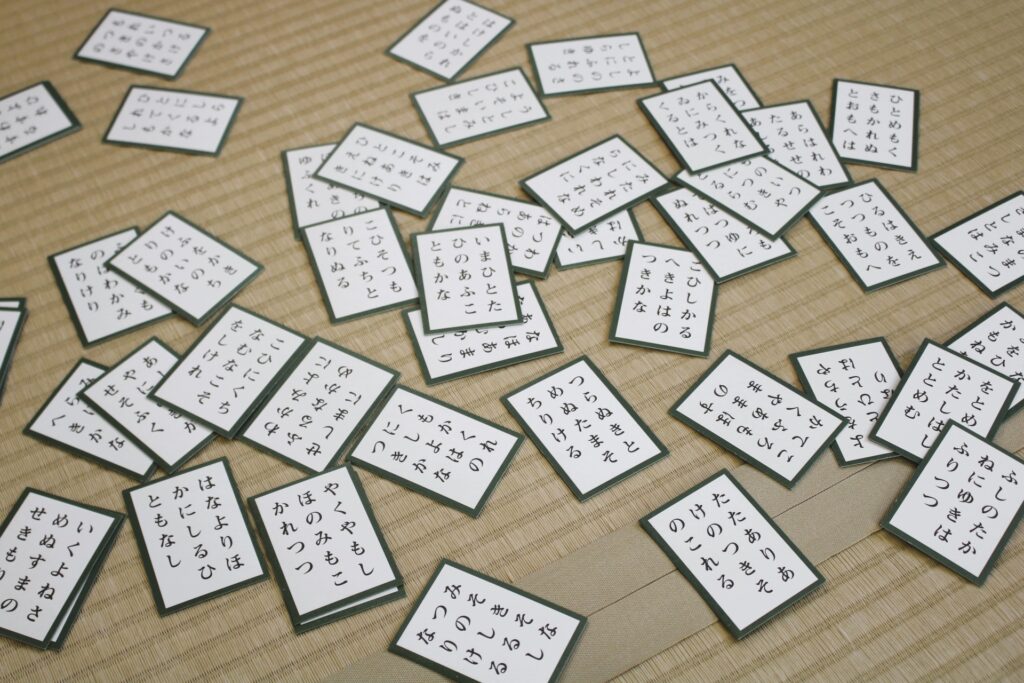
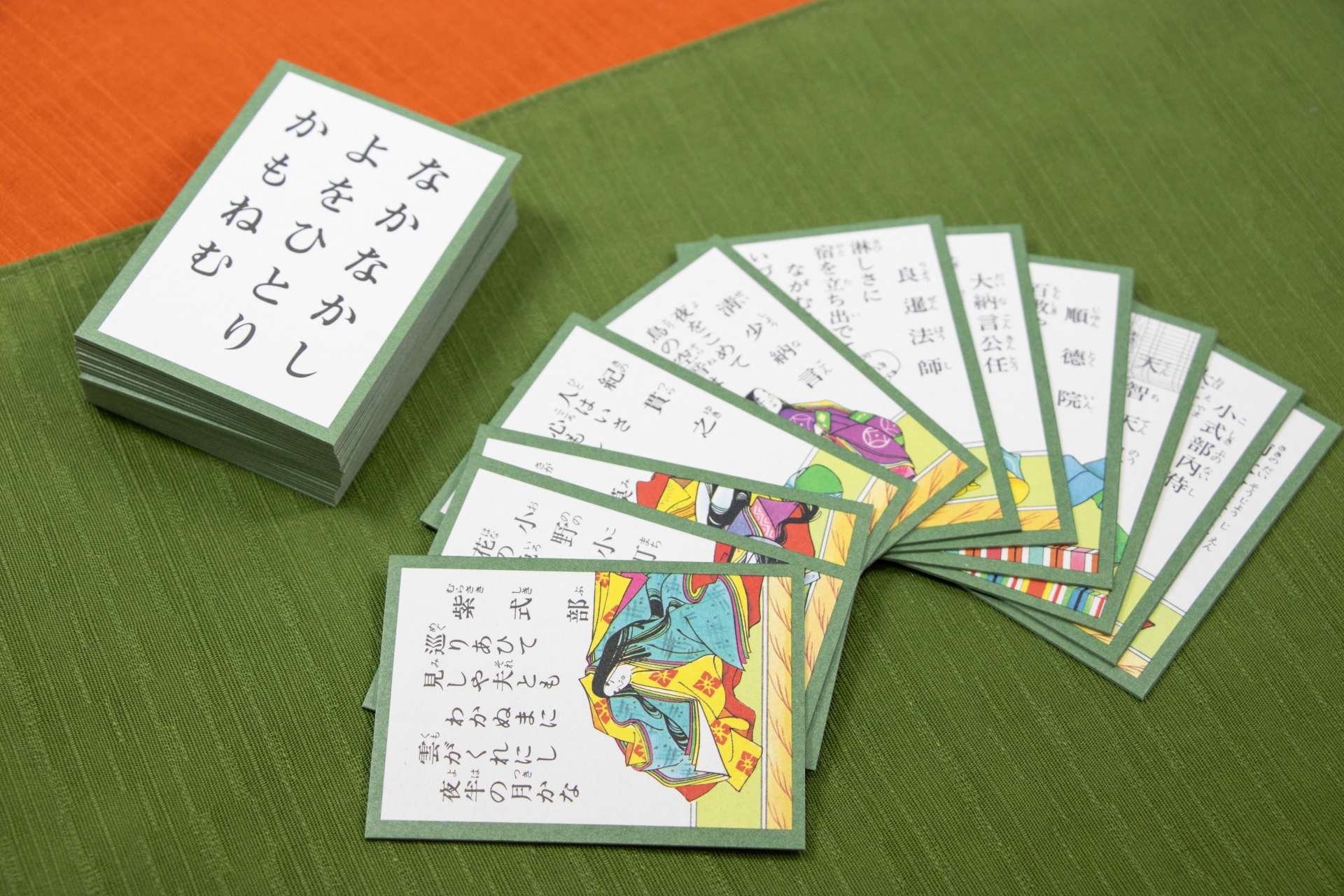
The Manyoshu was followed by other important Japanese poetry collections, including the Kokinshu and the Hyakunin Isshu. While these anthologies share some similarities, they differ significantly in style and historical context.
| Feature | Manyoshu | Kokinshu | Hyakunin Isshu |
| Period | Nara period | Heian period | 13th century compilation |
| Tone | Direct and emotional | Elegant and refined | Selected masterpieces |
| Poets | All social classes | Mainly court aristocrats | 100 famous poets |
| Structure | Large anthology (4,500+ poems) | Imperial anthology | 100 poems total |
The Manyoshu is often described as raw and expressive, capturing genuine emotions and diverse voices. In contrast, the Kokinshu reflects the refined aesthetic values of the Heian court.
The Hyakunin Isshu, compiled centuries later, is a curated selection of famous poems representing the best of classical Japanese poetry.
This comparison highlights how the Manyoshu laid the groundwork for later poetic traditions.
Conclusion: The Lasting Legacy of the Manyoshu
More than 1,200 years after its compilation, the Manyoshu remains one of the most important works in Japanese literature. As the oldest surviving collection of Japanese poetry, it preserves the voices, emotions, and experiences of people from ancient Japan.
The anthology’s poems explore universal themes—love, nature, grief, and travel—that continue to resonate with readers around the world. At the same time, the Manyoshu offers valuable insight into the history of the Japanese language and the cultural foundations of Japanese literary tradition.
For students, scholars, and anyone interested in Japanese culture, the Manyoshu provides a remarkable window into the past. Its verses remind us that, despite the centuries that separate us, the emotions expressed by these early poets remain deeply human and timeless.