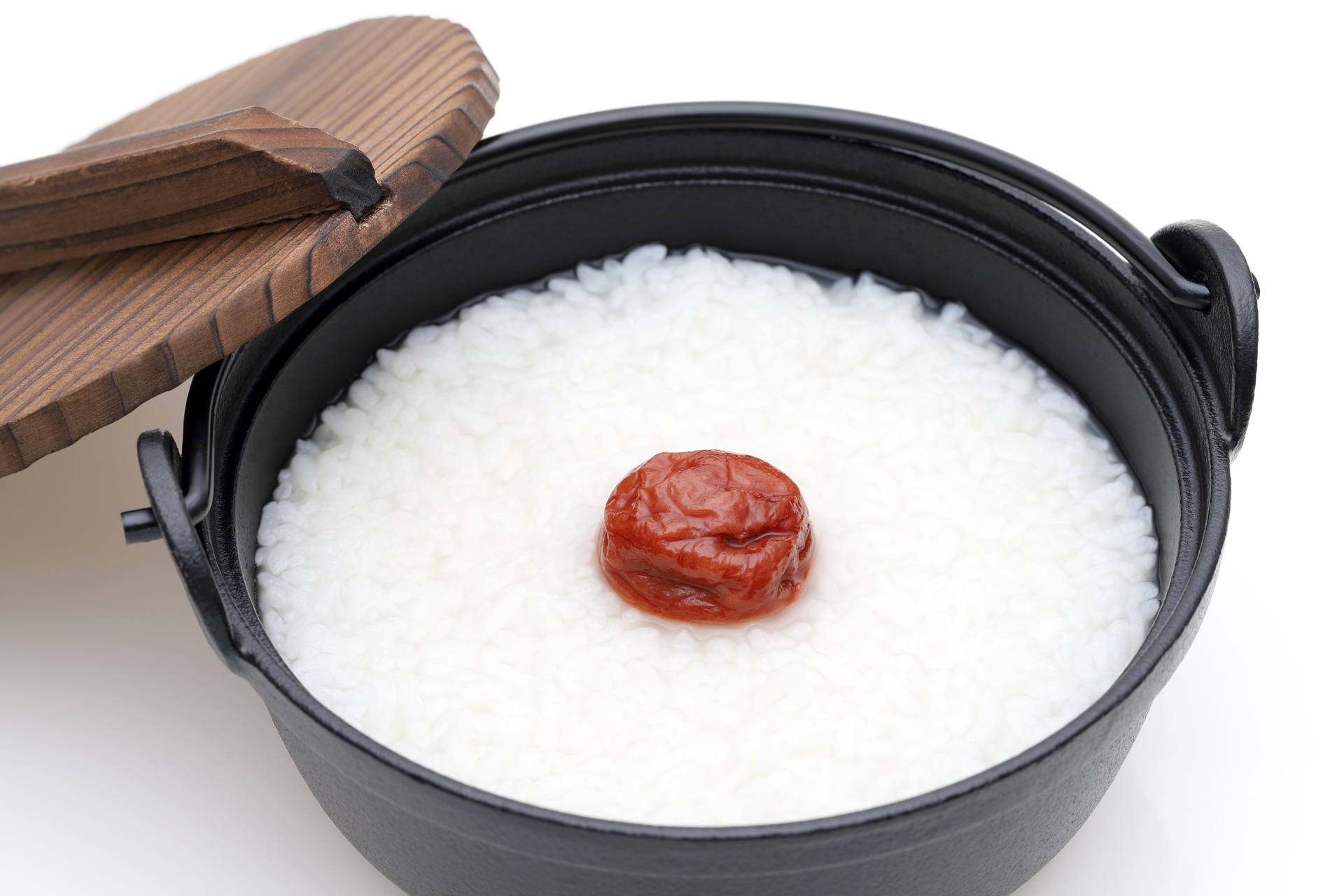
Okayu (お粥) is a traditional Japanese rice porridge made by simmering rice in a large amount of water until it becomes soft and creamy. Known for its gentle flavor and easy digestion, okayu is often served to people who are sick, babies, or anyone needing a light meal. While it is similar to other Asian rice porridges such as Chinese congee, okayu has its own cultural role in Japanese cuisine. In this article, we will explore what okayu is, its history, how it is made, where it can be eaten, and how it differs from other Japanese rice dishes.


What Is Okayu?
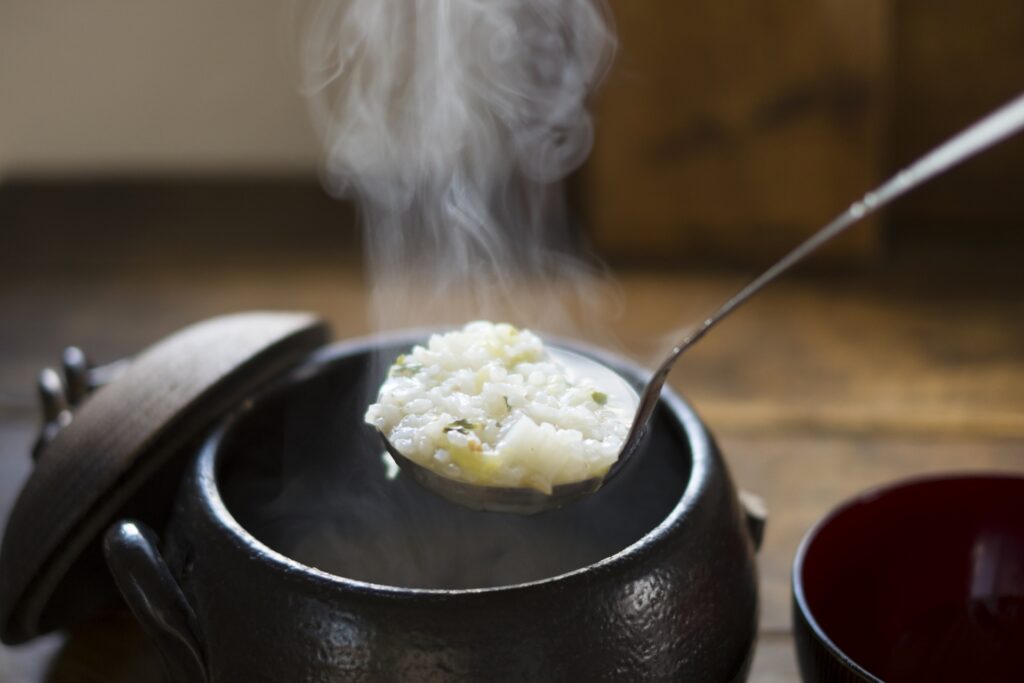
Okayu (お粥) is a traditional Japanese rice porridge made by slowly simmering rice with a large amount of water until it becomes soft, creamy, and easy to digest. It is one of the simplest dishes in Japanese cuisine, yet it holds an important place in everyday life and food culture. Unlike regular steamed rice, which is firm and separate, okayu has a smooth, porridge-like texture that is gentle on the stomach.
The dish is typically made using Japanese short-grain rice and water. As the rice cooks, it absorbs the water and breaks down slightly, creating a thick and comforting consistency. Because of its mild flavor, okayu is often eaten plain or with light toppings such as pickled plum (umeboshi), salted salmon, or green onions.
One key difference between regular rice and okayu is the amount of water used during cooking. Okayu uses significantly more water, which gives it its characteristic soft texture.
| Dish | Water Ratio |
| Steamed rice | Standard amount of water |
| Okayu | About 5–7× water |
Due to its gentle flavor and soft texture, okayu is commonly served when someone is sick, as a light breakfast, or as a comforting meal. For many Japanese people, it represents warmth, care, and home cooking.
The History of Okayu
Rice porridge has been eaten across Asia for thousands of years, and okayu is Japan’s version of this long-standing culinary tradition. The concept of cooking rice in large amounts of water likely originated in ancient China, where a similar dish called congee has been a staple for centuries. As rice cultivation spread across East Asia, variations of rice porridge appeared in many cultures.
In Japan, rice porridge became established during ancient times as rice agriculture developed. Historical records suggest that rice porridge was already being eaten by the imperial court during the Heian period (794–1185). Because rice was extremely valuable, cooking it as porridge allowed people to stretch small amounts of grain into larger meals.
Over time, okayu became closely connected to Japanese seasonal traditions and cultural practices. One well-known example is Nanakusa-gayu, or seven-herb rice porridge, which is traditionally eaten on January 7. This dish is believed to bring good health for the coming year and help the stomach recover after the rich foods of the New Year celebrations.
Okayu also became associated with everyday home cooking. Its simplicity made it a practical dish for families, especially when someone needed a light or restorative meal. Today, while Japan offers a huge variety of sophisticated cuisine, okayu remains a symbol of traditional comfort food deeply rooted in Japanese food culture.
How Okayu Is Made
One of the defining characteristics of okayu is its simplicity. The dish requires only a few ingredients, but the cooking process emphasizes patience and gentle heat to create its signature soft texture.
Basic Ingredients
Traditional okayu uses just three basic ingredients:
- Japanese short-grain rice
- Water
- A small amount of salt (optional)
Because the dish is so simple, the quality of the rice is important. Short-grain rice contains more starch than long-grain varieties, which helps create the creamy consistency that defines good okayu.
Basic Cooking Method
The cooking process is straightforward but requires slow simmering.
- Rinse the rice to remove excess starch and impurities.
- Place the rice and water in a pot using a higher water ratio than normal rice cooking.
- Bring the mixture to a gentle simmer over medium heat.
- Cook slowly over low heat, stirring occasionally.
- Simmer until the rice becomes soft and porridge-like.
The result is a thick, comforting porridge where the grains are tender and partially broken down.
Traditional Rice-to-Water Ratios
Different types of okayu vary depending on the amount of water used.
| Type | Rice : Water Ratio |
| Zen-gayu (full porridge) | 1 : 5 |
| Shichibu-gayu (70% porridge) | 1 : 7 |
| Gobu-gayu (50% porridge) | 1 : 10 |
These variations are sometimes used in hospitals or special diets where food texture must be carefully controlled.
Why Japanese People Eat Okayu
Okayu is more than just a simple dish—it plays an important role in daily life in Japan. Its soft texture, mild flavor, and easy digestibility make it suitable for many situations where heavier meals might be difficult to eat.
One of the most common reasons people eat okayu is when they are not feeling well. Because the rice is cooked until extremely soft, it is gentle on the stomach and easy for the body to digest. For this reason, many Japanese families prepare okayu when someone has a cold, fever, or upset stomach.
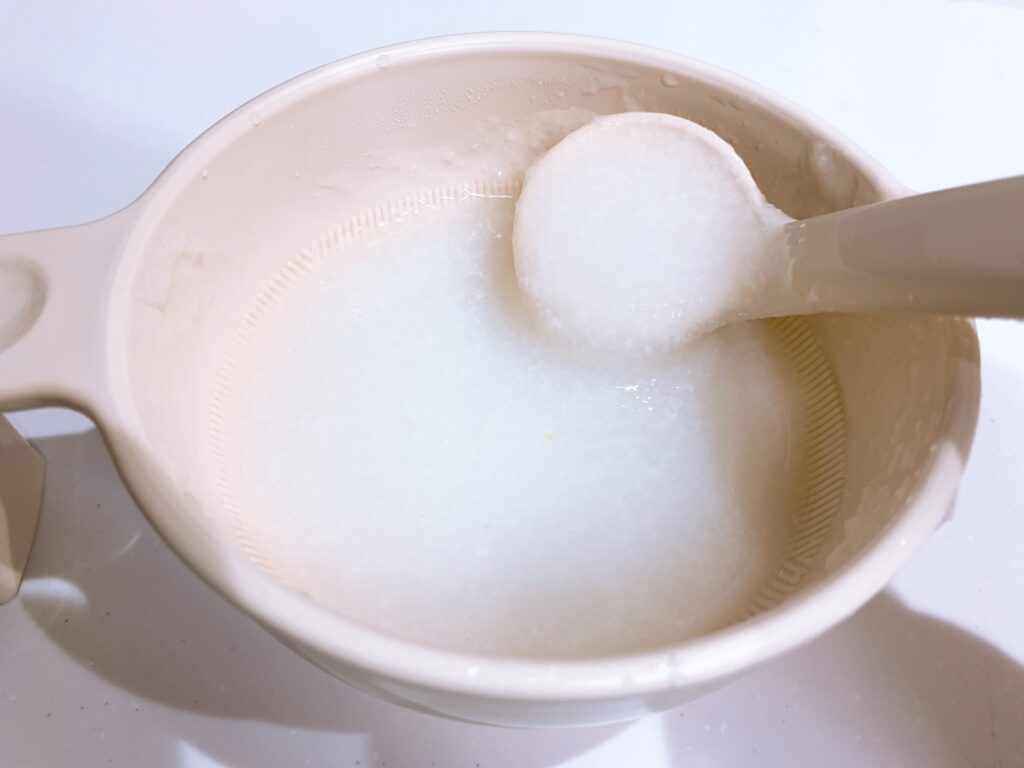
Okayu is also widely used as baby food. During the weaning stage, infants often start eating diluted rice porridge because it is soft and easy to swallow. Gradually, the thickness of the porridge is increased as the child becomes accustomed to solid foods.
In addition, okayu sometimes appears as a light breakfast. While a typical Japanese breakfast may include rice, fish, soup, and side dishes, some people prefer a simpler morning meal. A bowl of warm okayu with a small topping can be comforting and nourishing without feeling heavy.
Overall, the dish reflects a broader philosophy in Japanese cuisine: food should support health and balance while remaining simple and natural.
Okayu When You Are Sick
In Japan, there is a strong cultural connection between being sick and eating okayu. Many people grow up with memories of family members preparing a warm bowl of rice porridge during times of illness.
When someone has a cold or stomach problem, heavier foods such as fried dishes or meat can be difficult to digest. Okayu provides gentle nourishment without putting stress on the digestive system. The soft rice and warm liquid help hydrate the body and provide energy during recovery.
Toppings are usually kept simple when okayu is eaten as a recovery meal. A common addition is umeboshi, a sour pickled plum that is believed to stimulate appetite and aid digestion. The salty and slightly acidic flavor pairs well with the mild porridge.
Because of this long tradition, okayu is often associated with care and kindness. Preparing okayu for someone who is sick is considered a thoughtful act of support in Japanese households.
Popular Okayu Toppings
Although plain okayu has a mild flavor, toppings can add variety and depth. The simplicity of the dish makes it an ideal base for many traditional Japanese ingredients.
Some toppings provide saltiness, while others add umami or freshness. Even a small topping can transform a simple bowl of porridge into a satisfying meal.
| Topping | Flavor / Characteristic |
| Umeboshi (pickled plum) | Sour and refreshing |
| Grilled salmon | Rich umami flavor |
| Soft-cooked egg | Creamy and mild |
| Green onion | Fresh and slightly sharp |
| Nori seaweed | Light ocean flavor |
| Shio kombu | Salty kelp with deep umami |
Because the base flavor of okayu is very mild, even a small topping can significantly change the taste of the dish.
Where Can You Eat Okayu?
Okayu is most commonly eaten at home in Japan, where it is prepared as a comforting and practical meal. Many families cook it when someone is sick, when a light meal is needed, or when there is leftover rice that can be turned into porridge.
However, visitors to Japan can also encounter okayu in several other places.
One common setting is traditional Japanese inns (ryokan). Some ryokan serve rice porridge as part of a Japanese breakfast set, especially for guests who prefer a light start to the day. The dish may be accompanied by small side dishes such as pickles, grilled fish, and miso soup.
Okayu can also appear in specialty restaurants that focus on rice porridge. In cities such as Kyoto, morning porridge is part of a long-standing culinary tradition, and some restaurants open early to serve simple breakfast sets centered around okayu.
Hospitals in Japan frequently serve rice porridge as well. Because it is easy to digest and can be adjusted to different textures, okayu is often included in recovery diets for patients.
There are also regional variations of rice porridge. In Nara, for example, a traditional dish called cha-gayu is made by cooking rice in tea instead of water. This creates a light brown porridge with a subtle roasted flavor.
Okayu vs Congee: What’s the Difference?
Okayu is often compared to congee, a rice porridge widely eaten in China and many other Asian countries. While the two dishes share similar ingredients and cooking methods, they differ in flavor, texture, and cultural context.
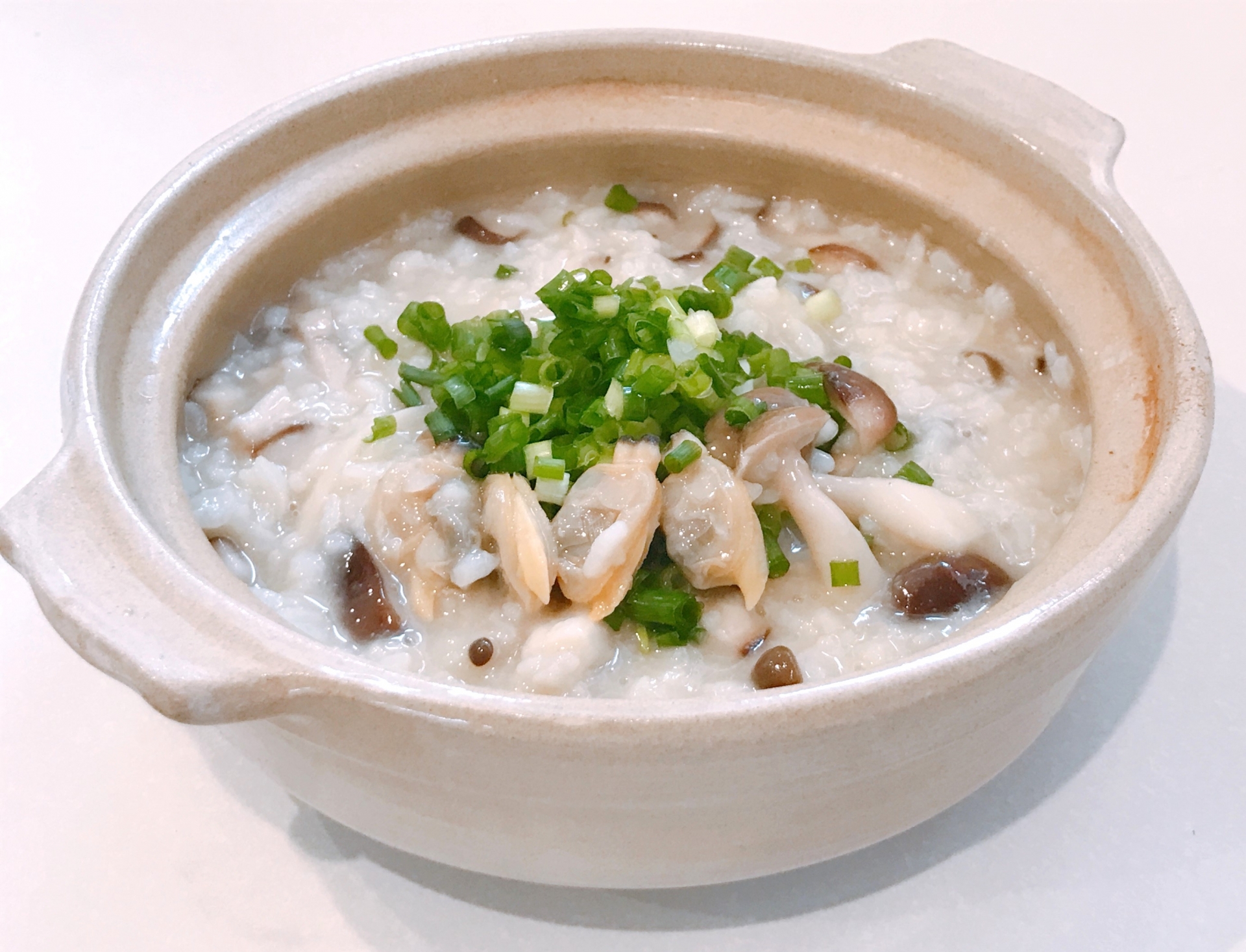
Congee tends to be more strongly seasoned and often includes many ingredients such as meat, seafood, ginger, or soy sauce. It can be served as a complete meal with a wide variety of toppings and side dishes.
Okayu, on the other hand, is usually simpler and milder. The focus is on the soft texture of the rice rather than strong seasoning. In many cases, only a small topping is added to maintain the dish’s gentle flavor.
| Dish | Region |
| Congee | China and other parts of Asia |
| Okayu | Japan |
Key Differences
Seasoning
Congee often contains broth, spices, or sauces. Okayu is typically seasoned very lightly or served plain.
Texture
Congee can be thicker and sometimes includes many ingredients mixed into the porridge. Okayu usually has a smoother and lighter consistency.
Cultural Role
Congee is widely eaten as a daily meal or breakfast in many countries. In Japan, okayu is more closely associated with comfort food, illness recovery, and traditional customs.
Despite these differences, both dishes share the same basic idea: transforming rice and water into a nourishing and comforting meal.
The Difference Between Okayu, Zosui, and Ojiya
Japanese cuisine includes several rice dishes that resemble porridge or soup, which can sometimes cause confusion for people unfamiliar with them. Three commonly compared dishes are okayu, zosui, and ojiya.
Although they look similar, the way they are prepared and the situations in which they are eaten are quite different.
Okayu is made by cooking uncooked rice in a large amount of water. The rice slowly softens and breaks down during the cooking process, producing a smooth and gentle porridge.
Zosui is made using already cooked rice. The rice is simmered in broth, often with vegetables, egg, seafood, or meat. Because it uses seasoned broth, zosui usually has a stronger flavor than okayu.
Ojiya is closely related to zosui and is often prepared using leftovers from a hot pot meal. The remaining soup is simmered with rice until it thickens, creating a comforting home-style dish.
| Dish | How It’s Made | Characteristics |
| Okayu | Cooked from raw rice | Mild and gentle |
| Zosui | Made from cooked rice | Brothy and flavorful |
| Ojiya | Often made with leftover soup and rice | Hearty home-style dish |
Understanding these differences helps reveal the diversity of rice dishes in Japanese cuisine.
Traditional Types of Okayu
Although basic okayu is very simple, Japan has developed several traditional variations that reflect seasonal customs and regional food culture.
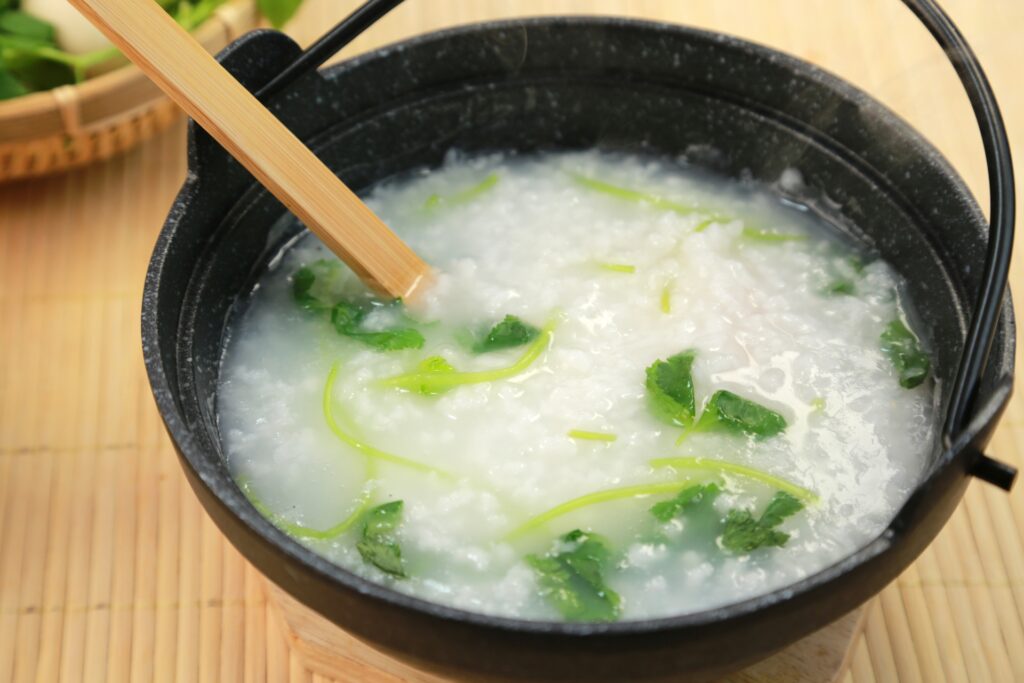
One famous example is Nanakusa-gayu, or seven-herb rice porridge. This dish is eaten on January 7 as part of a traditional celebration for health and longevity. The porridge is made with seven spring herbs that symbolize freshness and renewal for the new year.
Another variation is cha-gayu, which is especially associated with the Nara region. Instead of water, rice is cooked in tea, often roasted green tea. This gives the porridge a unique aroma and slightly earthy flavor.
Different textures of rice porridge are also considered traditional. As mentioned earlier, varying the rice-to-water ratio creates different types such as full porridge (zen-gayu) or thinner porridge used in hospital diets.
These variations show that even a simple dish like rice porridge can carry deep cultural meaning and regional diversity.
The Cultural Meaning of Okayu in Japan
Beyond its ingredients, okayu represents something deeper within Japanese culture. The dish is closely associated with care, comfort, and the idea of nourishing both body and spirit.
In many Japanese households, okayu is one of the first dishes children learn about. It is often the first solid food given to babies during weaning, and it is also the food most commonly prepared when someone is sick. Because of this, many people associate okayu with memories of family members taking care of them.
The dish also reflects a key principle in Japanese cooking: simplicity. Rather than relying on heavy seasoning or complicated techniques, okayu highlights the natural flavor and texture of rice. This minimalist approach is a hallmark of many traditional Japanese dishes.
Seasonal traditions further reinforce the cultural importance of rice porridge. Dishes like Nanakusa-gayu connect food with rituals of health, renewal, and gratitude for nature’s harvest.
For these reasons, okayu is more than just a type of porridge. It symbolizes warmth, kindness, and the everyday comfort of home cooking in Japan.
Final Answer: What Is Okayu?
Okayu is a traditional Japanese rice porridge made by simmering rice in a large amount of water until it becomes soft, creamy, and easy to digest. Known for its gentle flavor and comforting texture, it is commonly eaten when someone is sick, as a light breakfast, or as a simple meal in Japanese homes.
Although similar to other Asian rice porridges like congee, okayu has its own role in Japanese culture. It is closely associated with family care, seasonal traditions, and the idea of nourishing food that supports health and well-being.
In Japan, a bowl of okayu is more than just a dish—it represents warmth, kindness, and the comforting simplicity of traditional home cooking.