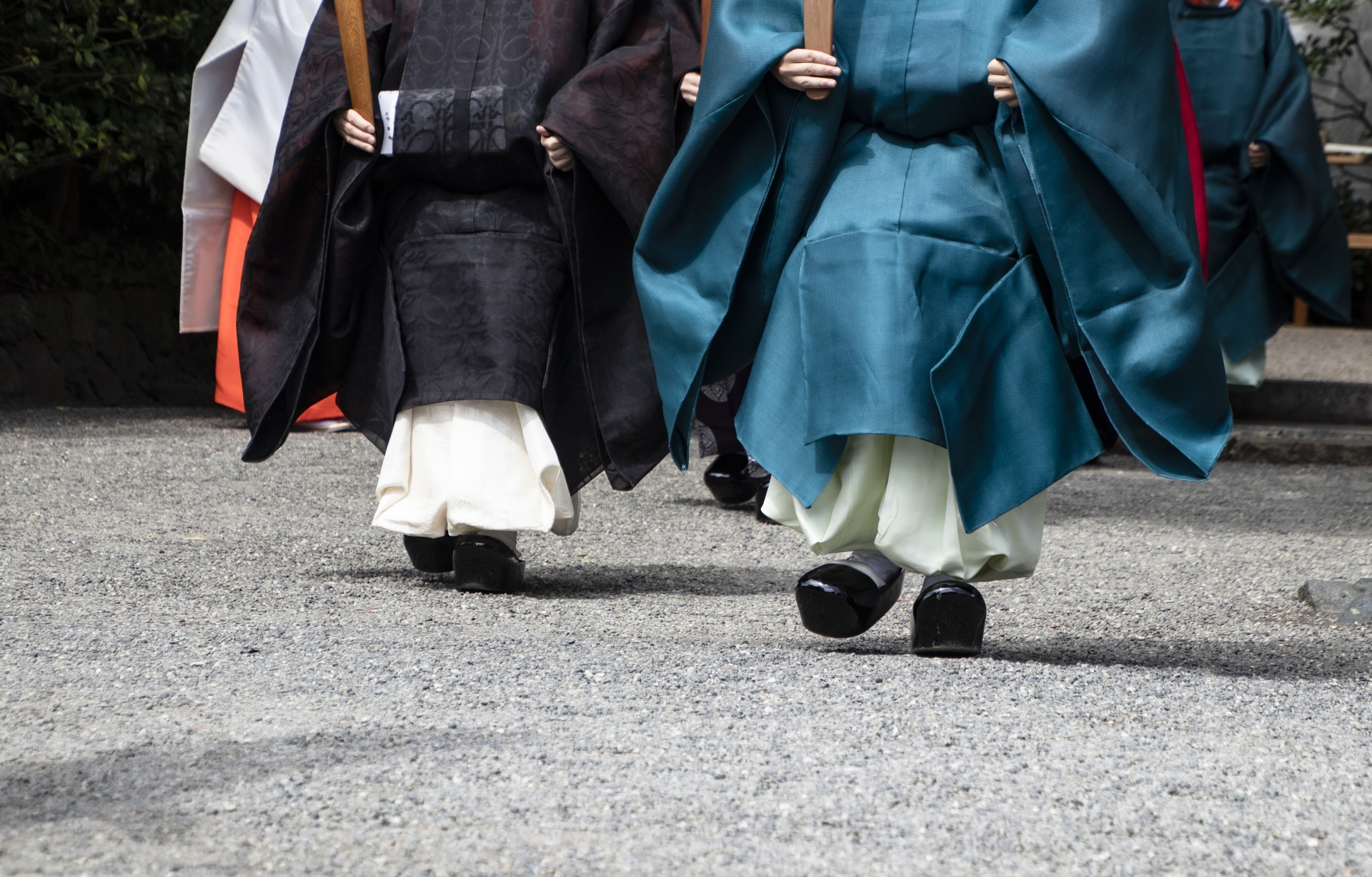
In the glittering world of Heian-period Kyoto, power did not always belong to the emperor. It often belonged to the man standing beside him.
Fujiwara no Michinaga (966–1028) brought Fujiwara regency politics to its absolute height, shaping imperial succession through strategic marriages and controlling the machinery of court government. Though he never claimed the throne, he ruled behind it.
Today, readers search his name not only to understand how he gained such influence, but also because his personal diary—the Midō Kanpakuki—offers one of the most vivid firsthand records of aristocratic life in classical Japan.
By the end of this article, you will understand:
- Who Michinaga was
- How he ruled without being emperor
- How marriage politics reshaped Japan
- What his diary reveals about Heian court life
- How he died—and why his legacy still defines an era
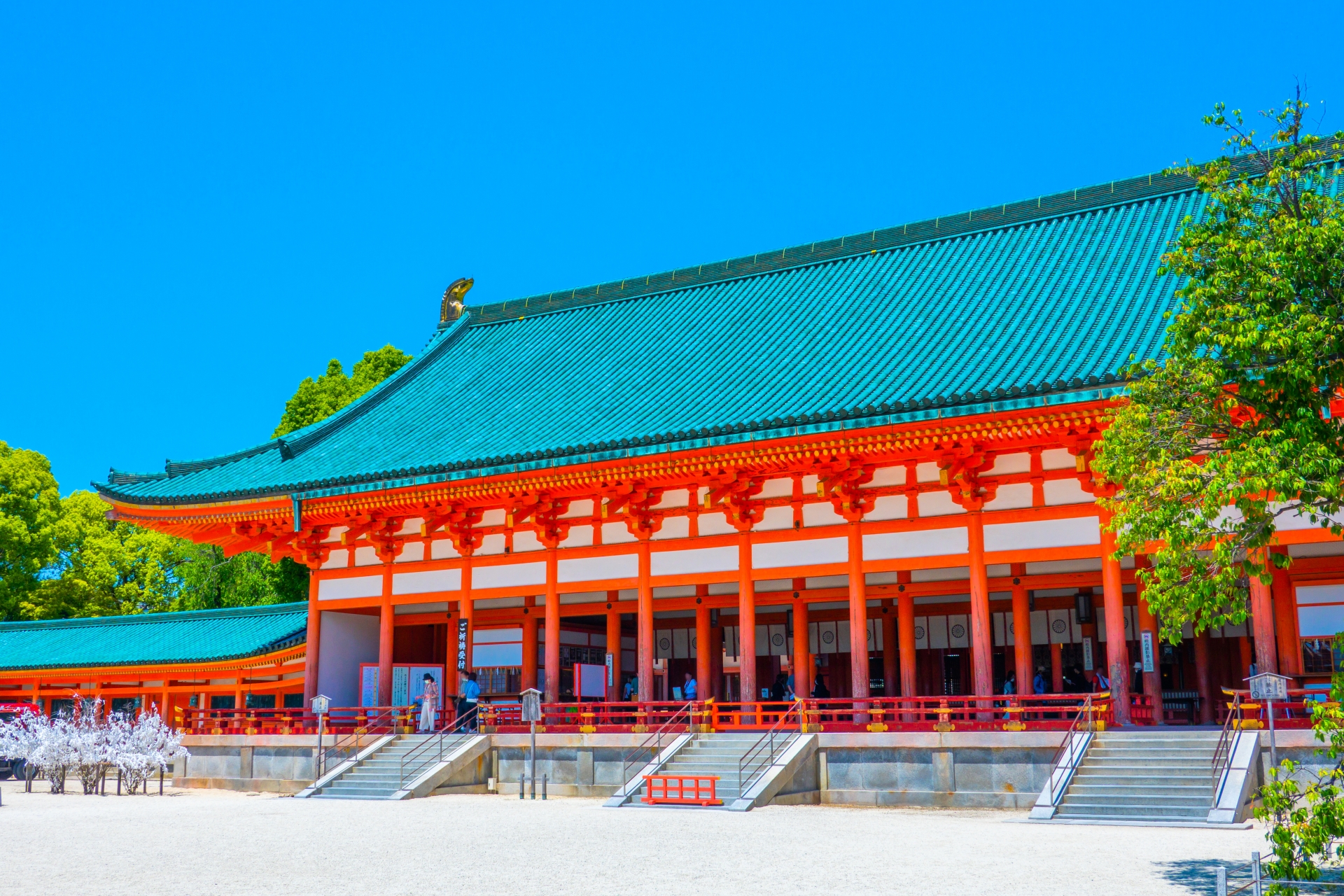


Who Was Fujiwara no Michinaga?
Fujiwara no Michinaga (966–1028) was the most powerful aristocrat of Japan’s Heian period (794–1185), an era often described as the cultural “golden age” of classical Kyoto. Though he never became emperor, he effectively ruled the imperial court from behind the scenes, bringing Fujiwara regency politics to its absolute peak.
Born the fifth son (youngest of five brothers) of Fujiwara no Kaneie, Michinaga was not originally expected to lead his family. In aristocratic succession politics, birth order mattered. Yet a series of untimely deaths among his elder brothers in the 990s reshaped the political landscape. Michinaga proved exceptionally skilled at turning instability into opportunity.
He rose through court ranks during a time when real political authority was shifting away from emperors and into the hands of regents (sesshō and kampaku). Through careful alliances, strategic promotions, and—most importantly—marriage diplomacy, he positioned himself at the center of imperial decision-making.
For modern readers encountering his name in history courses, documentaries, or while reading The Tale of Genji, Michinaga represents a striking political model: a statesman who reshaped imperial succession without ever claiming the throne. By ensuring that emperors were his grandsons, he secured influence that extended beyond a single reign.
Understanding Michinaga means understanding how power, family, culture, and religion intertwined at the highest levels of classical Japanese society.
The Heian Court System in Plain English: Sesshō, Kampaku, and “Sekkan Politics”
To understand how Michinaga ruled, we must understand the regency structure known as sekkan politics.
During the Heian period, emperors were sacred and symbolically supreme. However, daily governance was often handled by regents from the Fujiwara clan. Two titles defined this system:
| Title | Who It Serves | Practical Authority |
| Sesshō | A child emperor | Governs in the emperor’s name |
| Kampaku | An adult emperor | Chief advisor with executive authority |
Under this structure, the regent controlled:
- Court appointments
- Access to the emperor
- Policy coordination
- Formal state documentation
The emperor remained sovereign, but the regent directed administration.
Michinaga did not initially hold these titles continuously, yet he exercised equivalent authority in practice. By monopolizing access to the throne and ensuring key offices were held by allies, he managed the machinery of state.
Sekkan politics allowed aristocratic power to operate without overtly displacing the emperor. Rather than overthrowing the throne, it surrounded it. Michinaga refined this system into an almost seamless fusion of family strategy and political control.
How Michinaga Took Power: Alliances, Rivalries, and Timing
Michinaga’s rise was not inevitable. As the fifth son of Fujiwara no Kaneie, he stood behind older brothers in the line of influence. But the deaths of those brothers in the mid-990s created a power vacuum within the Fujiwara clan.
Rather than relying on military force—which played little role in court politics at this time—Michinaga advanced through:
- Strategic court promotions
- Alliance-building among high-ranking nobles
- Control over imperial marriage arrangements
Rival branches of the Fujiwara family competed for dominance. Control over imperial consorts meant control over future emperors. Michinaga understood that succession, not office alone, determined lasting authority.
Revised 10-Line Timeline
- 966 – Born as the fifth son of Fujiwara no Kaneie
- 990s – Rapid advancement within court ranks
- 995 – Consolidates clan leadership after elder brothers’ deaths
- 999 – Daughter Shōshi enters the court of Emperor Ichijō
- 1008 – Birth of Prince Atsuhira (later Emperor Go-Ichijō)
- 1016 – Serves as Sesshō (regent for a child emperor)
- 1017 – Appointed Daijō-daijin (Chancellor of the Realm)
- 1019 – Takes Buddhist vows (formal tonsure)
- 1020s – Gradual withdrawal from active political leadership
- 1028 – Dies
By the early 11th century, his dominance was unmatched. Later generations remembered his era as the zenith of Fujiwara regency power.
Marriage Politics Explained: Why His Daughters Changed Japan
Michinaga’s most powerful political instrument was marriage.
In Heian Japan, the maternal grandfather of an emperor held extraordinary influence. By marrying his daughters to reigning emperors, Michinaga ensured that future sovereigns would be his descendants.
One of his most consequential alliances was through his daughter Shōshi (Jōtōmon-in), who became consort to Emperor Ichijō. Their son later ascended the throne as Emperor Go-Ichijō, making Michinaga the emperor’s grandfather.
The structure was simple but powerful:
Michinaga
→ Daughter (imperial consort)
→ Emperor (son-in-law)
→ Grandson (future emperor)
This strategy embedded Fujiwara authority within the imperial bloodline itself. It was not rebellion—it was integration.
Equally important was the network of court women who surrounded imperial consorts. Ladies-in-waiting, attendants, and literary figures formed influential circles within palace life. These women were central to communication, reputation, and cultural prestige. Marriage politics therefore extended beyond ceremony into the daily life of the court.
Through family structure, Michinaga secured generational influence.
The Midō Kanpakuki: Michinaga’s Diary as a Window into Real Court Life
One of Michinaga’s most enduring legacies is his diary, the Midō Kanpakuki (御堂関白記).
Recognized by UNESCO’s Memory of the World program, this handwritten diary is among the most important primary sources for understanding Heian-period politics and culture. Unlike later historical chronicles, it was written contemporaneously, offering an unfiltered view of events as Michinaga experienced them.
The diary records:
- Court ceremonies and rituals
- Political appointments and disputes
- Births and deaths within the imperial family
- Personal illness and anxiety
- Religious devotion and temple patronage
For historians, its value lies in immediacy. It reveals not only political structure but emotional texture. We see ambition, satisfaction, insecurity, and fear.
At the same time, the diary must be read critically. It reflects Michinaga’s priorities. What he chose to record—and what he ignored—shapes the historical image we inherit.
For students learning about primary sources, the Midō Kanpakuki demonstrates how firsthand documentation provides both clarity and bias.
Michinaga and Heian Culture: Poetry, Patronage, and The Tale of Genji
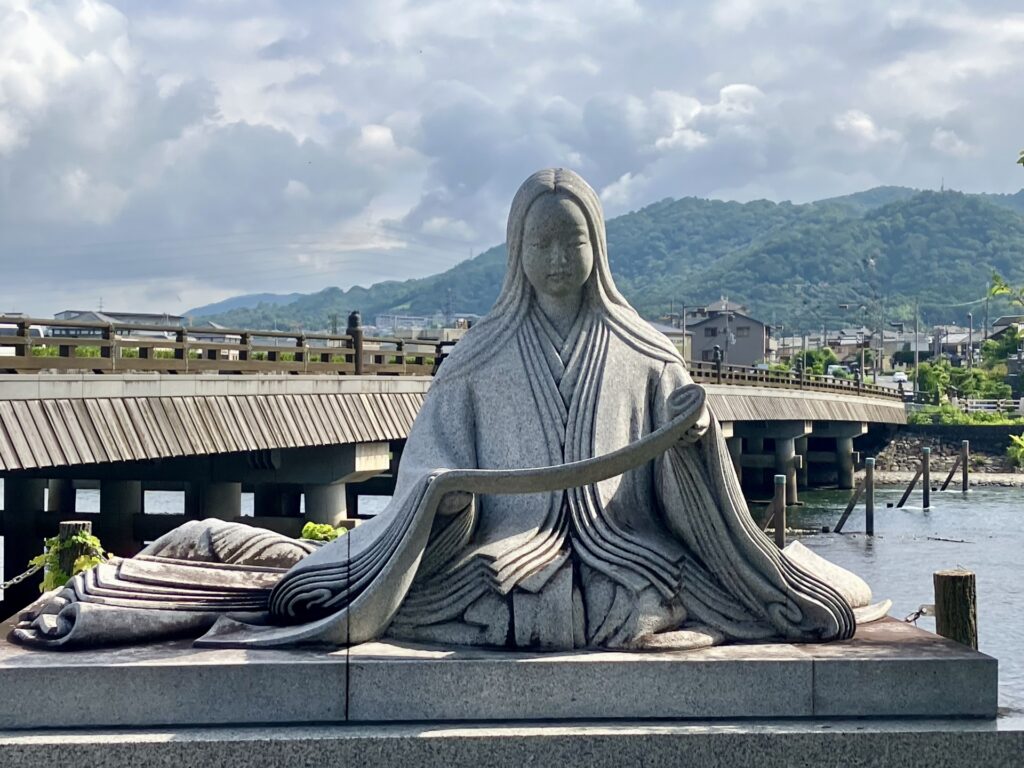
Politics and aesthetics were inseparable in Heian Kyoto. Cultural refinement was not decorative—it was political capital.
During Michinaga’s dominance, court life centered on:
- Poetry composition
- Seasonal ceremonies
- Calligraphy and correspondence
- Literary salons
His daughter Shōshi’s court became one of the most vibrant literary circles of the age. Among those serving there was Murasaki Shikibu, author of The Tale of Genji. While Michinaga does not appear directly as a fictional character, the aristocratic world depicted in the novel mirrors the environment he shaped.
Michinaga himself composed poetry. A famous celebratory verse attributed to him reflects his awareness of reaching the pinnacle of influence. Yet his diary also shows vulnerability—illness, spiritual concern, and awareness of impermanence.
Through literature and record-keeping, we glimpse the human dimensions behind political supremacy.
Retirement, Buddhism, and Cause of Death: The Final Years of Power
In his later years, Michinaga increasingly turned toward Buddhism. Aristocrats of his generation were deeply influenced by Pure Land belief, centered on devotion to Amida Buddha and hope for rebirth in the Western Paradise.
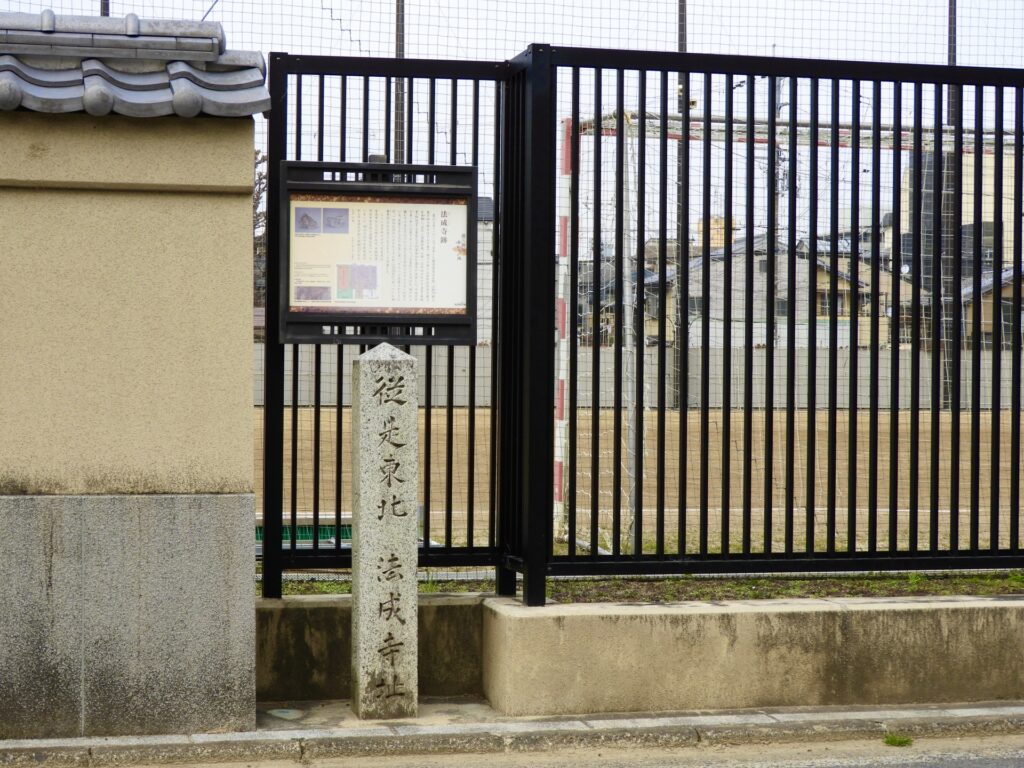
He sponsored the construction of Hōjō-ji temple in Kyoto, combining religious devotion with visible displays of status. Temple building reinforced both spiritual aspiration and worldly prestige.
In 1019, Michinaga formally took Buddhist vows (undergoing tonsure). However, he did not disappear from influence immediately. Even after retirement from active leadership, his authority remained significant.
Diary entries from his final years describe symptoms such as excessive thirst and frequent urination. Modern scholars sometimes suggest diabetes as a possibility, but no definitive diagnosis can be made.
He died in 1028, reportedly invoking Amida Buddha’s name. His life followed a recognizable Heian pattern: political ascent culminating in religious renunciation.
Historical Legacy: Why Michinaga Defines an Era
Michinaga represents the high-water mark of Fujiwara regency power. After his generation, the political structure began to shift.
Retired emperors later developed the insei (cloistered rule) system, reclaiming authority from regents. In the following centuries, warrior elites would eventually establish military governments.
Yet Michinaga’s era remains the benchmark of aristocratic dominance in Japanese history. It combined:
- Institutionalized regency authority
- Stable succession through marriage alliances
- Flourishing court culture
- A rich documentary record through his diary
For readers interested in Japanese history, literature, or cultural travel to Kyoto, Michinaga provides a framework for understanding how elegance and authority coexisted at the center of Heian civilization.
Conclusion: Fujiwara no Michinaga in Perspective
Fujiwara no Michinaga was the most powerful statesman of the Heian period, not because he seized the throne, but because he mastered the system surrounding it. As the fifth son of an influential family, he transformed unexpected opportunity into lasting dominance. Through calculated marriage alliances, he positioned his daughters as imperial consorts and his grandsons as emperors, embedding Fujiwara authority within the very structure of succession. His diary, the Midō Kanpakuki, preserves a rare firsthand account of political maneuvering, ritual life, illness, faith, and personal reflection. Even after taking Buddhist vows in 1019, he remained emblematic of a world where political supremacy and spiritual aspiration intertwined. For a generation, he shaped who ruled Japan—defining what would later be remembered as the pinnacle of aristocratic power.
FAQ
Who was Fujiwara no Michinaga?
He was the most powerful aristocrat of Heian Japan (966–1028), who controlled imperial politics through regency authority and marriage alliances.
How did Michinaga become so powerful?
By consolidating leadership within the Fujiwara clan, controlling access to the emperor, and marrying his daughters to reigning emperors—thereby becoming grandfather to future sovereigns.
What is sekkan politics?
It refers to rule by regents (Sesshō and Kampaku), who governed on behalf of the emperor while maintaining imperial legitimacy.
What is the Midō Kanpakuki?
It is Michinaga’s personal diary and one of the most important primary sources for understanding Heian court life and politics.
When did Michinaga take Buddhist vows?
He formally took Buddhist vows in 1019 and died in 1028.What was his cause of death?
The exact cause is unknown, though historical descriptions suggest a possible chronic illness such as diabetes.