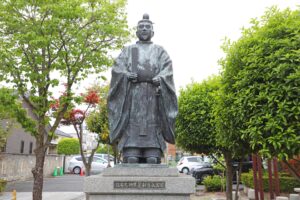
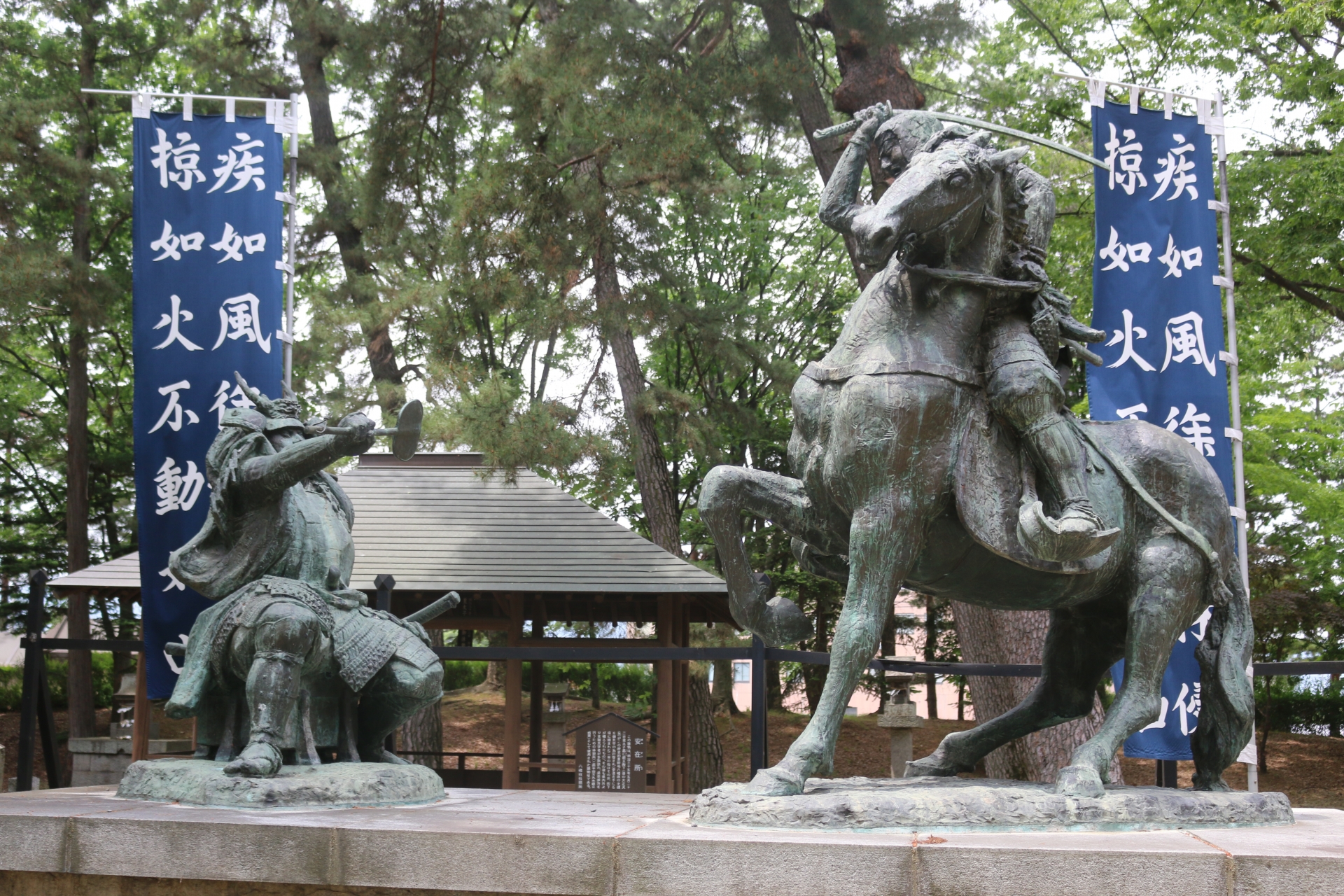
Uesugi Kenshin was one of the most powerful and respected samurai warlords of Japan’s Sengoku period. Known as the “Dragon of Echigo,” Kenshin earned a legendary reputation for his military brilliance, strict discipline, and deep religious devotion. His followers believed he was the earthly incarnation of Bishamonten, the Buddhist god of war, which contributed to his reputation as the “God of War” among samurai.
Living during the Sengoku period (1467–1615)—an era defined by constant conflict between regional warlords—Kenshin emerged as a dominant leader in northern Japan. While many daimyo sought power through alliances and political intrigue, Kenshin distinguished himself through battlefield leadership and a strong sense of honor.
He is perhaps most famous for his dramatic rivalry with Takeda Shingen, another legendary warlord. Their clashes at the Battles of Kawanakajima became some of the most iconic confrontations in samurai history and have been retold in countless books, films, and video games.
This article explores the life of Uesugi Kenshin—from his early years in Echigo Province to his rise as a powerful daimyo, his legendary military campaigns, religious beliefs, and the enduring legacy he left in Japanese history and global pop culture.


Who Was Uesugi Kenshin?
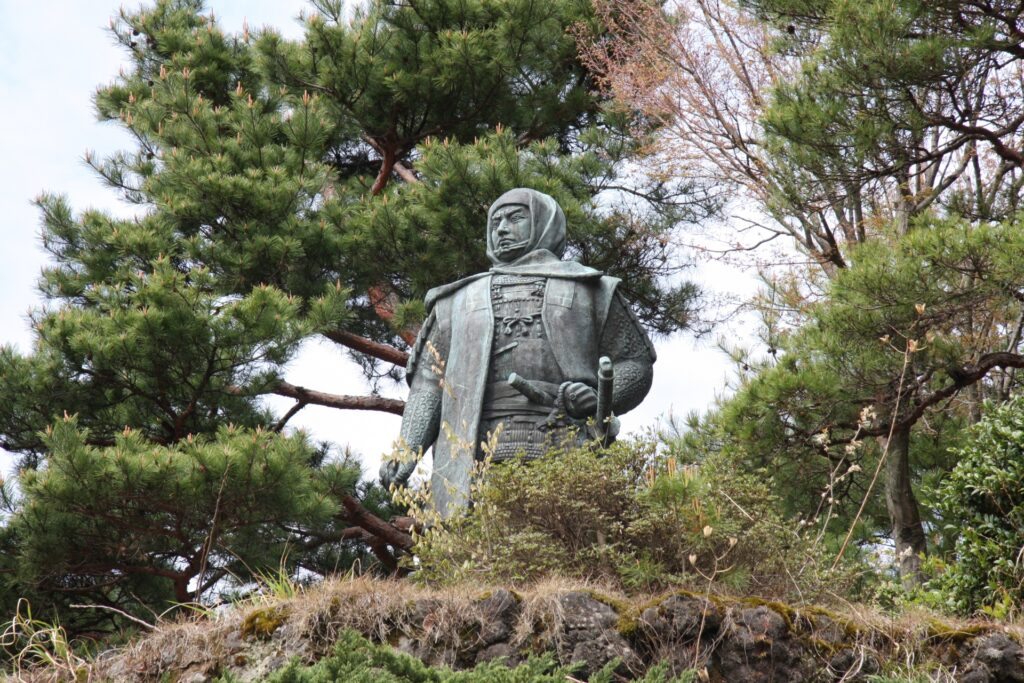
Uesugi Kenshin (1530–1578) was one of the most formidable daimyo of the Sengoku period, a time when regional warlords competed for control over Japan. Born as Nagao Torachiyo, he later became the leader of the Nagao clan and eventually the head of the prestigious Uesugi clan, one of the most powerful samurai families in eastern Japan.
Kenshin was born in Echigo Province, located in what is today Niigata Prefecture. His father, Nagao Tamekage, was a regional warlord who controlled much of the province. However, political instability and internal conflicts within the clan created a turbulent environment during Kenshin’s youth.
Despite being the fourth son, Kenshin eventually rose to leadership due to his exceptional abilities as a strategist and commander. His rule over Echigo was marked by strong governance, strict military organization, and loyalty from his retainers.
Historians widely regard Kenshin as one of the greatest military commanders of the Sengoku era. His disciplined armies, rapid troop movements, and ability to outmaneuver enemies earned him both fear and respect across Japan.
Key Timeline of Uesugi Kenshin’s Life
| Year | Event |
| 1530 | Born in Echigo Province (modern Niigata) |
| 1548 | Became leader of the Nagao clan |
| 1553 | First Battle of Kawanakajima against Takeda Shingen |
| 1561 | Fourth Battle of Kawanakajima, the most famous clash |
| 1560s–1570s | Expanded influence across northern Japan |
| 1578 | Died at age 49 |
Through his leadership and battlefield successes, Kenshin established himself as a central figure in Japan’s turbulent age of samurai warfare.
Early Life and Rise to Power
Uesugi Kenshin was born in 1530 as Nagao Torachiyo, the fourth son of the warlord Nagao Tamekage, ruler of Echigo Province. Because he was not expected to inherit leadership, Kenshin was sent at a young age to Rinsen-ji Temple for education.
At the temple, Kenshin received training in Buddhist philosophy, literature, and martial discipline. This education strongly shaped his worldview and later contributed to his intense religious devotion, especially to the war deity Bishamonten.
Meanwhile, Echigo Province was facing severe political instability. Rival clans and rebellious retainers challenged the authority of the Nagao family. After the death of Kenshin’s father, internal conflicts worsened, creating an opportunity for ambitious leaders to seize power.
Kenshin’s older brother initially inherited leadership but struggled to maintain control. Eventually, Kenshin returned from the temple and demonstrated remarkable leadership ability. His strategic skill and charisma quickly gained the support of many powerful retainers.
In 1548, at only 18 years old, Kenshin became the leader of the Nagao clan and ruler of Echigo.
Later, he was formally adopted into the prestigious Uesugi clan, a powerful family that traditionally held the title of Kantō Kanrei (Deputy Shogunal Governor of the Kantō region). With this adoption, he took the name Uesugi Kenshin, solidifying his status as one of the most influential warlords in eastern Japan.
His rise to power coincided with the broader Sengoku period, when the collapse of central authority allowed ambitious daimyo to expand their territories through warfare and alliances.
The Dragon of Echigo: Military Genius
Uesugi Kenshin earned the nickname “Dragon of Echigo” because of his extraordinary abilities as a battlefield commander. His leadership style emphasized strict discipline, rapid mobilization, and well-organized military formations.
Unlike some warlords who relied heavily on numerical superiority, Kenshin often achieved success through tactical precision and mobility. His armies were known for their ability to move quickly through mountainous terrain, allowing them to surprise enemies and control strategic locations.
Kenshin also placed great importance on logistics and organization. His forces were carefully structured, enabling efficient coordination during battles. This professionalism made his army one of the most respected military forces of the Sengoku period.
Another reason for his legendary reputation was his fearless personal leadership. Kenshin frequently led troops directly on the battlefield, inspiring loyalty among his soldiers.
His nickname also symbolized his rivalry with Takeda Shingen, who was known as the “Tiger of Kai.”
The symbolic clash between the Dragon (Kenshin) and the Tiger (Shingen) represented the meeting of two of the most brilliant military minds of the Sengoku era. Their rivalry captured the imagination of later generations and remains one of the most famous rivalries in Japanese history.
The Legendary Rivalry: Uesugi Kenshin vs Takeda Shingen
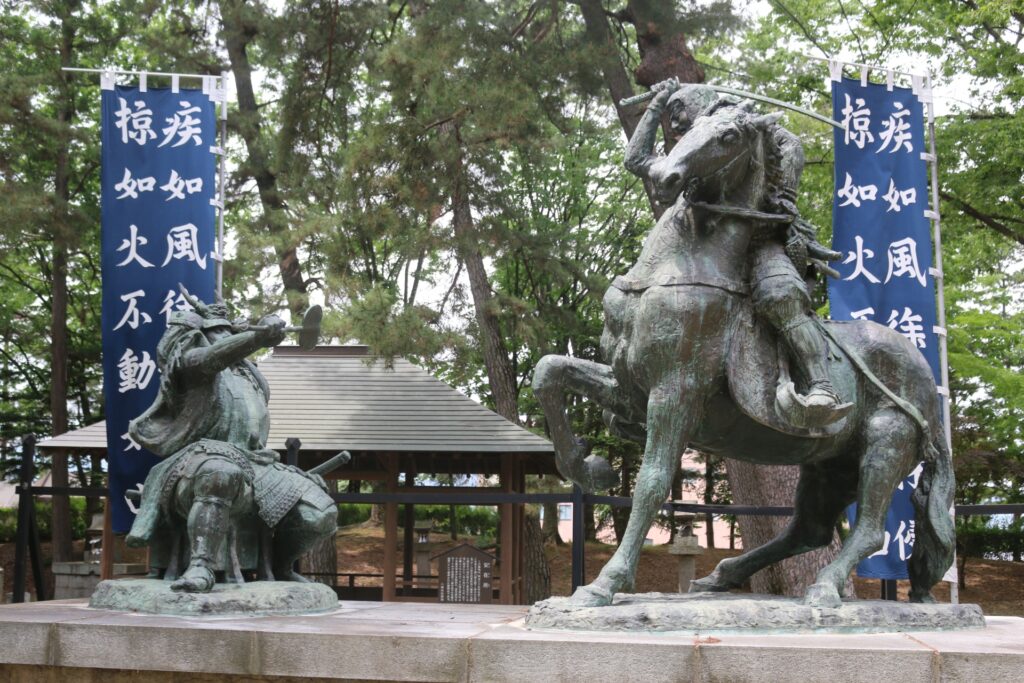
One of the defining stories of the Sengoku period is the rivalry between Uesugi Kenshin and Takeda Shingen. Both warlords were brilliant strategists who controlled powerful territories in central Japan.
Their conflict centered on Shinano Province, a strategically important region between their domains. Control of this territory meant access to vital trade routes and military advantages.
Despite their rivalry, historical accounts suggest that Kenshin and Shingen respected each other deeply. Their clashes were fierce but also characterized by a sense of honor that later became legendary in samurai history.
One famous story illustrating this respect is the “Salt Episode.”
At one point, the Hojo clan attempted to weaken Takeda Shingen by cutting off salt supplies to his territory. Salt was essential for preserving food, and the blockade threatened the stability of Shingen’s domain.
Rather than exploiting this weakness, Kenshin reportedly sent salt to his rival. According to the story, he declared that wars should be fought “with swords and spears, not with rice and salt.”
Whether entirely factual or partially legendary, the story reflects Kenshin’s reputation as a warrior guided by honor and principles.
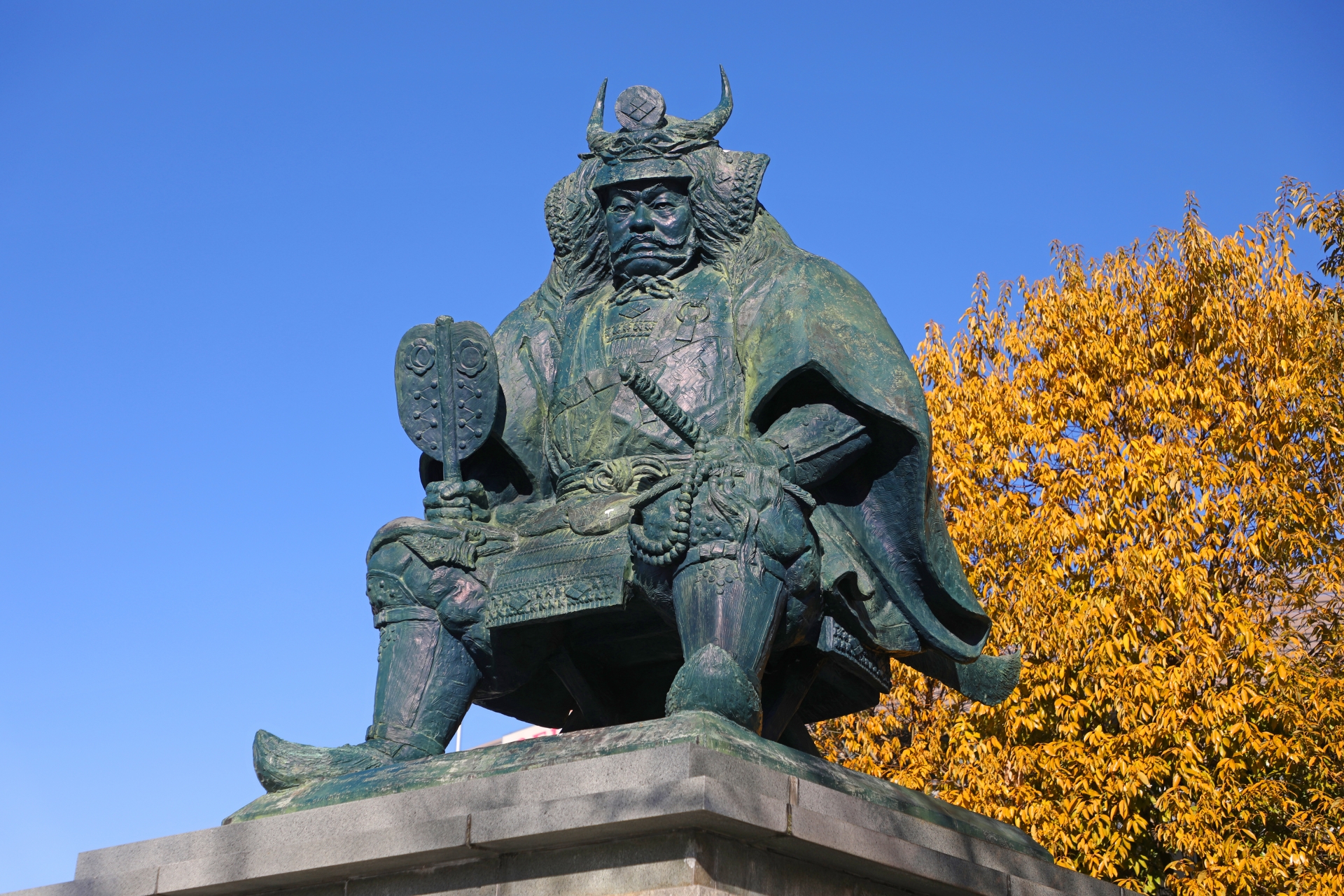
The Five Battles of Kawanakajima
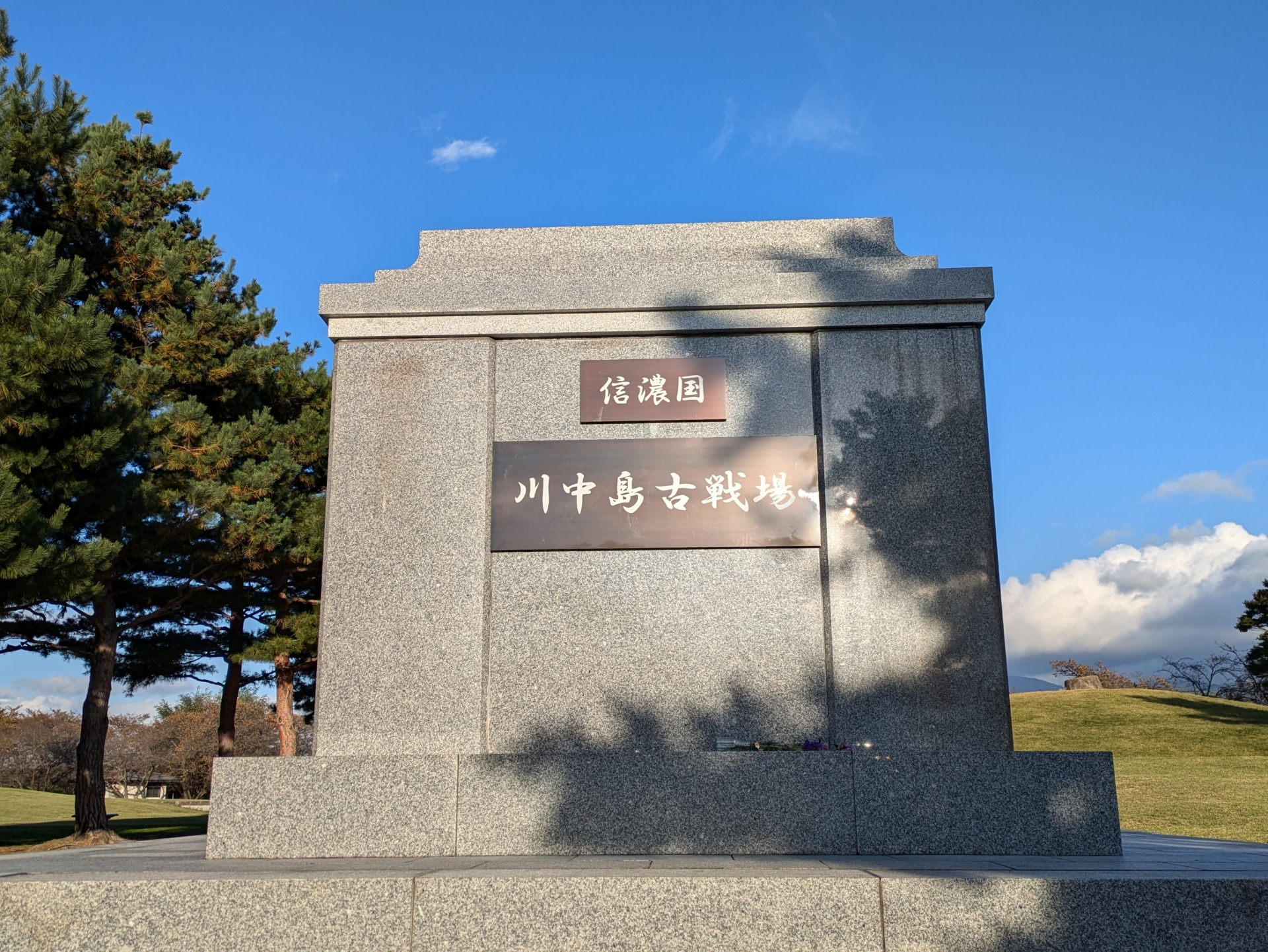
The rivalry between Kenshin and Shingen culminated in a series of five battles fought on the Kawanakajima plain in Shinano Province between 1553 and 1564.
These battles are among the most famous military confrontations in Japanese history.
Timeline of the Battles
| Year | Battle |
| 1553 | First Battle of Kawanakajima |
| 1555 | Second Battle |
| 1557 | Third Battle |
| 1561 | Fourth Battle (largest and most famous) |
| 1564 | Fifth Battle |
The Fourth Battle of Kawanakajima (1561) became legendary due to its scale and dramatic stories.
One famous legend describes Kenshin personally charging into Shingen’s command camp on horseback and attacking him with a sword. According to the story, Shingen defended himself using an iron war fan (tessen).
Although historians debate the accuracy of this scene, it remains one of the most iconic moments in samurai folklore.
The battles ultimately ended without a decisive victory for either side, reinforcing the mythic status of both commanders.
Religion and the “God of War”
Religion played a central role in Uesugi Kenshin’s life and leadership. He was deeply devoted to Bishamonten, the Buddhist god of war and protector of righteous warriors.
Bishamonten is one of the Four Heavenly Kings in Japanese Buddhism and is often depicted wearing armor and holding weapons. Samurai admired the deity as a symbol of courage, justice, and divine protection in battle.
Kenshin believed he was either a servant or earthly incarnation of Bishamonten. Before battles, he performed religious rituals and prayed for guidance and victory.
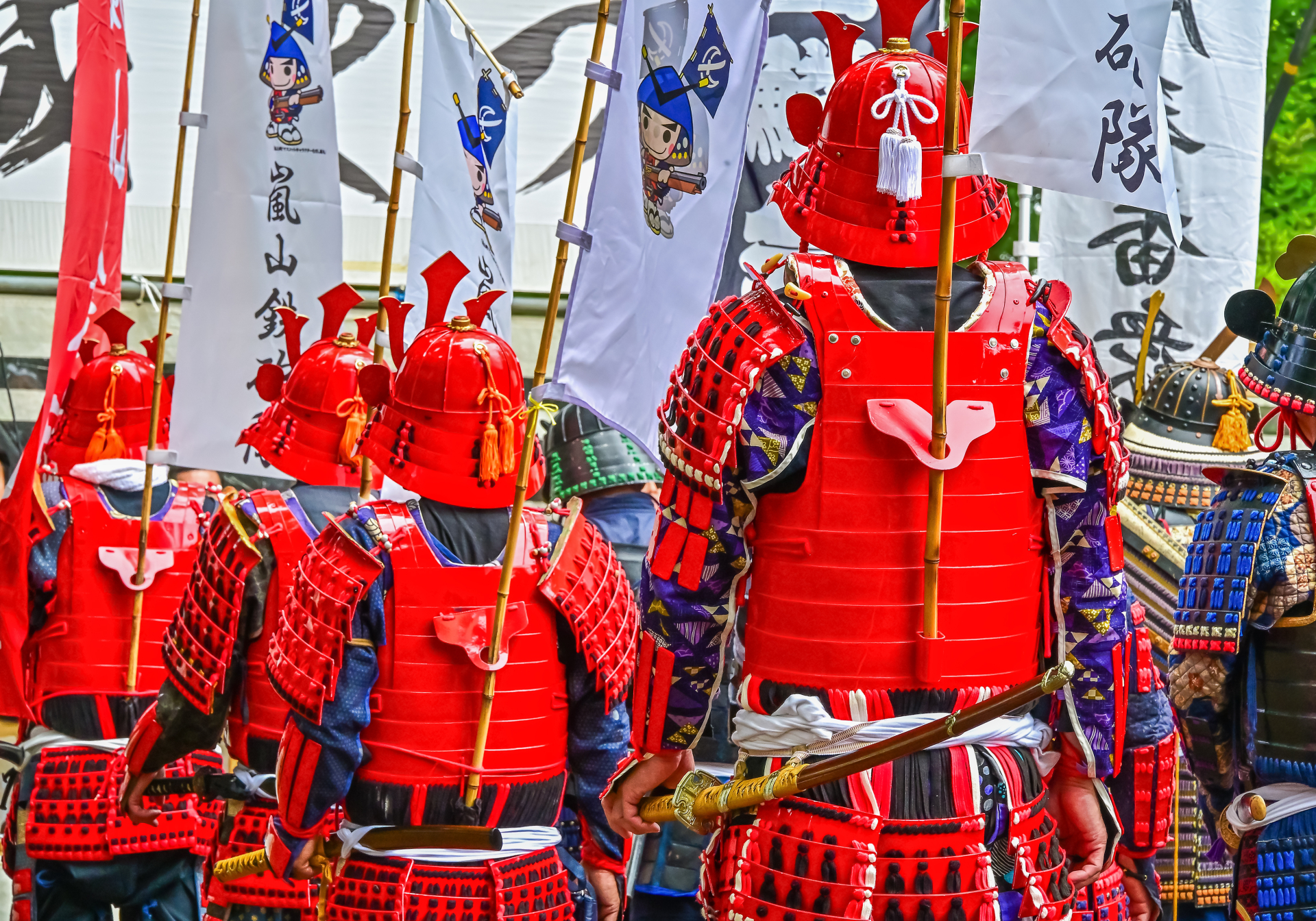
His army often carried banners bearing the Chinese character “毘,” representing Bishamonten. These banners became powerful symbols of Kenshin’s forces on the battlefield.
Kenshin’s religious devotion also influenced his personal lifestyle. Historical records suggest he lived relatively modestly for a powerful daimyo and avoided many of the luxuries enjoyed by other warlords.
For Kenshin, warfare was not merely about political power—it was a sacred duty guided by spiritual belief.
Later Years and Death
During the later years of his life, Uesugi Kenshin continued to expand his influence across northern Japan. His authority extended beyond Echigo into parts of the Hokuriku region, strengthening the Uesugi clan’s power.
By the 1570s, a new force was reshaping the political landscape: Oda Nobunaga, one of the most ambitious warlords in Japanese history. Nobunaga’s rapid expansion threatened many regional powers, including the Uesugi.
Kenshin achieved several victories against forces aligned with Nobunaga and appeared poised to become a major obstacle to Nobunaga’s ambitions.
However, in 1578, Kenshin suddenly died at the age of 49.
The exact cause of death remains uncertain. Historical sources suggest several possibilities:
- Illness, possibly stomach cancer
- Stroke while using the toilet, a commonly cited historical theory
- Assassination rumors, though there is little evidence
Following Kenshin’s death, a succession crisis erupted within the Uesugi clan between two adopted heirs: Uesugi Kagekatsu and Uesugi Kagetora. The resulting conflict weakened the clan and reduced its political power.
The Legacy of Uesugi Kenshin
Uesugi Kenshin’s reputation as one of Japan’s greatest samurai commanders has endured for centuries. His military skill, discipline, and strong moral code made him a legendary figure even among his contemporaries.
After his death, his adopted son Uesugi Kagekatsu eventually emerged as the clan’s leader. Although the Uesugi clan never regained the same level of power Kenshin had achieved, it remained an influential samurai family throughout Japanese history.
Kenshin’s legacy also lives on in modern popular culture.
He frequently appears in:
- Historical television dramas (Taiga dramas in Japan)
- Anime and manga about the Sengoku period
- Video games such as Samurai Warriors and Nobunaga’s Ambition
In many of these portrayals, Kenshin is depicted as a disciplined warrior guided by honor and spiritual conviction.
His rivalry with Takeda Shingen remains one of the most dramatic narratives of the Sengoku era, continuing to inspire stories across media worldwide.
Places Associated With Uesugi Kenshin (Travel Guide)
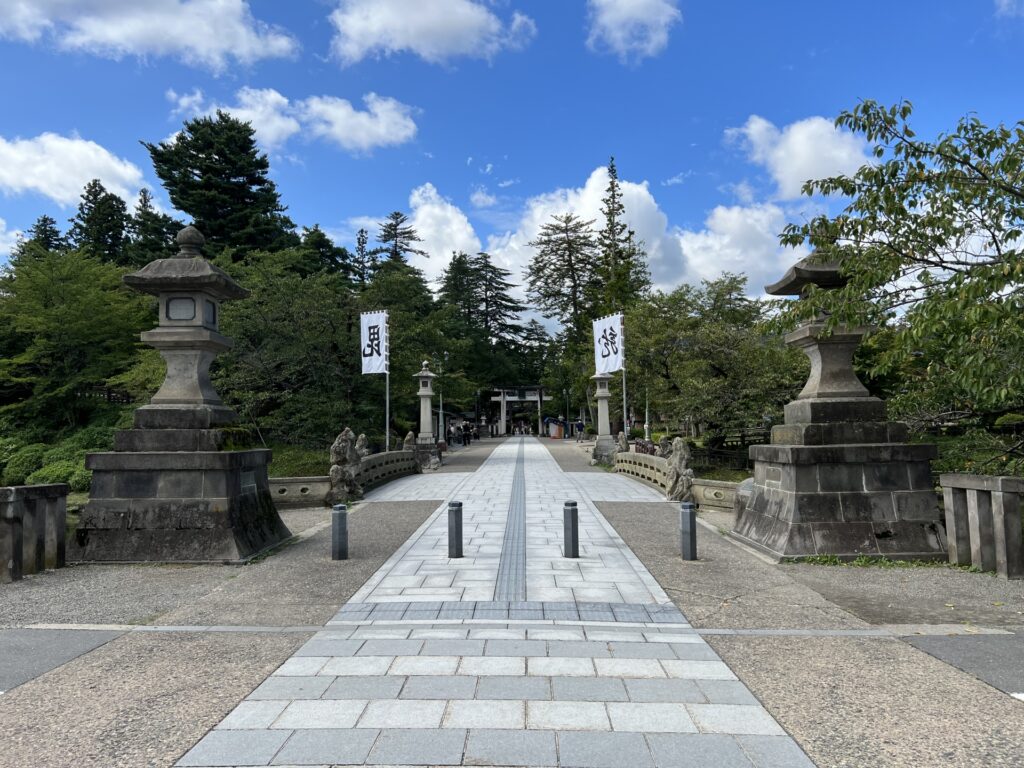
For travelers interested in samurai history, several locations in Japan are closely connected to Uesugi Kenshin.
These sites provide valuable insights into his life and the legacy of the Uesugi clan.
| Location | Prefecture | Why Visit |
| Uesugi Shrine | Yamagata | Shrine dedicated to Kenshin and the Uesugi clan |
| Kasugayama Castle Ruins | Niigata | Former stronghold of Kenshin |
| Joetsu historical sites | Niigata | Museums and landmarks related to the Uesugi clan |
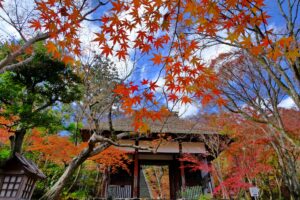
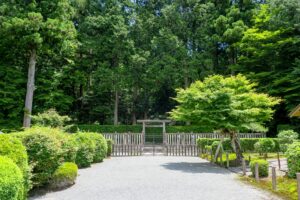
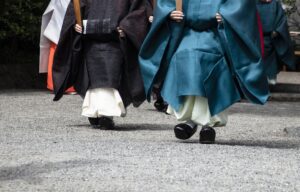
Uesugi Shrine in Yamagata honors Kenshin and later leaders of the Uesugi clan. It remains an important cultural site and hosts historical festivals that celebrate samurai heritage.
The Kasugayama Castle Ruins in Niigata were once Kenshin’s primary fortress. Although the castle no longer stands, visitors can explore the ruins and enjoy panoramic views of the surrounding landscape.
Joetsu City, located in Niigata Prefecture, also contains museums and historical sites related to the Uesugi clan, making it a valuable destination for travelers interested in Japanese history.
Conclusion: The Enduring Legend of the Dragon of Echigo
Uesugi Kenshin remains one of the most fascinating figures of Japan’s Sengoku period. As the “Dragon of Echigo,” he earned legendary status through his military brilliance, unwavering discipline, and deep spiritual devotion.
His famous rivalry with Takeda Shingen produced some of the most dramatic battles in samurai history, particularly the iconic clashes at Kawanakajima.
Beyond the battlefield, Kenshin’s devotion to Bishamonten shaped his identity as a warrior guided by spiritual principles. This unique combination of military skill and religious conviction contributed to his reputation as the “God of War.”
Even centuries after his death, Kenshin’s story continues to captivate historians, storytellers, and travelers alike.
The legend of the Dragon of Echigo remains a powerful symbol of the dramatic and heroic world of the samurai.