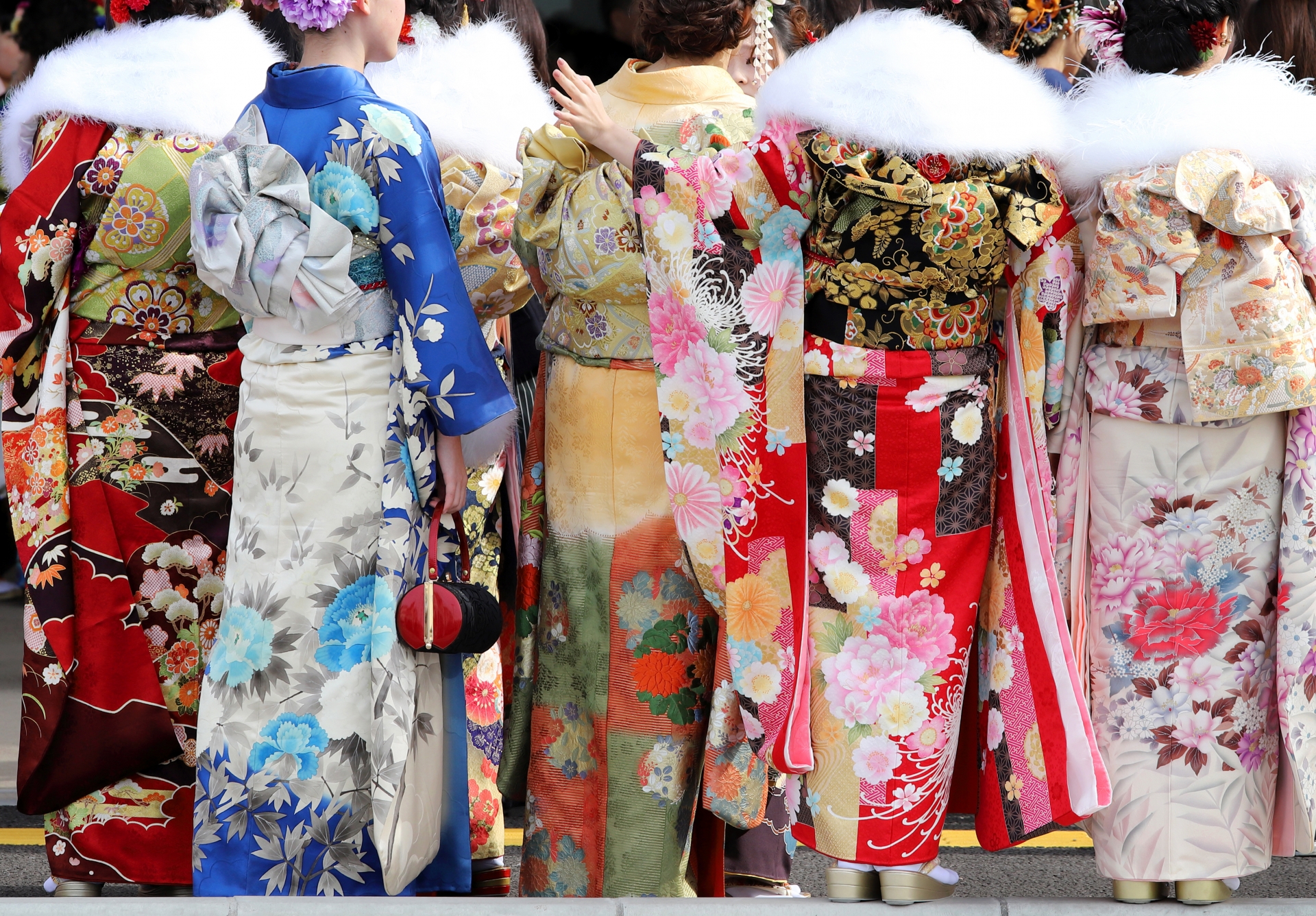
In Japan, traditional clothing like furisode and hakama carries deep cultural meaning, symbolizing major life transitions such as adulthood, graduation, and marriage. The furisode, known for its beautifully flowing long sleeves, has long been associated with youth and celebration. The hakama, originally a functional garment worn over kimono, evolved into formal attire for ceremonies and scholarly settings. Today, pairing a furisode with a hakama has become especially popular for milestone events and commemorative photography. This article explores their origins, differences, cultural significance, styling practices, modern trends, and practical advice for anyone considering a furisode–hakama ensemble.
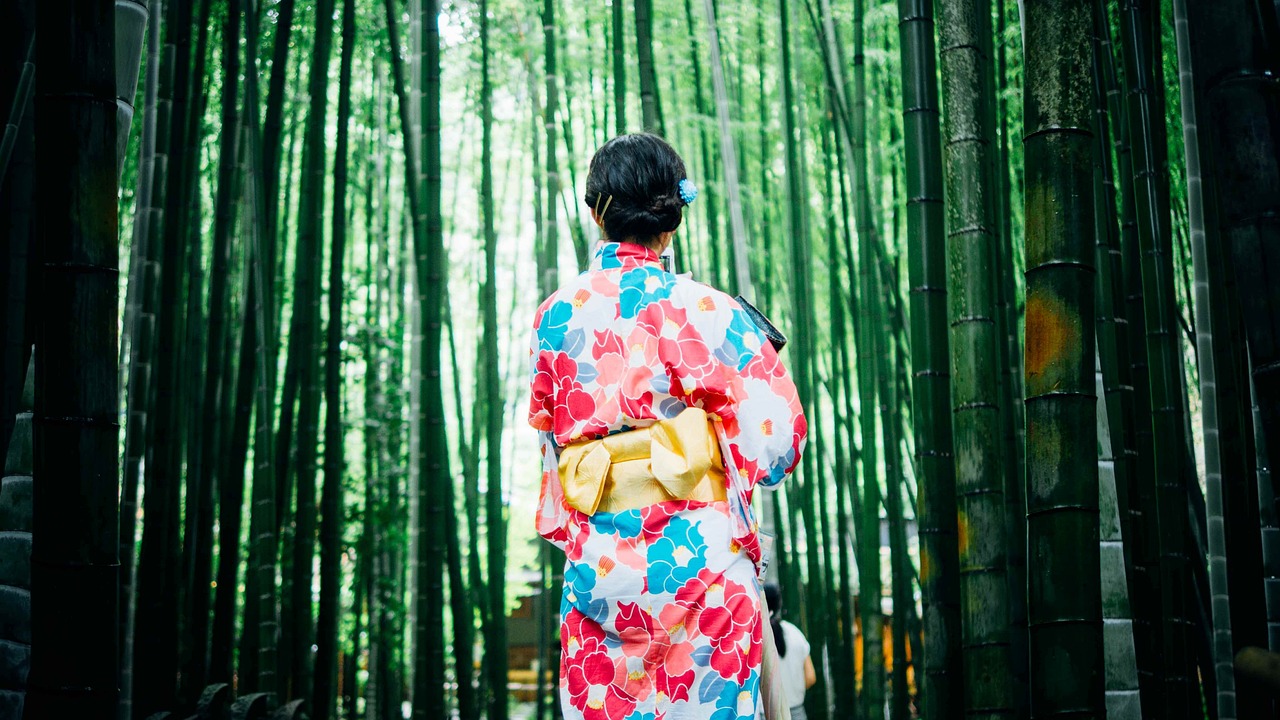
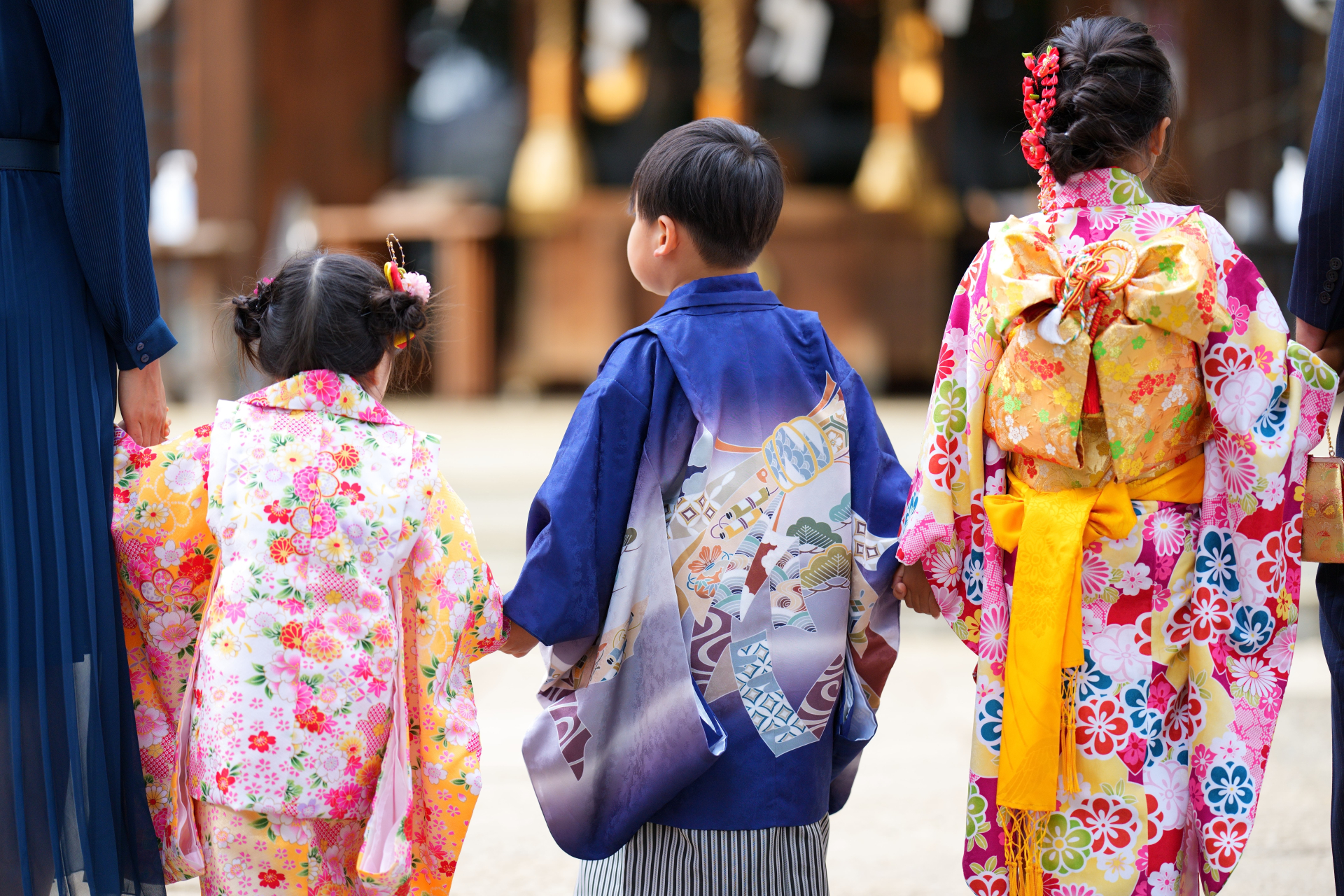


What are Furisode and Hakama?
A furisode is a formal type of kimono distinguished by its exceptionally long sleeves, often ranging from 100 to 115 cm. These flowing sleeves create graceful movement and visually emphasize elegance, making the furisode one of the most iconic garments in Japanese culture. Traditionally, furisode are worn by young unmarried women and symbolize youth, readiness for adulthood, and social maturity. They appear most often at coming-of-age ceremonies, weddings, and other formal celebrations where festive attire is appropriate. The designs tend to be vibrant, incorporating seasonal motifs, gold details, and rich color palettes.
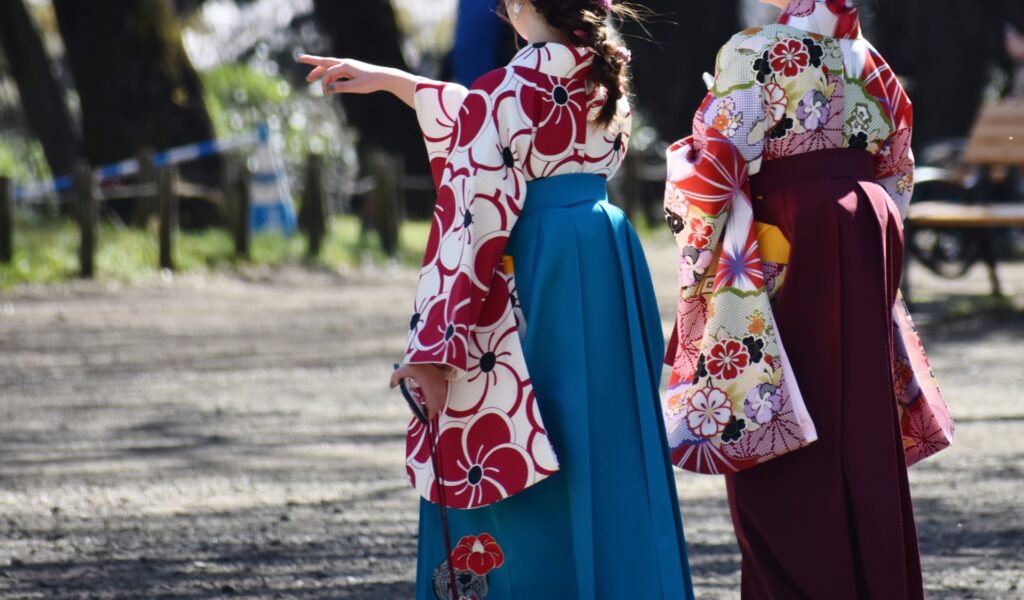
A hakama is a pleated lower garment worn over a kimono. Historically influenced by the Chinese ku (trouser-style garments), hakama were introduced to Japan around the 6th century. They can come in divided (pants) or undivided (skirt-like) forms and are tied securely around the waist with long straps. Traditionally worn by aristocrats, samurai, and Shinto priests, hakama provided ease of movement while conveying dignity. Today, they are used in martial arts, academic ceremonies, and formal events such as graduations.
In comparison, the furisode is a type of kimono, while the hakama is a separate garment worn over a kimono. Furisode are associated with unmarried women and festive occasions, whereas hakama were historically worn by men but became popular among women—especially students—during the late 19th century. When combined, they create a striking ensemble that blends the fluid elegance of the furisode with the structured formality of the hakama.
Historical & Cultural Significance
Hakama originated from the Chinese ku and were introduced to Japan during the 6th century, eventually evolving into an important garment for the imperial court, the warrior class, and religious practitioners. Their pleated structure came to symbolize propriety and discipline, and over the centuries they became essential attire for martial, ceremonial, and academic settings.
Furisode have long held cultural meaning as attire signaling youth and the transition into adulthood. The long sleeves historically indicated that the wearer was an unmarried woman, and their flowing form conveyed beauty and celebration. As a result, furisode have become strongly associated with important life events, especially coming-of-age ceremonies and weddings, symbolizing joy and family celebration.
Both garments have been central to Japanese rituals and milestones. Furisode remain the standard for Seijin Shiki (Coming-of-Age Day), while hakama have been worn for centuries during official ceremonies. Their combination today forms a meaningful bridge between tradition and contemporary ceremonial expression, especially in graduation contexts.
When and Why People Wear Furisode, Hakama, or Both
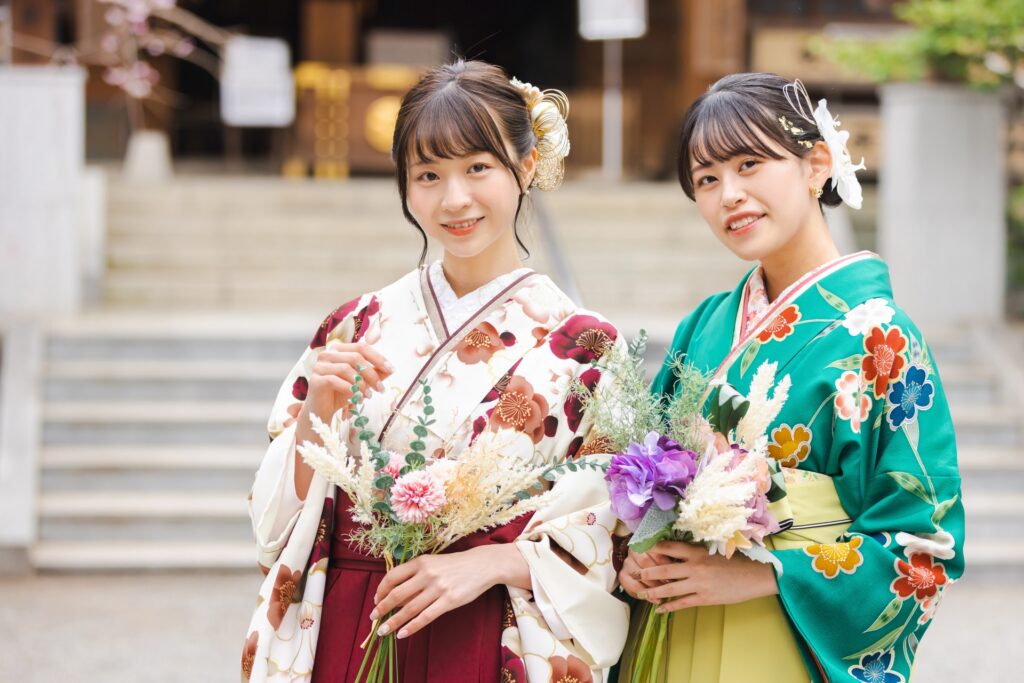
Furisode are worn at events that celebrate youth, transformation, and festivity. The most iconic example is the Coming-of-Age ceremony in January, when women turning 20 wear elaborate furisode to symbolize maturity and independence. They are also appropriate for wedding attendance (when the wearer is unmarried), family celebrations, and commemorative photography.
Hakama, by contrast, have been worn in a wider range of contexts. They remain standard attire in martial arts such as kendo and aikido, as well as in Shinto ritual dress and traditional performing arts. Students commonly wear hakama at graduation ceremonies. Although originally associated with samurai and male formal wear, hakama became widely adopted by women in the Meiji and Taishō periods, reflecting academic dignity and social progress.
The furisode + hakama combination has become especially popular for graduation ceremonies. The pairing balances the celebratory femininity of the furisode with the structured elegance of the hakama, creating an outfit that feels both traditional and youthful. Many people also choose this style for professional photoshoots, cultural travel experiences, and formal events where they want to express a connection to Japanese heritage.
Modern Usage & Popularity of Furisode + Hakama Ensembles
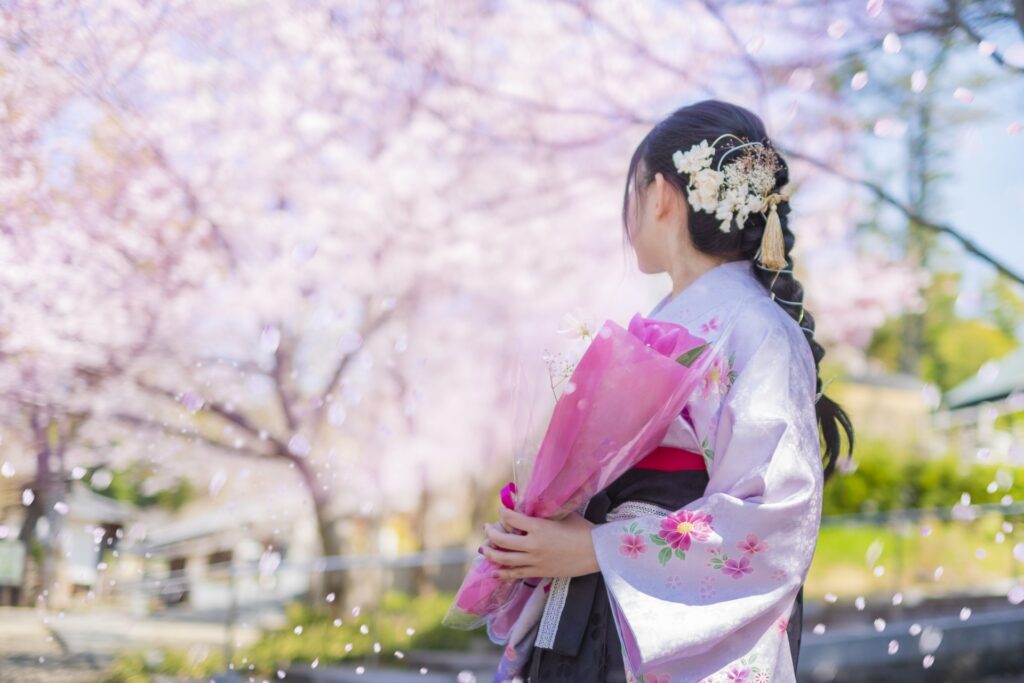
In recent decades, the furisode + hakama ensemble has become a favorite among young women—and increasingly among people of diverse gender identities—for graduations, coming-of-age celebrations, and photoshoots. The appeal lies in its balance: the soft, flowing motion of the long sleeves contrasts beautifully with the crisp, pleated lines of the hakama.
Modern styling has expanded far beyond traditional red, gold, and floral motifs. Students now experiment with pastel hues, modern monochrome palettes, bold geometric designs, and embroidered hakama featuring motifs like cherry blossoms or geometric patterns. The color relationship between furisode and hakama can be harmonized or intentionally contrasted for visual impact.
Rental services in Japan have increased accessibility, particularly for people who plan to wear the ensemble only once. Many rental packages provide complete sets, including obi, accessories, footwear, and optional dressing assistance—making the experience approachable even for beginners or international visitors.
Visual Differences: Sleeve Length, Patterns, Gender Associations
Furisode are instantly recognizable by their dramatic sleeve length of 100–115 cm, which sets them apart from all other kimono types. This sleeve length creates graceful movement and clearly signifies a formal, celebratory garment. Standard kimono types, such as komon or tomesode, have much shorter sleeves and less elaborate patterns.
Hakama significantly alter the kimono’s silhouette by adding structured vertical lines to the lower body. This shifts visual attention to the upper body and long sleeves of the furisode, creating a dignified, balanced silhouette suitable for ceremonial occasions.
Gender associations have evolved considerably. While furisode remain traditionally linked to young women, hakama—historically male attire—are now worn widely by women, nonbinary individuals, and anyone who wishes to embrace the style. The increasing diversity of hakama patterns and colors reflects a broader cultural shift toward personal expression.
Practical Advice for Wearing, Renting, or Buying Furisode + Hakama
When selecting a furisode, consider color harmony, seasonal motifs, and the level of ornamentation. Bold, contrasting colors create a striking presence at ceremonies, while soft pastels offer a modern, refined look. The obi should complement the furisode without overwhelming it, and accessories such as obijime, obiage, hairpins, and decorative cords help balance the overall aesthetic.
For hakama, length and pleating quality are crucial. The hem should fall slightly above the ankles for ideal proportions, especially when paired with zori sandals. High-quality hakama maintain crisp pleats throughout the day, preserving the polished silhouette.
In styling the ensemble, ornate furisode pair well with simple hakama, while understated furisode can be enhanced with embroidered or richly colored hakama. Zori and white tabi socks are traditional footwear choices. Hairstyles should complement the neckline and long sleeves—braids, low buns, and floral hair ornaments are all popular options.
For those attending only one ceremony, renting is often the most convenient and cost-effective option. Rental sets typically include all necessary components and may offer professional dressing services.
Proper care is essential for maintaining these garments. Store furisode and hakama in a cool, dry place, ideally wrapped in breathable washi paper. Follow traditional folding methods to protect the sleeves and pleats. Use moisture-absorbing packets to preserve delicate silk fabrics.
Why Furisode + Hakama Still Matters Today
Traditional Japanese garments continue to hold meaning because they allow individuals to connect with cultural heritage during life’s milestones. Wearing furisode and hakama at important events fosters a sense of continuity between generations and reinforces cultural identity. With renewed interest in kimono culture among younger generations, these garments are not only cultural artifacts but also expressive fashion choices.
Evolving gender norms have expanded who may wear hakama and how the ensemble may be styled. Many people now embrace unconventional color combinations or nontraditional presentations, making the furisode + hakama style more inclusive and personally expressive than ever before.
Ultimately, the ensemble remains relevant because it captures the emotional significance of life transitions while offering beauty, history, and individuality.
Conclusion: Summary of Key Points
Furisode and hakama each possess distinct origins and cultural meanings—one associated with youth and celebration, the other with dignity and ceremony. Their combination has become a cherished choice for graduations, coming-of-age ceremonies, and commemorative photography. Modern styling trends allow wearers to balance tradition and personal expression through color, pattern, and accessories. Practical considerations such as proper fit, coordination, and rental options make the ensemble accessible to beginners and international users alike.
In essence, the furisode–hakama ensemble remains a meaningful, visually striking, and culturally rich way to celebrate major life events in Japan, honoring tradition while embracing modern individuality.