Sangenjaya — often called “Sancha” by locals — is one of Tokyo’s most character-filled neighborhoods. Just minutes from Shibuya, this Setagaya district blends retro alleyways, modern coffee culture, lively izakaya streets, and relaxed residential charm. Unlike Tokyo’s major tourist hubs, Sangenjaya feels local and authentic. From hidden bar districts to nostalgic shopping streets, this guide covers everything you need to explore Sancha like a local.


What Is Sangenjaya? (Overview & History)
Sangenjaya (三軒茶屋) is a neighborhood in southwestern Tokyo, located in Setagaya Ward, one of the city’s most livable residential districts. The name literally means “three tea houses,” a reference to three Edo-period rest stops that once stood at a busy crossroads along the old Oyama Kaido route. During the Edo era, travelers heading out of central Tokyo would pause here for tea and rest — a small but important junction outside the city center.
That crossroads identity still defines Sangenjaya today. Centered around Sangen-jaya Station, the area feels like a meeting point between urban energy and neighborhood calm. Over time, it evolved from a post town into a lively residential-commercial district popular with students, creatives, and young professionals.
Modern Sangenjaya is youthful and slightly bohemian, yet unmistakably local. Indie cafes sit next to Showa-era bars. Designers and musicians mingle with long-time residents. The neighborhood’s affectionate nickname — “Sancha” — reflects its laid-back familiarity. It’s not flashy, not overly polished, and that’s exactly its charm.
For travelers searching “What is Sangenjaya known for?”, the answer is simple: atmosphere. It’s Tokyo without the overwhelming tourist crowds.
Where Is Sangenjaya & How to Get There
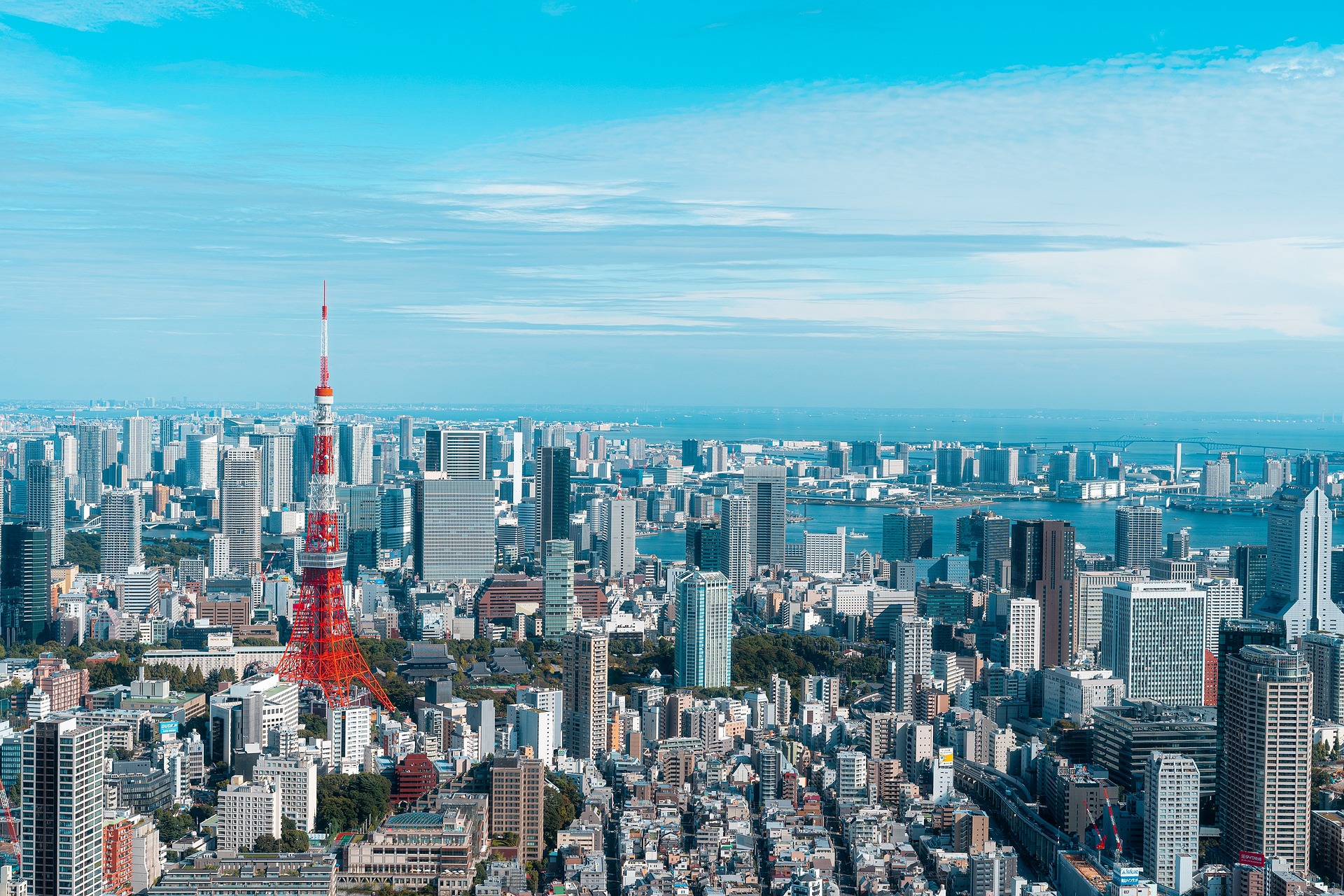
Sangenjaya is located just southwest of Shibuya, making it one of the easiest “local” neighborhoods to access from central Tokyo.
The main hub is Sangen-jaya Station, served by:
- Tokyu Den-en-toshi Line
- Tokyu Setagaya Line
Travel Times
- From Shibuya Station: ~5 minutes (2 stops on the Den-en-toshi Line)
- From Shinjuku Station: ~20–25 minutes (transfer at Shibuya)
- From Tokyo Station: ~30–35 minutes

Practical Tips
- Use an IC card like Suica or PASMO for seamless transfers.
- Morning rush hour (7:30–9:00 AM) can be crowded, especially toward Shibuya.
- Last trains typically run around midnight, so check return times if bar-hopping.
Because it’s so close to Shibuya, Sangenjaya is ideal for travelers who want to stay near major attractions but sleep in a more relaxed, residential environment.
Top Things to Do in Sangenjaya
Sangenjaya isn’t about rushing from landmark to landmark. It’s best experienced slowly — wandering, peeking into side streets, and letting curiosity guide you.
| Category | Recommendation | Ideal Time |
| View | Carrot Tower | Sunset |
| Nightlife | Sankaku Chitai | After 6 PM |
| Local Bars | Yuuraku Dori | Evening |
| Casual Drinking | Sancha 3rd Street | Night |
| Shopping | Sangenjaya Ginza | Afternoon |
| Cafe Culture | Independent Cafes | Morning |
Carrot Tower & Sky Carrot Observation Deck
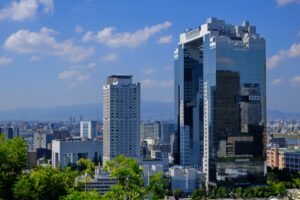
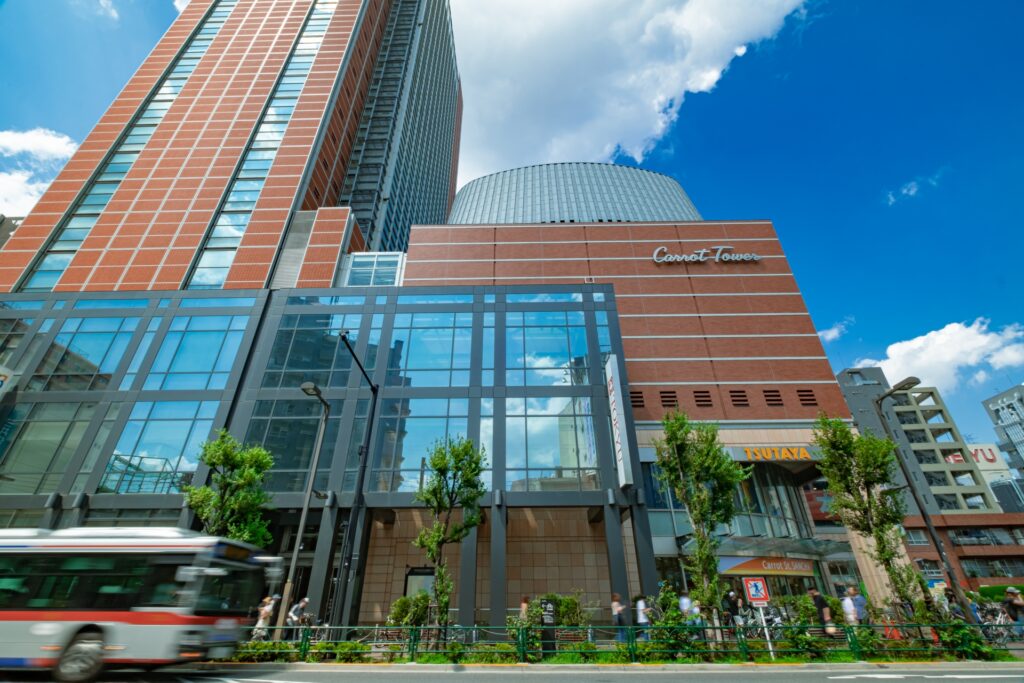
The bright orange Carrot Tower is Sangenjaya’s most recognizable landmark. Located directly above the station, this multi-use complex houses shops, offices, and cultural facilities.
The highlight is the free Sky Carrot Observation Deck on the upper floor. Unlike Tokyo’s major observation towers, it’s rarely crowded. Visit at sunset for a soft golden view over low-rise Setagaya rooftops. On clear winter days, you may even spot Mount Fuji in the distance. As evening falls, the skyline glows gently — a quieter, more intimate Tokyo panorama compared to Shibuya’s neon intensity.
Sankaku Chitai (Triangle Zone)
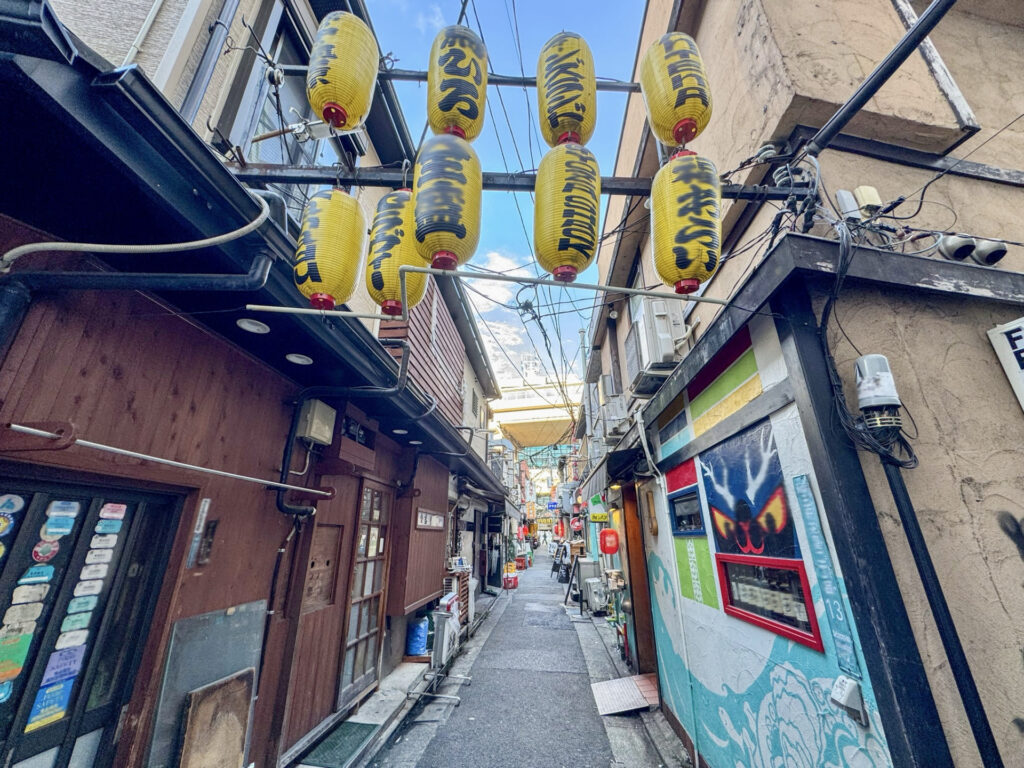
Known as the “Triangle Zone,” Sankaku Chitai is a dense maze of narrow alleyways packed with tiny izakayas and standing bars. The streets form a triangular block near the station — hence the name.
The atmosphere feels nostalgic and slightly chaotic in the best way. Lanterns glow overhead. Laughter spills into the alleys. Most establishments seat fewer than 10 people. Exploring here after 6 PM feels like stepping into Showa-era Tokyo. It rewards curiosity — pop into a bar that catches your eye, order a drink, and continue bar-hopping.
Ride the Setagaya Line
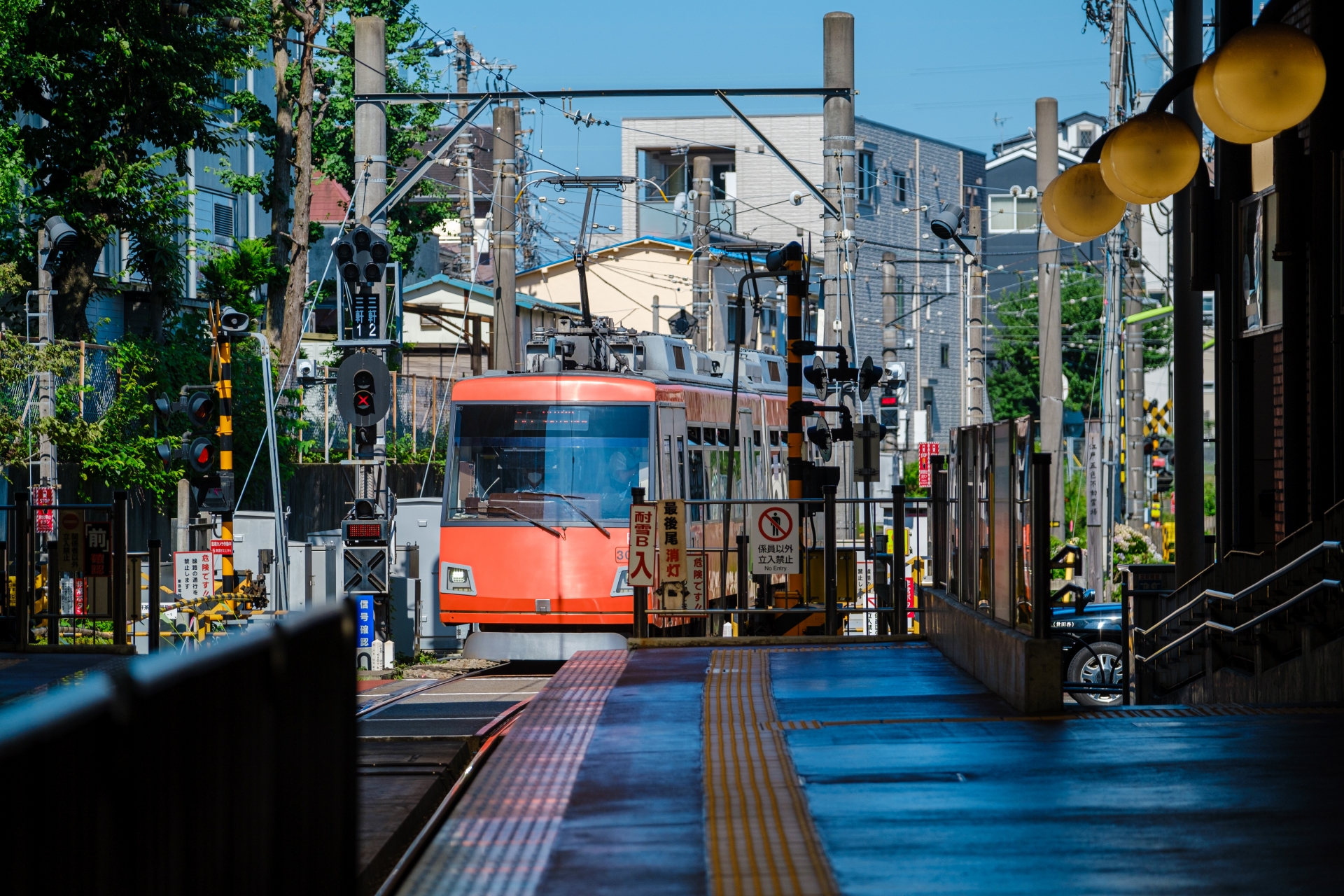
The charming Tokyu Setagaya Line feels like a step back in time. This two-car tram runs through quiet residential neighborhoods, offering a glimpse of everyday Tokyo beyond skyscrapers.
Riding it is simple and affordable, and you can extend your journey to Gotokuji Temple, famous for its thousands of lucky cat statues. The slow pace and intimate scale make it a refreshing contrast to Tokyo’s major train lines.
Street Wandering in Sancha
Sometimes the best activity is no activity at all. Walk without a strict plan. Explore side streets filled with bicycle-lined sidewalks, tiny vintage shops, and hidden bakeries. Sangenjaya rewards slow discovery — it’s about daily life, not major monuments.
Exploring Sancha’s Famous Drinking Streets
Sangenjaya is legendary among Tokyo locals for its drinking culture. Unlike tourist-heavy nightlife districts, Sancha’s scene feels personal and compact.
Sankaku Chitai
Dense, nostalgic, and intimate. Bar-hopping is the norm. Expect small counters, handwritten menus, and spontaneous conversations.
Yuuraku Dori
Yuuraku Dori offers slightly wider streets and a balanced mix of traditional and modern establishments. Popular with office workers, it feels approachable for first-time visitors. Compared to Sankaku Chitai, it’s less chaotic but equally atmospheric.
Sancha 3rd Street
Youthful and budget-friendly, Sancha 3rd Street has a more open layout. It’s ideal for groups and those new to izakaya culture.
Daytime Charm: Sangenjaya Ginza Shopping Street
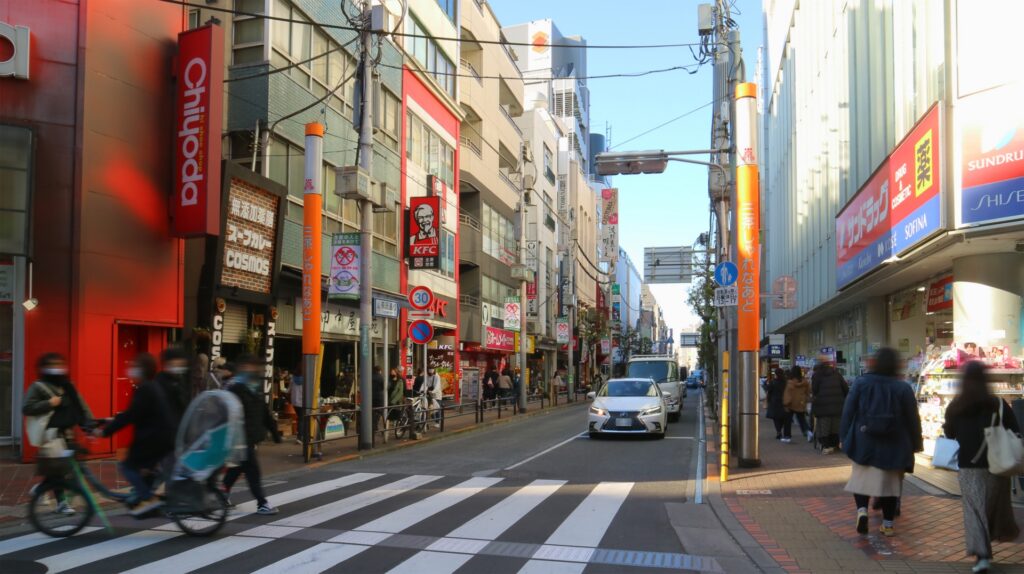
The Sangenjaya Ginza Shopping Street is a traditional shotengai (local shopping street). Here, you’ll find produce vendors, family-run bakeries, and casual eateries.
Unlike the nighttime drinking alleys, the vibe here is community-oriented and relaxed. Visit in the afternoon to see locals running errands and chatting with shop owners. It’s a window into daily Tokyo life — something major tourist areas rarely offer.
Best Cafes & Creative Culture in Sangenjaya
Sangenjaya’s third-wave coffee culture is one of its defining traits. Independent cafes focus on carefully sourced beans and minimalist interiors. The pace is slower than Shibuya, encouraging long conversations or solo reflection.
A perfect morning mini-itinerary:
- Specialty coffee near the station
- Wander Sangenjaya Ginza
- Casual lunch at a local diner
Small galleries and creative studios also dot the neighborhood, reinforcing its artsy identity.
Local Eateries & Izakaya Culture
Dining in Sangenjaya is intimate. Many establishments feature counter seating with direct interaction between chef and guest. Expect yakitori grilled over charcoal, fresh sashimi, craft beer, and natural wine.
Bar-hopping is common — one drink, one dish, then move on.
Etiquette Tips:
- Some small places prefer cash.
- Keep voices moderate in tiny venues.
- Avoid large, loud groups in very small bars.
Sangenjaya vs Shibuya vs Shimokitazawa
- Sangenjaya: Local atmosphere, less touristy, balanced nightlife and residential calm.
- Shibuya: Major commercial hub, heavy tourist presence, fast-paced energy.
- Shimokitazawa: Vintage shops, indie music scene, youth-driven creativity.
If you want Tokyo energy without tourist overload, Sangenjaya is the sweet spot.
Travel Tips & Best Visiting Times
- Morning: Cafes and shopping streets.
- Evening: Drinking alleys come alive.
- Weekdays: More local feel.
- Weekends: Busier but vibrant.
Cherry blossoms bloom beautifully in nearby Setagaya parks in spring. English menus aren’t always guaranteed, but staff are generally welcoming. Respect residential quiet late at night.
Conclusion: Why Sangenjaya Is Tokyo’s Most Underrated Neighborhood
Sangenjaya is an experience neighborhood. It offers authenticity, walkability, and easy access from Shibuya — without overwhelming crowds.
You can sip specialty coffee in the morning, browse a nostalgic shopping street by afternoon, and bar-hop through lantern-lit alleys by night — all within a few compact blocks.
Sangenjaya isn’t about famous landmarks — it’s about atmosphere. And that’s exactly why it stays with you.