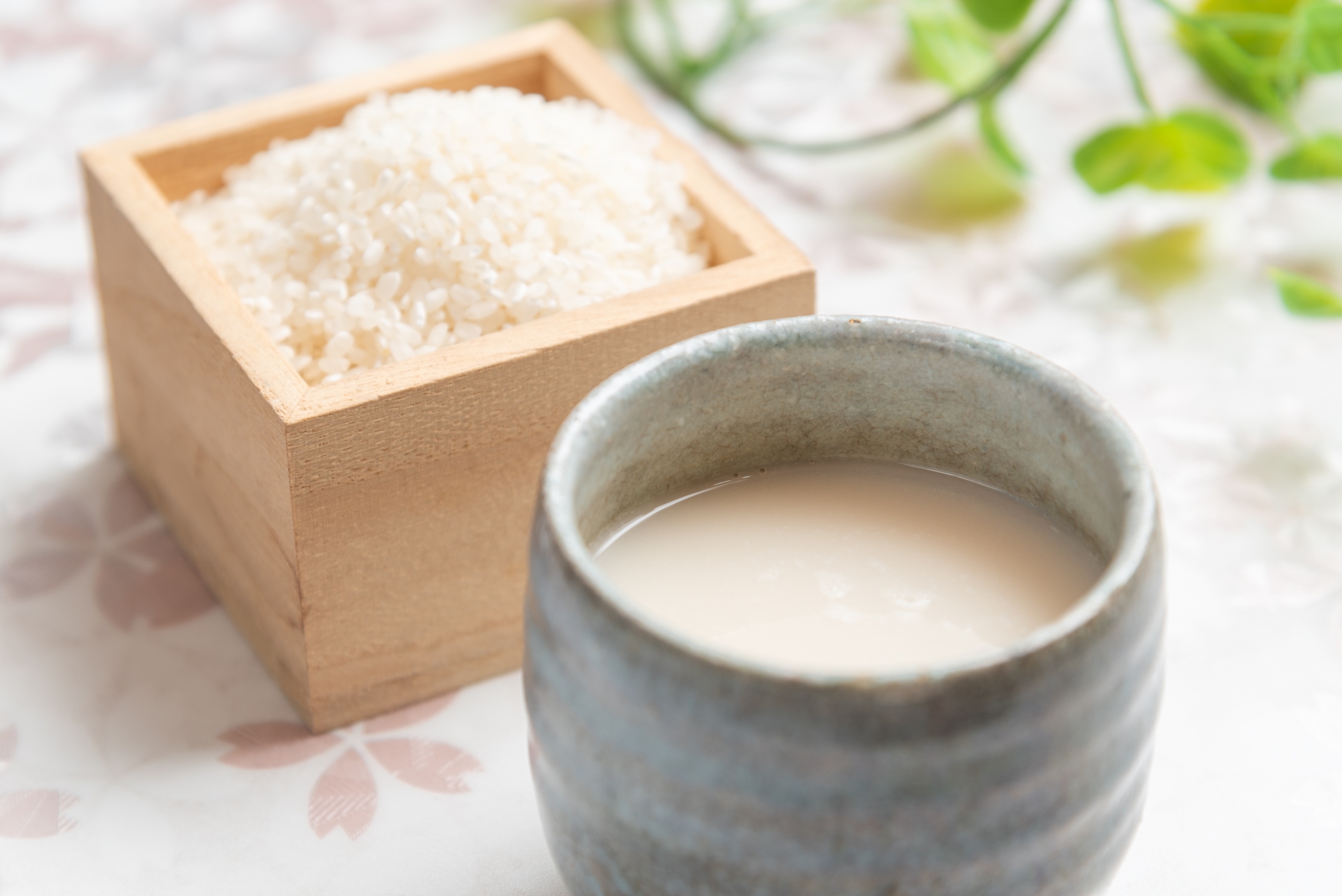
Amazake is a traditional Japanese fermented drink known for its natural sweetness and impressive health benefits. Often described as a “drinkable dessert,” it has gained global popularity as a non-alcoholic, probiotic-rich beverage. In this guide, you’ll learn what amazake is, how it tastes, its different types, and where to experience it in Japan.


What Is Amazake?
Amazake is a traditional Japanese sweet drink made through fermentation, typically from rice. Despite its name—literally meaning “sweet sake”—many versions of amazake are actually non-alcoholic. Its naturally rich sweetness comes not from added sugar, but from enzymes that break down rice starch into simple sugars during fermentation.
For beginners, amazake is often compared to a “drinkable rice smoothie” or a thinner version of rice pudding. It has been enjoyed in Japan for centuries, especially during colder months, and is often served warm at shrines, festivals, and traditional inns.
There are two main types of amazake: one made from rice koji (a fermented rice starter), and another made from sake lees (a byproduct of sake brewing). Understanding the difference is key—especially for those concerned about alcohol content or dietary preferences.

The Two Types of Amazake Explained
Amazake comes in two distinct varieties, each with different ingredients, taste profiles, and alcohol levels:
| Type | Alcohol Content | Taste | Best For |
| Rice Koji Amazake | 0% (non-alcoholic) | Naturally sweet, mild, creamy | Kids, pregnant individuals, daily health drink |
| Sake Kasu Amazake | ~1–2% (trace alcohol) | Slightly tangy, deeper flavor | Adults, traditional taste lovers |
Rice koji amazake is made by fermenting cooked rice with koji mold, which converts starch into sugar. This version is completely alcohol-free, vegan, and widely considered a health drink.
Sake kasu amazake, on the other hand, is made by dissolving sake lees in water and adding sugar. It contains a small amount of alcohol and has a more complex, slightly fermented flavor.
What Does Amazake Taste Like?

Amazake is known for its gentle, natural sweetness, often surprising first-time drinkers who expect something more like alcohol. There is no added sugar in traditional rice koji amazake—the sweetness comes entirely from fermentation.
The texture is typically thick and creamy, with a slightly grainy consistency if made traditionally. Some people compare it to:
- A vanilla rice pudding drink
- A mild, non-dairy milkshake
- A smooth rice-based smoothie
Flavor-wise, it is subtle, comforting, and easy to enjoy—especially when warmed. However, if you’re not used to fermented foods, the taste may feel unusual at first. Many beginners prefer starting with chilled or flavored versions like vanilla or fruit-infused amazake.
Is Amazake Alcoholic?
The answer is: it depends on the type.
- Rice koji amazake → 0% alcohol
- Sake kasu amazake → ~1–2% alcohol
For most health-conscious consumers, especially in the U.S., rice koji amazake is the preferred option because it is entirely alcohol-free. This makes it safe for children, pregnant individuals, and anyone avoiding alcohol.
If you’re buying amazake, always check the label. Look for terms like “koji” or “non-alcoholic” to be sure.
Health Benefits of Amazake
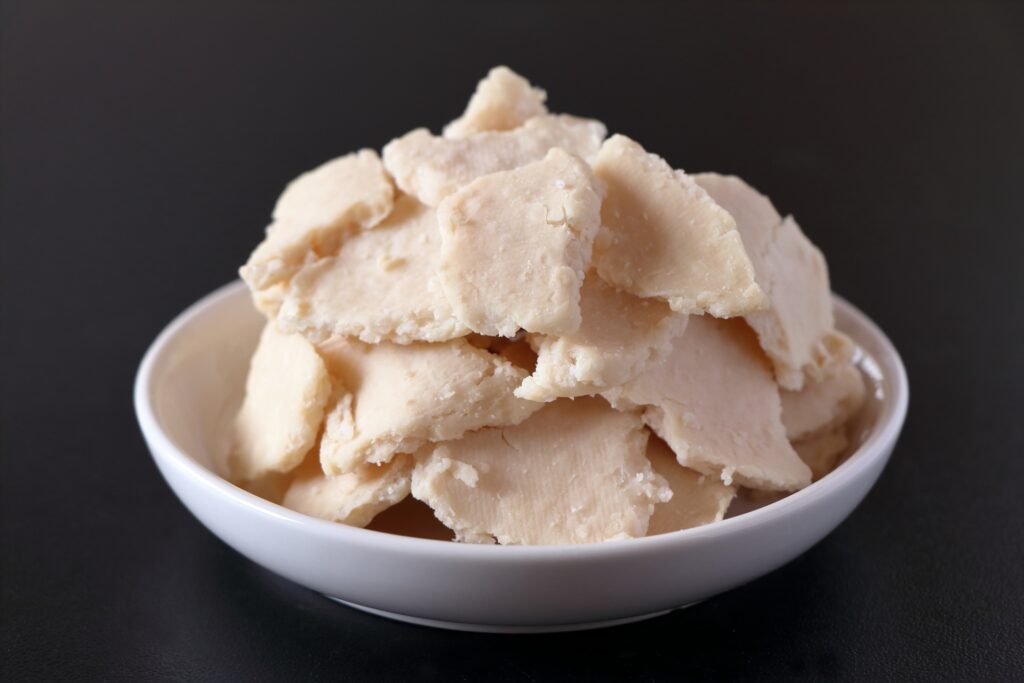
Amazake is often referred to as a “Japanese superfood” due to its dense nutritional profile. It contains:
- B vitamins (energy support)
- Amino acids (muscle and skin health)
- Natural glucose from fermentation (quick energy source)
Unlike sugary drinks, amazake provides sustained energy without artificial additives. In Japan, it’s even called a “drinkable IV” because of how quickly it replenishes energy.
Its benefits include:
- Supporting digestion
- Boosting metabolism
- Enhancing skin health
- Providing quick, natural energy
Because it is plant-based and minimally processed, amazake fits well into vegan and clean-eating lifestyles.
Is Amazake Good for Gut Health?
Yes—amazake is particularly valued for its impact on gut health.
The key ingredient, koji mold, produces enzymes that help break down food and improve digestion. These enzymes support better nutrient absorption, balanced gut bacteria, and improved metabolism.
While amazake is not as probiotic-heavy as kombucha, it still plays an important role in maintaining a healthy digestive system. Think of it as a gentle, nourishing gut-support drink.
How to Drink Amazake
Amazake is incredibly versatile and can be enjoyed in multiple ways depending on the season and preference.
Traditional ways:
- Served warm (especially in winter)
- Offered at shrines during New Year
Modern ways:
- Chilled as a refreshing drink
- Mixed into smoothies or coffee
If you’re new, start with a small cup—warm for comfort or cold for a lighter taste.
Popular Amazake Recipes
Amazake is not just a drink—it’s also a versatile ingredient:
- Amazake smoothie: Blend with banana and almond milk
- Amazake latte: Mix with coffee or matcha
- Yogurt-style bowl: Combine with granola and fruit
It can also be used as a natural sugar substitute in baking, adding sweetness along with nutrients.
Where to Drink Amazake in Japan
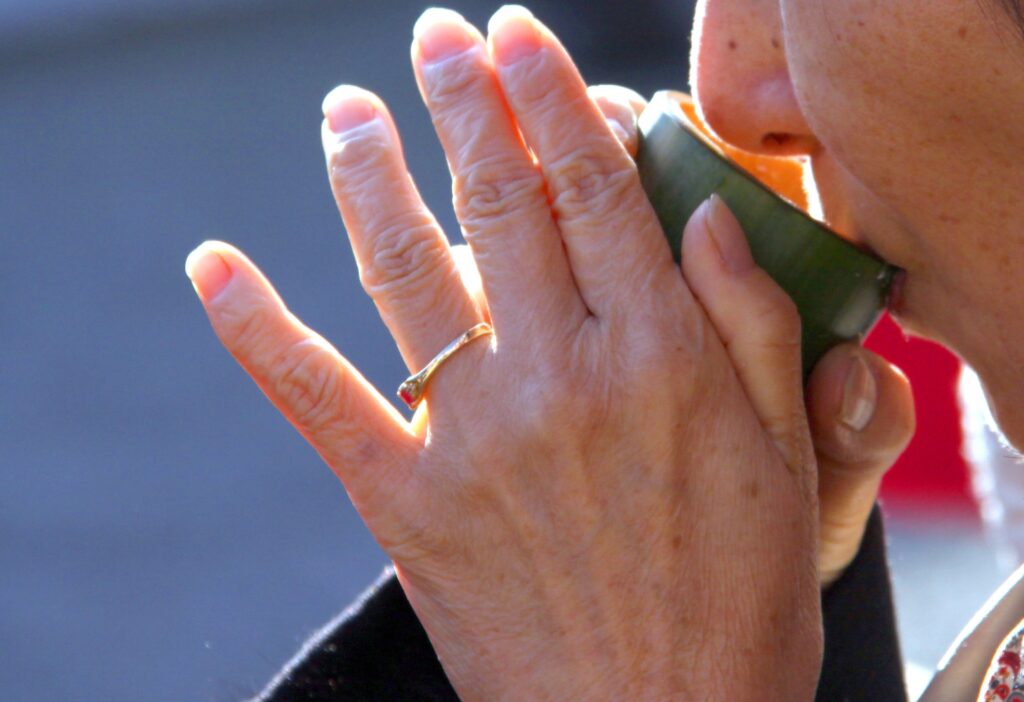
Trying amazake in Japan offers both cultural and culinary experiences.
Shrines and Temples (Traditional Experience)
Amazake is commonly served during winter festivals and New Year visits. It’s often free or donation-based and served hot, making it a deeply cultural experience tied to Japanese spirituality.
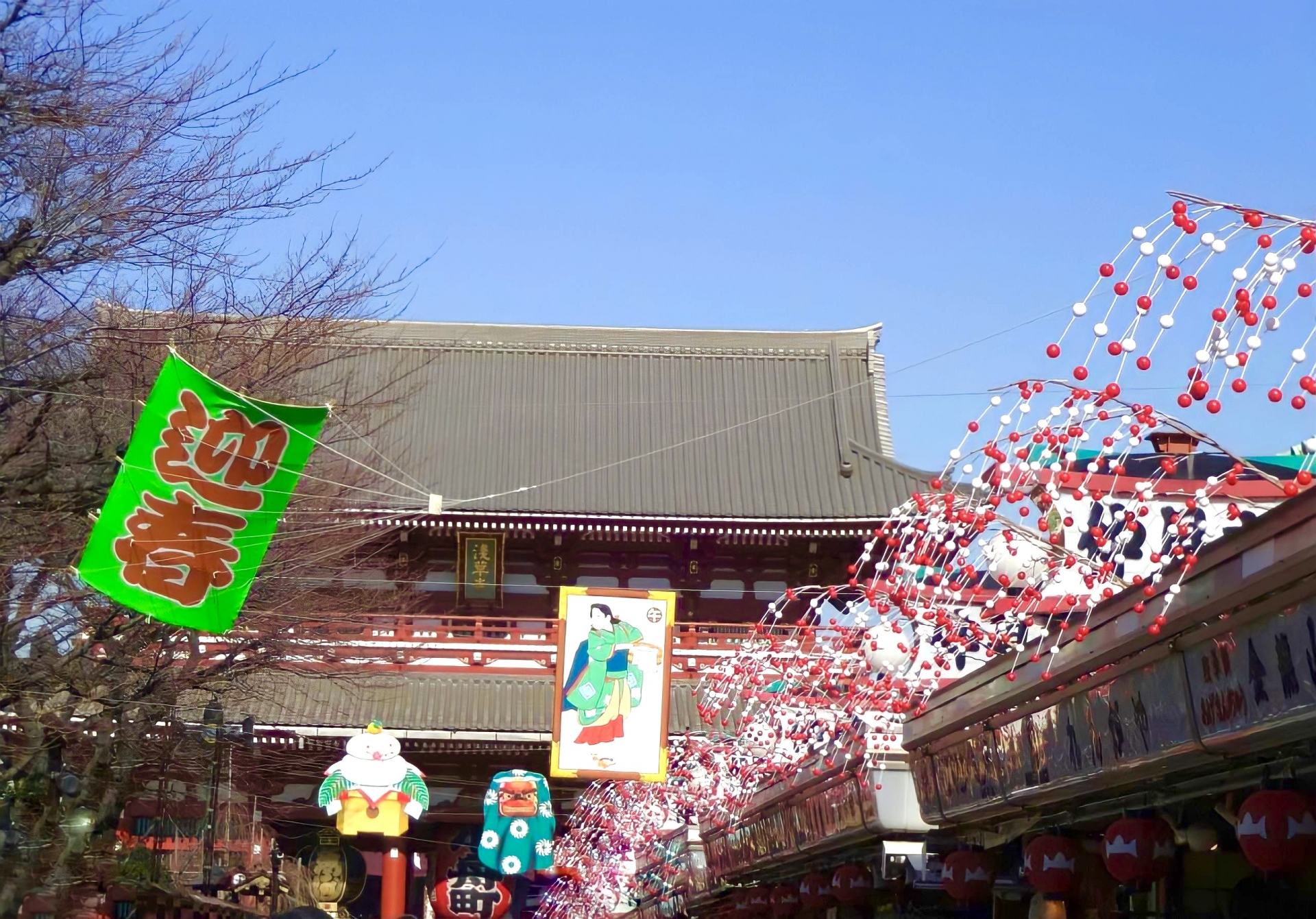
Cafes and Specialty Shops
Modern cafes in cities like Tokyo and Kyoto offer creative amazake drinks—smoothies, lattes, and desserts—appealing to younger and health-conscious audiences.
Ryokan and Traditional Inns
Many ryokan serve amazake as a welcome drink or breakfast item. It’s part of the relaxing, hospitality-focused experience Japan is known for.
Festivals and Seasonal Events
Winter festivals are the best time to try amazake. The warmth and sweetness make it perfect for cold weather.
How to Make Amazake at Home
Making amazake at home is simple and requires just a few ingredients.
Ingredients
- 100g cooked rice
- 50g rice koji
- 150 ml hot water
- Warm environment (around 130°F / 55°C)
Instructions
- Mix the cooked rice and hot water thoroughly.
- Let the mixture cool slightly.
- Add the rice koji and mix well.
- Keep warm at around 130°F (55°C) for 8–10 hours.
- Stir occasionally during fermentation.
Tips
- Avoid high temperatures, as they can kill beneficial enzymes.
- A rice cooker (keep-warm mode) or yogurt maker works well.
This simple process allows you to enjoy fresh, homemade amazake anytime.
Amazake vs Other Fermented Drinks
| Drink | Carbonation | Sweetness | Main Ingredient |
| Amazake | None | Naturally sweet | Rice |
| Kombucha | Fizzy | Slightly sour | Tea |
| Kefir | Slightly fizzy | Tangy | Milk |
Amazake stands out because it is non-carbonated, naturally sweet, and rice-based—making it unique among fermented drinks.
Where to Buy Amazake in the US
You can find amazake in:
- Whole Foods
- Asian grocery stores
- Online (Amazon)
Look for:
- “Rice koji amazake”
- “Non-alcoholic” label
- Minimal ingredients (rice, water, koji)
Avoid versions with added sugar for the healthiest option.
Is Amazake Vegan and Gluten-Free?
- Rice koji amazake: Vegan & gluten-free
- Sake kasu amazake: May not be vegan (depending on processing)
Since it’s made from rice, amazake is naturally gluten-free. Always check labels if you have strict dietary needs.
Final Thoughts: Should You Try Amazake?
Amazake is more than just a traditional Japanese drink—it’s a nutritious, versatile, and culturally rich experience. Whether you’re interested in gut health, plant-based nutrition, or Japanese cuisine, amazake offers something unique.
Start simple:
- Try it warm in winter
- Blend it into a smoothie
- Use it as a natural sweetener
With its gentle sweetness and health benefits, amazake is an easy addition to a modern, wellness-focused lifestyle.