Kagoshima doesn’t feel like an extension of Japan’s major cities. It sits apart—geographically, but also in mood.
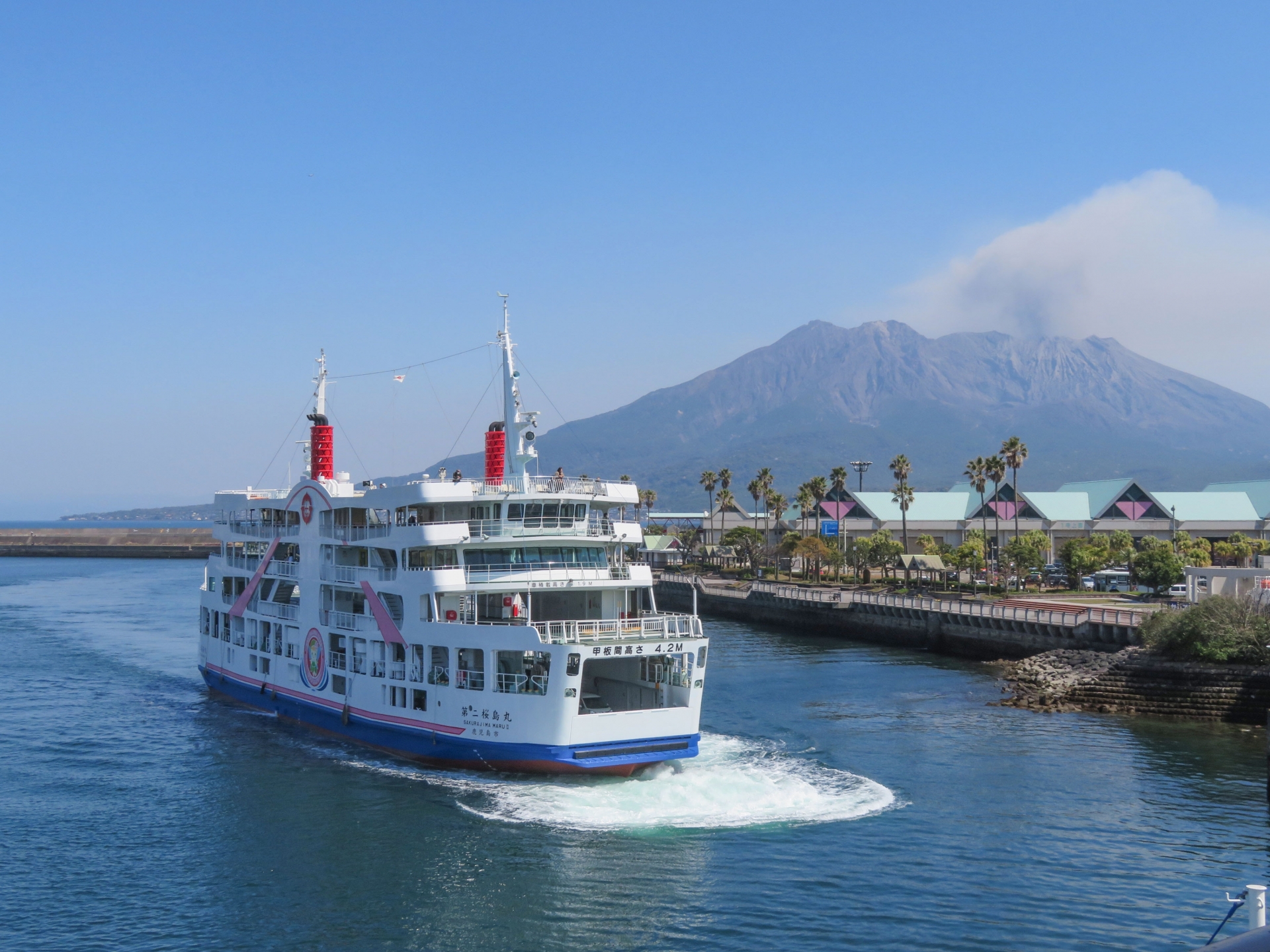
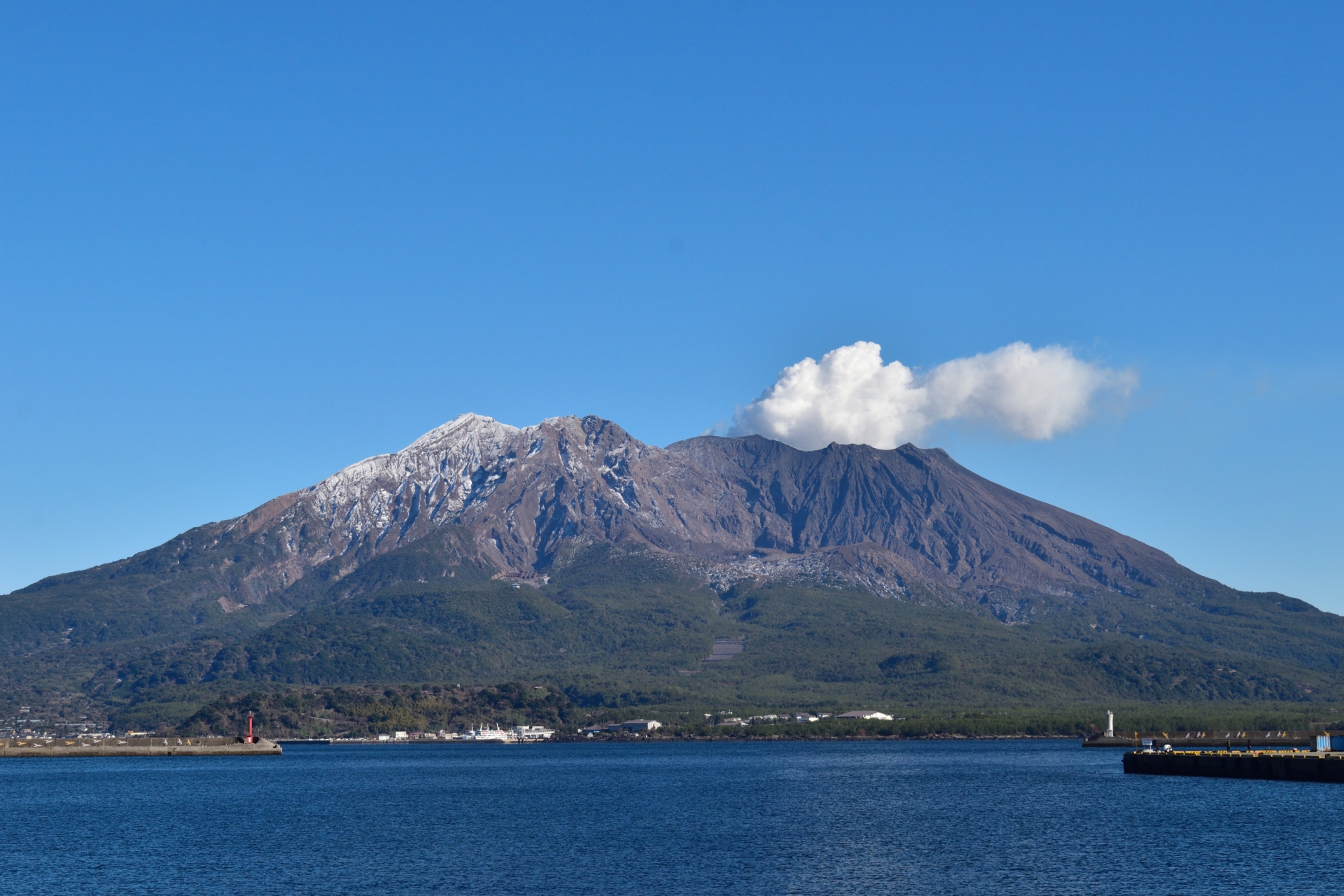
At the southern tip of Kyushu, the pace loosens. The air carries a bit more space. And almost wherever you are in the city, your line of sight eventually lands on Sakurajima—sometimes clear, sometimes hazy, occasionally trailing a thin plume into the sky.
It’s not treated as a spectacle here. It’s just part of the background.
That presence shapes the experience more than you might expect.


What Kagoshima Actually Refers To
“Kagoshima” can mean two very different things, and the distinction matters once you start planning.
Kagoshima City is where most trips begin. It’s compact, easy to navigate, and set directly along the bay. Trams run at a steady pace, neighborhoods blend into each other without much friction, and getting around rarely requires much effort.
But the wider Kagoshima Prefecture stretches far beyond that—into mountains, hot spring towns, and a chain of islands that feel increasingly remote the further south you go.
What stands out isn’t just scale, but contrast.
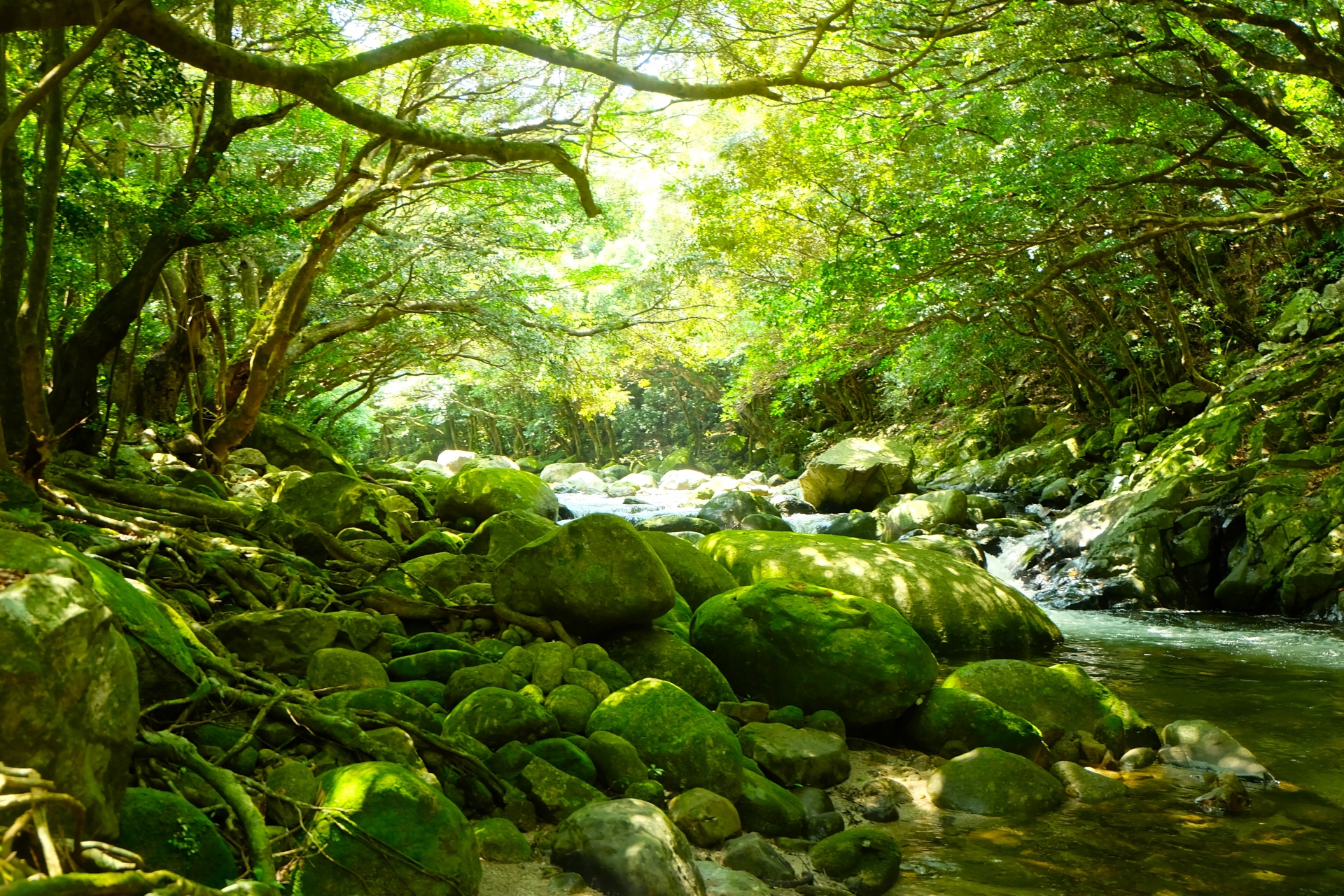
On one end, Yakushima is dense with ancient cedar forests, where the light filters in slowly and the terrain feels almost untouched. Further south, Amami Oshima shifts the mood entirely—beaches, coral reefs, and a subtropical climate that doesn’t quite match most people’s image of Japan.
Inland, areas like Kirishima bring crater lakes and hiking trails into the mix.
It’s less a single destination than a collection of landscapes that happen to share the same name.
A Region with Weight Behind It
Kagoshima isn’t only about scenery.
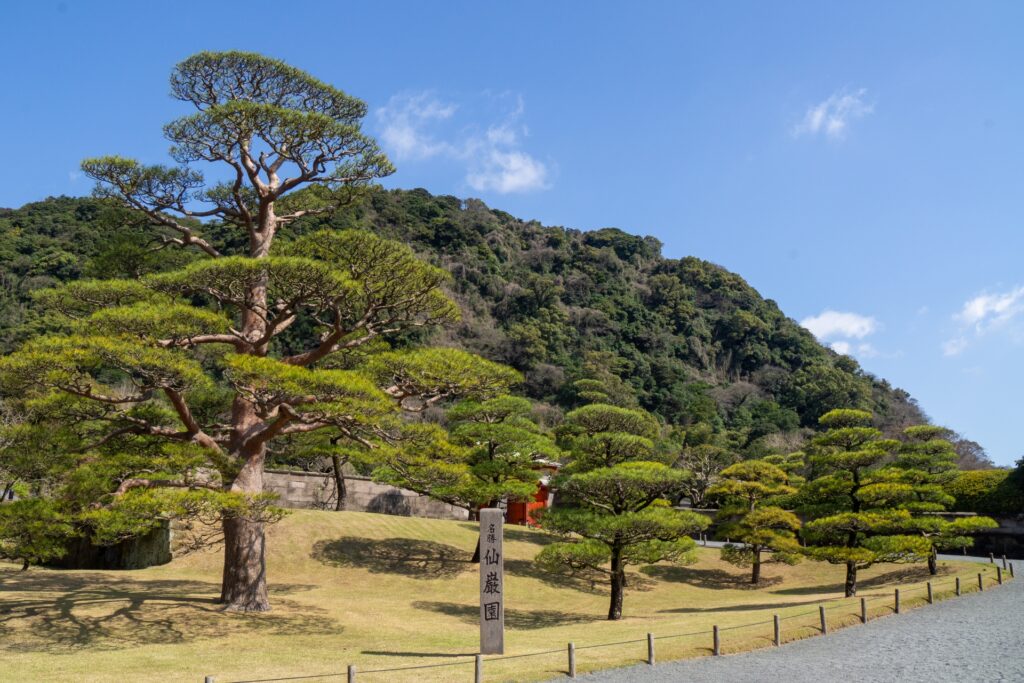
Historically, this was the center of the Satsuma domain—one of the forces that pushed Japan toward modernization in the late 19th century. That legacy still surfaces in places like Sengan-en, where a traditional garden frames Sakurajima as part of its design.
You walk through it, and the composition feels deliberate—the borrowed scenery, the positioning of buildings, the quiet alignment between nature and structure.
There’s also an undercurrent of early industrial history here, tied to the Shimadzu clan. It doesn’t dominate the experience, but it adds a layer that becomes more visible the longer you stay.
What You’ll Notice First: The Pace
Kagoshima isn’t trying to compete with Tokyo or Kyoto.
It moves differently.
The city feels open—physically, but also in how you spend time. Instead of moving between tightly packed landmarks, you tend to stretch things out. A walk along the waterfront turns into a pause. A meal runs longer than planned. The light over the bay shifts, and you end up watching it.
Even routine moments—riding the tram, crossing a street, sitting near the harbor—happen with Sakurajima somewhere in the frame.
It gives the city a kind of continuity. You’re always aware of where you are.
Is Kagoshima Worth Visiting?
Yes—but it depends on what you’re looking for.
If your goal is to cover as many major sights as possible in a short time, Kagoshima might feel too quiet. But if you’re interested in slowing down a bit and letting a place unfold, it tends to work well.
It’s particularly suited to:
- Travelers returning to Japan who want something less structured
- People interested in regional food rather than national “hits”
- Anyone who prefers nature within reach, rather than as a separate trip
It also fits naturally into a broader Kyushu route, connecting easily to other cities while still feeling distinct.
Kagoshima Area Guide: Choosing Where to Go
Kagoshima City
Kagoshima City works as a base without much effort.
Around Kagoshima-Chuo Station, things are modern and practical—transport, hotels, shopping. A short distance away, Tenmonkan shifts the tone. More local, more layered, especially at night when restaurants fill up and the streets carry a bit more energy.
Closer to the water, everything opens up again. Early mornings and evenings here tend to be quieter, with wide views across the bay.
You don’t need much time to understand the layout. Walking does most of the work.
Sakurajima
A 15-minute ferry ride, and you’re on Sakurajima itself.
The terrain changes immediately—dark, hardened lava, uneven coastlines, vegetation that feels like it’s adapting rather than thriving.
You don’t need to hike extensively to feel it. Observation points like Yunohira Observatory are enough to give a sense of scale.
A few practical details make a difference here:
- Bring a mask if ash levels are high
- Check wind direction—it affects where ash settles
- Wear shoes you don’t mind getting dusty
It’s a place where small preparation goes a long way.
Sengan-en & Iso Area
Sengan-en offers a quieter, more structured experience.
The garden is designed to incorporate Sakurajima into its scenery, which sounds simple but feels intentional when you’re there. The framing shifts as you move, and the volcano becomes part of the composition rather than just a backdrop.
It’s also where Kagoshima’s historical layers are easiest to read—architecture, industry, and the influence of the Shimadzu family intersecting in one place.
Plan for a few hours, but don’t rush it.
Ibusuki
Ibusuki sits about an hour away, along the coast.
It’s known for sand baths—being buried in naturally heated sand while lying near the shoreline. It sounds unusual, and it is, but the experience is surprisingly calm once you settle into it.
An overnight stay makes more sense than a quick visit. It gives you time to slow down, enjoy a ryokan meal, and let the experience stretch out a bit.
Kirishima
Further inland, Kirishima leans more fully into nature.
Trails pass through volcanic terrain and forest, with crater lakes appearing almost unexpectedly along the way. There’s also a spiritual dimension here—shrines, quiet paths, and a sense that the landscape has been significant for a long time.
It’s less about ticking off spots and more about moving through the environment.
Chiran & the Satsuma Peninsula
Chiran is quieter, more reflective.
The preserved samurai district gives a sense of scale—how people lived, how spaces were used. It’s not grand in the way castles can be. More contained. More personal.
There’s also a strong tea culture here, which tends to surface in small, understated ways rather than as a main attraction.
Yakushima
Yakushima requires time to reach—and more time once you’re there.
Ancient cedar forests, mist, constant moisture in the air. Trails can take hours, sometimes longer, and the experience depends heavily on weather and pace.
It’s not a quick addition. But if you commit to it, it shifts the entire trip.
Amami Oshima
Amami Oshima feels distant from mainland Japan in both climate and rhythm.
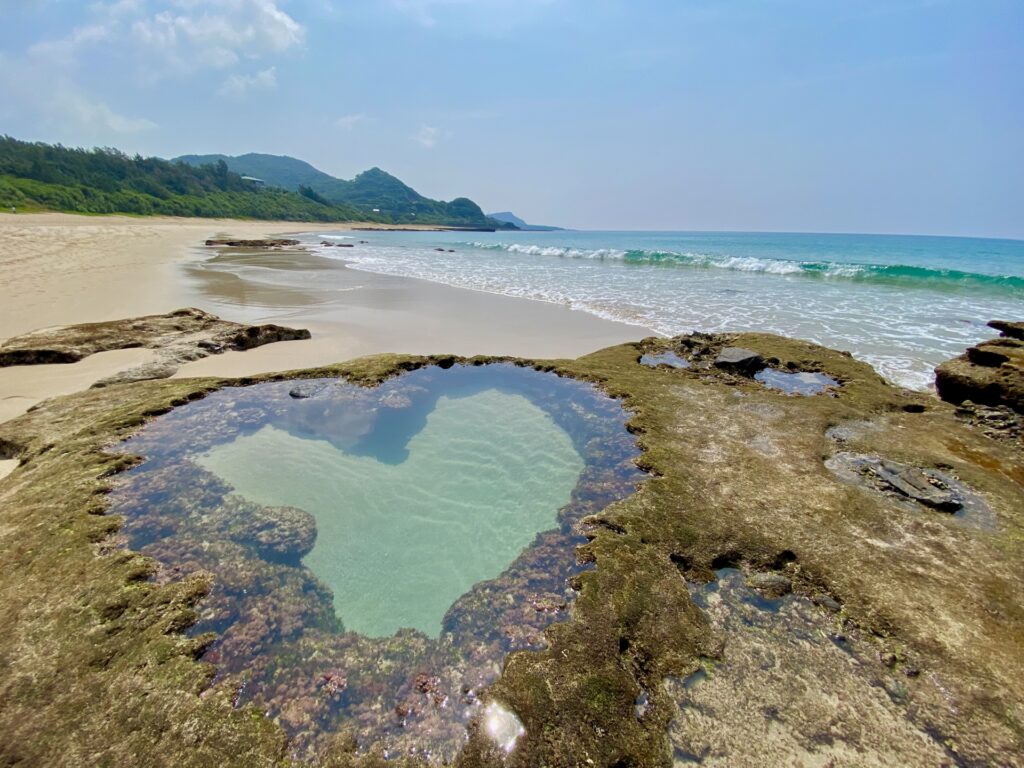
Beaches, coral reefs, slower days. It suits travelers who want to pause rather than move.
You don’t “cover” Amami. You settle into it.
Best Things to Do in Kagoshima
The structure of a typical visit is surprisingly simple.
Most people end up combining a few key elements:
- Seeing Sakurajima up close
- Walking through Sengan-en
- Taking in the view from Shiroyama Observatory
- Spending time around Tenmonkan
None of these require long travel times, which makes it easy to build a flexible plan.
Rough timing helps:
- Sakurajima: half day
- Sengan-en: 2–3 hours
- City exploration: about a day
Day Trips from Kagoshima
Kagoshima works well as a base, especially if you prefer not to change hotels frequently.
Half-day options stay close—Sakurajima, Sengan-en, Shiroyama.
Full-day trips open things up:
- Ibusuki for a coastal reset
- Chiran for history
- Kirishima for nature
Longer stays allow for more ambitious plans, like Yakushima or Amami Oshima. These require planning, but they shift the overall experience in a way day trips can’t.
What to Eat in Kagoshima

Food here feels tied to the land.
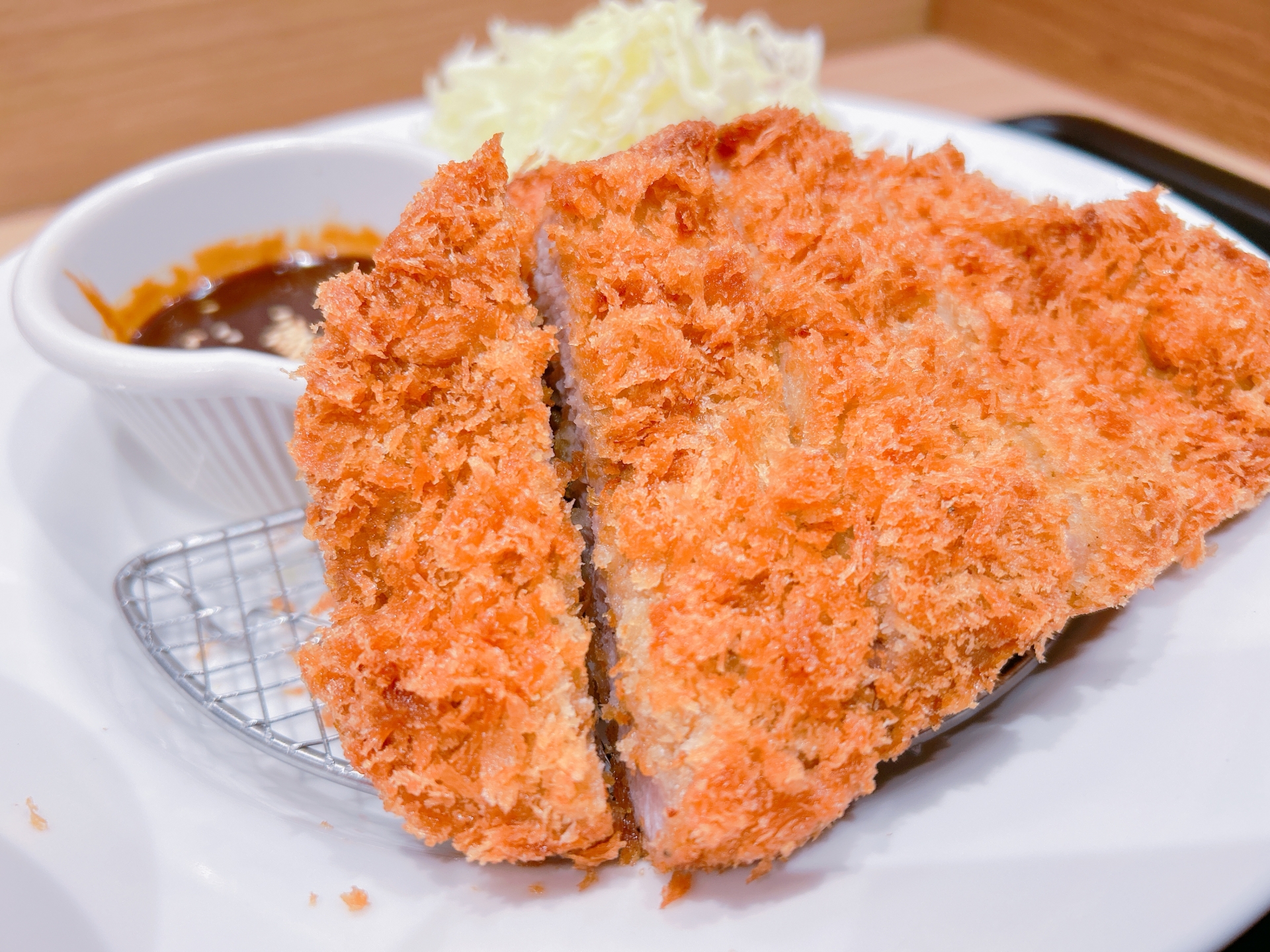
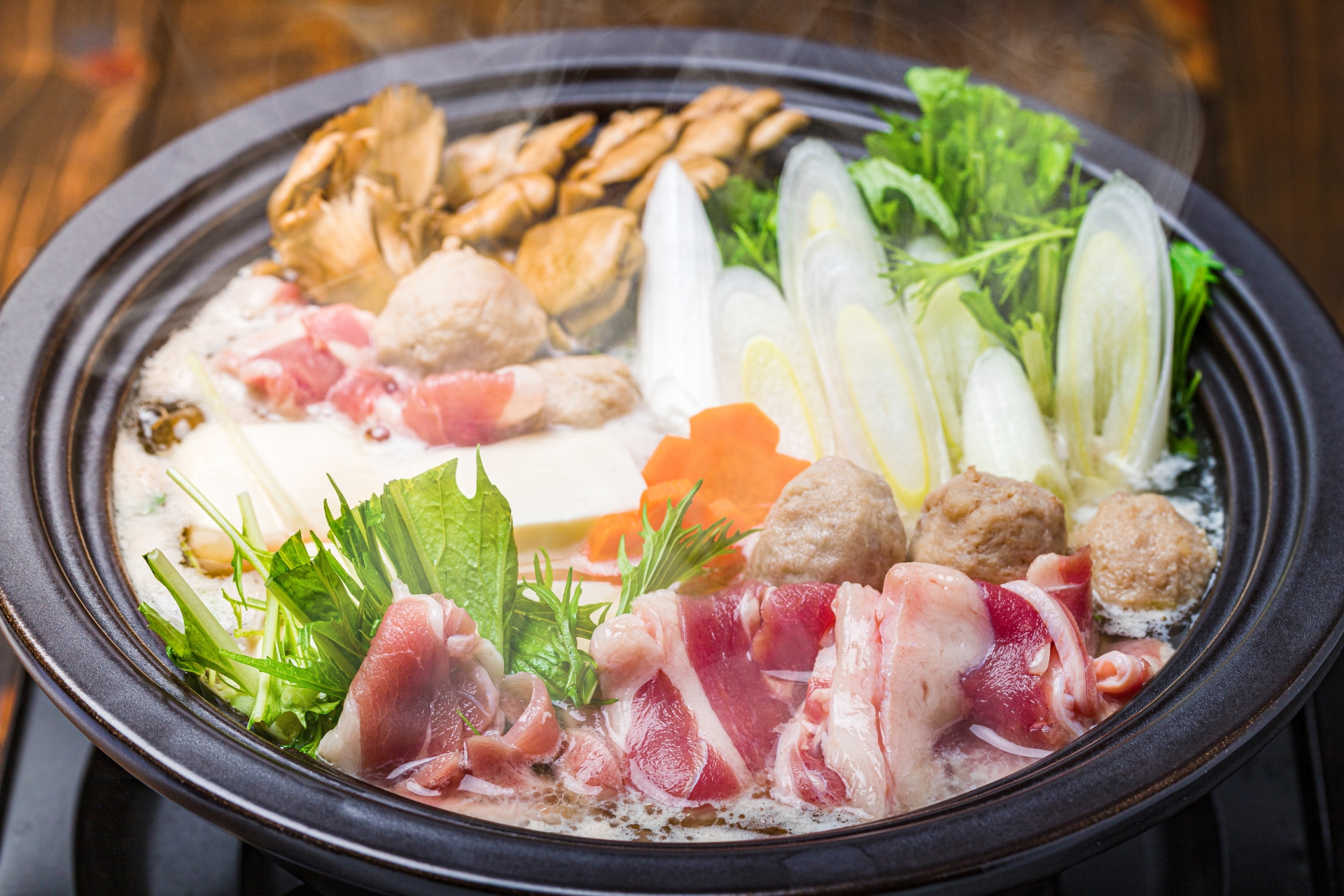
Kurobuta shows up in tonkatsu or hot pot, with a richness that’s noticeable but not heavy. Kagoshima wagyu leans in a similar direction—depth of flavor rather than excess.
For something more casual, Satsuma-age is everywhere. Easy to pick up, easy to eat while walking.
And then there’s Shirokuma—bright, piled with fruit, condensed milk cutting through the heat in summer.
If you’re looking for where to try these:
- Tenmonkan has the most variety
- Around Kagoshima-Chuo Station is the most convenient
Getting Around
Despite its location, Kagoshima is easy to reach.
Flights connect through Kagoshima Airport, and the Shinkansen links it to Fukuoka and beyond.
Within the city, trams and buses cover most areas. Walking fills in the gaps.
The ferry to Sakurajima runs frequently and doesn’t require much planning—you can simply show up and board.
For rural areas, public transport works, but a car adds flexibility.
Best Time to Visit
Kagoshima works year-round, but the experience shifts slightly with the seasons.
Spring and autumn tend to be the most comfortable—clearer air, milder temperatures. Summer brings heat and humidity, but it’s also when islands like Amami Oshima are at their best.
Winter is relatively mild compared to other parts of Japan, which can make it a quieter alternative.
One constant to keep in mind: volcanic ash. It rarely disrupts travel, but it can change visibility and comfort depending on the day.
FAQ
How many days do you need?
2–3 days works for the city and nearby areas. Islands require more time.
Is Sakurajima safe?
Yes. It’s monitored, and access is controlled where needed.
Can you visit Yakushima from Kagoshima?
Yes—by ferry or flight, with some planning.
Do you need a car?
Not in the city. Helpful outside it.
Who Kagoshima Works For
Kagoshima doesn’t try to impress all at once.
It suits travelers who are willing to let things unfold a bit—who don’t mind spacing out their day, sitting a little longer, or adjusting plans based on weather or mood.
If you’re visiting Kyushu for the first time, starting with Kagoshima City and Sakurajima gives a solid introduction.
If you stay longer, places like Yakushima, Kirishima, or Amami Oshima begin to reshape the trip into something broader.
And if food is part of the reason you travel, areas like Tenmonkan make it easy to explore without overplanning.
Kagoshima doesn’t overwhelm. It settles in gradually—and tends to stay with you a little longer than expected.