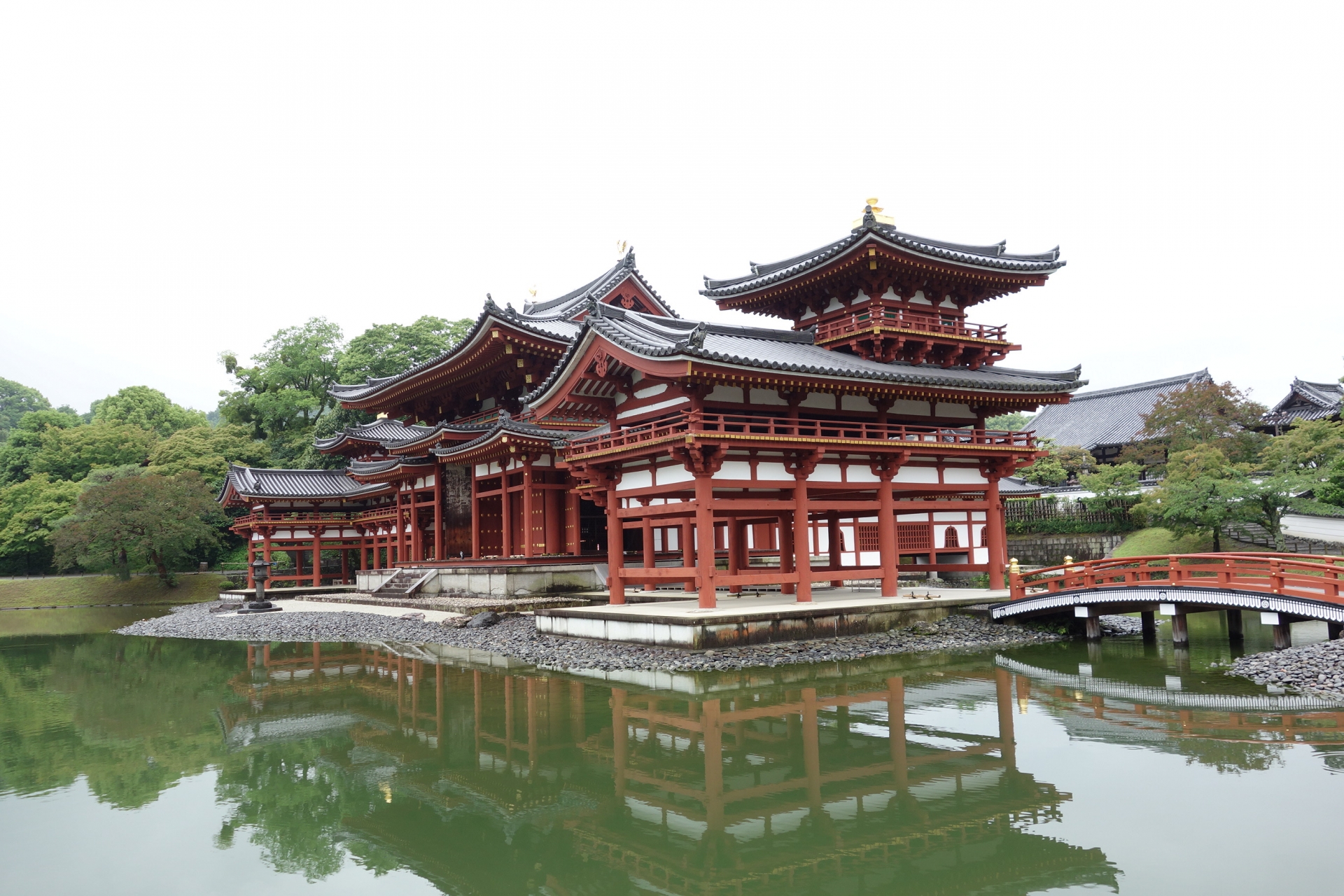
There’s a brief pause that tends to happen when you step into Byodo-in Temple. The path opens, the noise drops a little, and across the pond the Phoenix Hall comes into view—familiar, but somehow quieter than expected.
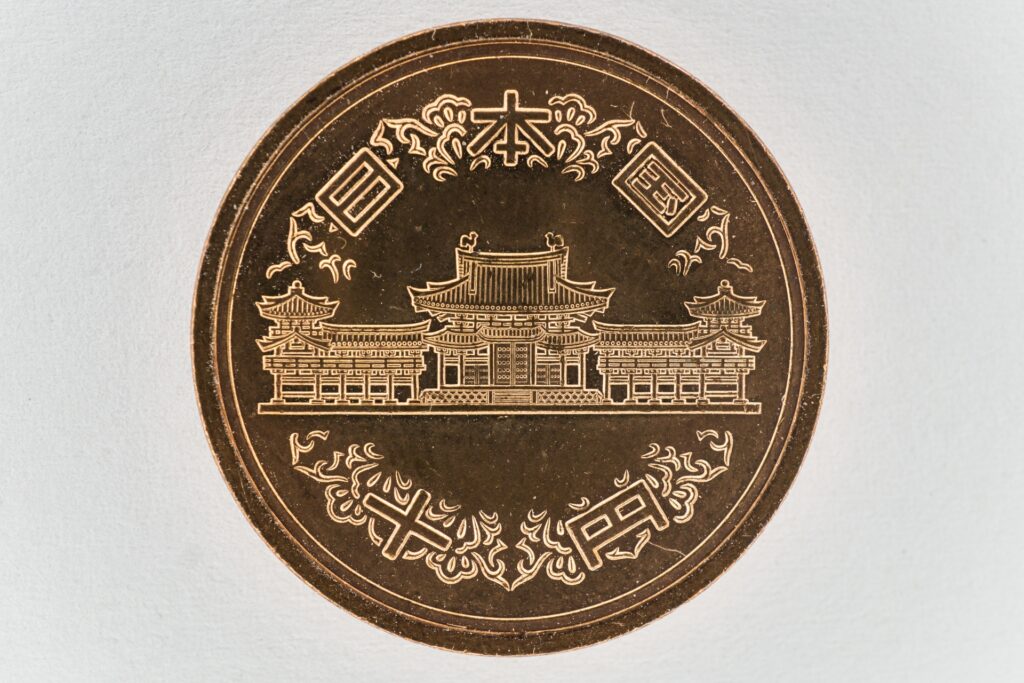
Most people recognize it from the 10-yen coin. Seeing it here, set back behind the water, feels less like recognition and more like a slow realization.
This guide focuses on what actually shapes the visit—what to look for, how to move through the space, and how to fit it into a half-day in Uji without overplanning.


What You’re Looking At (Temple vs. Hall)
It’s easy to think of Byodo-in as a single building. In reality, the Phoenix Hall is just one part of the grounds.
The complex is fairly compact: a pond-centered garden, a museum set slightly off to the side, and a handful of structures that don’t take long to walk between. You won’t need a map for long. After a few minutes, the layout starts to make sense on its own.
Realizing that the famous hall is just one element tends to shift how you move through the space. You stop chasing the one photo and start noticing how everything is arranged around it.
A Landscape Built Around Belief
Before it became a temple, this was a villa. In 1052, it was transformed into a Buddhist site at a time when many believed the world had entered an age of decline.
That idea—of seeking salvation elsewhere—quietly shapes the entire layout.
The Phoenix Hall sits across a still pond, positioned to reflect the Pure Land of Amida Buddha. The open space isn’t empty; it’s part of the composition. On calm days, the reflection lines up almost too neatly, as if the building and its mirror image were meant to be read together.
You don’t need to know the doctrine to feel that something about the space is intentional.
Highlights at a Glance
Before getting into the details, it helps to know how the visit naturally breaks down:
- Phoenix Hall (exterior): the main visual focal point (20–30 min)
- Phoenix Hall (interior): Amida Buddha and interior space (extra ticket, ~20 min)
- Hoshokan Museum: original artifacts and context (30–45 min, included)
It’s not a long visit overall, but each part adds a different layer.
The Phoenix Hall (And Whether to Step Inside)
Most people circle the pond, pause for photos, and move on. That alone can be enough.
But stepping inside changes the tone.
The light drops as you enter. At the center sits the Amida Buddha, and it takes a moment for your eyes to adjust—gold surfaces catching light, details appearing gradually rather than all at once. It’s structured and relatively quick, but it leaves a different kind of impression than the exterior.
Entry works on a timed system. Tickets are sold on-site, and you’ll be given the next available slot. On busy days, that might mean waiting a bit.
If you’re there early, it’s easier to fit in without breaking your rhythm.
How to Enter Phoenix Hall (Step-by-Step)

The process is straightforward, but easy to miss if you don’t know it:
- Enter the temple grounds with a general admission ticket
- Go to the Phoenix Hall ticket counter
- Choose the next available time slot
- Return at that time for entry
Capacity is limited per session, so earlier arrivals have more flexibility.
The Museum, Slightly Off to the Side
The Hoshokan Museum is easy to skip if you’re focused on the main hall. It doesn’t pull you in—you have to decide to go.
Inside, you’ll find original elements that were once part of the building, including the phoenix statues from the roof. Seen up close, they feel different from the distant view across the pond—less symbolic, more physical.
It also quietly explains why certain pieces were moved and how they’re being preserved.
Not essential for everyone, but it tends to round out the visit.
Tickets, Hours, and Practical Details
A few basics make the visit smoother:
- General admission:
Adults 700 yen / Junior & senior high school students 400 yen / Elementary school students 300 yen
(Includes garden and museum) - Phoenix Hall interior:
Additional 300 yen (timed-entry ticket required) - Opening hours:
Grounds: 8:30 AM – 5:30 PM (last entry around 5:15 PM)
Phoenix Hall interior: from around 9:30 AM to late afternoon (last entry ~4:10 PM, varies) - Photography:
Allowed outside, not permitted inside Phoenix Hall - Parking:
No dedicated visitor parking (public transport recommended)
These aren’t complicated, but knowing them in advance saves time on arrival.
When to Go (It Makes a Difference)
Arriving close to opening time—8:30 AM—changes the feel of the place.
The pond is calmer, the paths are easier to move through, and you’re not constantly adjusting around other visitors. By midday, the atmosphere shifts, and the Phoenix Hall entry slots tend to fill faster.
Weekday mornings usually strike the best balance.
Getting There from Kyoto Station
Uji is close enough to fit in without much planning.
From Kyoto Station, it’s about 20–30 minutes. The JR line is typically the fastest, while the Keihan line can be more convenient depending on your starting point.
Once you arrive, the area around the temple is walkable. Streets narrow slightly as you move toward the river, and the pace naturally slows.
What Comes After the Temple
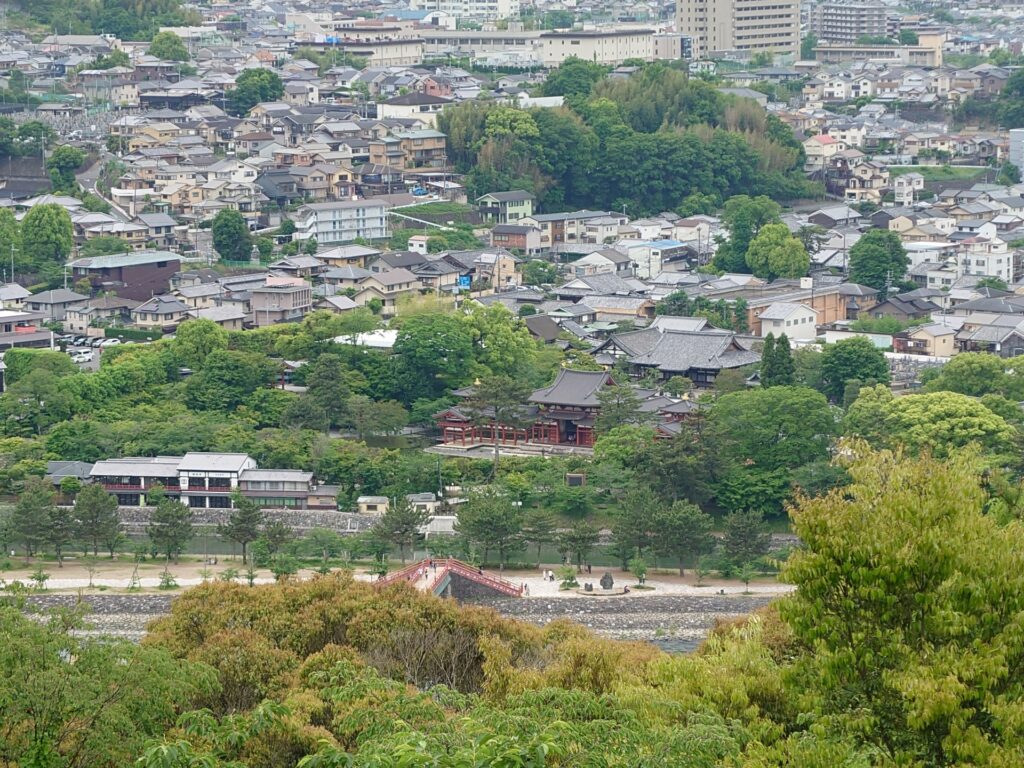
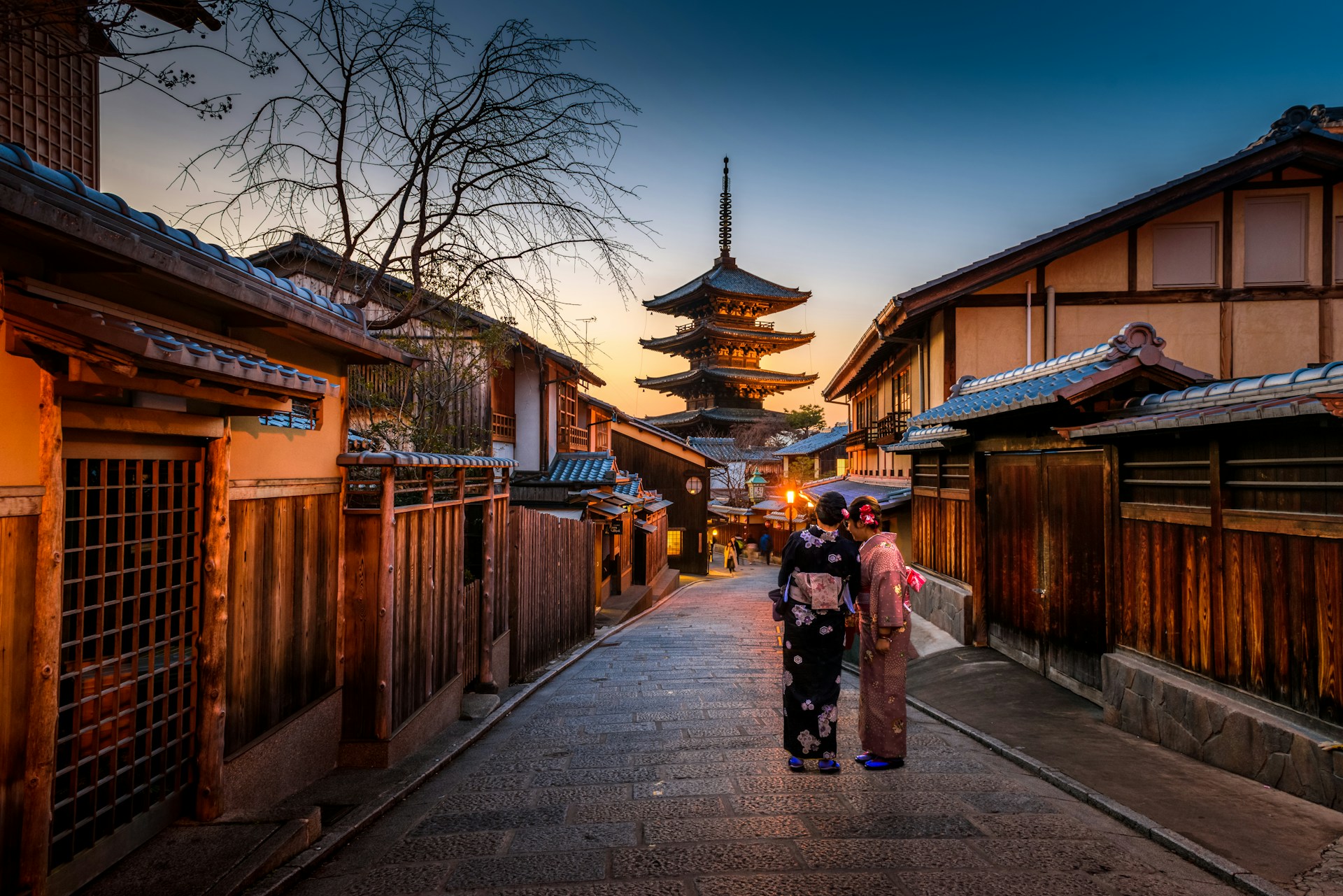
Uji doesn’t feel like an extension of Kyoto. It moves a bit differently.
After visiting Byodo-in Temple, it’s easy to drift into one of the nearby tea shops. Some are modern and polished, others more worn-in, with simple menus and a steady mix of locals and visitors.
A short walk brings you to Ujigami Shrine and the Uji River. The riverside path is open and unhurried—people sitting, walking, or just passing through without much structure.
You don’t need to plan this part too tightly. It works better if you don’t.
How Much Time You Actually Need
If you include the Phoenix Hall interior and the museum, plan for around 1.5 to 2 hours.
You can move faster, but the visit tends to feel more complete if you allow a bit of time to pause—especially around the pond.
Is It Worth It?
If you’re expecting scale or spectacle, Byodo-in might feel understated at first.
But it works differently.
Byodo-in Temple is less about size and more about how the elements hold together—the spacing, the symmetry, the way the scene settles when you stop moving.
And once you’ve seen that familiar silhouette in its actual setting, it tends to stay with you a little longer than expected.