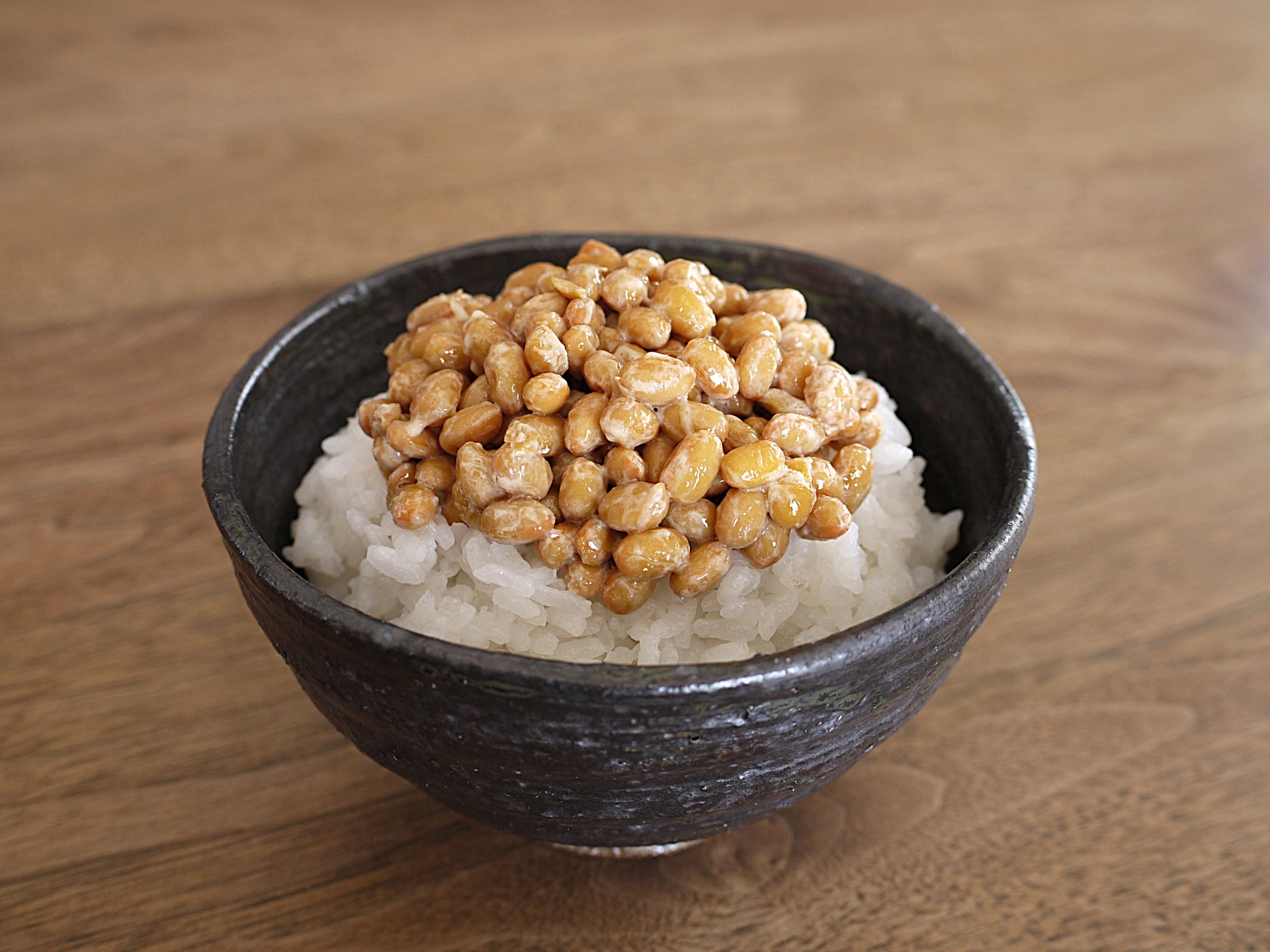
“Natto” is one of those foods people tend to pause at—sometimes out of curiosity, sometimes hesitation. You’ll see it come up in conversations about Japanese breakfasts, gut health, or fermented foods in general. This guide walks through what it actually is, how it tastes, and how people eat it in everyday life across Japan.


What Is Natto? A Simple Explanation for First-Time Readers
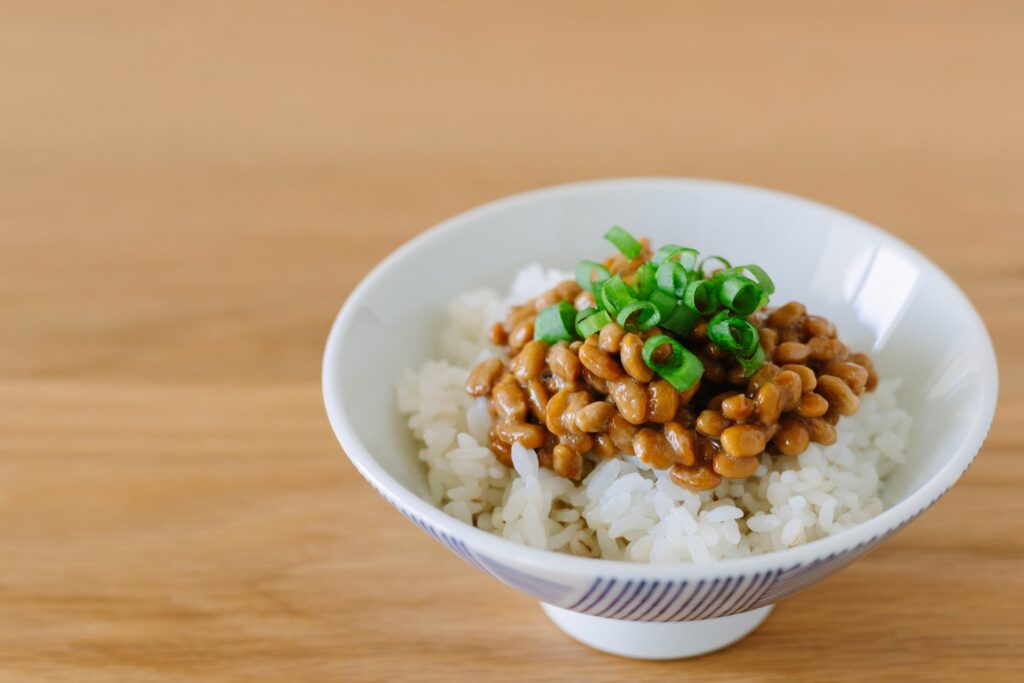
Natto is made from soybeans fermented with a specific bacterium called Bacillus subtilis var. natto. That much is straightforward. What tends to catch people off guard is everything else: the sticky threads, the smell, the way it clings to your chopsticks.
In the bowl, it looks like small brown beans tangled in fine, web-like strands. The flavor leans savory—deeply so—but not in a heavy way. More like something that sits quietly in the background once you get used to it.
A few basics help ground it:
- Origin: Japan
- Main ingredient: Soybeans
- Texture: Sticky, stringy, slightly slippery
- Typical serving: Over rice, usually with seasoning
Unlike tofu or miso, natto isn’t processed into a new shape. It stays as whole beans, which gives it a more homespun, everyday feel—something closer to what you’d find on a breakfast table than in a formal setting.
Why Is Natto Sticky, Stringy, and Smelly?
That texture isn’t a gimmick—it’s the result of fermentation doing exactly what it’s supposed to do.
After the soybeans are cooked, they’re kept warm (around 40°C / 104°F) with the bacteria for about a day. During that time, proteins break down and form those signature threads. When you stir natto, those strands stretch and multiply, almost like pulling sugar into fine fibers.
The smell can be a hurdle. Some people compare it to aged cheese. Others don’t bother comparing it at all. Either way, it’s a natural byproduct of the process—not a sign that anything’s gone wrong.
What Does Natto Taste Like?
If you separate the flavor from the texture for a moment, natto is actually fairly restrained.
- Slightly nutty
- Earthy
- Strong in umami
- A faint bitterness or sharp edge
For many first-timers, the smell and texture arrive before the taste does. But once you get past that initial reaction, the flavor tends to settle into something more manageable—especially when paired with other ingredients.
It’s often compared loosely to fermented or aged foods, but nothing quite matches it. Natto has its own lane.
How to Eat Natto: The Best Ways for Beginners
In Japan, natto is most often eaten without much fuss—especially in the morning. A small pack, a bowl of rice, and that’s about it.
The Traditional Way: Natto Over Rice
This is the version you’ll see almost everywhere:
- Open the natto pack
- Add the included sauce (tare) and mustard (karashi)
- Stir for 20–30 seconds
- Spoon it over hot rice
- Add green onions or a splash of soy sauce if you like
That stirring step matters more than it sounds. It changes both the texture and the aroma, bringing everything together.
Beginner-Friendly Natto Combinations
If jumping straight into plain natto feels like a lot, mixing helps. Not to hide it completely, but to ease into it.
- Rice + raw egg → softens the texture
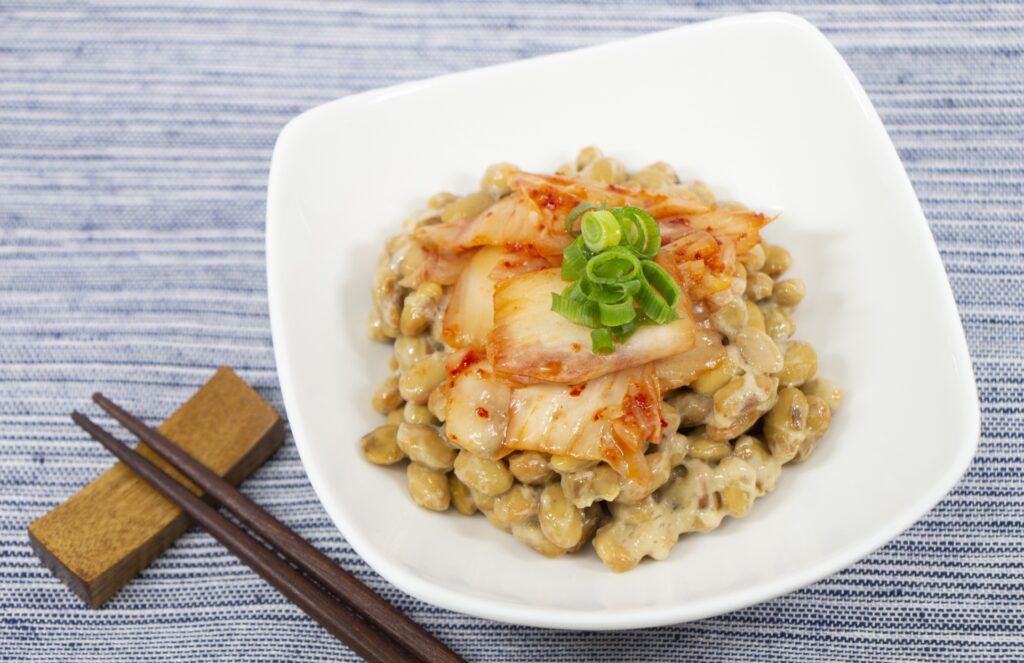
- Kimchi → adds spice, shifts the smell
- Avocado → makes it creamier
- Toast → an easier entry point if you’re used to Western breakfasts
- Pasta → surprisingly common in casual Japanese cooking
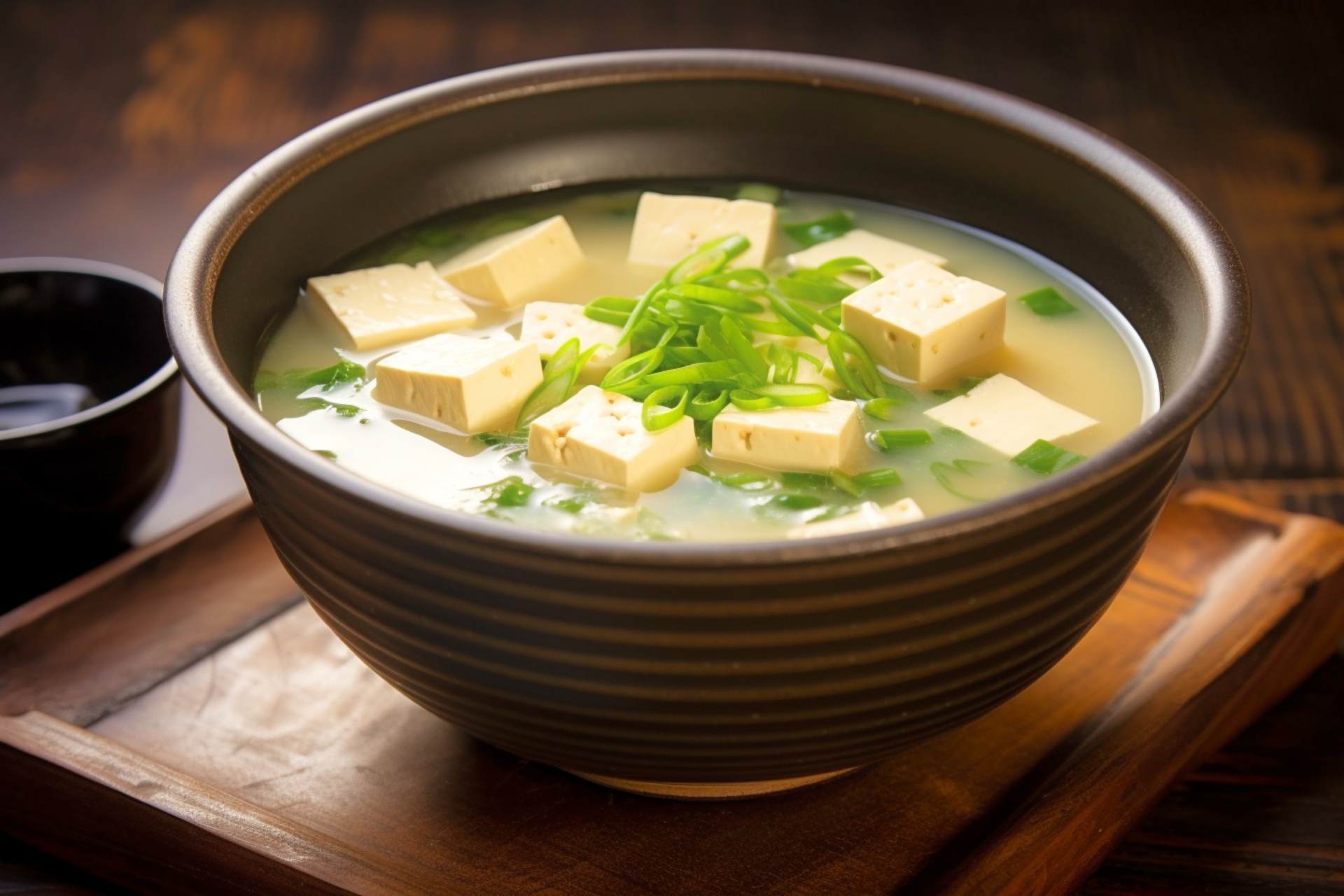
- Miso soup or tofu → tones things down
Thinking of natto as an ingredient—not the whole dish—makes it easier to work with.
Starter Table: Best Natto Pairings by Difficulty Level
| Pairing | Flavor Impact | Texture Impact | Beginner-Friendly |
| Rice | Mild, balanced | Slightly sticky | ★★★★☆ |
| Egg | Creamy, mellow | Smooths texture | ★★★★★ |
| Kimchi | Strong, spicy | Distracts from slime | ★★★★☆ |
| Avocado | Rich, buttery | Softens stickiness | ★★★★★ |
| Toast | Neutral | Less noticeable | ★★★★☆ |
| Pasta | Savory fusion | Mixed | ★★★☆☆ |
Is Natto Healthy? Benefits, Nutrition, and What the Research Says
Natto often shows up in conversations about traditional diets and fermented foods. It’s nutrient-dense, but it’s worth keeping expectations realistic.
Key Nutrients in Natto
It contains:
- Plant-based protein
- Dietary fiber
- Vitamin K (especially K2)
- Iron and calcium
- Probiotics
That combination makes it appealing if you’re paying attention to gut health or balanced eating, though it’s not a cure-all.
Potential Benefits for Gut, Bone, and Heart Health
- Gut health: As a fermented food, it introduces beneficial bacteria that may support digestion.
- Bone health: Vitamin K2 plays a role in how the body handles calcium.
- Heart health: Some studies suggest certain compounds may support cardiovascular function, though findings vary.
What Is Nattokinase?
Nattokinase is an enzyme produced during fermentation. It’s often discussed in relation to blood flow and heart health.
It’s worth noting the distinction:
- Eating natto (whole food)
- Taking nattokinase as a supplement
They’re not interchangeable, and supplements should be approached carefully.
Who Should Be Careful With Natto?
Natto is generally safe, but there are exceptions:
- People with soy allergies
- Those sensitive to fermented foods
- Individuals taking medications like warfarin (because of vitamin K)
This is general information—not medical advice.
The History of Natto and Why Mito Is Famous for It
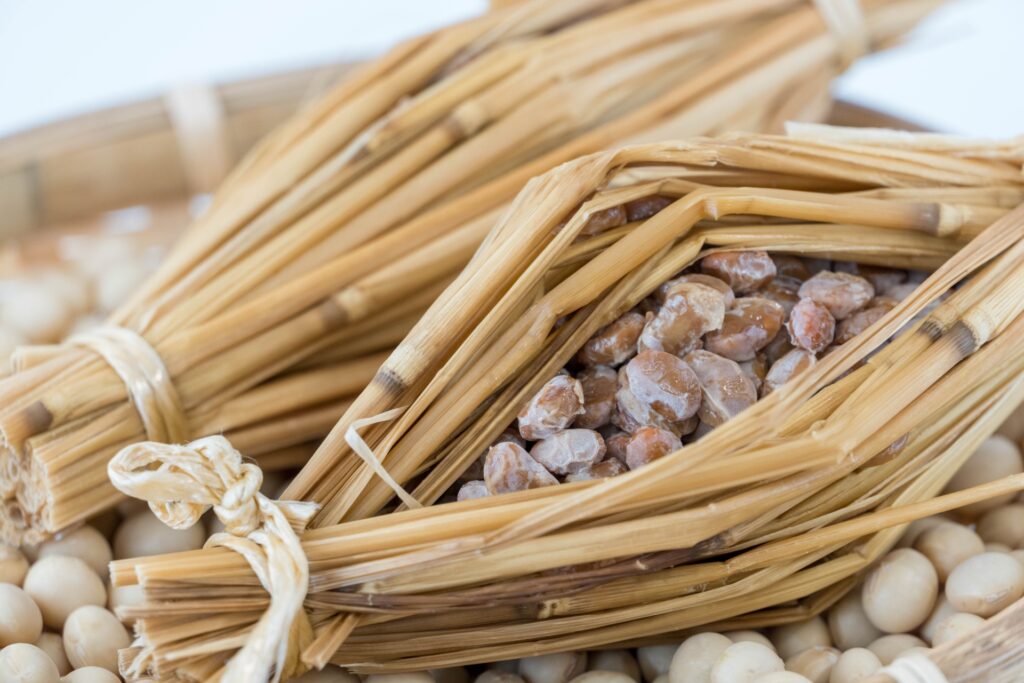
Natto has been part of Japanese food culture for over a thousand years. One place it’s strongly associated with is Mito, a city that became known for its production.
Originally, soybeans were wrapped in straw, which naturally carried the bacteria needed for fermentation. That method gave natto its start. Modern production is more controlled, but the idea hasn’t changed much.
These days, natto is easy to find across Japan—especially in the eastern regions.
Why Natto Is More Popular in Some Parts of Japan
Preferences vary depending on where you are.
In eastern Japan (the Kanto area), natto is a regular part of meals. In western regions, it’s less embedded in daily habits. The reasons aren’t entirely clear-cut—history, local production, and taste preferences all seem to play a role.
How Natto Is Made: A Simple Overview
Once you see the process, it feels less mysterious.
Basic Steps to Make Natto
- Soak soybeans overnight
- Cook until soft
- Add natto bacteria
- Ferment at around 40°C for about 24 hours
- Refrigerate to finish
That’s it, at least in principle. Fermentation does the heavy lifting.
Why Fermentation Creates Natto’s Unique Texture and Smell
As proteins break down, they form:
- Sticky strands
- Strong aromas
- Deep umami flavor
All of it comes from microbial activity—not additives or processing tricks.
Tips for Making Natto at Home
- Keep everything clean
- Maintain a stable temperature
- Use store-bought natto as a starter
It’s doable, but for most people, buying it is far simpler.
Natto FAQs for U.S. Readers
Can You Eat Natto Every Day?
Many people in Japan do. Still, it depends on personal tolerance and overall diet.
Where Can You Buy Natto in the U.S.?
You’ll usually find it at:
- Japanese supermarkets
- Asian grocery stores
- Some health food shops
- Online (often frozen)
Frozen natto is common and keeps well.
What’s the Difference Between Natto and Nattokinase Supplements?
Natto is a whole food with multiple nutrients. Supplements isolate one element. They serve different purposes and shouldn’t be treated the same way.
Conclusion
Natto doesn’t try to meet you halfway. The smell, the texture—they arrive first. But once you get used to those, it becomes easier to see how it fits into everyday meals in Japan.
Starting simple helps. A bowl of rice, a bit of seasoning, maybe one extra topping. From there, it’s something you adjust to, rather than something you immediately understand.